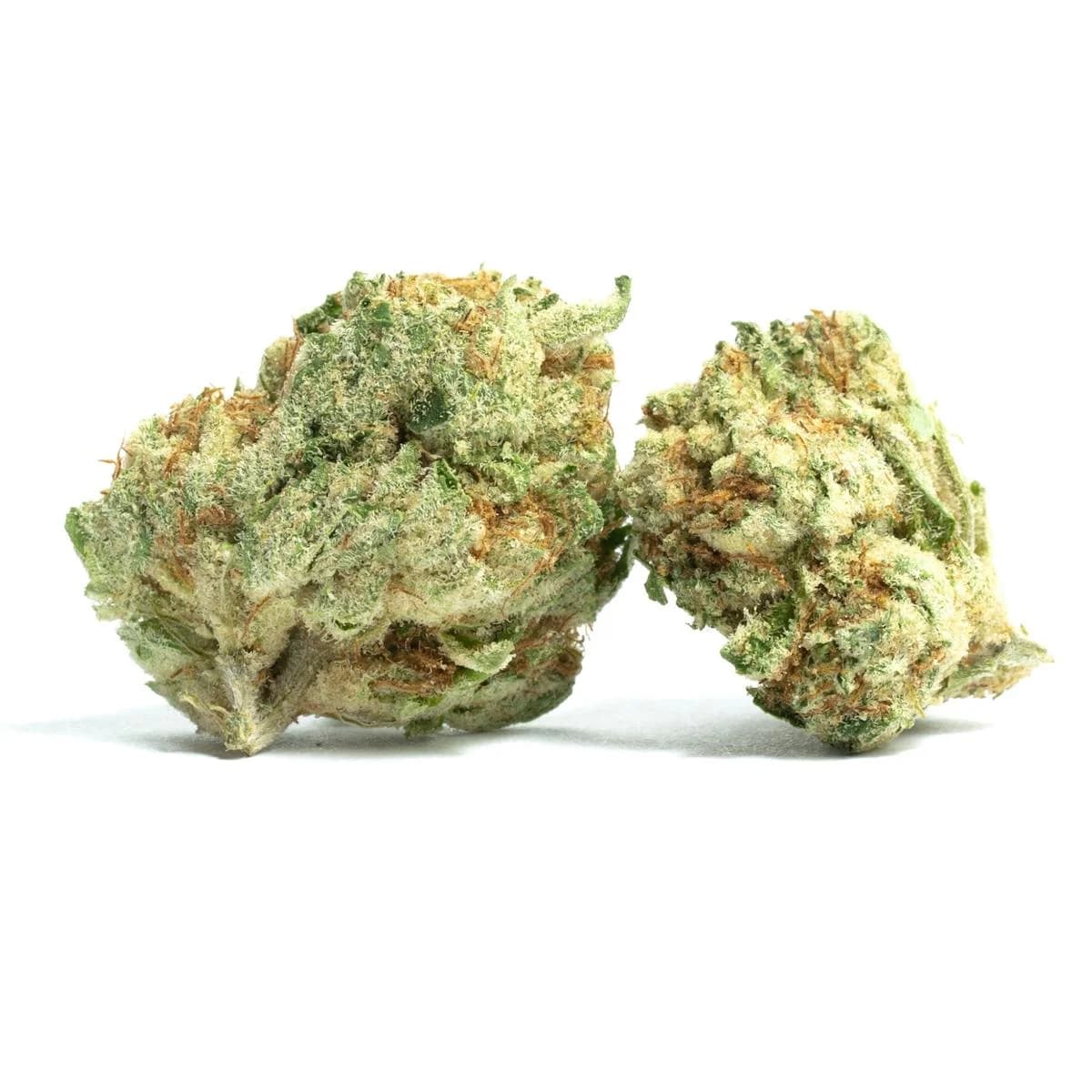
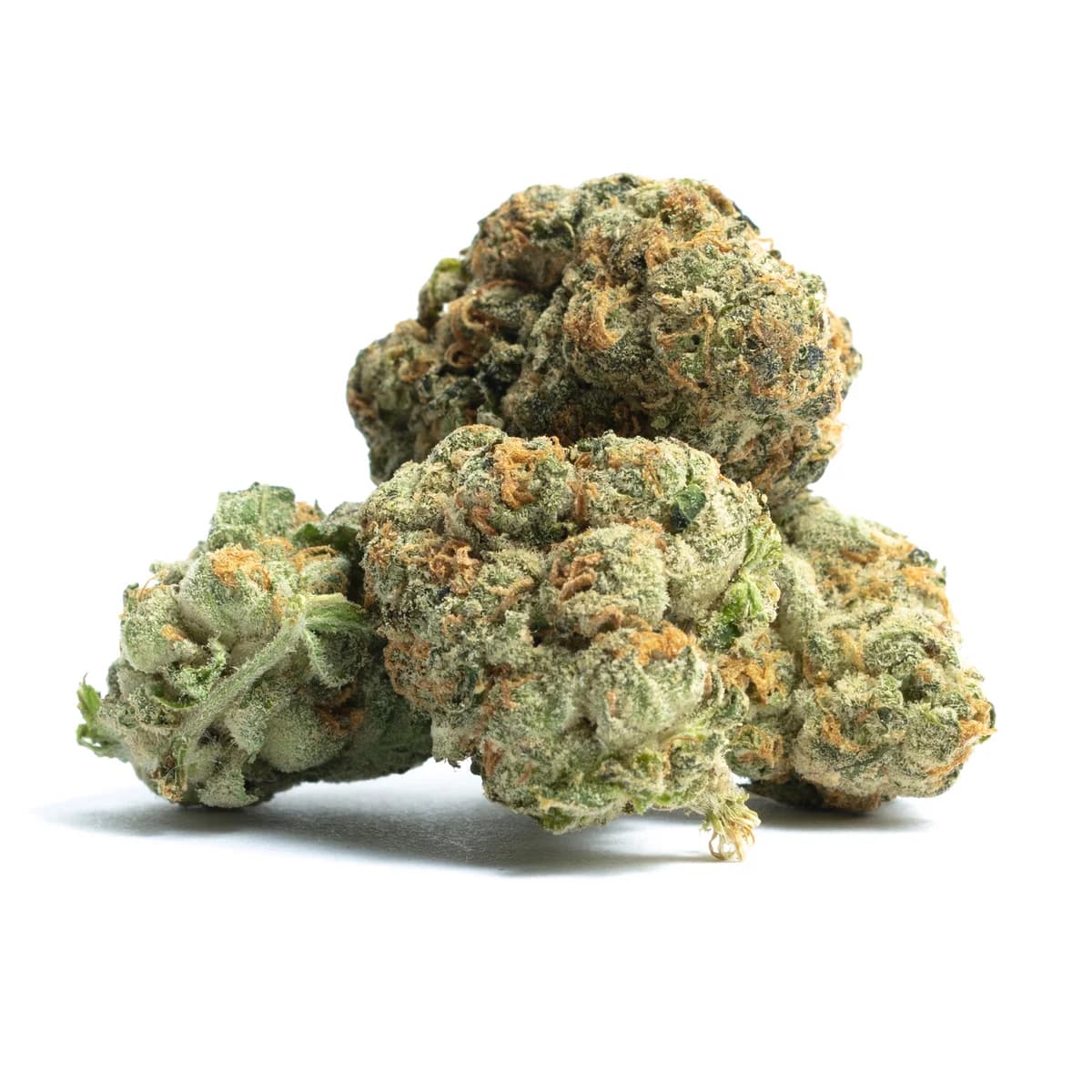
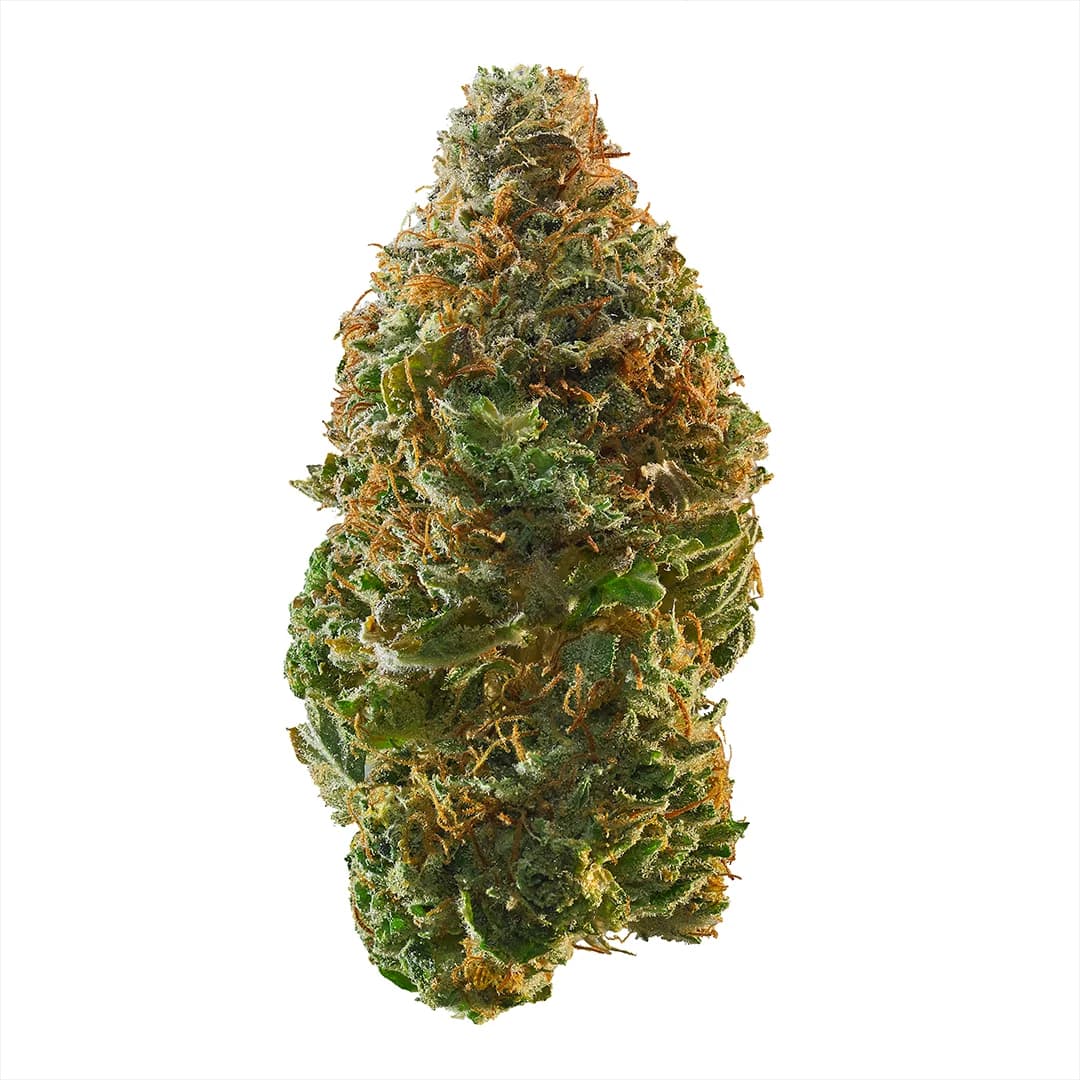
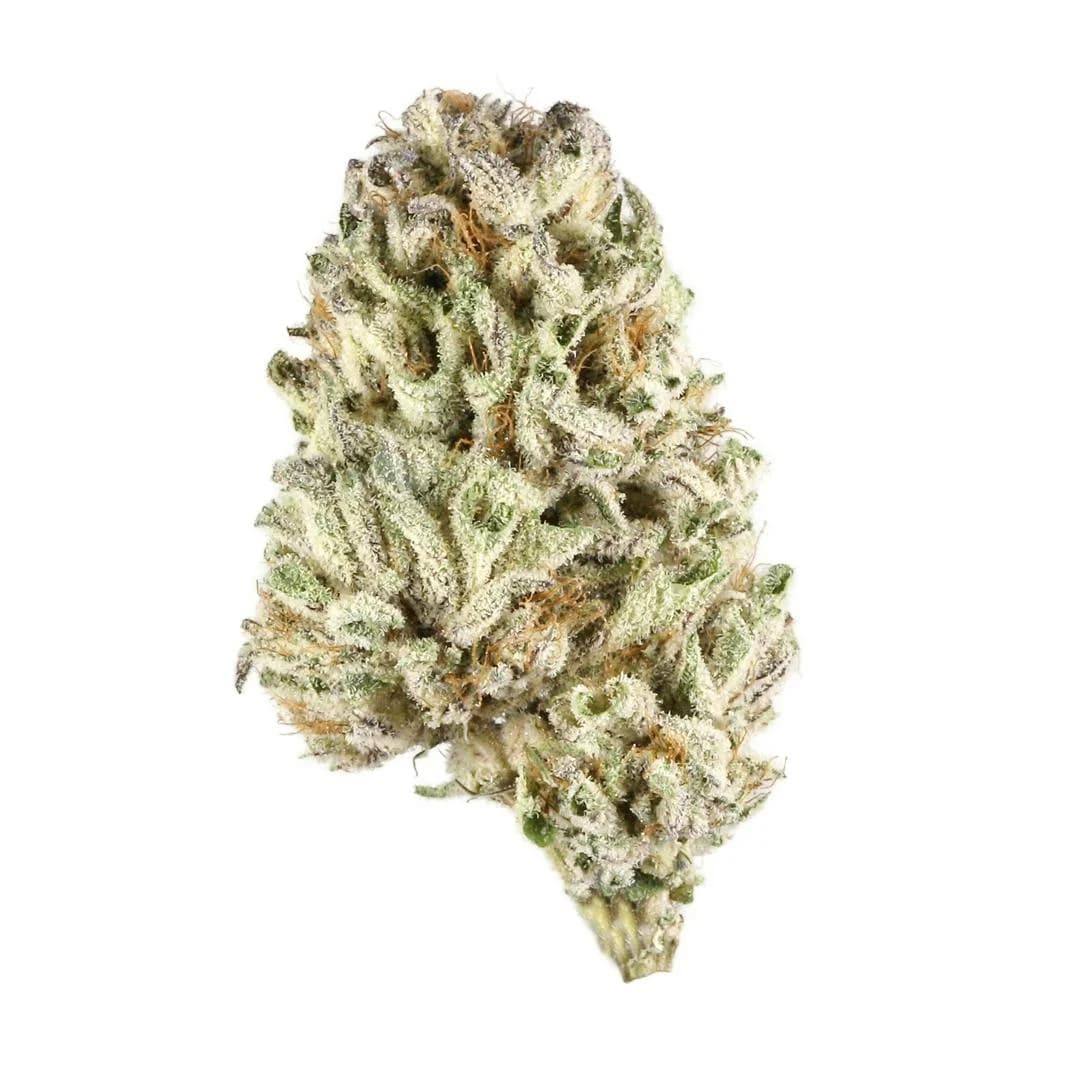
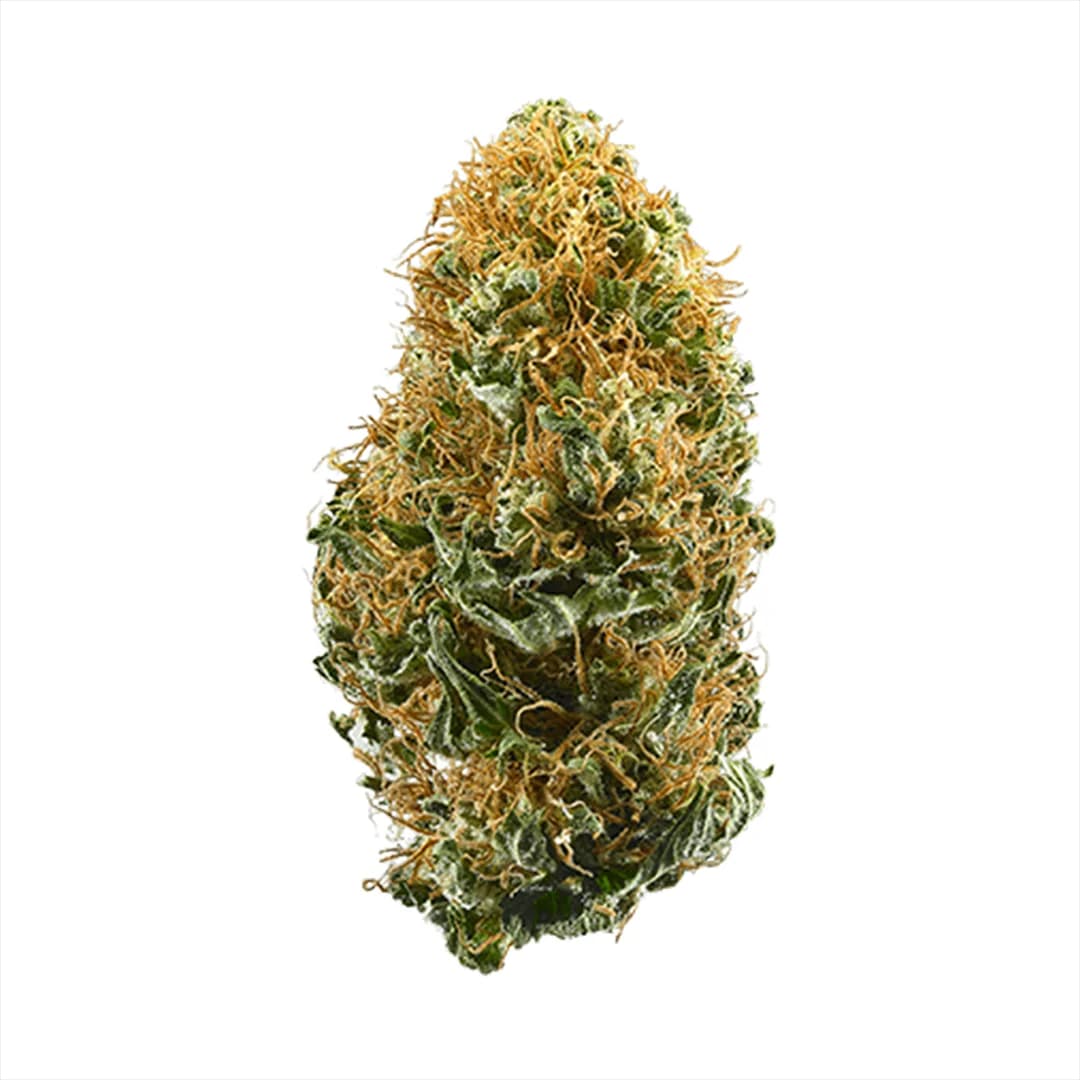
Percentages are catalog reference values, not sample lab results. “Not reported” means the source did not supply a value. Reported effects are subjective tags, not predictions.
The White is described by Leafly as a line of uncertain origin, once called Triangle and associated with Florida. Similar appearance to an OG does not establish OG Kush parentage. This page therefore preserves the historical uncertainty and does not conflate the Triangle name with Triangle Kush.
Thin Mint is presented by Leafly as a hybrid catalog entry. The source account says: Thin Mint is described as a distinct selection within the GSC family. It appears in the reported background of Gelato, making it a useful link between the Cookies family and later named cultivars. This context is retained as an attributed account, not as genetic authentication of every sample carrying the name. Reader-reported flavor descriptors include Menthol, Mint, Sweet. The catalog lists Caryophyllene, Limonene, Linalool as terpene labels. Those fields describe different evidence layers and do not establish a fixed chemical profile, medical effect or response for an individual sample.
Trainwreck is associated by Leafly with Northern California and Mexican, Thai and Afghan ancestry. The source offers more than one story for its name rather than a single documented origin. Its summary classifies it as hybrid, while the narrative uses sativa language; these labels should not settle pedigree. Pine, earthy and woody are displayed reader tags, separate from a terpinolene-led catalog profile. The ancestry remains broader than an authenticated pair of immediate parents.
White Runtz is cataloged by Leafly as a Gelato and Zkittlez cross. Its dessert and fruit descriptors are preserved as reader-reported tags, separate from cannabinoid reference values and lineage evidence.
White Widow is associated in Leafly's account with Dutch breeding in the 1990s and ancestry from Brazil and southern India. These regional descriptions are broader than named, authenticated parent plants. The profile's woody, earthy and floral reader tags sit alongside a myrcene-led catalog terpene listing. They describe the source's record rather than establish a universal sample profile. Historical breeder attribution and the exact ancestral material still need primary documentation.