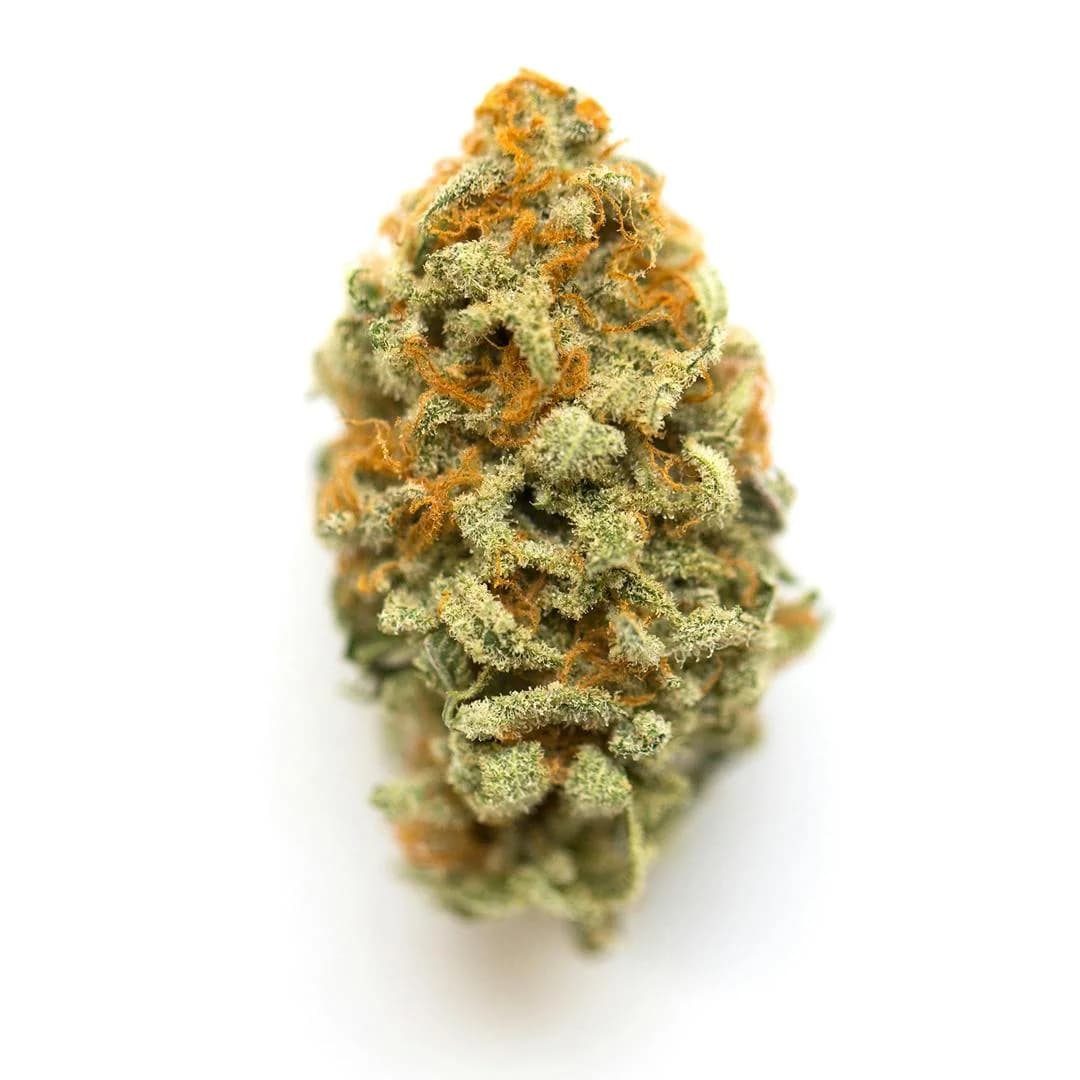
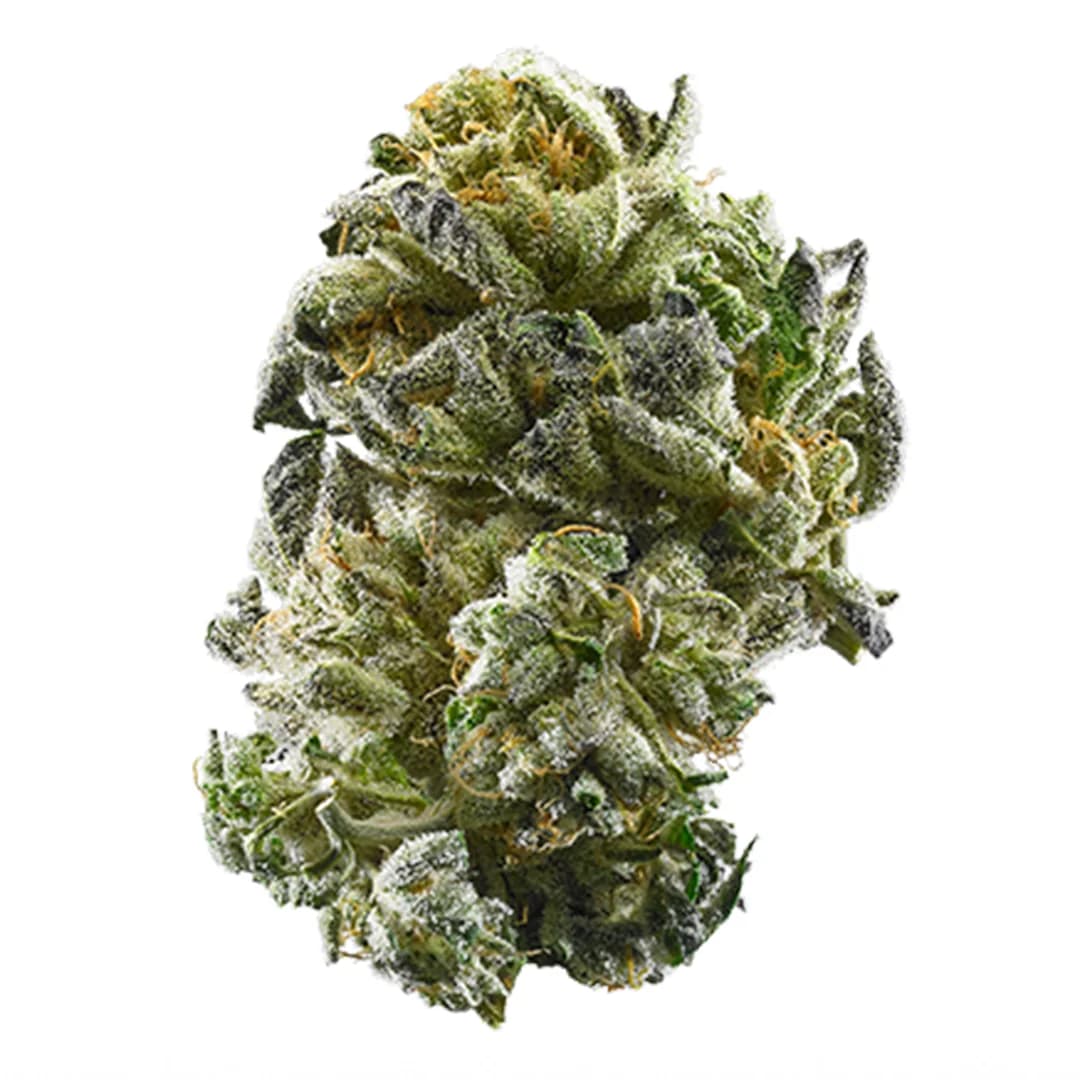
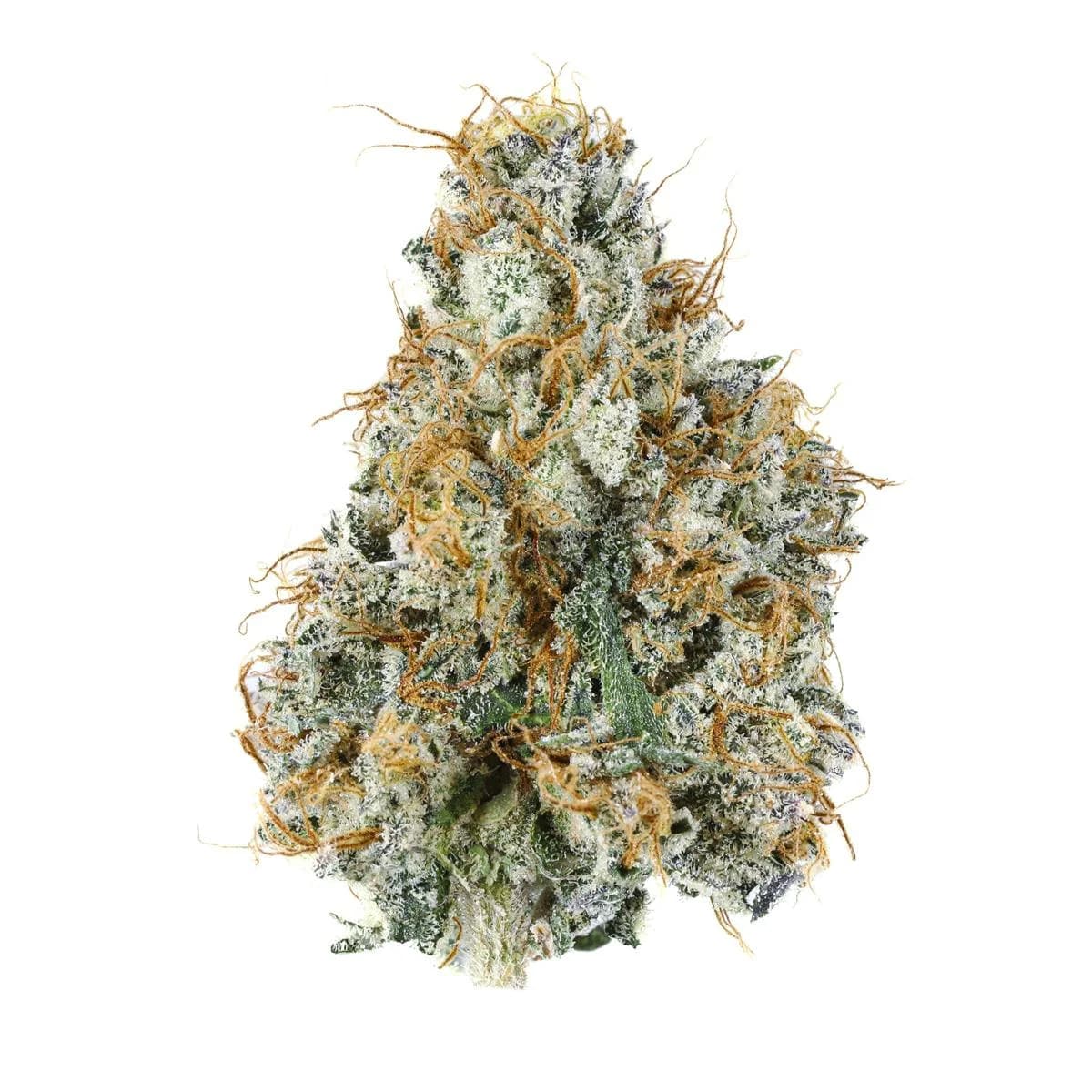
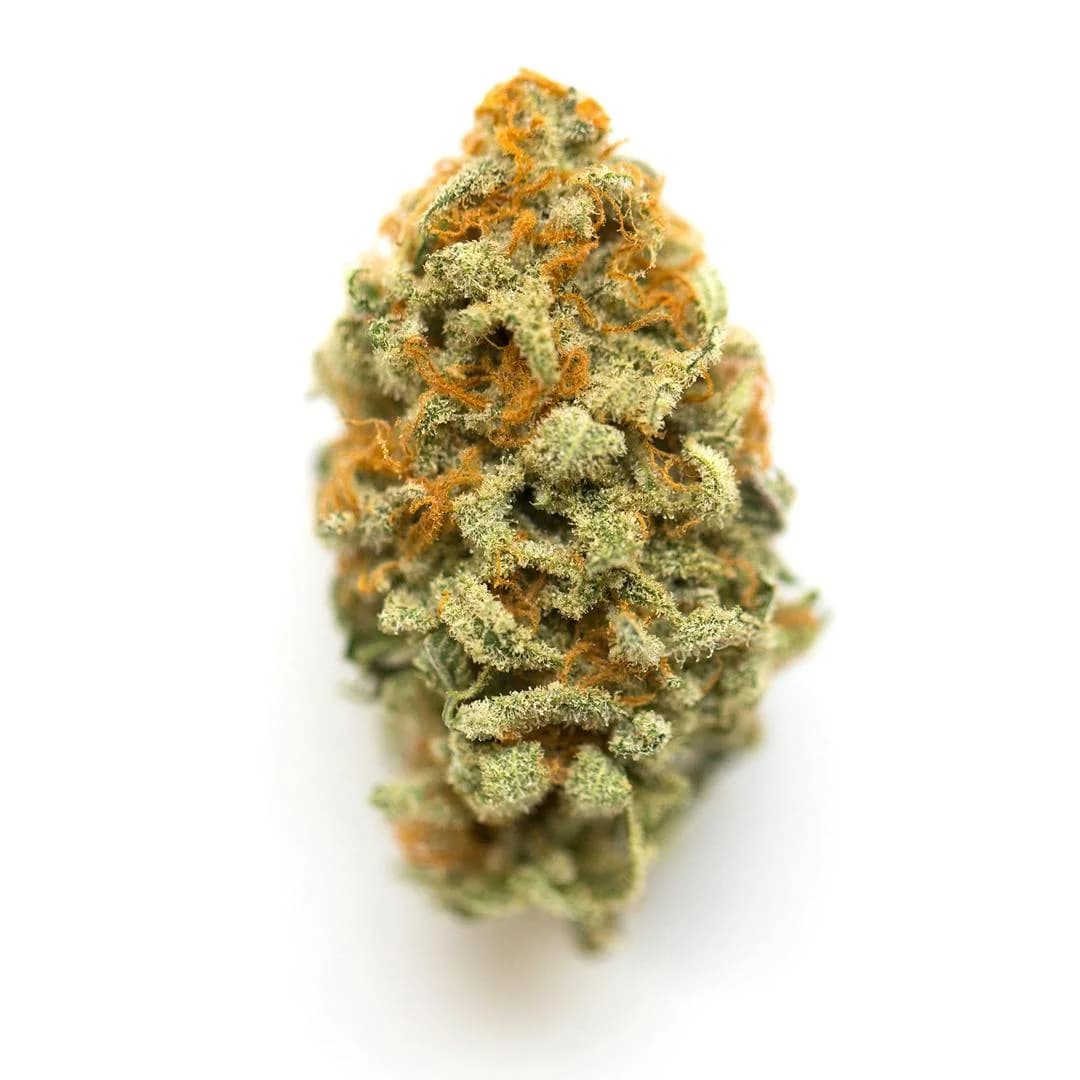
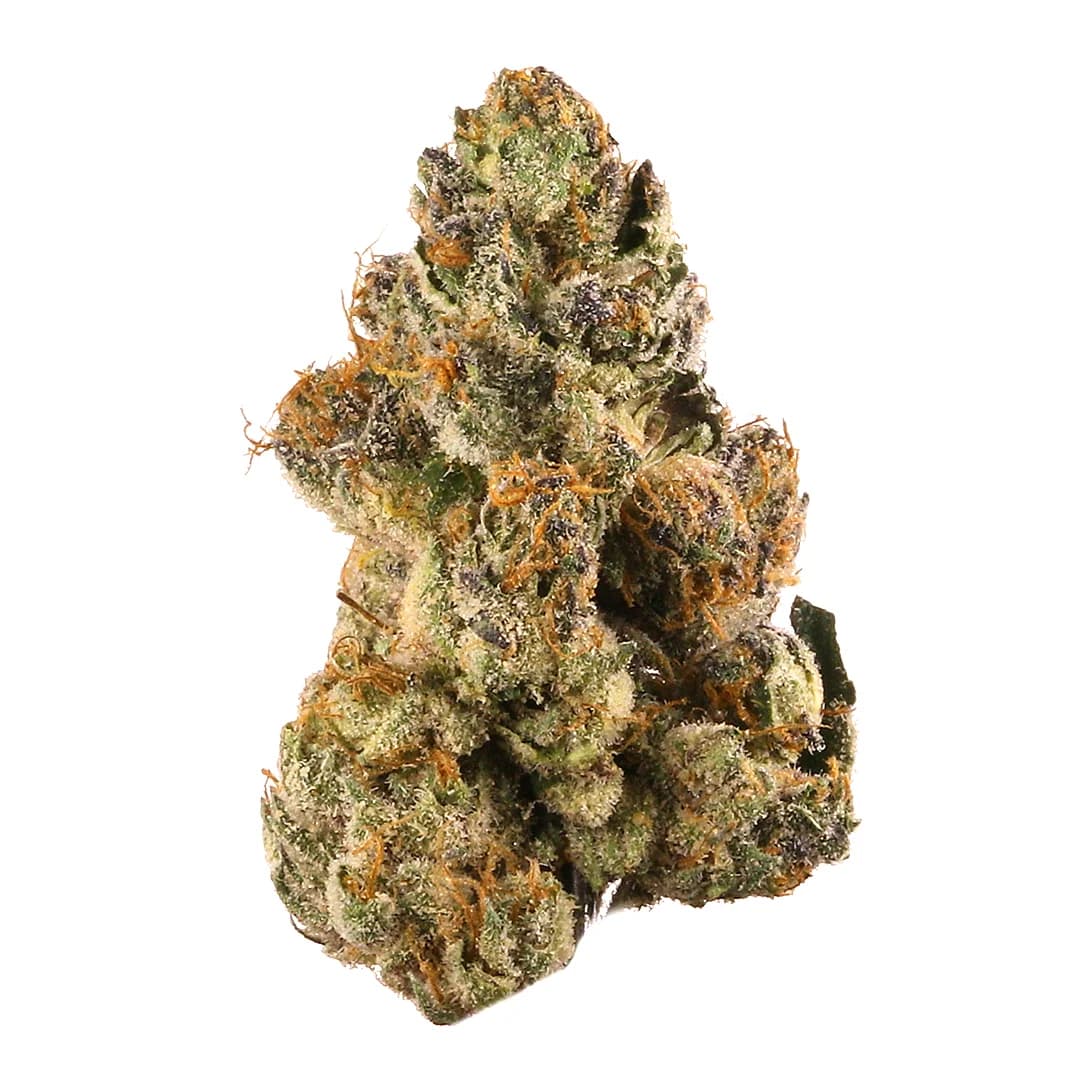
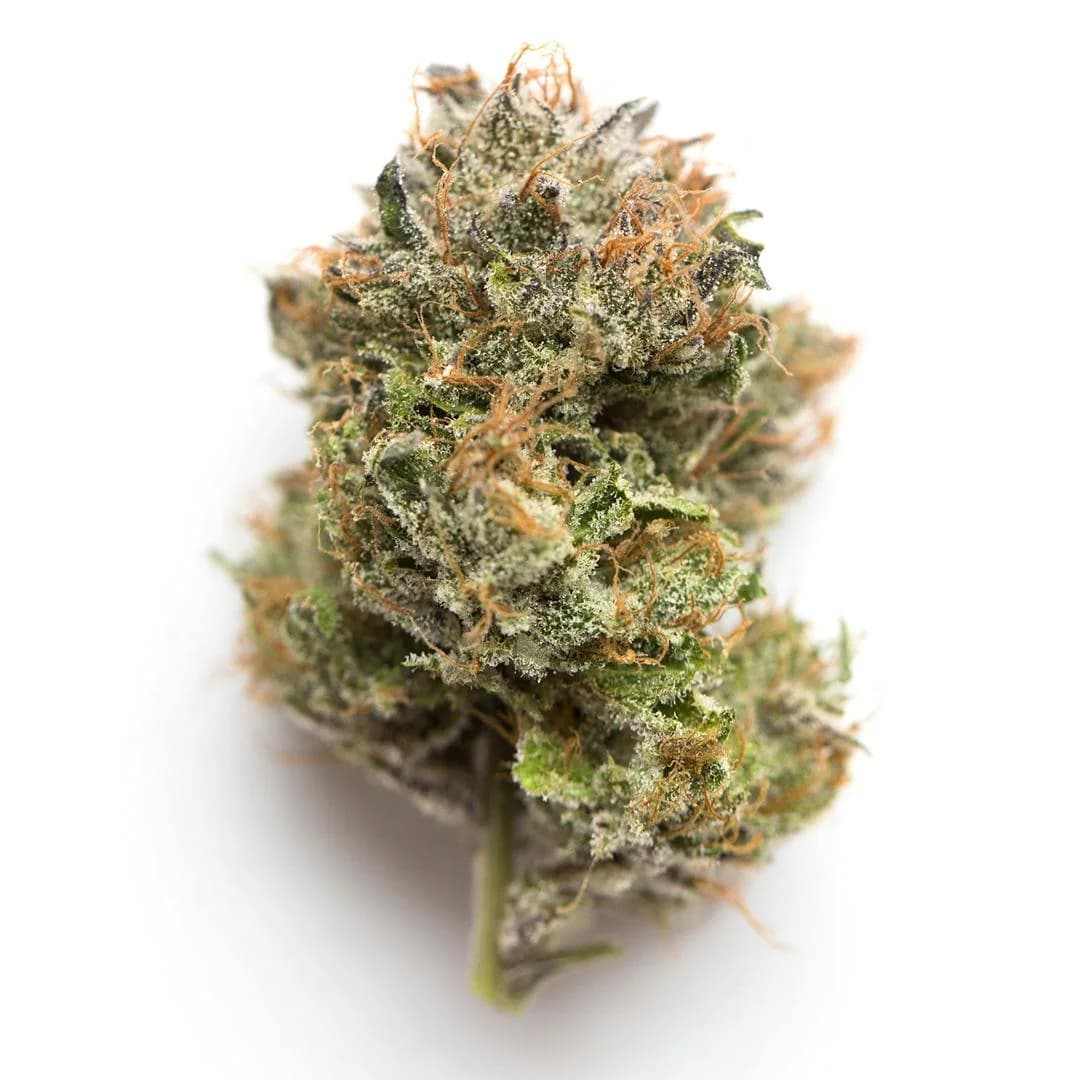
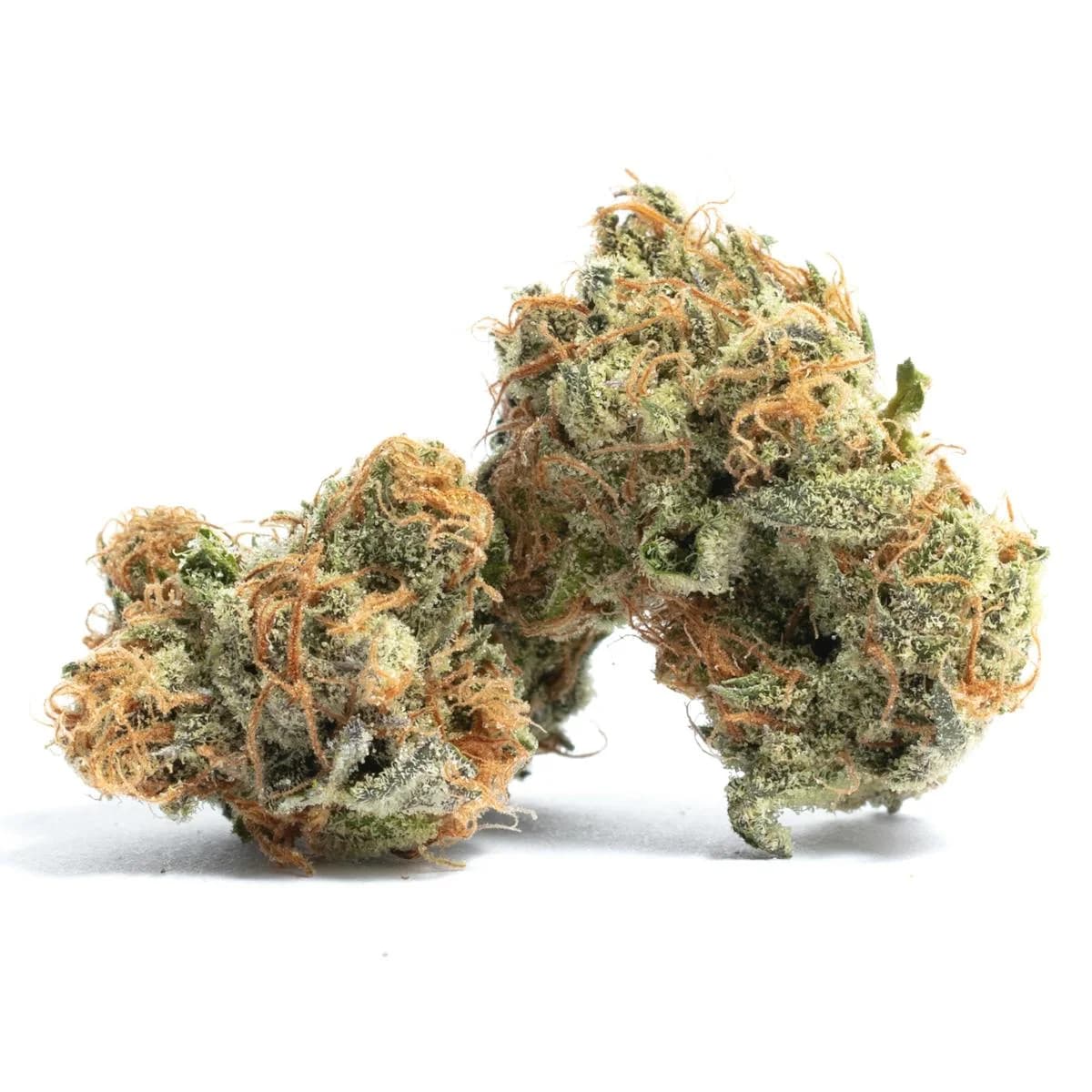
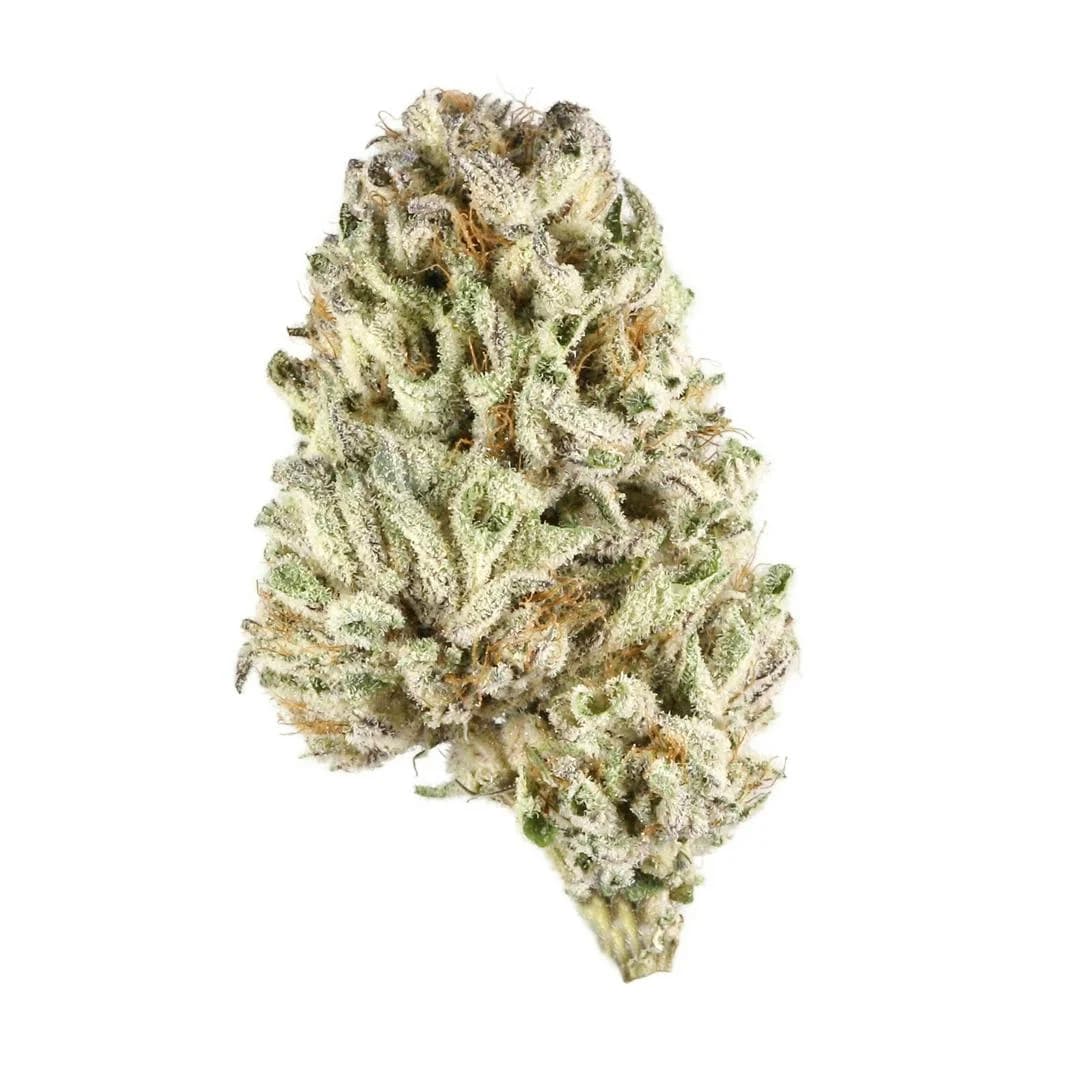
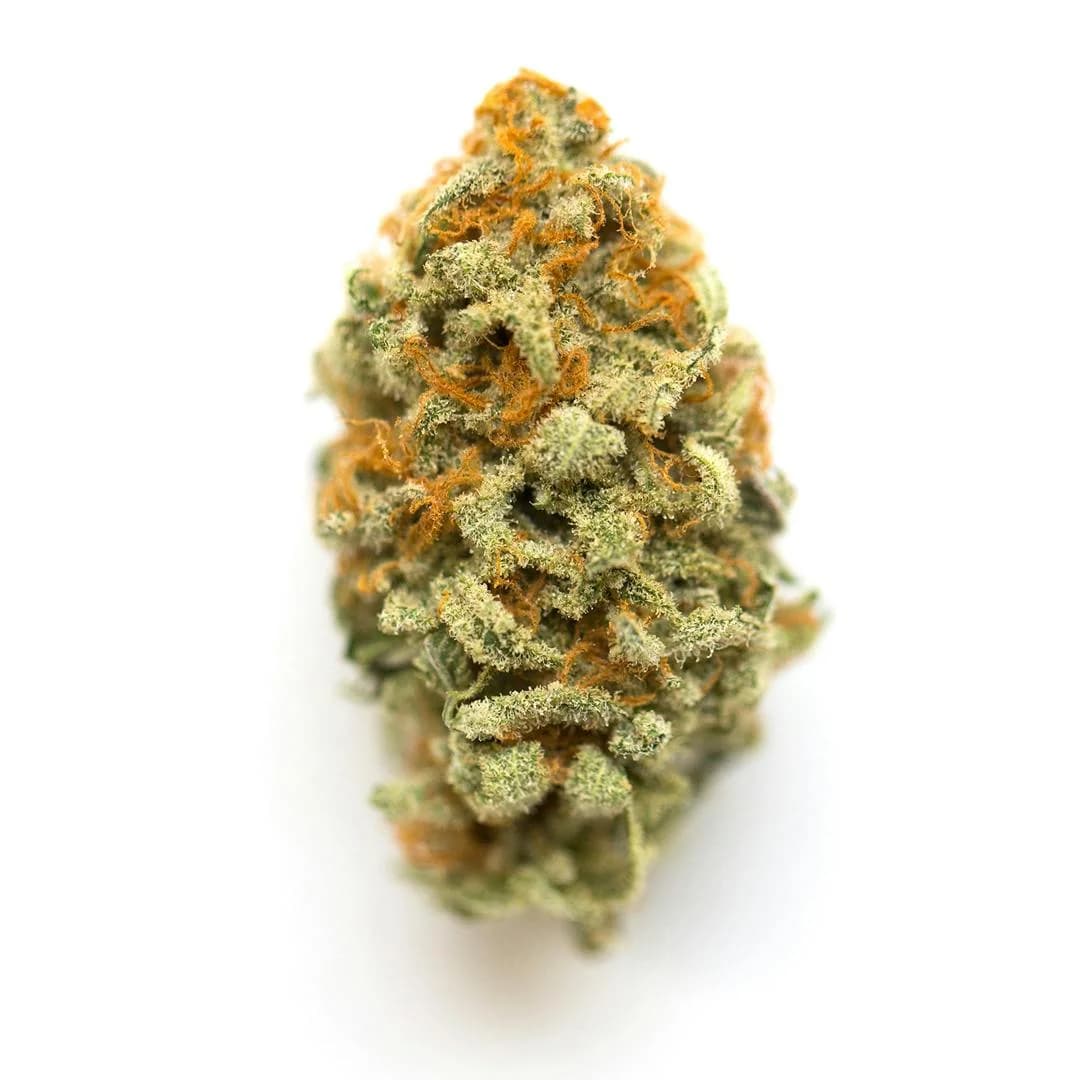
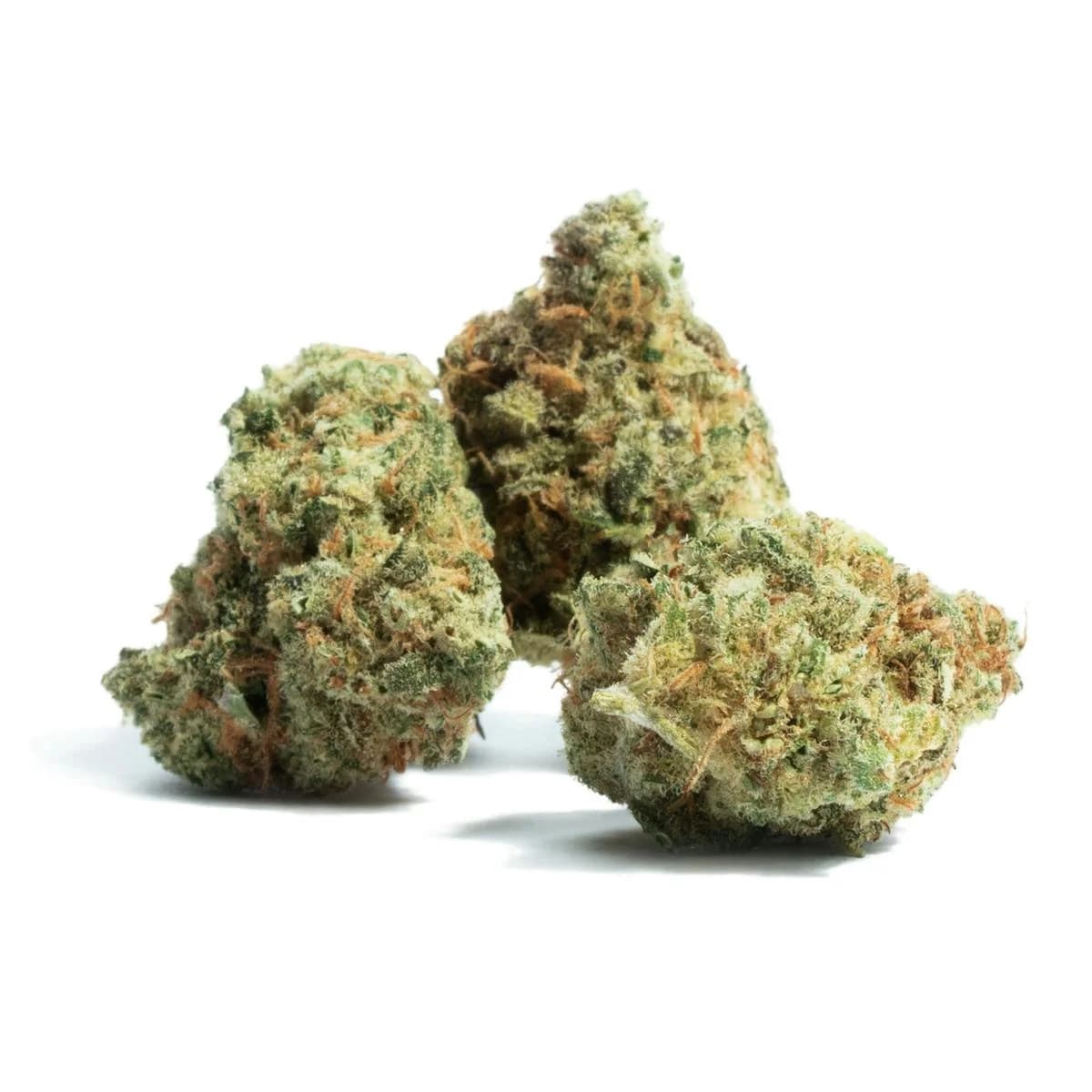
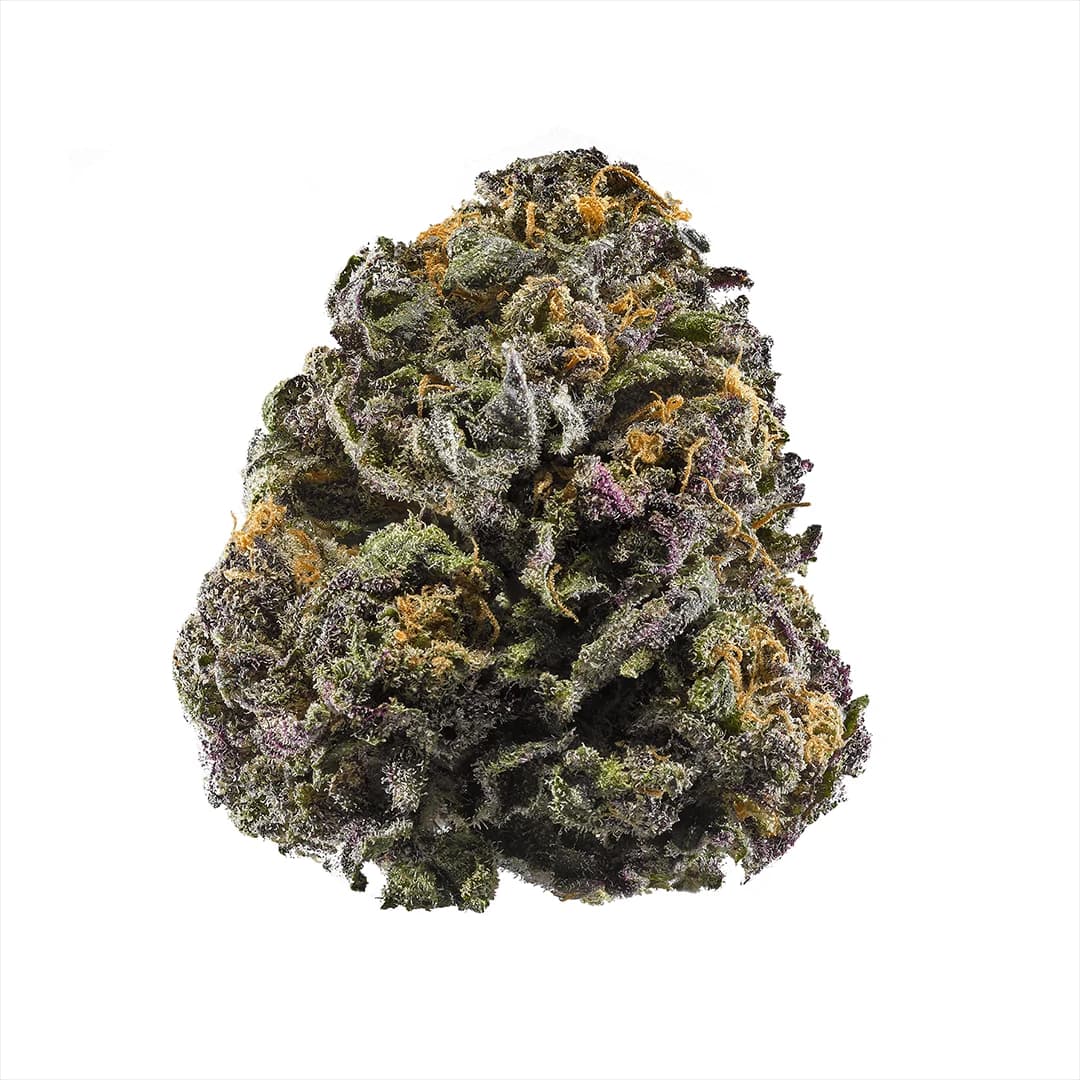
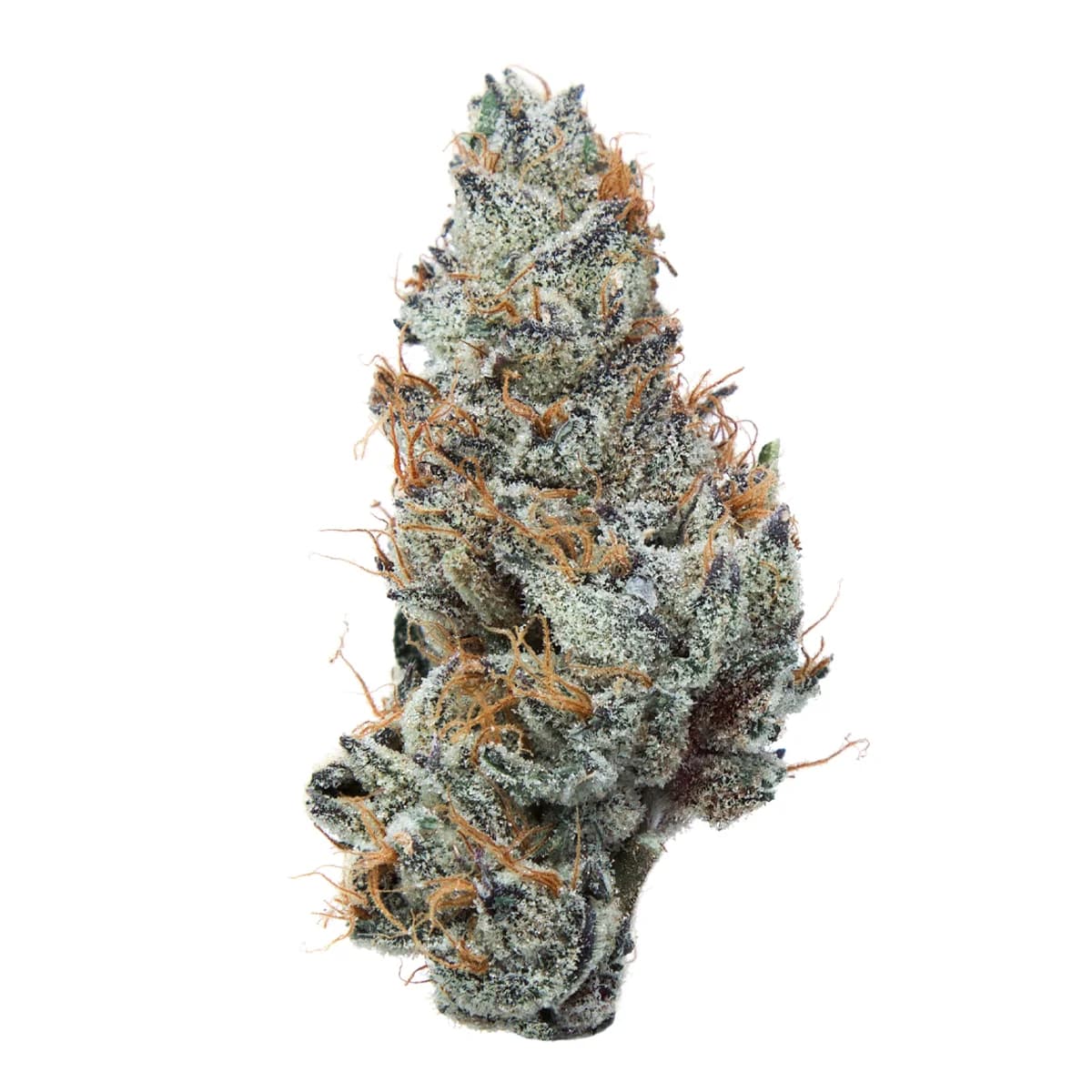
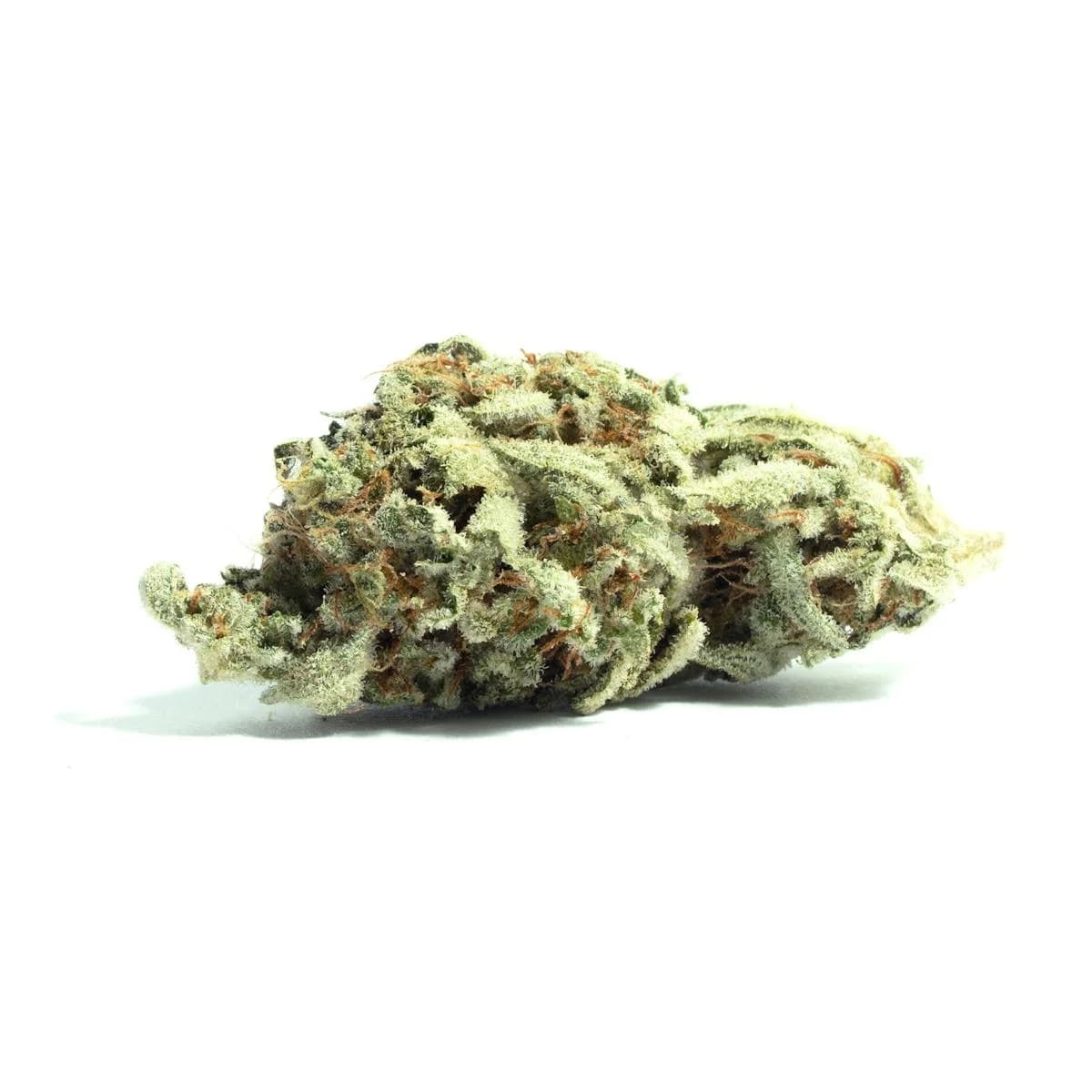
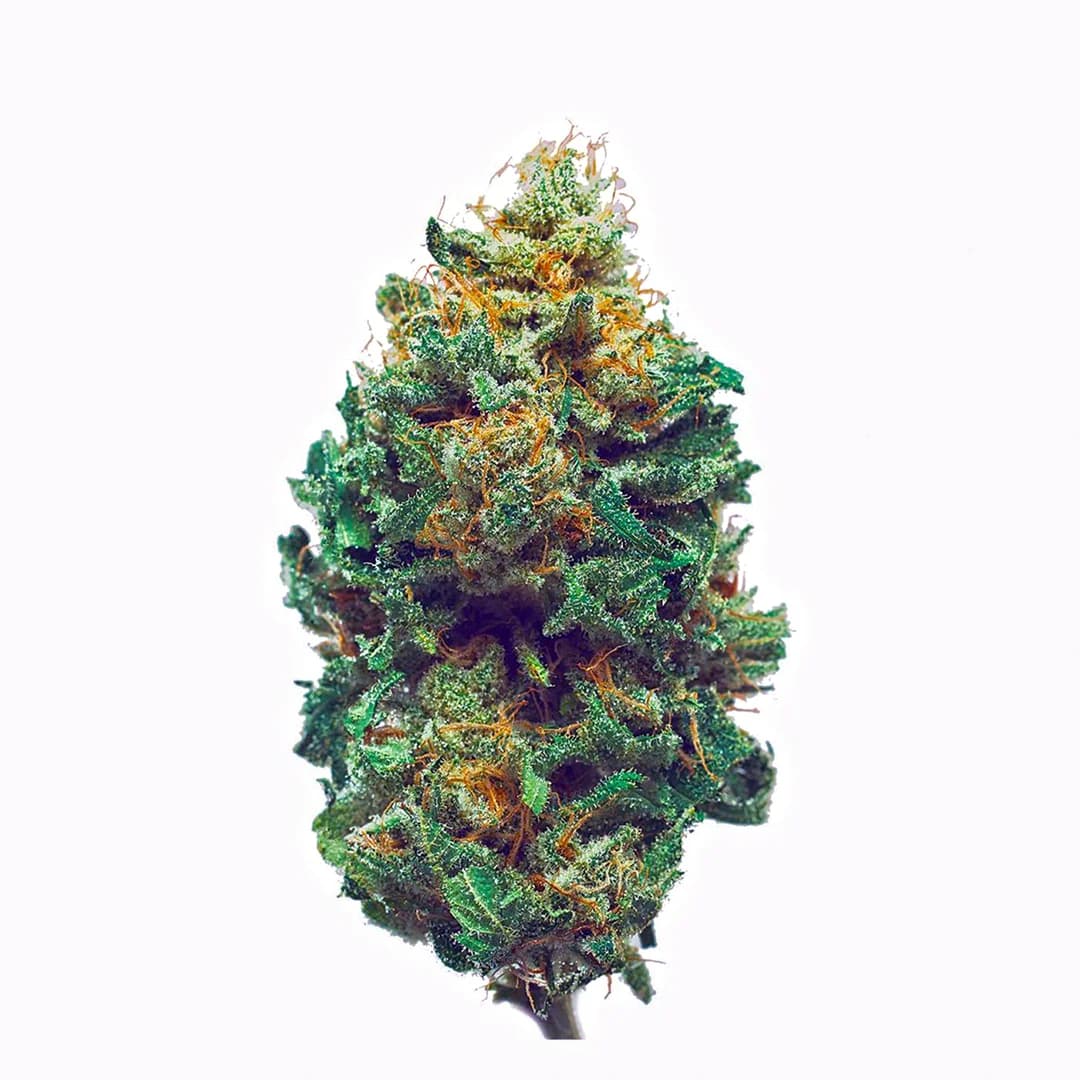
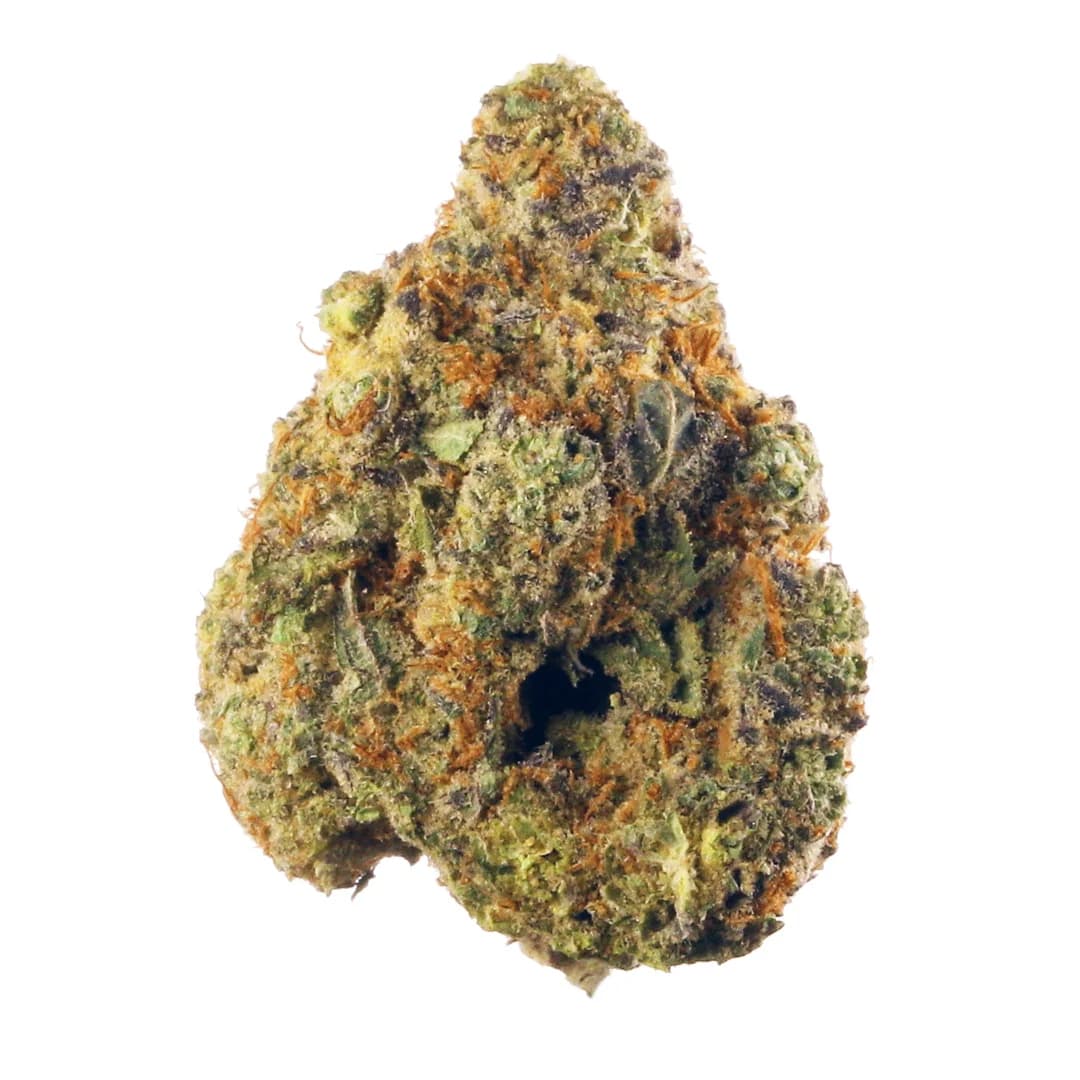
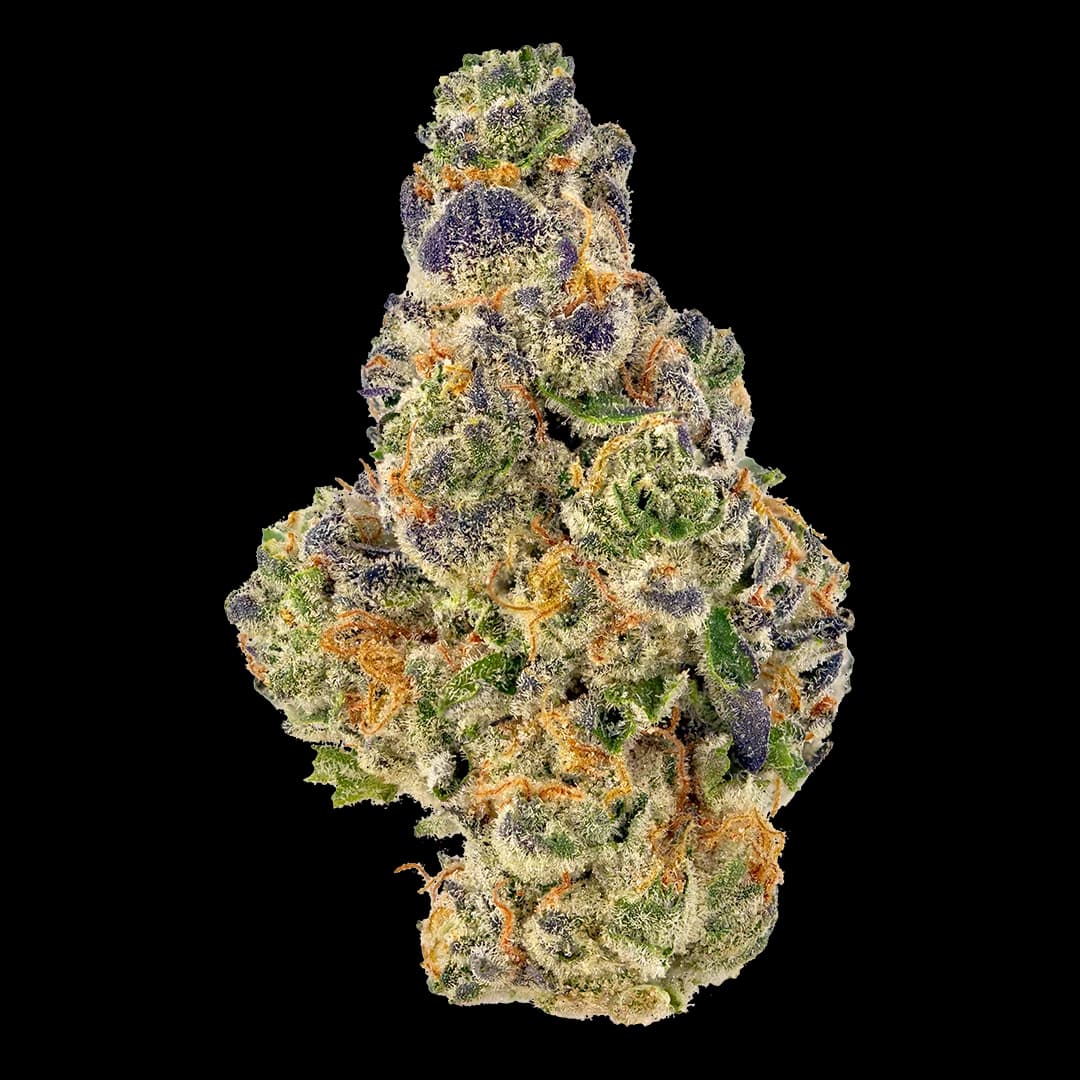
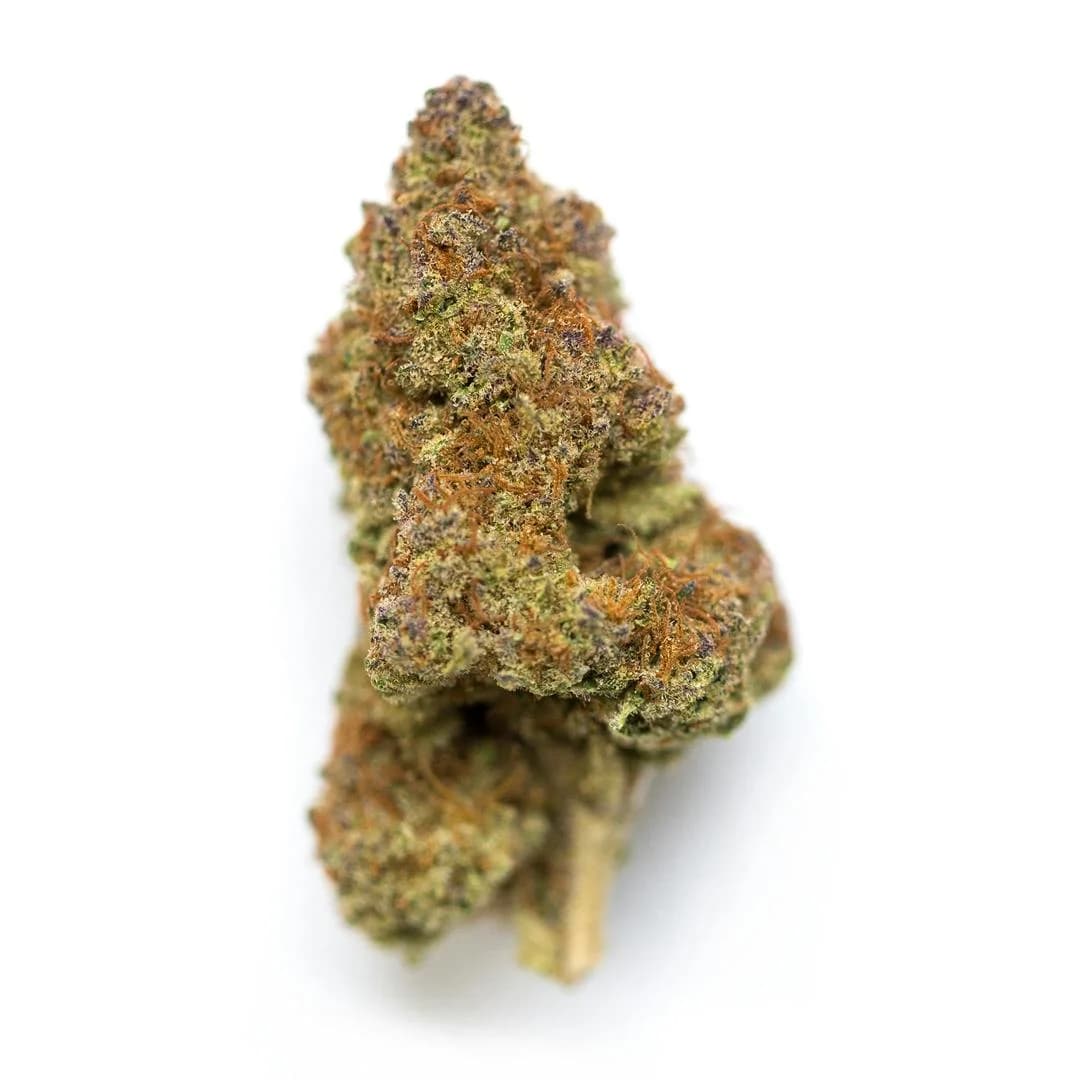
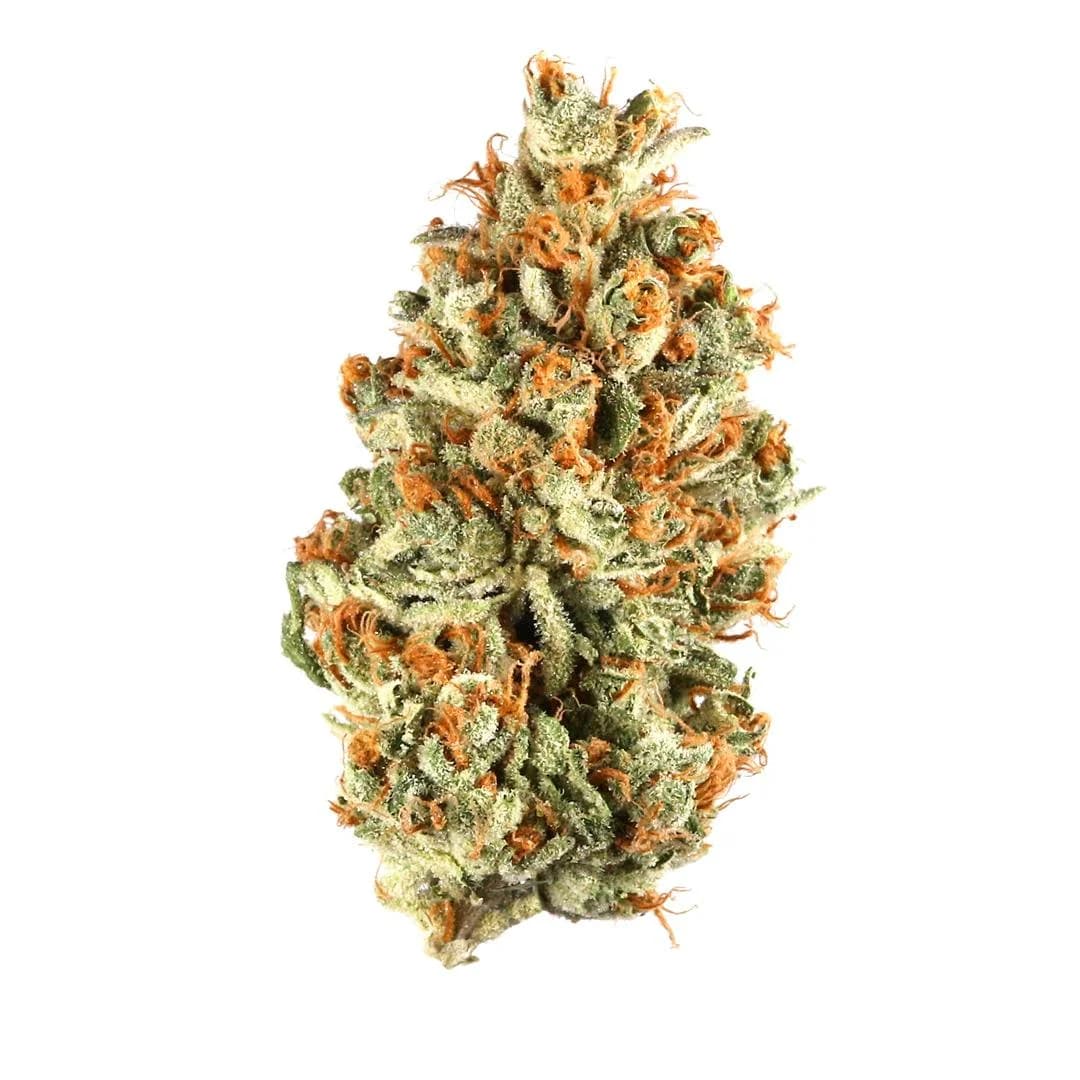
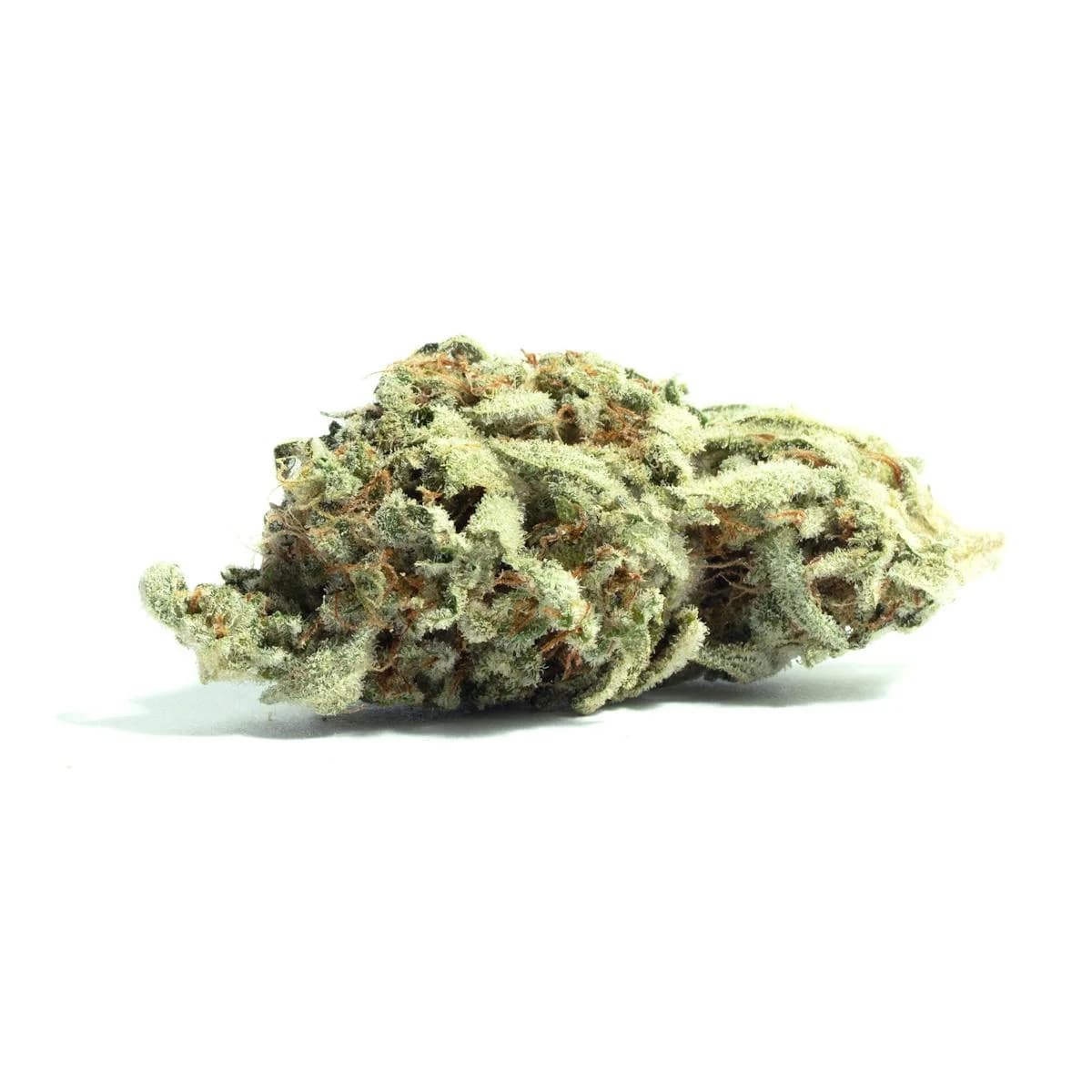
Percentages are catalog reference values, not sample lab results. “Not reported” means the source did not supply a value. Reported effects are subjective tags, not predictions.
GMO Cookies is presented by Leafly as a hybrid catalog entry. The source account says: GMO Cookies also appears as Garlic Cookies. Leafly attributes this GSC and Chemdawg cross to Mamiko Seeds, with garlic and fuel associations in its description. This is a source-reported identity, not a genetically authenticated pedigree. This context is retained as an attributed account, not as genetic authentication of every sample carrying the name. Reader-reported flavor descriptors include Chemical, Pepper, Pungent. The catalog lists Caryophyllene, Limonene, Myrcene as terpene labels. Those fields describe different evidence layers and do not establish a fixed chemical profile, medical effect or response for an individual sample.
GSC is the catalog entry also known as Girl Scout Cookies. Leafly attributes it to Jigga and describes an OG Kush subtype crossed with F1 Durban. That intermediate parent name matters: it should not automatically be replaced with Durban Poison. Thin Mint and Platinum GSC are discussed as related variations rather than interchangeable specimens. Mint, sweet and earthy reader tags help describe the catalog profile but do not authenticate its genetics.
Gary Payton is presented by Leafly as a hybrid catalog entry. The source account says: Gary Payton comes from a Cookies and Powerzzzup Genetics collaboration. Leafly names The Y and Snowman as its parents, and the cultivar takes its name from the basketball player. This is a source-reported identity, not a genetically authenticated pedigree. This context is retained as an attributed account, not as genetic authentication of every sample carrying the name. Reader-reported flavor descriptors include Apricot, Lavender, Pepper. The catalog lists Caryophyllene, Limonene, Linalool as terpene labels. Those fields describe different evidence layers and do not establish a fixed chemical profile, medical effect or response for an individual sample.
Gastro Pop is listed by Leafly as an Apples and Bananas and Grape Gas cross associated with Compound Genetics. The source-reported family connection is retained without converting catalog percentages into lab measurements.
Gelato belongs to the family that Leafly traces to Sunset Sherbet and Thin Mint GSC. The source also uses Larry Bird and Gelato #42, and distinguishes other numbered Gelato selections. This makes the exact name important when comparing records: the broad Gelato entry should not silently absorb every numbered selection. Sweet, floral and pepper descriptors on the profile are reader-reported tags, separate from the source's caryophyllene, limonene and humulene listing.
Gelato #33 is a numbered selection from the Gelato family. Its family background is Sherbert with Thin Mint GSC; the selection link keeps it distinct from the general Gelato record.
Gelato #41 is a separately named Cookies-family entry. Leafly connects it to Sunset Sherbert and Thin Mint Cookies and associates the line with California. The numbered name is useful for identification, but does not guarantee that every product carrying it shares the same chemistry.
Gelatti is listed by Leafly as a Gelato and Biscotti cross. This profile links those existing catalog families while keeping its reported experience and flavor labels distinct from the genetics field.
Georgia Pie is represented from Leafly's hybrid catalog entry with peach, apricot and tree-fruit reader descriptors. This batch leaves parentage unresolved rather than filling a family tree from unsourced secondary memory.
Ghost OG is presented by Leafly as a hybrid catalog entry. The source account says: The linked source explicitly describes an OG Kush cut. A selection link is used rather than a reported cross. This context is retained as an attributed account, not as genetic authentication of every sample carrying the name. Reader-reported flavor descriptors include Citrus, Earthy, Pine. The catalog lists Caryophyllene, Limonene, Myrcene as terpene labels. Those fields describe different evidence layers and do not establish a fixed chemical profile, medical effect or response for an individual sample.
Godfather OG is cataloged by Leafly with XXX OG and Alpha OG parentage and several alternate names. This entry keeps those labels together while retaining the parent records as external until independently cataloged.
Granddaddy Purple, often shortened to GDP, is associated in Leafly's account with Ken Estes and 2003. Its pedigree is less settled than that familiar name suggests: the source presents both a Mendo Purps/Skunk/Afghan account and a Big Bud × Purple Urkle account. This profile keeps that disagreement visible. Grape, berry and violet are reported flavor descriptors, not evidence that either proposed family tree has been confirmed.
Grape Ape is associated in the catalog with Apothecary Genetics and Barney's Farm. Its reported background includes Mendocino Purps, Skunk and Afghani, but the source does not provide a complete sequence that would justify converting all three names into immediate parents. Berry, grape and sweet are reader-reported flavor descriptors, while caryophyllene, myrcene and pinene appear as catalog terpene labels. The profile keeps breeder attribution, family context and sensory reports separate; a shared name does not establish identical genetics or chemistry across products.
Grape Pie is described by Leafly as a Cherry Pie and Grape Stomper cross. The relationship is retained as catalog lineage, while grape and berry flavor terms remain reader-reported descriptors rather than ingredients.
Harlequin is presented by Leafly as a sativa catalog entry. The source account says: Colombian Gold, Nepali indica, Thai and Swiss landrace ancestry are reported. Immediate parents and crossing order are not specified. This context is retained as an attributed account, not as genetic authentication of every sample carrying the name. Reader-reported flavor descriptors include Earthy, Spicy/Herbal, Woody. The catalog lists Caryophyllene, Myrcene, Pinene as terpene labels. Those fields describe different evidence layers and do not establish a fixed chemical profile, medical effect or response for an individual sample.
Hindu Kush is presented by Leafly as a indica catalog entry. The source account says: Hindu Kush takes its name from the mountain region spanning parts of Afghanistan and Pakistan. This entry documents that regional background and the source's catalog traits without assigning an unsupported parent cross. This context is retained as an attributed account, not as genetic authentication of every sample carrying the name. Reader-reported flavor descriptors include Earthy, Spicy/Herbal, Woody. The catalog lists Caryophyllene, Limonene, Pinene as terpene labels. Those fields describe different evidence layers and do not establish a fixed chemical profile, medical effect or response for an individual sample.
Ice Cream Cake is reported as Wedding Cake crossed with Gelato #33. The numbered Gelato selection is kept specific rather than silently replaced with the broader Gelato record. Butter, pepper and vanilla are reader-reported flavor descriptors, while caryophyllene, limonene and linalool are catalog terpene labels. This distinction matters when following lineage because a named selection can carry a narrower identity than a family name. The source account does not establish a fixed chemical profile or guarantee a particular effect for every Ice Cream Cake sample.
Jealousy is attributed to Seed Junky Genetics. Its reported parents are Sherbert Bx1 and Gelato 41; the backcross and numbered selection are preserved as distinct parent identities.
Kosher Kush is presented by Leafly as a indica catalog entry. The source account says: Kosher Kush began as a Los Angeles clone-only line and is associated with DNA Genetics. Leafly relates it to OG Kush without documenting a complete two-parent cross. This is a source-reported identity, not a genetically authenticated pedigree. This context is retained as an attributed account, not as genetic authentication of every sample carrying the name. Reader-reported flavor descriptors include Earthy, Pungent, Woody. The catalog lists Caryophyllene, Limonene, Myrcene as terpene labels. Those fields describe different evidence layers and do not establish a fixed chemical profile, medical effect or response for an individual sample.
Kush Mints is listed by Leafly as an Animal Mints and Bubba Kush cross. Its mint-related naming and reader flavor tags are descriptive catalog language and do not establish a measured chemical composition.
LA Confidential is presented by Leafly as a indica catalog entry. The source account says: LA Confidential also appears under Confidential and Confidential OG. Leafly lists Afghani in its genetics section without establishing a complete two-parent pedigree. This is a source-reported identity, not a genetically authenticated pedigree. This context is retained as an attributed account, not as genetic authentication of every sample carrying the name. Reader-reported flavor descriptors include Earthy, Pine, Skunk. The catalog lists Caryophyllene, Myrcene, Pinene as terpene labels. Those fields describe different evidence layers and do not establish a fixed chemical profile, medical effect or response for an individual sample.
LA Kush Cake is listed by Leafly as a Wedding Cake and Kush Mints cross and appears under several regional or selection names. Those aliases remain attached to one catalog identity without erasing selection uncertainty.
Larry OG is presented by Leafly as a hybrid catalog entry. The source account says: Larry OG is associated with Orange County, California. Leafly reports OG Kush and SFV OG as its parents and records several Larry aliases for the same profile. This is a source-reported identity, not a genetically authenticated pedigree. This context is retained as an attributed account, not as genetic authentication of every sample carrying the name. Reader-reported flavor descriptors include Citrus, Lemon, Pine. The catalog lists Caryophyllene, Limonene, Myrcene as terpene labels. Those fields describe different evidence layers and do not establish a fixed chemical profile, medical effect or response for an individual sample.
Lavender is presented by Leafly as a indica catalog entry. The source account says: Three reported ancestral contributors are preserved without inventing the order of intermediate crosses. This context is retained as an attributed account, not as genetic authentication of every sample carrying the name. Reader-reported flavor descriptors include Floral, Lavender, Violet. The catalog lists Caryophyllene, Myrcene, Pinene as terpene labels. Those fields describe different evidence layers and do not establish a fixed chemical profile, medical effect or response for an individual sample.