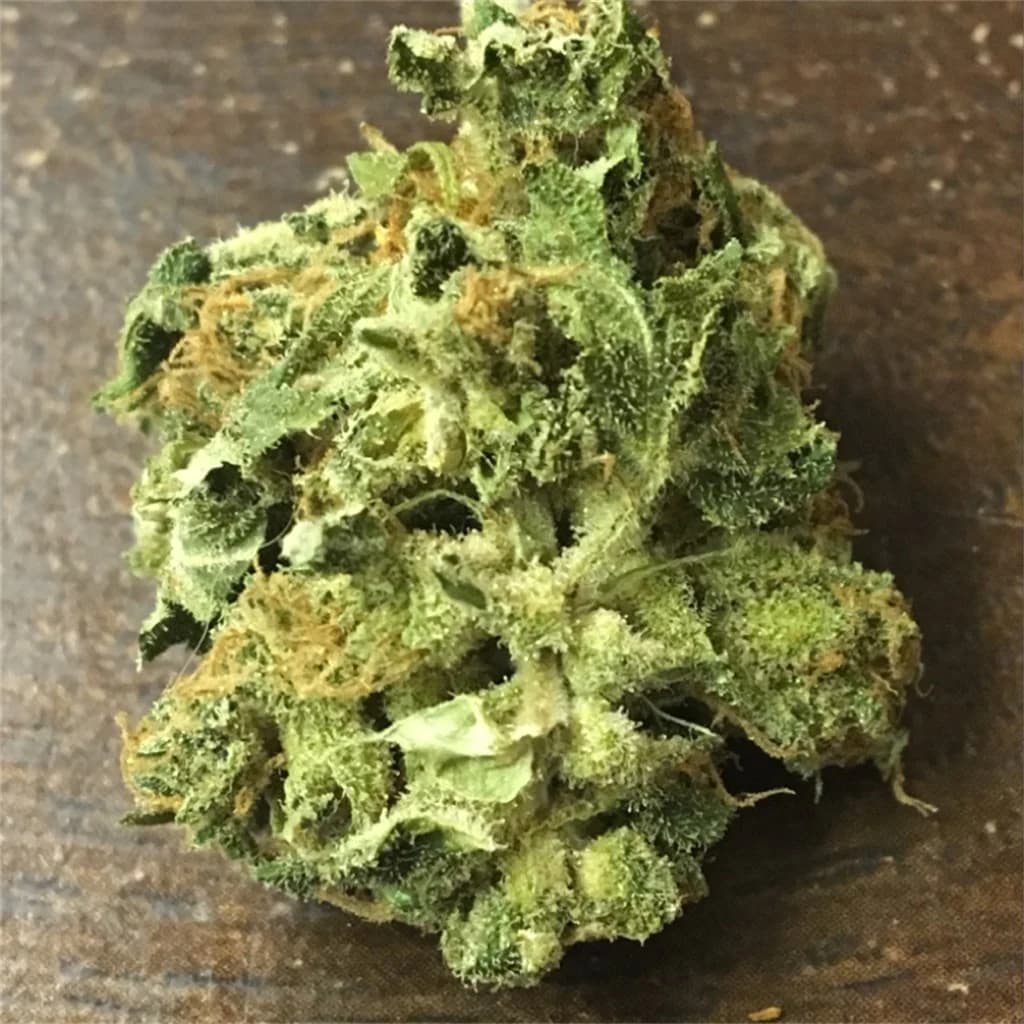
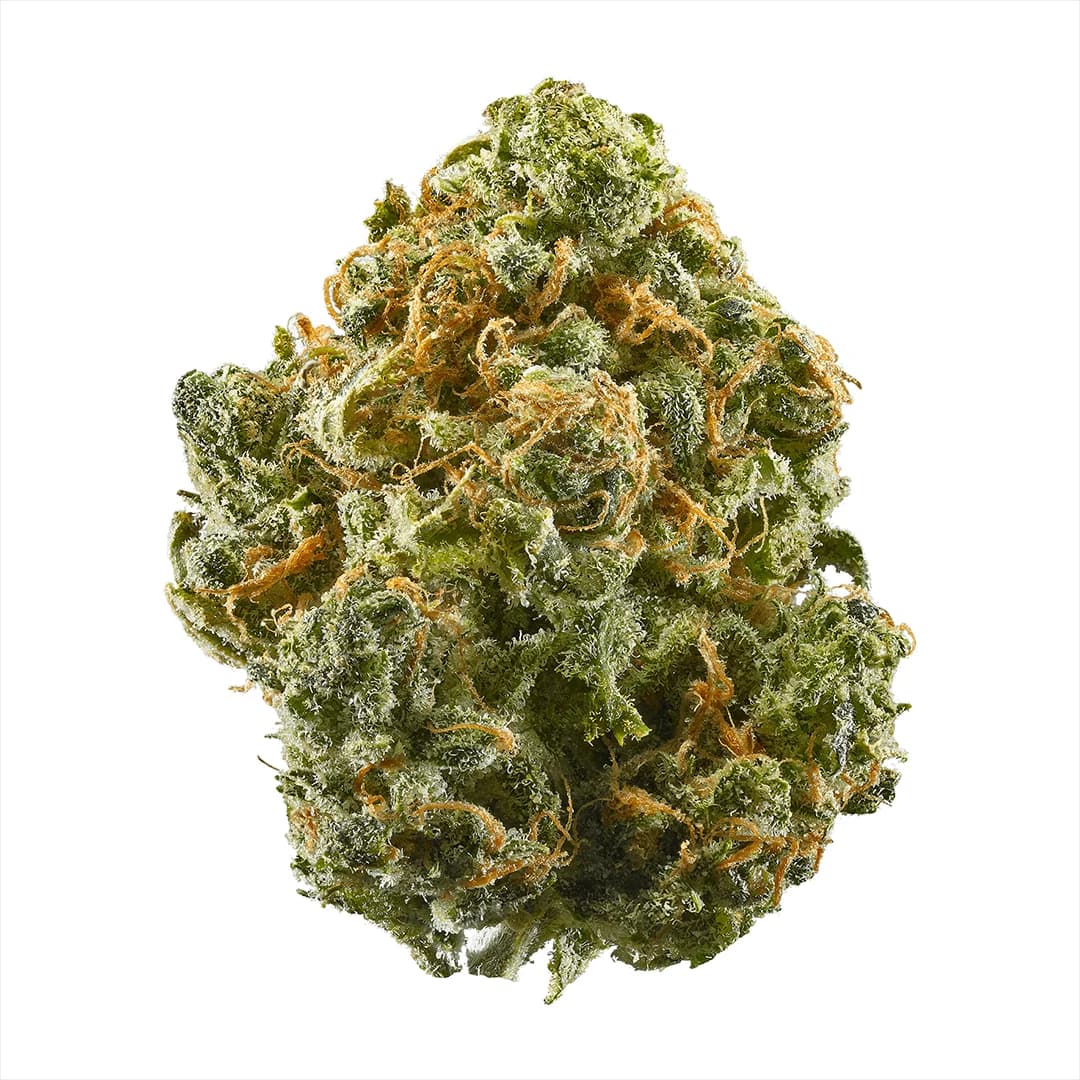
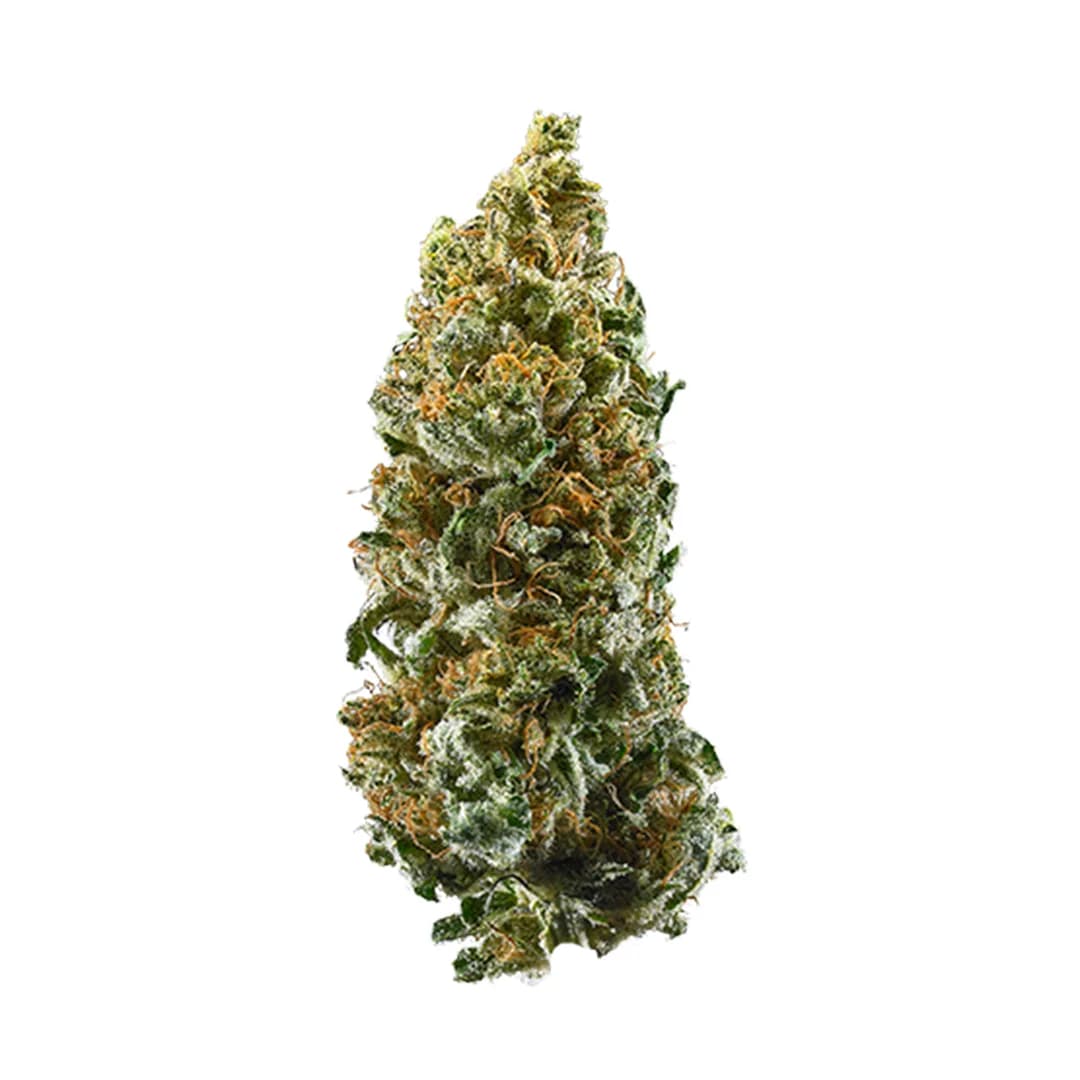
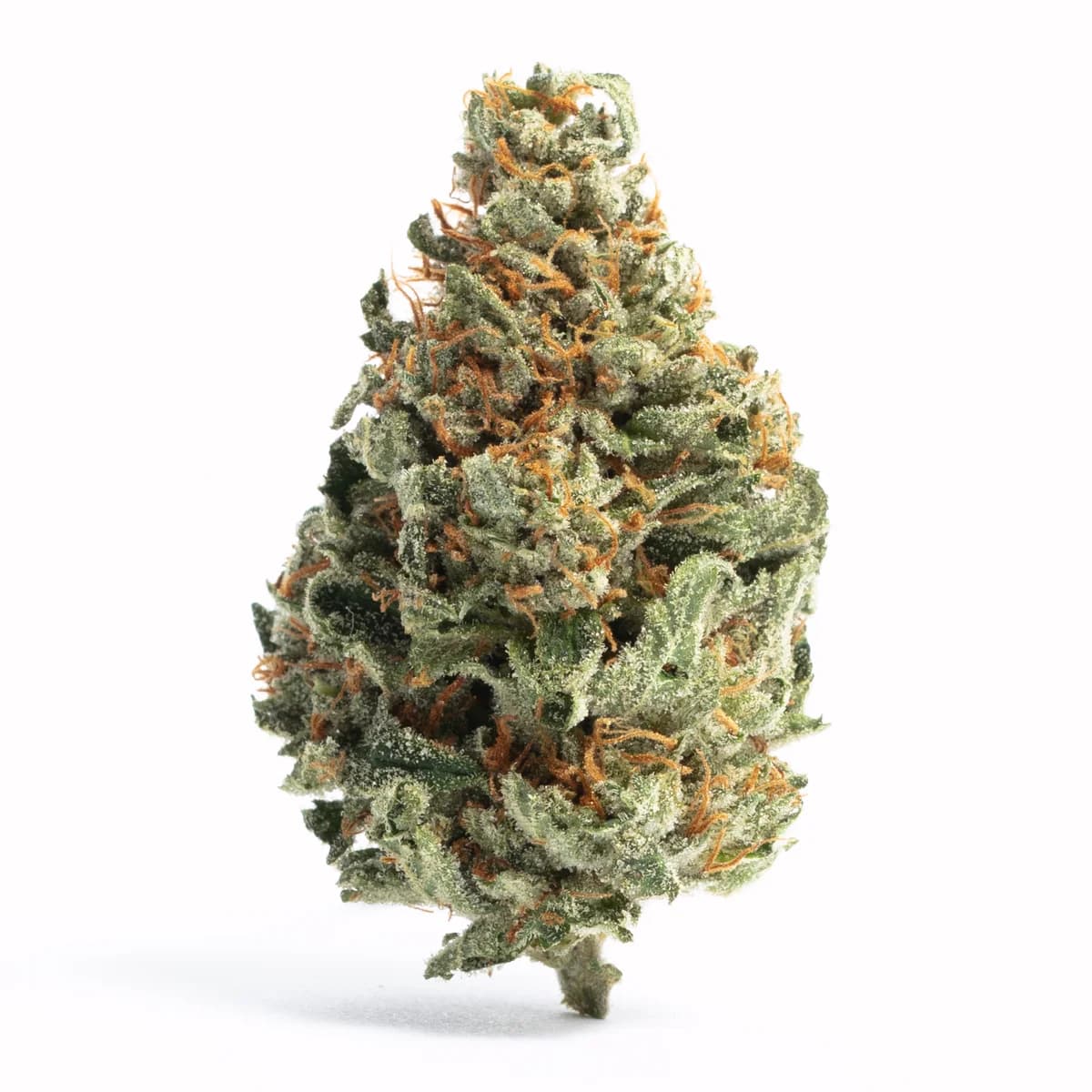
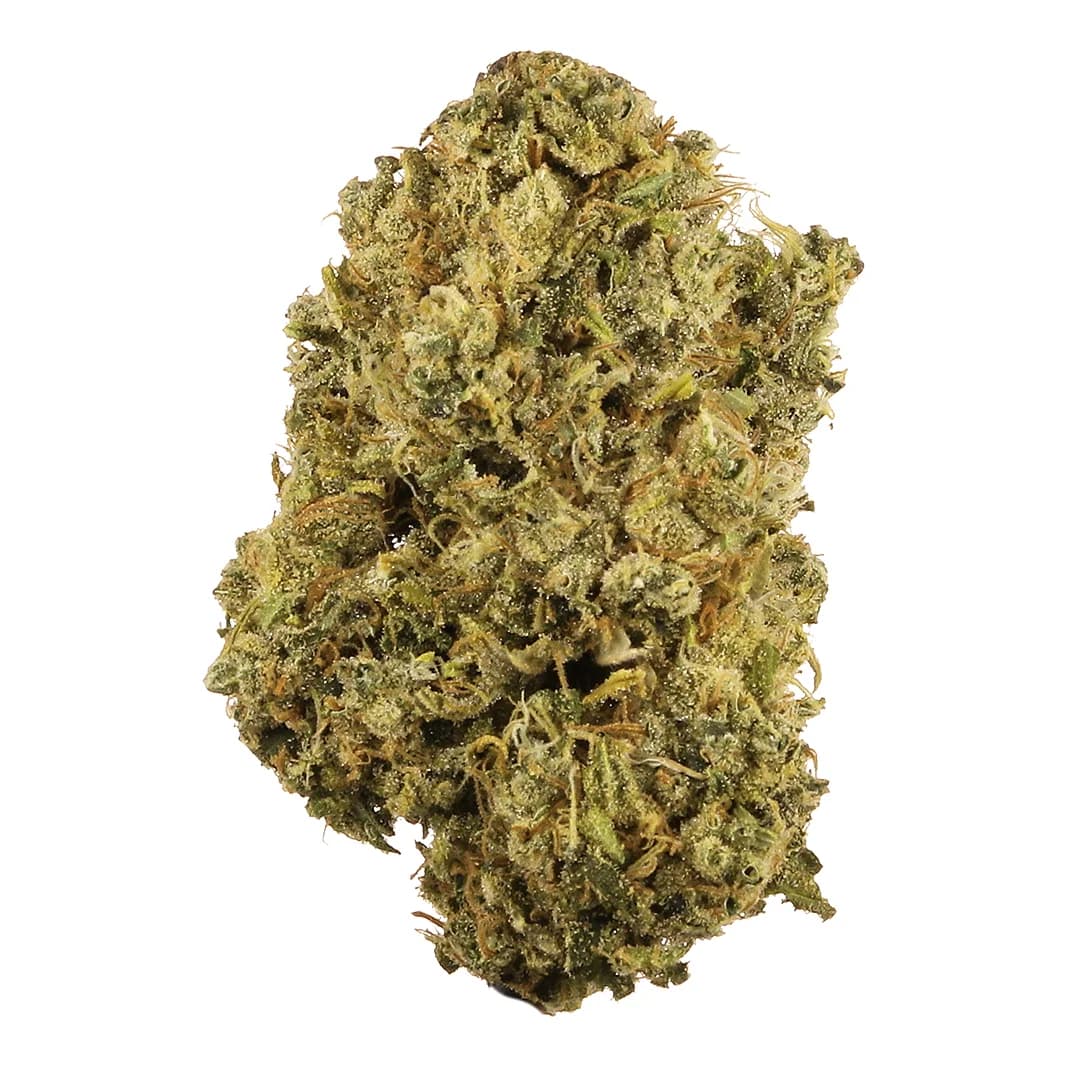
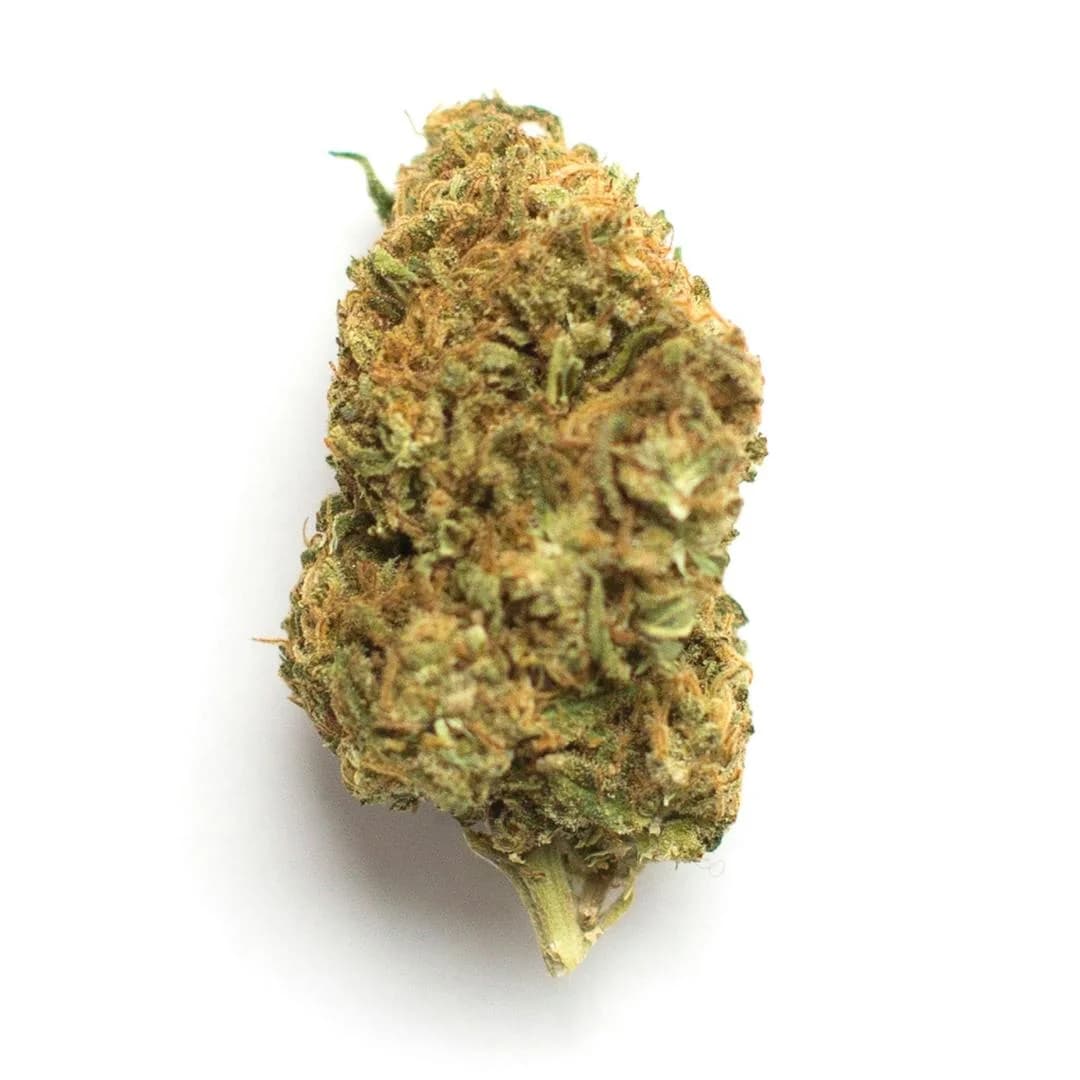
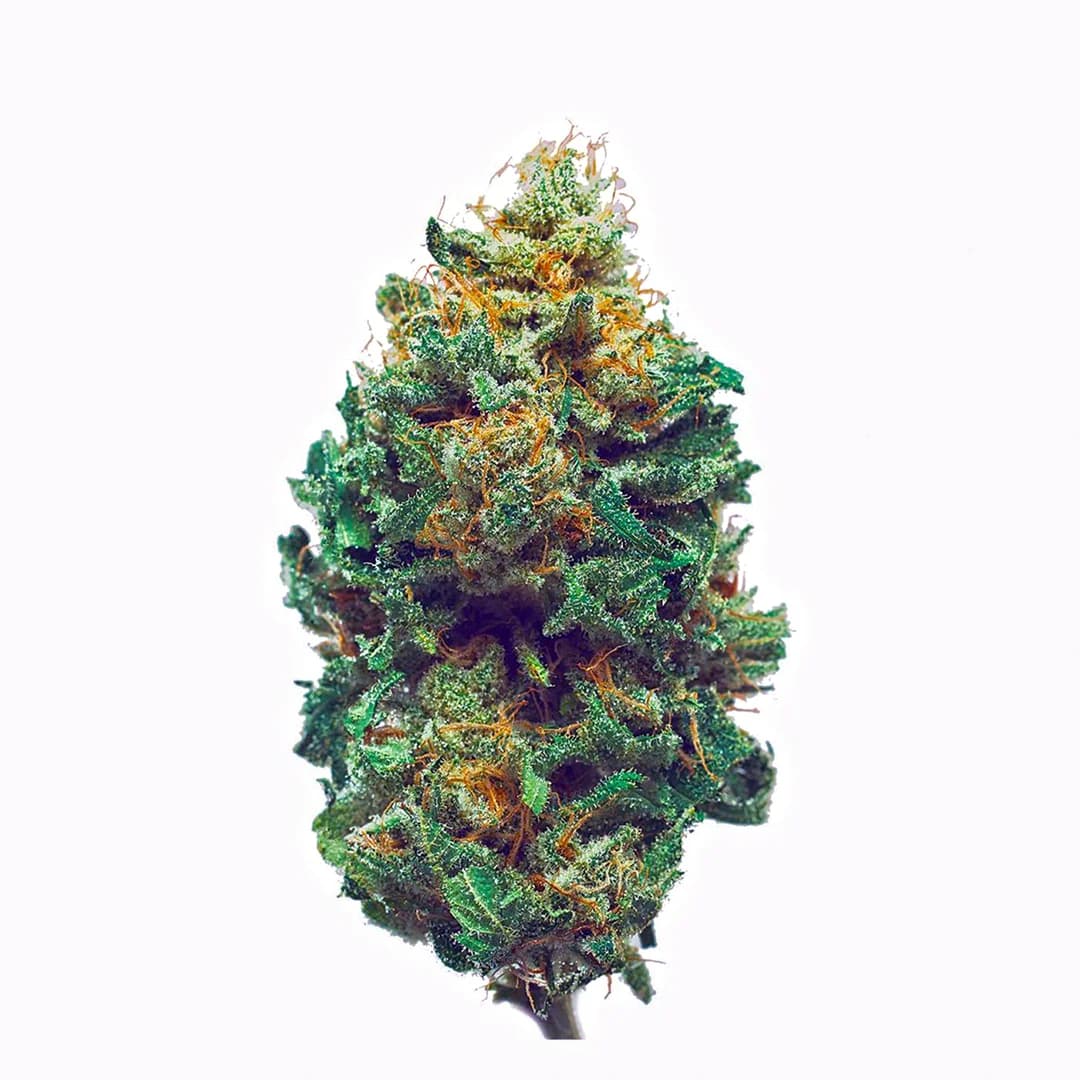
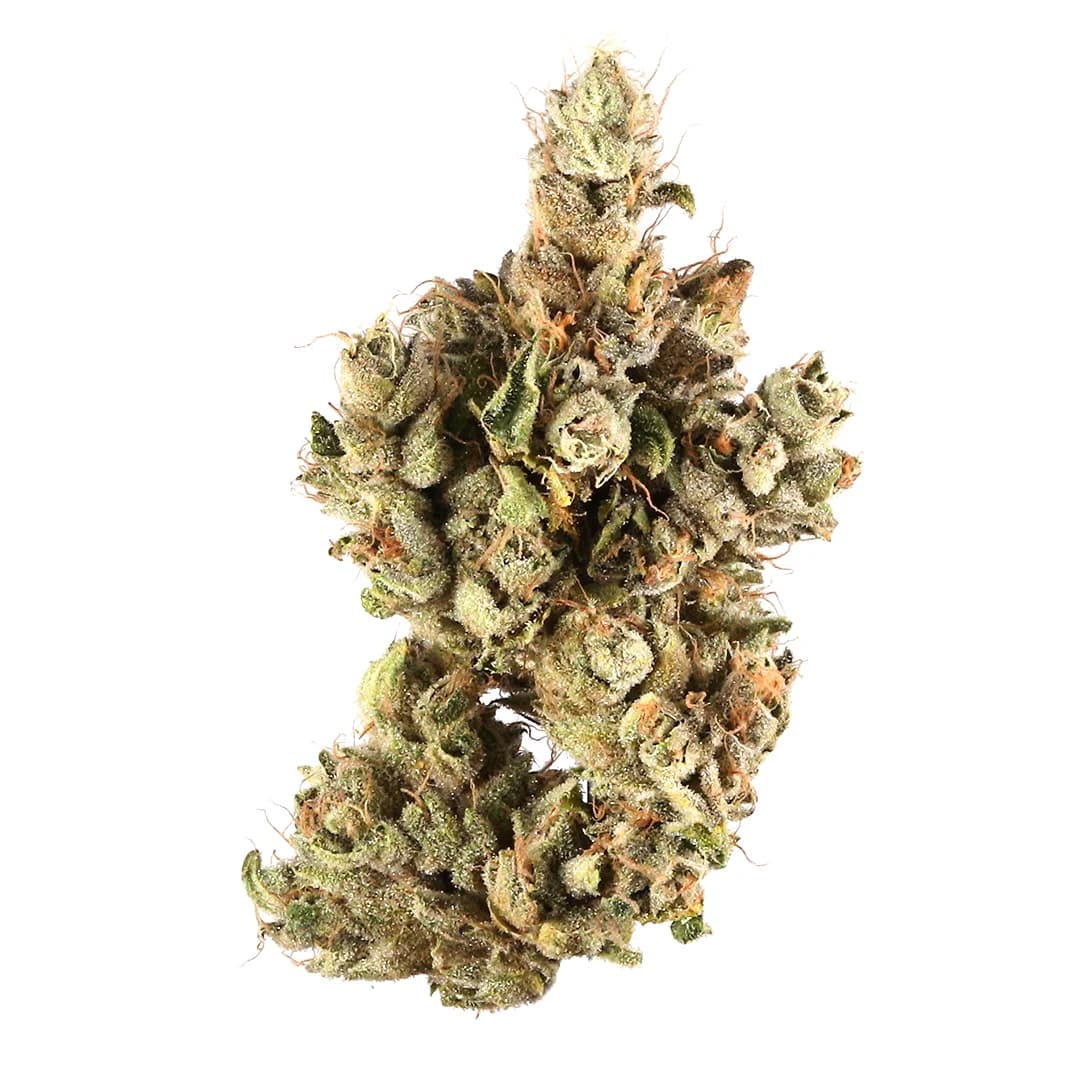
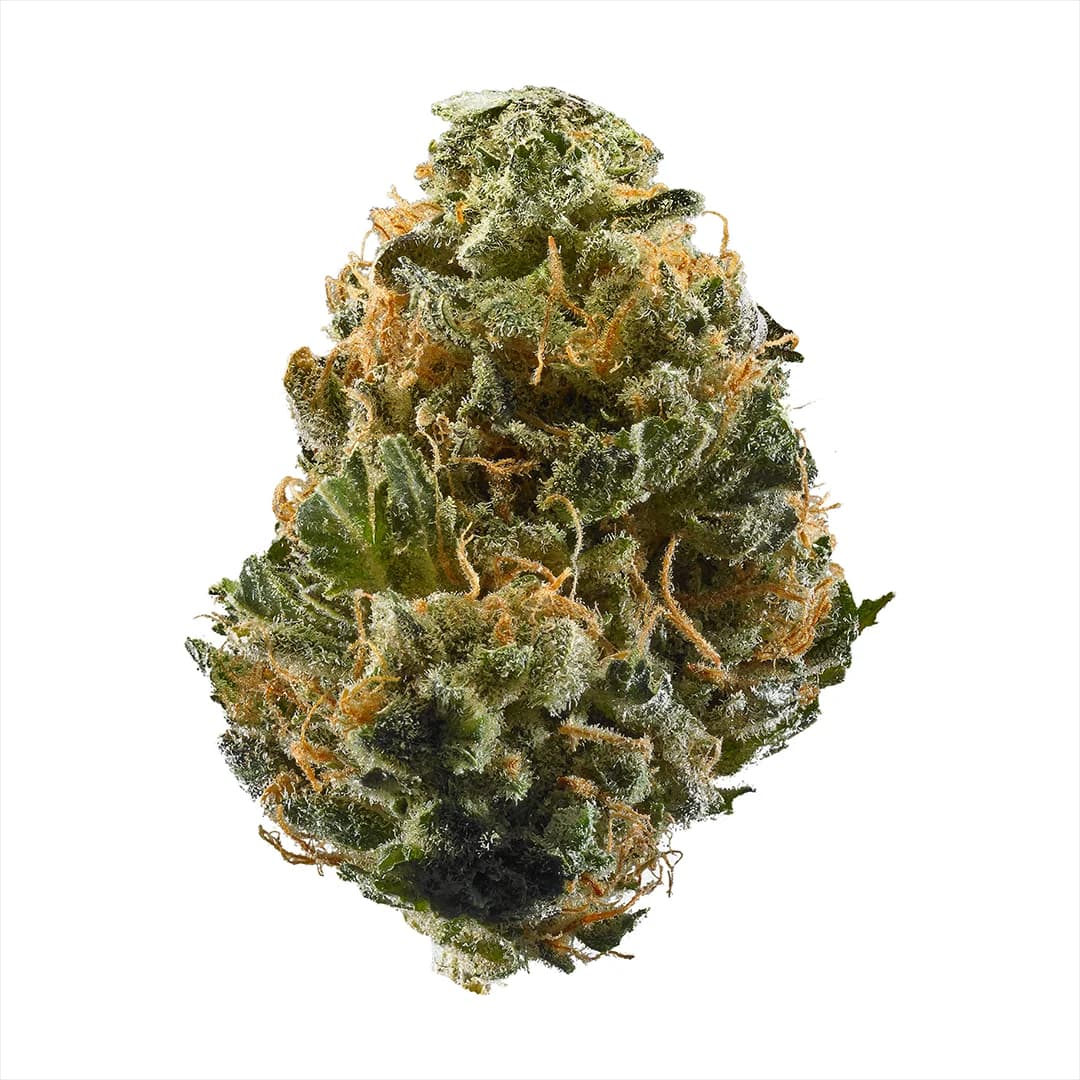
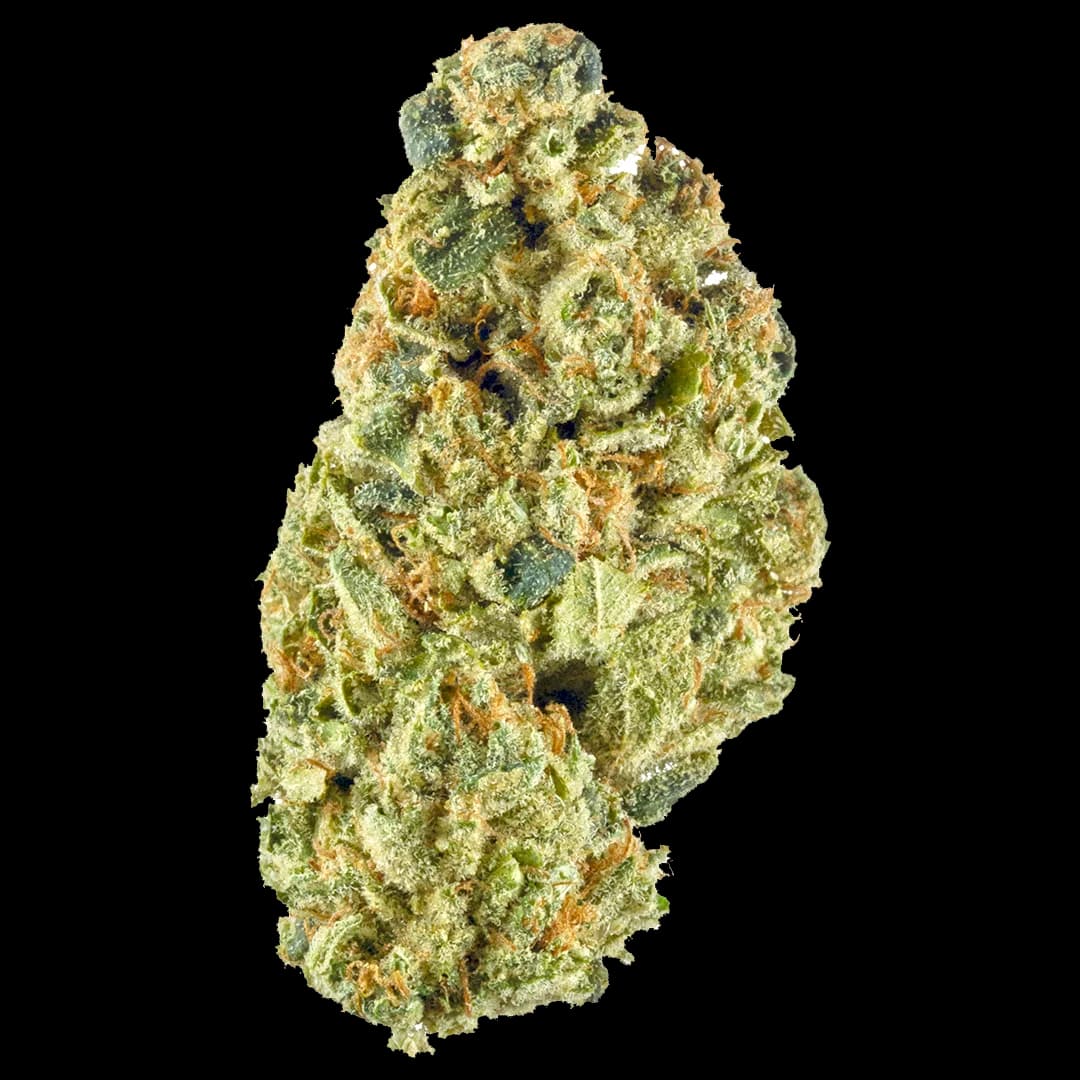
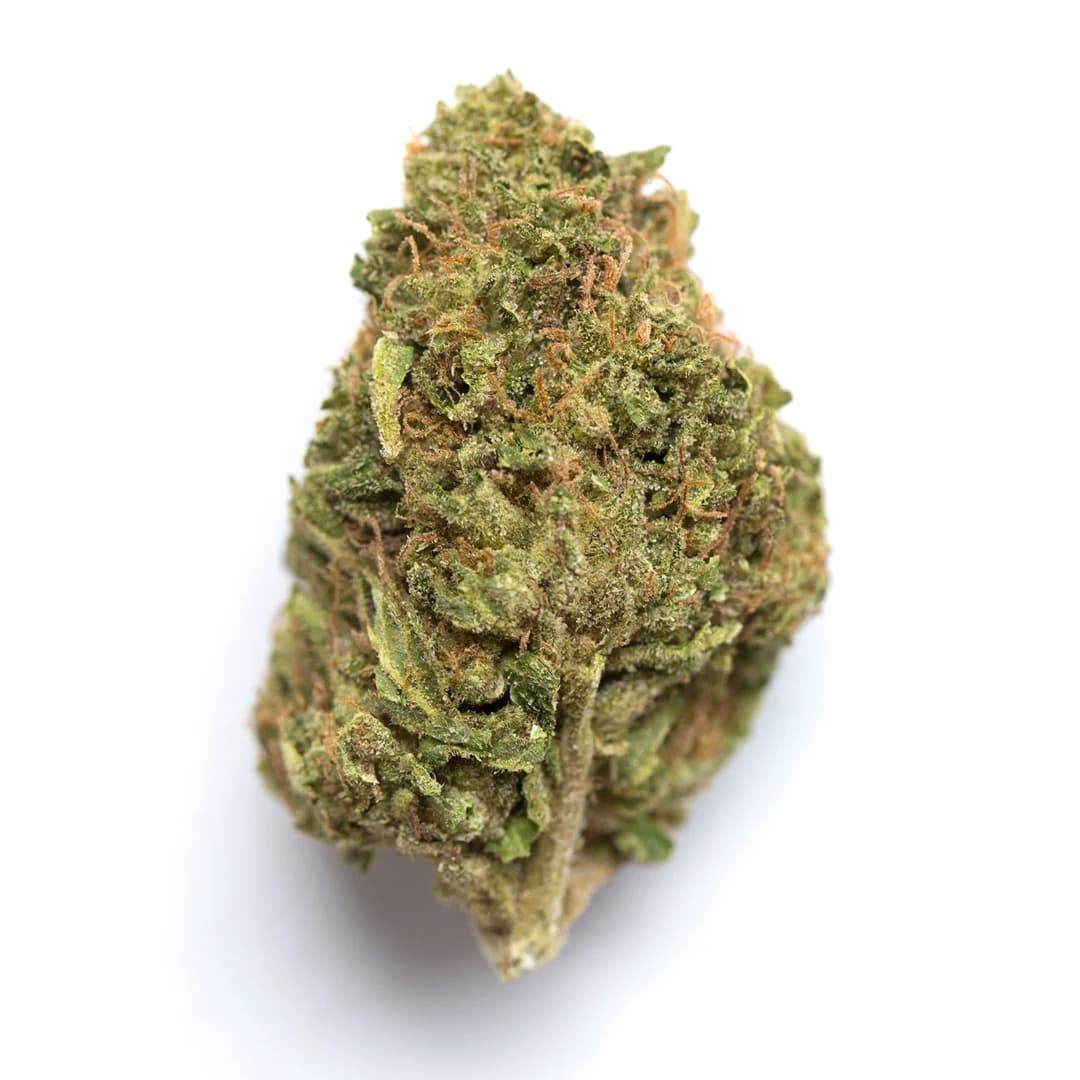
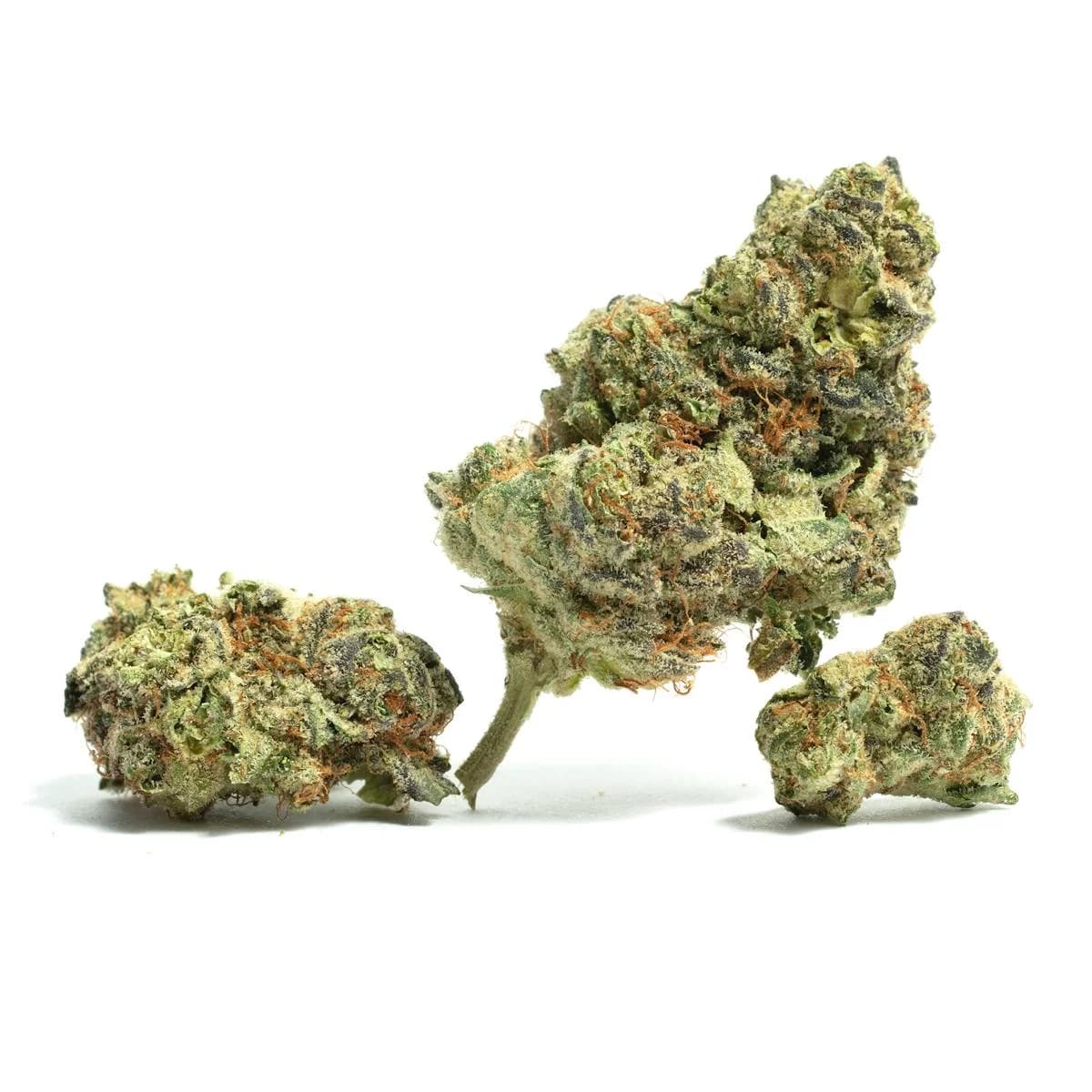
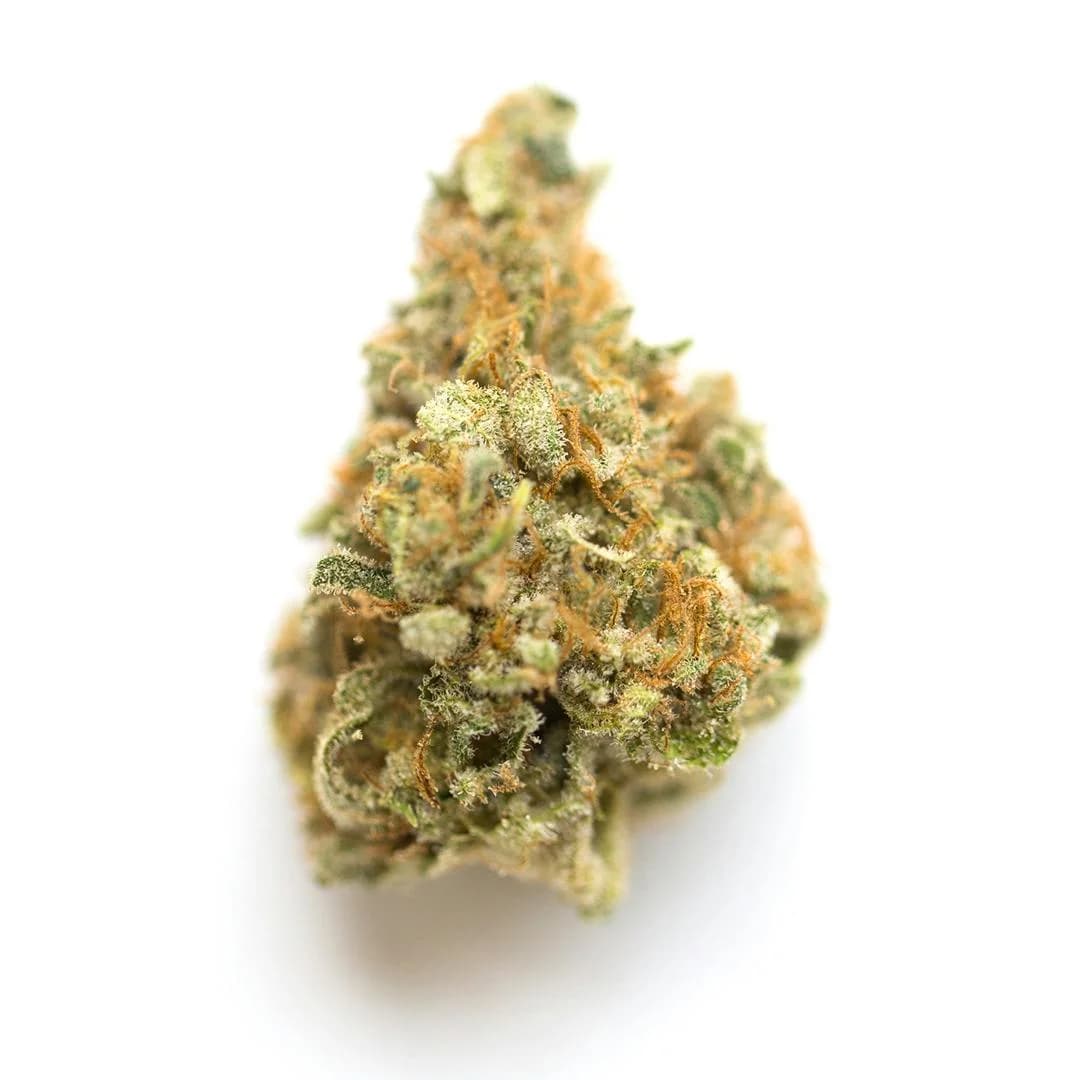
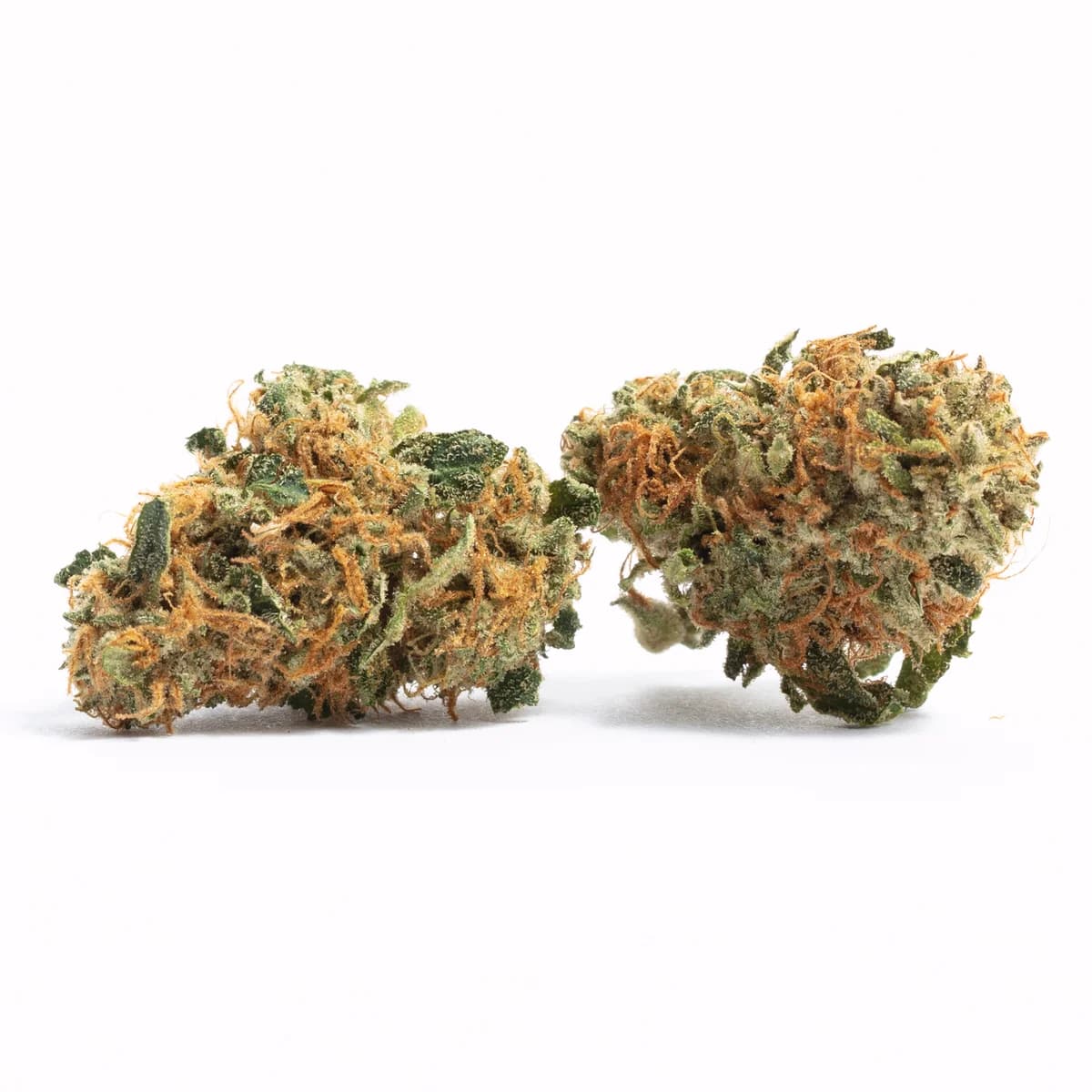
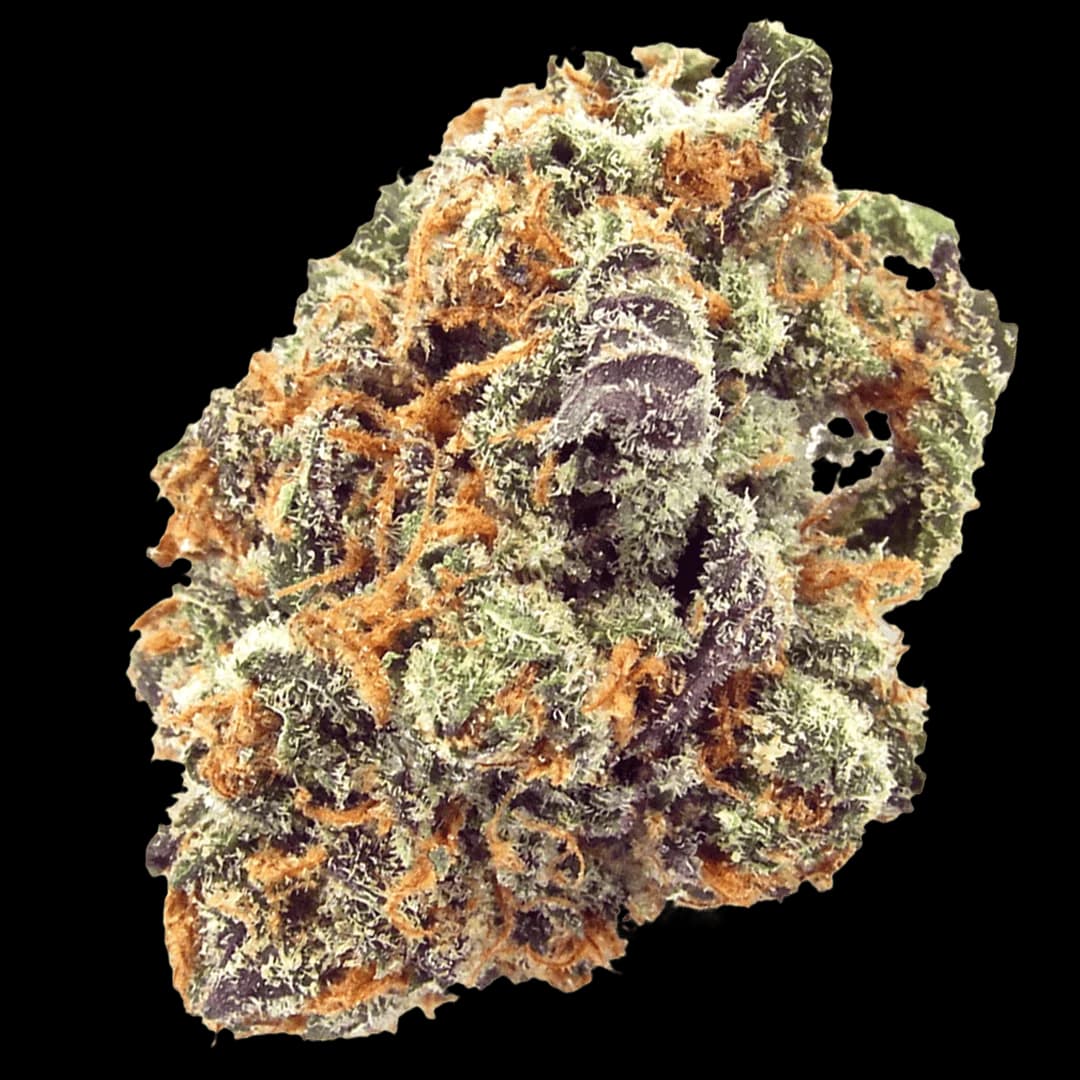
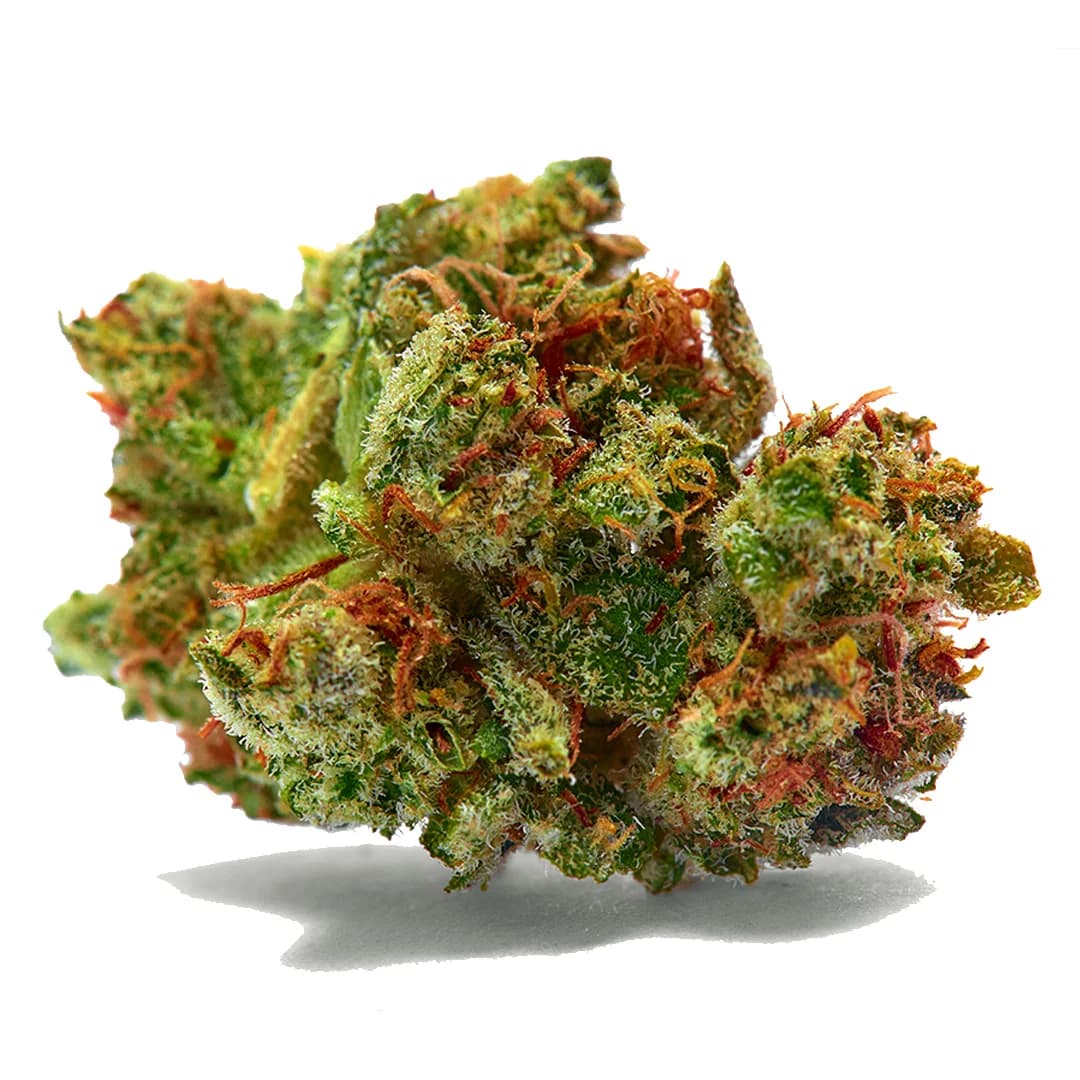
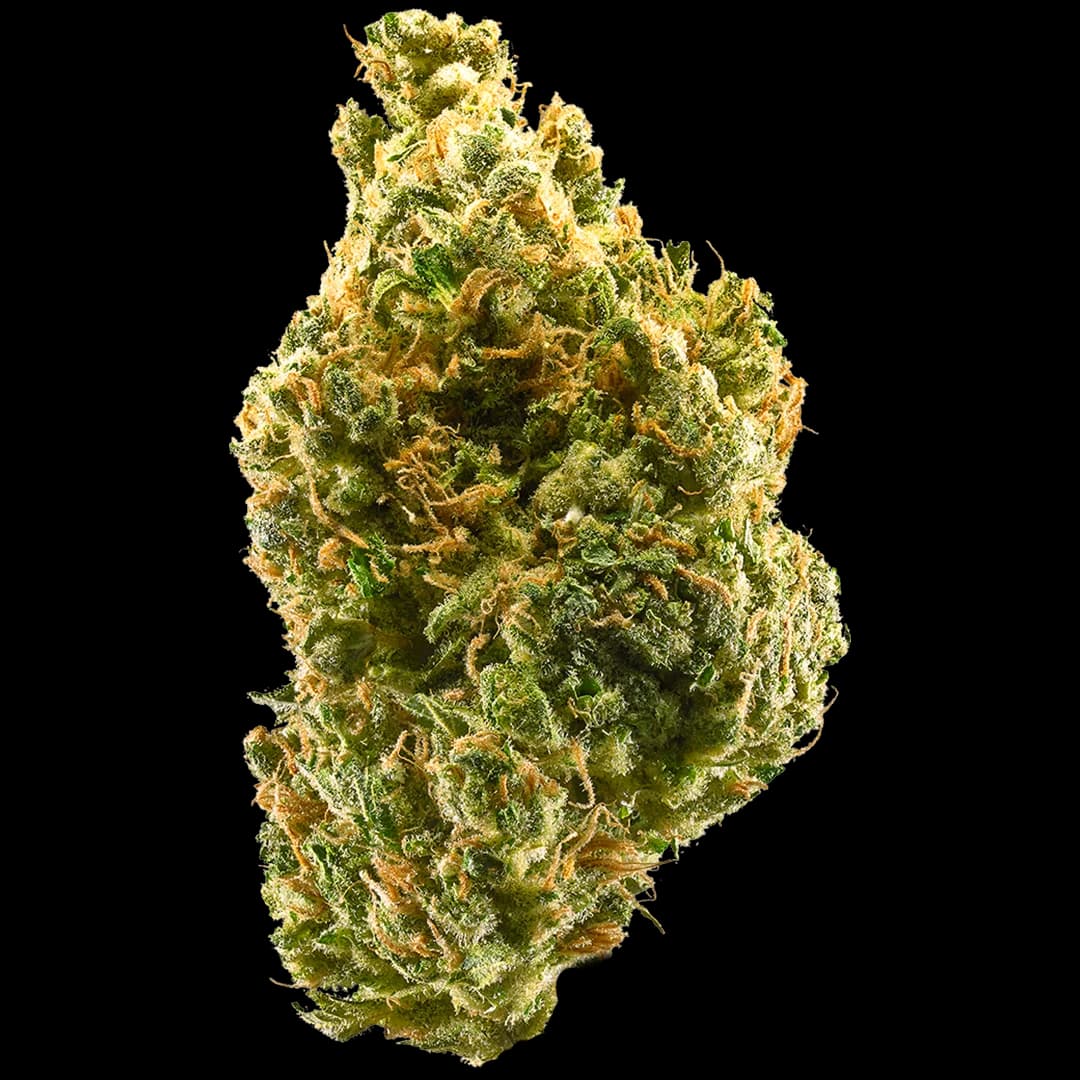
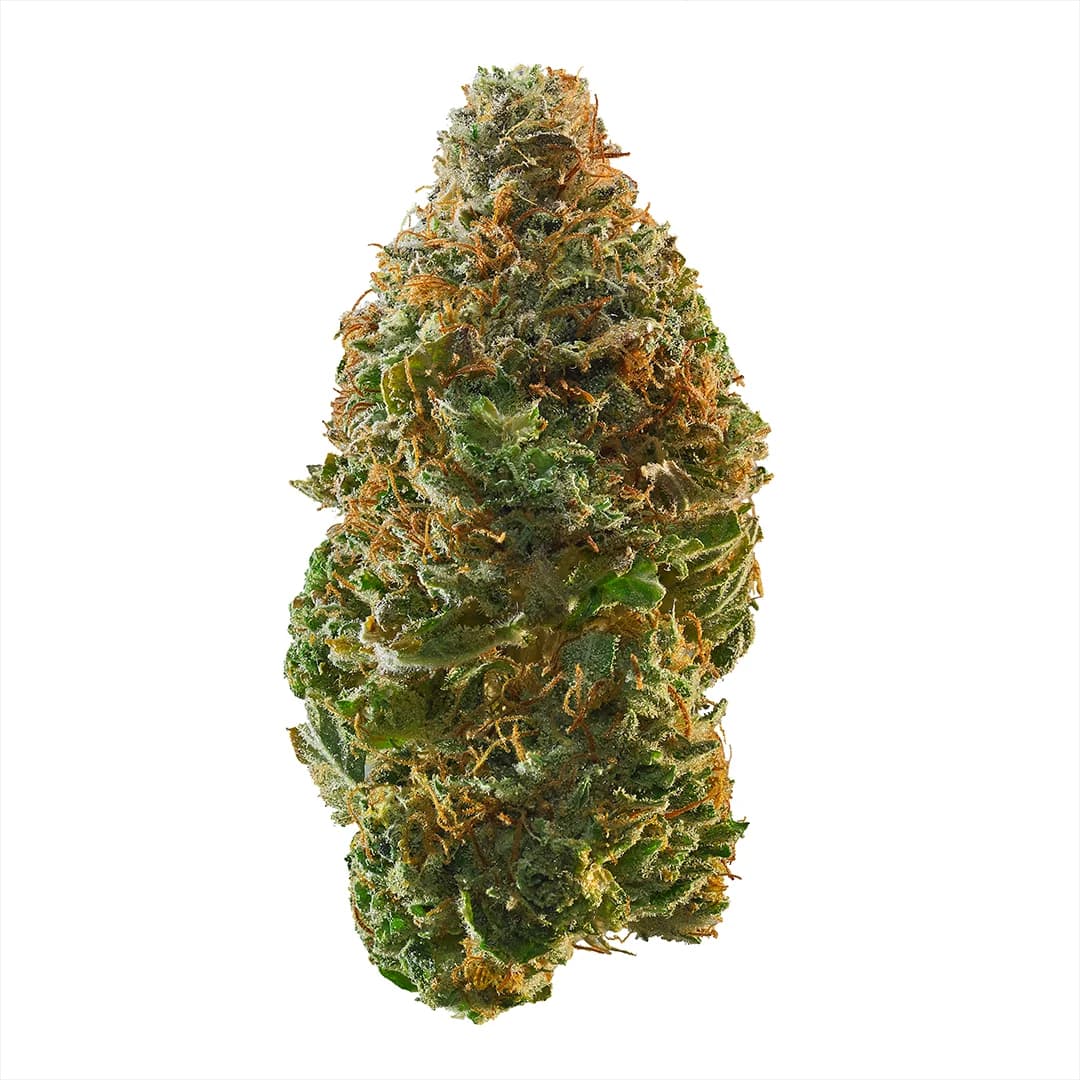
Percentages are catalog reference values, not sample lab results. “Not reported” means the source did not supply a value. Reported effects are subjective tags, not predictions.
ACDC is described as a CBD-dominant selection from Cannatonic. Its connection is a phenotype selection, so it is shown differently from a cross between two parent cultivars.
Alaskan Thunder Fuck is associated with Alaska’s Matanuska Valley. Leafly presents its early Californian and Russian background as a legend, followed by a reported Afghani contribution.
Cannatonic is a Resin Seeds cultivar associated with CBD-focused selections. The breeder identifies Reina Madre and NYCD as its cross; this differs from an older lineage still found in some catalogs.
Chocolope, also called D-Line, is reported to combine Chocolate Thai and Cannalope Haze. Its catalog identity connects chocolate-associated Thai genetics with the Haze family.
Durban Poison takes its regional identity from Durban in South Africa according to Leafly. The catalog classifies it as sativa without supplying a named two-parent cross. Its displayed pine, earthy and sage descriptors are reader impressions, while terpinolene leads the separate terpene list. A geographic origin is useful historical context but does not by itself authenticate every later selection carrying the name or establish a fixed concentration of any cannabinoid.
Grapefruit is reported as Cinderella 99 crossed with an unnamed sativa landrace. Leafly mentions both Nectar Seeds and Positronic Seeds, so no single breeder attribution is assigned here.
Harlequin is cataloged as a sativa associated with CBD-rich selections. Leafly links its ancestry to Colombian Gold and Nepali, Thai and Swiss populations; sample chemistry still requires analysis.
Hawaiian is a sativa catalog entry with tropical and citrus flavor reports. The reference used here does not identify a named parent cross, so its ancestry remains open rather than inferred from the name.
Haze is a broad sativa-associated family that Leafly places in Santa Cruz in the 1960s. Its account names Colombian, Mexican, Thai and South Indian ancestry without defining a complete sequence of crosses. The profile's spicy or herbal, tobacco and earthy tags describe reader impressions. This family-level history is useful when exploring descendants, but the word Haze in another strain's name is not enough to prove a direct parent relationship or identical chemistry.
Lemon Kush has competing pedigrees: Master Kush with Lemon Joy, or the Alien Genetics version of Lemon G with Afghan Kush. These are alternatives, not a four-parent cross.
Lemon Skunk is attributed to DNA Genetics and two selected Skunk phenotypes. The individual selections are not named, so this record does not invent separate parent identities.
MAC expands to Miracle Alien Cookies. Leafly lists Alien Cookies, Starfighter and Columbian in its background; the broad Columbian name is not equated with Colombian Gold.
Maui Wowie is associated with Hawaii and appears under several spellings. Leafly names Hawaiian as one parent and leaves the second parent unidentified.
Mimosa is reported as Clementine crossed with Purple Punch and is associated with Symbiotic Genetics. Purple Mimosa is an alternate name recorded on the source page.
Sour Diesel, also called Sour D, is a catalog name associated with fuel-like aroma descriptions. Leafly currently labels the entry hybrid and reports Chemdawg and Super Skunk as parents. Its listed reader tags include diesel, chemical and skunk; these describe impressions rather than measured ingredients. The same source also uses sativa language in its review summary, so category wording should be read cautiously rather than used to settle ancestry or predict an individual's response.
Strawberry Cough is a sativa-classified catalog entry whose source describes its origins as uncertain while proposing Haze and Strawberry Fields as a possible cross. The proposed relationship therefore remains an attributed hypothesis rather than settled ancestry. Strawberry, sweet and berry are displayed reader flavor tags. Neither the fruit name nor the word Cough is a test of chemical identity, a measure of safety or proof that another similarly named sample is the same plant.
Super Lemon Haze connects Lemon Skunk with Super Silver Haze in the catalog's lineage account. Associated with Green House Seeds, it extends the Haze family while carrying reader-reported citrus flavor descriptors.
Super Silver Haze is attributed to Green House Seeds and a background involving Skunk, Northern Lights and Haze. The source supplies those ancestry names but does not establish the exact sequence of crosses.
Tangerine Dream is associated with Barney’s Farm. Its background lists G13, Afghani and Neville’s A5 Haze; the source does not specify each intermediate breeding step.
Tangie is reported as a California Orange and Skunk 1 cross. Despite the similar names and citrus associations, Tangie and Tangerine Dream are separate catalog entries.
Trainwreck is associated by Leafly with Northern California and Mexican, Thai and Afghan ancestry. The source offers more than one story for its name rather than a single documented origin. Its summary classifies it as hybrid, while the narrative uses sativa language; these labels should not settle pedigree. Pine, earthy and woody are displayed reader tags, separate from a terpinolene-led catalog profile. The ancestry remains broader than an authenticated pair of immediate parents.
White Widow is associated in Leafly's account with Dutch breeding in the 1990s and ancestry from Brazil and southern India. These regional descriptions are broader than named, authenticated parent plants. The profile's woody, earthy and floral reader tags sit alongside a myrcene-led catalog terpene listing. They describe the source's record rather than establish a universal sample profile. Historical breeder attribution and the exact ancestral material still need primary documentation.