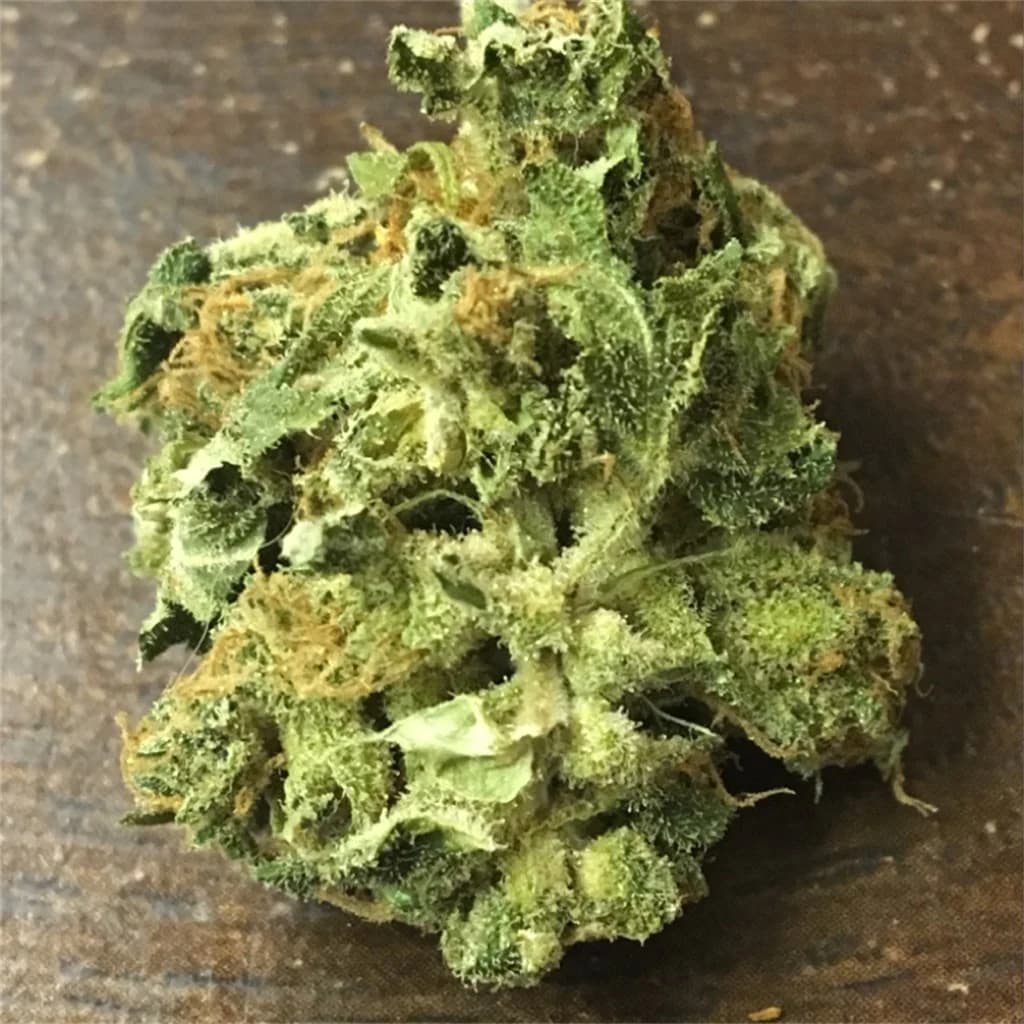
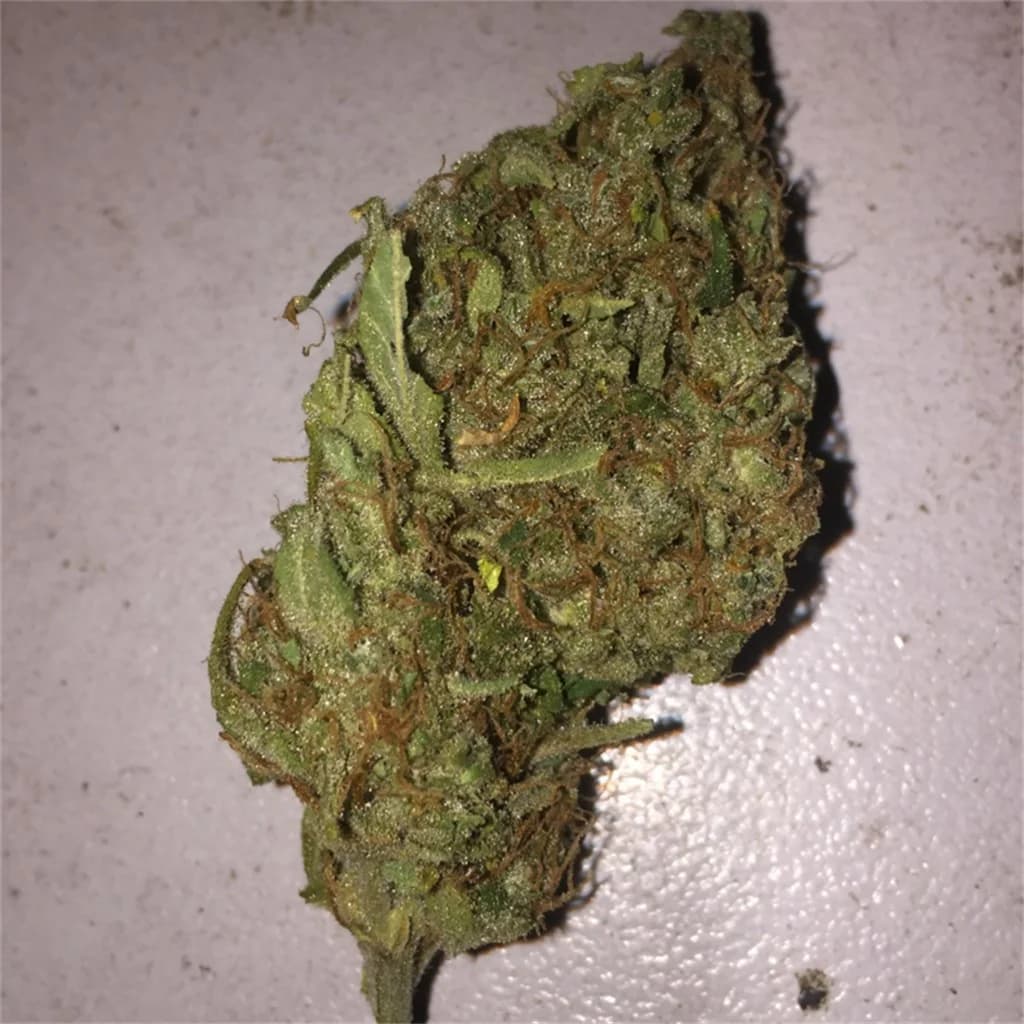
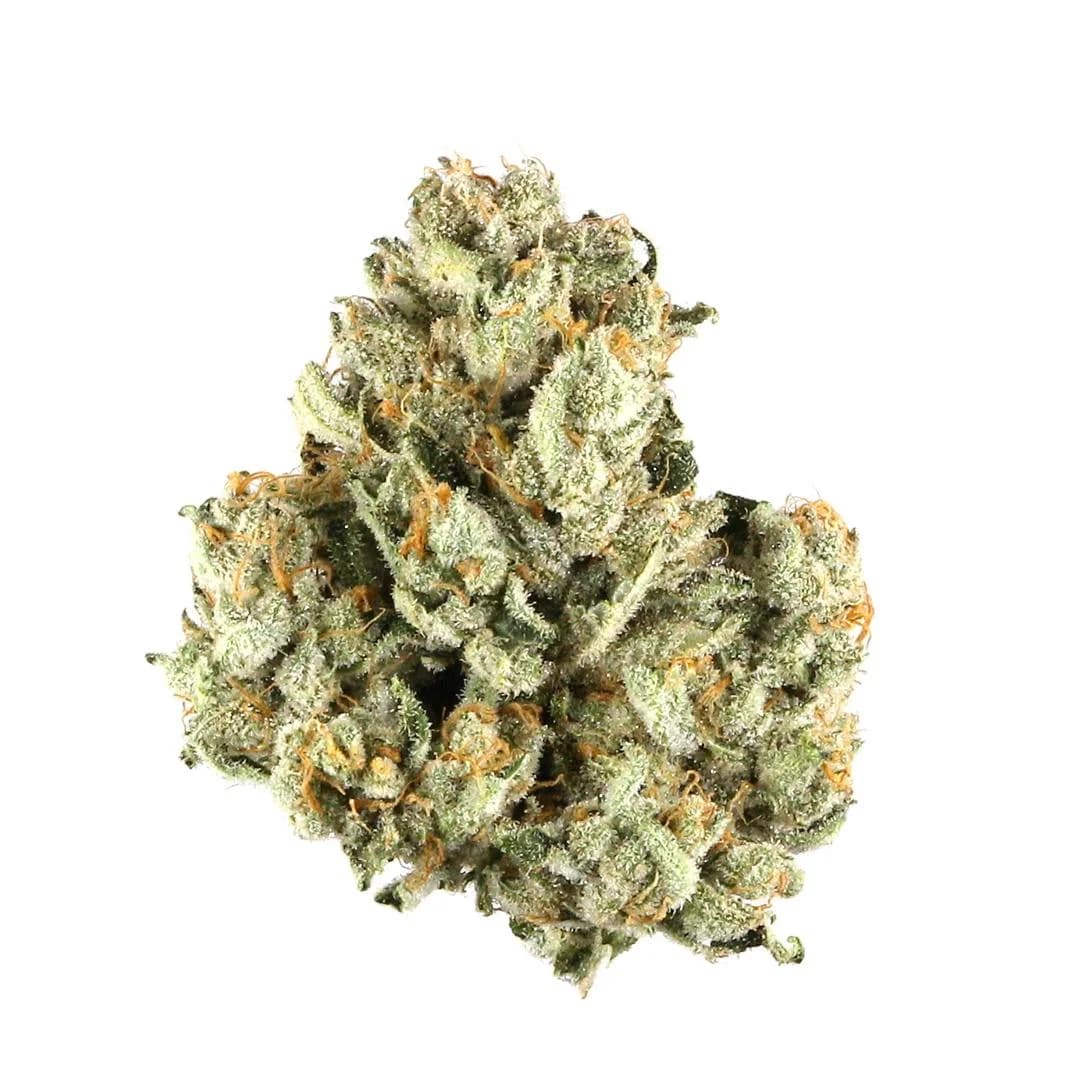
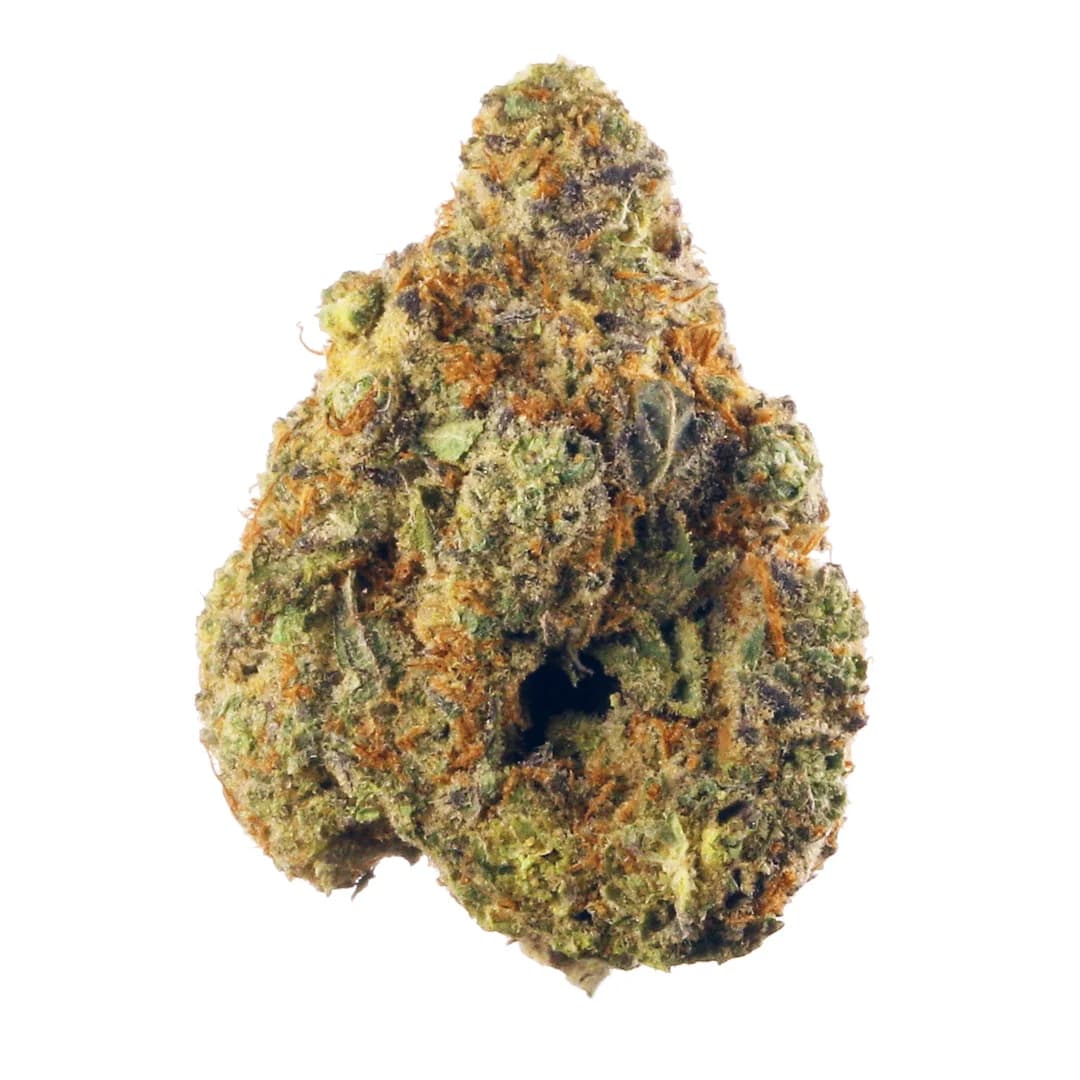
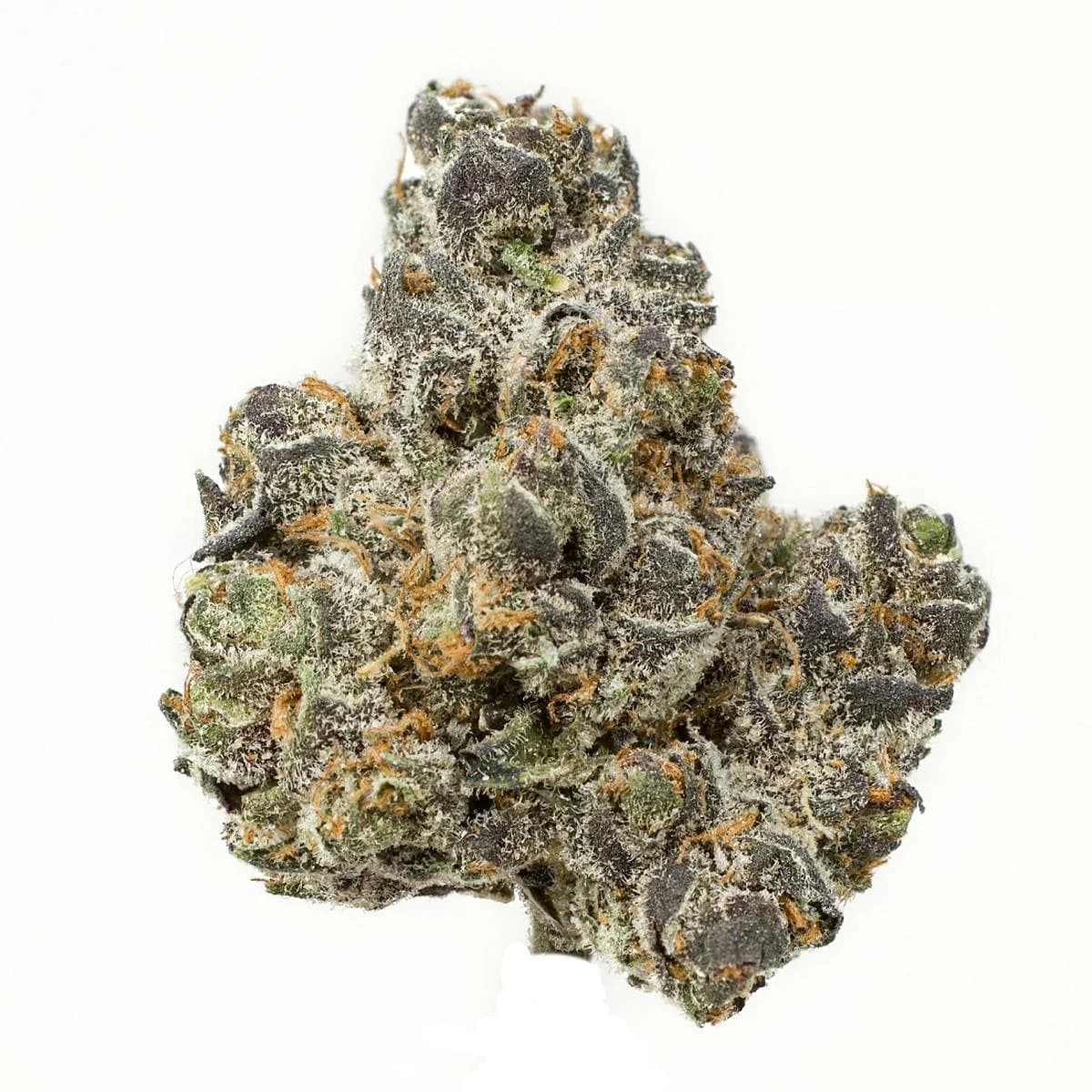
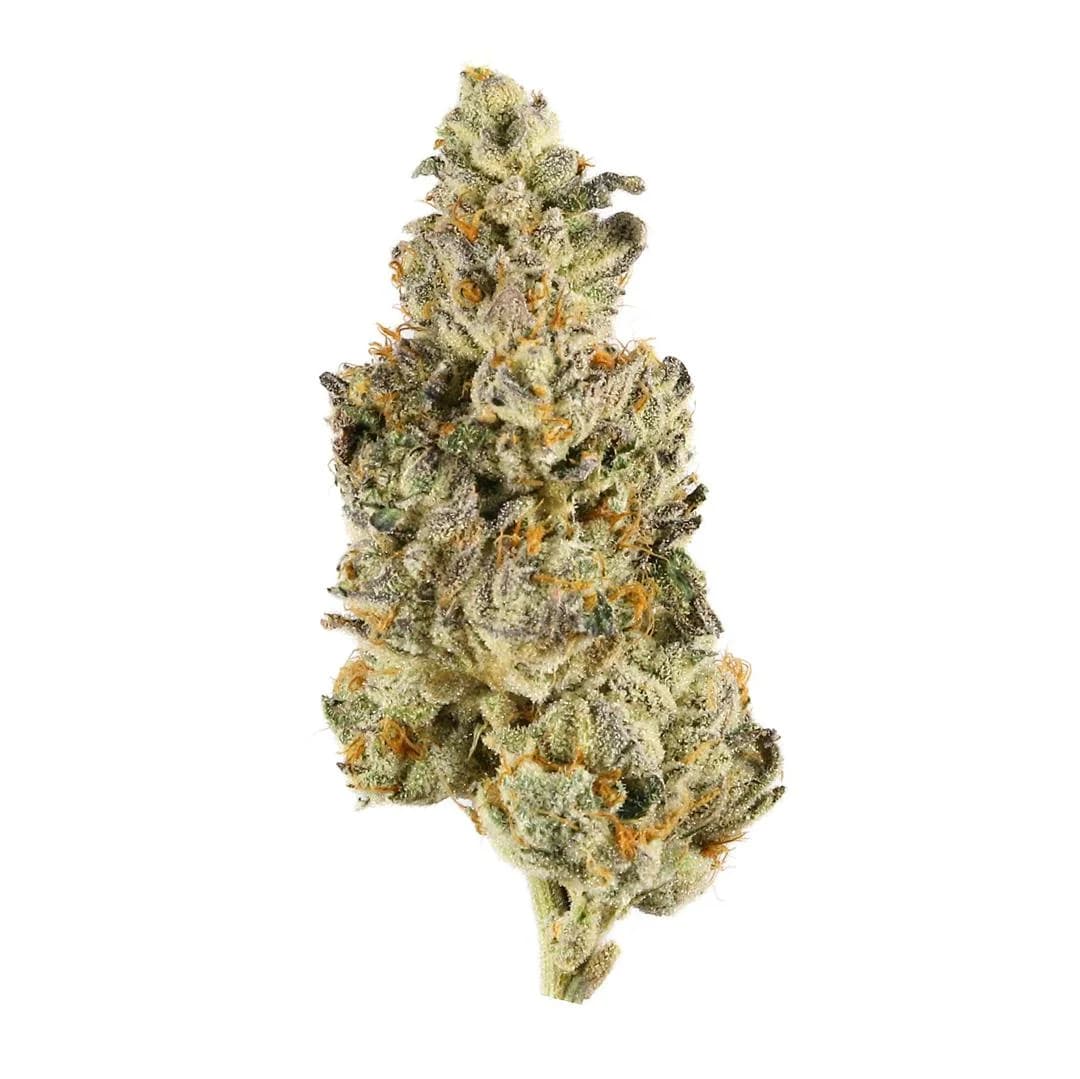
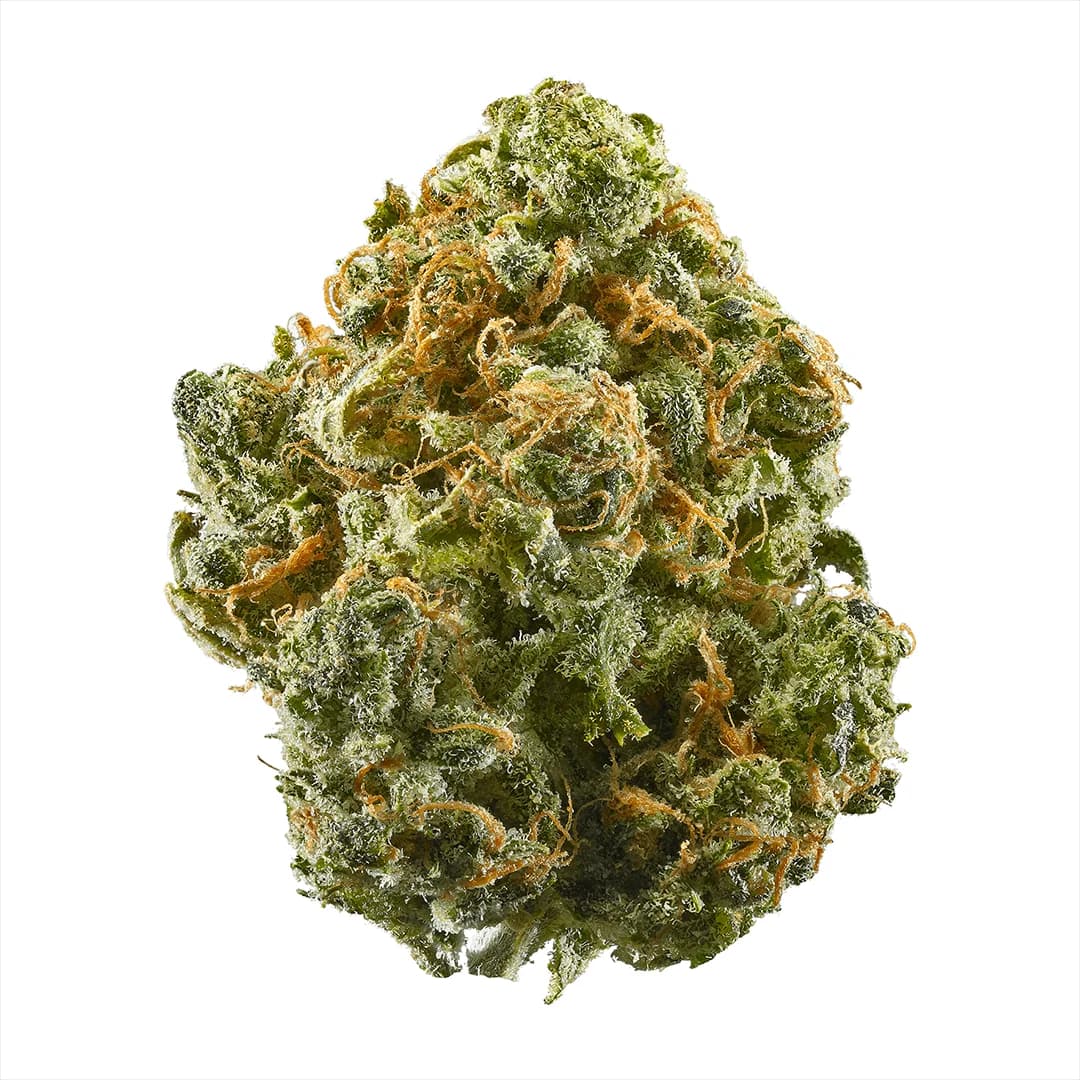
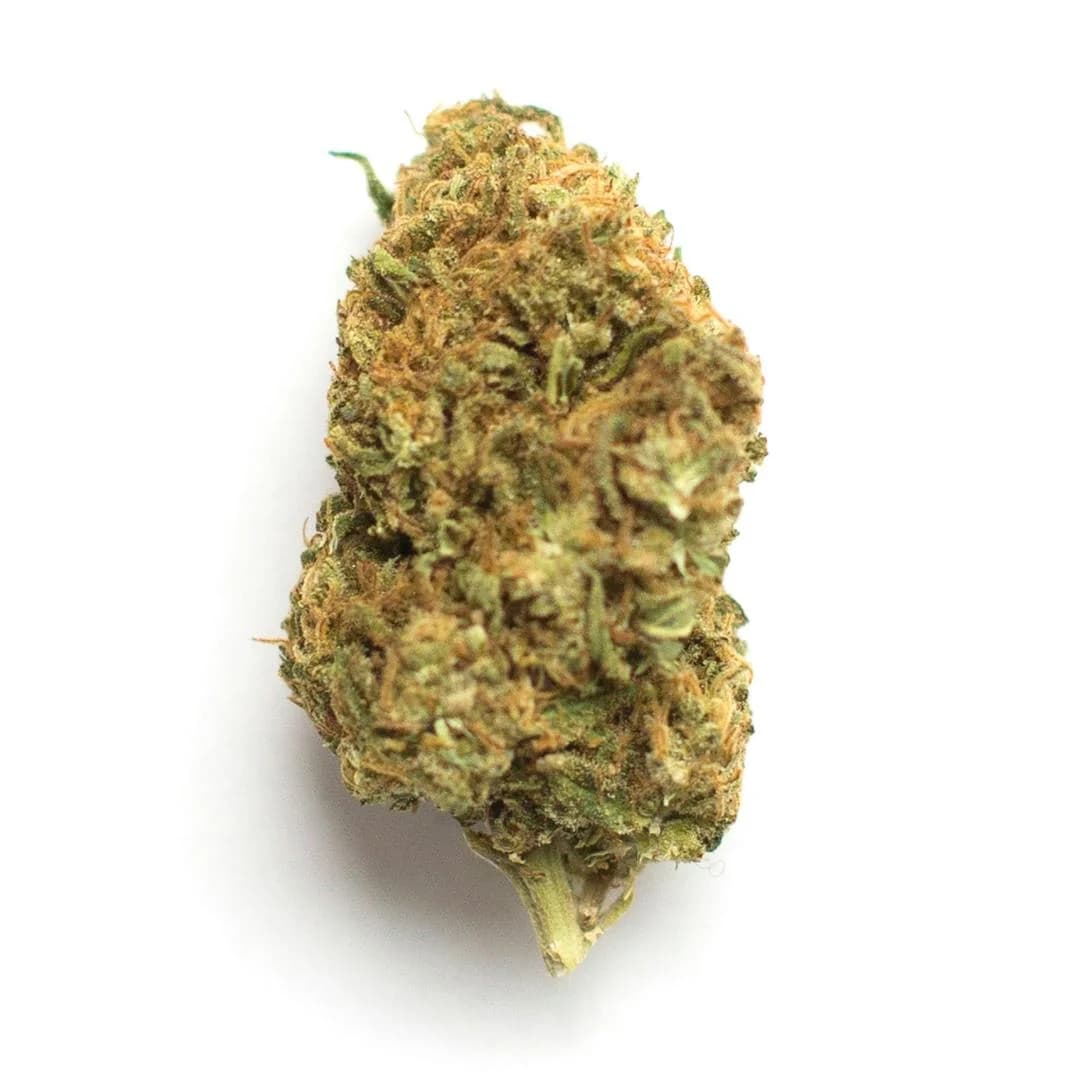
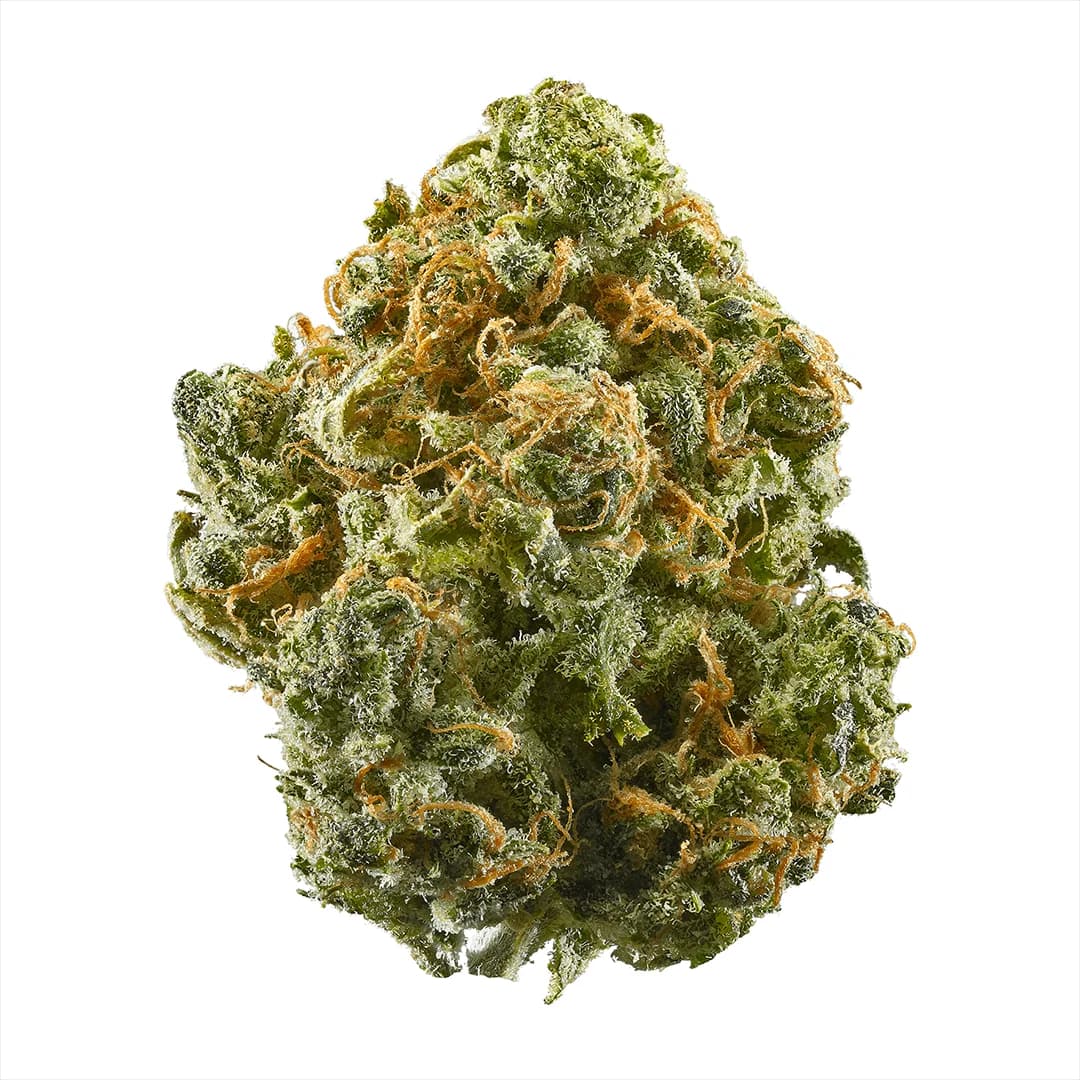
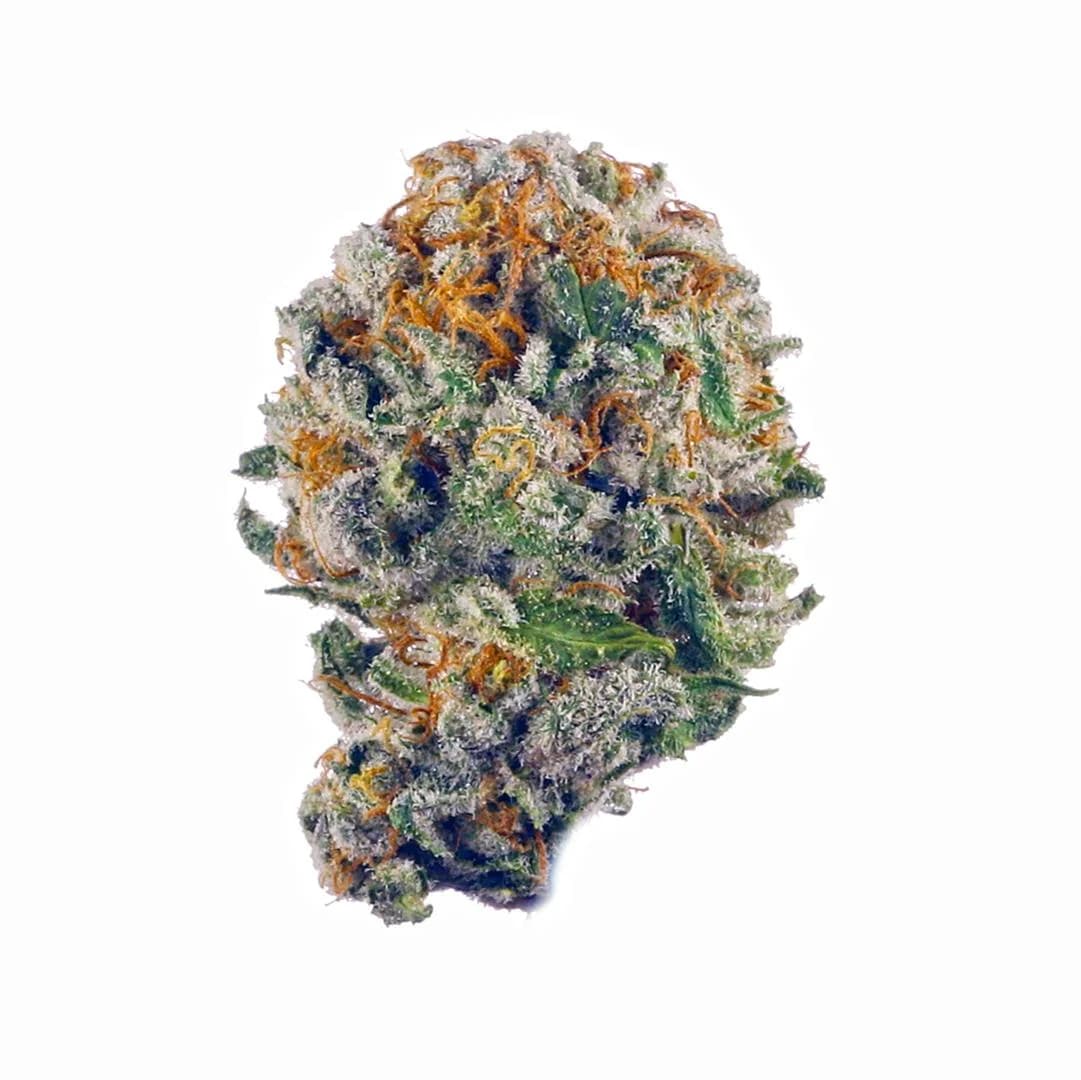
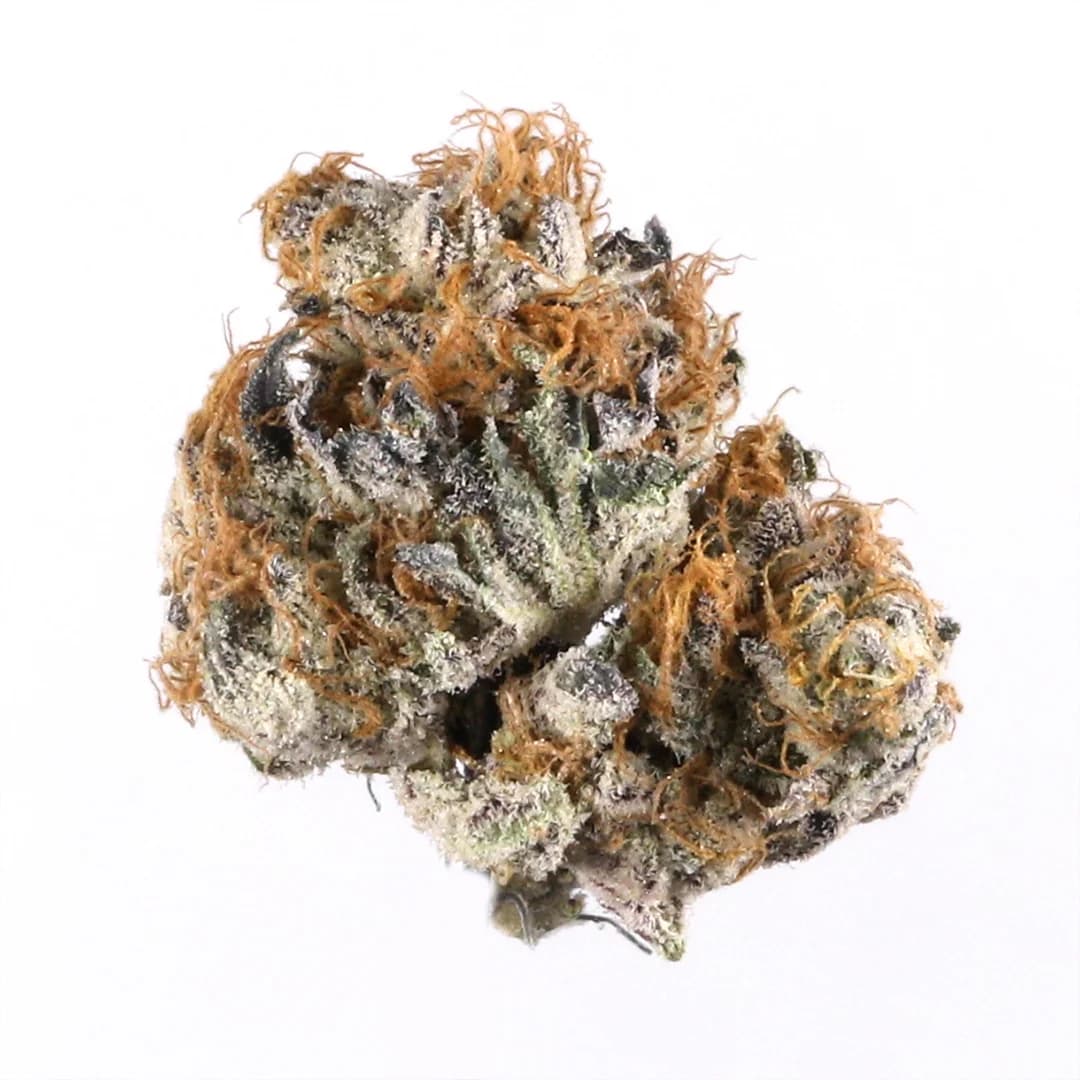
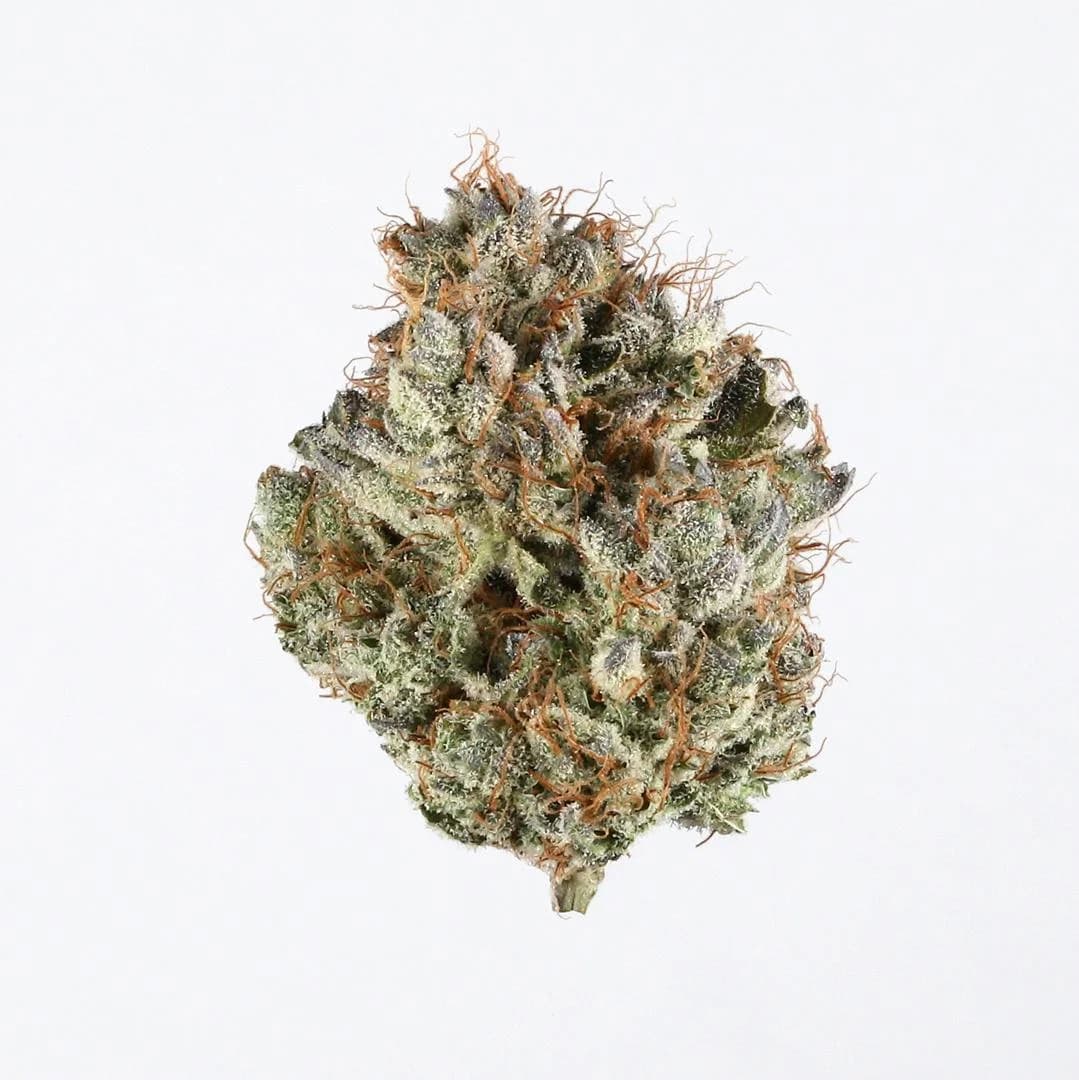
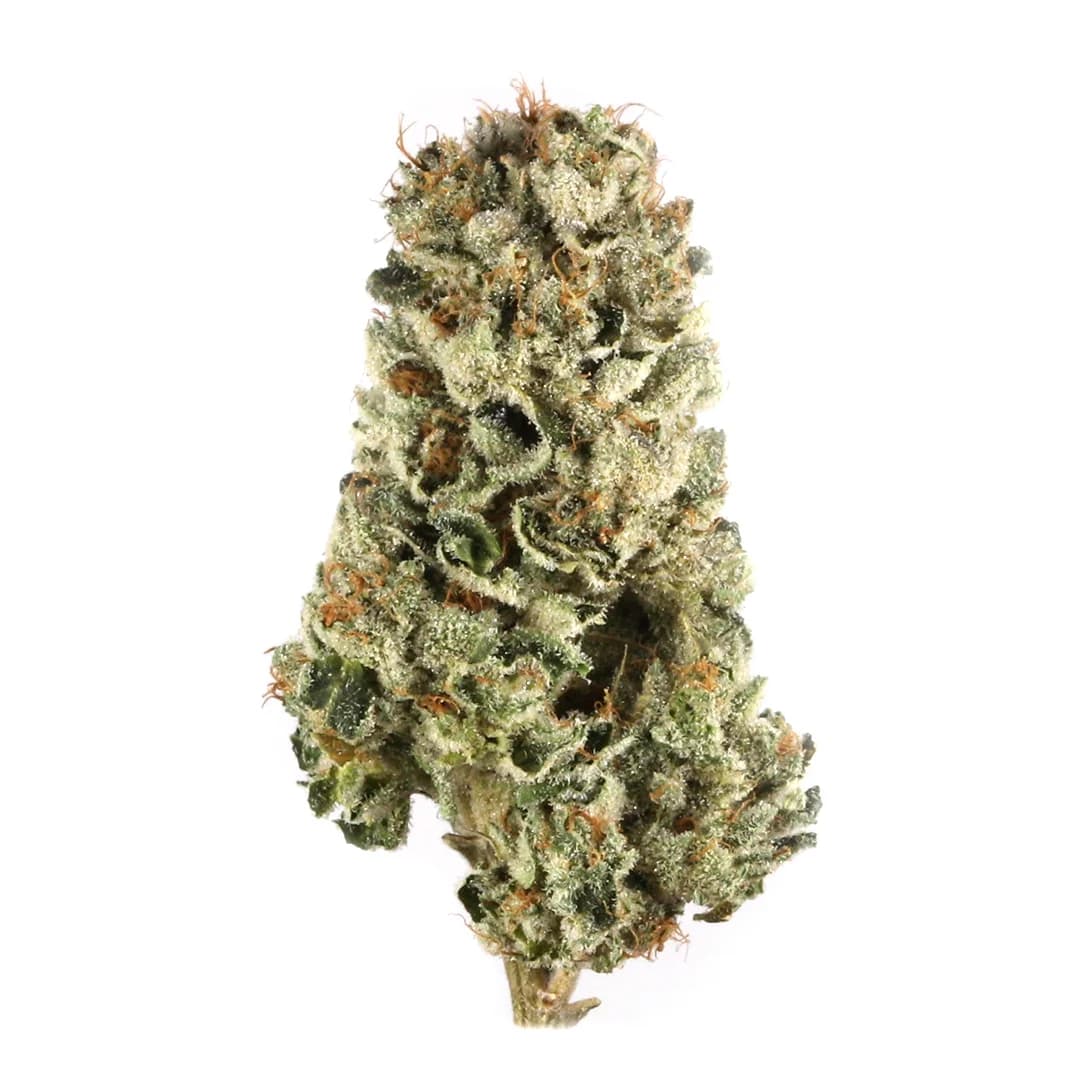
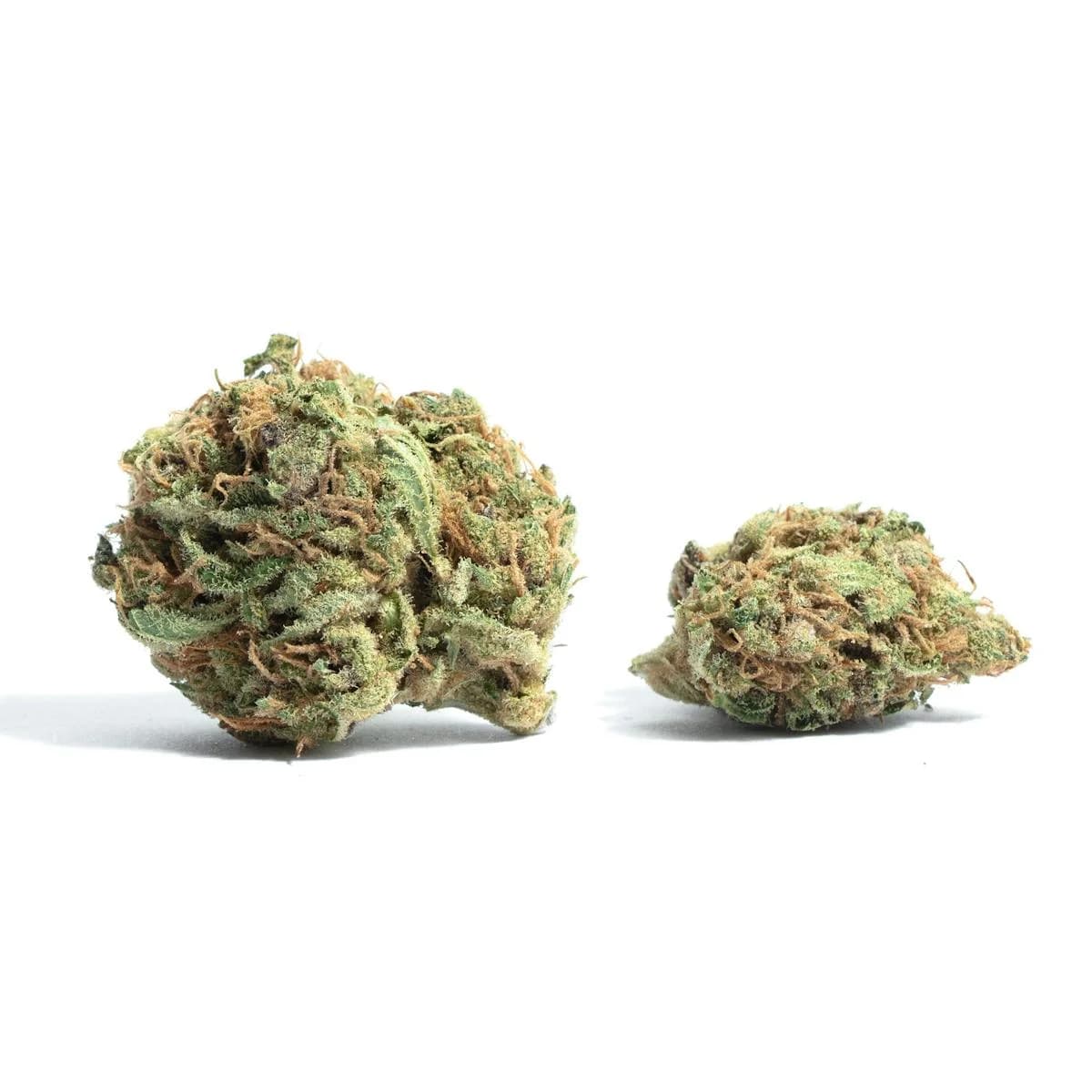
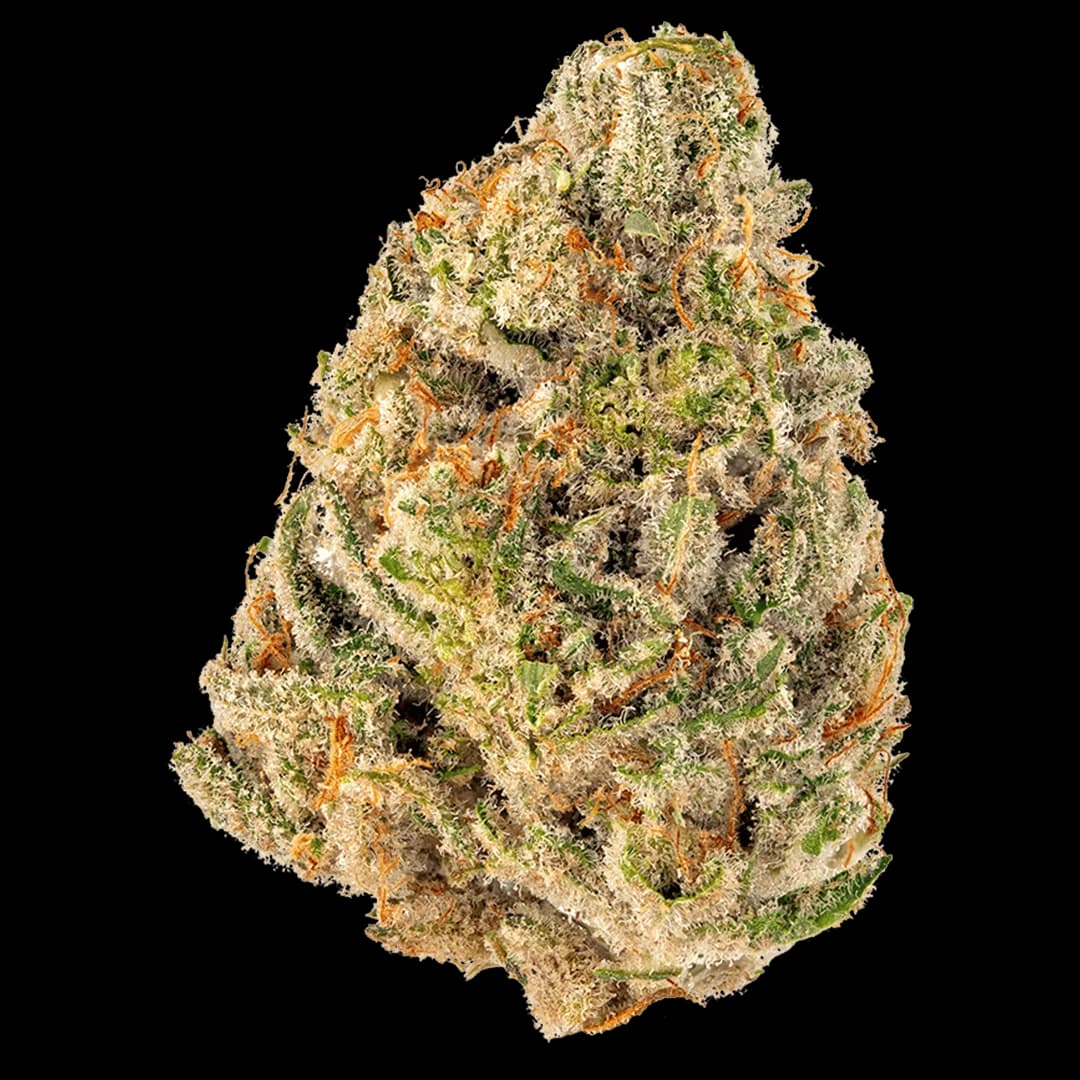
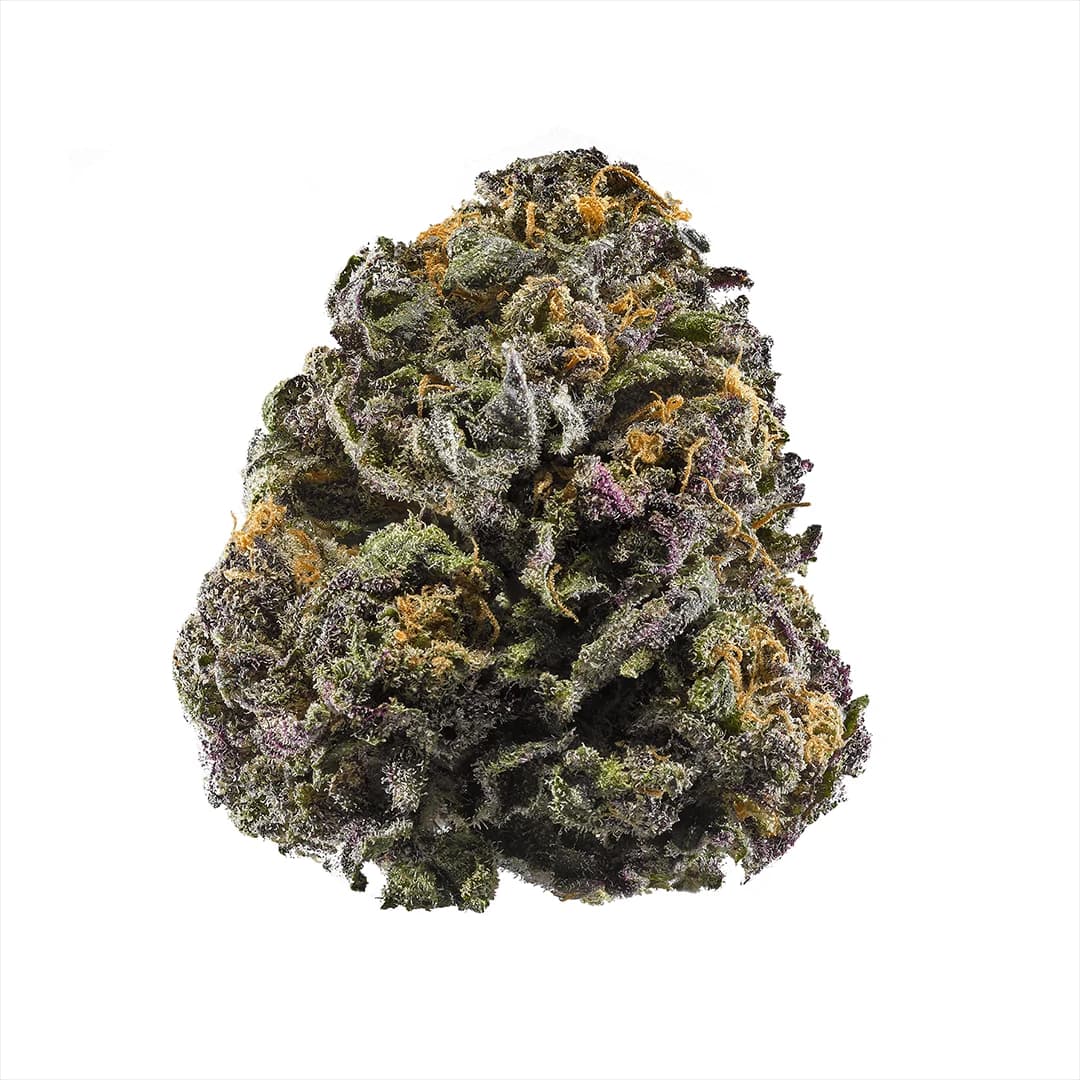
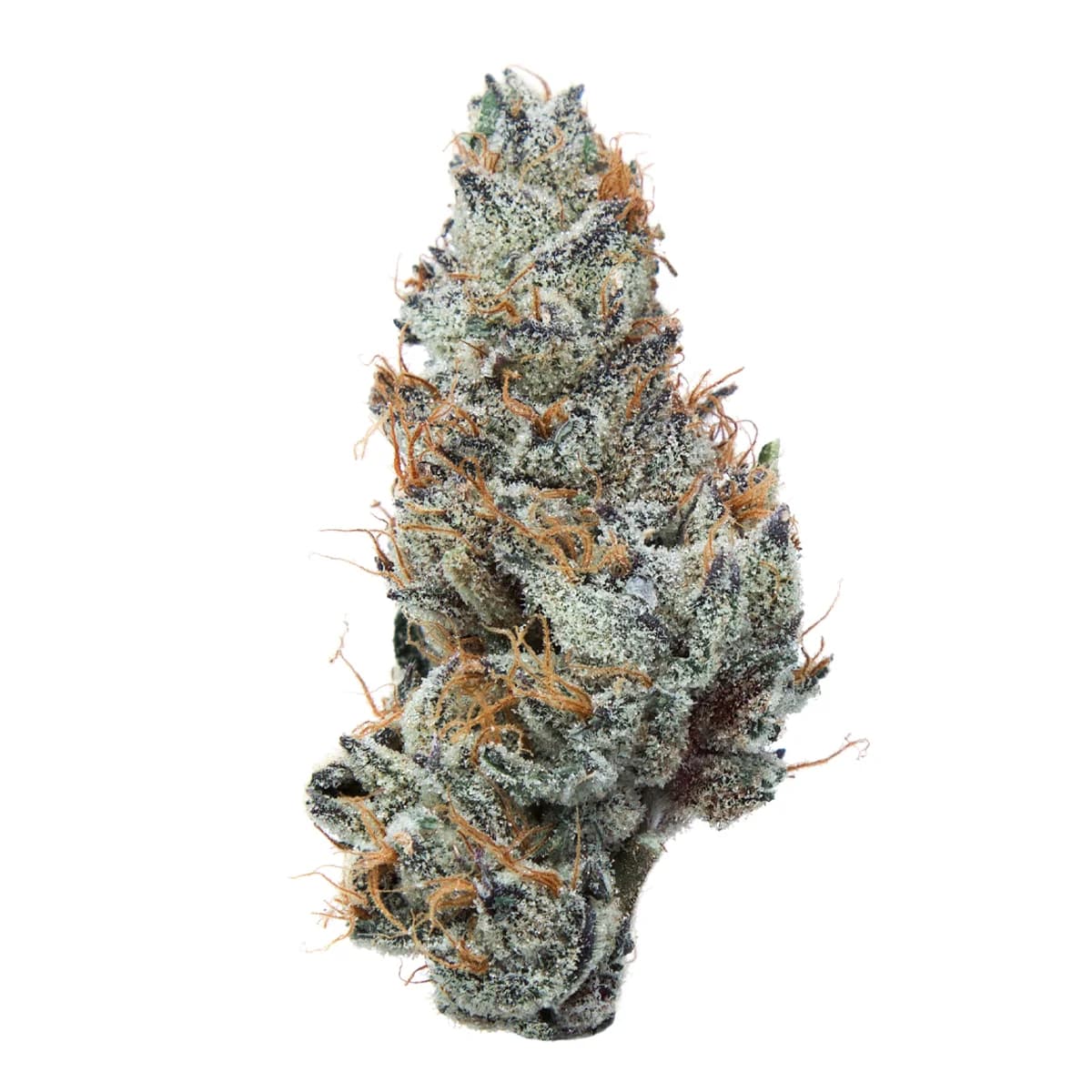
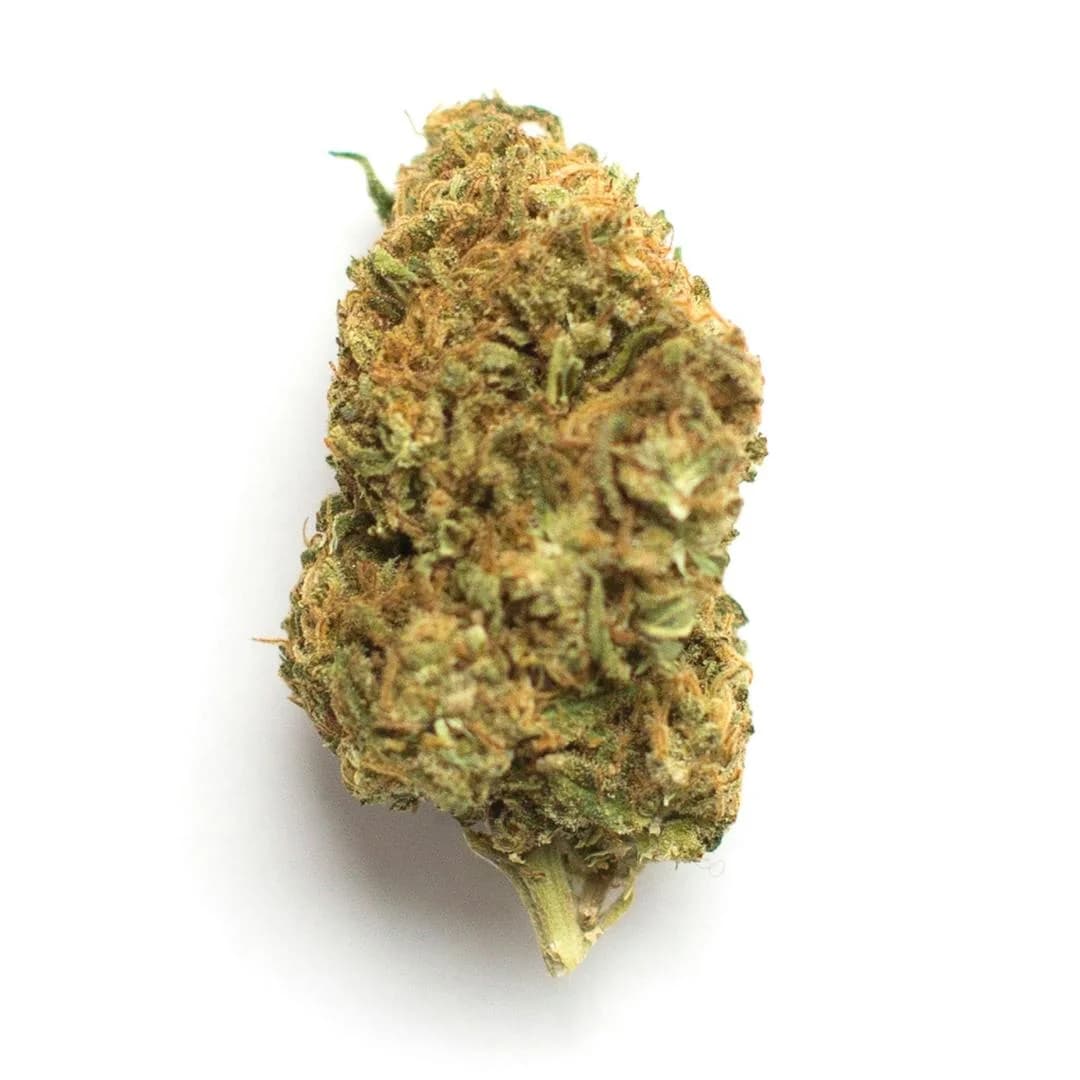
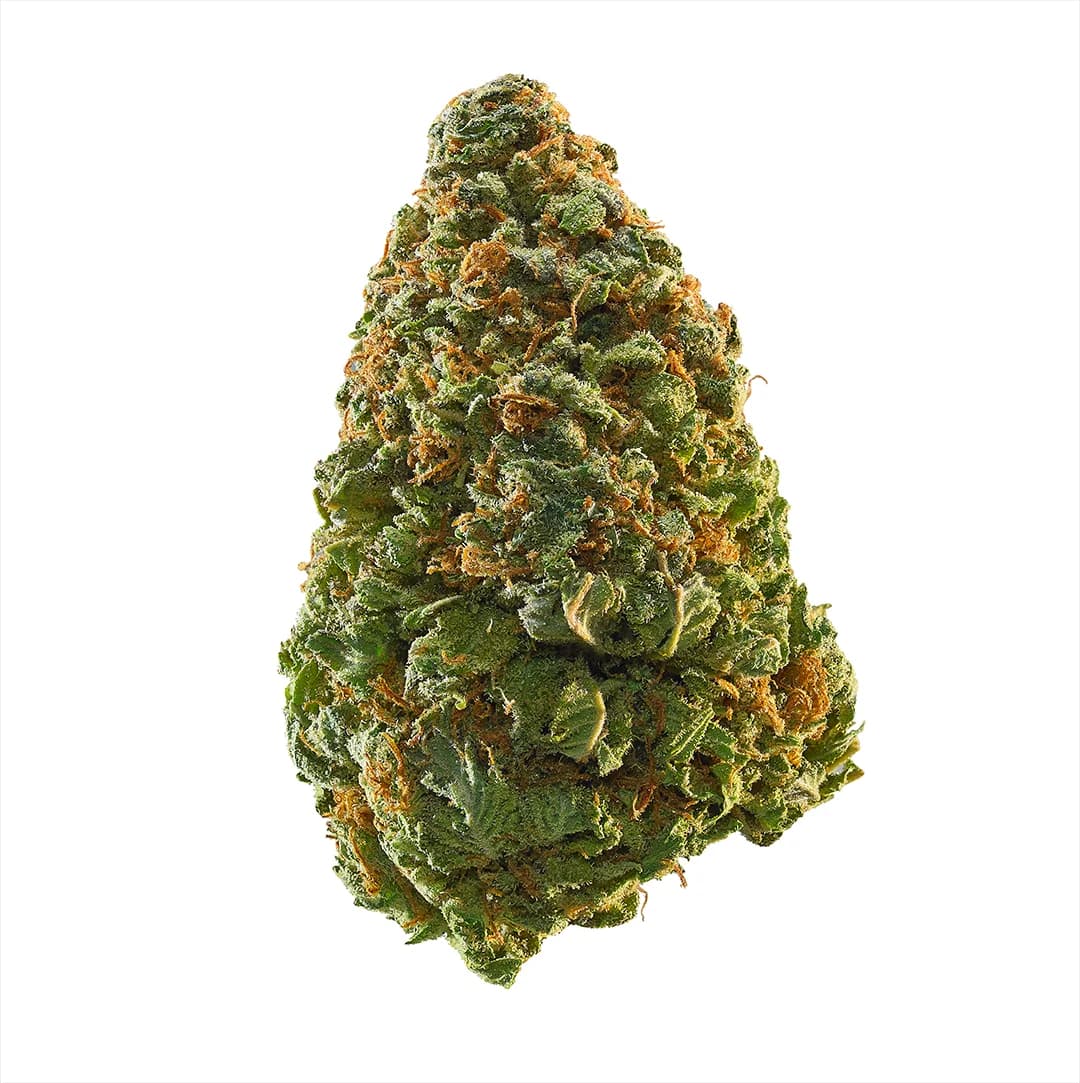
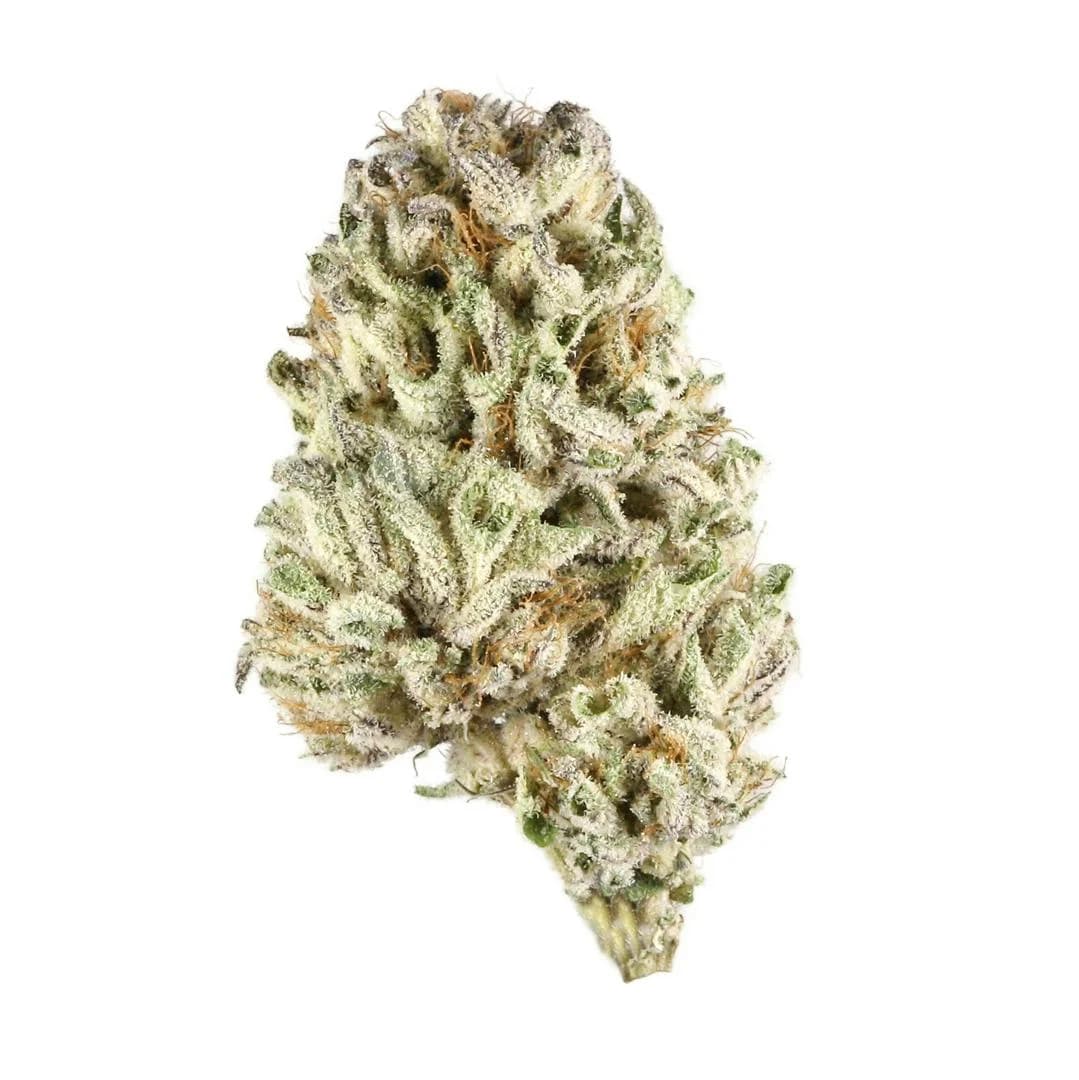
Percentages are catalog reference values, not sample lab results. “Not reported” means the source did not supply a value. Reported effects are subjective tags, not predictions.
ACDC is presented by Leafly as a hybrid catalog entry. The source account says: Leafly describes ACDC as a phenotype of Cannatonic; Resin Seeds also lists ACDC among Cannatonic selections. This context is retained as an attributed account, not as genetic authentication of every sample carrying the name. Reader-reported flavor descriptors include Earthy, Pine, Woody. The catalog lists Caryophyllene, Myrcene, Pinene as terpene labels. Those fields describe different evidence layers and do not establish a fixed chemical profile, medical effect or response for an individual sample.
AK-47 is described by Leafly as a hybrid with Colombian, Mexican, Thai and Afghan ancestry. That four-region summary does not specify the order of crosses or an immediate parent pair. Serious Seeds' own history connects AK-47 with Simon's work before the company's founding in 1995. This adds a breeder account to the catalog context without certifying every later AK-47-labelled sample. Skunk, tobacco and earth remain reported flavor descriptors rather than evidence of pedigree.
Afghan Kush is presented by Leafly as a indica catalog entry. The source account says: Regional origin is retained without equating Afghan Kush, Afghani and Hindu Kush as identical catalog accessions. This context is retained as an attributed account, not as genetic authentication of every sample carrying the name. Reader-reported flavor descriptors include Earthy, Tar, Woody. The catalog lists Caryophyllene, Myrcene, Pinene as terpene labels. Those fields describe different evidence layers and do not establish a fixed chemical profile, medical effect or response for an individual sample.
Afghani is presented by Leafly as a indica catalog entry. The source account says: Afghani is a regional cannabis name associated with Afghanistan and appears in many reported family histories. A regional name can cover varied material, so this profile does not imply one uniform genetic or chemical sample. This context is retained as an attributed account, not as genetic authentication of every sample carrying the name. Reader-reported flavor descriptors include Earthy, Pine, Woody. The catalog lists Myrcene, Pinene, Terpinolene as terpene labels. Those fields describe different evidence layers and do not establish a fixed chemical profile, medical effect or response for an individual sample.
Apple Fritter is presented by Leafly as a hybrid catalog entry. The source account says: Apple Fritter is associated with Lumpy’s Flowers. Leafly reports Sour Apple and Animal Cookies as its parents, connecting fruit-associated naming with the Cookies family. This is a source-reported identity, not a genetically authenticated pedigree. This context is retained as an attributed account, not as genetic authentication of every sample carrying the name. Reader-reported flavor descriptors include Apple, Butter, Cheese. The catalog lists Caryophyllene, Limonene, Pinene as terpene labels. Those fields describe different evidence layers and do not establish a fixed chemical profile, medical effect or response for an individual sample.
BOG Bubble is presented by Leafly as a hybrid catalog entry. The source account says: No direct parent cross is documented in the reviewed narrative. BOG Bubble is not automatically merged with the broad Bubble Gum catalog identity. This context is retained as an attributed account, not as genetic authentication of every sample carrying the name. Reader-reported flavor descriptors include Berry, Blueberry, Floral. The catalog lists Caryophyllene, Limonene, Pinene as terpene labels. Those fields describe different evidence layers and do not establish a fixed chemical profile, medical effect or response for an individual sample.
Big Bud is presented by Leafly as a indica catalog entry. The source account says: Big Bud's reported background combines Afghani, Northern Lights and Skunk #1. Leafly traces its history from the United States to the Netherlands; the three names are recorded as ancestry without inventing a crossing order. This context is retained as an attributed account, not as genetic authentication of every sample carrying the name. Reader-reported flavor descriptors include Earthy, Spicy/Herbal, Woody. The catalog lists Myrcene, Ocimene, Pinene as terpene labels. Those fields describe different evidence layers and do not establish a fixed chemical profile, medical effect or response for an individual sample.
Black Domina is presented by Leafly as a indica catalog entry. The source account says: Four reported contributors are modeled as ancestry; intermediate crosses and generations are not inferred. This context is retained as an attributed account, not as genetic authentication of every sample carrying the name. Reader-reported flavor descriptors include Pepper, Spicy/Herbal, Woody. The catalog lists Caryophyllene, Myrcene, Pinene as terpene labels. Those fields describe different evidence layers and do not establish a fixed chemical profile, medical effect or response for an individual sample.
Blue Dream is a California-associated hybrid whose reported family joins Blueberry and Haze. Leafly lists berry and sweet flavor descriptors and a myrcene-led terpene profile. Those two kinds of information serve different purposes: flavor tags describe reader impressions, while the terpene list summarizes the source's chemistry data. Neither identifies a particular sample. This entry retains the reported cross without treating it as genetically authenticated parentage.
Blue Haze is presented by Leafly as a hybrid catalog entry. The source account says: The cited catalog page does not establish a complete, authenticated immediate-parent cross for this entry. This context is retained as an attributed account, not as genetic authentication of every sample carrying the name. Reader-reported flavor descriptors include Berry, Blueberry, Pear. The catalog lists Caryophyllene, Myrcene, Pinene as terpene labels. Those fields describe different evidence layers and do not establish a fixed chemical profile, medical effect or response for an individual sample.
Blueberry, also called Berry Blue, is associated with DJ Short's work beginning in the late 1970s. Leafly describes Thai-related ancestry and notes that material passed between breeders and seed banks over time. This history is a reason to preserve source and selection details rather than assume all Blueberry records describe one identical plant. Blueberry, berry and sweet are reader flavor descriptors; the fruit name alone is not a chemical measurement or proof of parentage.
Blueberry OG is presented by Leafly as a hybrid catalog entry. The source account says: The Blueberry phenotype and OG Kush connection is source-reported. Narrative CBD claims and the displayed 0% reference value are inconsistent and require sample-specific corroboration. This context is retained as an attributed account, not as genetic authentication of every sample carrying the name. Reader-reported flavor descriptors include Berry, Blueberry, Earthy. The catalog lists Limonene, Myrcene, Pinene as terpene labels. Those fields describe different evidence layers and do not establish a fixed chemical profile, medical effect or response for an individual sample.
California Orange is presented by Leafly as a hybrid catalog entry. The source account says: The linked source describes the origin as mysterious. No parent edges are inferred from the orange name or later commercial versions. This context is retained as an attributed account, not as genetic authentication of every sample carrying the name. Reader-reported flavor descriptors include Citrus, Orange, Sweet. The catalog lists Caryophyllene, Myrcene, Pinene as terpene labels. Those fields describe different evidence layers and do not establish a fixed chemical profile, medical effect or response for an individual sample.
Cannatonic is presented by Leafly as a hybrid catalog entry. The source account says: Resin Seeds identifies Reina Madre × NYCD. Leafly instead lists MK Ultra × G13 Haze; the breeder's account is used for the parent links and both sources are retained. This context is retained as an attributed account, not as genetic authentication of every sample carrying the name. Reader-reported flavor descriptors include Earthy, Pine, Woody. The catalog lists Caryophyllene, Myrcene, Pinene as terpene labels. Those fields describe different evidence layers and do not establish a fixed chemical profile, medical effect or response for an individual sample.
Charlotte's Web is presented by Leafly as a sativa catalog entry. The source account says: The cited catalog page does not establish a complete, authenticated immediate-parent cross for this entry. This context is retained as an attributed account, not as genetic authentication of every sample carrying the name. Reader-reported flavor descriptors include Floral, Pine, Woody. The catalog lists Caryophyllene, Myrcene, Pinene as terpene labels. Those fields describe different evidence layers and do not establish a fixed chemical profile, medical effect or response for an individual sample.
Cheese is rooted in a British Skunk 1 selection in Leafly's account, which also describes later Afghani contributions. Those statements describe a family history rather than one universal cross or a single authenticated plant. Cheese, pungent and skunk are reader-reported flavor descriptors, while caryophyllene, myrcene and pinene are listed as catalog terpene labels. The broad name is kept distinct from specific records such as UK Cheese and Blue Cheese. Shared wording alone does not prove identical lineage, chemical composition or effects across products.
Cherry Pie is reported by Leafly as a Granddaddy Purple and F1 Durb cross. The catalog keeps the F1 Durb name exactly as given rather than silently equating it with Durban Poison or another similarly named record. Berry, sweet and tree-fruit are reader-reported flavor descriptors, while caryophyllene, myrcene and pinene are listed as catalog terpene names. A reported cross, a sensory tag and a source chemistry summary each carry different limits; none establishes a fixed profile for every product sold as Cherry Pie.
Chocolate Thai is presented by Leafly as a sativa catalog entry. The source account says: Modern lines may be crosses or of uncertain provenance. Thai regional origin does not establish an authenticated accession or a direct parent link to the separate Thai catalog page. This context is retained as an attributed account, not as genetic authentication of every sample carrying the name. Reader-reported flavor descriptors include Coffee, Nutty, Tobacco. The catalog lists Caryophyllene, Myrcene, Pinene as terpene labels. Those fields describe different evidence layers and do not establish a fixed chemical profile, medical effect or response for an individual sample.
Clementine is presented by Leafly as a sativa catalog entry. The source account says: Both parents are explicit in the linked source. The catalog relationship has not been independently genetically verified. This context is retained as an attributed account, not as genetic authentication of every sample carrying the name. Reader-reported flavor descriptors include Citrus, Lemon, Orange. The catalog lists Myrcene, Pinene, Terpinolene as terpene labels. Those fields describe different evidence layers and do not establish a fixed chemical profile, medical effect or response for an individual sample.
Granddaddy Purple, often shortened to GDP, is associated in Leafly's account with Ken Estes and 2003. Its pedigree is less settled than that familiar name suggests: the source presents both a Mendo Purps/Skunk/Afghan account and a Big Bud × Purple Urkle account. This profile keeps that disagreement visible. Grape, berry and violet are reported flavor descriptors, not evidence that either proposed family tree has been confirmed.
Grape Ape is associated in the catalog with Apothecary Genetics and Barney's Farm. Its reported background includes Mendocino Purps, Skunk and Afghani, but the source does not provide a complete sequence that would justify converting all three names into immediate parents. Berry, grape and sweet are reader-reported flavor descriptors, while caryophyllene, myrcene and pinene appear as catalog terpene labels. The profile keeps breeder attribution, family context and sensory reports separate; a shared name does not establish identical genetics or chemistry across products.
Grapefruit is presented by Leafly as a sativa catalog entry. The source account says: Grapefruit is reported as Cinderella 99 crossed with an unnamed sativa landrace. Leafly mentions both Nectar Seeds and Positronic Seeds, so no single breeder attribution is assigned here. This is a source-reported identity, not a genetically authenticated pedigree. This context is retained as an attributed account, not as genetic authentication of every sample carrying the name. Reader-reported flavor descriptors include Citrus, Grapefruit, Sweet. The catalog lists Caryophyllene, Myrcene, Pinene as terpene labels. Those fields describe different evidence layers and do not establish a fixed chemical profile, medical effect or response for an individual sample.
Green Crack is listed by Leafly with names including Green Crush and Mango Crack. Its proposed background pairs Skunk #1 with an unidentified indica, leaving part of the pedigree unresolved. Citrus, mango and earthy are reader flavor descriptors on the source page. The dramatic name is a naming convention, not an ingredient statement, and the unknown parent should stay unknown rather than be replaced with a familiar strain to complete the tree.
Green Goblin is presented by Leafly as a sativa catalog entry. The source account says: The source presents varying identity accounts. Northern Lights and Skunk #1 are retained only as disputed ancestry and not as settled direct parents. This context is retained as an attributed account, not as genetic authentication of every sample carrying the name. Reader-reported flavor descriptors include Diesel, Menthol, Pine. The catalog lists Limonene, Myrcene, Pinene as terpene labels. Those fields describe different evidence layers and do not establish a fixed chemical profile, medical effect or response for an individual sample.