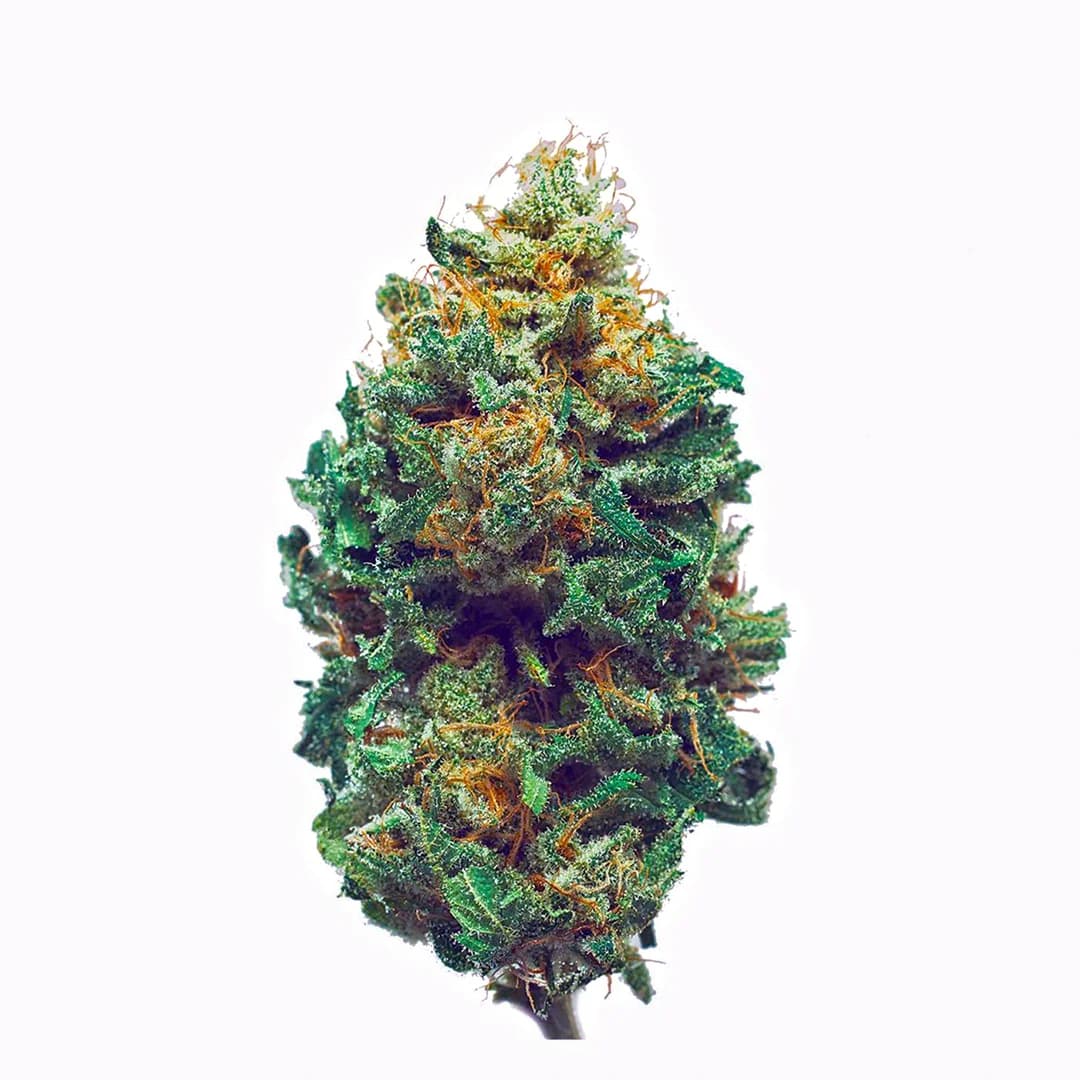
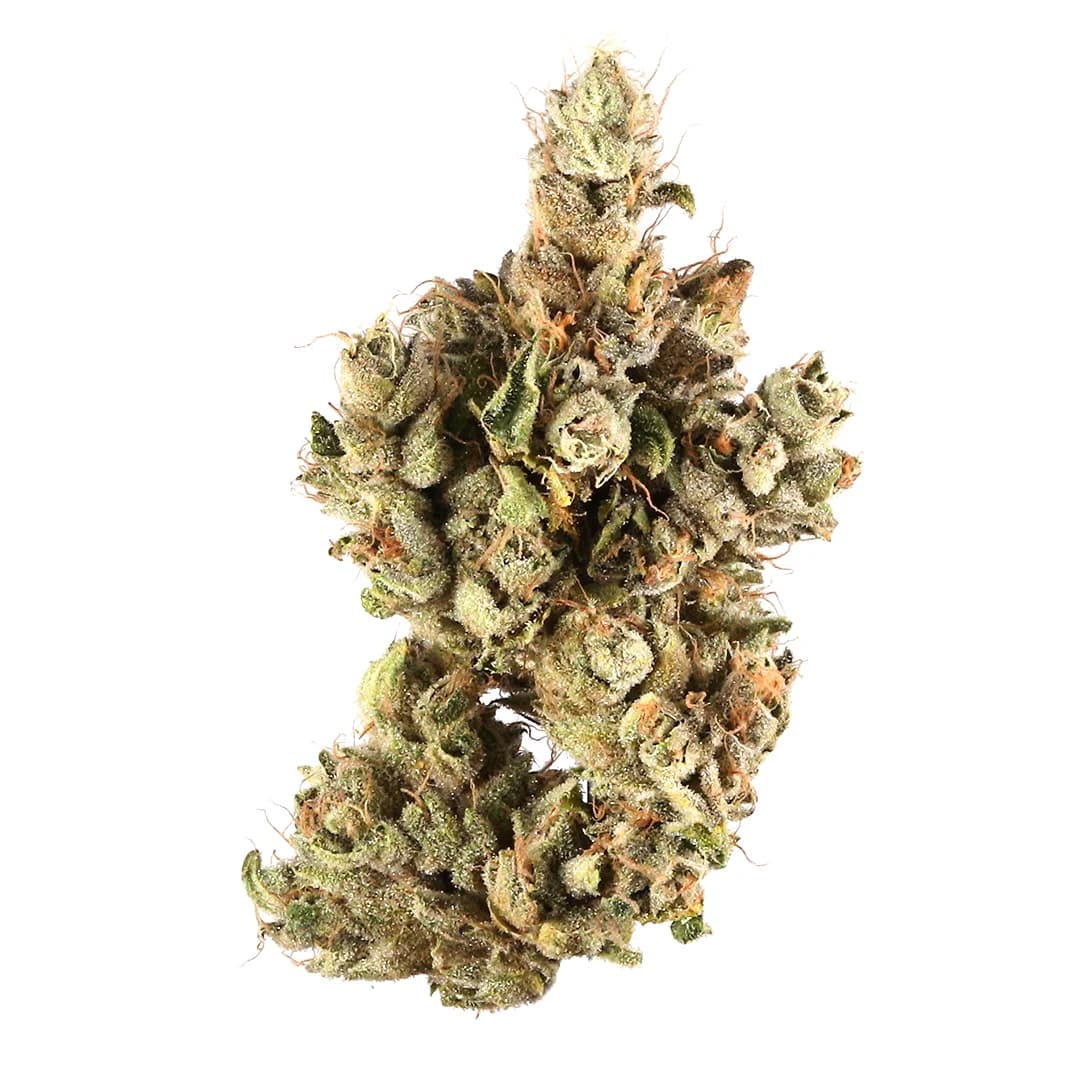
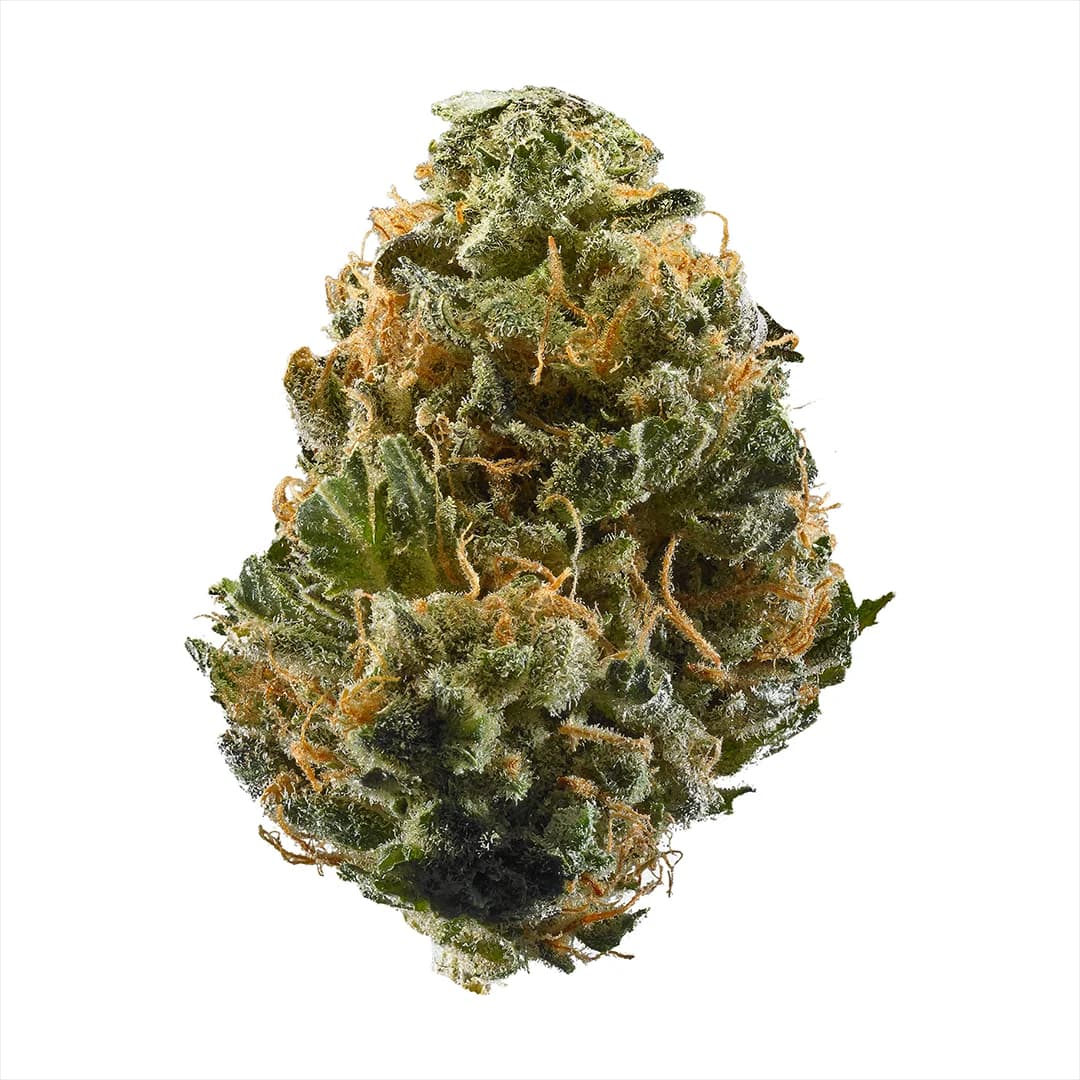
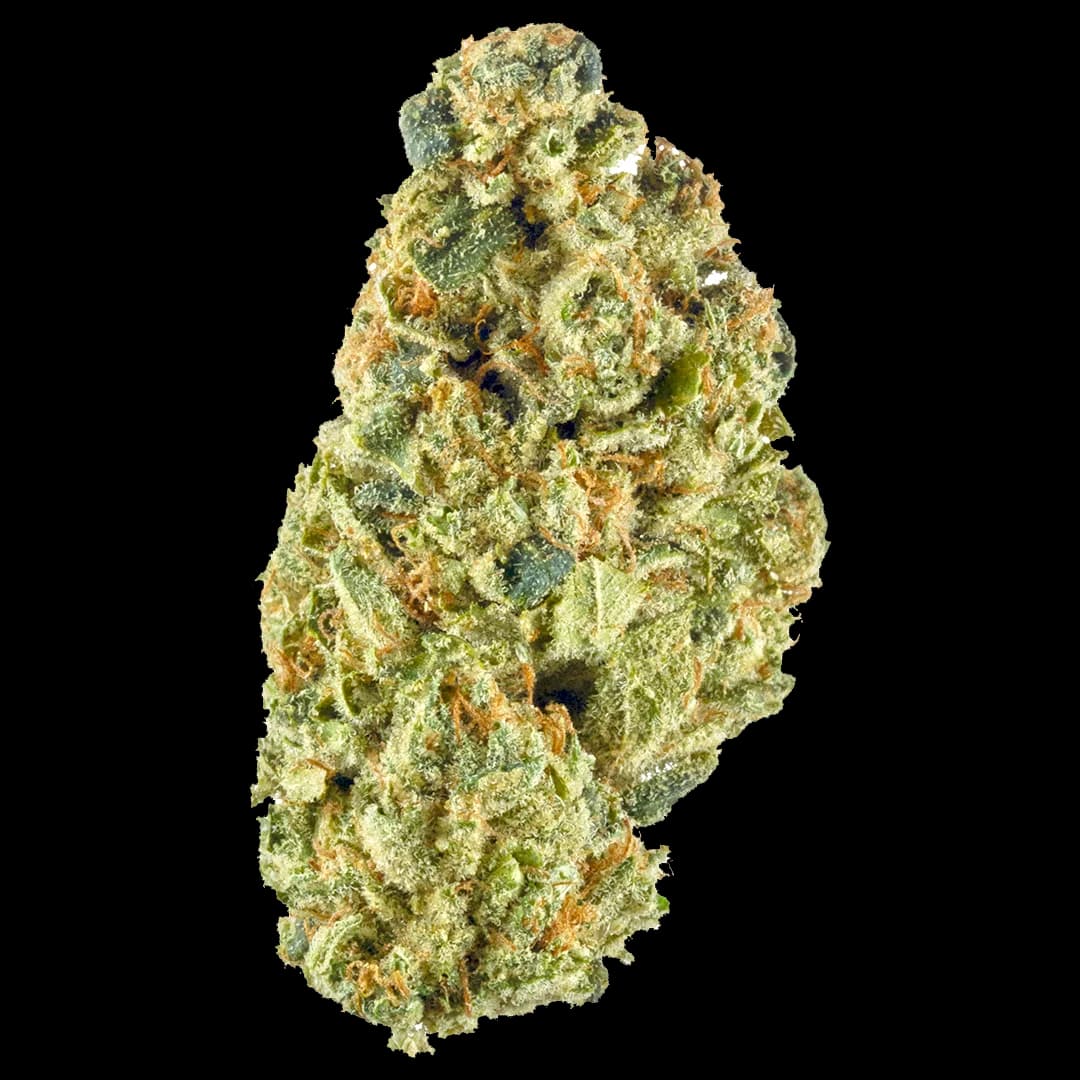
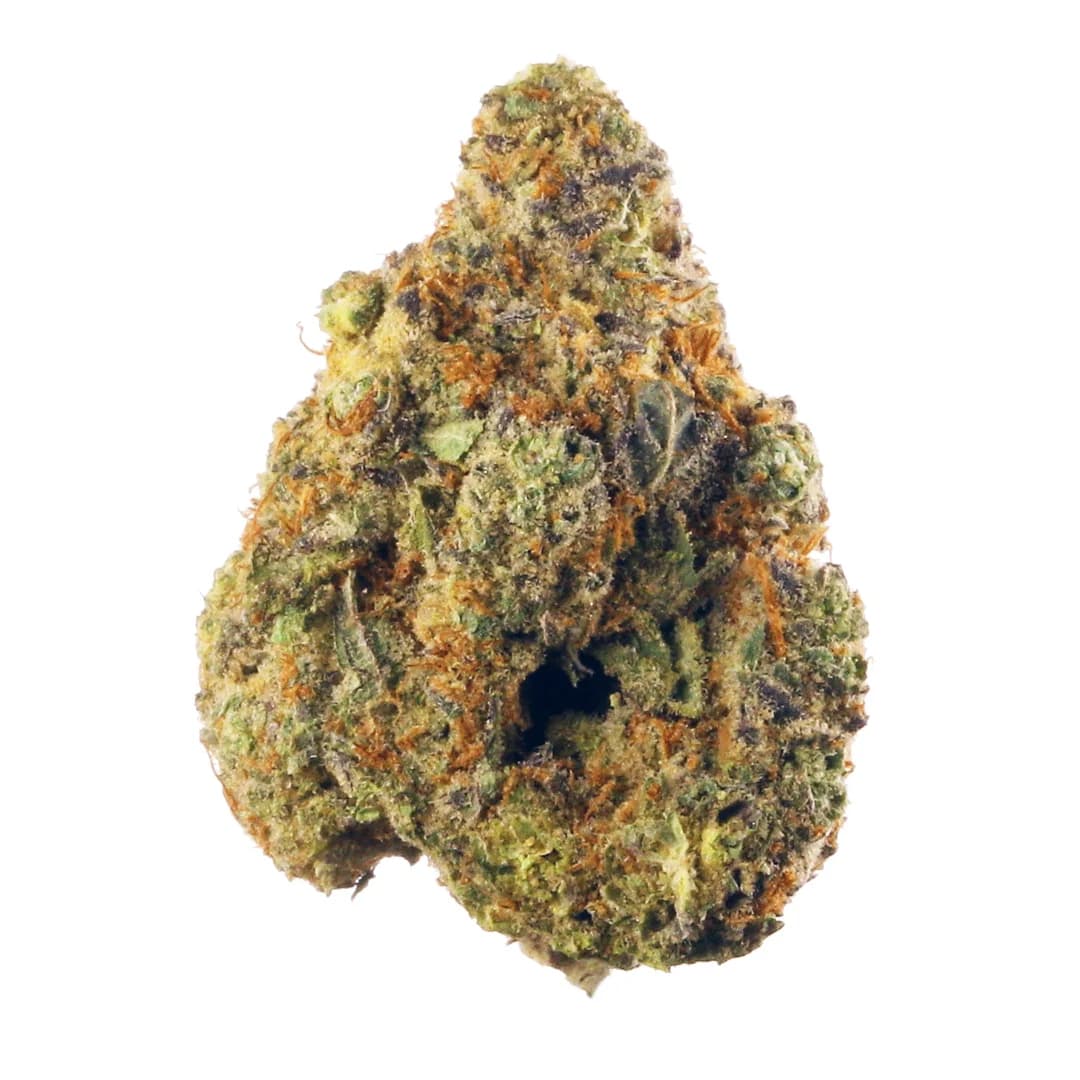
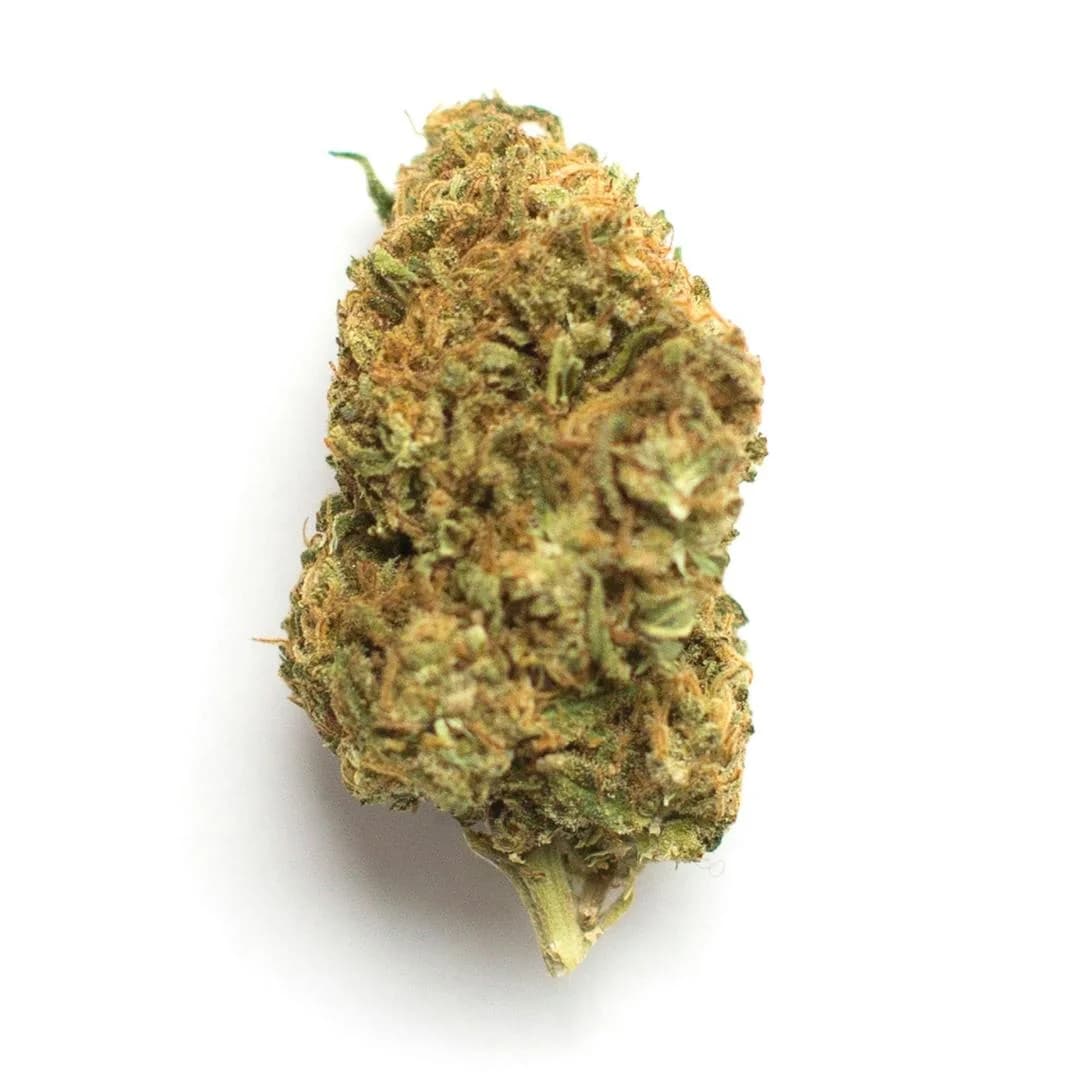
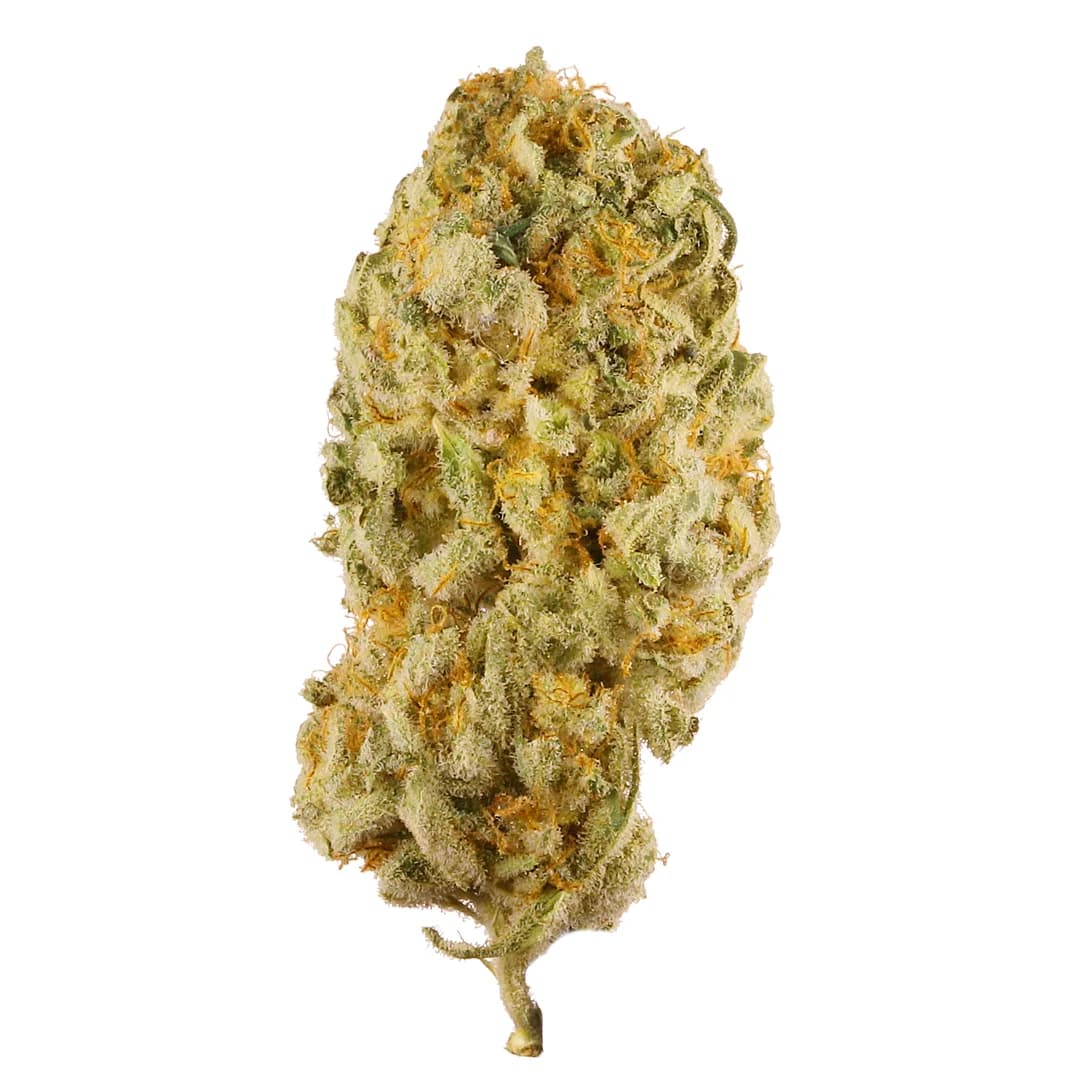
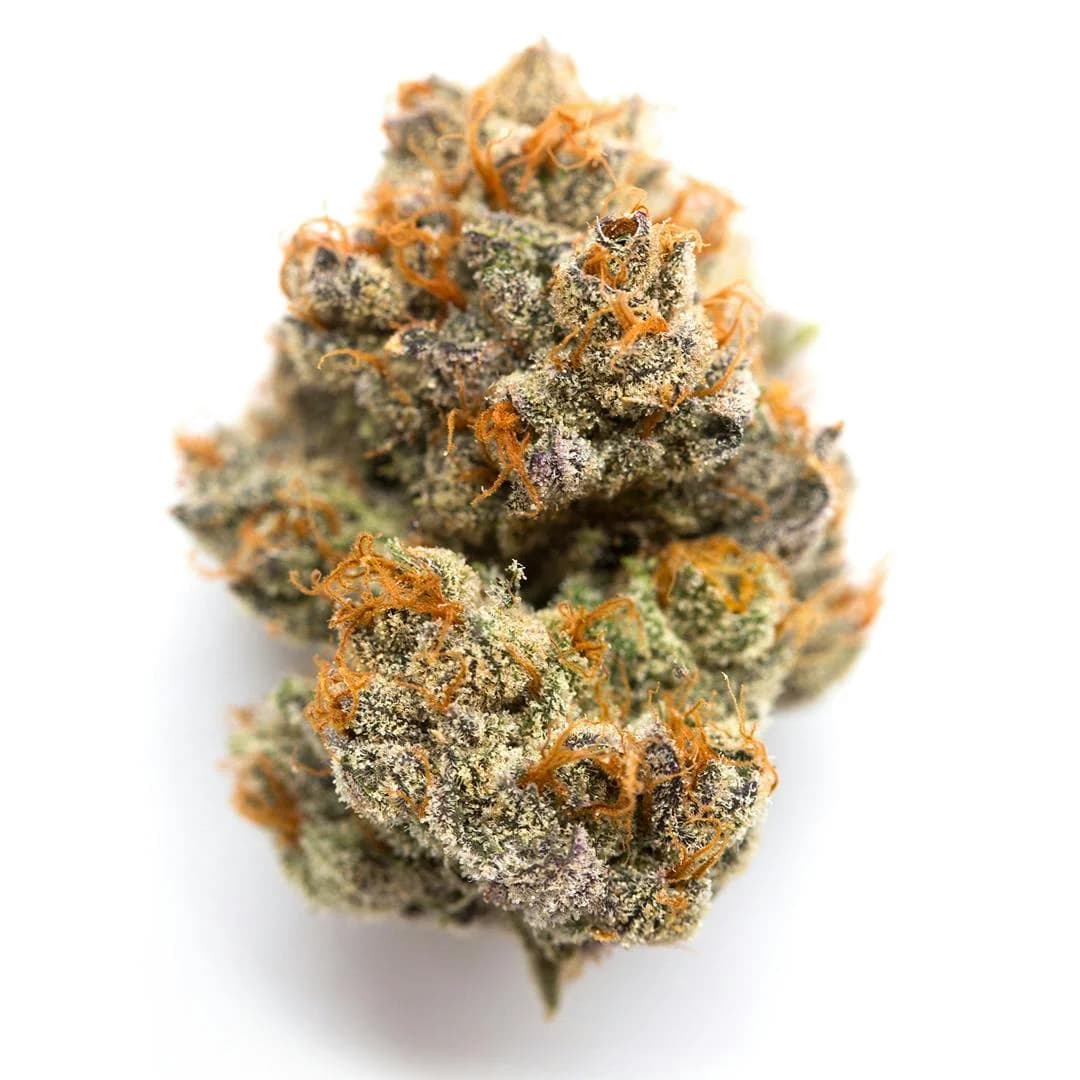
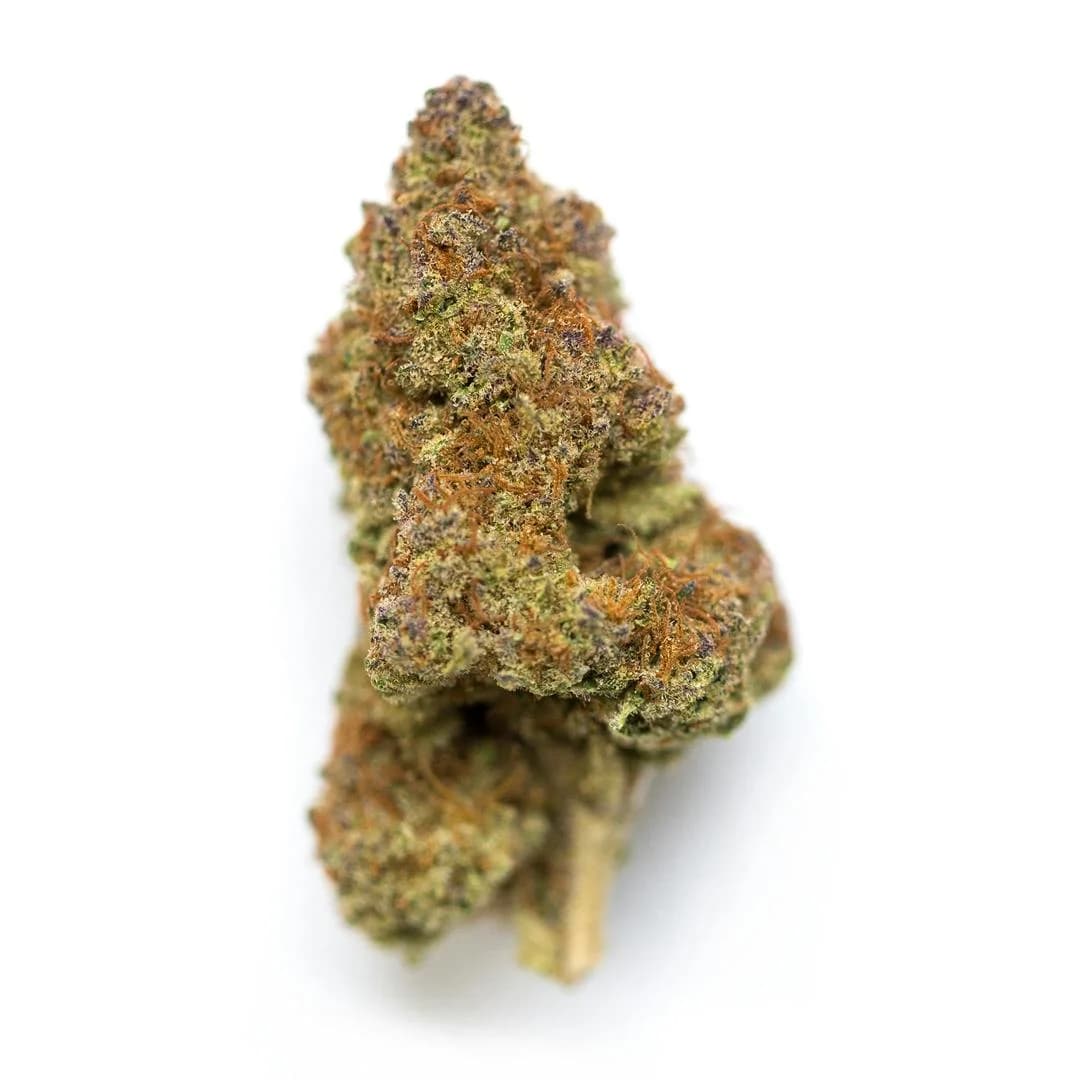
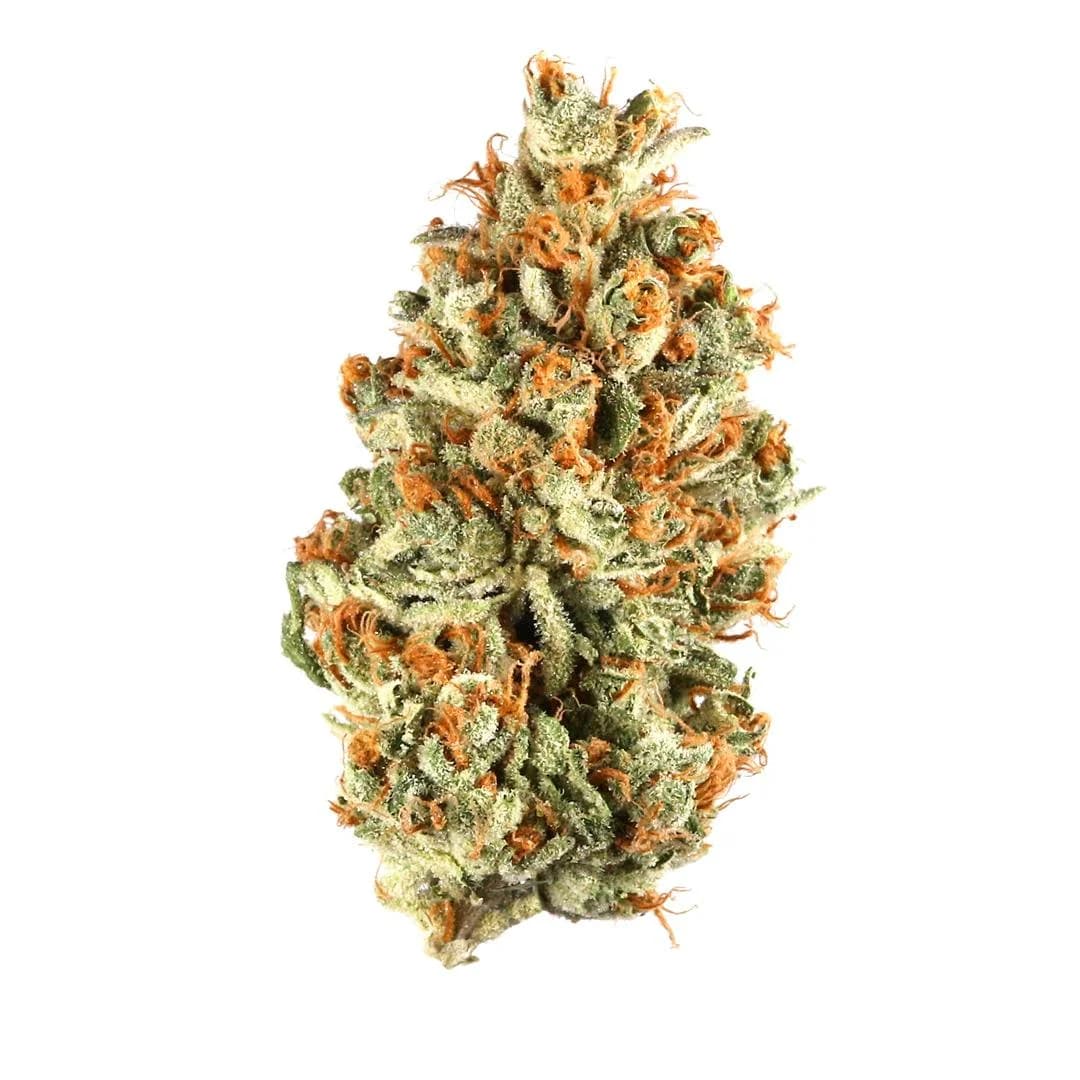
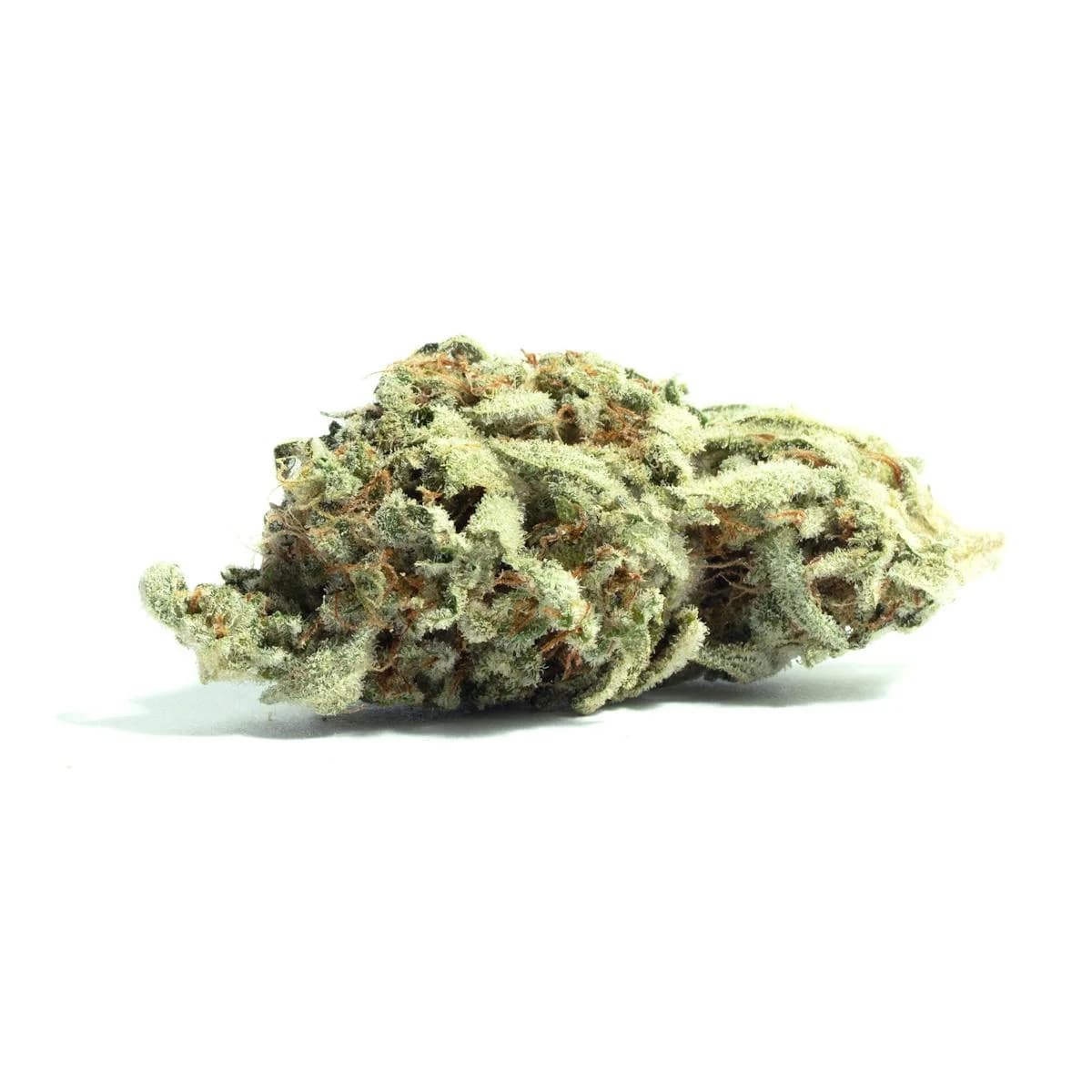
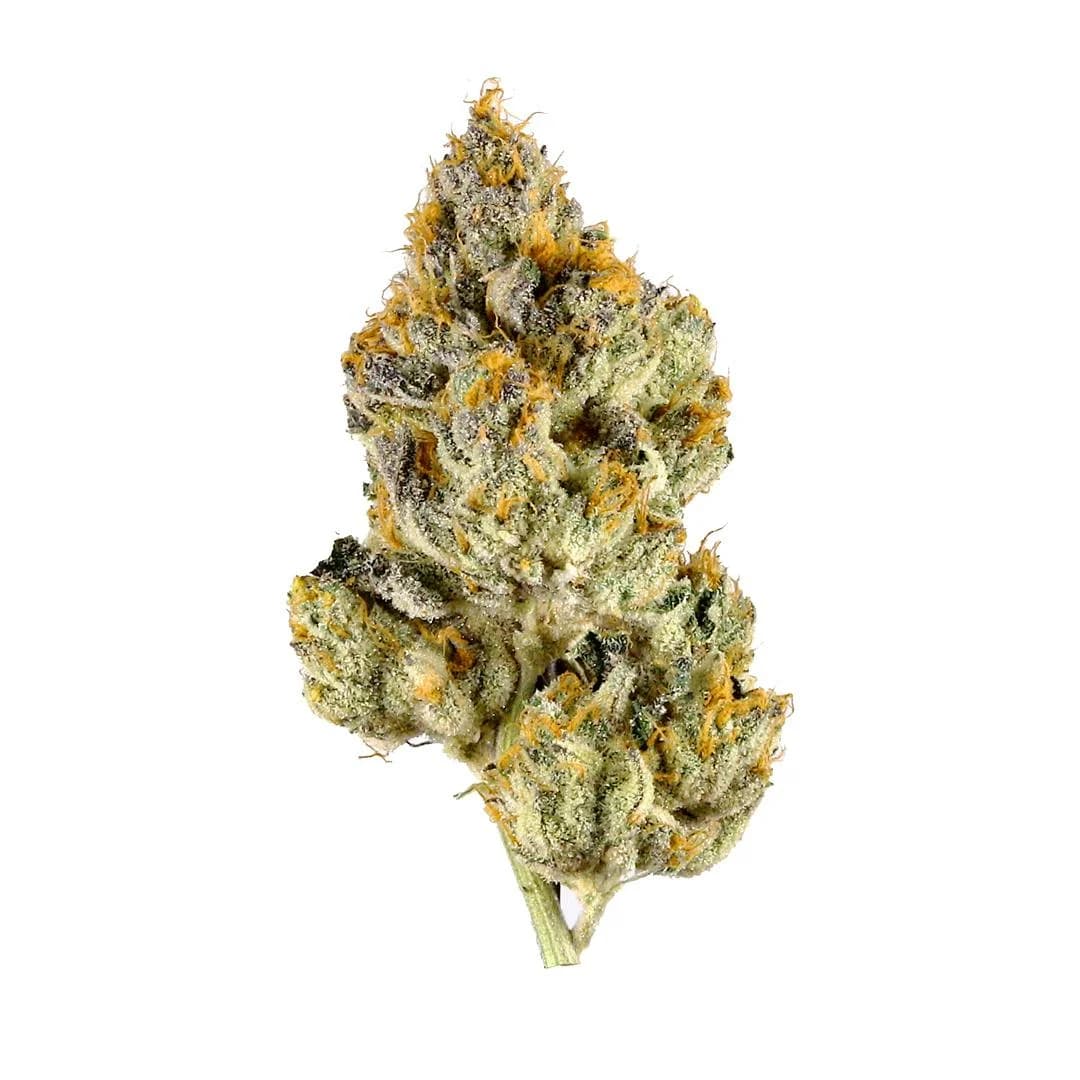
Percentages are catalog reference values, not sample lab results. “Not reported” means the source did not supply a value. Reported effects are subjective tags, not predictions.
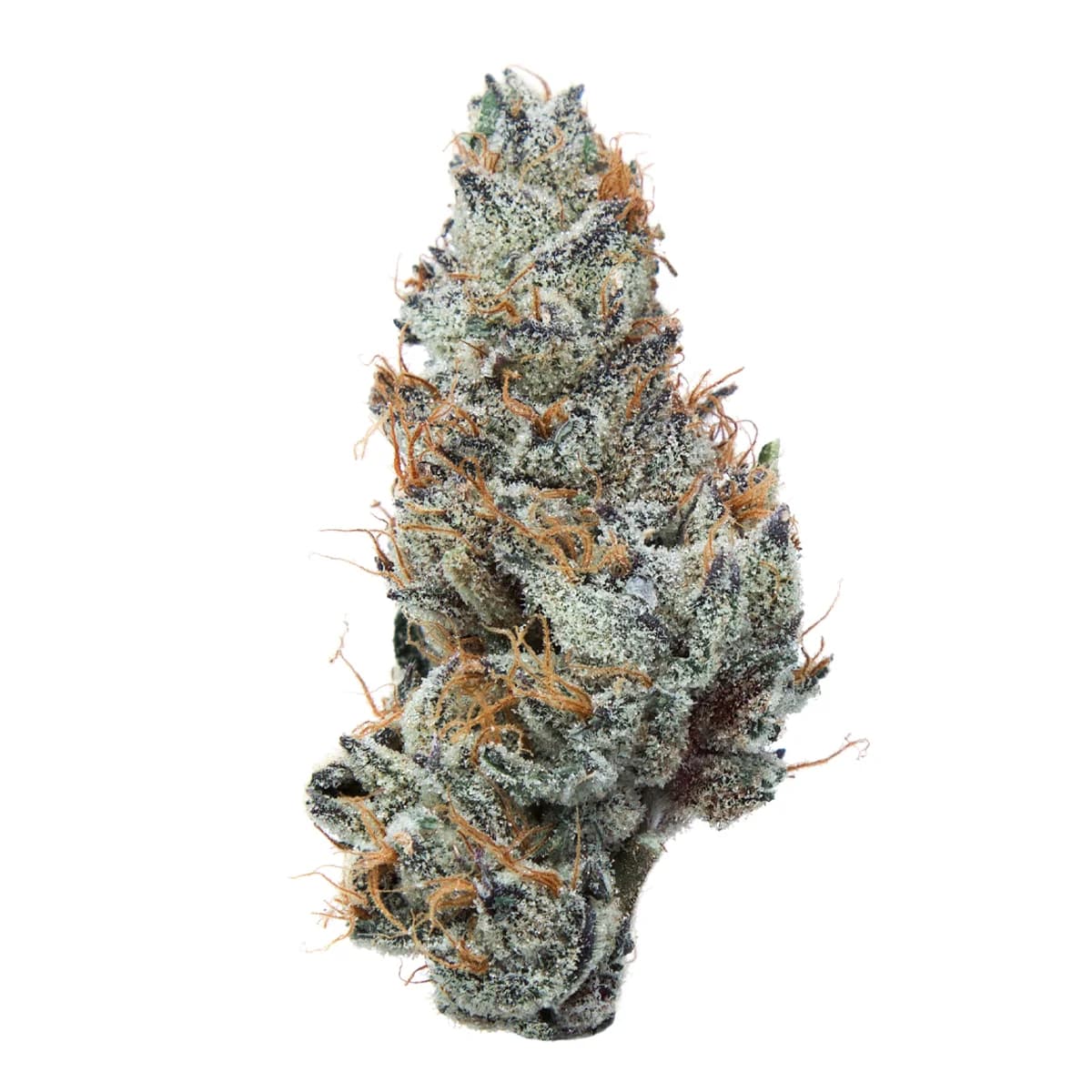
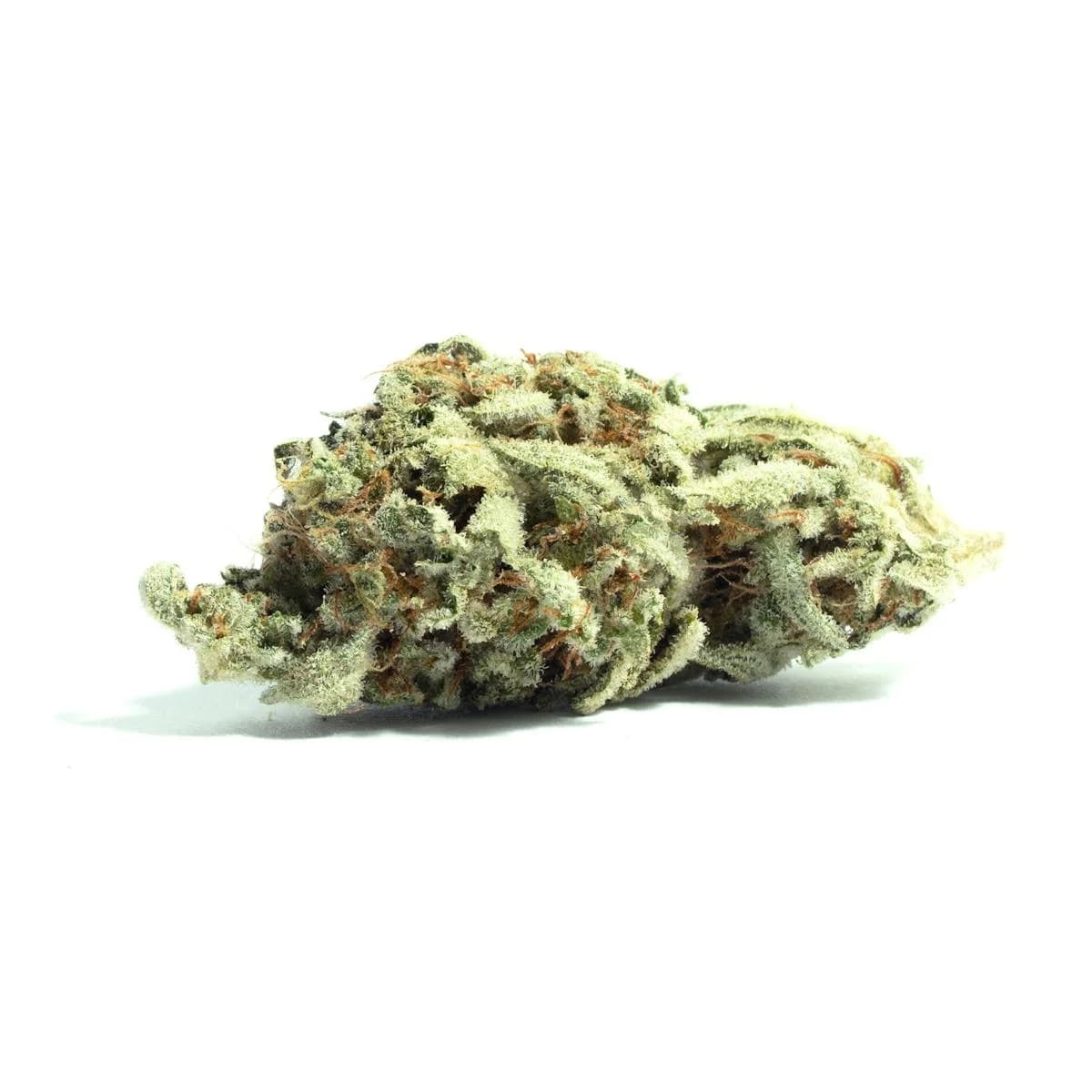
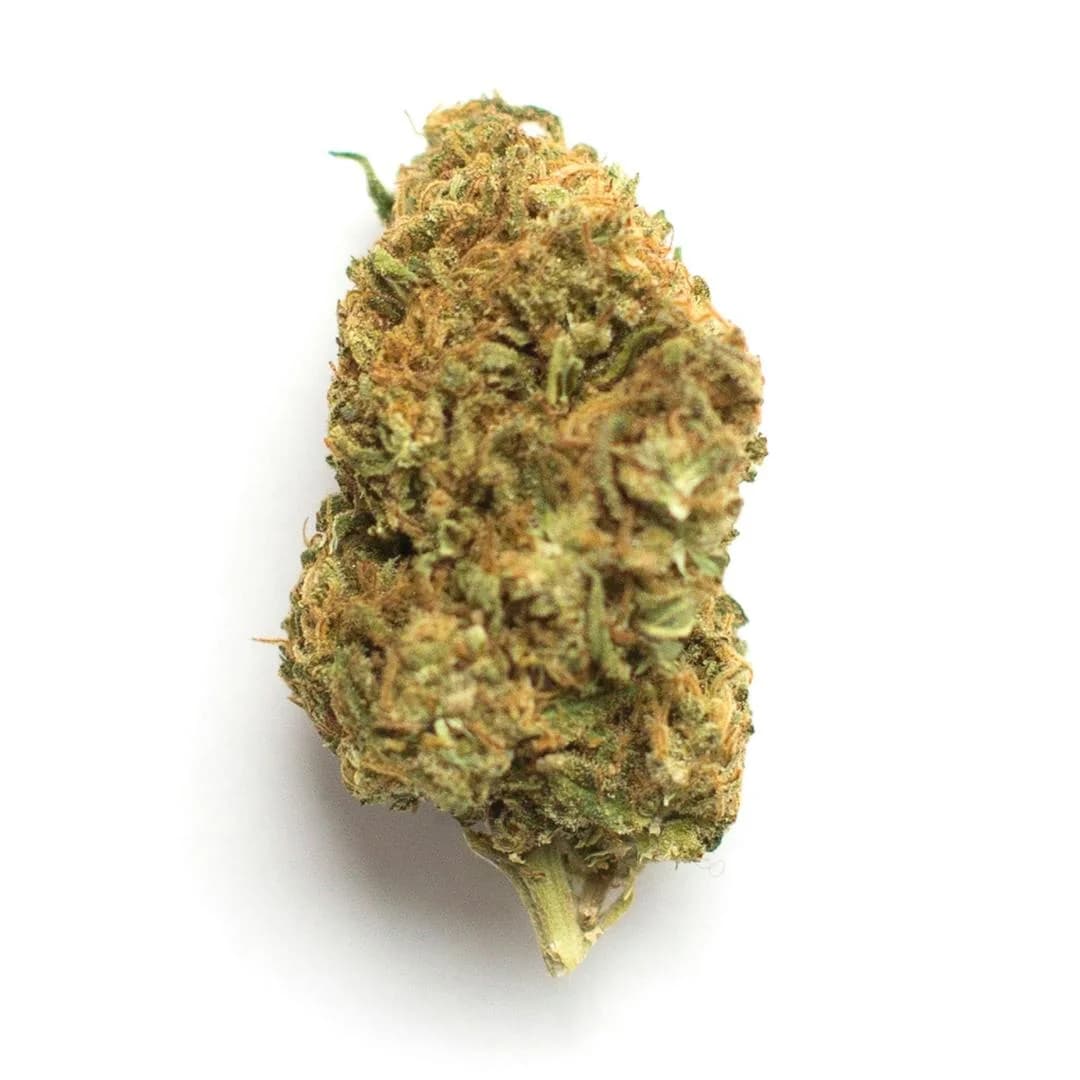
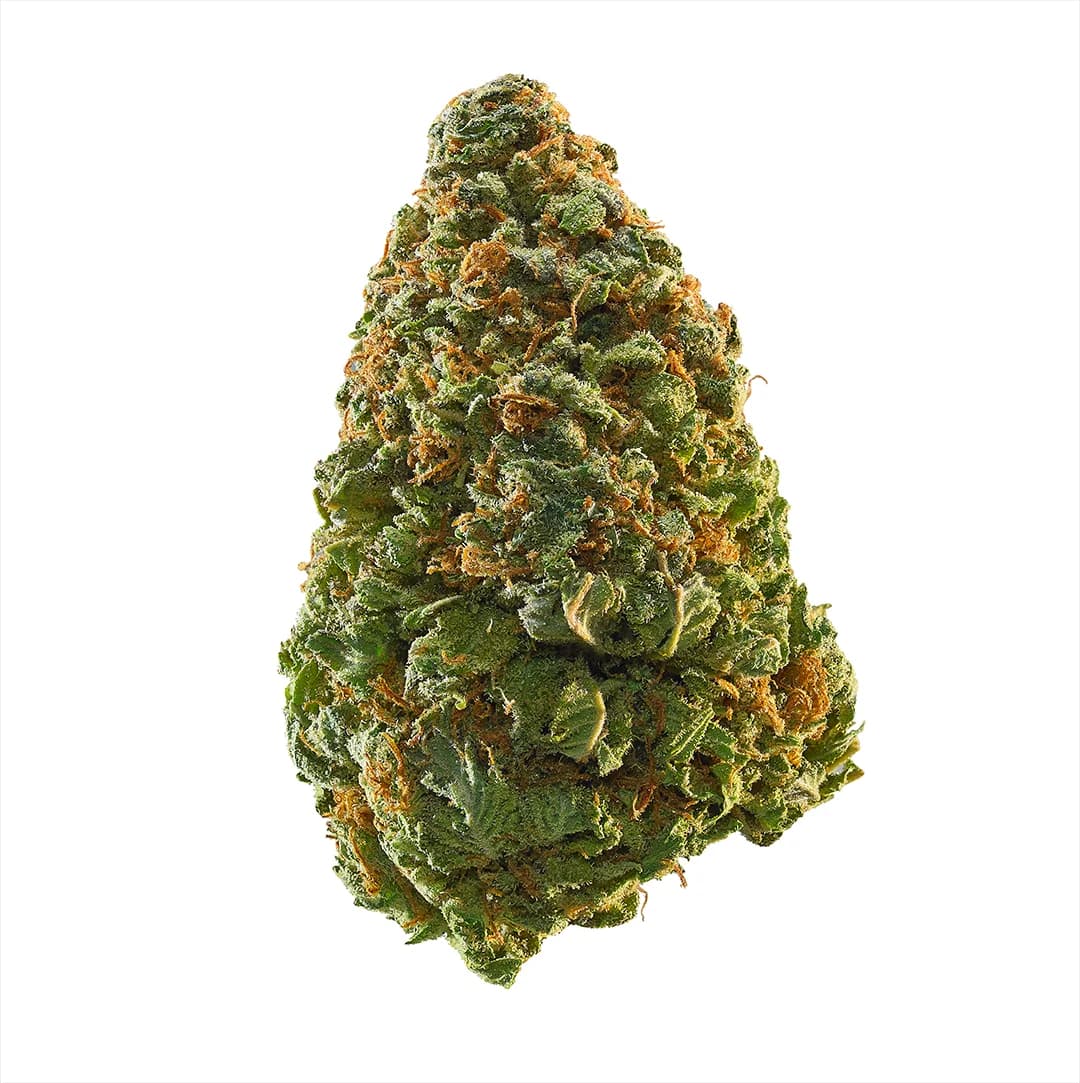
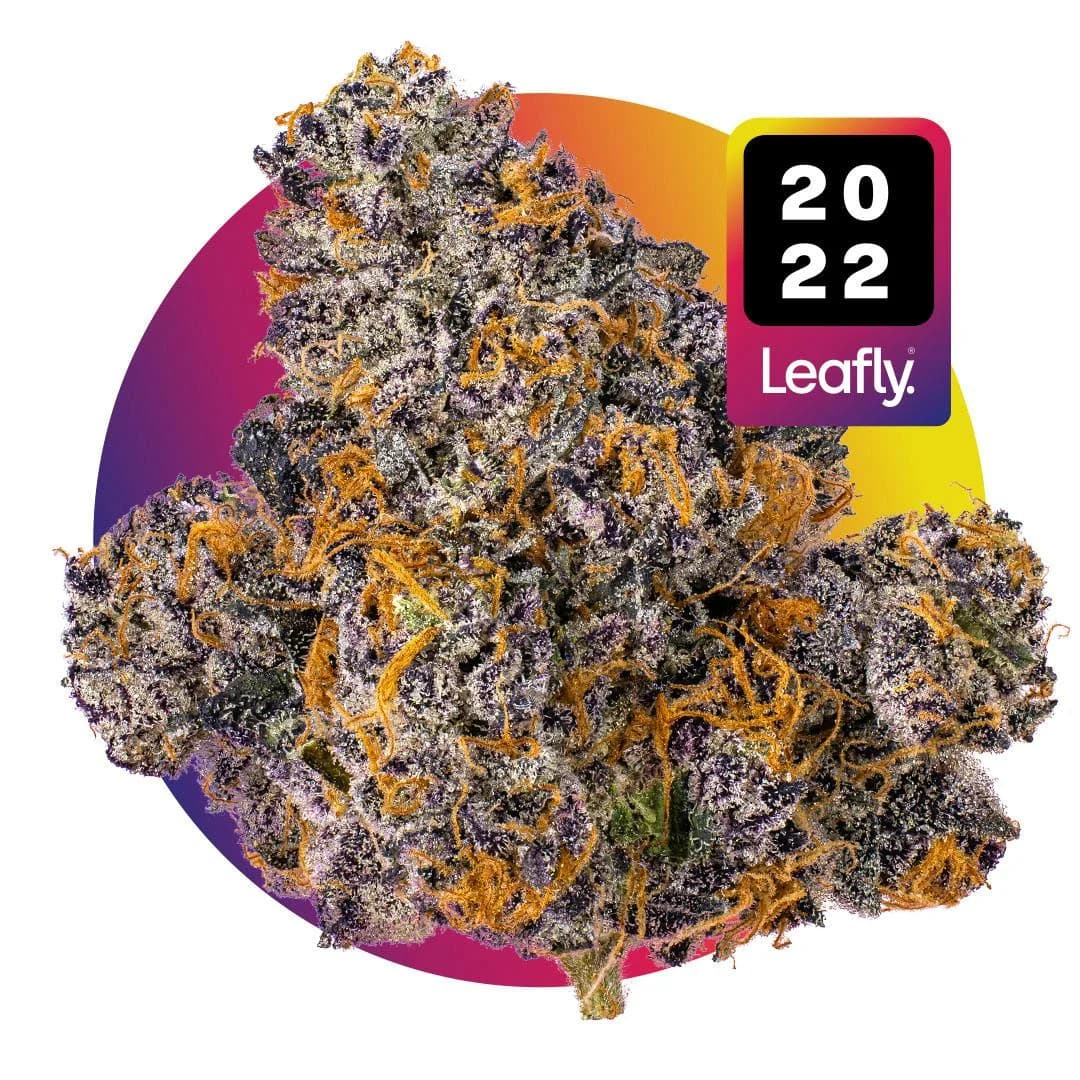
Grape Ape is associated in the catalog with Apothecary Genetics and Barney's Farm. Its reported background includes Mendocino Purps, Skunk and Afghani, but the source does not provide a complete sequence that would justify converting all three names into immediate parents. Berry, grape and sweet are reader-reported flavor descriptors, while caryophyllene, myrcene and pinene appear as catalog terpene labels. The profile keeps breeder attribution, family context and sensory reports separate; a shared name does not establish identical genetics or chemistry across products.
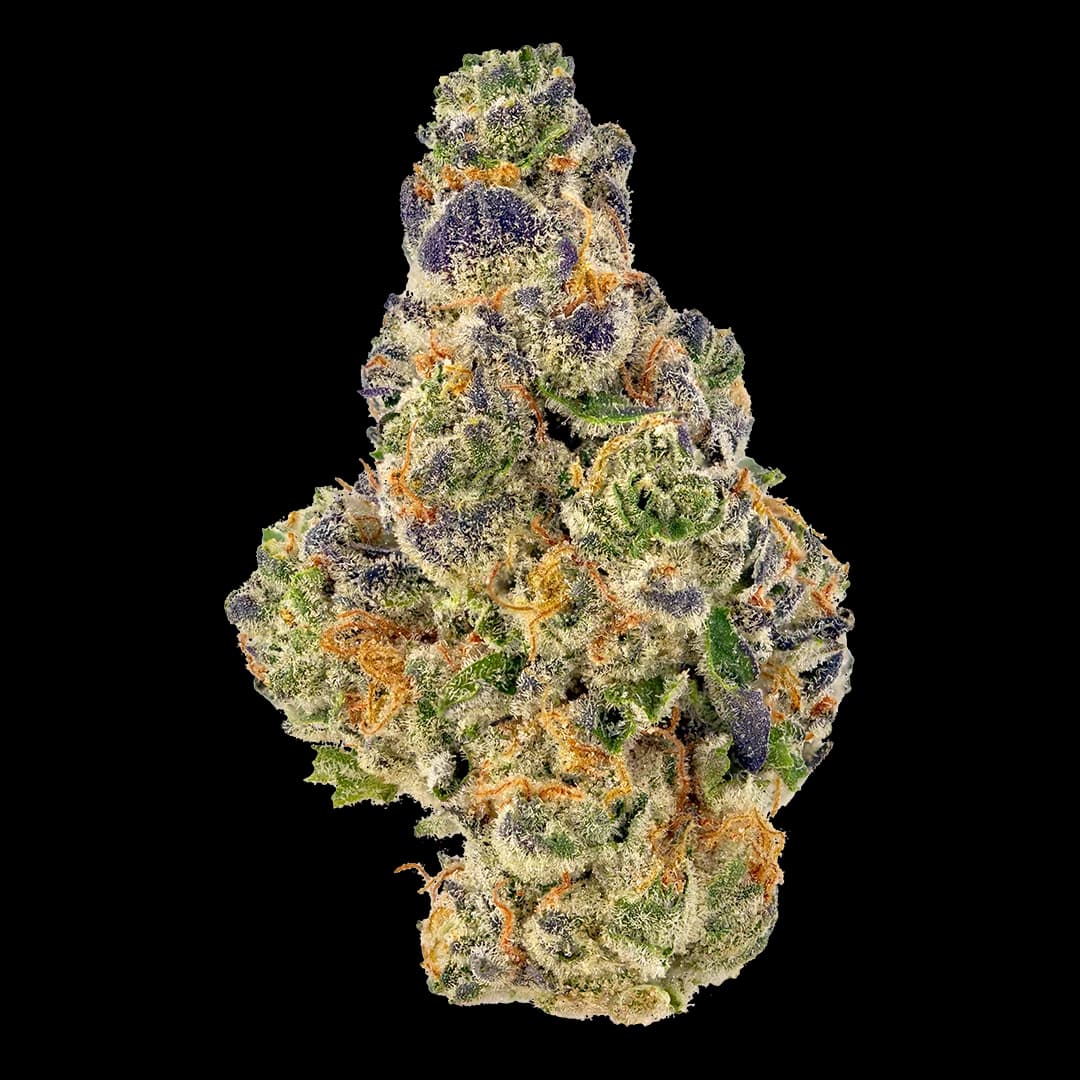
Grape Pie is described by Leafly as a Cherry Pie and Grape Stomper cross. The relationship is retained as catalog lineage, while grape and berry flavor terms remain reader-reported descriptors rather than ingredients.
Grapefruit is reported as Cinderella 99 crossed with an unnamed sativa landrace. Leafly mentions both Nectar Seeds and Positronic Seeds, so no single breeder attribution is assigned here.
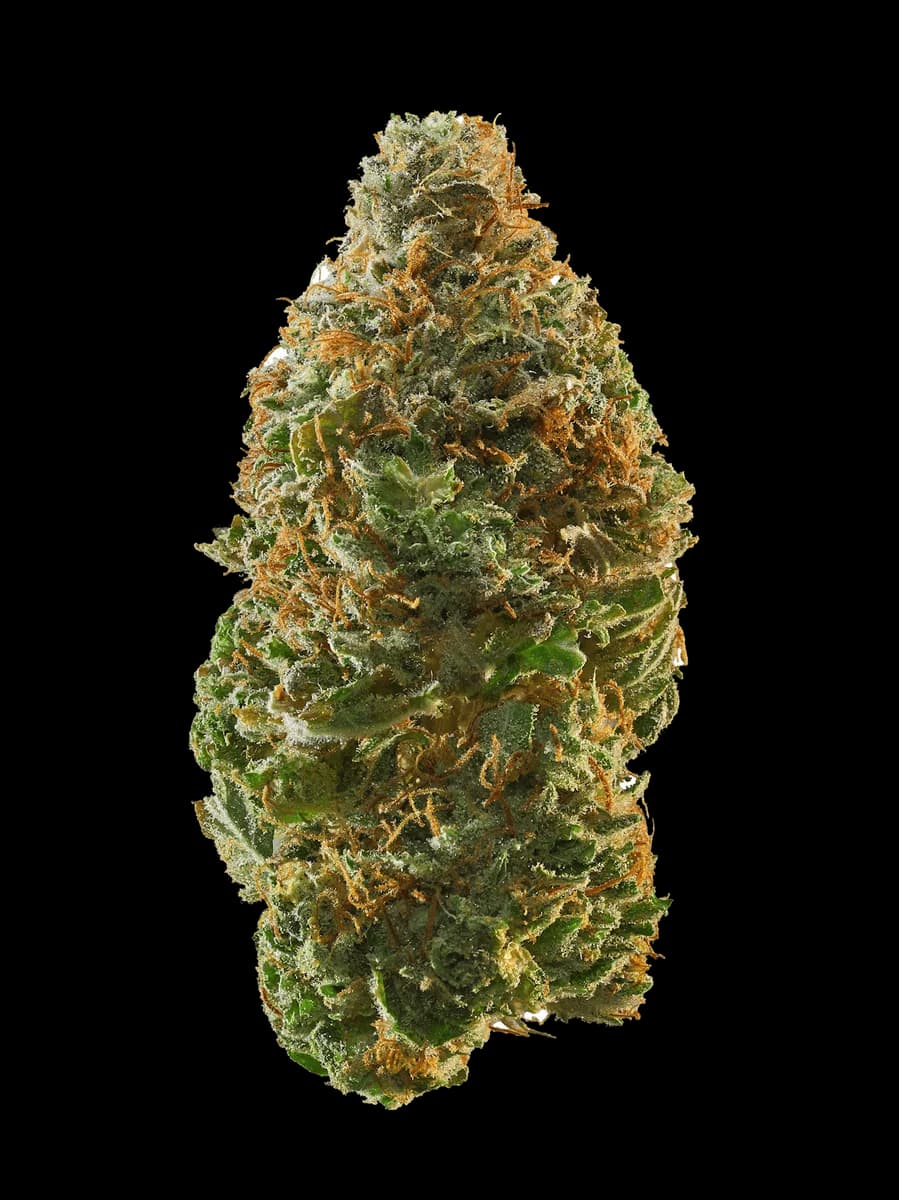
Green Crack is listed by Leafly with names including Green Crush and Mango Crack. Its proposed background pairs Skunk #1 with an unidentified indica, leaving part of the pedigree unresolved. Citrus, mango and earthy are reader flavor descriptors on the source page. The dramatic name is a naming convention, not an ingredient statement, and the unknown parent should stay unknown rather than be replaced with a familiar strain to complete the tree.
Harlequin is cataloged as a sativa associated with CBD-rich selections. Leafly links its ancestry to Colombian Gold and Nepali, Thai and Swiss populations; sample chemistry still requires analysis.
Hawaiian is a sativa catalog entry with tropical and citrus flavor reports. The reference used here does not identify a named parent cross, so its ancestry remains open rather than inferred from the name.
Haze is a broad sativa-associated family that Leafly places in Santa Cruz in the 1960s. Its account names Colombian, Mexican, Thai and South Indian ancestry without defining a complete sequence of crosses. The profile's spicy or herbal, tobacco and earthy tags describe reader impressions. This family-level history is useful when exploring descendants, but the word Haze in another strain's name is not enough to prove a direct parent relationship or identical chemistry.
Headband is cataloged as a hybrid associated with OG Kush and Sour Diesel, with HB recorded as another name in the source profile. The two parent names describe an attributed catalog relationship and do not prove that every plant carrying the Headband name has the same ancestry. Diesel, earthy and pungent are reader-reported flavor descriptors, while caryophyllene, limonene and myrcene are listed separately as catalog terpene labels. The combination helps explain this record but is not a prediction of effects, potency or composition for a particular harvest.
Hindu Kush takes its name from the mountain region spanning parts of Afghanistan and Pakistan. This entry documents that regional background and the source's catalog traits without assigning an unsupported parent cross.
Ice Cream Cake is reported as Wedding Cake crossed with Gelato #33. Its pedigree links to the numbered Gelato selection rather than the broader Gelato family record.
Jack Herer is named after the author and cannabis activist. Leafly attributes its development to Sensi Seeds and describes a Haze hybrid combined with Northern Lights #5 and Shiva Skunk ancestry. The source acknowledges multiple phenotypes, which matters when interpreting the name as a single record. Its terpinolene-led catalog profile and pine, wood and earth flavor tags describe different evidence types, not a guarantee that every Jack Herer sample shares the same composition.
Jack's Cleaner is associated with Subcool's The Dank in Leafly's account. The source names Jack Herer and The Cleaner as the direct cross, then describes a more distant background for The Cleaner. This page keeps those levels separate instead of turning all ancestral names into direct parents.
Jealousy is attributed to Seed Junky Genetics. Its reported parents are Sherbert Bx1 and Gelato 41; the backcross and numbered selection are preserved as distinct parent identities.
Kosher Kush began as a Los Angeles clone-only line and is associated with DNA Genetics. Leafly relates it to OG Kush without documenting a complete two-parent cross.
Kush Mints is listed by Leafly as an Animal Mints and Bubba Kush cross. Its mint-related naming and reader flavor tags are descriptive catalog language and do not establish a measured chemical composition.
LA Confidential also appears under Confidential and Confidential OG. Leafly lists Afghani in its genetics section without establishing a complete two-parent pedigree.
LA Kush Cake is listed by Leafly as a Wedding Cake and Kush Mints cross and appears under several regional or selection names. Those aliases remain attached to one catalog identity without erasing selection uncertainty.
Larry OG is associated with Orange County, California. Leafly reports OG Kush and SFV OG as its parents and records several Larry aliases for the same profile.
Lavender, also called Lavender Kush, is attributed by Leafly to Soma Seeds and a background involving Super Skunk, Big Skunk Korean and Afghani Hawaiian. The three named contributors are shown as ancestry because the reviewed account does not establish each intermediate cross.
Lemon Cherry Gelato has competing origin accounts in Leafly's catalog, including Gelato-related and Sunset Sherbert/GSC family explanations. This entry keeps the disagreement explicit instead of selecting one pedigree as fact.
Lemon G is associated by Leafly with Ohio and descent from Original G13. The source does not establish a complete two-parent cross, so the G13 link is recorded as ancestry. A lemon aroma alone is not used as evidence of a measured limonene concentration.
Lemon Kush has competing pedigrees: Master Kush with Lemon Joy, or the Alien Genetics version of Lemon G with Afghan Kush. These are alternatives, not a four-parent cross.
Lemon OG is described as a cross of a Las Vegas Lemon Skunk selection and OG #18. The Lemon Skunk link identifies the family; the particular Las Vegas selection is not a separate catalog record.
Lemon Skunk is attributed to DNA Genetics and two selected Skunk phenotypes. The individual selections are not named, so this record does not invent separate parent identities.