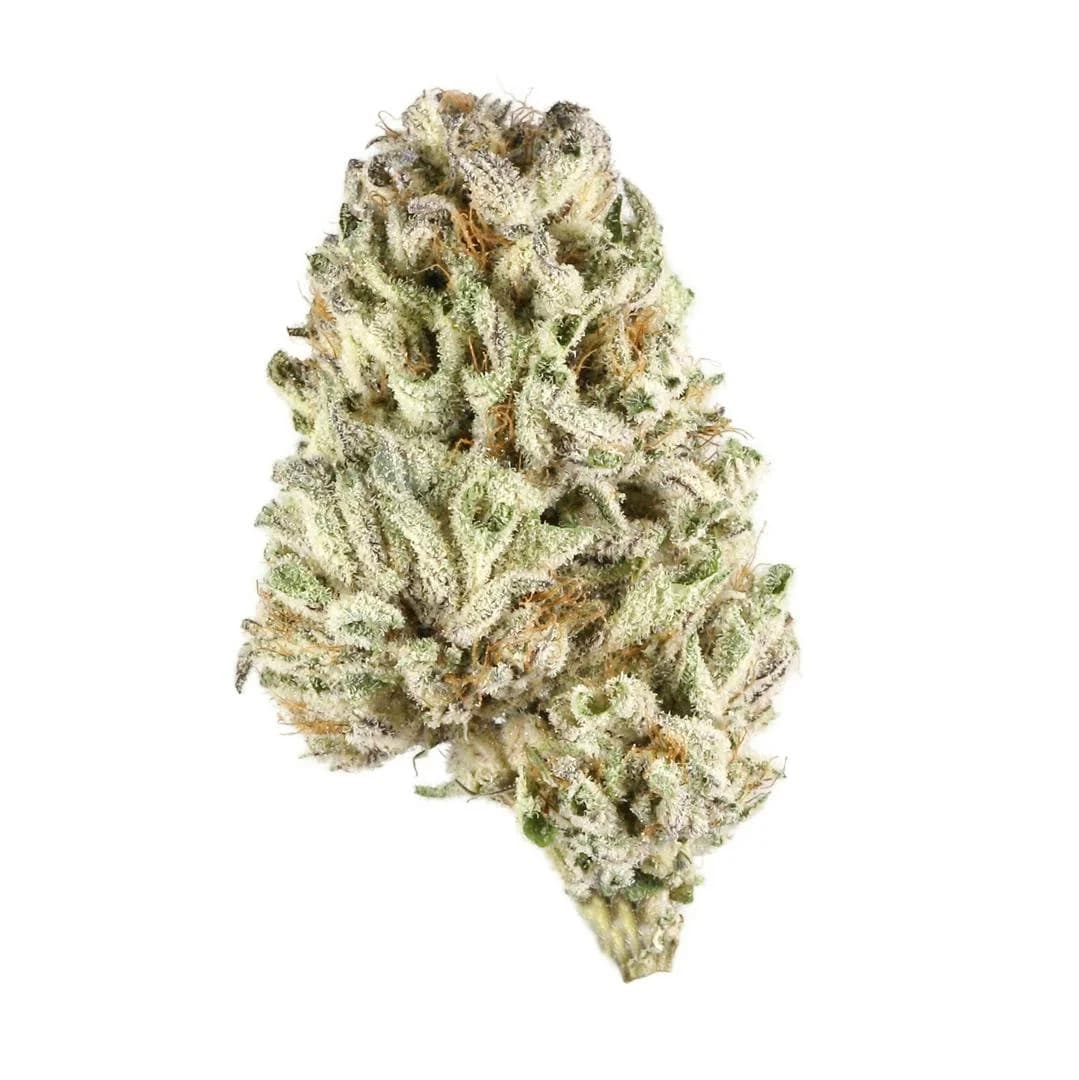
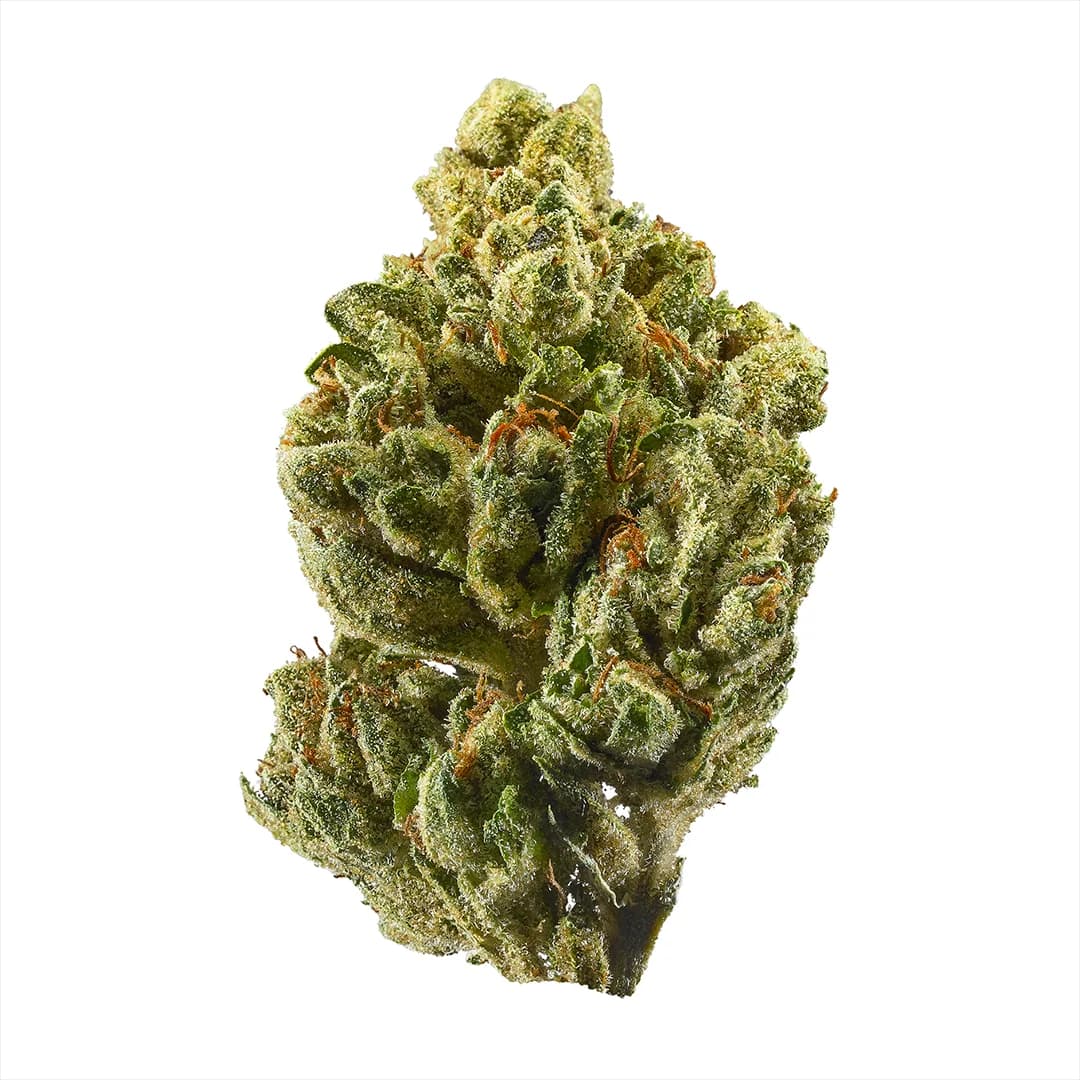
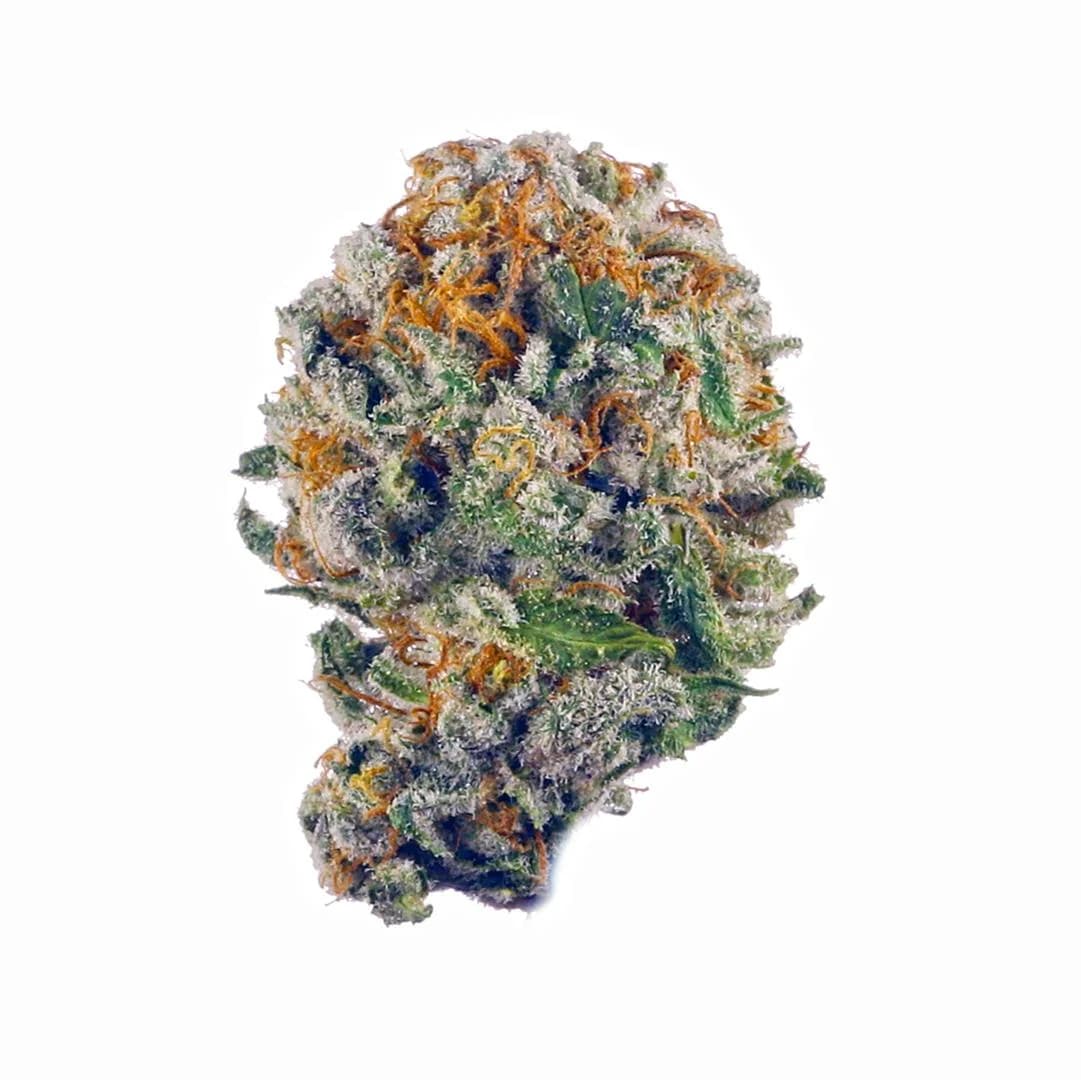
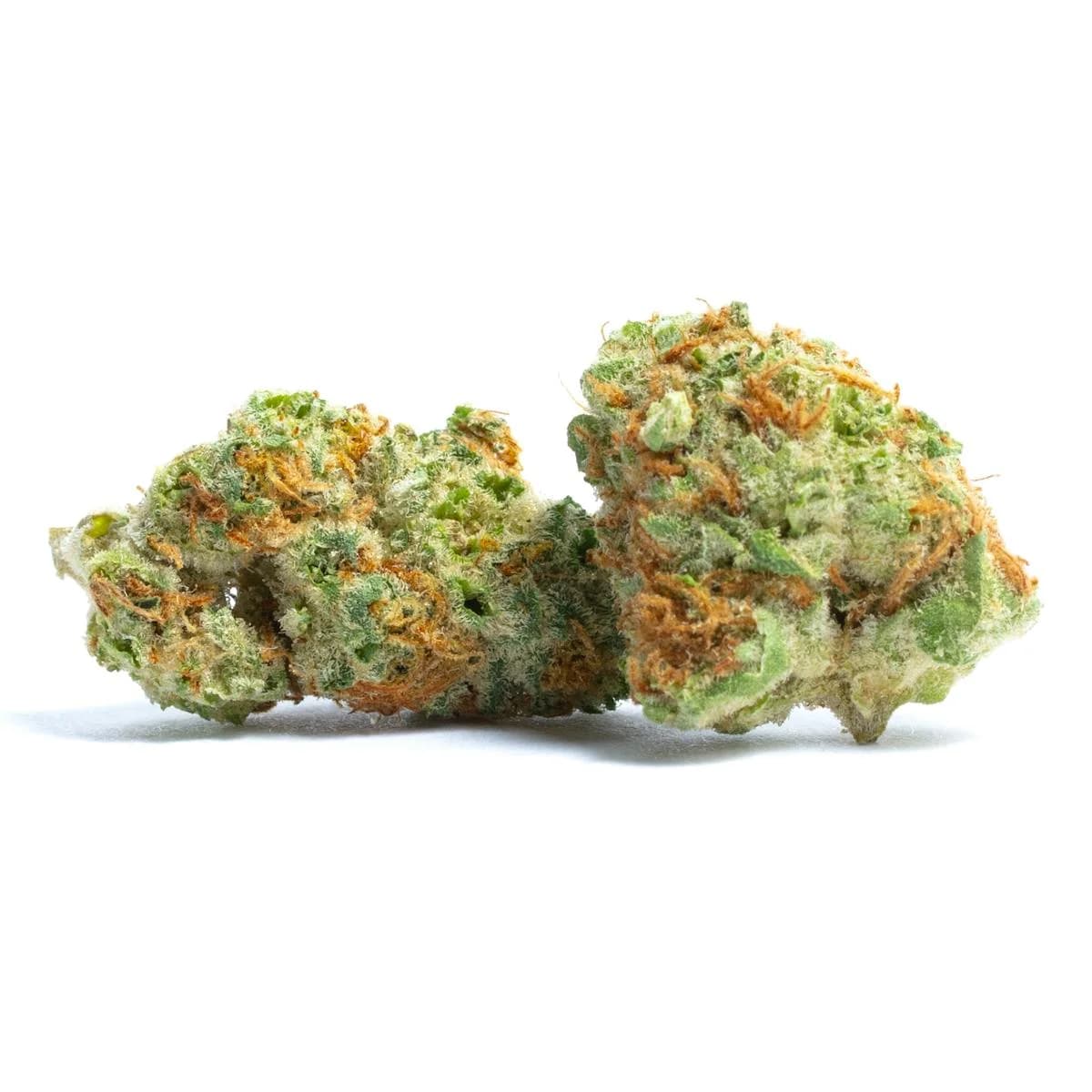
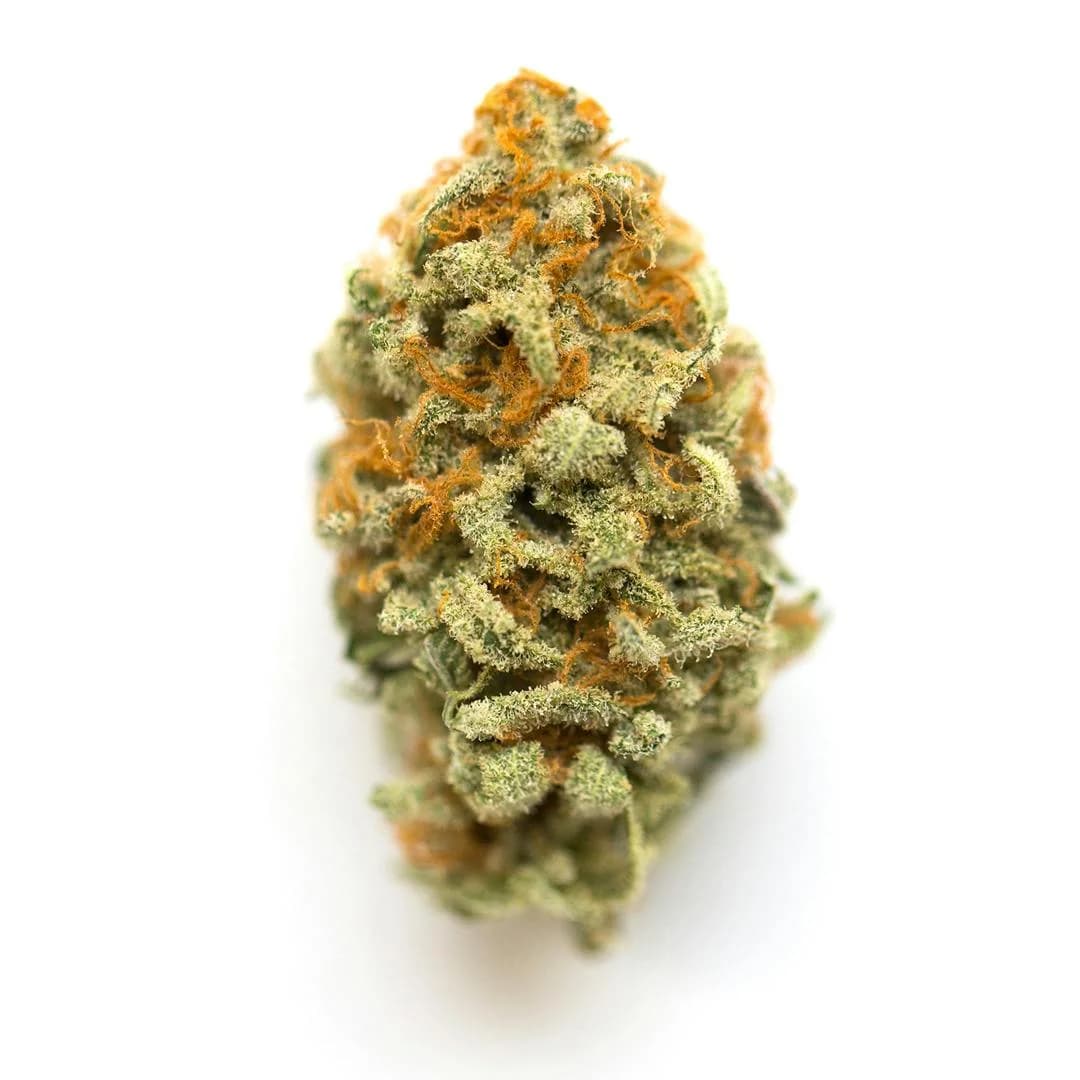
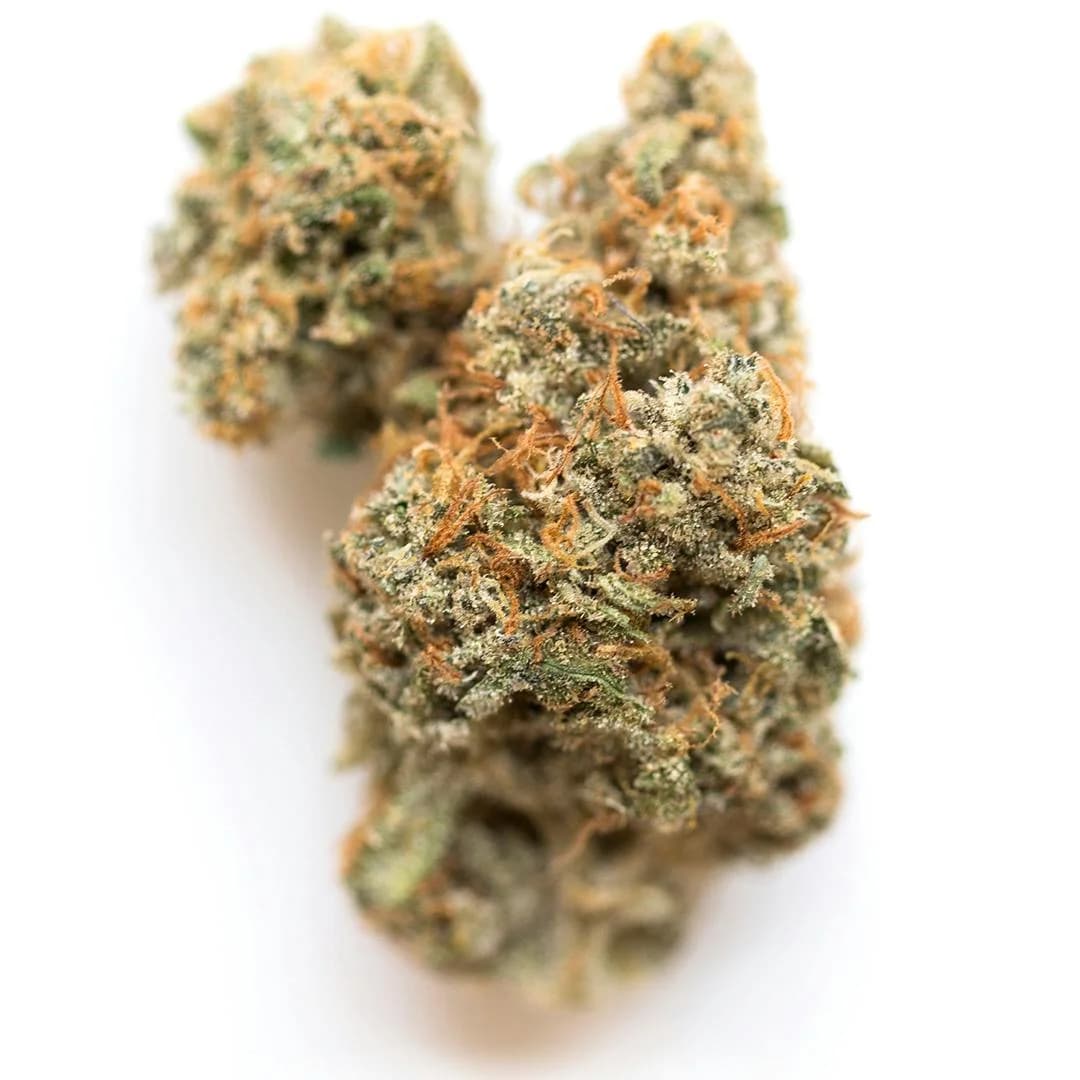
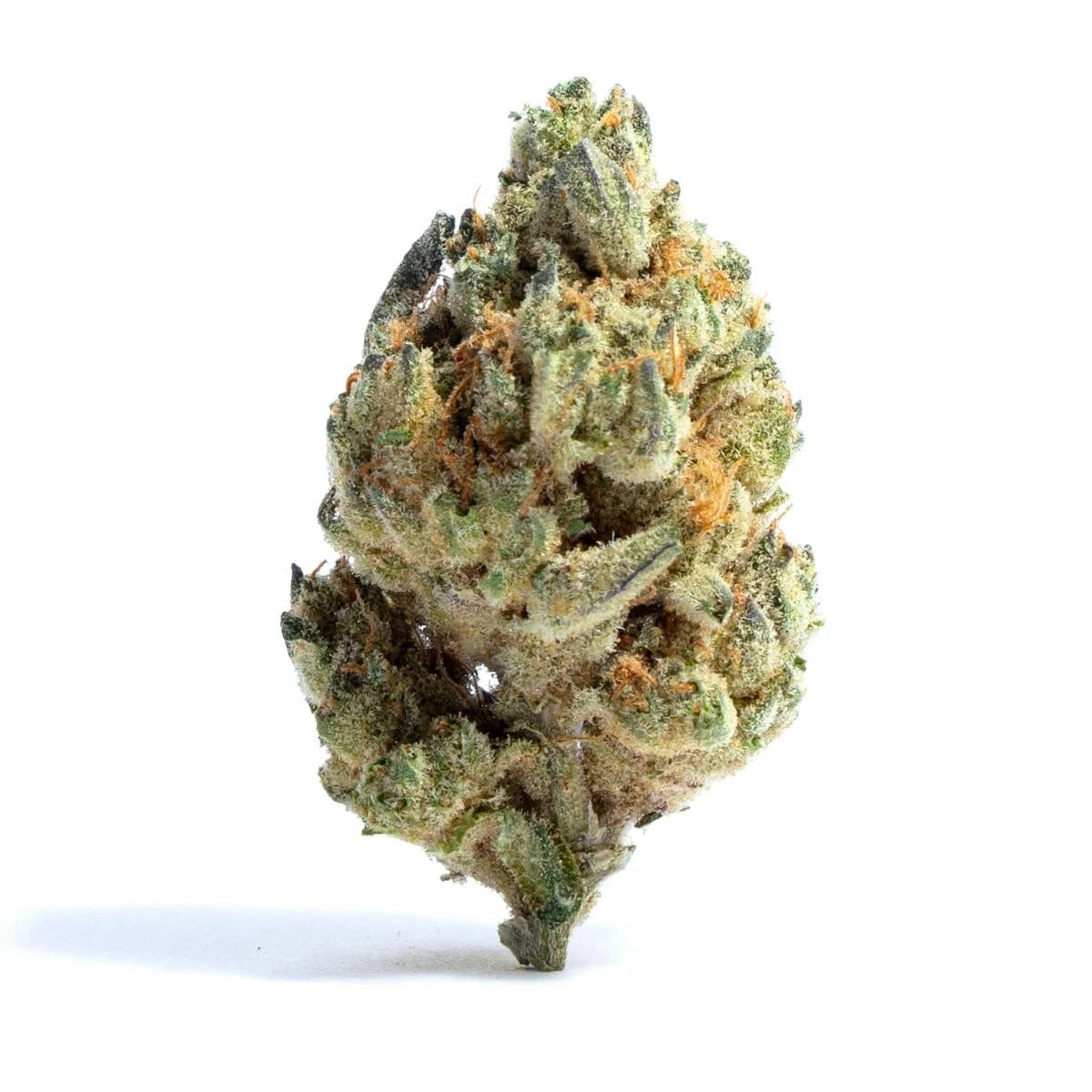
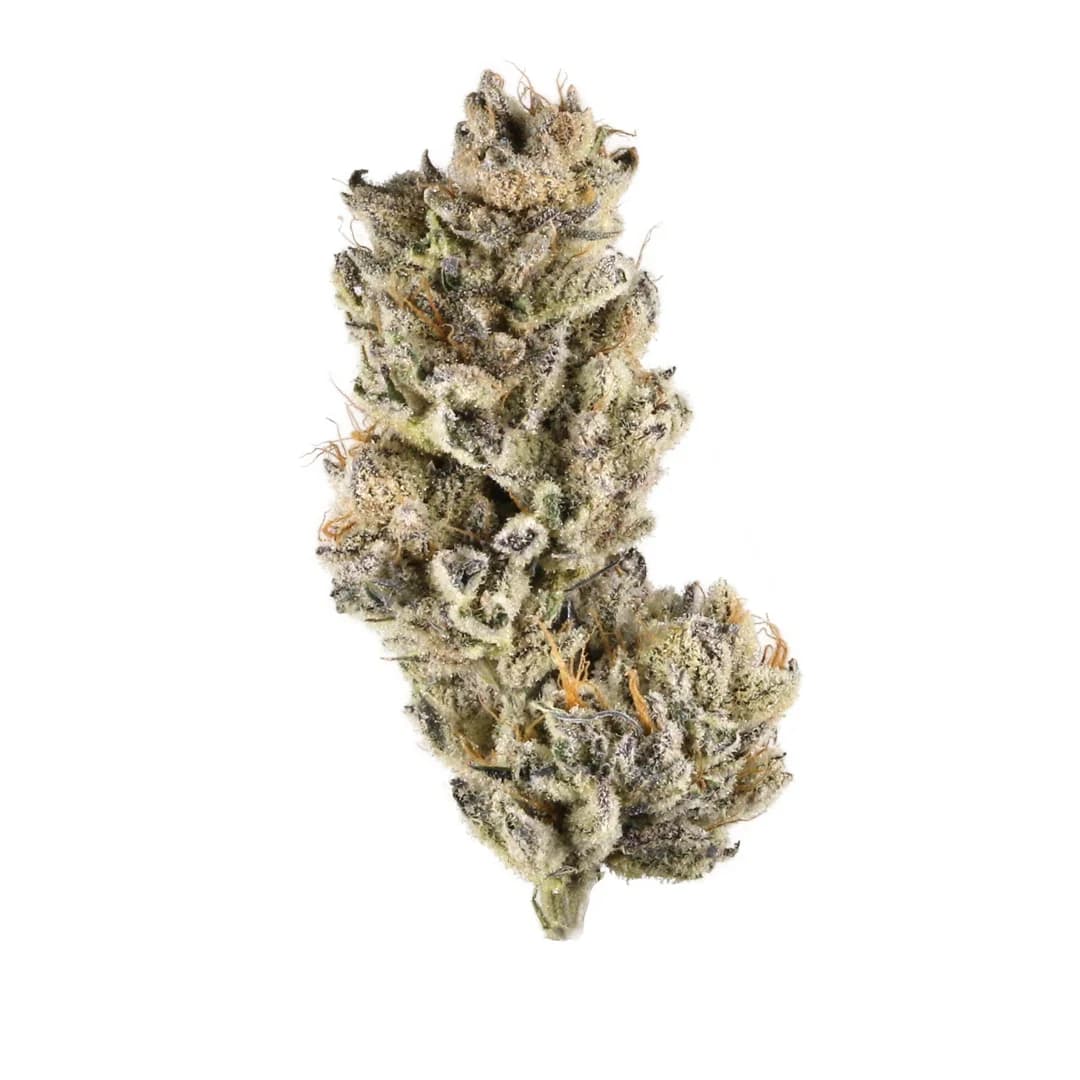
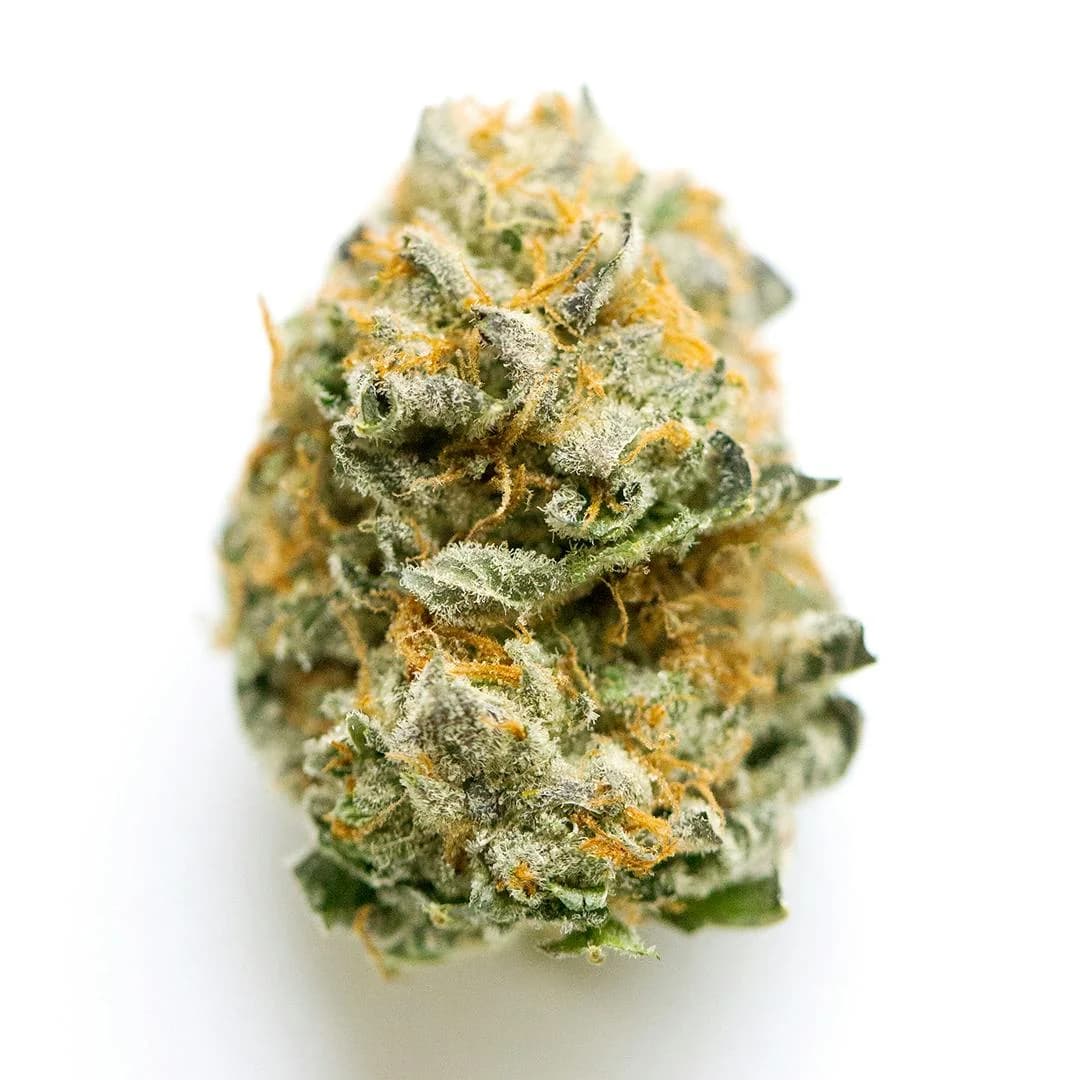
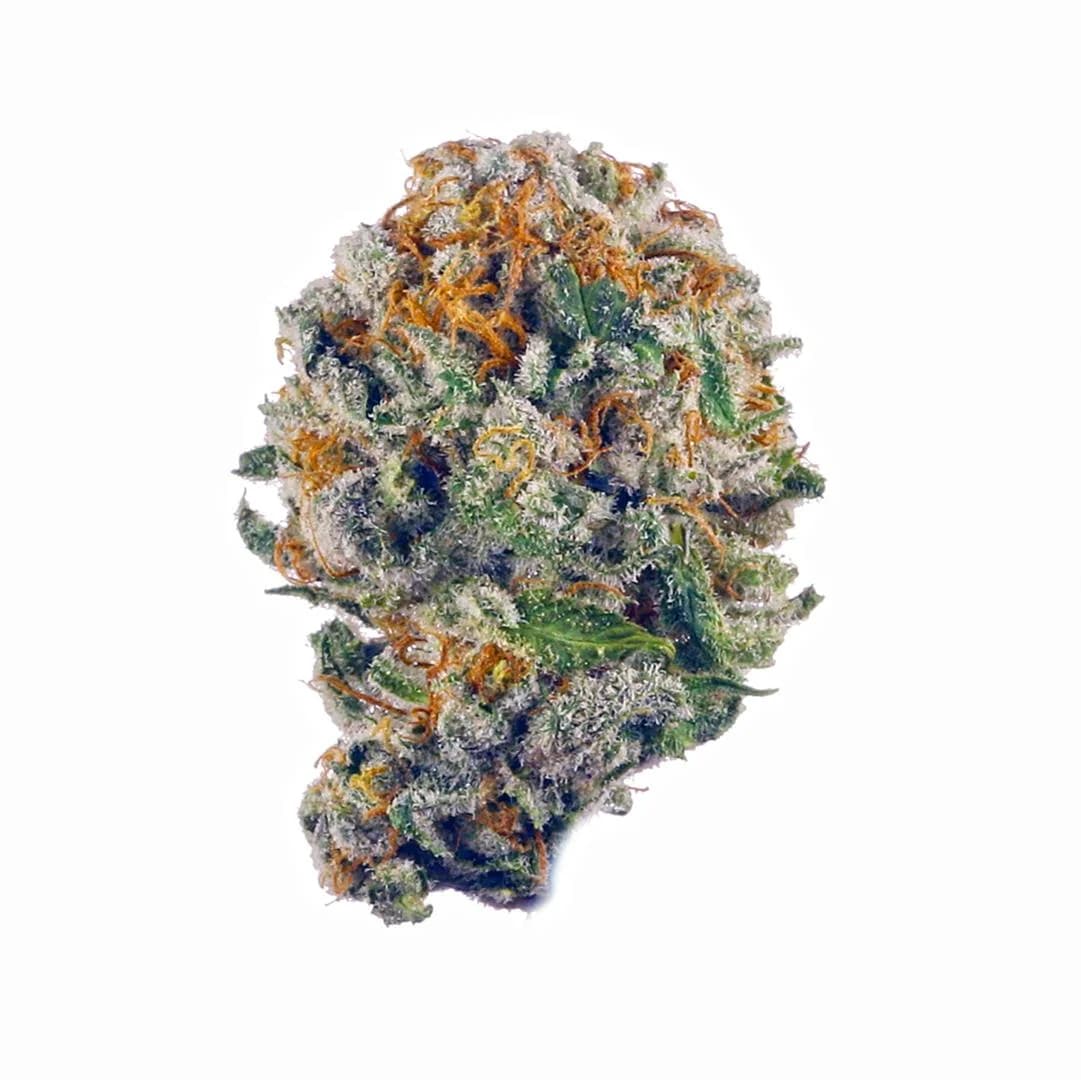
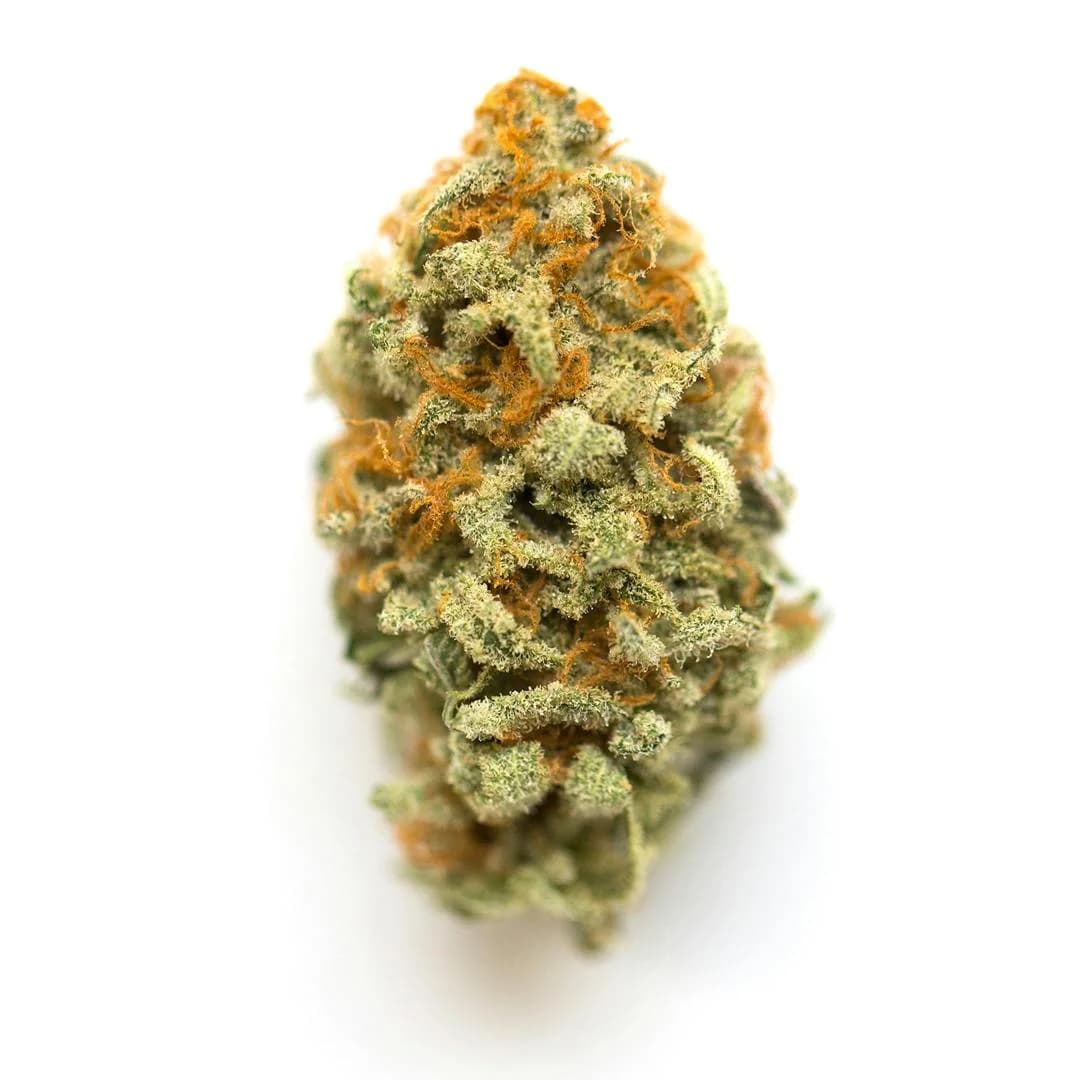
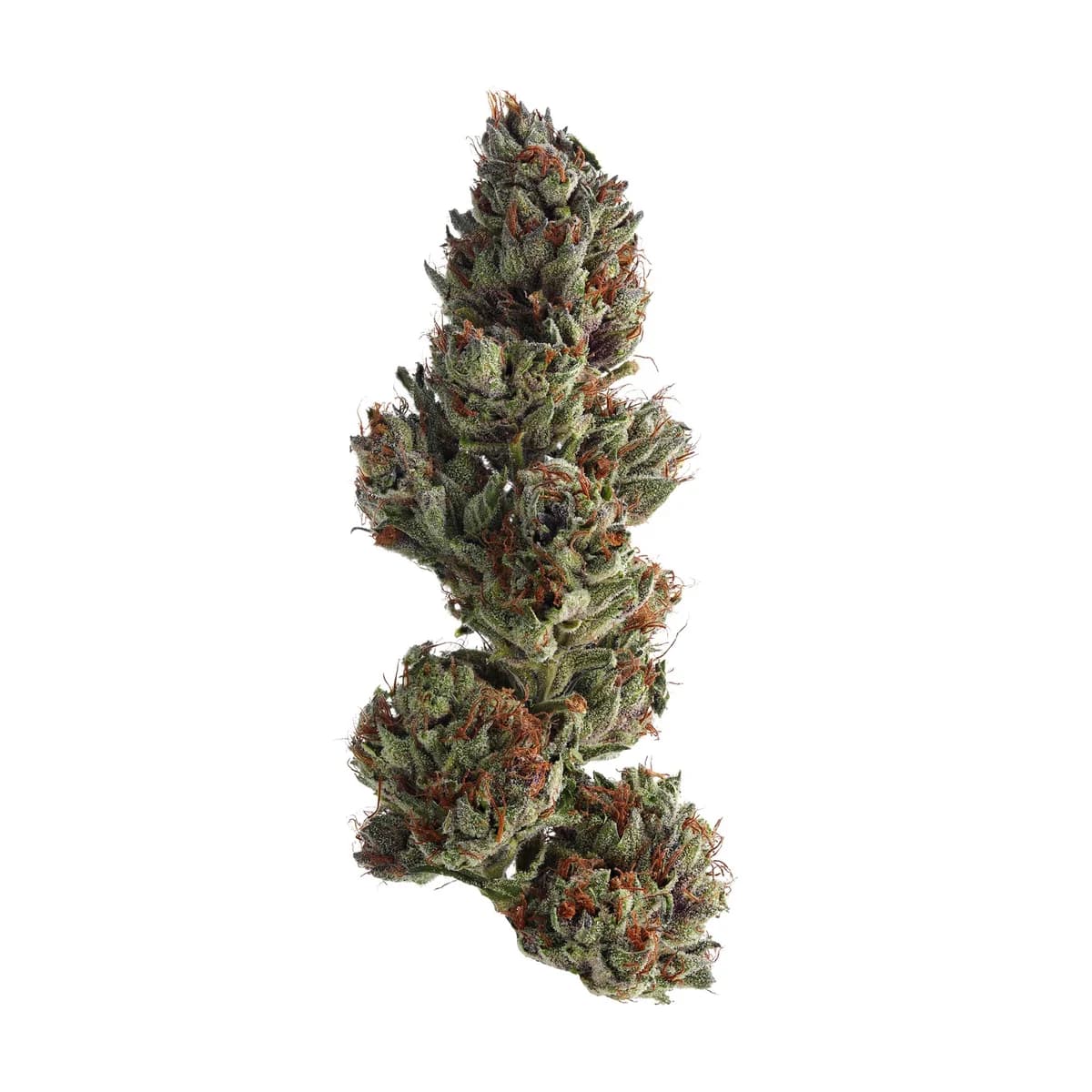
Percentages are catalog reference values, not sample lab results. “Not reported” means the source did not supply a value. Reported effects are subjective tags, not predictions.
Lemon Skunk is presented by Leafly as a hybrid catalog entry. The source account says: Lemon Skunk is attributed to DNA Genetics and two selected Skunk phenotypes. The individual selections are not named, so this record does not invent separate parent identities. This is a source-reported identity, not a genetically authenticated pedigree. This context is retained as an attributed account, not as genetic authentication of every sample carrying the name. Reader-reported flavor descriptors include Citrus, Lemon, Skunk. The catalog lists Caryophyllene, Limonene, Myrcene as terpene labels. Those fields describe different evidence layers and do not establish a fixed chemical profile, medical effect or response for an individual sample.
London Pound Cake is presented by Leafly as a hybrid catalog entry. The source account says: London Pound Cake, also called Pound Cake, is associated with Cookies. Leafly identifies Sherbert as one parent but leaves the other indica parent unnamed. This is a source-reported identity, not a genetically authenticated pedigree. This context is retained as an attributed account, not as genetic authentication of every sample carrying the name. Reader-reported flavor descriptors include Butter, Lemon, Vanilla. The catalog lists Caryophyllene, Limonene, Myrcene as terpene labels. Those fields describe different evidence layers and do not establish a fixed chemical profile, medical effect or response for an individual sample.
MAC is presented by Leafly as a hybrid catalog entry. The source account says: MAC expands to Miracle Alien Cookies. Leafly lists Alien Cookies, Starfighter and Columbian in its background; the broad Columbian name is not equated with Colombian Gold. This is a source-reported identity, not a genetically authenticated pedigree. This context is retained as an attributed account, not as genetic authentication of every sample carrying the name. Reader-reported flavor descriptors include Citrus, Floral, Pepper. The catalog lists Caryophyllene, Limonene, Pinene as terpene labels. Those fields describe different evidence layers and do not establish a fixed chemical profile, medical effect or response for an individual sample.
MAC 1 is presented by Leafly as a hybrid catalog entry. The source account says: The source names Alien Cookies F2 and Miracle 15; Alien Cookies is linked as ancestry because the F2 selection is more specific than the catalog entry. This context is retained as an attributed account, not as genetic authentication of every sample carrying the name. Reader-reported flavor descriptors include Ammonia, Butter, Citrus. The catalog lists Caryophyllene, Limonene, Pinene as terpene labels. Those fields describe different evidence layers and do not establish a fixed chemical profile, medical effect or response for an individual sample.
Master Kush is attributed to the Dutch White Label Seed Company. Leafly describes two regional landrace parents from the Hindu Kush area but does not identify the individual accessions or a complete crossing sequence, so the catalog keeps that uncertainty visible. Earthy, floral and pungent are reader-reported flavor descriptors, while caryophyllene, limonene and myrcene are listed as source terpene labels. The regional account provides context for the name, but it does not authenticate every later selection or establish a universal chemical profile for products sold as Master Kush.
Mendo Breath is presented by Leafly as a indica catalog entry. The source account says: Source-reported OGKB and Mendo Montage cross. The F2 alias does not establish the generation of an individual product. This context is retained as an attributed account, not as genetic authentication of every sample carrying the name. Reader-reported flavor descriptors include Earthy, Pepper, Vanilla. The catalog lists Caryophyllene, Limonene, Myrcene as terpene labels. Those fields describe different evidence layers and do not establish a fixed chemical profile, medical effect or response for an individual sample.
Motorbreath is presented by Leafly as a hybrid catalog entry. The source account says: Chemdog is the source name for the existing Chemdawg profile. SFV OG Kush is retained as the specifically named parent. This context is retained as an attributed account, not as genetic authentication of every sample carrying the name. Reader-reported flavor descriptors include Chemical, Diesel, Pepper. The catalog lists Caryophyllene, Limonene, Myrcene as terpene labels. Those fields describe different evidence layers and do not establish a fixed chemical profile, medical effect or response for an individual sample.
Northern Lights is listed by Leafly as an indica with reported Afghani and Thai ancestry. Its history section treats the Seattle origin story as a rumor and describes later distribution through the Netherlands. That uncertainty is part of the record, not a missing detail to fill by guesswork. Pine, earth and wood appear in its reader flavor tags. Numbered selections such as Northern Lights #5 require their own provenance rather than automatic equivalence with this broader entry.
OG #18 is presented by Leafly as a hybrid catalog entry. The source account says: The source explicitly identifies an OG Kush phenotype. No second parent is invented. This context is retained as an attributed account, not as genetic authentication of every sample carrying the name. Reader-reported flavor descriptors include Diesel, Earthy, Pungent. The catalog lists Limonene, Linalool, Myrcene as terpene labels. Those fields describe different evidence layers and do not establish a fixed chemical profile, medical effect or response for an individual sample.
OG Kush is a hybrid name central to several later catalog families, including GSC and Headband. Leafly describes a Florida-to-California history but qualifies the proposed early cross rather than documenting a settled pedigree. Its listed aroma descriptors include wood, pine and earth, while its chemistry section names myrcene, limonene and caryophyllene. The uncertain origin story is retained as an attributed account; a shared OG name does not establish identical ancestry or chemistry.
Panama Red is presented by Leafly as a sativa catalog entry. The source account says: The cited catalog page does not establish a complete, authenticated immediate-parent cross for this entry. This context is retained as an attributed account, not as genetic authentication of every sample carrying the name. Reader-reported flavor descriptors include Earthy, Pepper, Tea. The catalog lists Limonene, Myrcene, Pinene as terpene labels. Those fields describe different evidence layers and do not establish a fixed chemical profile, medical effect or response for an individual sample.
Papaya is presented by Leafly as a indica catalog entry. The source account says: The cited catalog page does not establish a complete, authenticated immediate-parent cross for this entry. This context is retained as an attributed account, not as genetic authentication of every sample carrying the name. Reader-reported flavor descriptors include Apricot, Tree fruit, Tropical. The catalog lists Caryophyllene, Limonene, Myrcene as terpene labels. Those fields describe different evidence layers and do not establish a fixed chemical profile, medical effect or response for an individual sample.
Peanut Butter Breath is presented by Leafly as a hybrid catalog entry. The source account says: Peanut Butter Breath is attributed to ThugPug Genetics and a Dosidos–Mendo Breath cross. Similar peanut-themed names are not assumed to denote this same cultivar. This is a source-reported identity, not a genetically authenticated pedigree. This context is retained as an attributed account, not as genetic authentication of every sample carrying the name. Reader-reported flavor descriptors include Butter, Chestnut, Nutty. The catalog lists Caryophyllene, Limonene, Pinene as terpene labels. Those fields describe different evidence layers and do not establish a fixed chemical profile, medical effect or response for an individual sample.
Permanent Marker is presented by Leafly as a hybrid catalog entry. The source account says: Leafly reports a (Biscotti × Sherb Bx) × Jealousy background; Biscotti is therefore retained as ancestry rather than simplified into an immediate parent. This context is retained as an attributed account, not as genetic authentication of every sample carrying the name. Reader-reported flavor descriptors include Ammonia, Chemical, Tobacco. The catalog lists Caryophyllene, Limonene, Myrcene as terpene labels. Those fields describe different evidence layers and do not establish a fixed chemical profile, medical effect or response for an individual sample.
Pink Panties is presented by Leafly as a indica catalog entry. The source account says: Pink Panties is reported as Burmese Kush crossed with a Florida Kush backcross. The backcross designation is preserved because it is more specific than the broad Florida Kush name. This is a source-reported identity, not a genetically authenticated pedigree. This context is retained as an attributed account, not as genetic authentication of every sample carrying the name. Reader-reported flavor descriptors include Floral, Lavender, Rose. The catalog lists Caryophyllene, Limonene, Myrcene as terpene labels. Those fields describe different evidence layers and do not establish a fixed chemical profile, medical effect or response for an individual sample.
Pink Runtz is presented by Leafly as a hybrid catalog entry. The source account says: The source associates Pink Runtz with the Runtz family. A phenotype or selection link is kept distinct from a new parent cross. This context is retained as an attributed account, not as genetic authentication of every sample carrying the name. Reader-reported flavor descriptors include Floral, Rose, Sweet. The catalog lists Caryophyllene, Limonene, Linalool as terpene labels. Those fields describe different evidence layers and do not establish a fixed chemical profile, medical effect or response for an individual sample.
Platinum Cookies is presented by Leafly as a hybrid catalog entry. The source account says: Leafly describes OG Kush and Durban Poison ancestry plus a third unknown strain. The missing identity is not filled with a familiar catalog name. This context is retained as an attributed account, not as genetic authentication of every sample carrying the name. Reader-reported flavor descriptors include Floral, Pungent, Sweet. The catalog lists Caryophyllene, Limonene, Myrcene as terpene labels. Those fields describe different evidence layers and do not establish a fixed chemical profile, medical effect or response for an individual sample.
Project 4516 is presented by Leafly as a hybrid catalog entry. The source account says: The cited catalog page does not establish a complete, authenticated immediate-parent cross for this entry. This context is retained as an attributed account, not as genetic authentication of every sample carrying the name. Reader-reported flavor descriptors include Ammonia, Berry, Diesel. The catalog lists Caryophyllene, Limonene, Pinene as terpene labels. Those fields describe different evidence layers and do not establish a fixed chemical profile, medical effect or response for an individual sample.
Purple Haze is presented by Leafly as a sativa catalog entry. The source account says: Leafly describes Purple Haze as believed to descend from Purple Thai and Haze; the qualified wording is preserved as attributed ancestry. This context is retained as an attributed account, not as genetic authentication of every sample carrying the name. Reader-reported flavor descriptors include Floral, Lavender, Violet. The catalog lists Caryophyllene, Limonene, Myrcene as terpene labels. Those fields describe different evidence layers and do not establish a fixed chemical profile, medical effect or response for an individual sample.
Purple Punch is reported in the catalog as a cross between Larry OG and Granddaddy Purple. The profile keeps those named parents separate from its reader-reported berry, grape and plum descriptors and from the catalog's caryophyllene, limonene and pinene labels. A reported cross explains the source's family account but does not authenticate every plant carrying the name. Sensory tags describe reader impressions and source chemistry labels summarize a catalog record; neither establishes a fixed composition, medical effect or response for an individual sample.
RS11 is presented by Leafly as a hybrid catalog entry. The source account says: RS11 expands to Rainbow Sherbert #11. Leafly credits Deo Farms with the Pink Guava–Sherbert cross and Wizard Trees with selecting RS11 from that work. This is a source-reported identity, not a genetically authenticated pedigree. This context is retained as an attributed account, not as genetic authentication of every sample carrying the name. Reader-reported flavor descriptors include Apricot, Citrus, Peach. The catalog lists Caryophyllene, Humulene, Limonene as terpene labels. Those fields describe different evidence layers and do not establish a fixed chemical profile, medical effect or response for an individual sample.
Rainbow Belts is presented by Leafly as a hybrid catalog entry. The source account says: Leafly reports Moonbow and Zkittlez as parents; Moonbow remains an external catalog identity in this release. This context is retained as an attributed account, not as genetic authentication of every sample carrying the name. Reader-reported flavor descriptors include Apricot, Tree fruit, Tropical. The catalog lists Caryophyllene, Limonene, Linalool as terpene labels. Those fields describe different evidence layers and do not establish a fixed chemical profile, medical effect or response for an individual sample.
Rainbow Chip is presented by Leafly as a hybrid catalog entry. The source account says: The cited catalog page does not establish a complete, authenticated immediate-parent cross for this entry. This context is retained as an attributed account, not as genetic authentication of every sample carrying the name. Reader-reported flavor descriptors include Citrus, Lime, Mint. The catalog lists Caryophyllene, Limonene, Pinene as terpene labels. Those fields describe different evidence layers and do not establish a fixed chemical profile, medical effect or response for an individual sample.
Runtz is presented by Leafly as a hybrid catalog entry. The source account says: Runtz is reported as a cross of The Original Z, also known as Zkittlez, and Gelato. This connects it to both the Z and Cookies-related families; the original profile is kept distinct from other Runtz-named selections. This context is retained as an attributed account, not as genetic authentication of every sample carrying the name. Reader-reported flavor descriptors include Apricot, Sweet, Tree fruit. The catalog lists Caryophyllene, Limonene, Myrcene as terpene labels. Those fields describe different evidence layers and do not establish a fixed chemical profile, medical effect or response for an individual sample.