SIDE-BY-SIDE FIELD NOTES
OG #18
vs Skywalker OG
Leafly catalog summary values, not laboratory results for a specific sample. A displayed 0% is a rounded source value, not proof of absence. Unlisted cannabinoids remain unknown. Report totals are not per-effect sample sizes.
OG #18 source ↗Skywalker OG source ↗
| Profile | 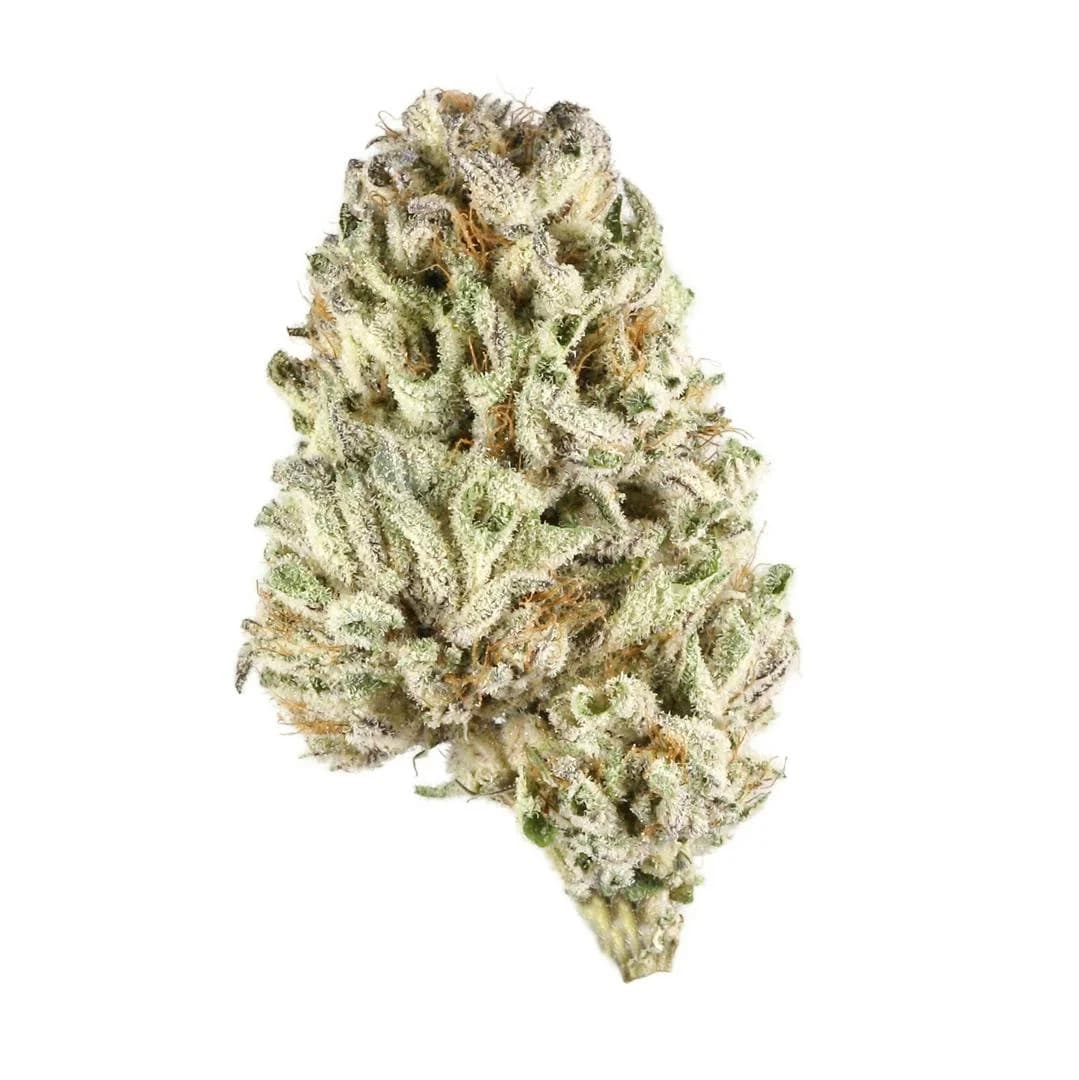 | 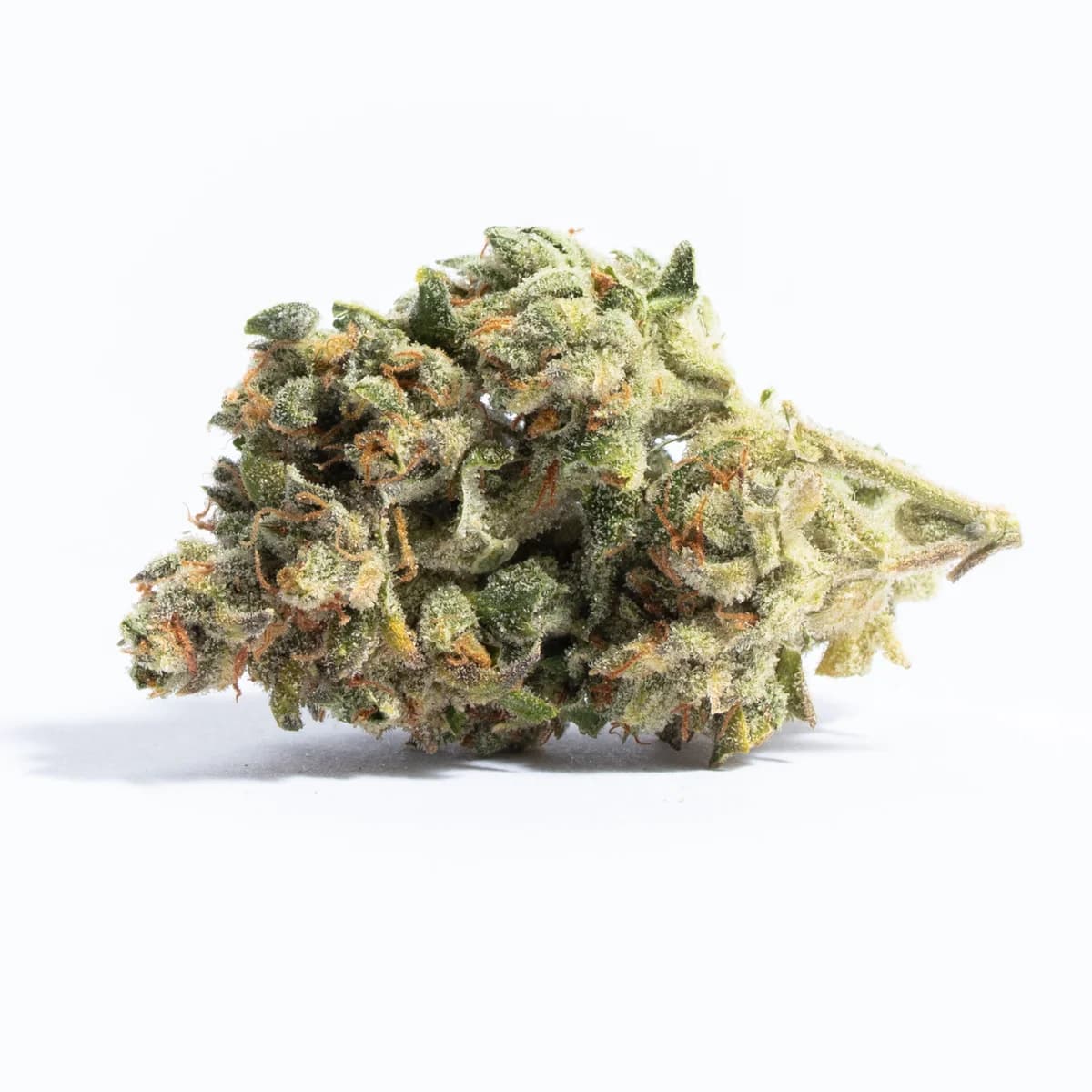 |
|---|---|---|
| Classification | hybrid | hybrid |
| Breeder | Not verified | Not verified |
| THC · catalog reference | 22% | 20% |
| CBD · catalog reference | Not reported | Not reported |
| CBG · catalog reference | 1% | 1% |
| Dominant terpene | Limonene | Myrcene |
| Terpenes | Limonene, Myrcene, Linalool | Myrcene, Limonene, Caryophyllene |
| Aroma | Citrus, Earthy / herbal, Floral | Earthy / herbal, Citrus, Pepper / spice |
| Flavor | ||
| Reported effects | ||
| Reported negative effects | ||
| Reported parents | Not verified | OG Kush (Reported parent · disputed), Mazar x Blueberry (Reported parent · disputed) |
| Lineage status | Phenotype selection | Disputed parentage |
| Ancestry components | Not verified | Not verified |
| Selected from | OG Kush (Phenotype selection) | Not verified |
| Lineage notes | The source explicitly identifies an OG Kush phenotype. No second parent is invented. | Skywalker OG has conflicting pedigree information within Leafly: the genetics panel lists OG Kush and Mazar x Blueberry, while the description names Mazar and Blueberry OG. Neither account is treated as settled. This is a source-reported identity, not a genetically authenticated pedigree. |
| Source reports · whole profile | 475 | 1,786 |
Explore OG #18 family ↗Explore Skywalker OG family ↗
Similarities
Shared documented terpenes: Limonene, Myrcene.
Main differences
The catalog lists THC at 22% for OG #18 and 20% for Skywalker OG. These reference points do not establish a sample range or an individual product's potency.
Keep the context
Reported attributes are subjective. Classification and chemical similarity do not establish equivalent effects.