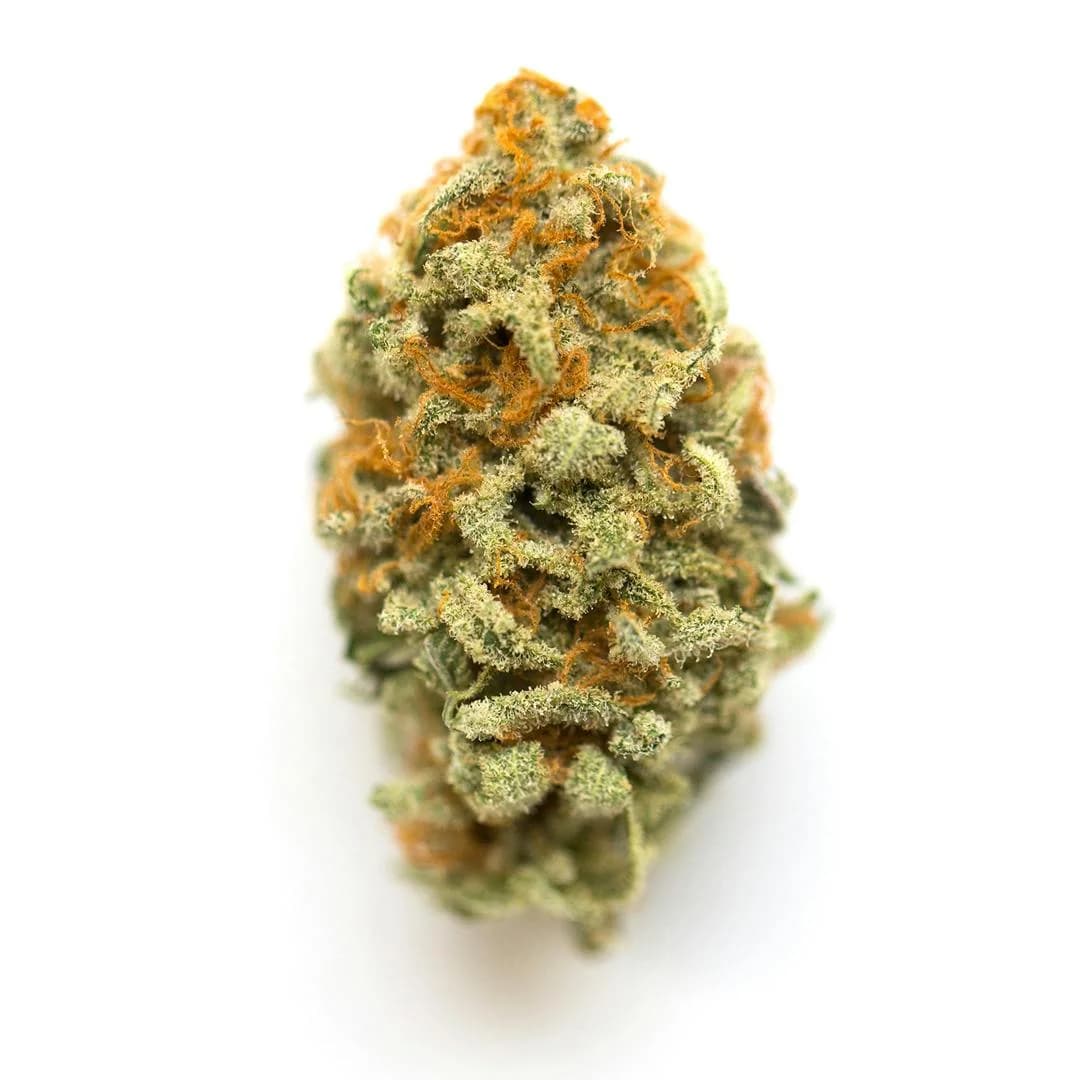
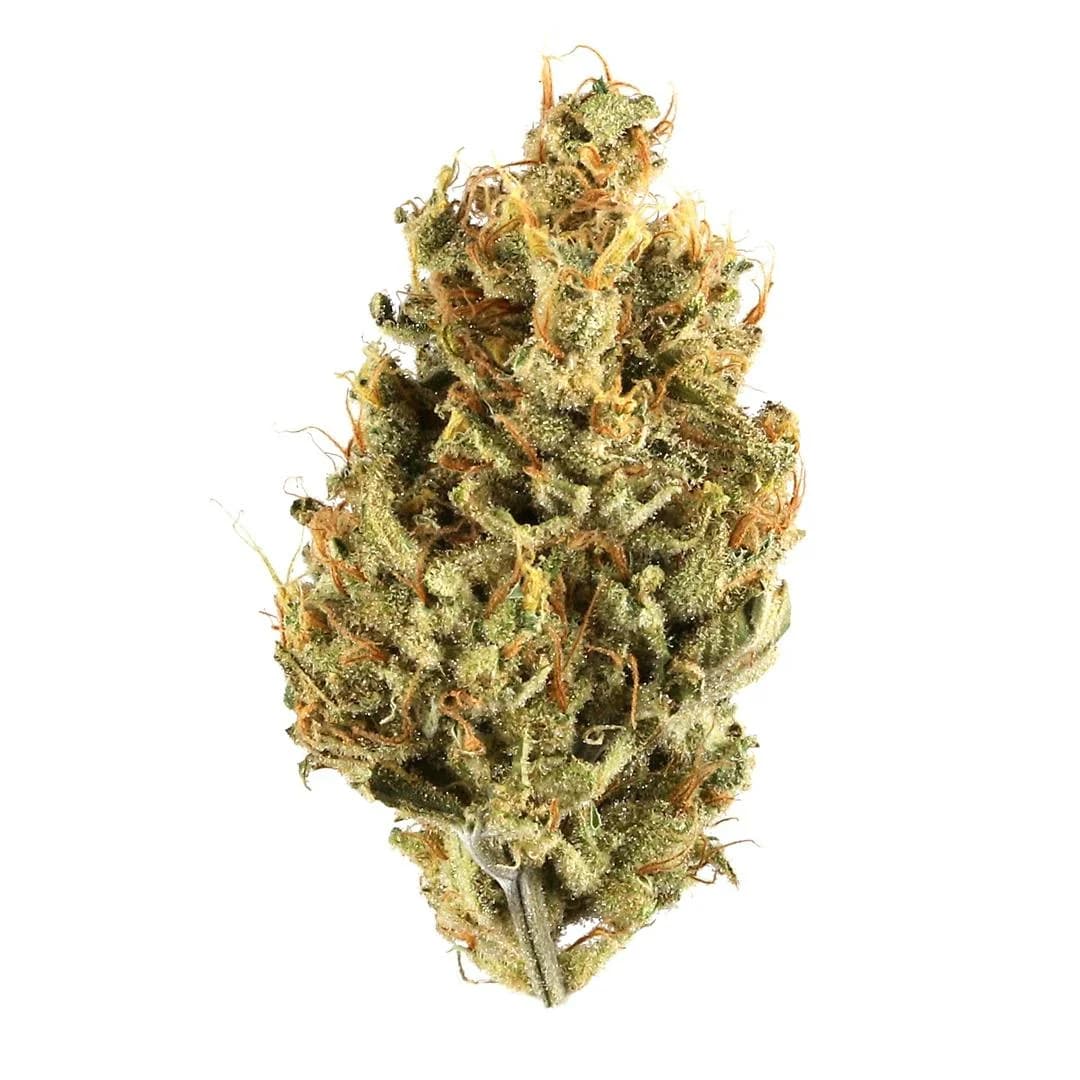
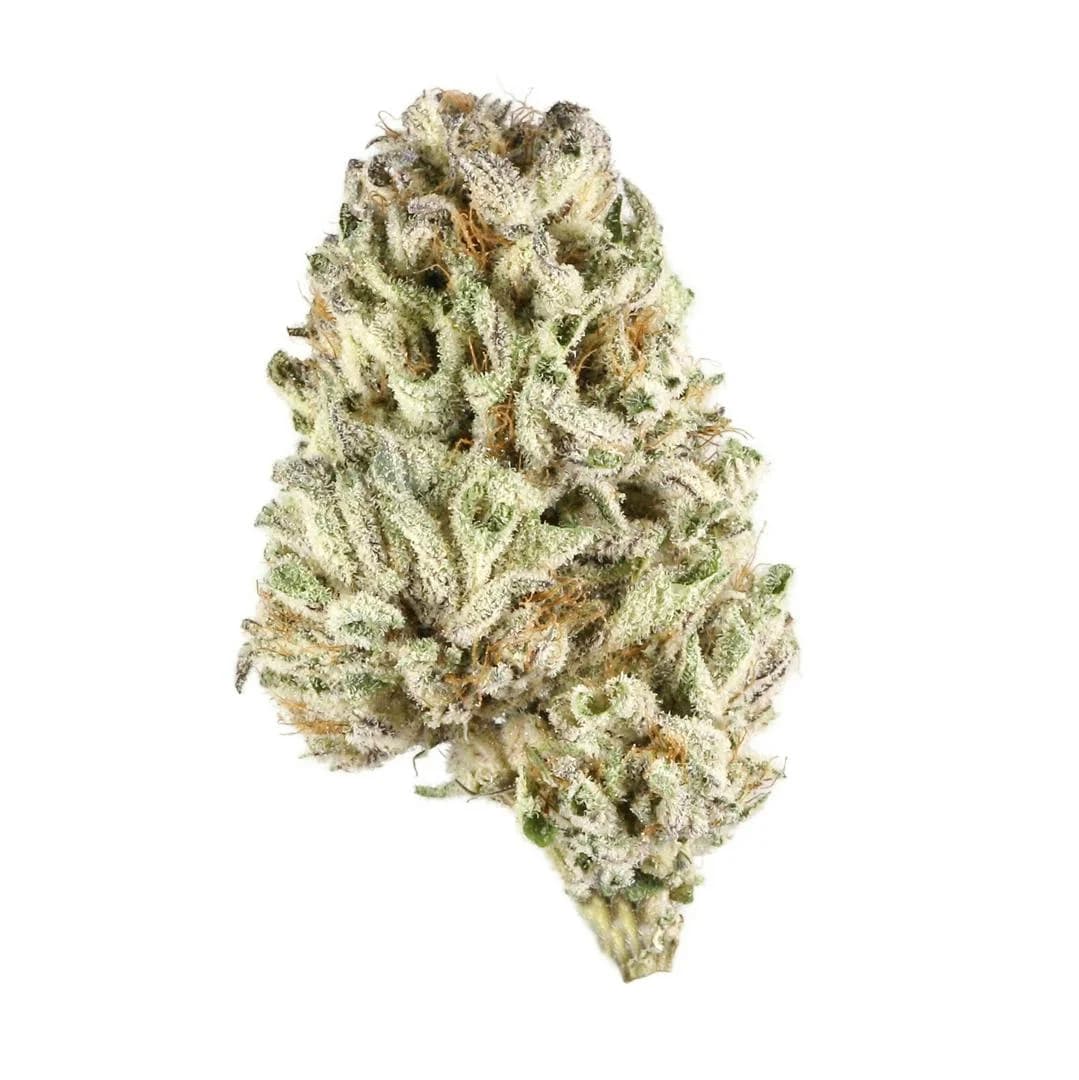
OG Kush is a hybrid name central to several later catalog families, including GSC and Headband. Leafly describes a Florida-to-California history but qualifies the proposed early cross rather than documenting a settled pedigree. Its listed aroma descriptors include wood, pine and earth, while its chemistry section names myrcene, limonene and caryophyllene. The uncertain origin story is retained as an attributed account; a shared OG name does not establish identical ancestry or chemistry.
Northern Lights is listed by Leafly as an indica with reported Afghani and Thai ancestry. Its history section treats the Seattle origin story as a rumor and describes later distribution through the Netherlands. That uncertainty is part of the record, not a missing detail to fill by guesswork. Pine, earth and wood appear in its reader flavor tags. Numbered selections such as Northern Lights #5 require their own provenance rather than automatic equivalence with this broader entry.
Jack Herer is named after the author and cannabis activist. Leafly attributes its development to Sensi Seeds and describes a Haze hybrid combined with Northern Lights #5 and Shiva Skunk ancestry. The source acknowledges multiple phenotypes, which matters when interpreting the name as a single record. Its terpinolene-led catalog profile and pine, wood and earth flavor tags describe different evidence types, not a guarantee that every Jack Herer sample shares the same composition.
Durban Poison takes its regional identity from Durban in South Africa according to Leafly. The catalog classifies it as sativa without supplying a named two-parent cross. Its displayed pine, earthy and sage descriptors are reader impressions, while terpinolene leads the separate terpene list. A geographic origin is useful historical context but does not by itself authenticate every later selection carrying the name or establish a fixed concentration of any cannabinoid.
Cannatonic is presented by Leafly as a hybrid catalog entry. The source account says: Resin Seeds identifies Reina Madre × NYCD. Leafly instead lists MK Ultra × G13 Haze; the breeder's account is used for the parent links and both sources are retained. This context is retained as an attributed account, not as genetic authentication of every sample carrying the name. Reader-reported flavor descriptors include Earthy, Pine, Woody. The catalog lists Caryophyllene, Myrcene, Pinene as terpene labels. Those fields describe different evidence layers and do not establish a fixed chemical profile, medical effect or response for an individual sample.
ACDC is presented by Leafly as a hybrid catalog entry. The source account says: Leafly describes ACDC as a phenotype of Cannatonic; Resin Seeds also lists ACDC among Cannatonic selections. This context is retained as an attributed account, not as genetic authentication of every sample carrying the name. Reader-reported flavor descriptors include Earthy, Pine, Woody. The catalog lists Caryophyllene, Myrcene, Pinene as terpene labels. Those fields describe different evidence layers and do not establish a fixed chemical profile, medical effect or response for an individual sample.
Trainwreck is associated by Leafly with Northern California and Mexican, Thai and Afghan ancestry. The source offers more than one story for its name rather than a single documented origin. Its summary classifies it as hybrid, while the narrative uses sativa language; these labels should not settle pedigree. Pine, earthy and woody are displayed reader tags, separate from a terpinolene-led catalog profile. The ancestry remains broader than an authenticated pair of immediate parents.
Afghani is presented by Leafly as a indica catalog entry. The source account says: Afghani is a regional cannabis name associated with Afghanistan and appears in many reported family histories. A regional name can cover varied material, so this profile does not imply one uniform genetic or chemical sample. This context is retained as an attributed account, not as genetic authentication of every sample carrying the name. Reader-reported flavor descriptors include Earthy, Pine, Woody. The catalog lists Myrcene, Pinene, Terpinolene as terpene labels. Those fields describe different evidence layers and do not establish a fixed chemical profile, medical effect or response for an individual sample.
GG4, commonly called Original Glue, is attributed in the catalog to GG Strains LLC and a reported background involving Chem's Sister, Sour Dubb and Chocolate Diesel. The source does not provide a complete crossing sequence, so those names are retained as attributed ancestry rather than presented as a verified family tree. Earthy, pine and pungent are reader-reported flavor descriptors, while caryophyllene, limonene and myrcene are catalog terpene labels. These fields describe the source record and do not establish the chemistry of every sample sold under the GG4 name.
LA Confidential is presented by Leafly as a indica catalog entry. The source account says: LA Confidential also appears under Confidential and Confidential OG. Leafly lists Afghani in its genetics section without establishing a complete two-parent pedigree. This is a source-reported identity, not a genetically authenticated pedigree. This context is retained as an attributed account, not as genetic authentication of every sample carrying the name. Reader-reported flavor descriptors include Earthy, Pine, Skunk. The catalog lists Caryophyllene, Myrcene, Pinene as terpene labels. Those fields describe different evidence layers and do not establish a fixed chemical profile, medical effect or response for an individual sample.
Alaskan Thunder Fuck is associated with Alaska's Matanuska Valley. Leafly presents an early Californian and Russian story as legend and then describes a reported Afghani contribution, so the profile keeps the historical layers distinct instead of turning the story into a settled pedigree. Menthol, pine and sage are reader-reported flavor descriptors; caryophyllene, limonene and myrcene are separate catalog terpene labels. Geographic association and a named background provide context but do not authenticate every later selection or establish a universal cannabinoid concentration.
Jack the Ripper is presented by Leafly as a sativa catalog entry. The source account says: Jack the Ripper, or JTR, is reported as Jack’s Cleaner crossed with the Space Dude male selection of Space Queen. The catalog connects it with Subcool’s The Dank. This is a source-reported identity, not a genetically authenticated pedigree. This context is retained as an attributed account, not as genetic authentication of every sample carrying the name. Reader-reported flavor descriptors include Citrus, Lemon, Pine. The catalog lists Myrcene, Pinene, Terpinolene as terpene labels. Those fields describe different evidence layers and do not establish a fixed chemical profile, medical effect or response for an individual sample.
Fire OG is presented by Leafly as a hybrid catalog entry. The source account says: Fire OG is reported as OG Kush crossed with SFV OG Kush. The latter is distinct from SFV OG, so the two names are not merged in its parent links. This is a source-reported identity, not a genetically authenticated pedigree. This context is retained as an attributed account, not as genetic authentication of every sample carrying the name. Reader-reported flavor descriptors include Earthy, Lemon, Pine. The catalog lists Caryophyllene, Limonene, Myrcene as terpene labels. Those fields describe different evidence layers and do not establish a fixed chemical profile, medical effect or response for an individual sample.
SFV OG is presented by Leafly as a hybrid catalog entry. The source account says: SFV OG takes its name from California’s San Fernando Valley and is associated with Cali Connection. It belongs to the OG Kush family and differs from the later Afghani-crossed SFV OG Kush. This is a source-reported identity, not a genetically authenticated pedigree. This context is retained as an attributed account, not as genetic authentication of every sample carrying the name. Reader-reported flavor descriptors include Earthy, Pine, Woody. The catalog lists Caryophyllene, Limonene, Myrcene as terpene labels. Those fields describe different evidence layers and do not establish a fixed chemical profile, medical effect or response for an individual sample.
Tahoe OG is described in the catalog as a phenotype of OG Kush rather than as a separately documented two-parent cross, with Tahoe OG Kush recorded as another name. Earthy, pine and woody are reader-reported flavor descriptors, while caryophyllene, limonene and myrcene are listed as source terpene labels. This profile preserves the phenotype distinction because a name can describe a selected expression within a family rather than a new pedigree. The record does not establish that every Tahoe OG-labelled sample has the same chemistry or response.
Alien OG is presented by Leafly as a hybrid catalog entry. The source account says: Alien OG connects Tahoe OG with Alien Kush. Leafly describes its availability first as a Bay Area clone and later in seed form through Cali Connection. This is a source-reported identity, not a genetically authenticated pedigree. This context is retained as an attributed account, not as genetic authentication of every sample carrying the name. Reader-reported flavor descriptors include Earthy, Lemon, Pine. The catalog lists Caryophyllene, Limonene, Myrcene as terpene labels. Those fields describe different evidence layers and do not establish a fixed chemical profile, medical effect or response for an individual sample.
Face Off OG is presented by Leafly as a indica catalog entry. The source account says: Face Off OG is associated with Archive Seeds and a California OG Kush selection from the late 1990s. This is represented as selection history rather than an invented two-parent cross. This is a source-reported identity, not a genetically authenticated pedigree. This context is retained as an attributed account, not as genetic authentication of every sample carrying the name. Reader-reported flavor descriptors include Ammonia, Earthy, Pine. The catalog lists Caryophyllene, Limonene, Myrcene as terpene labels. Those fields describe different evidence layers and do not establish a fixed chemical profile, medical effect or response for an individual sample.
Larry OG is presented by Leafly as a hybrid catalog entry. The source account says: Larry OG is associated with Orange County, California. Leafly reports OG Kush and SFV OG as its parents and records several Larry aliases for the same profile. This is a source-reported identity, not a genetically authenticated pedigree. This context is retained as an attributed account, not as genetic authentication of every sample carrying the name. Reader-reported flavor descriptors include Citrus, Lemon, Pine. The catalog lists Caryophyllene, Limonene, Myrcene as terpene labels. Those fields describe different evidence layers and do not establish a fixed chemical profile, medical effect or response for an individual sample.
G13 is presented by Leafly as a indica catalog entry. The source account says: No authenticated parent cross is established. Government-laboratory and escaped-cutting stories are not treated as historical evidence. This context is retained as an attributed account, not as genetic authentication of every sample carrying the name. Reader-reported flavor descriptors include Earthy, Pine, Woody. The catalog lists Caryophyllene, Limonene, Myrcene as terpene labels. Those fields describe different evidence layers and do not establish a fixed chemical profile, medical effect or response for an individual sample.
Northern Lights #5 is presented by Leafly as a indica catalog entry. The source account says: Afghani is listed in the source genetics panel. The remaining parentage is not established; the Northern Lights family name alone is not a second parent. This context is retained as an attributed account, not as genetic authentication of every sample carrying the name. Reader-reported flavor descriptors include Earthy, Honey, Pine. The catalog lists Myrcene, Pinene, Terpinolene as terpene labels. Those fields describe different evidence layers and do not establish a fixed chemical profile, medical effect or response for an individual sample.
Starfighter is presented by Leafly as a hybrid catalog entry. The source account says: The reported original cross is distinguished from later releases described as similar phenotypes. Breeder-level corroboration remains needed. This context is retained as an attributed account, not as genetic authentication of every sample carrying the name. Reader-reported flavor descriptors include Chemical, Lavender, Pine. The catalog lists Caryophyllene, Limonene, Myrcene as terpene labels. Those fields describe different evidence layers and do not establish a fixed chemical profile, medical effect or response for an individual sample.
Burmese Kush is presented by Leafly as a hybrid catalog entry. The source account says: Only the OG Kush connection is explicit in the reviewed narrative. The complete cross remains unverified. This context is retained as an attributed account, not as genetic authentication of every sample carrying the name. Reader-reported flavor descriptors include Earthy, Pine, Woody. The catalog lists Caryophyllene, Limonene, Myrcene as terpene labels. Those fields describe different evidence layers and do not establish a fixed chemical profile, medical effect or response for an individual sample.
Ghost OG is presented by Leafly as a hybrid catalog entry. The source account says: The linked source explicitly describes an OG Kush cut. A selection link is used rather than a reported cross. This context is retained as an attributed account, not as genetic authentication of every sample carrying the name. Reader-reported flavor descriptors include Citrus, Earthy, Pine. The catalog lists Caryophyllene, Limonene, Myrcene as terpene labels. Those fields describe different evidence layers and do not establish a fixed chemical profile, medical effect or response for an individual sample.
SFV OG Kush is presented by Leafly as a indica catalog entry. The source account says: The current source names OG Kush as the other parent, conflicting with the previously captured SFV OG account. That disputed second edge is omitted pending corroboration. Overlapping SFV aliases are not assigned to both profiles. This context is retained as an attributed account, not as genetic authentication of every sample carrying the name. Reader-reported flavor descriptors include Earthy, Lemon, Pine. The catalog lists Caryophyllene, Limonene, Myrcene as terpene labels. Those fields describe different evidence layers and do not establish a fixed chemical profile, medical effect or response for an individual sample.
The White is presented by Leafly as a hybrid catalog entry. The source account says: The source presents the origin as uncertain. Triangle is not automatically resolved to Triangle Kush, and visual similarity is not parentage evidence. This context is retained as an attributed account, not as genetic authentication of every sample carrying the name. Reader-reported flavor descriptors include Earthy, Pine, Woody. The catalog lists Caryophyllene, Limonene, Myrcene as terpene labels. Those fields describe different evidence layers and do not establish a fixed chemical profile, medical effect or response for an individual sample.
Romulan is presented by Leafly as a indica catalog entry. The source account says: North American Indica remains a regional external label. The catalog account is not proof of a single authenticated founding plant. This context is retained as an attributed account, not as genetic authentication of every sample carrying the name. Reader-reported flavor descriptors include Earthy, Pine, Woody. The catalog lists Caryophyllene, Myrcene, Pinene as terpene labels. Those fields describe different evidence layers and do not establish a fixed chemical profile, medical effect or response for an individual sample.
Mendo Montage is presented by Leafly as a hybrid catalog entry. The source account says: Crystal Locomotive F1 remains a named external parent. No cannabinoid percentages or terpene ranking were displayed in the reviewed source. This context is retained as an attributed account, not as genetic authentication of every sample carrying the name. Reader-reported flavor descriptors include Lime, Mint, Pine. The catalog lists no terpene labels as terpene labels. Those fields describe different evidence layers and do not establish a fixed chemical profile, medical effect or response for an individual sample.
Charlotte's Web is presented by Leafly as a sativa catalog entry. The source account says: The cited catalog page does not establish a complete, authenticated immediate-parent cross for this entry. This context is retained as an attributed account, not as genetic authentication of every sample carrying the name. Reader-reported flavor descriptors include Floral, Pine, Woody. The catalog lists Caryophyllene, Myrcene, Pinene as terpene labels. Those fields describe different evidence layers and do not establish a fixed chemical profile, medical effect or response for an individual sample.
Godfather OG is presented by Leafly as a indica catalog entry. The source account says: The cited catalog page does not establish a complete, authenticated immediate-parent cross for this entry. This context is retained as an attributed account, not as genetic authentication of every sample carrying the name. Reader-reported flavor descriptors include Earthy, Pine, Pungent. The catalog lists Caryophyllene, Limonene, Myrcene as terpene labels. Those fields describe different evidence layers and do not establish a fixed chemical profile, medical effect or response for an individual sample.
Black Jack is presented by Leafly as a hybrid catalog entry. The source account says: The cited catalog page does not establish a complete, authenticated immediate-parent cross for this entry. This context is retained as an attributed account, not as genetic authentication of every sample carrying the name. Reader-reported flavor descriptors include Pepper, Pine, Tobacco. The catalog lists Caryophyllene, Ocimene, Terpinolene as terpene labels. Those fields describe different evidence layers and do not establish a fixed chemical profile, medical effect or response for an individual sample.
Green Goblin is presented by Leafly as a sativa catalog entry. The source account says: The source presents varying identity accounts. Northern Lights and Skunk #1 are retained only as disputed ancestry and not as settled direct parents. This context is retained as an attributed account, not as genetic authentication of every sample carrying the name. Reader-reported flavor descriptors include Diesel, Menthol, Pine. The catalog lists Limonene, Myrcene, Pinene as terpene labels. Those fields describe different evidence layers and do not establish a fixed chemical profile, medical effect or response for an individual sample.