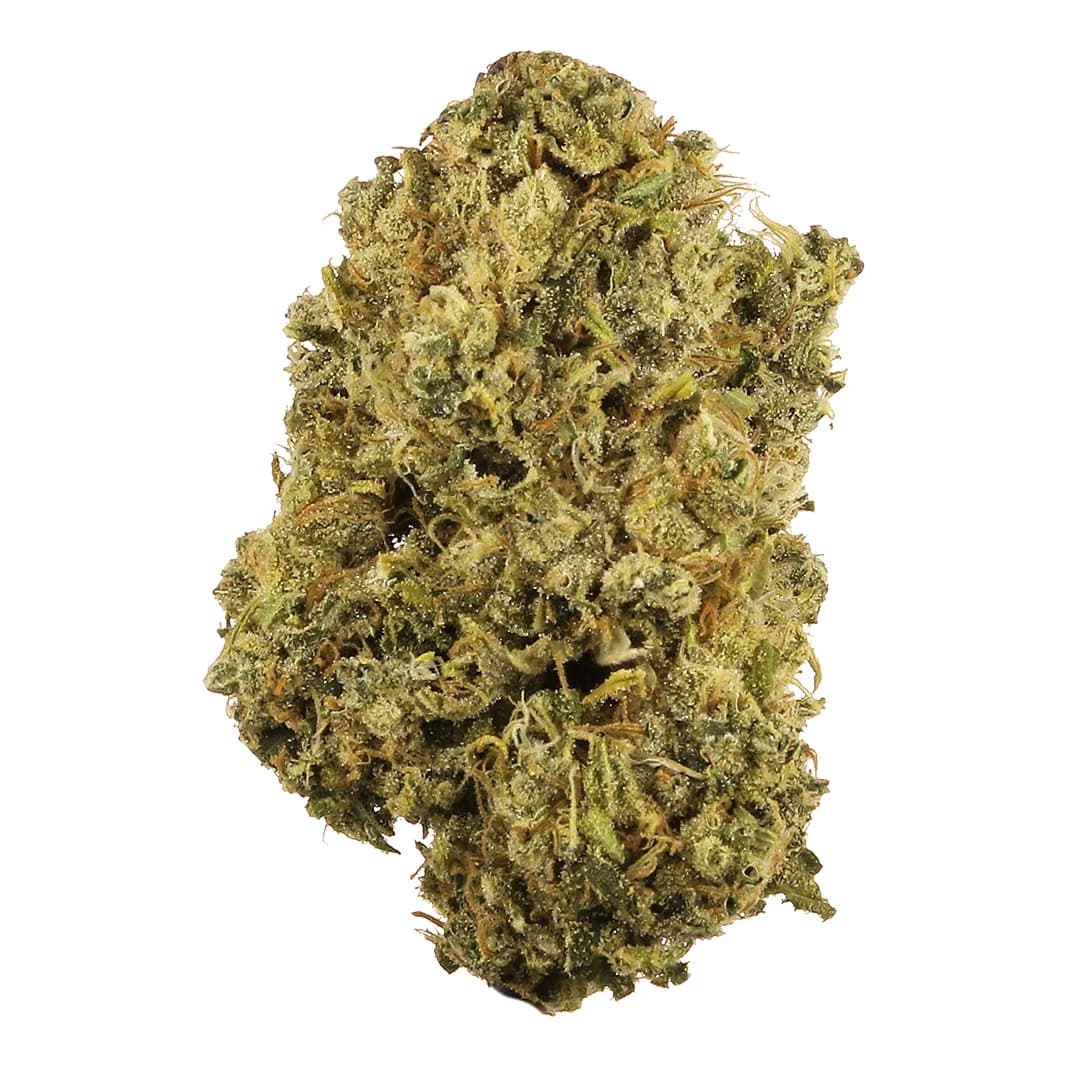
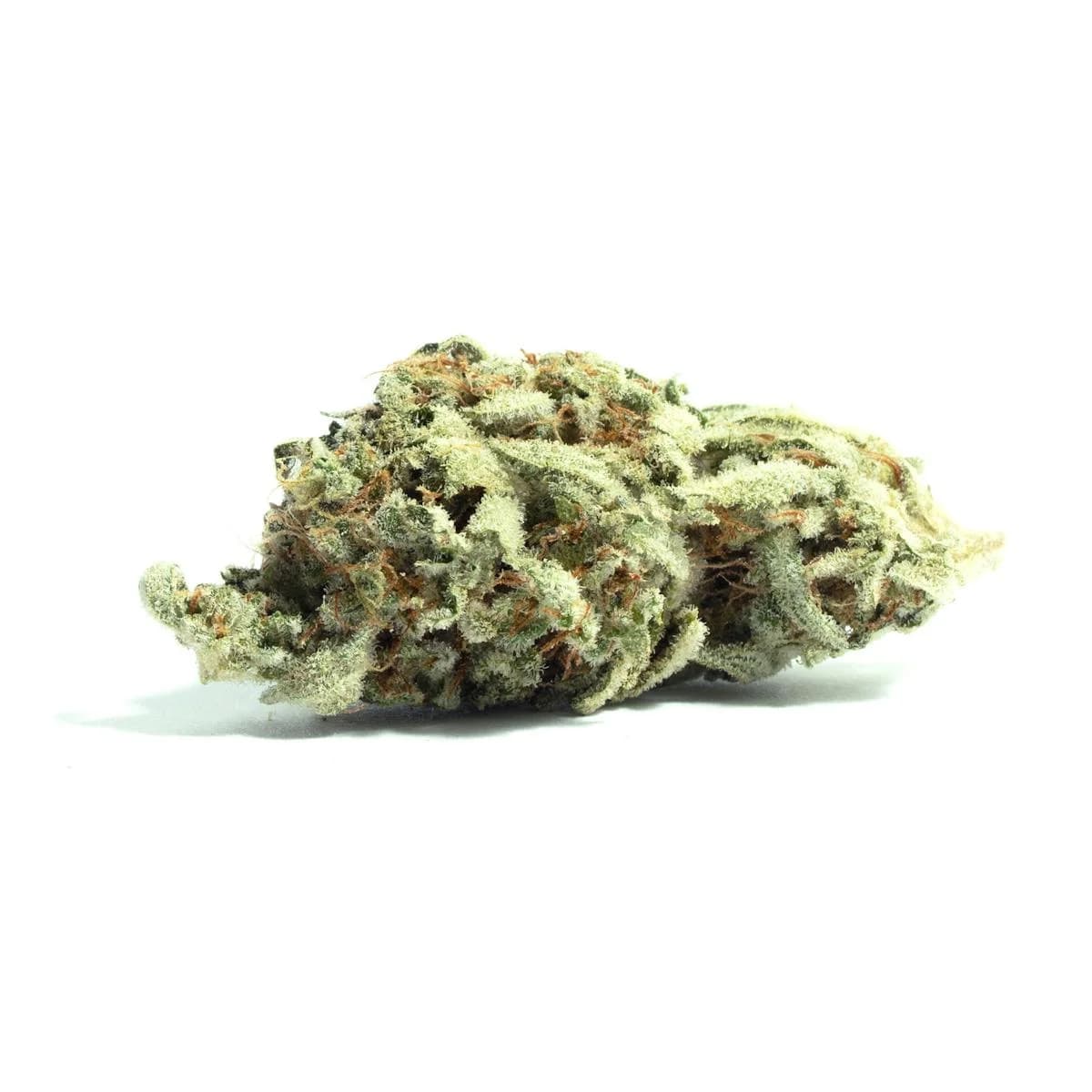
Durban Poison takes its regional identity from Durban in South Africa according to Leafly. The catalog classifies it as sativa without supplying a named two-parent cross. Its displayed pine, earthy and sage descriptors are reader impressions, while terpinolene leads the separate terpene list. A geographic origin is useful historical context but does not by itself authenticate every later selection carrying the name or establish a fixed concentration of any cannabinoid.
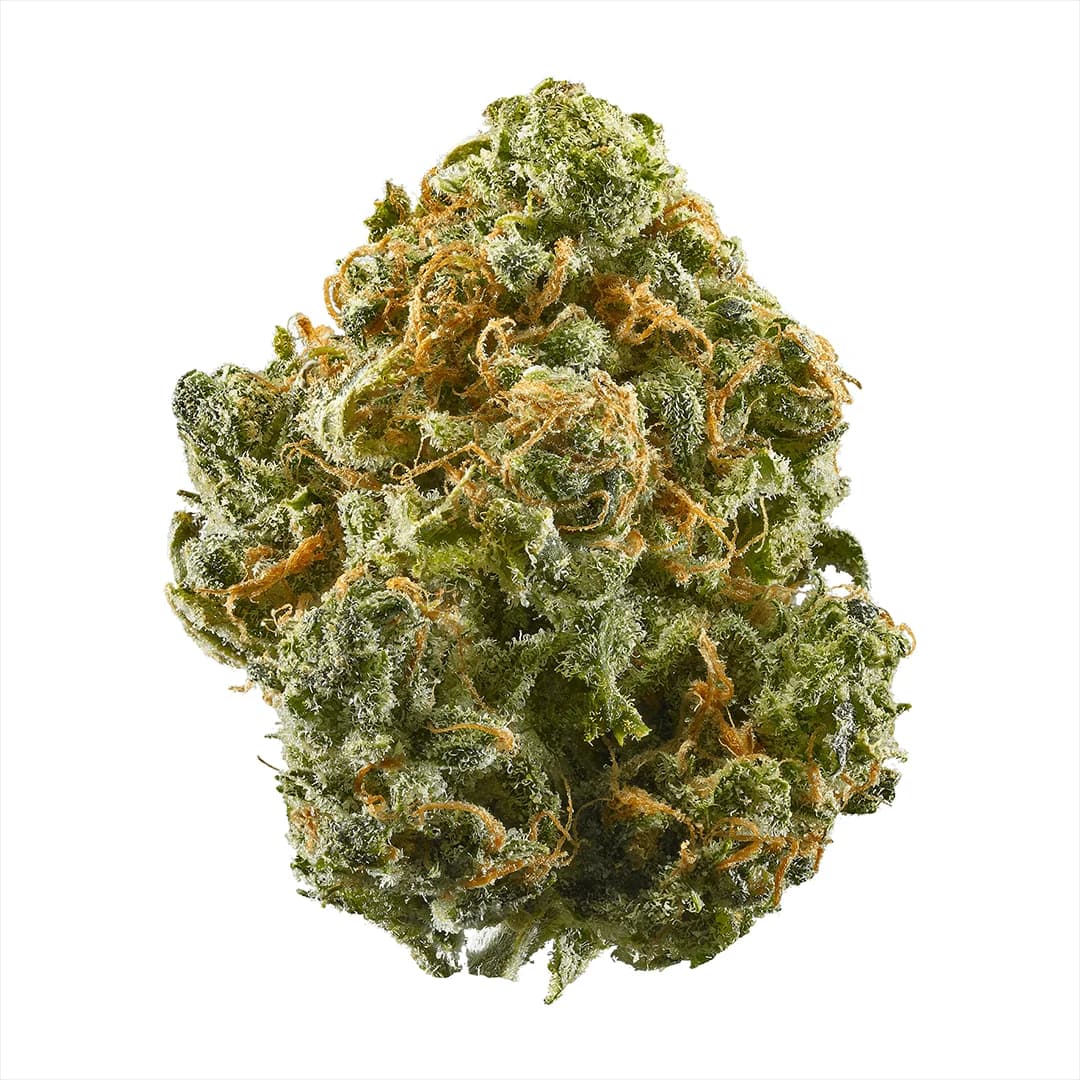
Alaskan Thunder Fuck is associated with Alaska's Matanuska Valley. Leafly presents an early Californian and Russian story as legend and then describes a reported Afghani contribution, so the profile keeps the historical layers distinct instead of turning the story into a settled pedigree. Menthol, pine and sage are reader-reported flavor descriptors; caryophyllene, limonene and myrcene are separate catalog terpene labels. Geographic association and a named background provide context but do not authenticate every later selection or establish a universal cannabinoid concentration.
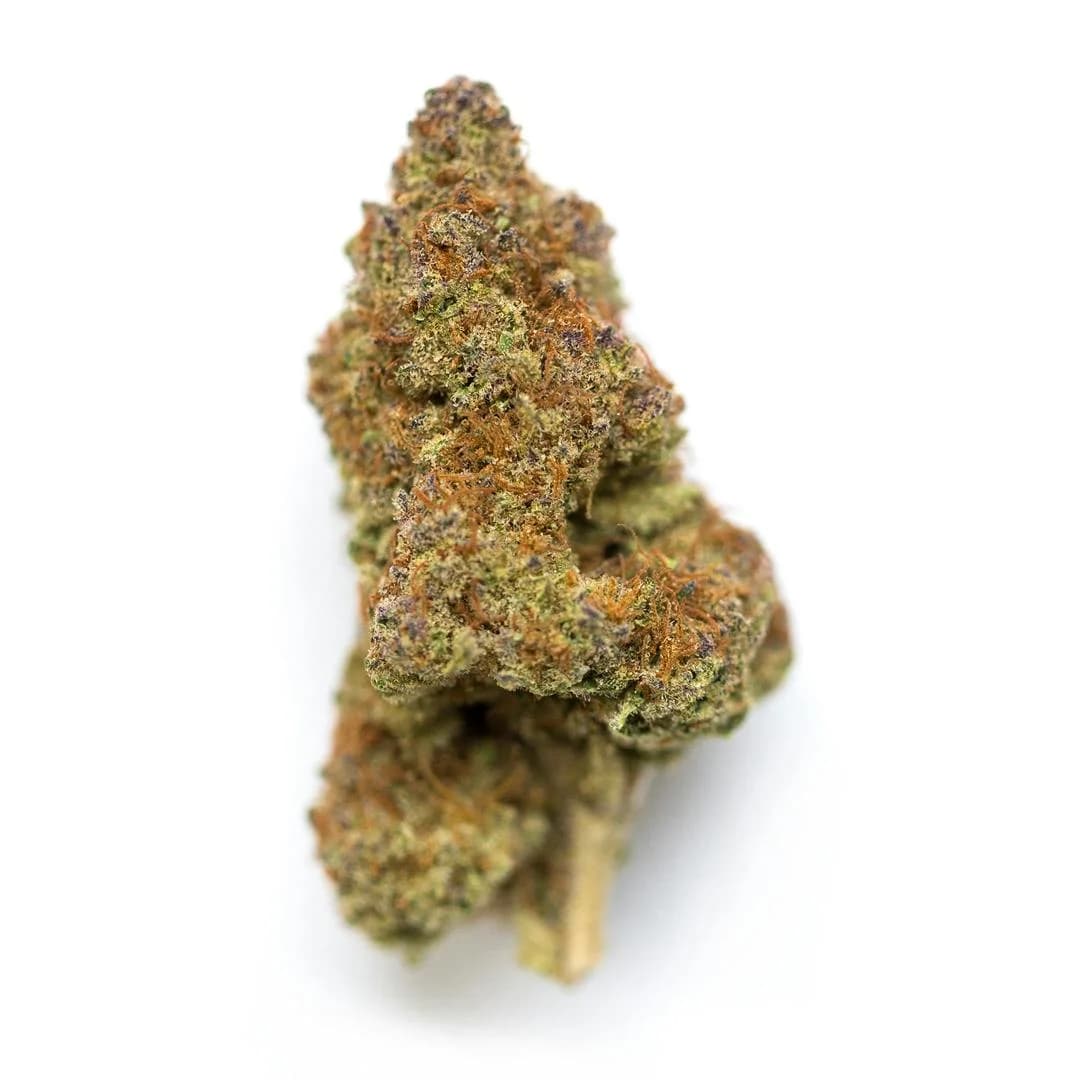
Ghost Train Haze is presented by Leafly as a sativa catalog entry. The source account says: The cited catalog page does not establish a complete, authenticated immediate-parent cross for this entry. This context is retained as an attributed account, not as genetic authentication of every sample carrying the name. Reader-reported flavor descriptors include Citrus, Lime, Sage. The catalog lists Limonene, Myrcene, Terpinolene as terpene labels. Those fields describe different evidence layers and do not establish a fixed chemical profile, medical effect or response for an individual sample.
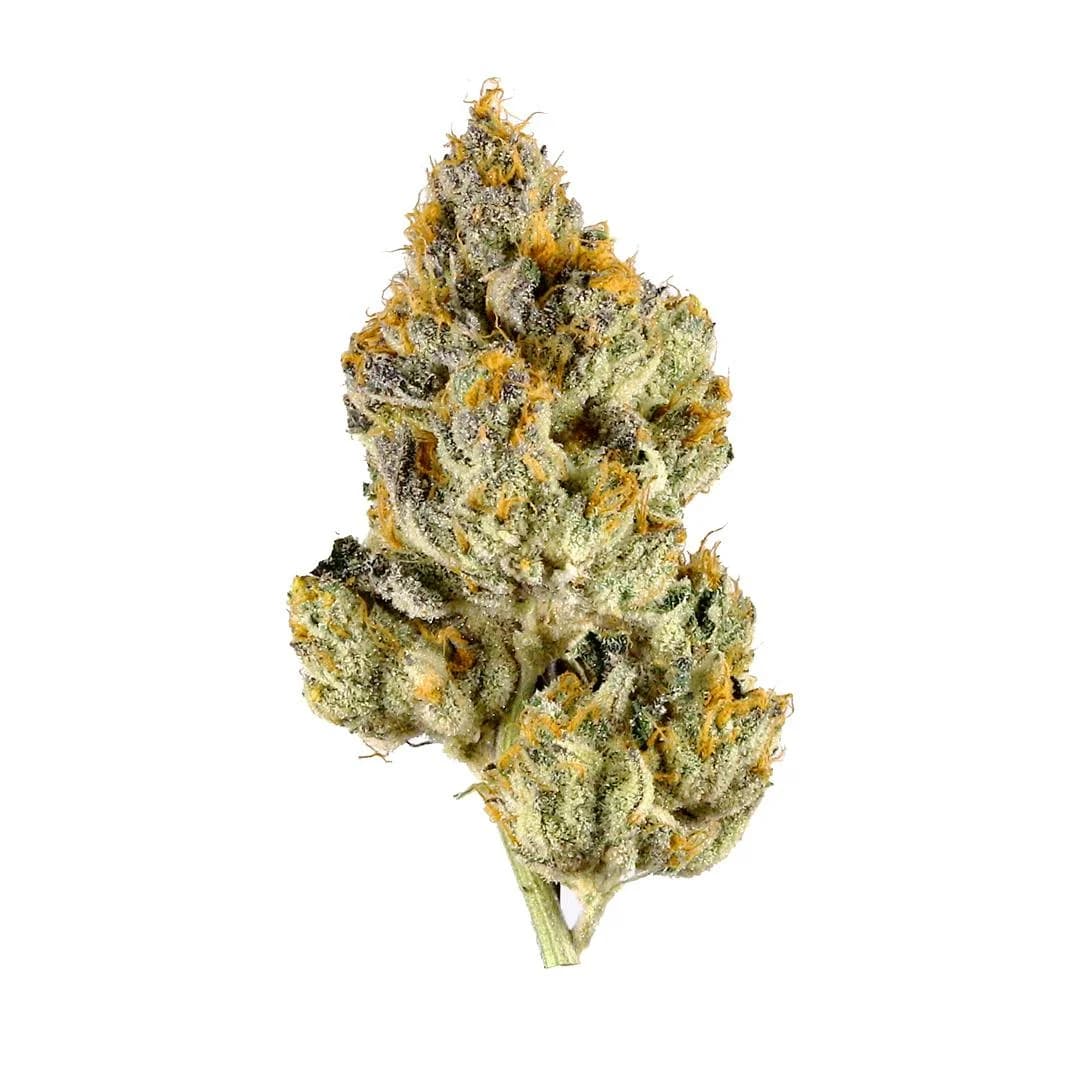
Red Congolese is presented by Leafly as a sativa catalog entry. The source account says: Leafly notes differing origin accounts. Afghani and Mexican roots are retained only as disputed ancestry for a California version, not as universal parentage. This context is retained as an attributed account, not as genetic authentication of every sample carrying the name. Reader-reported flavor descriptors include Chestnut, Sage, Spicy/Herbal. The catalog lists Caryophyllene, Myrcene, Pinene as terpene labels. Those fields describe different evidence layers and do not establish a fixed chemical profile, medical effect or response for an individual sample.
Secret Weapon is presented by Leafly as a hybrid catalog entry. The source account says: The cited catalog page does not establish a complete, authenticated immediate-parent cross for this entry. This context is retained as an attributed account, not as genetic authentication of every sample carrying the name. Reader-reported flavor descriptors include Ammonia, Blueberry, Sage. The catalog lists Caryophyllene, Humulene, Limonene as terpene labels. Those fields describe different evidence layers and do not establish a fixed chemical profile, medical effect or response for an individual sample.