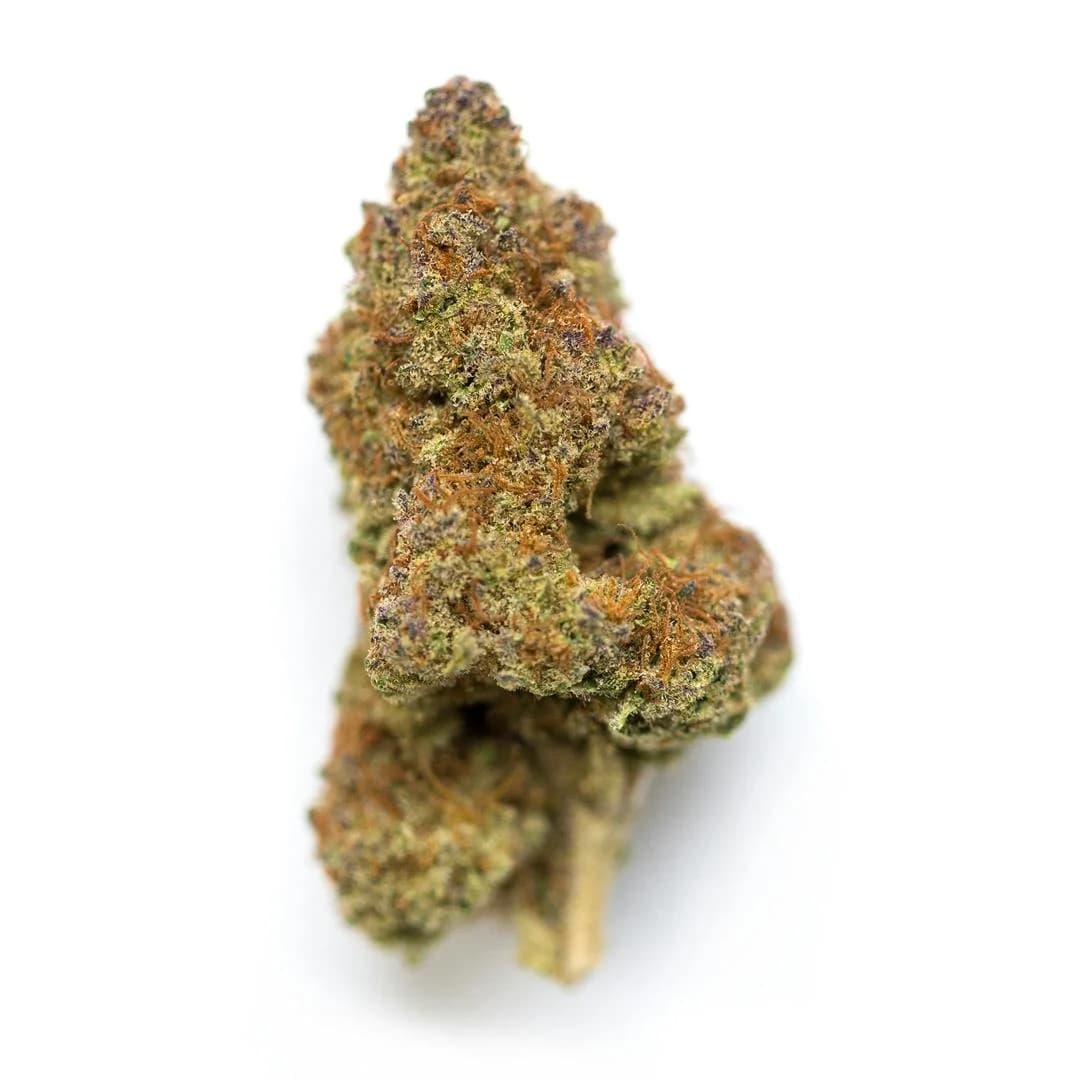
Ghost Train Haze
Ghost Train Haze is described by Leafly as a Rare Dankness line involving Ghost OG and Neville's Wreck. The family links are source-reported and are kept separate from reader experience descriptors.
Reported parentage · Explore family ↓Compare this strain ↗Effects & flavor notes.
Explore the words people use to describe Ghost Train Haze.
Reported effects
Subjective feelings described by readers.
Unwanted effects
No sourced reports yet.
These are subjective reports, not guaranteed effects or medical conclusions. The report total covers the whole profile; individual tag frequencies are unavailable.
How to read these reportsParents, origins & family
Reported parentage
The cited catalog page does not establish a complete, authenticated immediate-parent cross for this entry.
Reported parents
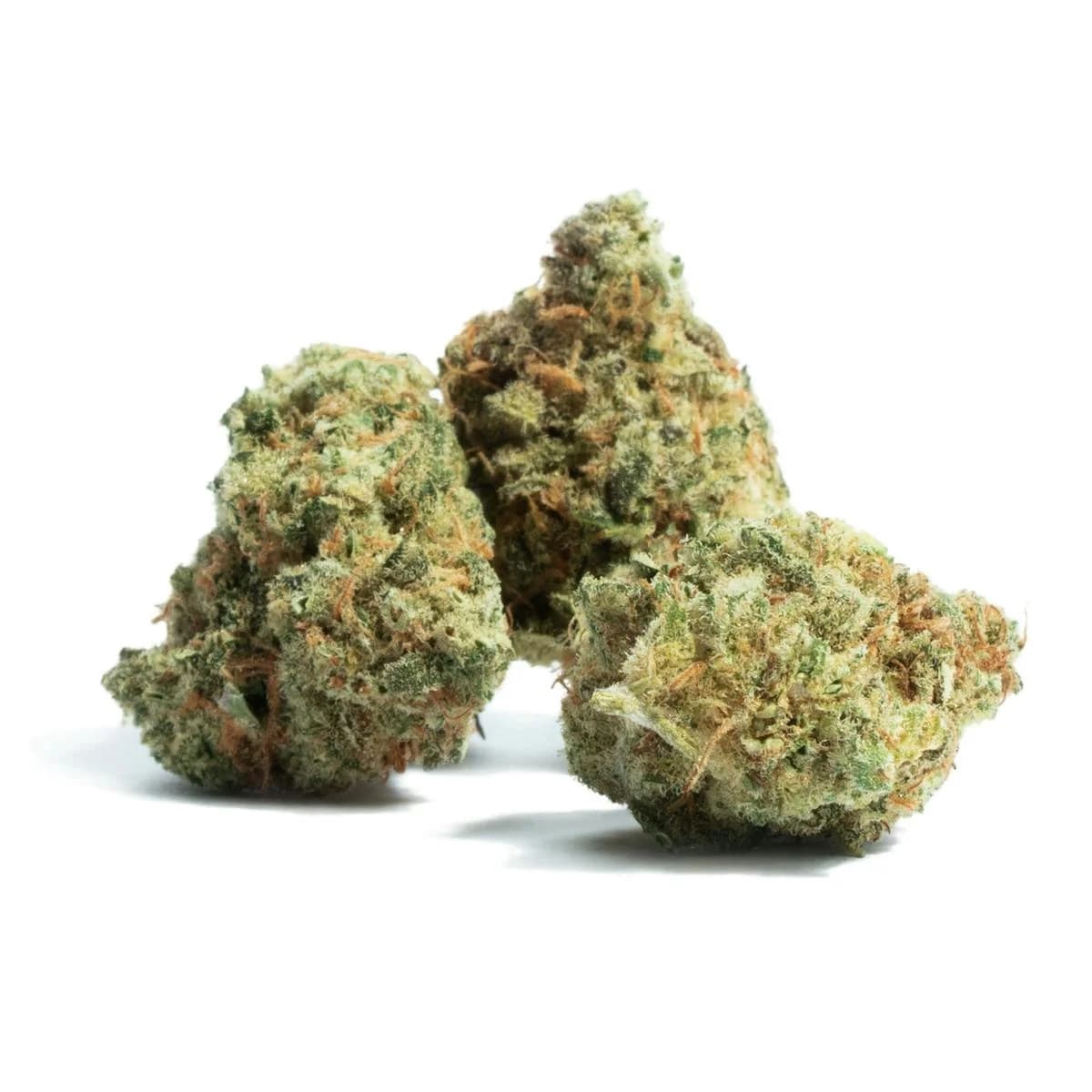 Ghost OGOpen strain profile
Source-reported relationship; retained as attributed catalog lineage rather than genetic authentication.
Leafly — Ghost Train Haze identity and lineage ↗Source-reported relationship; retained as attributed catalog lineage rather than genetic authentication.
Leafly — Ghost Train Haze identity and lineage ↗Children & later selections 0
No children linked in this catalog yet.
How to read these relationships
Parent links describe a reported cross. Ancestry components may be several generations back. A phenotype selection comes from a named line rather than a new two-parent cross. Disputed links retain the uncertainty of their source.
Names in this catalog open a strain profile. Other names open the reference describing the relationship. The family view shows the links currently documented here, not every known descendant.
Cannabinoid profile
Leafly catalog summary values, not laboratory results for a specific sample. A displayed 0% is a rounded source value, not proof of absence. Unlisted cannabinoids remain unknown.
Leafly source ↗ · Checked 2026-09-28Concentrations vary by sample. A cultivar name alone does not establish potency.
Terpenes & aroma
Catalog-listed terpenes. Dominance is shown only where the source states it; percentages are unavailable unless separately recorded.
Similar strains
Similarity uses catalog reference chemistry, reported attributes and lineage. Missing data is excluded; this is not an effects prediction.
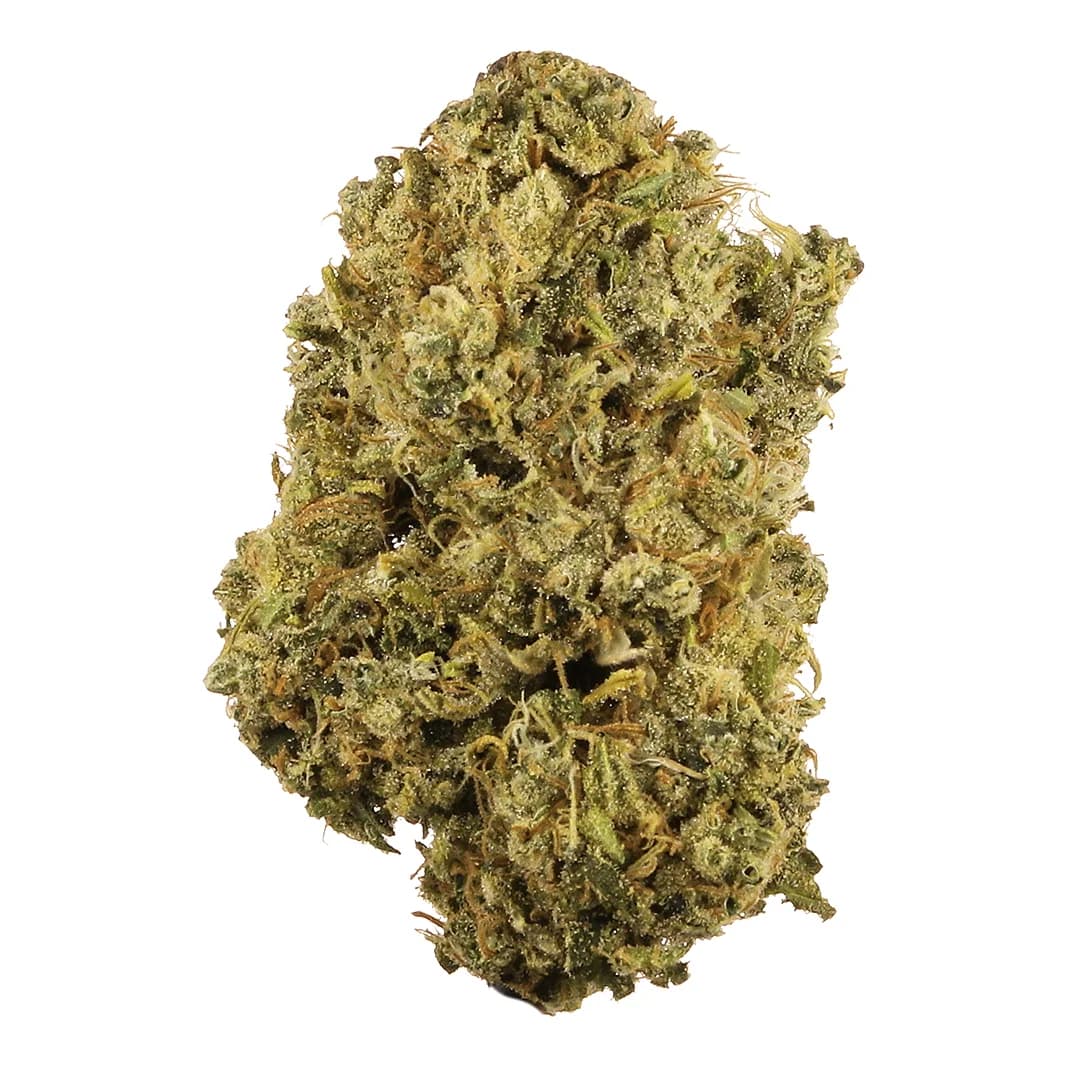
Durban Poison takes its regional identity from Durban in South Africa according to Leafly. The catalog classifies it as sativa without supplying a named two-parent cross. Its displayed pine, earthy and sage descriptors are reader impressions, while terpinolene leads the separate terpene list. A geographic origin is useful historical context but does not by itself authenticate every later selection carrying the name or establish a fixed concentration of any cannabinoid.
Regional origin ↗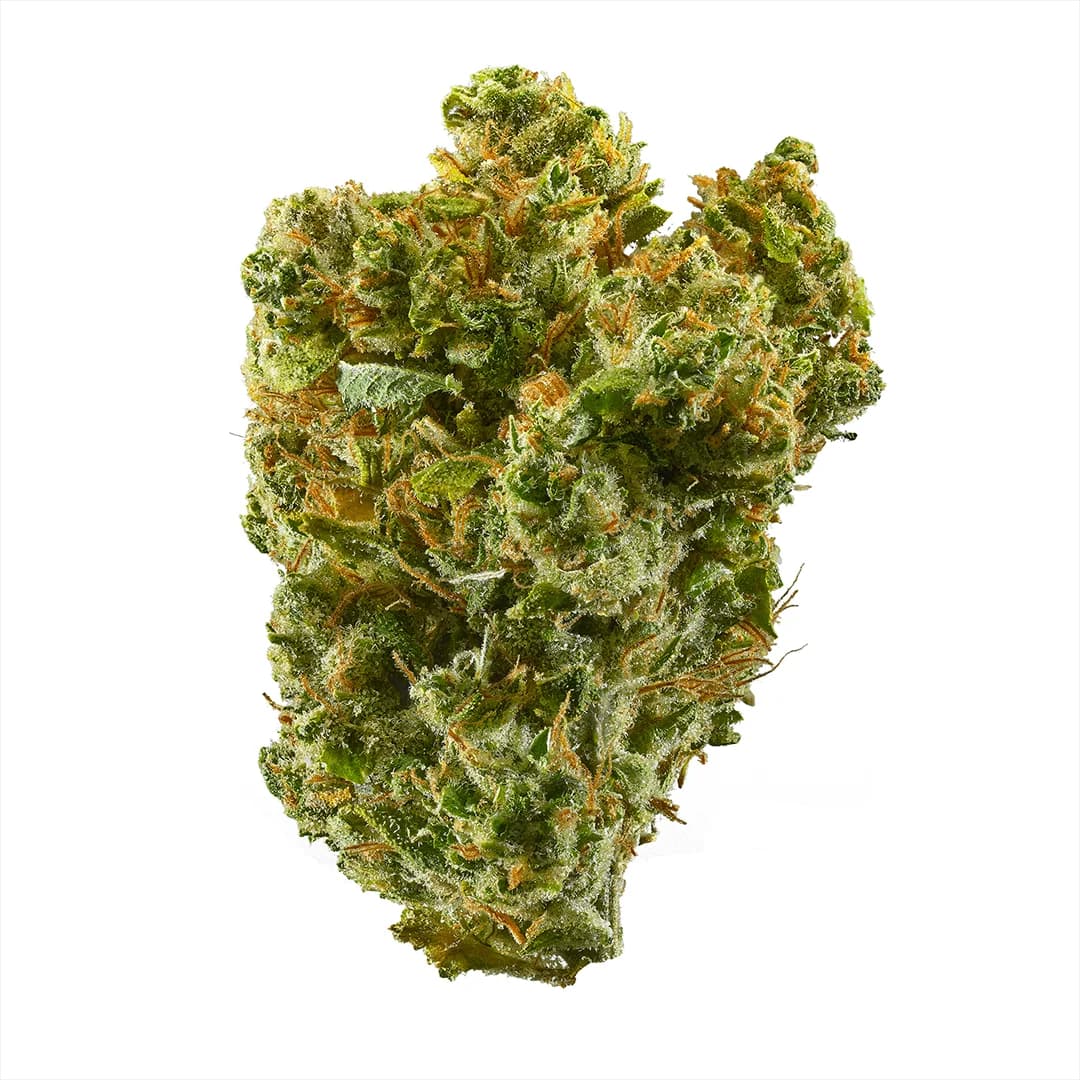
Super Silver Haze is attributed to Green House Seeds and a background involving Skunk, Northern Lights and Haze. The source supplies those ancestry names but does not establish the exact sequence of crosses.
Ancestry documented ↗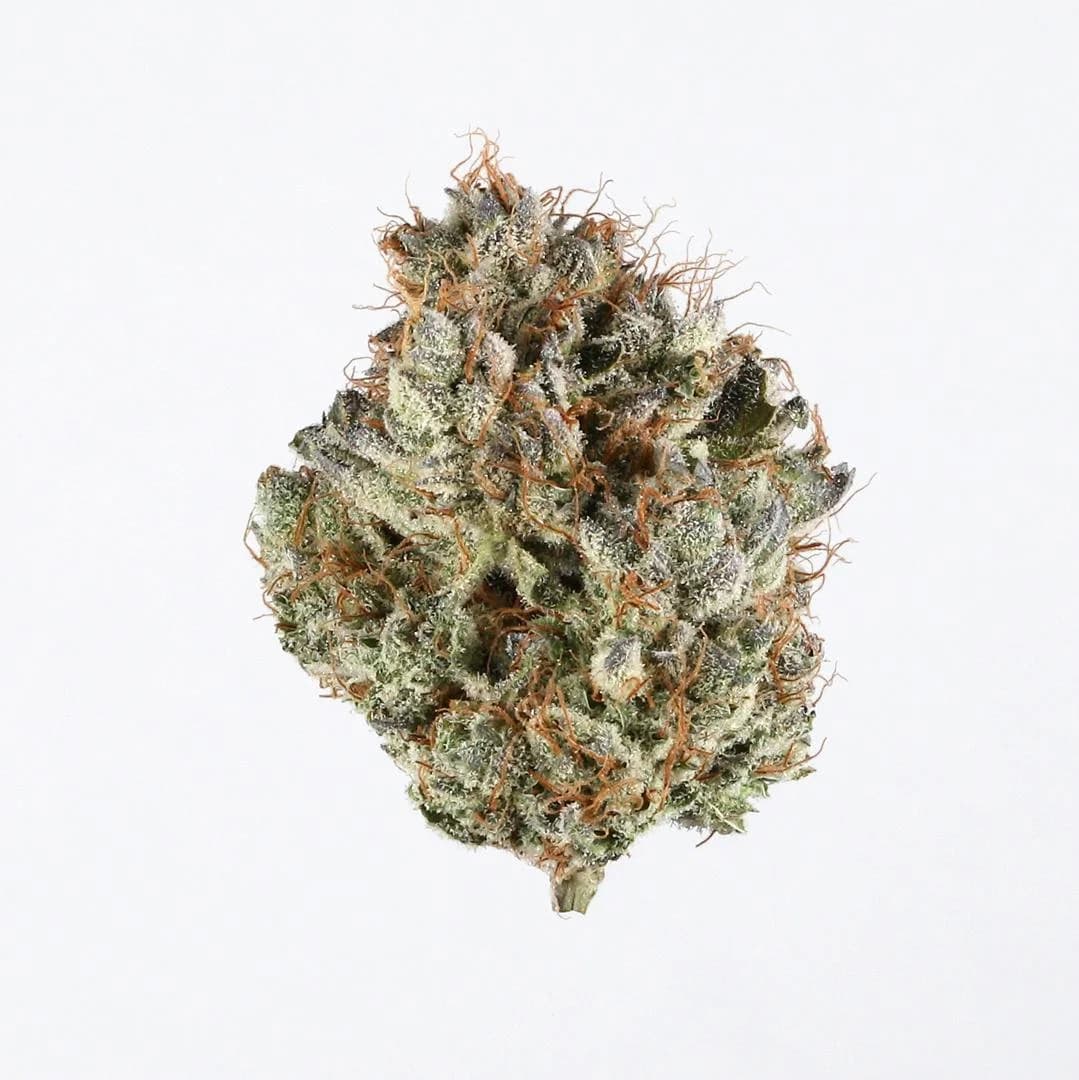
Cinderella 99, also called C99 or Cindy, is associated with Mr. Soul and Brothers Grimm. Leafly recounts a Jack Herer seed-origin story. This is recorded as ancestry rather than simplified into a direct two-parent cross, preserving the distinction between a founding story and a documented pedigree.
Ancestry documented ↗Compare with related strains
Choose another strain to compare →References & provenance
Editorial review pending. This public profile includes draft descriptions and attributed catalog information; source checks are not independent verification of every claim.
- Leafly — Ghost Train Haze identity and lineage
The cited catalog page does not establish a complete, authenticated immediate-parent cross for this entry.
Accessed 2026-09-28 - Leafly — ghost train haze catalog parameters
Leafly catalog summary values, not laboratory results for a specific sample. A displayed 0% is a rounded source value, not proof of absence. Unlisted cannabinoids remain unknown. Terpene names and documented order come from the catalog; concentrations are not supplied. Effects, flavors and negative effects are reader-reported tags. The report count covers the profile as a whole, not individual tags.
Accessed 2026-09-28
Updated 2026-10-06 · Our editorial standards