How to compare two strains
A useful comparison makes missing evidence visible instead of hiding it behind a single score.
Research draft · editorial review pending · Sources checked 2026-10-07
Compare like with like
Start with two source-linked profiles and check which fields are actually present in both. A shared name or category is not enough to establish equivalence.
Use similarity as a map
The Atlas comparison uses documented chemistry, reported attributes, flavors and lineage when available. Missing fields are excluded rather than treated as zero.
Open the source trail
After a comparison, inspect the individual profile pages and their references. This lets you distinguish a source-reported value from a catalog label or an unverified relationship.
Keep the conclusion modest
A high similarity score means the documented records overlap. It does not predict potency, safety or an individual experience.
Profiles that make this topic concrete
Open a few source-linked profiles that illustrate this topic using only the fields documented in the catalog.
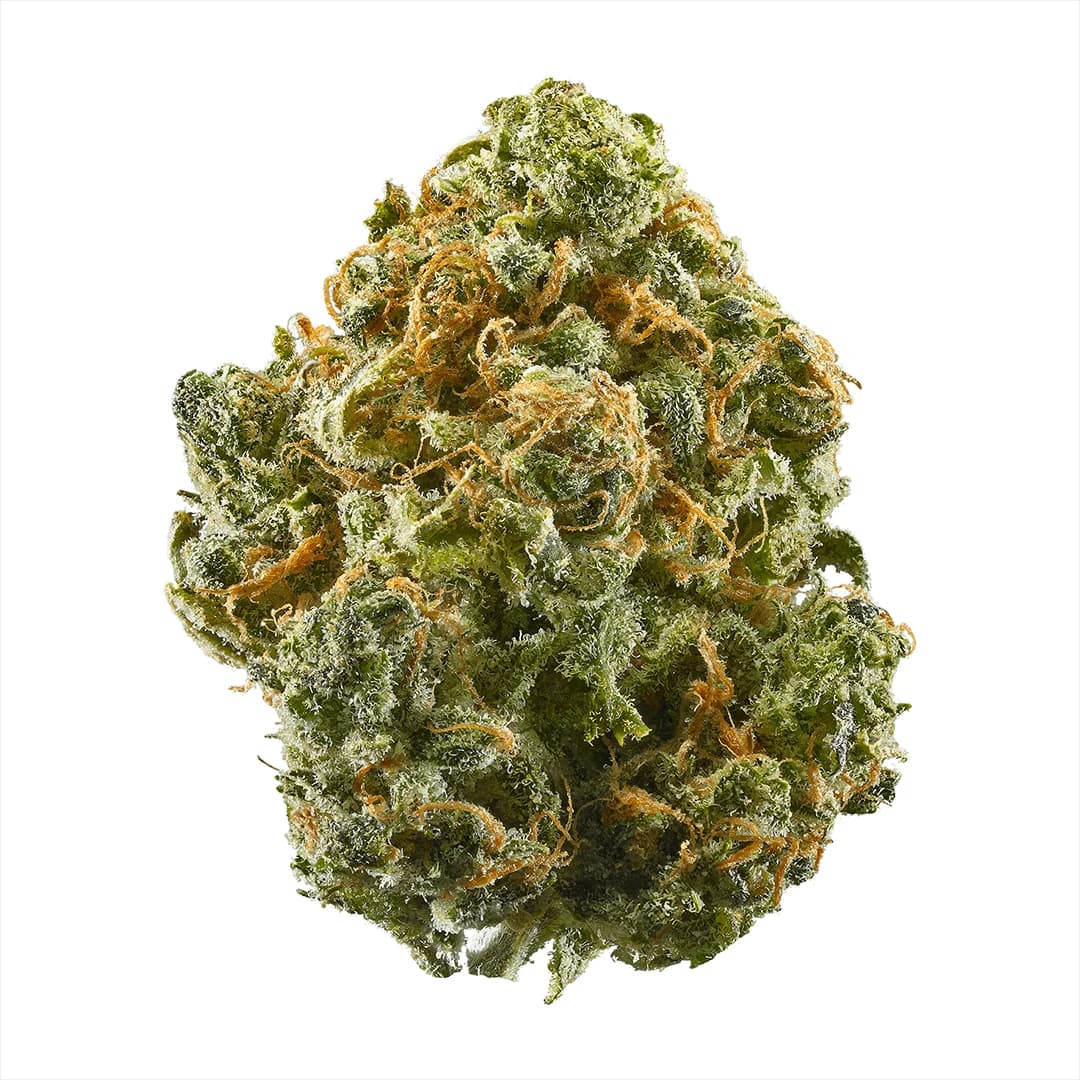
Blue Dream is a California-associated hybrid whose reported family joins Blueberry and Haze. Leafly lists berry and sweet flavor descriptors and a myrcene-led terpene profile. Those two kinds of information serve different purposes: flavor tags describe reader impressions, while the terpene list summarizes the source's chemistry data. Neither identifies a particular sample. This entry retains the reported cross without treating it as genetically authenticated parentage.
Dominant terpeneMyrceneReported parentage ↗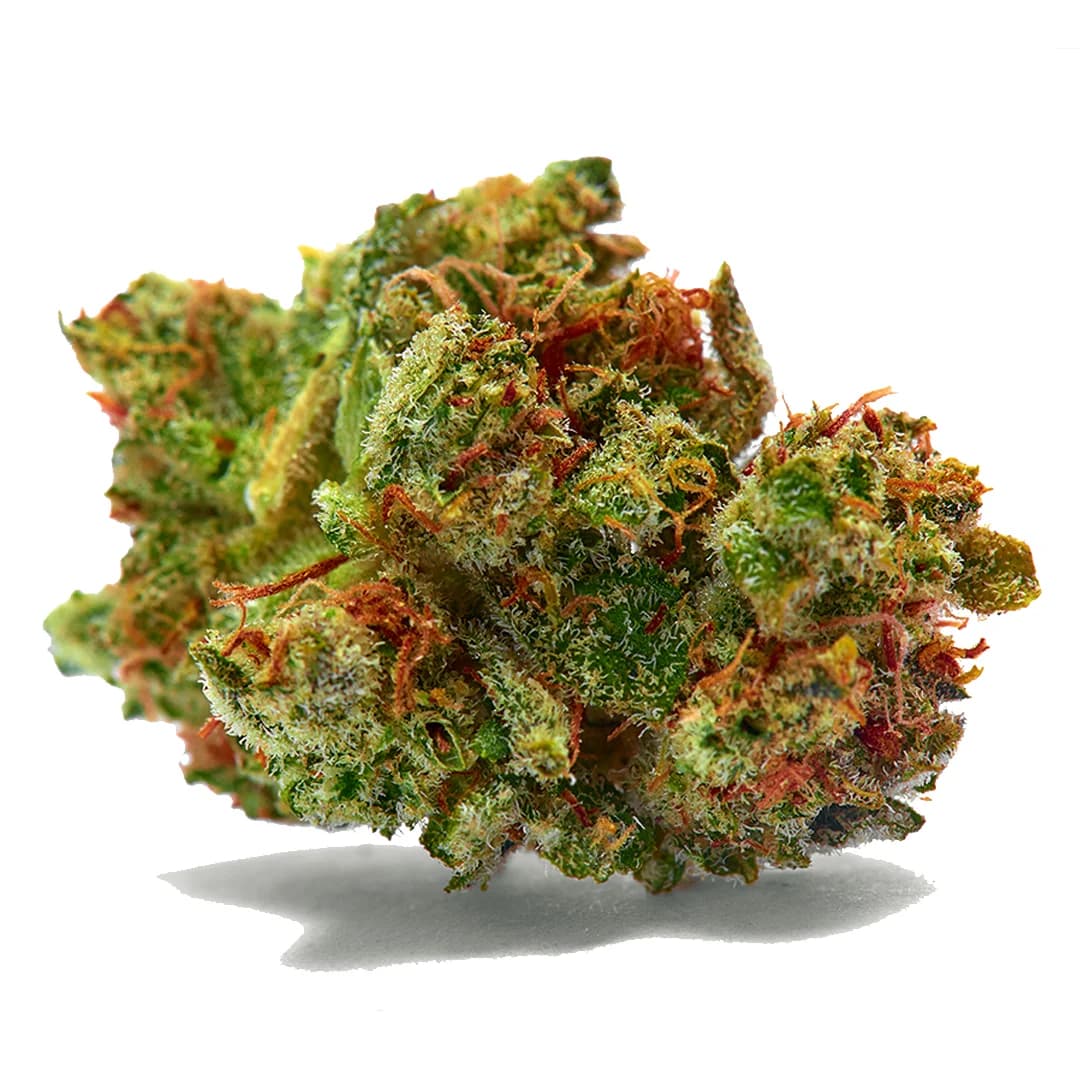
Sour Diesel, also called Sour D, is a catalog name associated with fuel-like aroma descriptions. Leafly currently labels the entry hybrid and reports Chemdawg and Super Skunk as parents. Its listed reader tags include diesel, chemical and skunk; these describe impressions rather than measured ingredients. The same source also uses sativa language in its review summary, so category wording should be read cautiously rather than used to settle ancestry or predict an individual's response.
Dominant terpeneCaryophylleneReported parentage ↗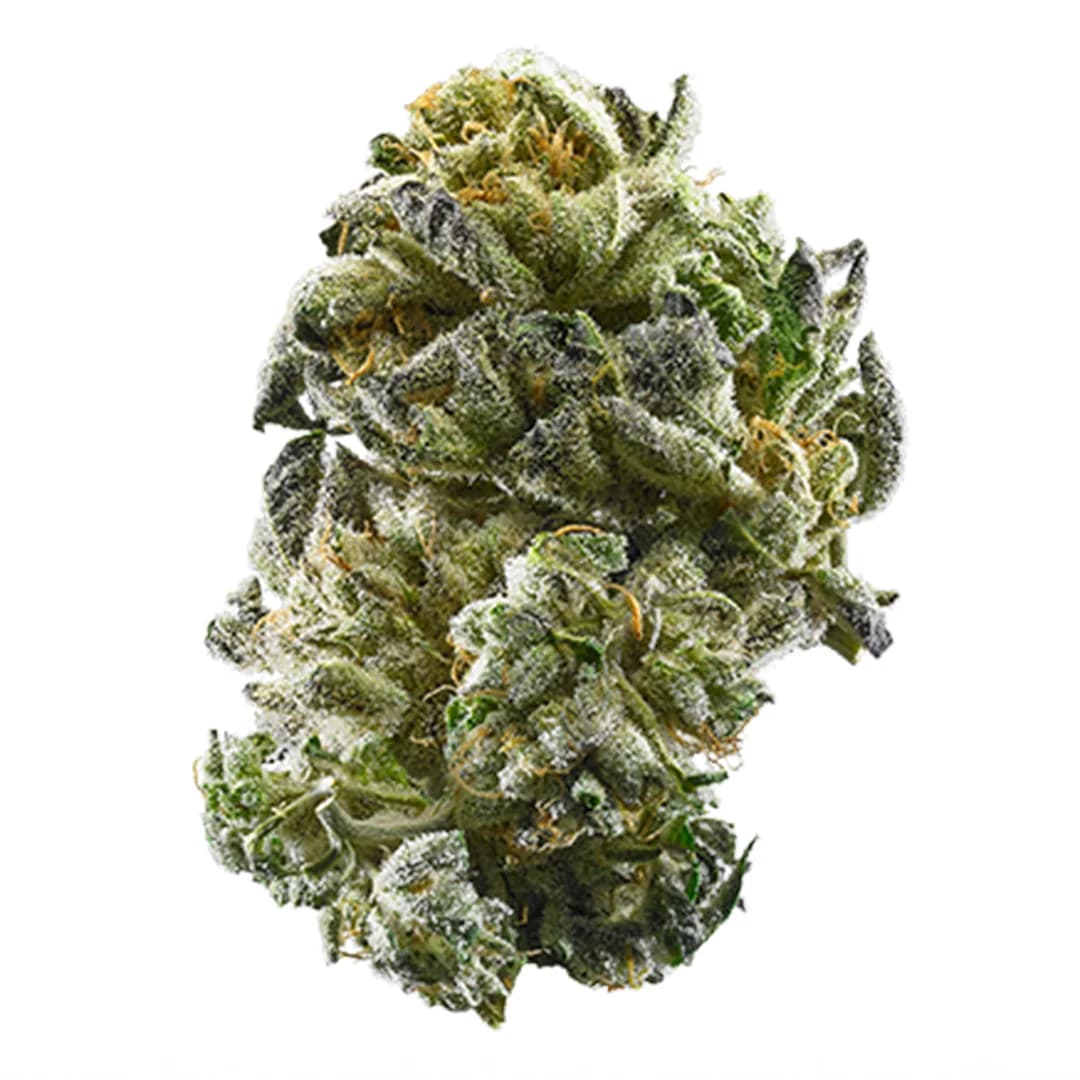
GSC is the catalog entry also known as Girl Scout Cookies. Leafly attributes it to Jigga and describes an OG Kush subtype crossed with F1 Durban. That intermediate parent name matters: it should not automatically be replaced with Durban Poison. Thin Mint and Platinum GSC are discussed as related variations rather than interchangeable specimens. Mint, sweet and earthy reader tags help describe the catalog profile but do not authenticate its genetics.
Dominant terpeneCaryophylleneReported parentage ↗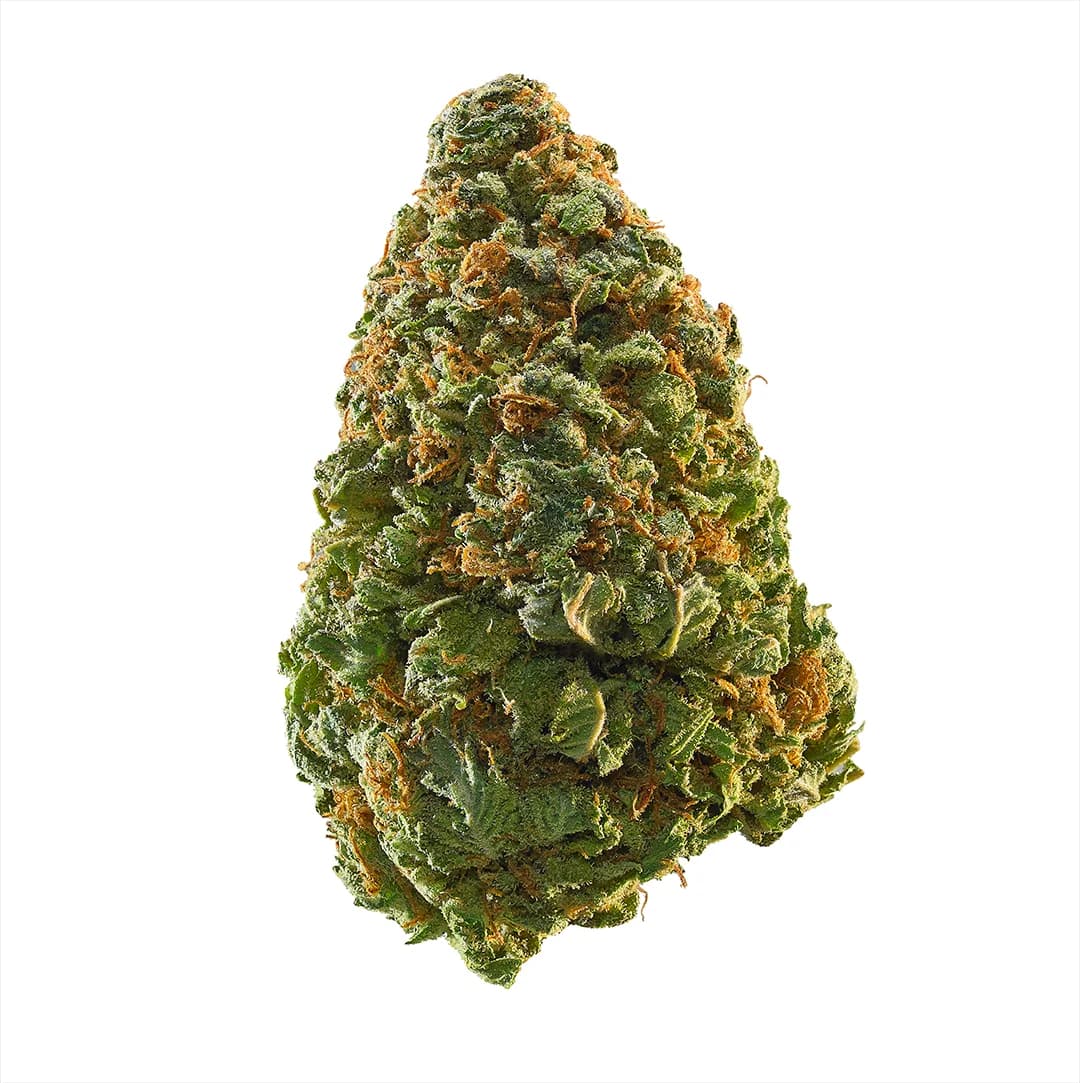
Green Crack is listed by Leafly with names including Green Crush and Mango Crack. Its proposed background pairs Skunk #1 with an unidentified indica, leaving part of the pedigree unresolved. Citrus, mango and earthy are reader flavor descriptors on the source page. The dramatic name is a naming convention, not an ingredient statement, and the unknown parent should stay unknown rather than be replaced with a familiar strain to complete the tree.
Dominant terpeneMyrceneReported parentage ↗Explore this topic
Explore profiles
Put the guide into practice with source-linked strain profiles and comparisons.
Educational information. This guide does not provide medical advice or instructions for purchasing, growing or using cannabis.