How to read a strain profile
A strain name is a useful starting point. It is not a laboratory report.
Research draft · editorial review pending · Sources checked 2026-09-23
Start with identity
Names, aliases and breeder attributions help organize records, but similar names can refer to different material. Look for provenance rather than assuming a name is unique.
Separate a sample from a category
A measured concentration describes the tested material. A catalog range should identify its sources and cannot guarantee the composition of another sample. Unknown is more informative than an invented number.
Treat reports as reports
Reported effects are subjective descriptions. Sample size, collection method and bias matter. They are not clinical evidence or a recommendation.
Read the measurement label
The Atlas separates catalog reference values from recorded sample ranges. A source may round a small amount to 0%; an absent value is shown as not reported. Neither should be silently turned into a measured absence. Check the source date alongside the number: updating a description does not mean the chemistry was retested.
What a large dataset can tell us
Smith and colleagues analyzed commercial cannabis chemistry and found that common commercial labels did not consistently align with chemical diversity. Some names were more chemically consistent than others. This supports comparing documented profiles rather than relying on a category alone. Their study does not certify the sample behind a particular catalog page or predict a reader's experience.
Research & scope
- Smith et al. (2022) — The phytochemical diversity of commercial Cannabis in the United States ↗
Research on commercial sample chemistry and the limitations of product labels; not clinical evidence or authentication of an individual strain.
Profiles that make this topic concrete
Open a few source-linked profiles that illustrate this topic using only the fields documented in the catalog.
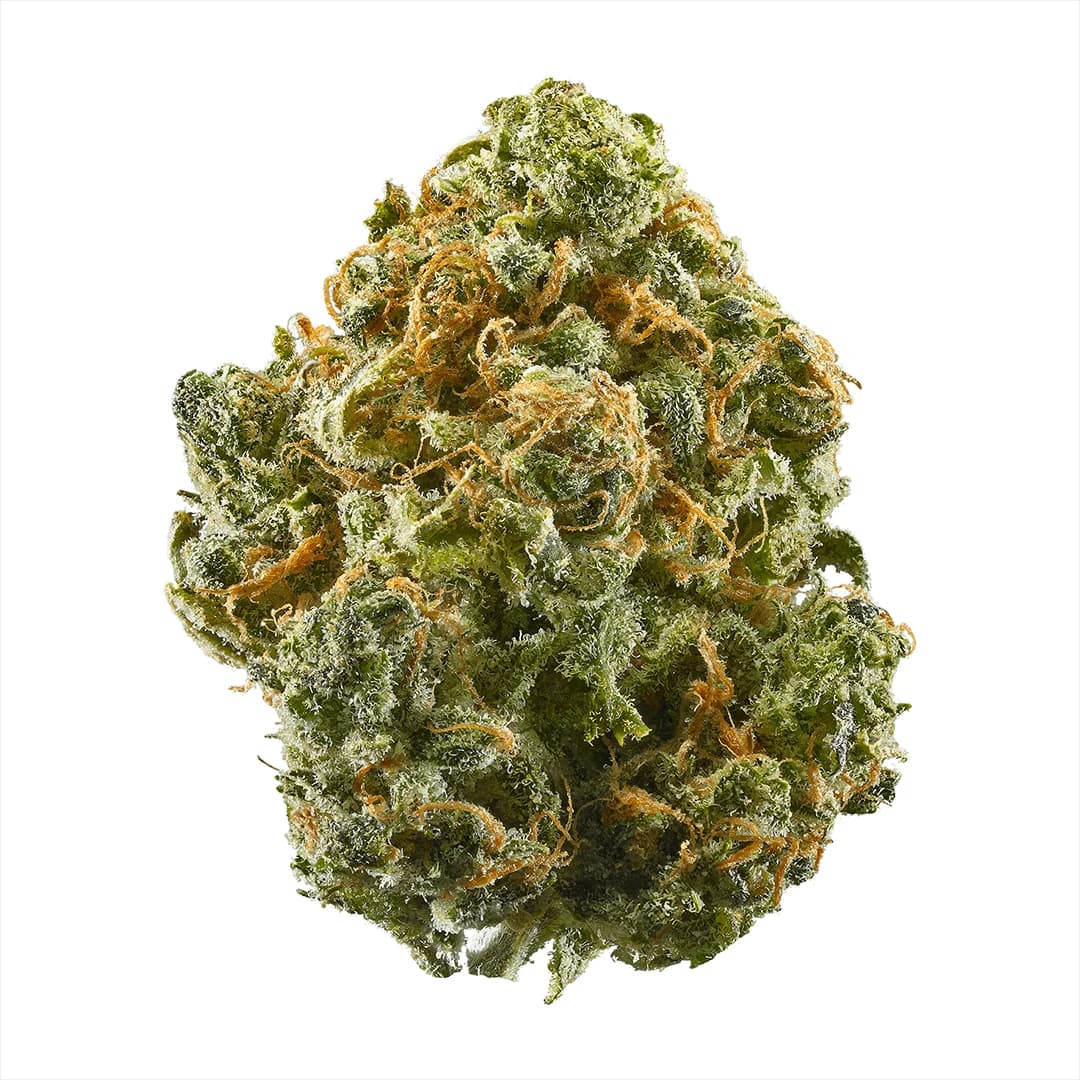
Blue Dream is a California-associated hybrid whose reported family joins Blueberry and Haze. Leafly lists berry and sweet flavor descriptors and a myrcene-led terpene profile. Those two kinds of information serve different purposes: flavor tags describe reader impressions, while the terpene list summarizes the source's chemistry data. Neither identifies a particular sample. This entry retains the reported cross without treating it as genetically authenticated parentage.
Dominant terpeneMyrceneReported parentage ↗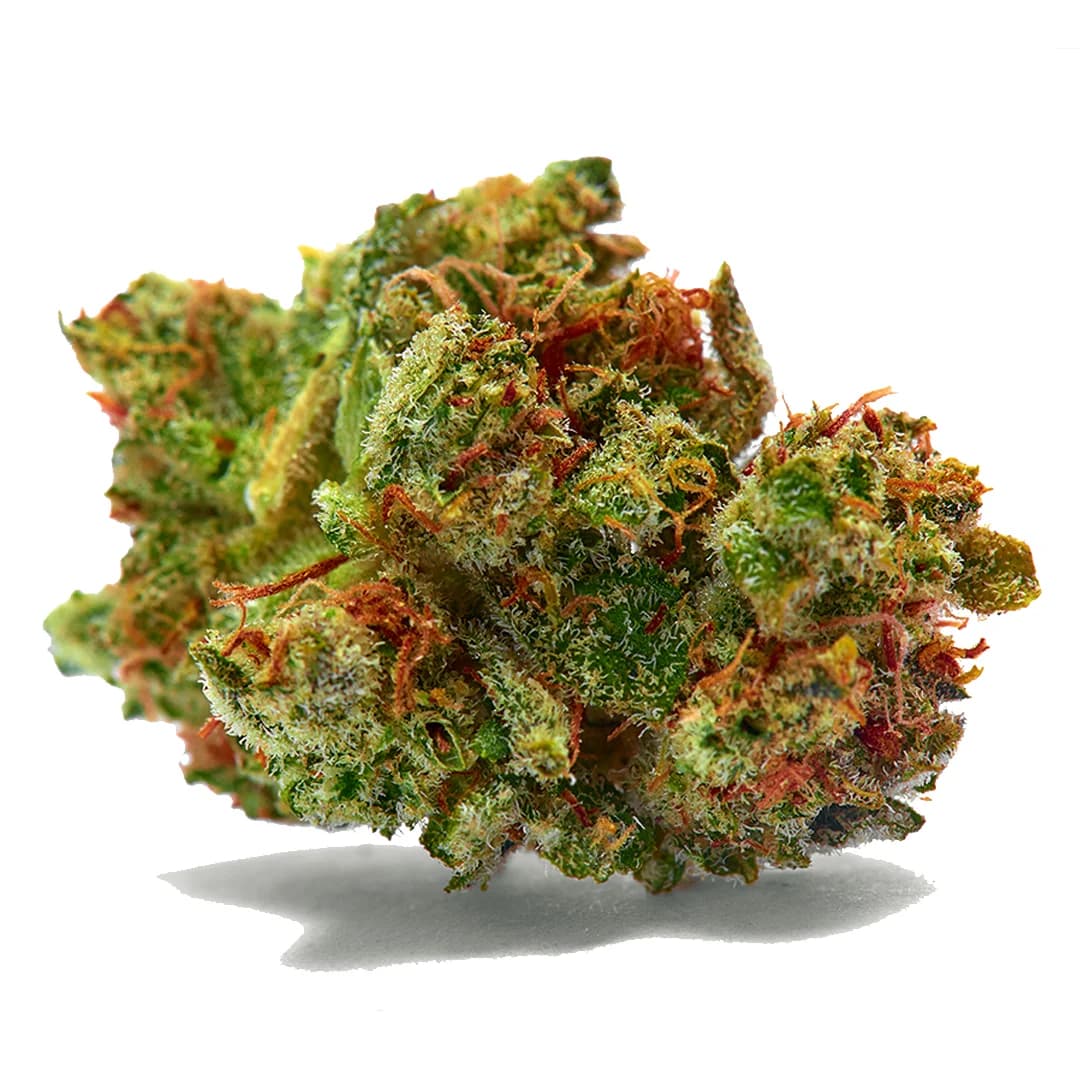
Sour Diesel, also called Sour D, is a catalog name associated with fuel-like aroma descriptions. Leafly currently labels the entry hybrid and reports Chemdawg and Super Skunk as parents. Its listed reader tags include diesel, chemical and skunk; these describe impressions rather than measured ingredients. The same source also uses sativa language in its review summary, so category wording should be read cautiously rather than used to settle ancestry or predict an individual's response.
Dominant terpeneCaryophylleneReported parentage ↗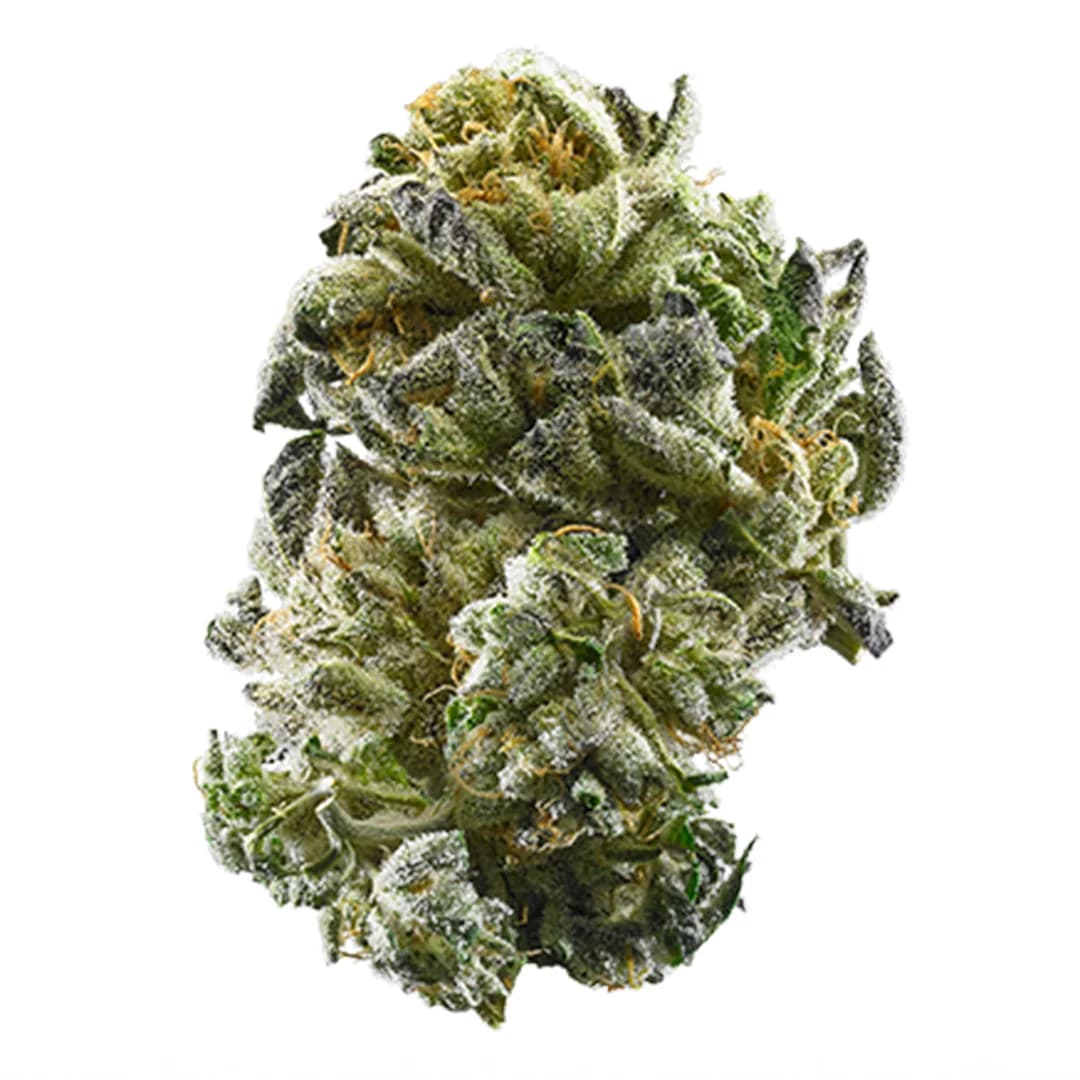
GSC is the catalog entry also known as Girl Scout Cookies. Leafly attributes it to Jigga and describes an OG Kush subtype crossed with F1 Durban. That intermediate parent name matters: it should not automatically be replaced with Durban Poison. Thin Mint and Platinum GSC are discussed as related variations rather than interchangeable specimens. Mint, sweet and earthy reader tags help describe the catalog profile but do not authenticate its genetics.
Dominant terpeneCaryophylleneReported parentage ↗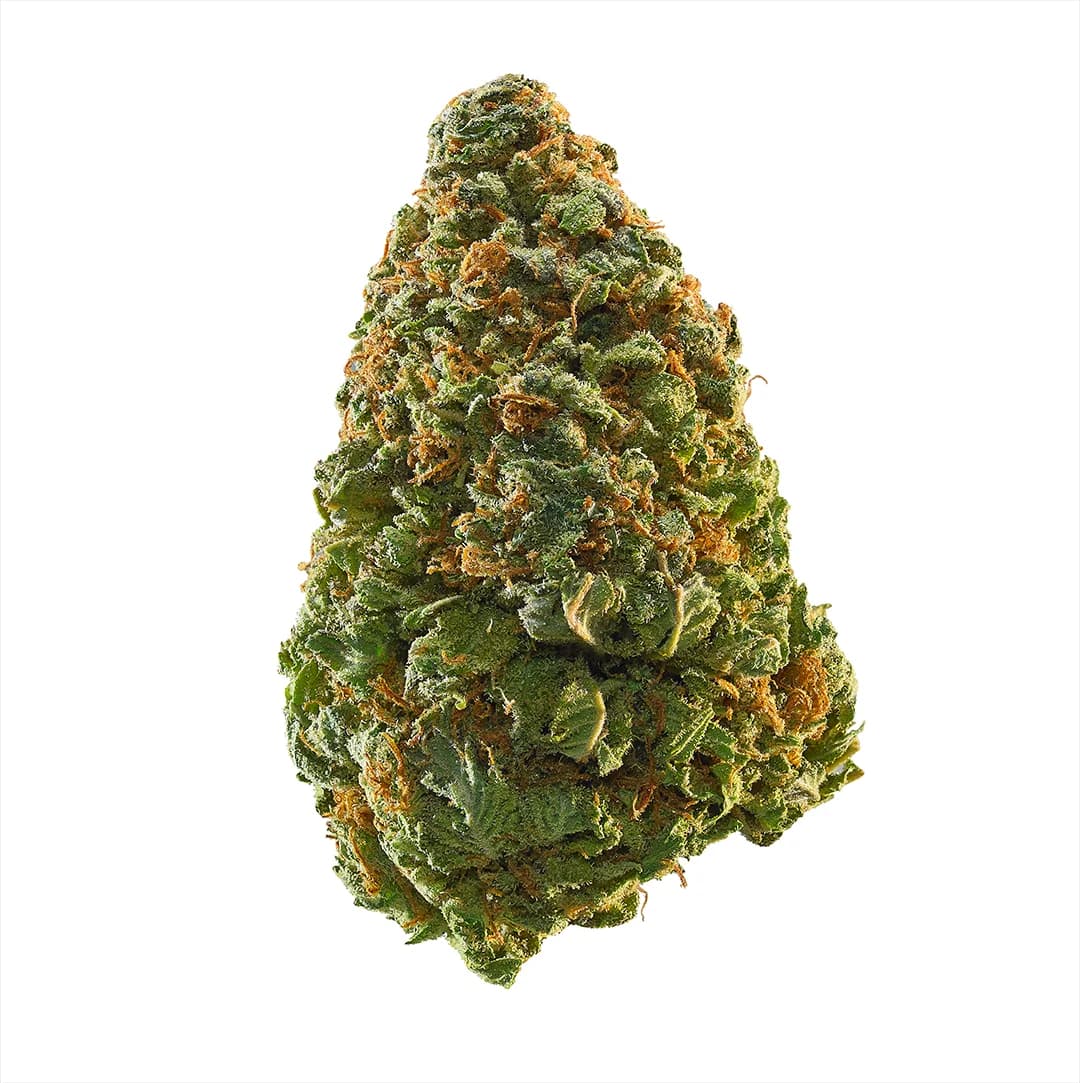
Green Crack is listed by Leafly with names including Green Crush and Mango Crack. Its proposed background pairs Skunk #1 with an unidentified indica, leaving part of the pedigree unresolved. Citrus, mango and earthy are reader flavor descriptors on the source page. The dramatic name is a naming convention, not an ingredient statement, and the unknown parent should stay unknown rather than be replaced with a familiar strain to complete the tree.
Dominant terpeneMyrceneReported parentage ↗Explore this topic
Explore profiles
Put the guide into practice with source-linked strain profiles and comparisons.
Educational information. This guide does not provide medical advice or instructions for purchasing, growing or using cannabis.