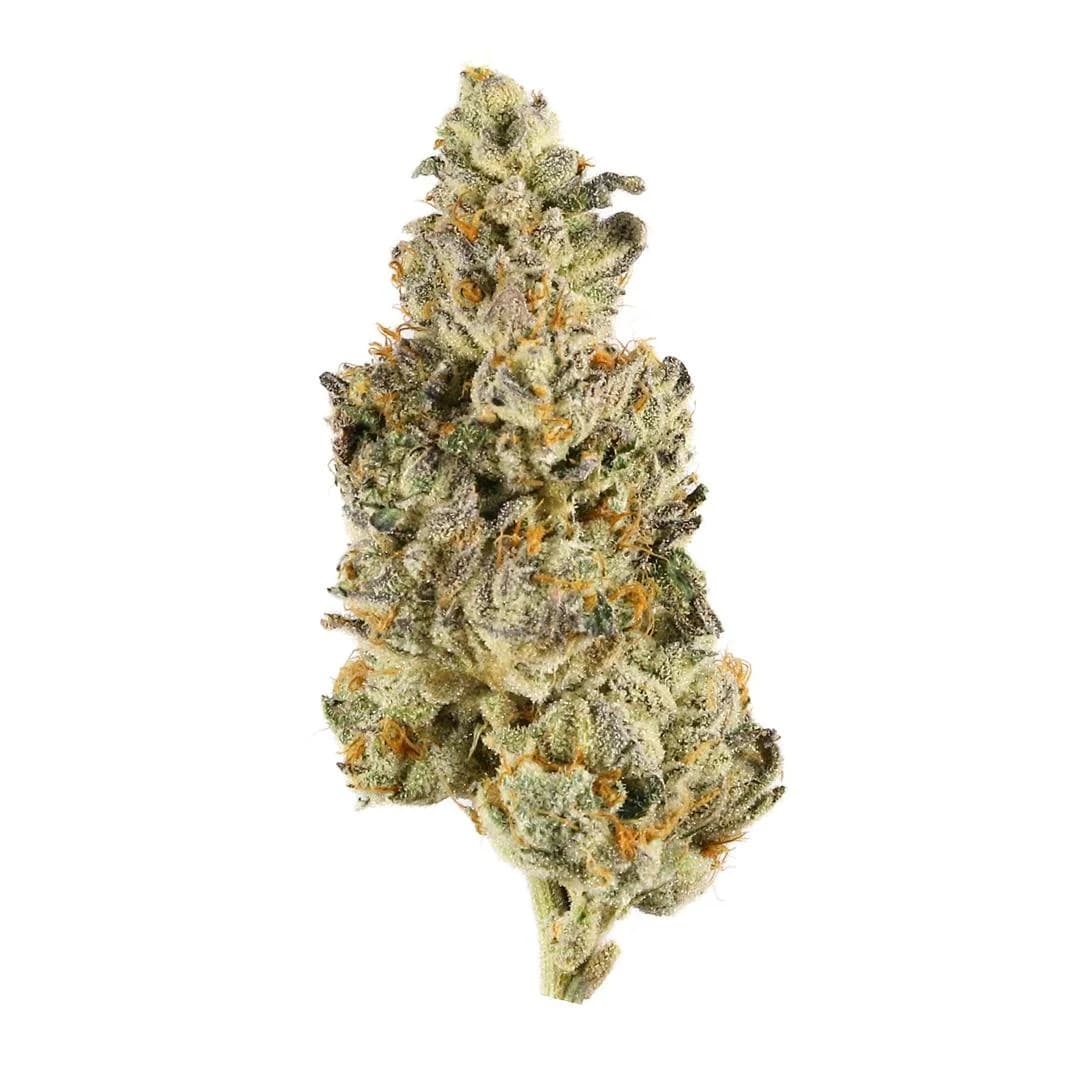
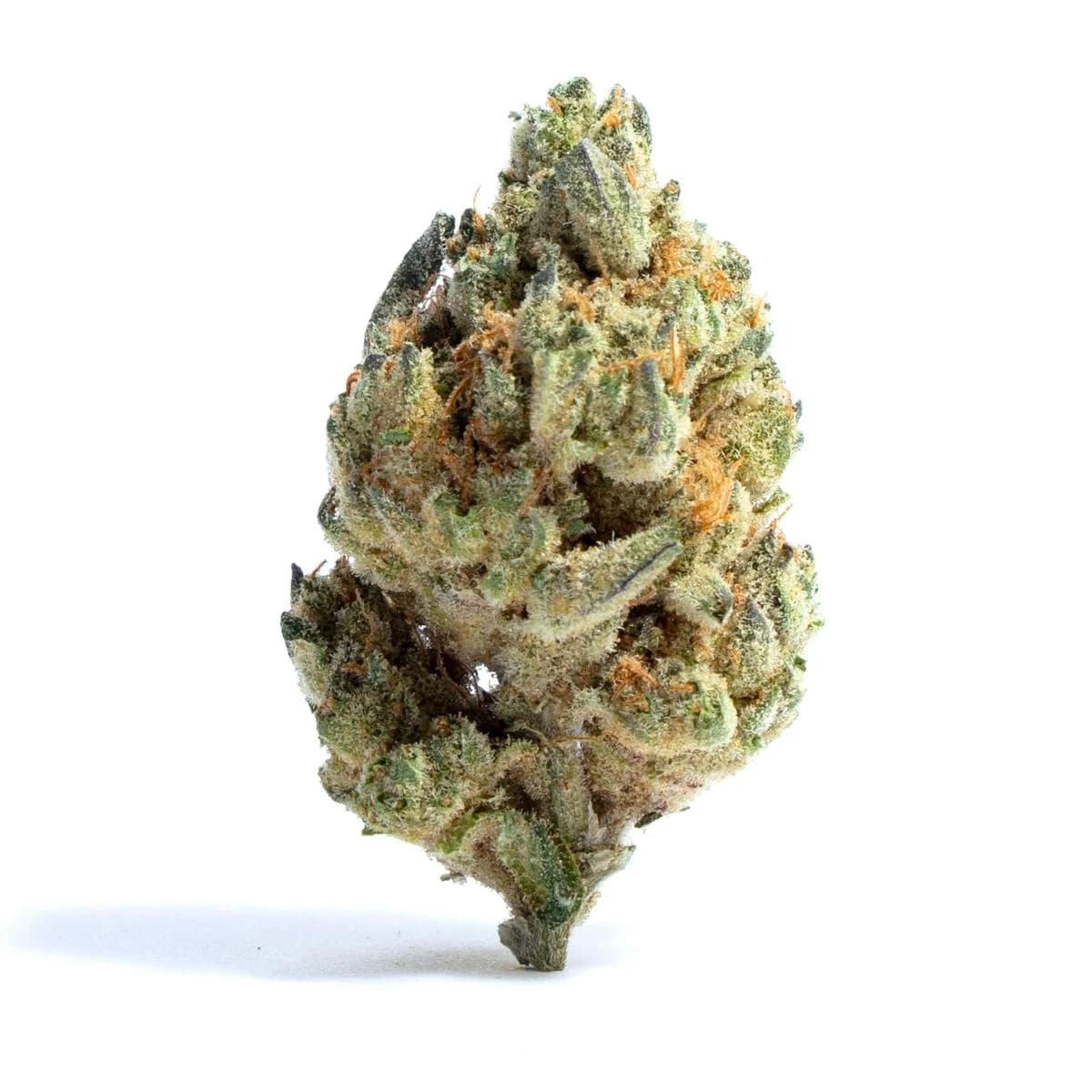
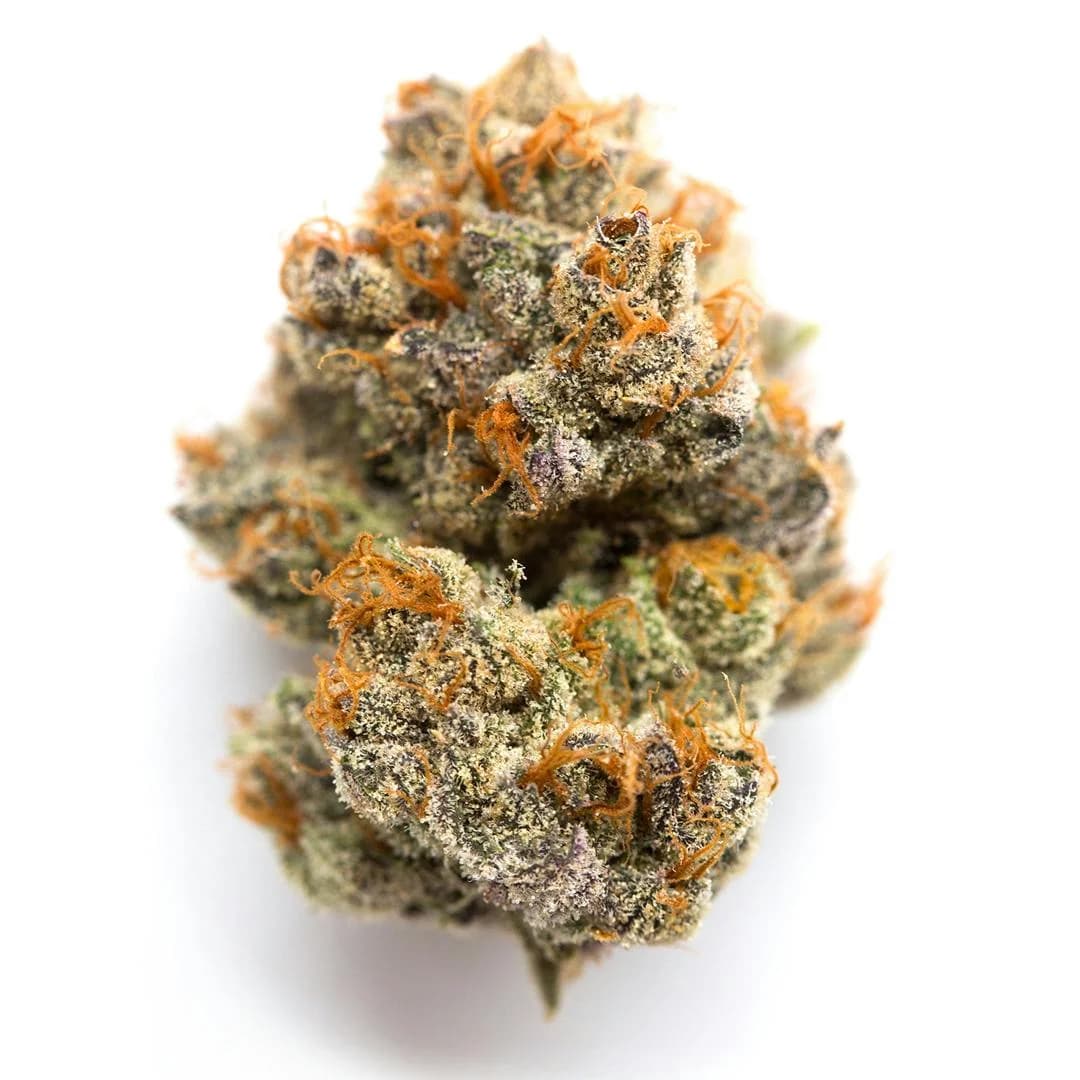
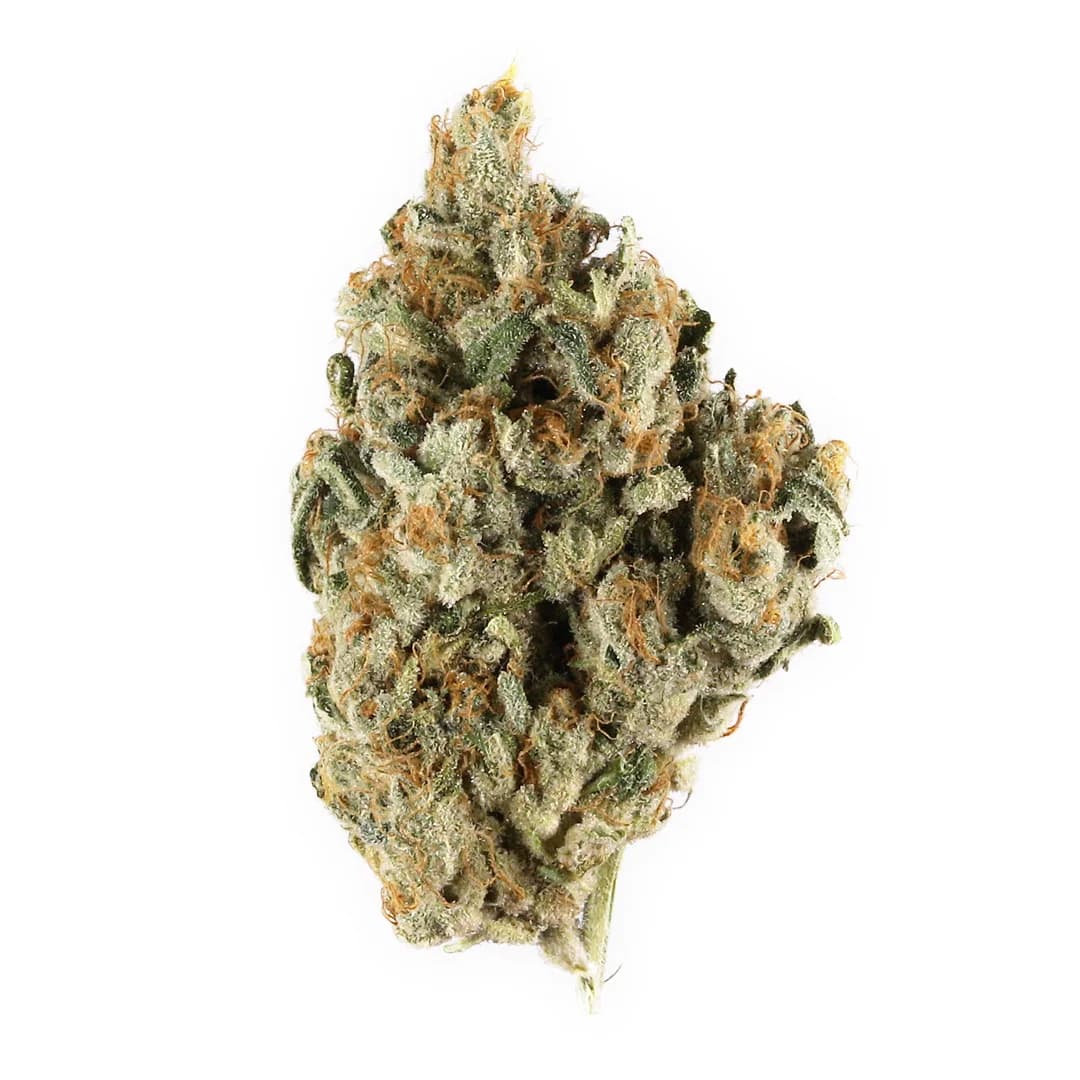
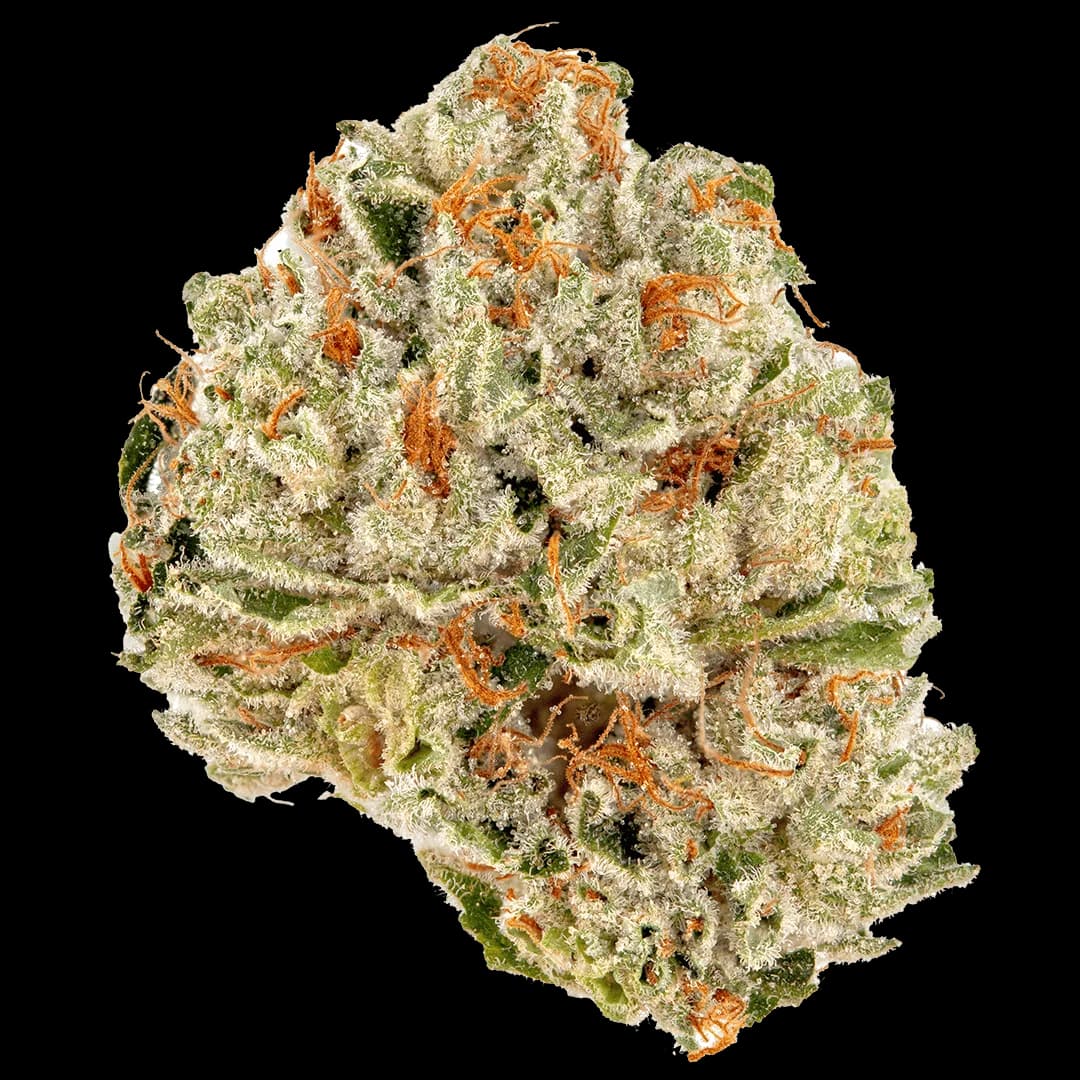
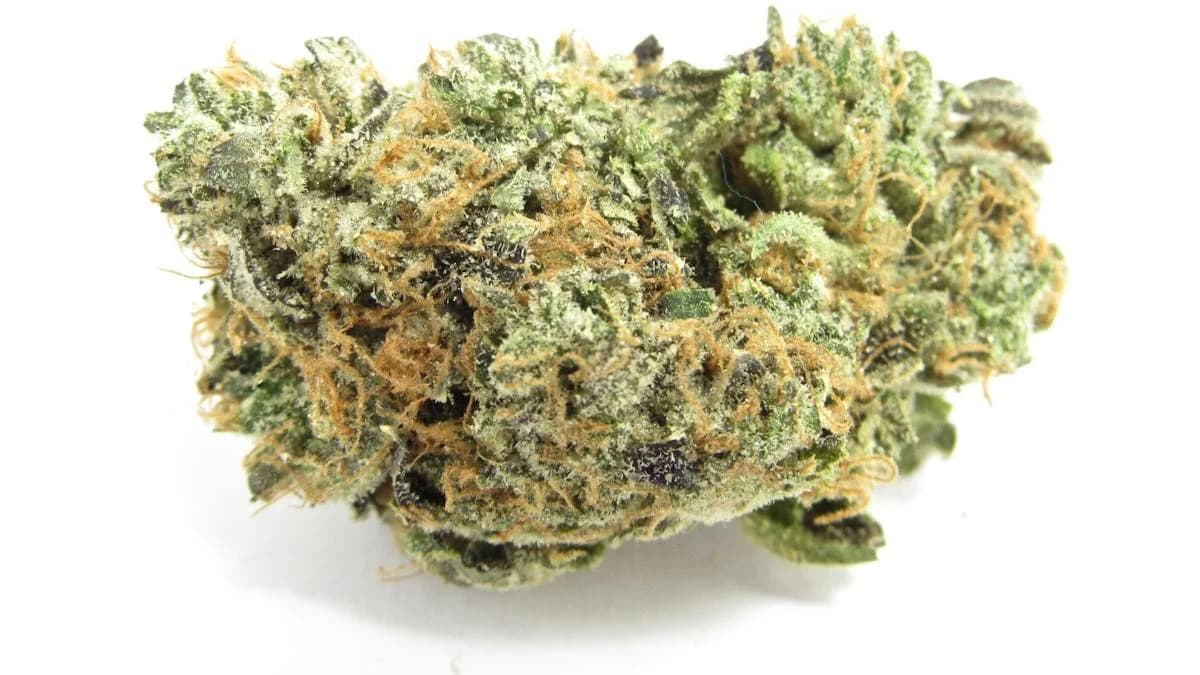
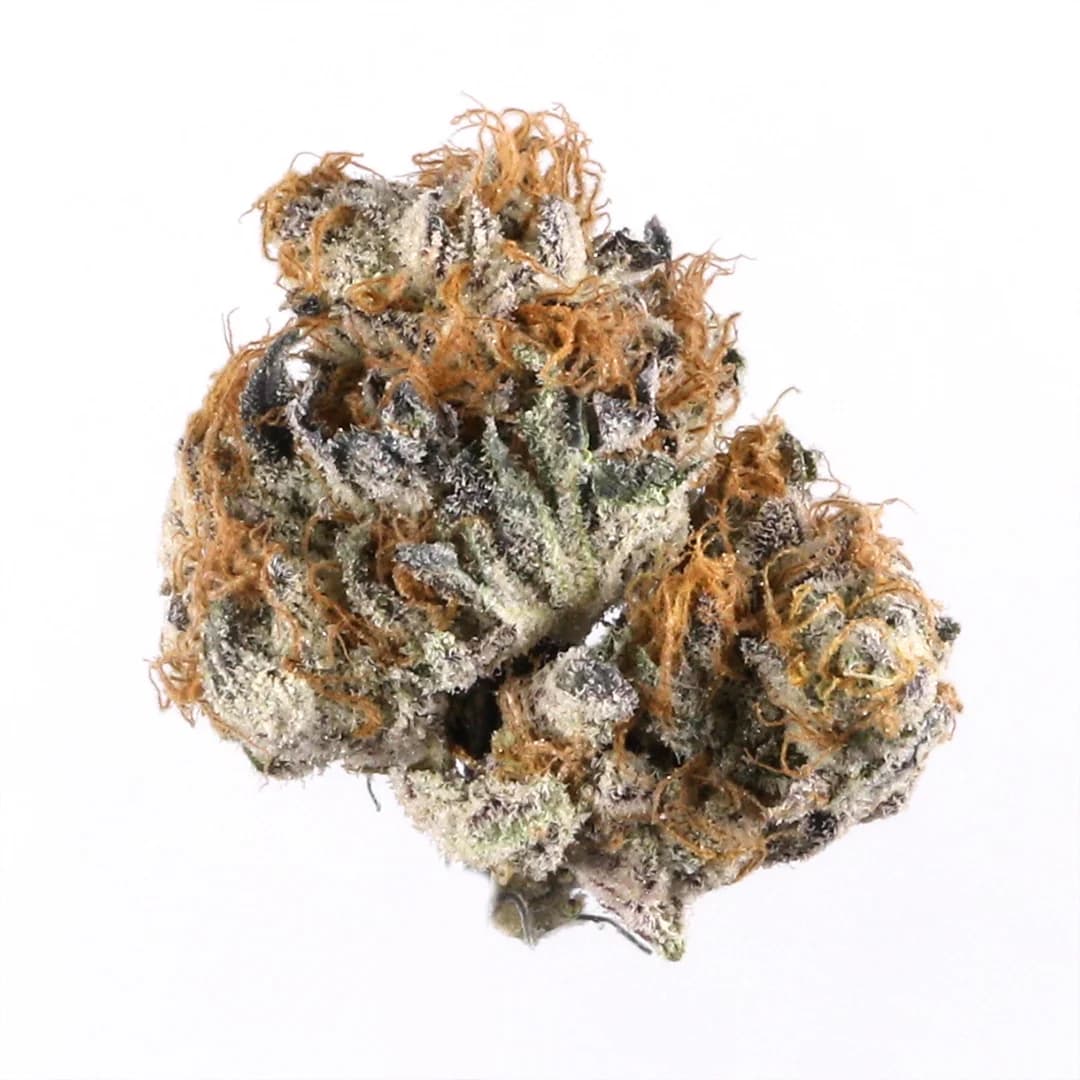
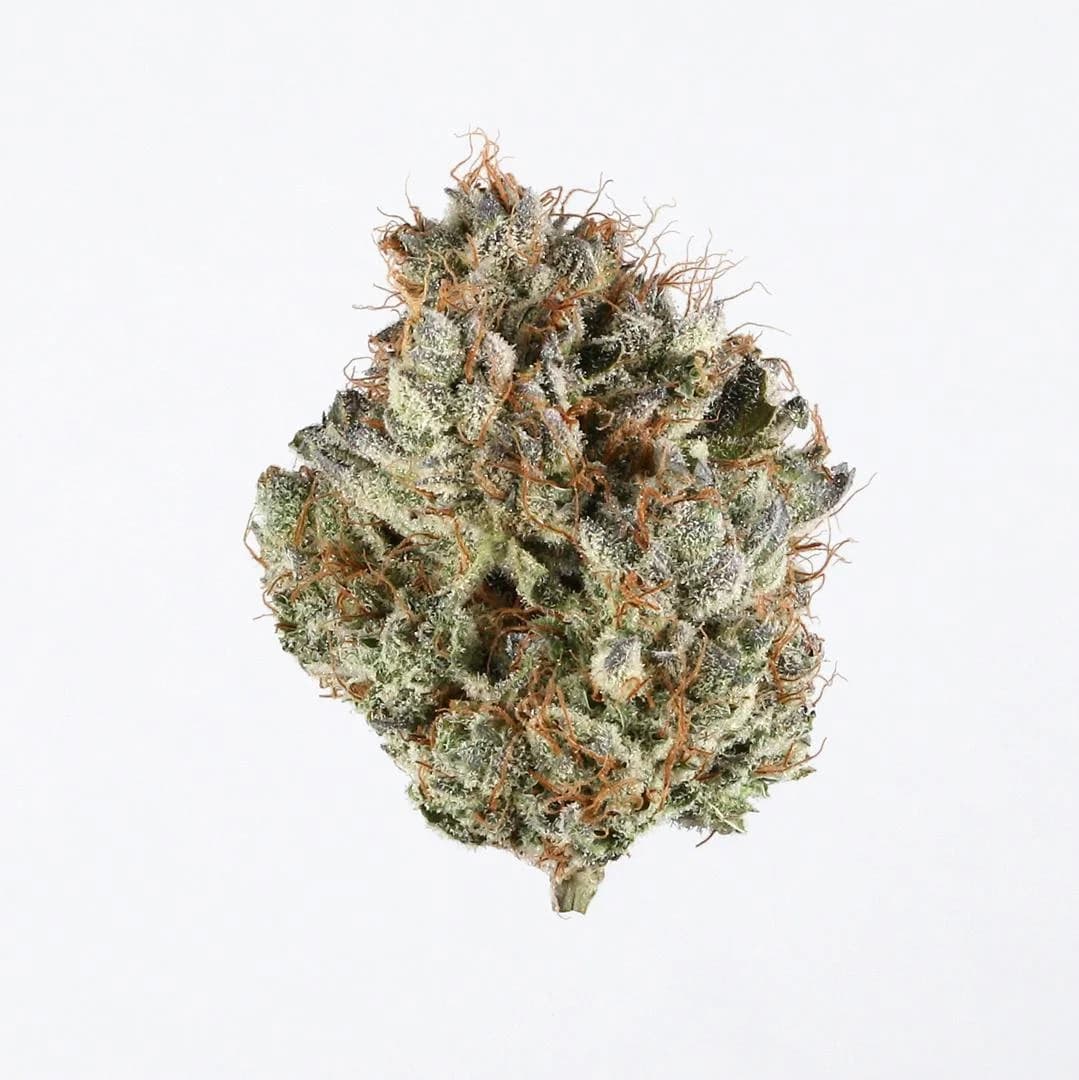
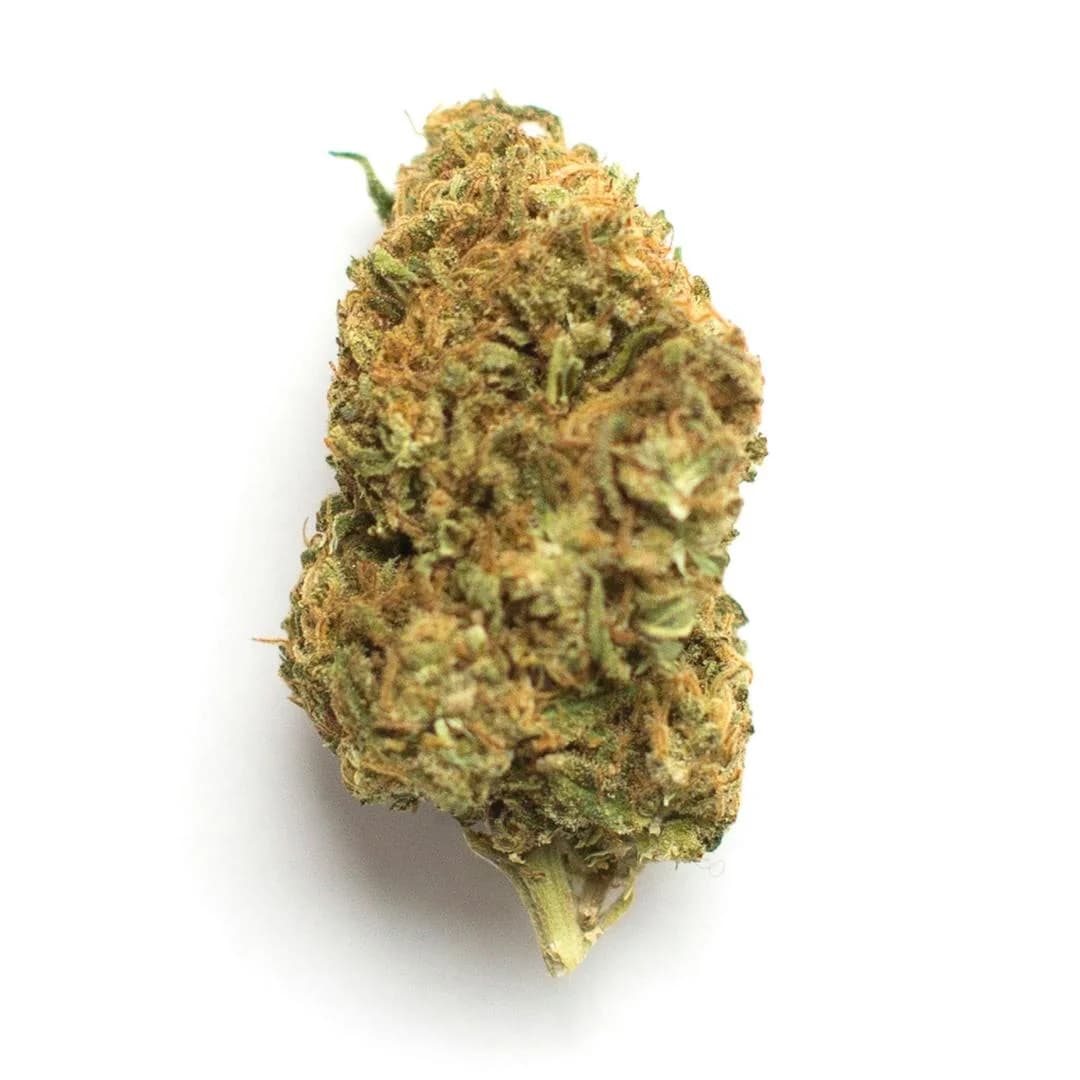
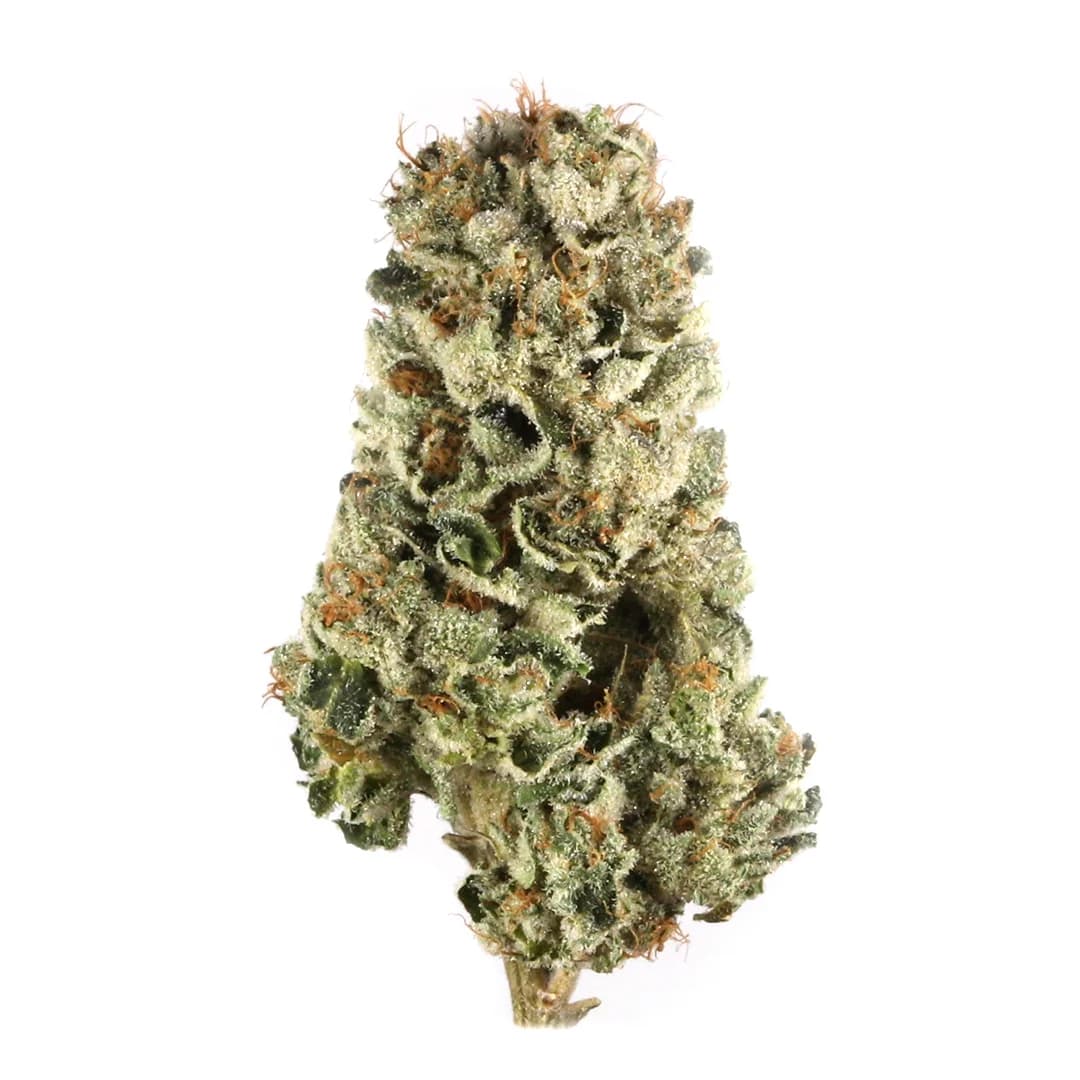
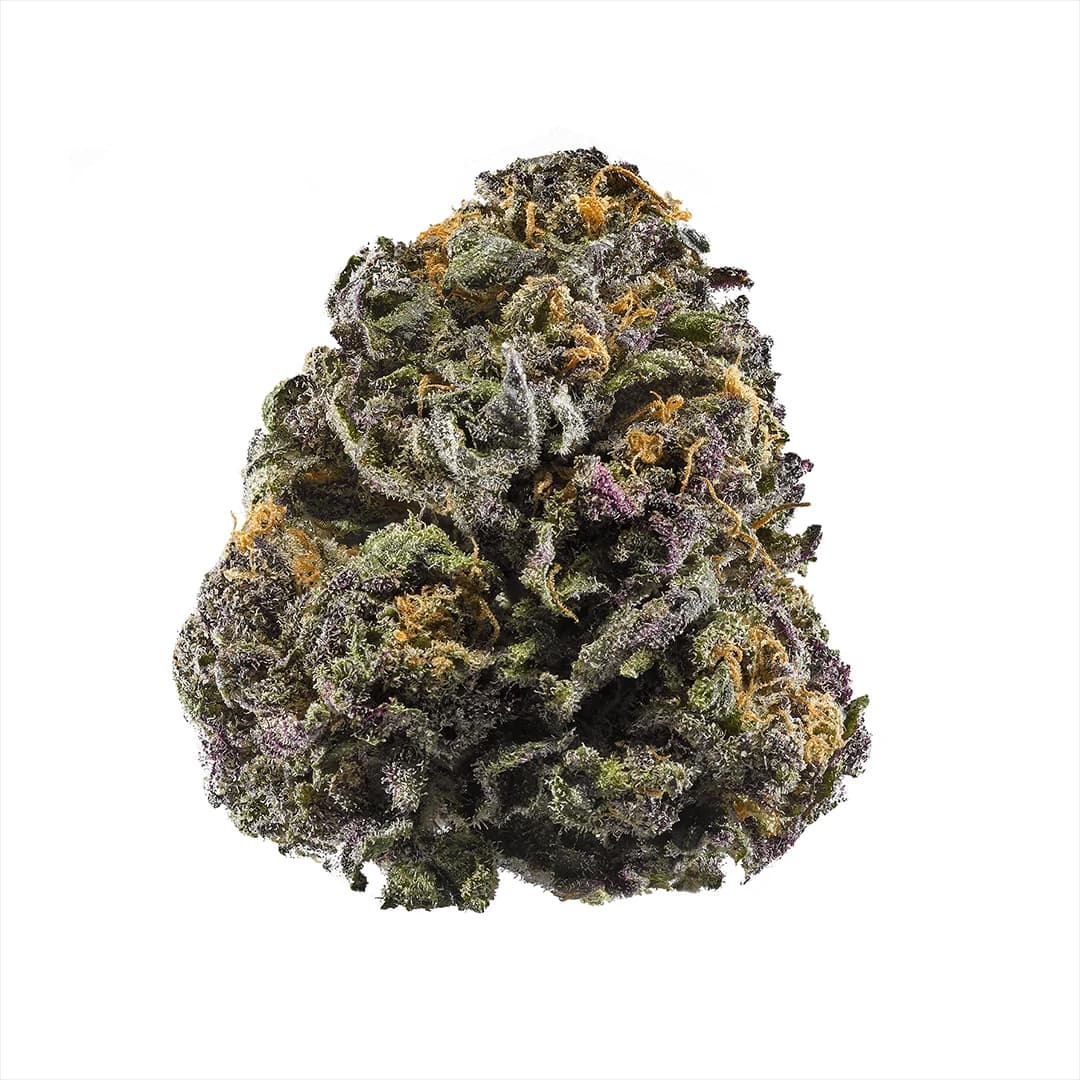
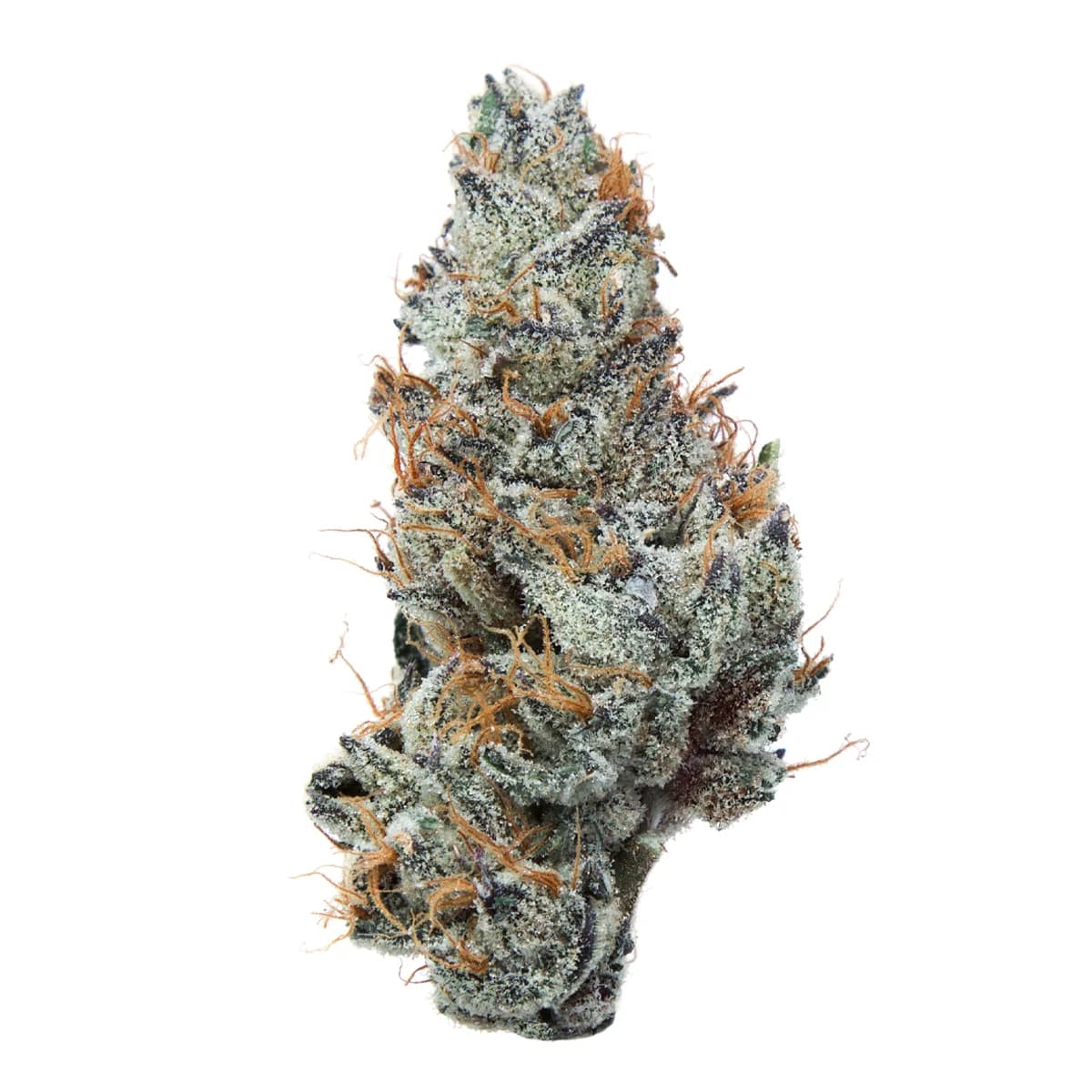
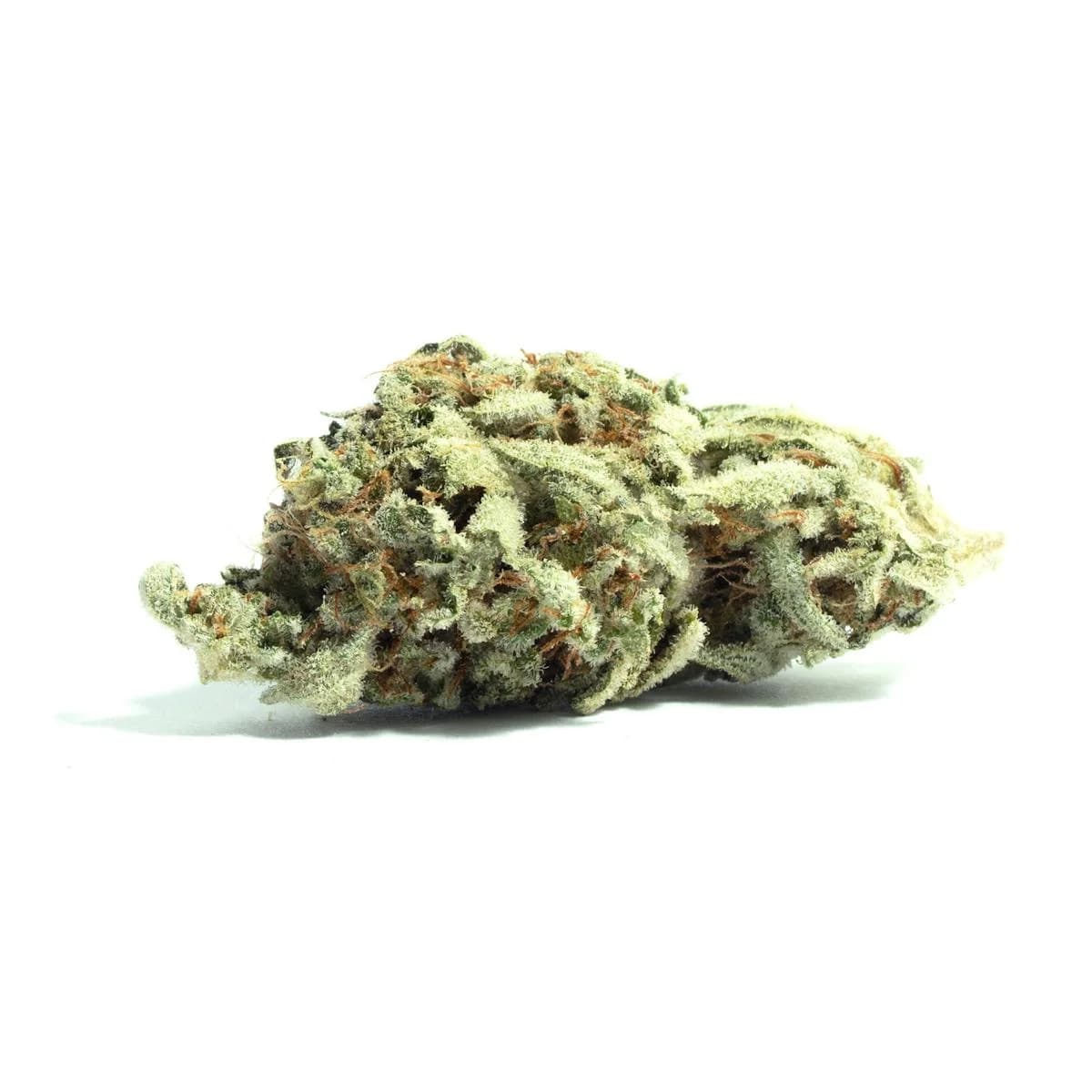
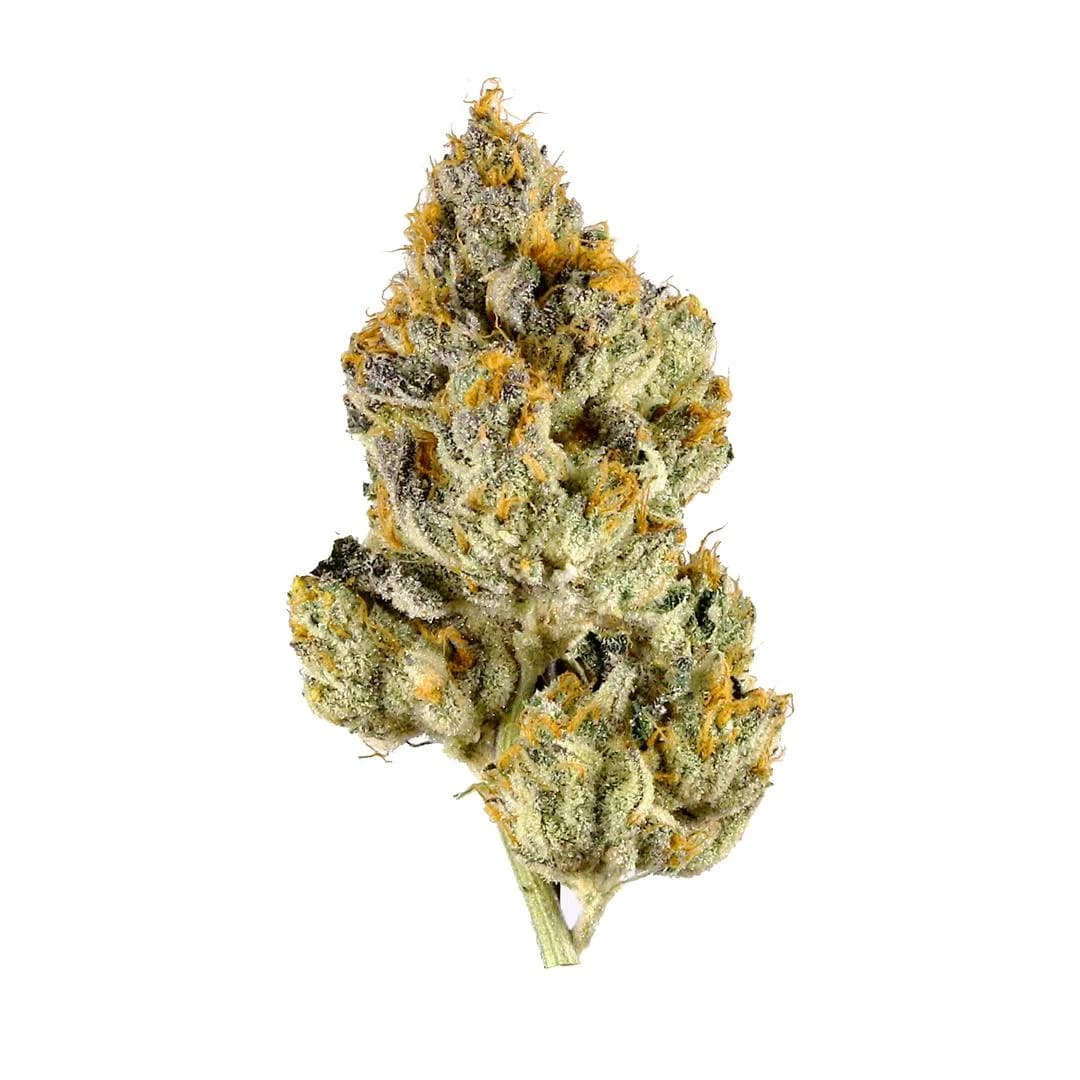
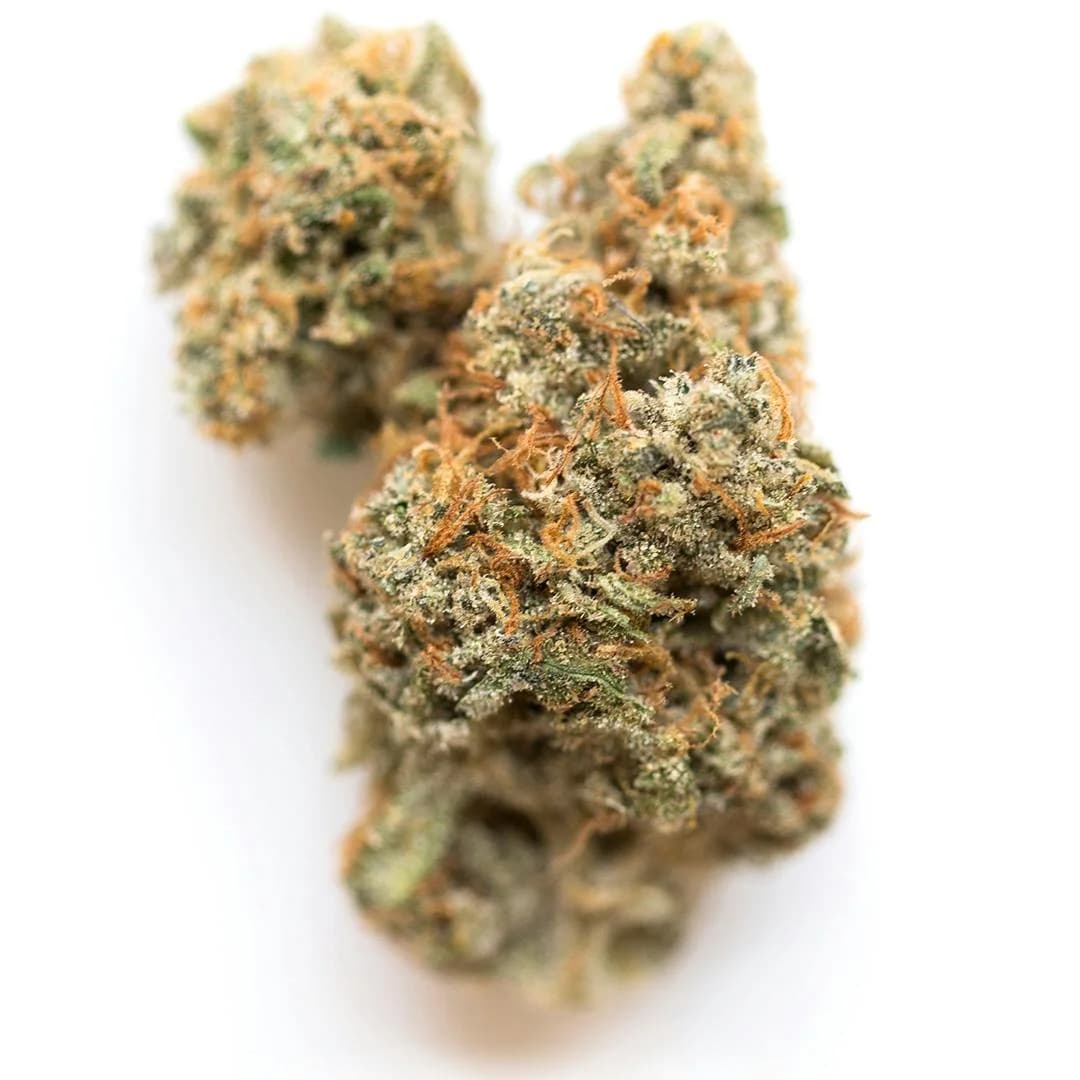
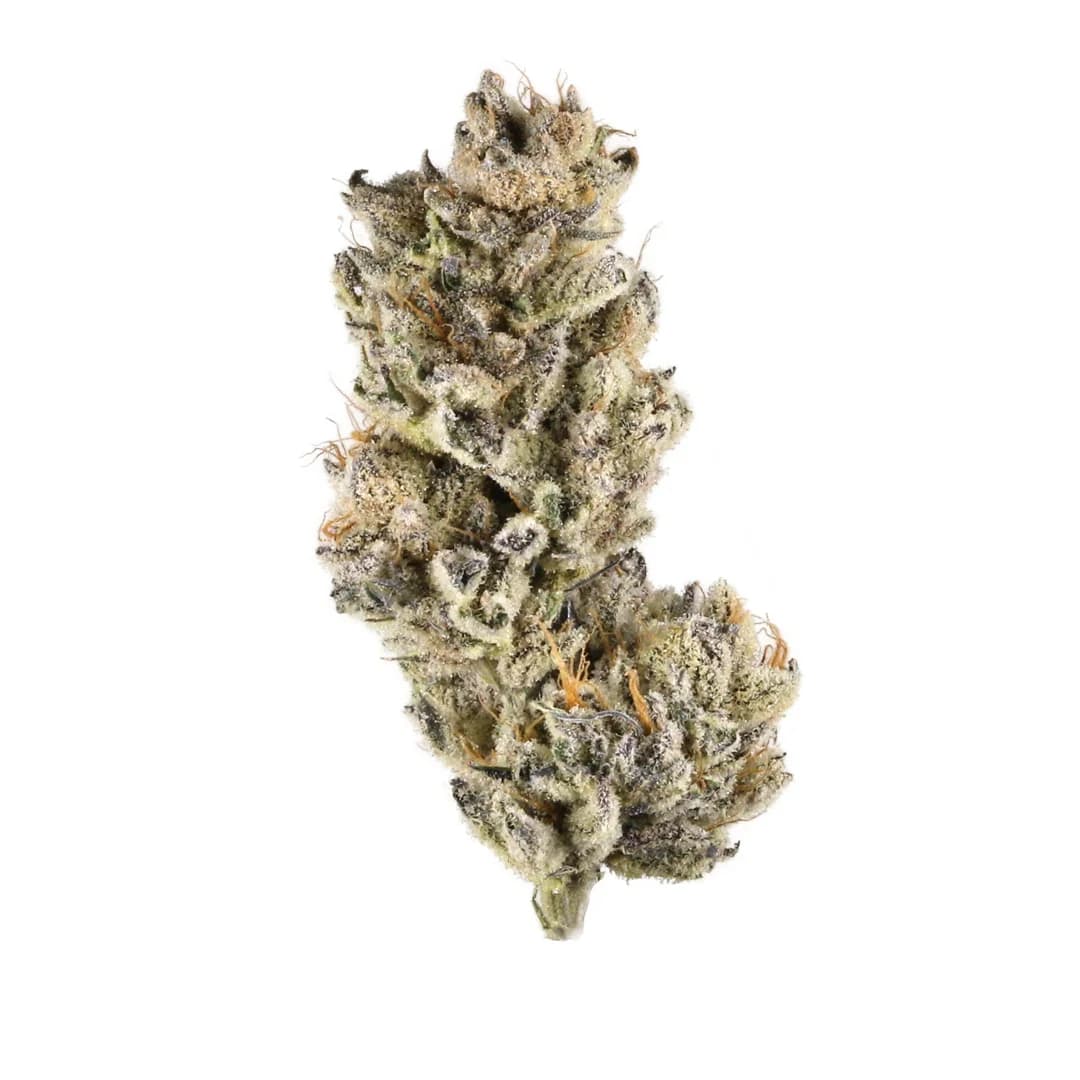
Percentages are catalog reference values, not sample lab results. “Not reported” means the source did not supply a value. Reported effects are subjective tags, not predictions.
BOG Bubble is presented by Leafly as a hybrid catalog entry. The source account says: No direct parent cross is documented in the reviewed narrative. BOG Bubble is not automatically merged with the broad Bubble Gum catalog identity. This context is retained as an attributed account, not as genetic authentication of every sample carrying the name. Reader-reported flavor descriptors include Berry, Blueberry, Floral. The catalog lists Caryophyllene, Limonene, Pinene as terpene labels. Those fields describe different evidence layers and do not establish a fixed chemical profile, medical effect or response for an individual sample.
Black Cherry Punch is presented by Leafly as a hybrid catalog entry. The source account says: The cited catalog page does not establish a complete, authenticated immediate-parent cross for this entry. This context is retained as an attributed account, not as genetic authentication of every sample carrying the name. Reader-reported flavor descriptors include Berry, Floral, Tree fruit. The catalog lists Caryophyllene, Limonene, Myrcene as terpene labels. Those fields describe different evidence layers and do not establish a fixed chemical profile, medical effect or response for an individual sample.
Blackberry is presented by Leafly as a hybrid catalog entry. The source account says: Reported cross from the Blackberry profile; not automatically equivalent to Blackberry Kush or other similarly named lines. This context is retained as an attributed account, not as genetic authentication of every sample carrying the name. Reader-reported flavor descriptors include Berry, Plum, Sweet. The catalog lists Caryophyllene, Limonene, Myrcene as terpene labels. Those fields describe different evidence layers and do not establish a fixed chemical profile, medical effect or response for an individual sample.
Blackberry Kush, also recorded as BBK, is described in Leafly's catalog as an Afghani and Blackberry cross. The source associates the name with berry, earthy and sweet reader descriptors, while caryophyllene, limonene and myrcene are listed separately as catalog terpene labels. These reports help explain how the profile is presented but do not authenticate the immediate parent plants or predict an individual's response. The alias is kept as a source-recorded name and is not merged with every product marketed as Blackberry or Kush.
Blue Diesel is presented by Leafly as a hybrid catalog entry. The source account says: The cited catalog page does not establish a complete, authenticated immediate-parent cross for this entry. This context is retained as an attributed account, not as genetic authentication of every sample carrying the name. Reader-reported flavor descriptors include Berry, Blueberry, Diesel. The catalog lists Caryophyllene, Limonene, Myrcene as terpene labels. Those fields describe different evidence layers and do not establish a fixed chemical profile, medical effect or response for an individual sample.
Blue Dream is a California-associated hybrid whose reported family joins Blueberry and Haze. Leafly lists berry and sweet flavor descriptors and a myrcene-led terpene profile. Those two kinds of information serve different purposes: flavor tags describe reader impressions, while the terpene list summarizes the source's chemistry data. Neither identifies a particular sample. This entry retains the reported cross without treating it as genetically authenticated parentage.
Blue Haze is presented by Leafly as a hybrid catalog entry. The source account says: The cited catalog page does not establish a complete, authenticated immediate-parent cross for this entry. This context is retained as an attributed account, not as genetic authentication of every sample carrying the name. Reader-reported flavor descriptors include Berry, Blueberry, Pear. The catalog lists Caryophyllene, Myrcene, Pinene as terpene labels. Those fields describe different evidence layers and do not establish a fixed chemical profile, medical effect or response for an individual sample.
Blue Moonshine is presented by Leafly as a indica catalog entry. The source account says: The reviewed narrative identifies DJ Short but not a complete direct cross. Blueberry wording is not converted into an authenticated parent edge. This context is retained as an attributed account, not as genetic authentication of every sample carrying the name. Reader-reported flavor descriptors include Berry, Blueberry, Plum. The catalog lists Caryophyllene, Humulene, Limonene as terpene labels. Those fields describe different evidence layers and do not establish a fixed chemical profile, medical effect or response for an individual sample.
Blue Power is presented by Leafly as a indica catalog entry. The source account says: Edges represent the Sin City Seeds account only. Leafly also describes a separate Vision Seeds line; these histories must not be merged into one direct cross. This context is retained as an attributed account, not as genetic authentication of every sample carrying the name. Reader-reported flavor descriptors include Berry, Blueberry, Lemon. The catalog lists Limonene, Linalool, Myrcene as terpene labels. Those fields describe different evidence layers and do not establish a fixed chemical profile, medical effect or response for an individual sample.
Blue Zushi is presented by Leafly as a hybrid catalog entry. The source account says: Leafly reports Zkittlez and Kush Mints as the immediate parents; this remains an attributed catalog relationship. This context is retained as an attributed account, not as genetic authentication of every sample carrying the name. Reader-reported flavor descriptors include Berry, Floral, Mint. The catalog lists Caryophyllene, Limonene as terpene labels. Those fields describe different evidence layers and do not establish a fixed chemical profile, medical effect or response for an individual sample.
Blueberry, also called Berry Blue, is associated with DJ Short's work beginning in the late 1970s. Leafly describes Thai-related ancestry and notes that material passed between breeders and seed banks over time. This history is a reason to preserve source and selection details rather than assume all Blueberry records describe one identical plant. Blueberry, berry and sweet are reader flavor descriptors; the fruit name alone is not a chemical measurement or proof of parentage.
Blueberry OG is presented by Leafly as a hybrid catalog entry. The source account says: The Blueberry phenotype and OG Kush connection is source-reported. Narrative CBD claims and the displayed 0% reference value are inconsistent and require sample-specific corroboration. This context is retained as an attributed account, not as genetic authentication of every sample carrying the name. Reader-reported flavor descriptors include Berry, Blueberry, Earthy. The catalog lists Limonene, Myrcene, Pinene as terpene labels. Those fields describe different evidence layers and do not establish a fixed chemical profile, medical effect or response for an individual sample.
Bubble Gum is presented by Leafly as a hybrid catalog entry. The source account says: Indiana Bubble Gum is a reported ancestral line. The linked source does not establish the other parent or a fully authenticated cross. This context is retained as an attributed account, not as genetic authentication of every sample carrying the name. Reader-reported flavor descriptors include Berry, Floral, Sweet. The catalog lists Caryophyllene, Limonene, Myrcene as terpene labels. Those fields describe different evidence layers and do not establish a fixed chemical profile, medical effect or response for an individual sample.
Cherry Pie is reported by Leafly as a Granddaddy Purple and F1 Durb cross. The catalog keeps the F1 Durb name exactly as given rather than silently equating it with Durban Poison or another similarly named record. Berry, sweet and tree-fruit are reader-reported flavor descriptors, while caryophyllene, myrcene and pinene are listed as catalog terpene names. A reported cross, a sensory tag and a source chemistry summary each carry different limits; none establishes a fixed profile for every product sold as Cherry Pie.
Granddaddy Purple, often shortened to GDP, is associated in Leafly's account with Ken Estes and 2003. Its pedigree is less settled than that familiar name suggests: the source presents both a Mendo Purps/Skunk/Afghan account and a Big Bud × Purple Urkle account. This profile keeps that disagreement visible. Grape, berry and violet are reported flavor descriptors, not evidence that either proposed family tree has been confirmed.
Grape Ape is associated in the catalog with Apothecary Genetics and Barney's Farm. Its reported background includes Mendocino Purps, Skunk and Afghani, but the source does not provide a complete sequence that would justify converting all three names into immediate parents. Berry, grape and sweet are reader-reported flavor descriptors, while caryophyllene, myrcene and pinene appear as catalog terpene labels. The profile keeps breeder attribution, family context and sensory reports separate; a shared name does not establish identical genetics or chemistry across products.
Grape Pie is presented by Leafly as a hybrid catalog entry. The source account says: The cited catalog page does not establish a complete, authenticated immediate-parent cross for this entry. This context is retained as an attributed account, not as genetic authentication of every sample carrying the name. Reader-reported flavor descriptors include Berry, Grape, Pepper. The catalog lists Caryophyllene, Limonene, Linalool as terpene labels. Those fields describe different evidence layers and do not establish a fixed chemical profile, medical effect or response for an individual sample.
Lemon Cherry Gelato is presented by Leafly as a hybrid catalog entry. The source account says: Leafly presents more than one origin account. Sunset Sherbert and GSC are retained only as disputed ancestry, not authenticated immediate parents. This context is retained as an attributed account, not as genetic authentication of every sample carrying the name. Reader-reported flavor descriptors include Berry, Citrus, Lemon. The catalog lists Caryophyllene, Limonene, Linalool as terpene labels. Those fields describe different evidence layers and do not establish a fixed chemical profile, medical effect or response for an individual sample.
Project 4516 is presented by Leafly as a hybrid catalog entry. The source account says: The cited catalog page does not establish a complete, authenticated immediate-parent cross for this entry. This context is retained as an attributed account, not as genetic authentication of every sample carrying the name. Reader-reported flavor descriptors include Ammonia, Berry, Diesel. The catalog lists Caryophyllene, Limonene, Pinene as terpene labels. Those fields describe different evidence layers and do not establish a fixed chemical profile, medical effect or response for an individual sample.
Purple Punch is reported in the catalog as a cross between Larry OG and Granddaddy Purple. The profile keeps those named parents separate from its reader-reported berry, grape and plum descriptors and from the catalog's caryophyllene, limonene and pinene labels. A reported cross explains the source's family account but does not authenticate every plant carrying the name. Sensory tags describe reader impressions and source chemistry labels summarize a catalog record; neither establishes a fixed composition, medical effect or response for an individual sample.
Purple Urkle is presented by Leafly as a indica catalog entry. The source account says: Purple Urkle is associated with California and a proposed selection from Mendocino Purps. That origin is presented as a belief in the reference, so the selection link remains explicitly uncertain. This context is retained as an attributed account, not as genetic authentication of every sample carrying the name. Reader-reported flavor descriptors include Berry, Grape, Plum. The catalog lists Caryophyllene, Myrcene, Pinene as terpene labels. Those fields describe different evidence layers and do not establish a fixed chemical profile, medical effect or response for an individual sample.
Raspberry Cough is presented by Leafly as a sativa catalog entry. The source account says: The source does not identify a specific Cambodian accession. ICE is retained as the named external parent. This context is retained as an attributed account, not as genetic authentication of every sample carrying the name. Reader-reported flavor descriptors include Berry, Strawberry, Sweet. The catalog lists Caryophyllene, Linalool, Myrcene as terpene labels. Those fields describe different evidence layers and do not establish a fixed chemical profile, medical effect or response for an individual sample.
Slurricane is presented by Leafly as a indica catalog entry. The source account says: Slurricane is reported as a Dosidos and Purple Punch cross. This places it at a connection between the Cookies-related Dosidos family and the Purple Punch lineage. This is a source-reported identity, not a genetically authenticated pedigree. This context is retained as an attributed account, not as genetic authentication of every sample carrying the name. Reader-reported flavor descriptors include Berry, Floral, Pepper. The catalog lists Caryophyllene, Limonene, Myrcene as terpene labels. Those fields describe different evidence layers and do not establish a fixed chemical profile, medical effect or response for an individual sample.
Strawberry Cough is a sativa-classified catalog entry whose source describes its origins as uncertain while proposing Haze and Strawberry Fields as a possible cross. The proposed relationship therefore remains an attributed hypothesis rather than settled ancestry. Strawberry, sweet and berry are displayed reader flavor tags. Neither the fruit name nor the word Cough is a test of chemical identity, a measure of safety or proof that another similarly named sample is the same plant.