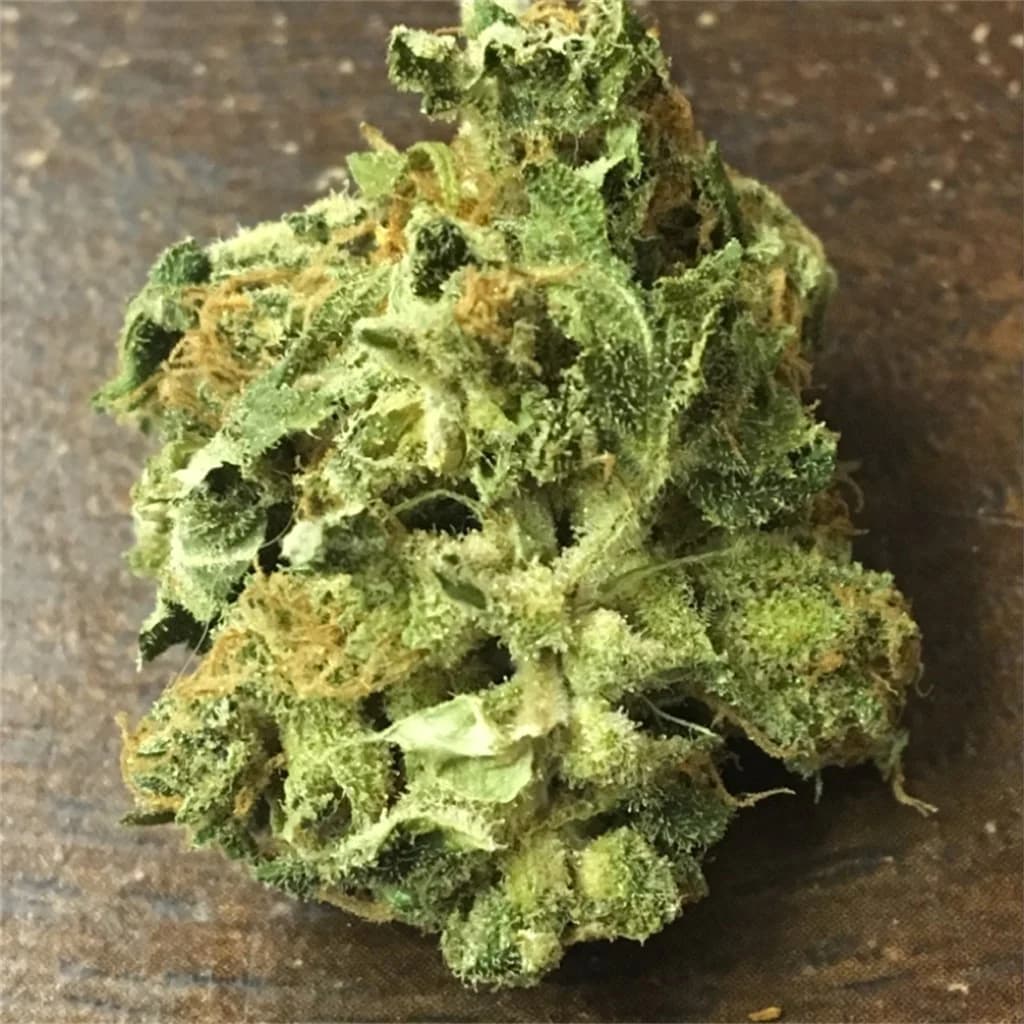
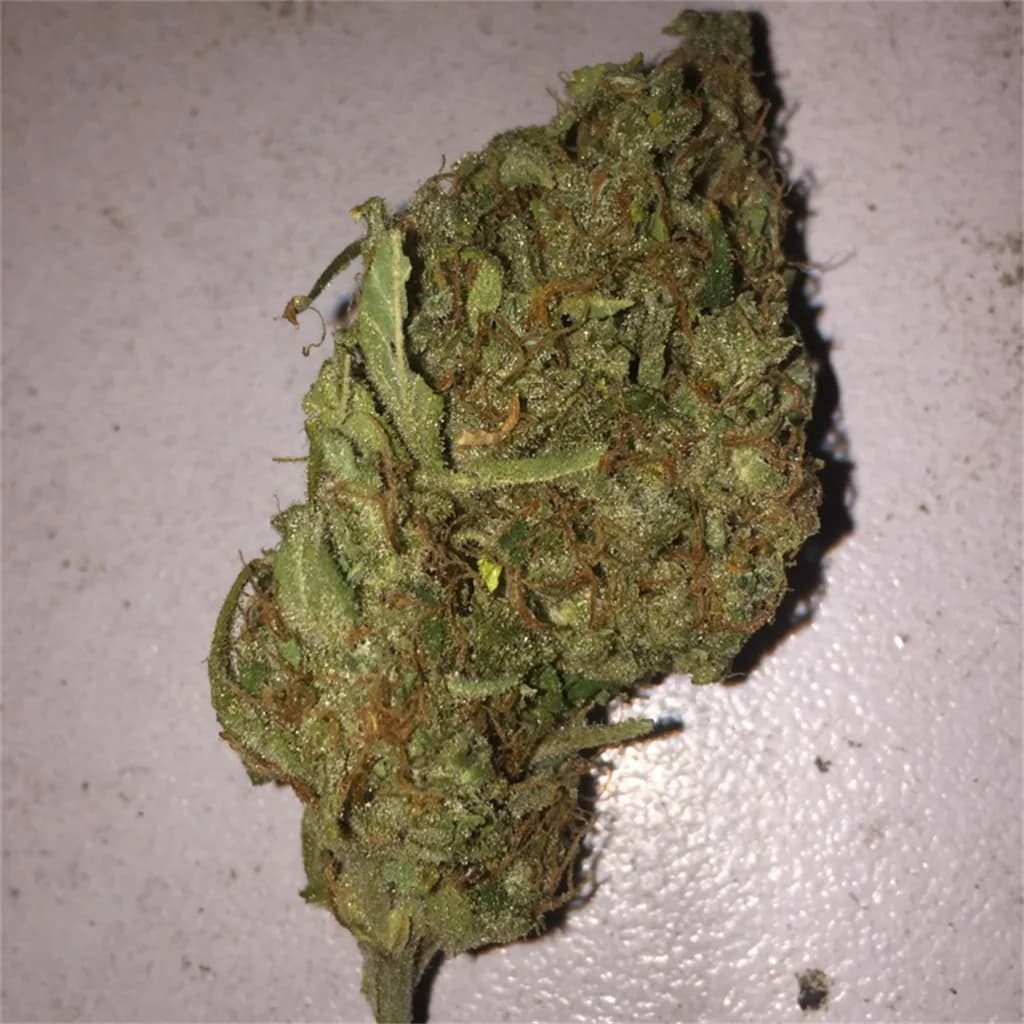
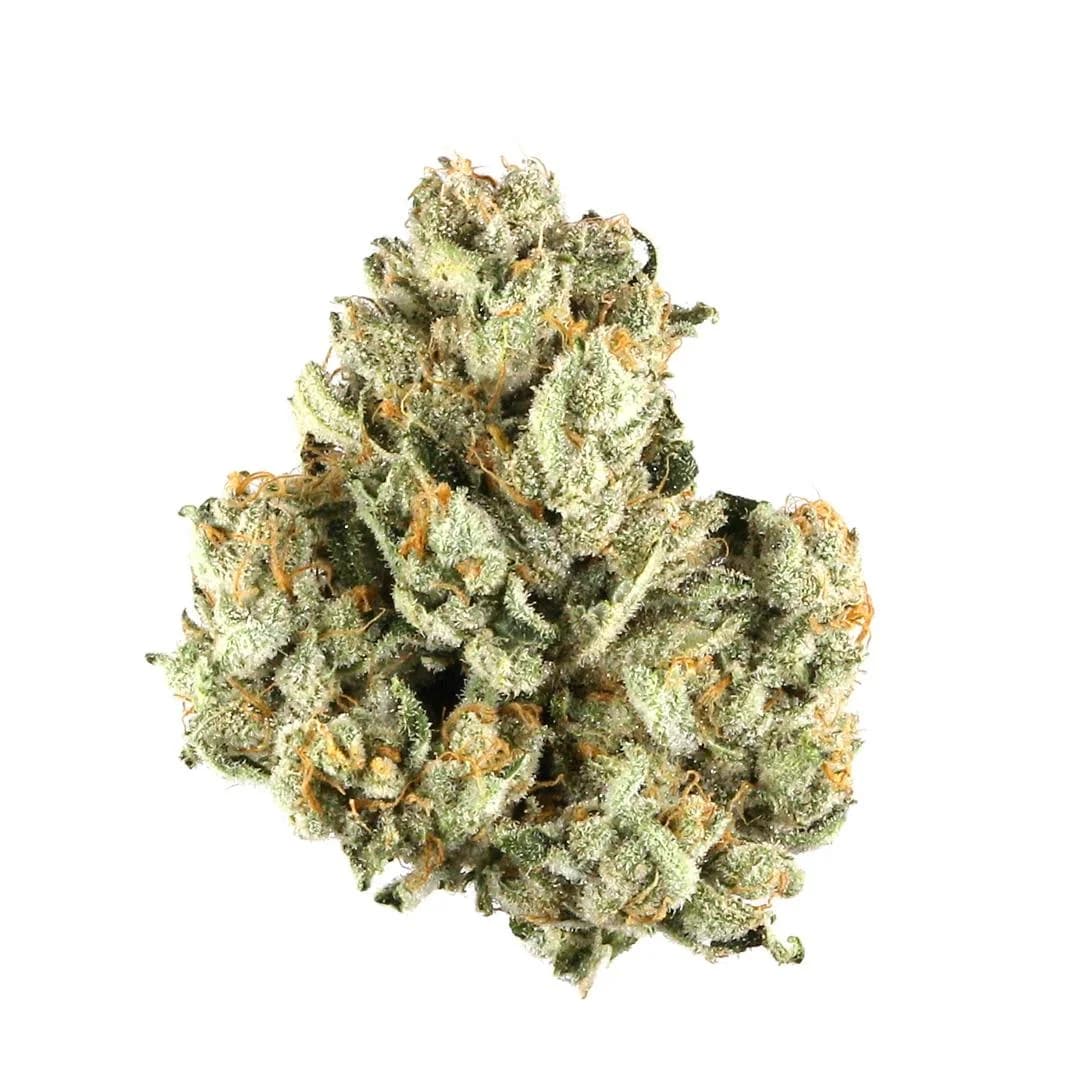
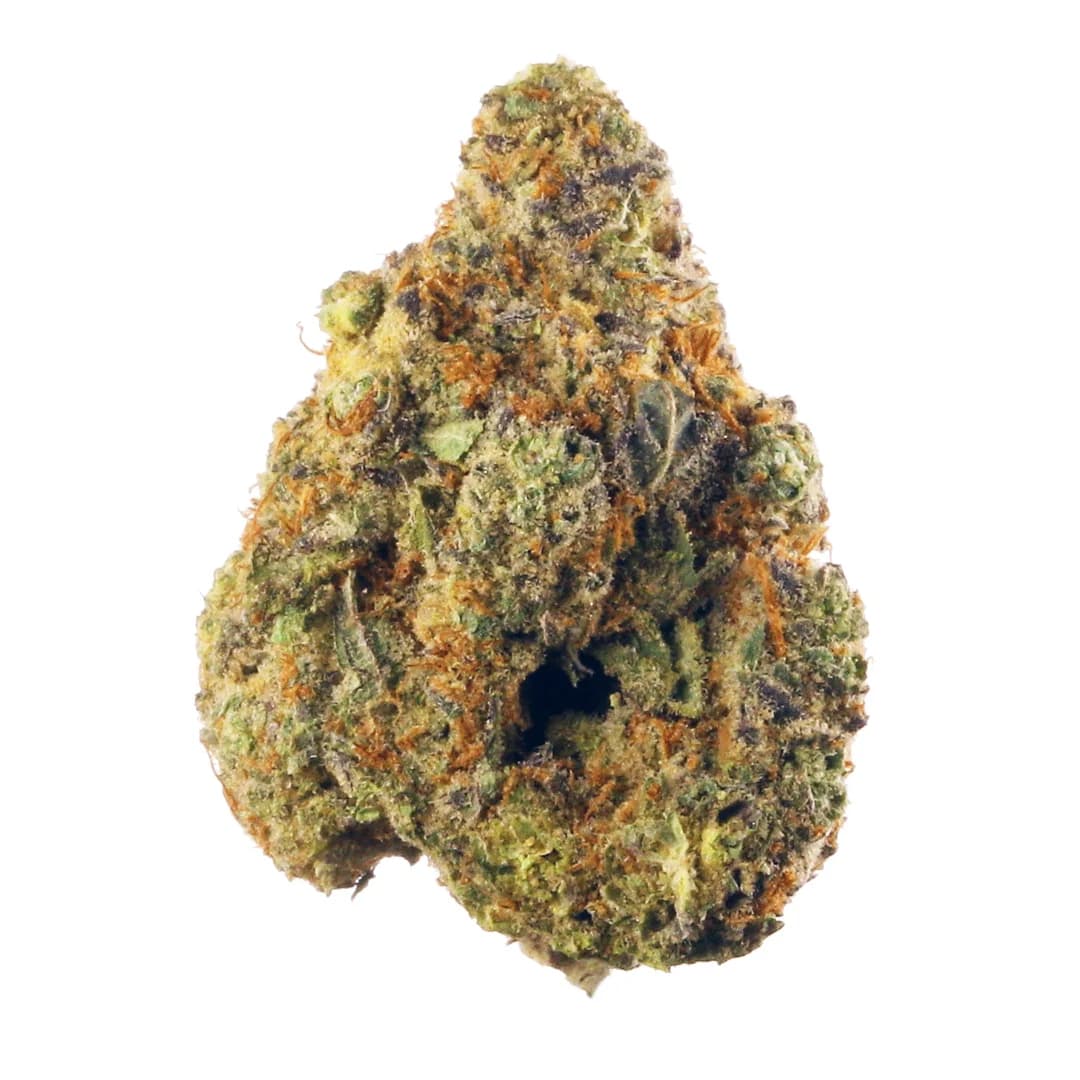
Percentages are catalog reference values, not sample lab results. “Not reported” means the source did not supply a value. Reported effects are subjective tags, not predictions.
ACDC is presented by Leafly as a hybrid catalog entry. The source account says: Leafly describes ACDC as a phenotype of Cannatonic; Resin Seeds also lists ACDC among Cannatonic selections. This context is retained as an attributed account, not as genetic authentication of every sample carrying the name. Reader-reported flavor descriptors include Earthy, Pine, Woody. The catalog lists Caryophyllene, Myrcene, Pinene as terpene labels. Those fields describe different evidence layers and do not establish a fixed chemical profile, medical effect or response for an individual sample.
AK-47 is described by Leafly as a hybrid with Colombian, Mexican, Thai and Afghan ancestry. That four-region summary does not specify the order of crosses or an immediate parent pair. Serious Seeds' own history connects AK-47 with Simon's work before the company's founding in 1995. This adds a breeder account to the catalog context without certifying every later AK-47-labelled sample. Skunk, tobacco and earth remain reported flavor descriptors rather than evidence of pedigree.
Afghan Kush is presented by Leafly as a indica catalog entry. The source account says: Regional origin is retained without equating Afghan Kush, Afghani and Hindu Kush as identical catalog accessions. This context is retained as an attributed account, not as genetic authentication of every sample carrying the name. Reader-reported flavor descriptors include Earthy, Tar, Woody. The catalog lists Caryophyllene, Myrcene, Pinene as terpene labels. Those fields describe different evidence layers and do not establish a fixed chemical profile, medical effect or response for an individual sample.
Afghani is presented by Leafly as a indica catalog entry. The source account says: Afghani is a regional cannabis name associated with Afghanistan and appears in many reported family histories. A regional name can cover varied material, so this profile does not imply one uniform genetic or chemical sample. This context is retained as an attributed account, not as genetic authentication of every sample carrying the name. Reader-reported flavor descriptors include Earthy, Pine, Woody. The catalog lists Myrcene, Pinene, Terpinolene as terpene labels. Those fields describe different evidence layers and do not establish a fixed chemical profile, medical effect or response for an individual sample.
Alien Dawg is presented by Leafly as a hybrid catalog entry. The source account says: Source-reported cross; the external Alien Technology identity has not been independently reviewed here. This context is retained as an attributed account, not as genetic authentication of every sample carrying the name. Reader-reported flavor descriptors include Chemical, Earthy, Woody. The catalog lists Caryophyllene, Limonene, Myrcene as terpene labels. Those fields describe different evidence layers and do not establish a fixed chemical profile, medical effect or response for an individual sample.
Alien OG is presented by Leafly as a hybrid catalog entry. The source account says: Alien OG connects Tahoe OG with Alien Kush. Leafly describes its availability first as a Bay Area clone and later in seed form through Cali Connection. This is a source-reported identity, not a genetically authenticated pedigree. This context is retained as an attributed account, not as genetic authentication of every sample carrying the name. Reader-reported flavor descriptors include Earthy, Lemon, Pine. The catalog lists Caryophyllene, Limonene, Myrcene as terpene labels. Those fields describe different evidence layers and do not establish a fixed chemical profile, medical effect or response for an individual sample.
Animal Cookies is presented by Leafly as a hybrid catalog entry. The source account says: Animal Cookies, also called Animal Crackers, is reported as GSC crossed with Fire OG. These two parent links connect it to both the Cookies and OG families. This is a source-reported identity, not a genetically authenticated pedigree. This context is retained as an attributed account, not as genetic authentication of every sample carrying the name. Reader-reported flavor descriptors include Earthy, Nutty, Sweet. The catalog lists Caryophyllene, Limonene, Myrcene as terpene labels. Those fields describe different evidence layers and do not establish a fixed chemical profile, medical effect or response for an individual sample.
Big Bud is presented by Leafly as a indica catalog entry. The source account says: Big Bud's reported background combines Afghani, Northern Lights and Skunk #1. Leafly traces its history from the United States to the Netherlands; the three names are recorded as ancestry without inventing a crossing order. This context is retained as an attributed account, not as genetic authentication of every sample carrying the name. Reader-reported flavor descriptors include Earthy, Spicy/Herbal, Woody. The catalog lists Myrcene, Ocimene, Pinene as terpene labels. Those fields describe different evidence layers and do not establish a fixed chemical profile, medical effect or response for an individual sample.
Blackberry Kush, also recorded as BBK, is described in Leafly's catalog as an Afghani and Blackberry cross. The source associates the name with berry, earthy and sweet reader descriptors, while caryophyllene, limonene and myrcene are listed separately as catalog terpene labels. These reports help explain how the profile is presented but do not authenticate the immediate parent plants or predict an individual's response. The alias is kept as a source-recorded name and is not merged with every product marketed as Blackberry or Kush.
Blueberry OG is presented by Leafly as a hybrid catalog entry. The source account says: The Blueberry phenotype and OG Kush connection is source-reported. Narrative CBD claims and the displayed 0% reference value are inconsistent and require sample-specific corroboration. This context is retained as an attributed account, not as genetic authentication of every sample carrying the name. Reader-reported flavor descriptors include Berry, Blueberry, Earthy. The catalog lists Limonene, Myrcene, Pinene as terpene labels. Those fields describe different evidence layers and do not establish a fixed chemical profile, medical effect or response for an individual sample.
Bubba Kush is an indica-classified name with an explicitly uncertain pedigree in Leafly's account. The source describes OG Kush pollinating a plant called Bubba, whose identity was not established; Northern Lights is presented as a possibility rather than a confirmed parent. Coffee, earthy and pungent are reader flavor tags on the profile. Those impressions and the plant's appearance cannot resolve the unknown parent's identity, so the uncertainty remains part of the family record.
Burmese Kush is presented by Leafly as a hybrid catalog entry. The source account says: Only the OG Kush connection is explicit in the reviewed narrative. The complete cross remains unverified. This context is retained as an attributed account, not as genetic authentication of every sample carrying the name. Reader-reported flavor descriptors include Earthy, Pine, Woody. The catalog lists Caryophyllene, Limonene, Myrcene as terpene labels. Those fields describe different evidence layers and do not establish a fixed chemical profile, medical effect or response for an individual sample.
Cannatonic is presented by Leafly as a hybrid catalog entry. The source account says: Resin Seeds identifies Reina Madre × NYCD. Leafly instead lists MK Ultra × G13 Haze; the breeder's account is used for the parent links and both sources are retained. This context is retained as an attributed account, not as genetic authentication of every sample carrying the name. Reader-reported flavor descriptors include Earthy, Pine, Woody. The catalog lists Caryophyllene, Myrcene, Pinene as terpene labels. Those fields describe different evidence layers and do not establish a fixed chemical profile, medical effect or response for an individual sample.
Critical Mass is presented by Leafly as a indica catalog entry. The source account says: The cited catalog page does not establish a complete, authenticated immediate-parent cross for this entry. This context is retained as an attributed account, not as genetic authentication of every sample carrying the name. Reader-reported flavor descriptors include Earthy, Skunk, Woody. The catalog lists Caryophyllene, Limonene, Myrcene as terpene labels. Those fields describe different evidence layers and do not establish a fixed chemical profile, medical effect or response for an individual sample.
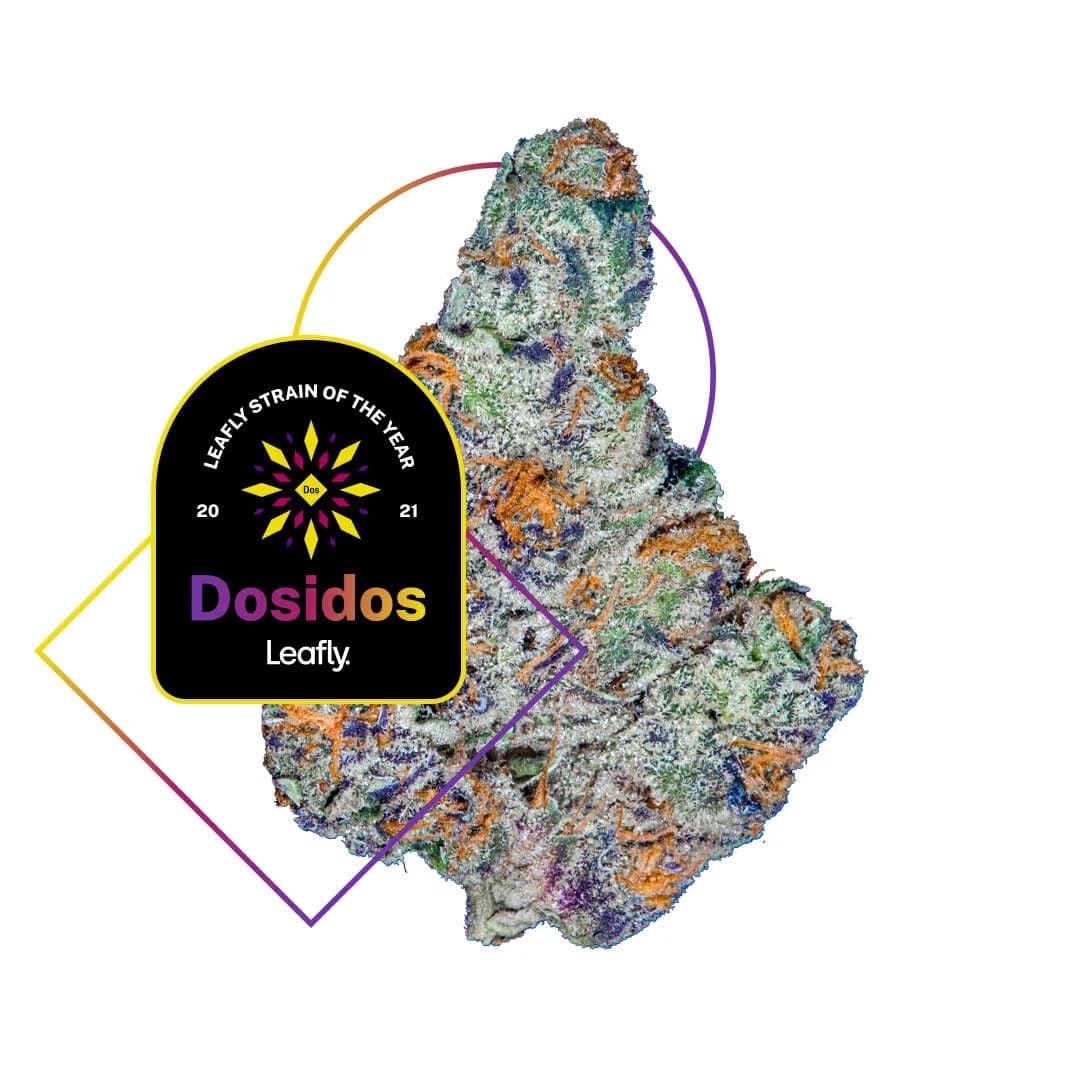
Dosidos is presented by Leafly as a hybrid catalog entry. The source account says: Dosidos is associated with a GSC phenotype and Face Off OG genetics. The GSC contribution is described at the phenotype level in this reference, so it is recorded as ancestry rather than equated with one verified GSC parent. This context is retained as an attributed account, not as genetic authentication of every sample carrying the name. Reader-reported flavor descriptors include Earthy, Floral, Pepper. The catalog lists Caryophyllene, Limonene, Linalool as terpene labels. Those fields describe different evidence layers and do not establish a fixed chemical profile, medical effect or response for an individual sample.
Durban Poison takes its regional identity from Durban in South Africa according to Leafly. The catalog classifies it as sativa without supplying a named two-parent cross. Its displayed pine, earthy and sage descriptors are reader impressions, while terpinolene leads the separate terpene list. A geographic origin is useful historical context but does not by itself authenticate every later selection carrying the name or establish a fixed concentration of any cannabinoid.
Face Off OG is presented by Leafly as a indica catalog entry. The source account says: Face Off OG is associated with Archive Seeds and a California OG Kush selection from the late 1990s. This is represented as selection history rather than an invented two-parent cross. This is a source-reported identity, not a genetically authenticated pedigree. This context is retained as an attributed account, not as genetic authentication of every sample carrying the name. Reader-reported flavor descriptors include Ammonia, Earthy, Pine. The catalog lists Caryophyllene, Limonene, Myrcene as terpene labels. Those fields describe different evidence layers and do not establish a fixed chemical profile, medical effect or response for an individual sample.
Fire OG is presented by Leafly as a hybrid catalog entry. The source account says: Fire OG is reported as OG Kush crossed with SFV OG Kush. The latter is distinct from SFV OG, so the two names are not merged in its parent links. This is a source-reported identity, not a genetically authenticated pedigree. This context is retained as an attributed account, not as genetic authentication of every sample carrying the name. Reader-reported flavor descriptors include Earthy, Lemon, Pine. The catalog lists Caryophyllene, Limonene, Myrcene as terpene labels. Those fields describe different evidence layers and do not establish a fixed chemical profile, medical effect or response for an individual sample.
G13 is presented by Leafly as a indica catalog entry. The source account says: No authenticated parent cross is established. Government-laboratory and escaped-cutting stories are not treated as historical evidence. This context is retained as an attributed account, not as genetic authentication of every sample carrying the name. Reader-reported flavor descriptors include Earthy, Pine, Woody. The catalog lists Caryophyllene, Limonene, Myrcene as terpene labels. Those fields describe different evidence layers and do not establish a fixed chemical profile, medical effect or response for an individual sample.
GG4, commonly called Original Glue, is attributed in the catalog to GG Strains LLC and a reported background involving Chem's Sister, Sour Dubb and Chocolate Diesel. The source does not provide a complete crossing sequence, so those names are retained as attributed ancestry rather than presented as a verified family tree. Earthy, pine and pungent are reader-reported flavor descriptors, while caryophyllene, limonene and myrcene are catalog terpene labels. These fields describe the source record and do not establish the chemistry of every sample sold under the GG4 name.
GSC is the catalog entry also known as Girl Scout Cookies. Leafly attributes it to Jigga and describes an OG Kush subtype crossed with F1 Durban. That intermediate parent name matters: it should not automatically be replaced with Durban Poison. Thin Mint and Platinum GSC are discussed as related variations rather than interchangeable specimens. Mint, sweet and earthy reader tags help describe the catalog profile but do not authenticate its genetics.
Ghost OG is presented by Leafly as a hybrid catalog entry. The source account says: The linked source explicitly describes an OG Kush cut. A selection link is used rather than a reported cross. This context is retained as an attributed account, not as genetic authentication of every sample carrying the name. Reader-reported flavor descriptors include Citrus, Earthy, Pine. The catalog lists Caryophyllene, Limonene, Myrcene as terpene labels. Those fields describe different evidence layers and do not establish a fixed chemical profile, medical effect or response for an individual sample.
Godfather OG is presented by Leafly as a indica catalog entry. The source account says: The cited catalog page does not establish a complete, authenticated immediate-parent cross for this entry. This context is retained as an attributed account, not as genetic authentication of every sample carrying the name. Reader-reported flavor descriptors include Earthy, Pine, Pungent. The catalog lists Caryophyllene, Limonene, Myrcene as terpene labels. Those fields describe different evidence layers and do not establish a fixed chemical profile, medical effect or response for an individual sample.
Green Crack is listed by Leafly with names including Green Crush and Mango Crack. Its proposed background pairs Skunk #1 with an unidentified indica, leaving part of the pedigree unresolved. Citrus, mango and earthy are reader flavor descriptors on the source page. The dramatic name is a naming convention, not an ingredient statement, and the unknown parent should stay unknown rather than be replaced with a familiar strain to complete the tree.