Percentages are catalog reference values, not sample lab results. “Not reported” means the source did not supply a value. Reported effects are subjective tags, not predictions.
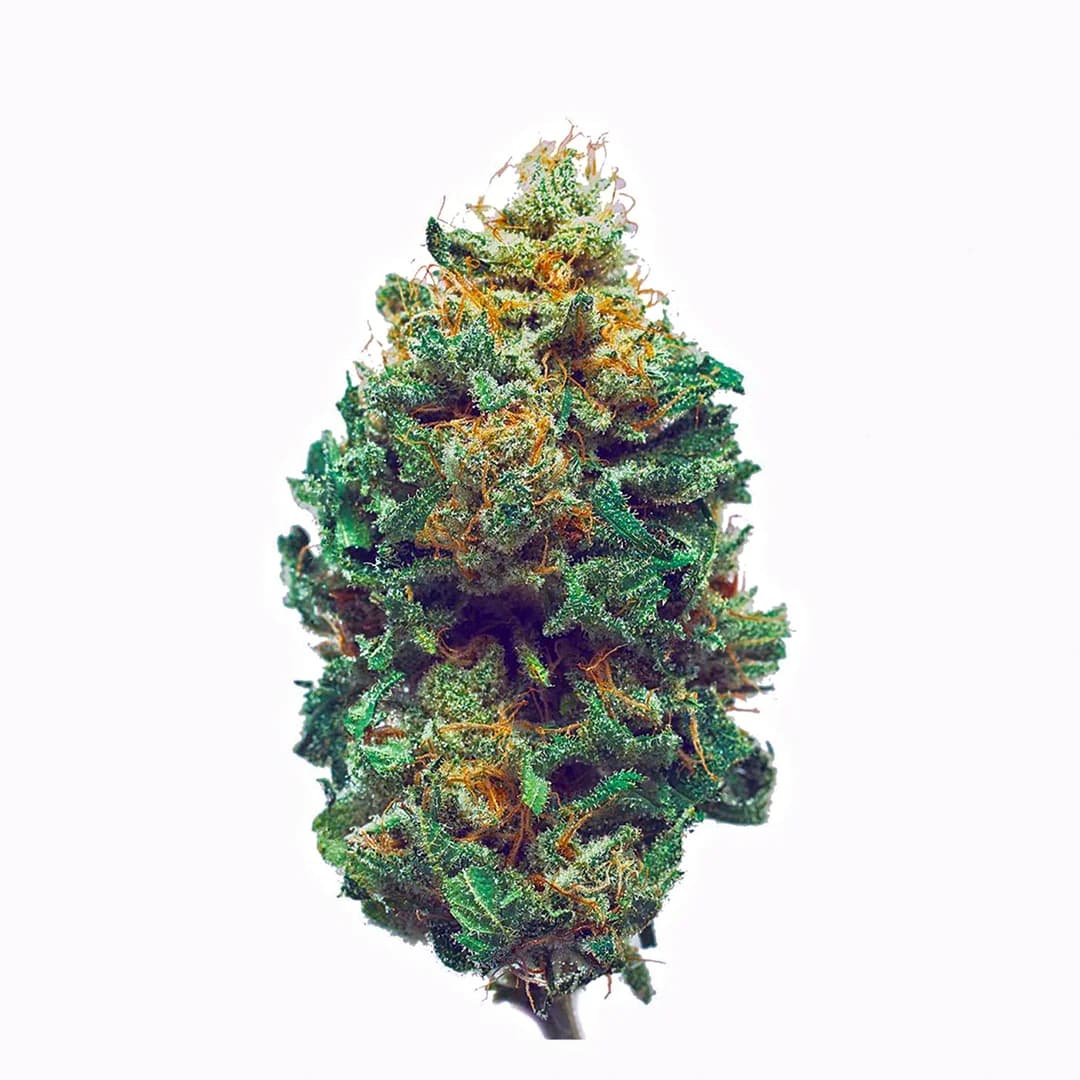
Harlequin is presented by Leafly as a sativa catalog entry. The source account says: Colombian Gold, Nepali indica, Thai and Swiss landrace ancestry are reported. Immediate parents and crossing order are not specified. This context is retained as an attributed account, not as genetic authentication of every sample carrying the name. Reader-reported flavor descriptors include Earthy, Spicy/Herbal, Woody. The catalog lists Caryophyllene, Myrcene, Pinene as terpene labels. Those fields describe different evidence layers and do not establish a fixed chemical profile, medical effect or response for an individual sample.
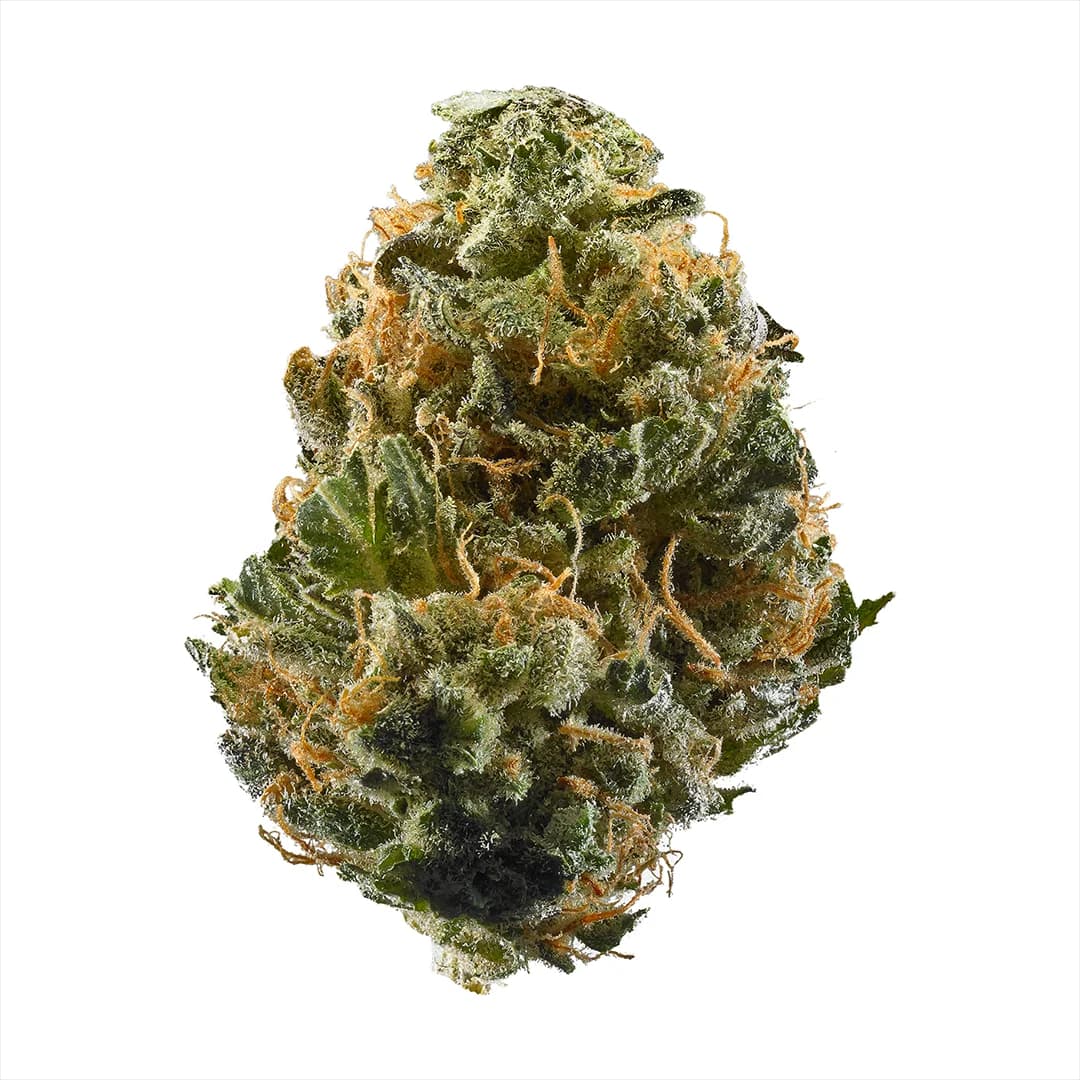
Haze is a broad sativa-associated family that Leafly places in Santa Cruz in the 1960s. Its account names Colombian, Mexican, Thai and South Indian ancestry without defining a complete sequence of crosses. The profile's spicy or herbal, tobacco and earthy tags describe reader impressions. This family-level history is useful when exploring descendants, but the word Haze in another strain's name is not enough to prove a direct parent relationship or identical chemistry.
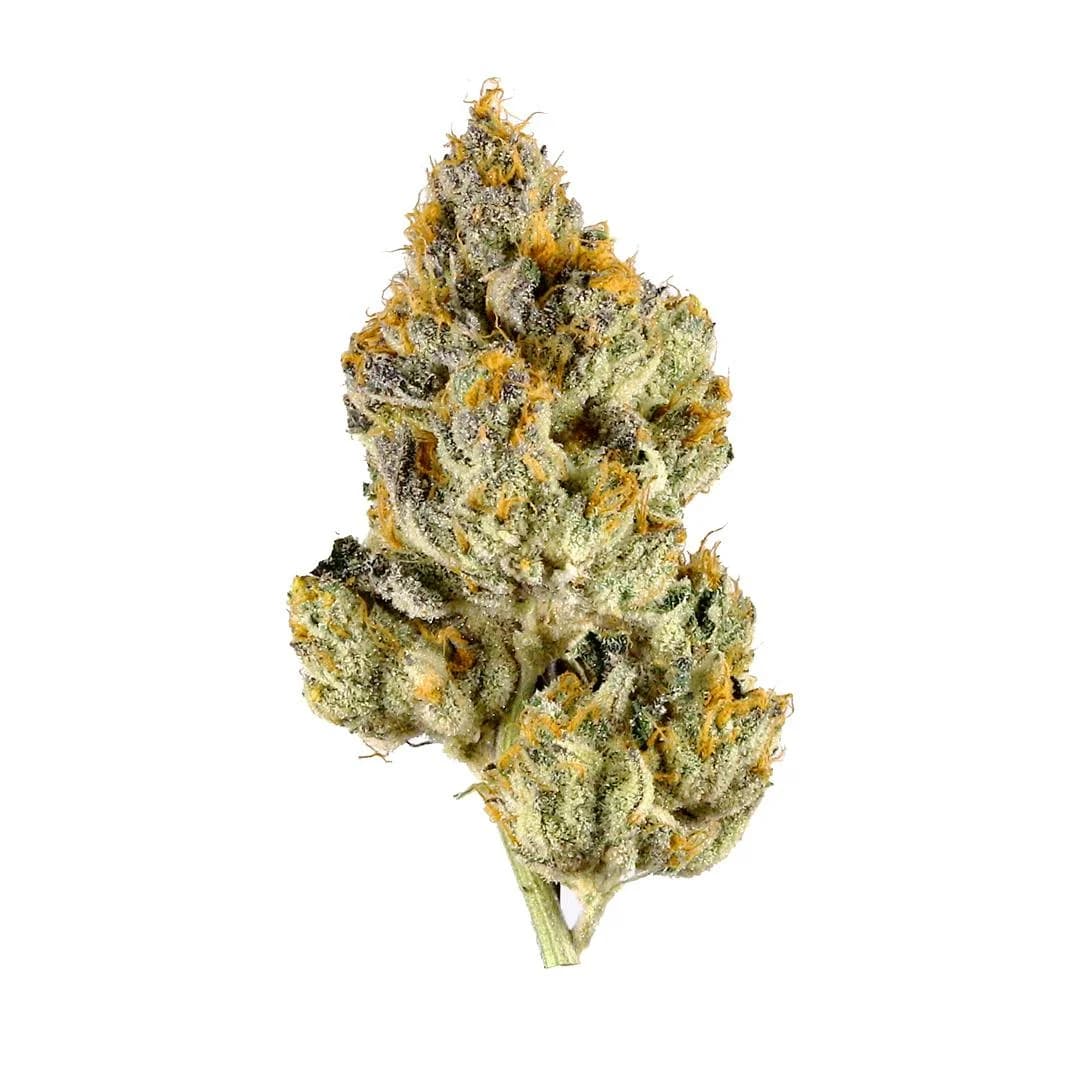
Red Congolese is presented by Leafly as a sativa catalog entry. The source account says: Leafly notes differing origin accounts. Afghani and Mexican roots are retained only as disputed ancestry for a California version, not as universal parentage. This context is retained as an attributed account, not as genetic authentication of every sample carrying the name. Reader-reported flavor descriptors include Chestnut, Sage, Spicy/Herbal. The catalog lists Caryophyllene, Myrcene, Pinene as terpene labels. Those fields describe different evidence layers and do not establish a fixed chemical profile, medical effect or response for an individual sample.