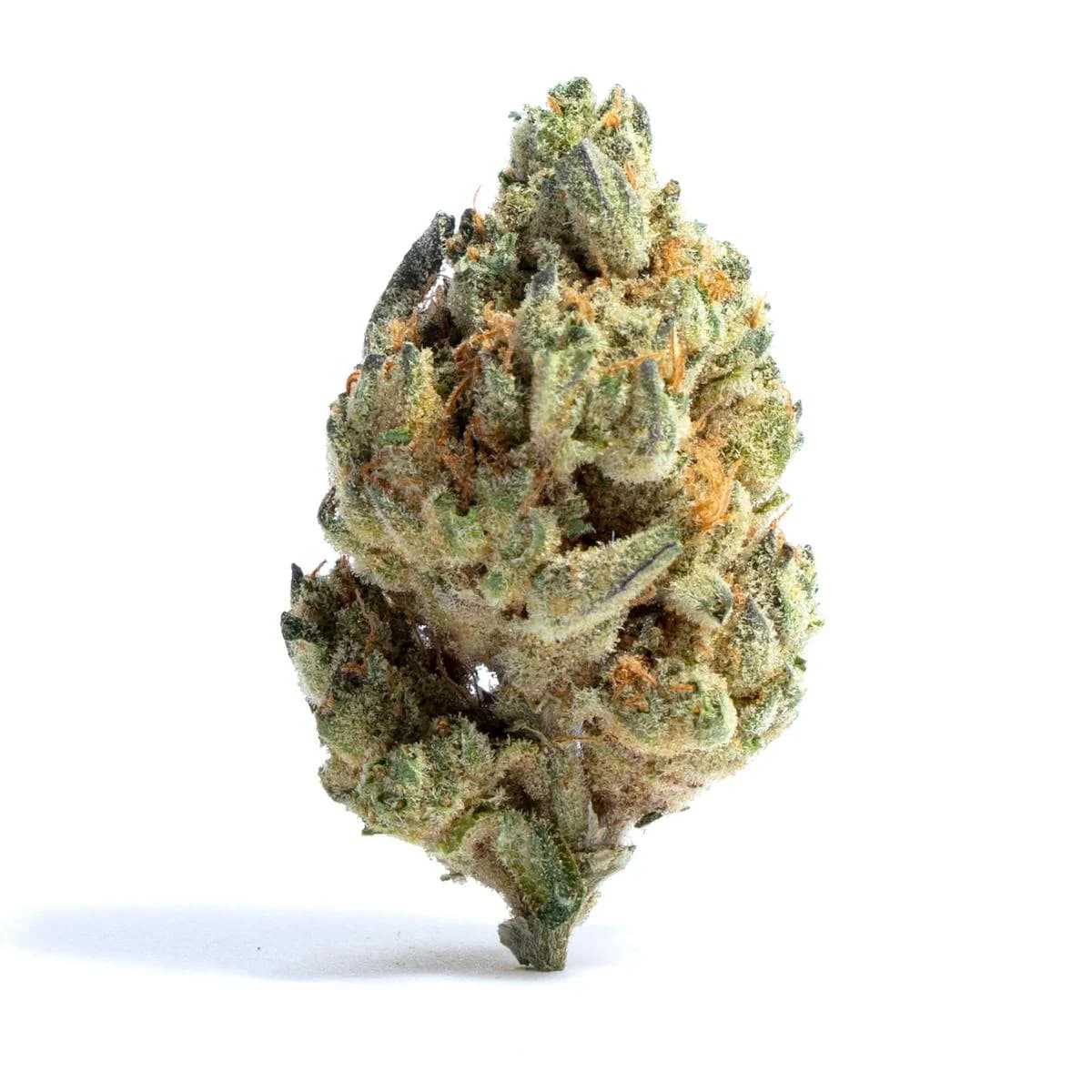
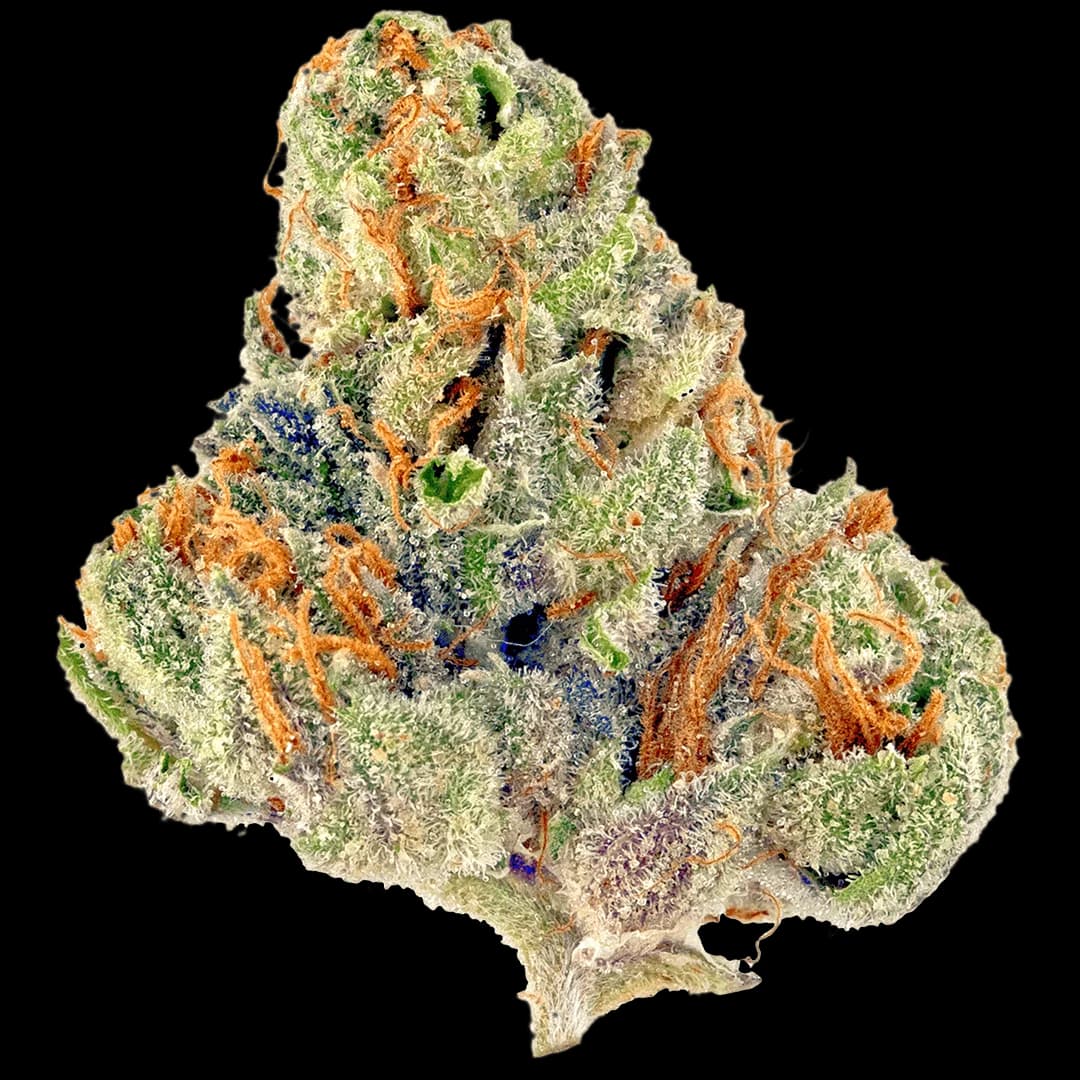
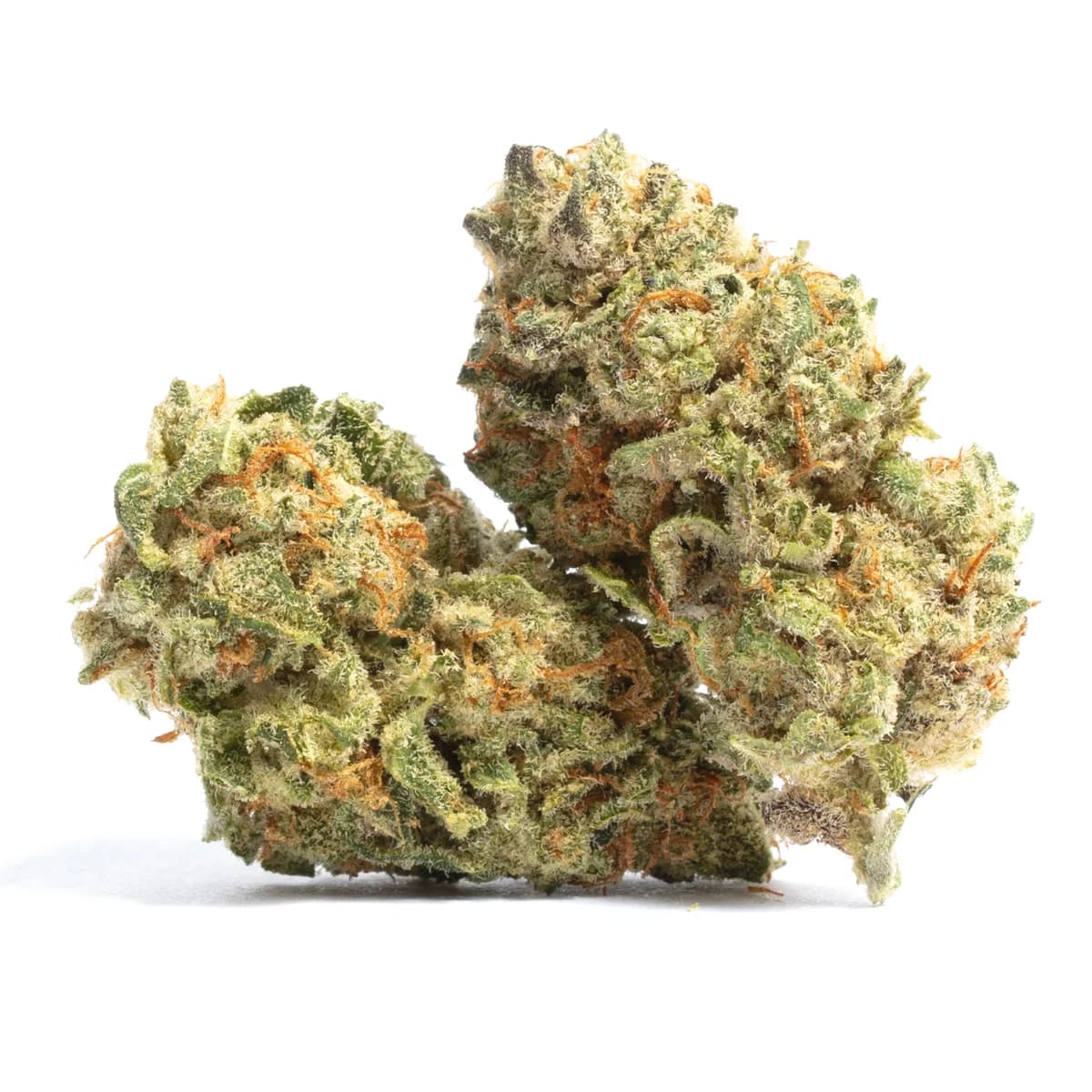
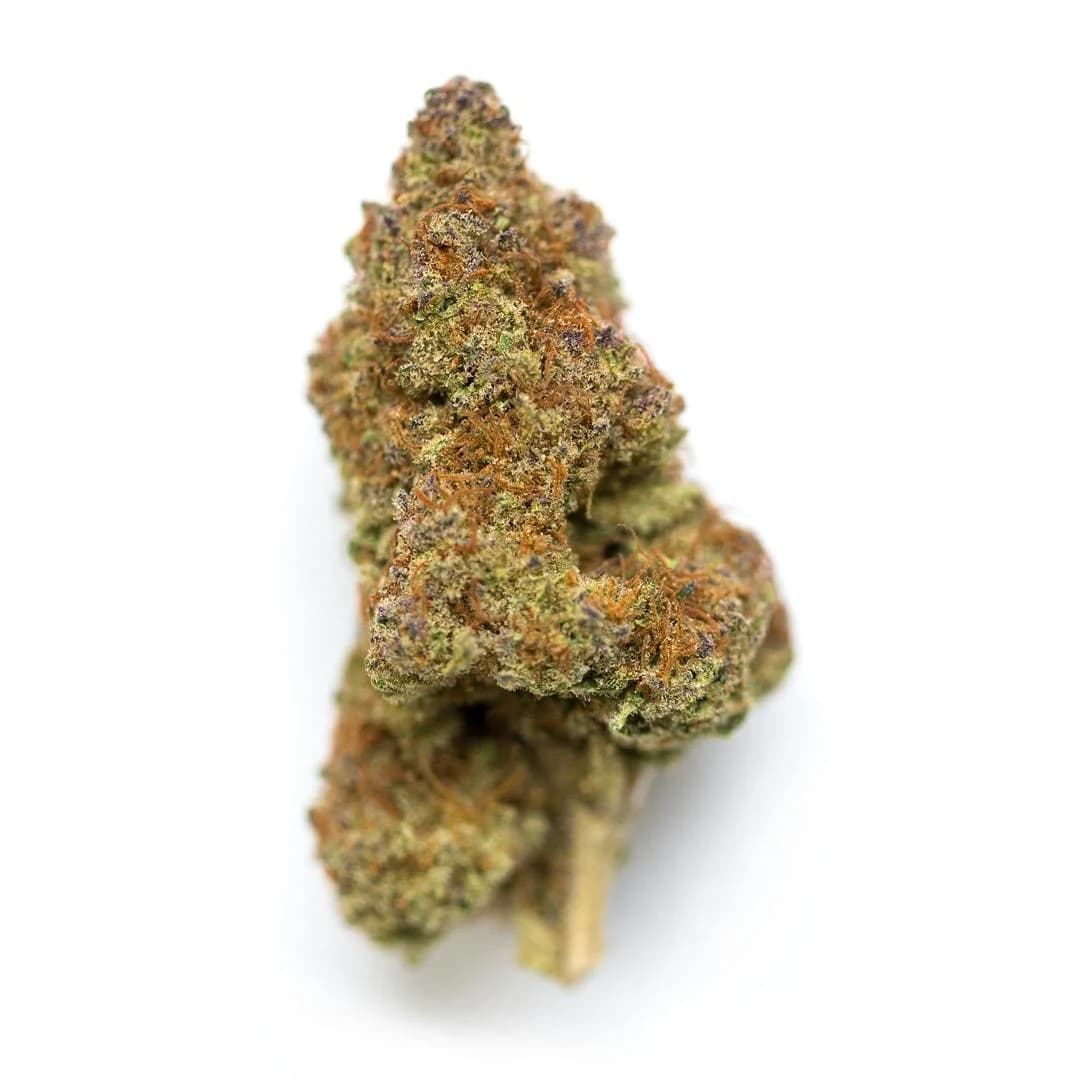
Percentages are catalog reference values, not sample lab results. “Not reported” means the source did not supply a value. Reported effects are subjective tags, not predictions.
Smarties is included as a source-linked hybrid catalog profile. This entry preserves the published name and broad classification while keeping sample-specific potency, chemistry and reader-reported descriptors tied to the cited source. Catalog fields are reference information and do not guarantee the composition or effects of an individual sample.
Snowball is included as a source-linked hybrid catalog profile. This entry preserves the published name and broad classification while keeping sample-specific potency, chemistry and reader-reported descriptors tied to the cited source. Catalog fields are reference information and do not guarantee the composition or effects of an individual sample.
Sour Diesel, also called Sour D, is a catalog name associated with fuel-like aroma descriptions. Leafly currently labels the entry hybrid and reports Chemdawg and Super Skunk as parents. Its listed reader tags include diesel, chemical and skunk; these describe impressions rather than measured ingredients. The same source also uses sativa language in its review summary, so category wording should be read cautiously rather than used to settle ancestry or predict an individual's response.
Sour Dubb is presented by Leafly as a hybrid catalog entry. The source account says: Sour Dubb has uncertain clone-only origins. Leafly proposes East Coast Sour Diesel with Sour Bubble and separately describes a B.O.G. Seeds recreation using a different Sour Diesel line. This is a source-reported identity, not a genetically authenticated pedigree. This context is retained as an attributed account, not as genetic authentication of every sample carrying the name. Reader-reported flavor descriptors include Blueberry, Citrus, Diesel. The catalog lists Caryophyllene, Limonene, Linalool as terpene labels. Those fields describe different evidence layers and do not establish a fixed chemical profile, medical effect or response for an individual sample.
Sour Kosher is included as a source-linked hybrid catalog profile. This entry preserves the published name and broad classification while keeping sample-specific potency, chemistry and reader-reported descriptors tied to the cited source. Catalog fields are reference information and do not guarantee the composition or effects of an individual sample.
Space Queen is presented by Leafly as a hybrid catalog entry. The source account says: The source explicitly names Romulan and Cinderella 99. Independent breeder or genetic corroboration remains outstanding. This context is retained as an attributed account, not as genetic authentication of every sample carrying the name. Reader-reported flavor descriptors include Apple, Floral, Pear. The catalog lists Caryophyllene, Humulene, Limonene as terpene labels. Those fields describe different evidence layers and do not establish a fixed chemical profile, medical effect or response for an individual sample.
Stardawg is presented by Leafly as a hybrid catalog entry. The source account says: The cited catalog page does not establish a complete, authenticated immediate-parent cross for this entry. This context is retained as an attributed account, not as genetic authentication of every sample carrying the name. Reader-reported flavor descriptors include Chemical, Diesel, Pepper. The catalog lists Caryophyllene, Limonene, Myrcene as terpene labels. Those fields describe different evidence layers and do not establish a fixed chemical profile, medical effect or response for an individual sample.
Starfighter is presented by Leafly as a hybrid catalog entry. The source account says: The reported original cross is distinguished from later releases described as similar phenotypes. Breeder-level corroboration remains needed. This context is retained as an attributed account, not as genetic authentication of every sample carrying the name. Reader-reported flavor descriptors include Chemical, Lavender, Pine. The catalog lists Caryophyllene, Limonene, Myrcene as terpene labels. Those fields describe different evidence layers and do not establish a fixed chemical profile, medical effect or response for an individual sample.
Strawberry Banana is presented by Leafly as a hybrid catalog entry. The source account says: Strawberry Banana, or Strawnana, is attributed to DNA Genetics working with Serious Seeds. Its reported parents are Crockett’s Banana Kush and the Strawberry selection of Bubble Gum. This is a source-reported identity, not a genetically authenticated pedigree. This context is retained as an attributed account, not as genetic authentication of every sample carrying the name. Reader-reported flavor descriptors include Strawberry, Tree fruit, Tropical. The catalog lists Caryophyllene, Limonene, Myrcene as terpene labels. Those fields describe different evidence layers and do not establish a fixed chemical profile, medical effect or response for an individual sample.
Strawberry Diesel is presented by Leafly as a hybrid catalog entry. The source account says: NYC Diesel and Strawberry Cough are the parents stated in the linked source. Do not silently substitute another Sour Diesel line. This context is retained as an attributed account, not as genetic authentication of every sample carrying the name. Reader-reported flavor descriptors include Diesel, Strawberry, Sweet. The catalog lists Caryophyllene, Limonene, Myrcene as terpene labels. Those fields describe different evidence layers and do not establish a fixed chemical profile, medical effect or response for an individual sample.
Strawberry Guava is included as a source-linked hybrid catalog profile. This entry preserves the published name and broad classification while keeping sample-specific potency, chemistry and reader-reported descriptors tied to the cited source. Catalog fields are reference information and do not guarantee the composition or effects of an individual sample.
Sunset Runtz is presented by Leafly as a hybrid catalog entry. The source account says: The cited catalog page does not establish a complete, authenticated immediate-parent cross for this entry. This context is retained as an attributed account, not as genetic authentication of every sample carrying the name. Reader-reported flavor descriptors include Citrus, Diesel, Peach. The catalog lists Caryophyllene, Limonene, Linalool as terpene labels. Those fields describe different evidence layers and do not establish a fixed chemical profile, medical effect or response for an individual sample.
Sunshine #4 is included as a source-linked hybrid catalog profile. This entry preserves the published name and broad classification while keeping sample-specific potency, chemistry and reader-reported descriptors tied to the cited source. Catalog fields are reference information and do not guarantee the composition or effects of an individual sample.
Sweeties is included as a source-linked hybrid catalog profile. This entry preserves the published name and broad classification while keeping sample-specific potency, chemistry and reader-reported descriptors tied to the cited source. Catalog fields are reference information and do not guarantee the composition or effects of an individual sample.
Tahoe OG is described in the catalog as a phenotype of OG Kush rather than as a separately documented two-parent cross, with Tahoe OG Kush recorded as another name. Earthy, pine and woody are reader-reported flavor descriptors, while caryophyllene, limonene and myrcene are listed as source terpene labels. This profile preserves the phenotype distinction because a name can describe a selected expression within a family rather than a new pedigree. The record does not establish that every Tahoe OG-labelled sample has the same chemistry or response.
Tangerine Dream is presented by Leafly as a hybrid catalog entry. The source account says: Tangerine Dream is associated with Barney’s Farm. Its background lists G13, Afghani and Neville’s A5 Haze; the source does not specify each intermediate breeding step. This is a source-reported identity, not a genetically authenticated pedigree. This context is retained as an attributed account, not as genetic authentication of every sample carrying the name. Reader-reported flavor descriptors include Citrus, Orange, Tropical. The catalog lists Caryophyllene, Limonene, Myrcene as terpene labels. Those fields describe different evidence layers and do not establish a fixed chemical profile, medical effect or response for an individual sample.
The Soap is presented by Leafly as a hybrid catalog entry. The source account says: The cited catalog page does not establish a complete, authenticated immediate-parent cross for this entry. This context is retained as an attributed account, not as genetic authentication of every sample carrying the name. Reader-reported flavor descriptors include Mint, Rose, Tea. The catalog lists Caryophyllene, Limonene, Linalool as terpene labels. Those fields describe different evidence layers and do not establish a fixed chemical profile, medical effect or response for an individual sample.
The Vision is included as a source-linked hybrid catalog profile. This entry preserves the published name and broad classification while keeping sample-specific potency, chemistry and reader-reported descriptors tied to the cited source. Catalog fields are reference information and do not guarantee the composition or effects of an individual sample.
The White is presented by Leafly as a hybrid catalog entry. The source account says: The source presents the origin as uncertain. Triangle is not automatically resolved to Triangle Kush, and visual similarity is not parentage evidence. This context is retained as an attributed account, not as genetic authentication of every sample carrying the name. Reader-reported flavor descriptors include Earthy, Pine, Woody. The catalog lists Caryophyllene, Limonene, Myrcene as terpene labels. Those fields describe different evidence layers and do not establish a fixed chemical profile, medical effect or response for an individual sample.
Thin Mint is presented by Leafly as a hybrid catalog entry. The source account says: Thin Mint is described as a distinct selection within the GSC family. It appears in the reported background of Gelato, making it a useful link between the Cookies family and later named cultivars. This context is retained as an attributed account, not as genetic authentication of every sample carrying the name. Reader-reported flavor descriptors include Menthol, Mint, Sweet. The catalog lists Caryophyllene, Limonene, Linalool as terpene labels. Those fields describe different evidence layers and do not establish a fixed chemical profile, medical effect or response for an individual sample.
Triangle Mints is included as a source-linked hybrid catalog profile. This entry preserves the published name and broad classification while keeping sample-specific potency, chemistry and reader-reported descriptors tied to the cited source. Catalog fields are reference information and do not guarantee the composition or effects of an individual sample.
Trophy Wife is included as a source-linked hybrid catalog profile. This entry preserves the published name and broad classification while keeping sample-specific potency, chemistry and reader-reported descriptors tied to the cited source. Catalog fields are reference information and do not guarantee the composition or effects of an individual sample.
Tropicana Punch is included as a source-linked hybrid catalog profile. This entry preserves the published name and broad classification while keeping sample-specific potency, chemistry and reader-reported descriptors tied to the cited source. Catalog fields are reference information and do not guarantee the composition or effects of an individual sample.
Wedding Cake is listed by Leafly as Triangle Mints #23, with Pink Cookies used as another regional name. Its reported cross connects Triangle Kush and Animal Mints. Vanilla, pepper and butter appear among the reader flavor tags, giving this profile more detail than its dessert-themed name alone. The catalog's cannabinoid values remain source summaries; the naming history and reported parent cross do not establish a fixed composition for everything sold under this name.