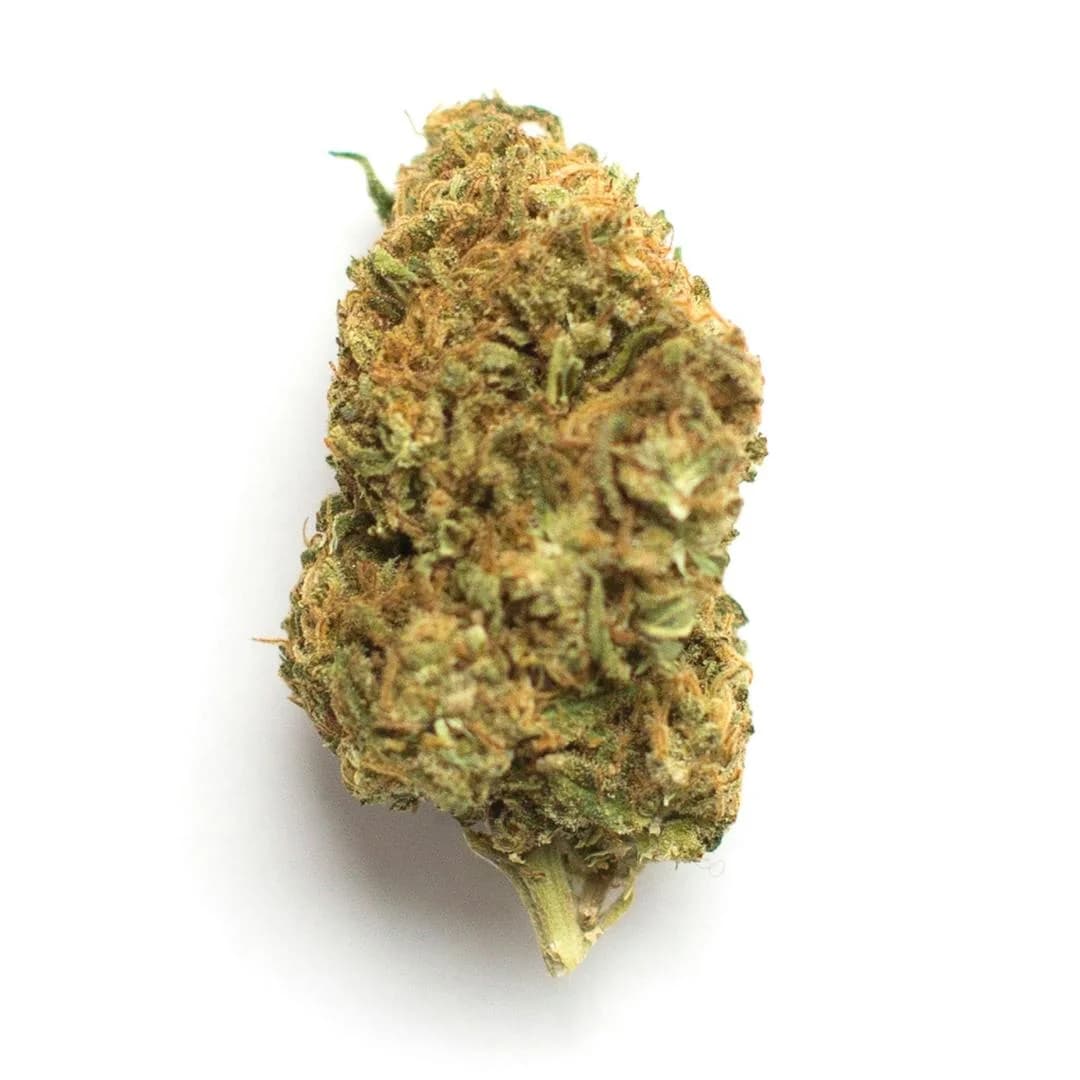
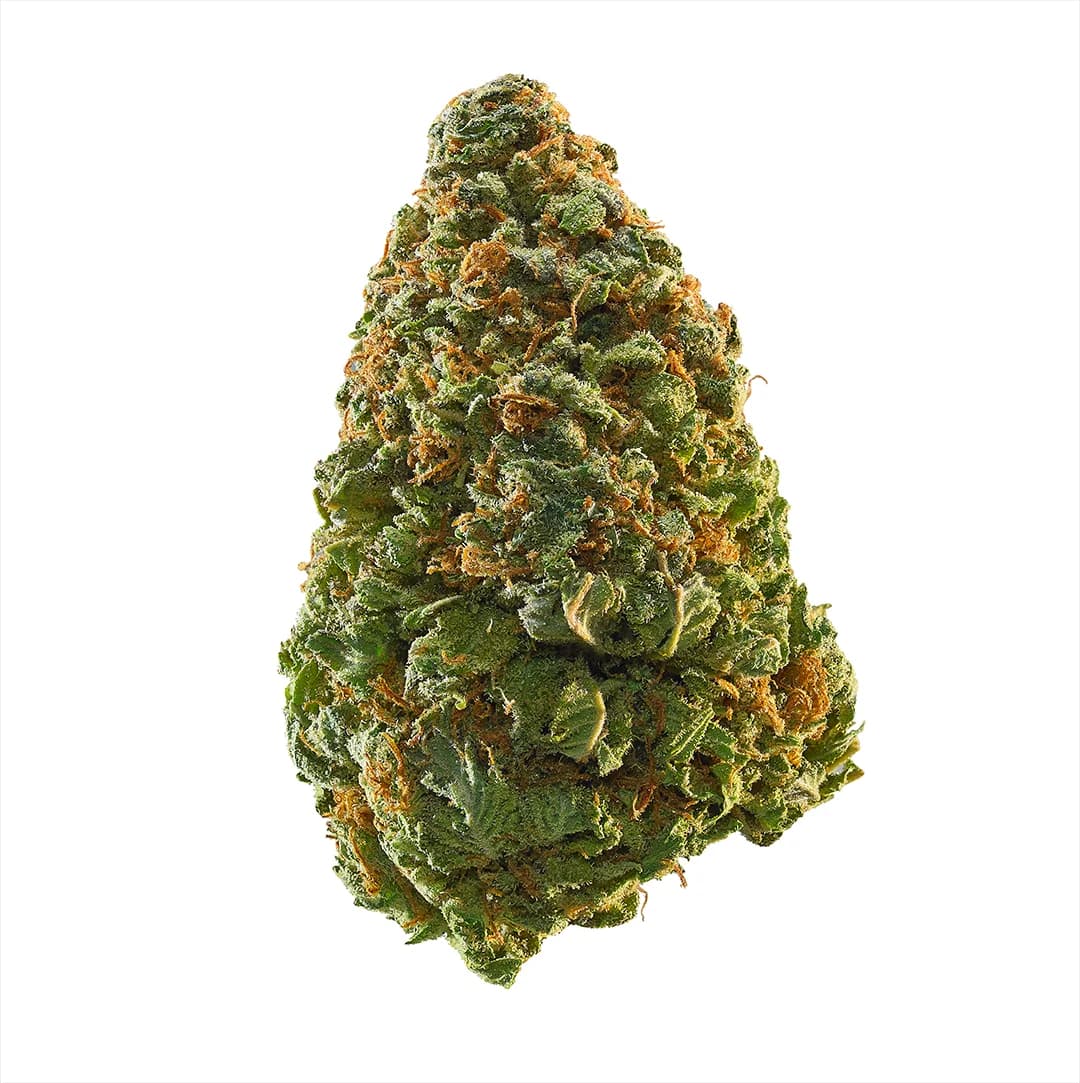
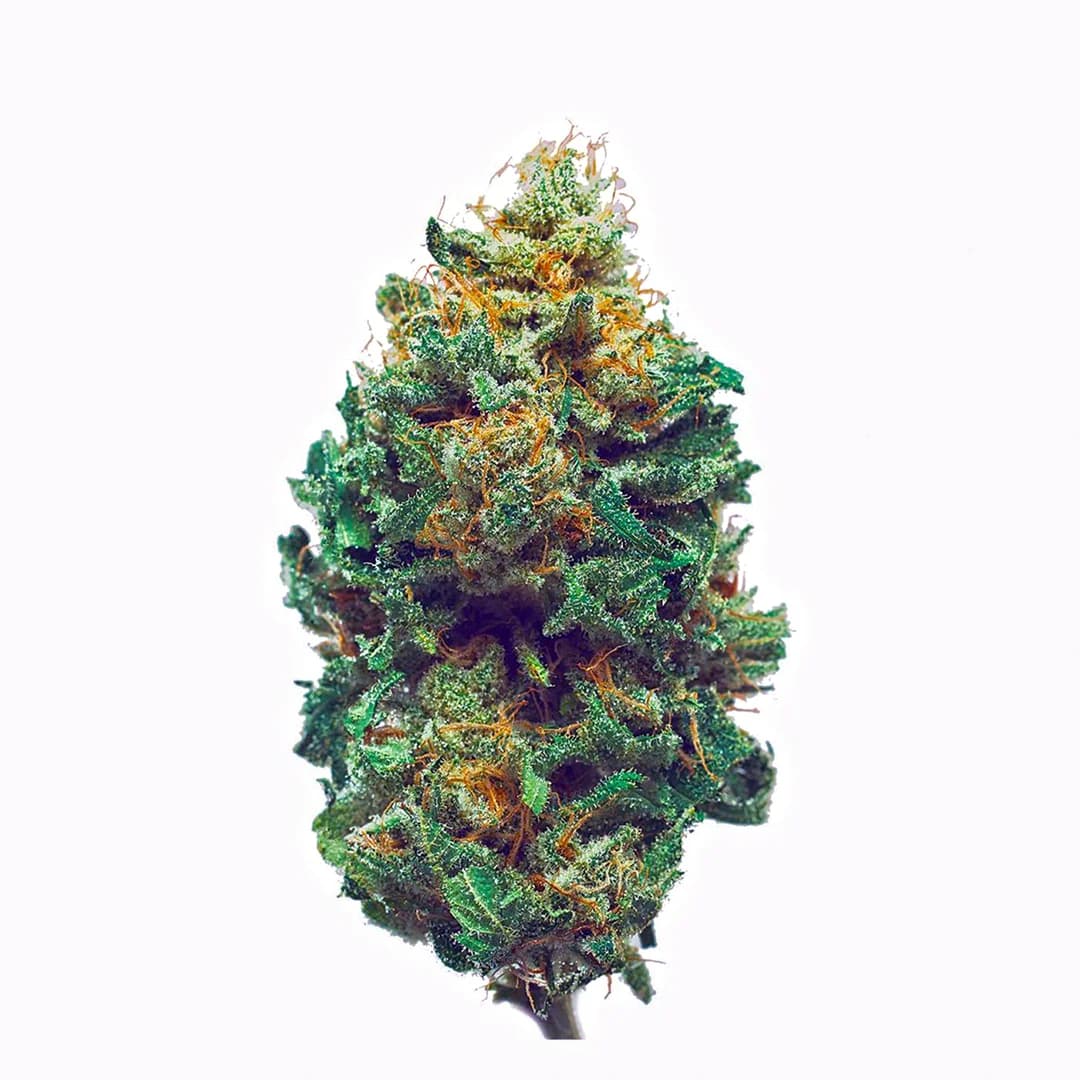
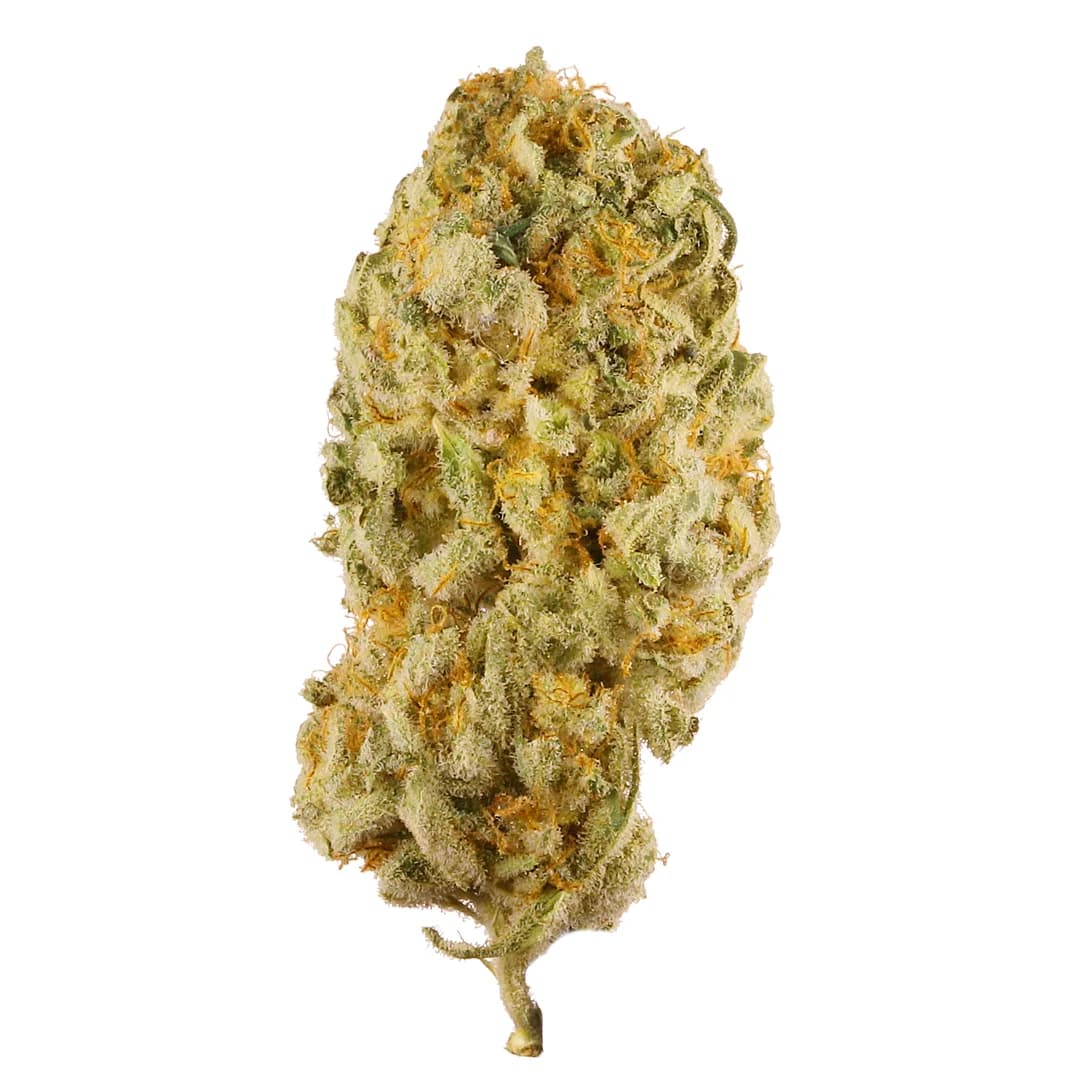
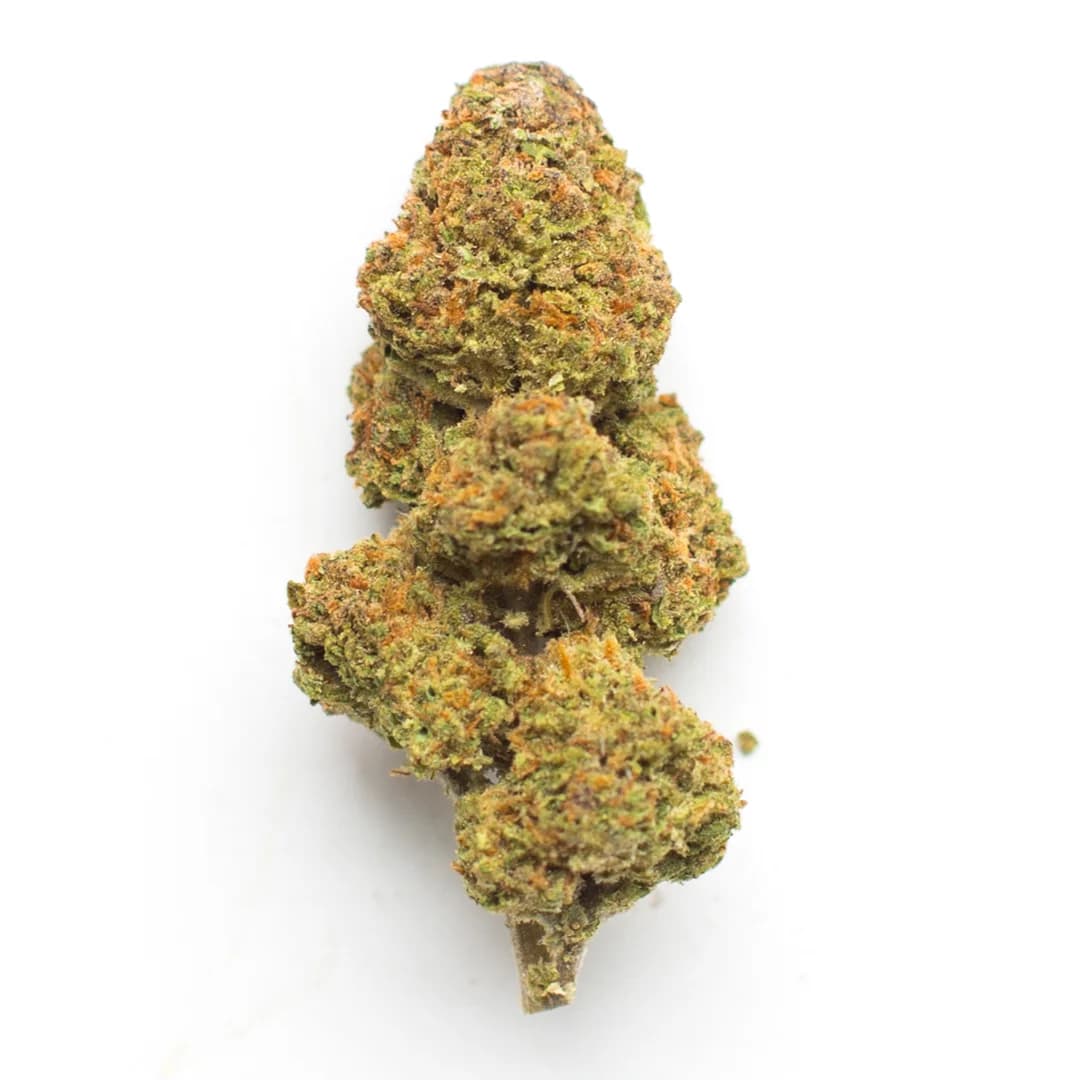
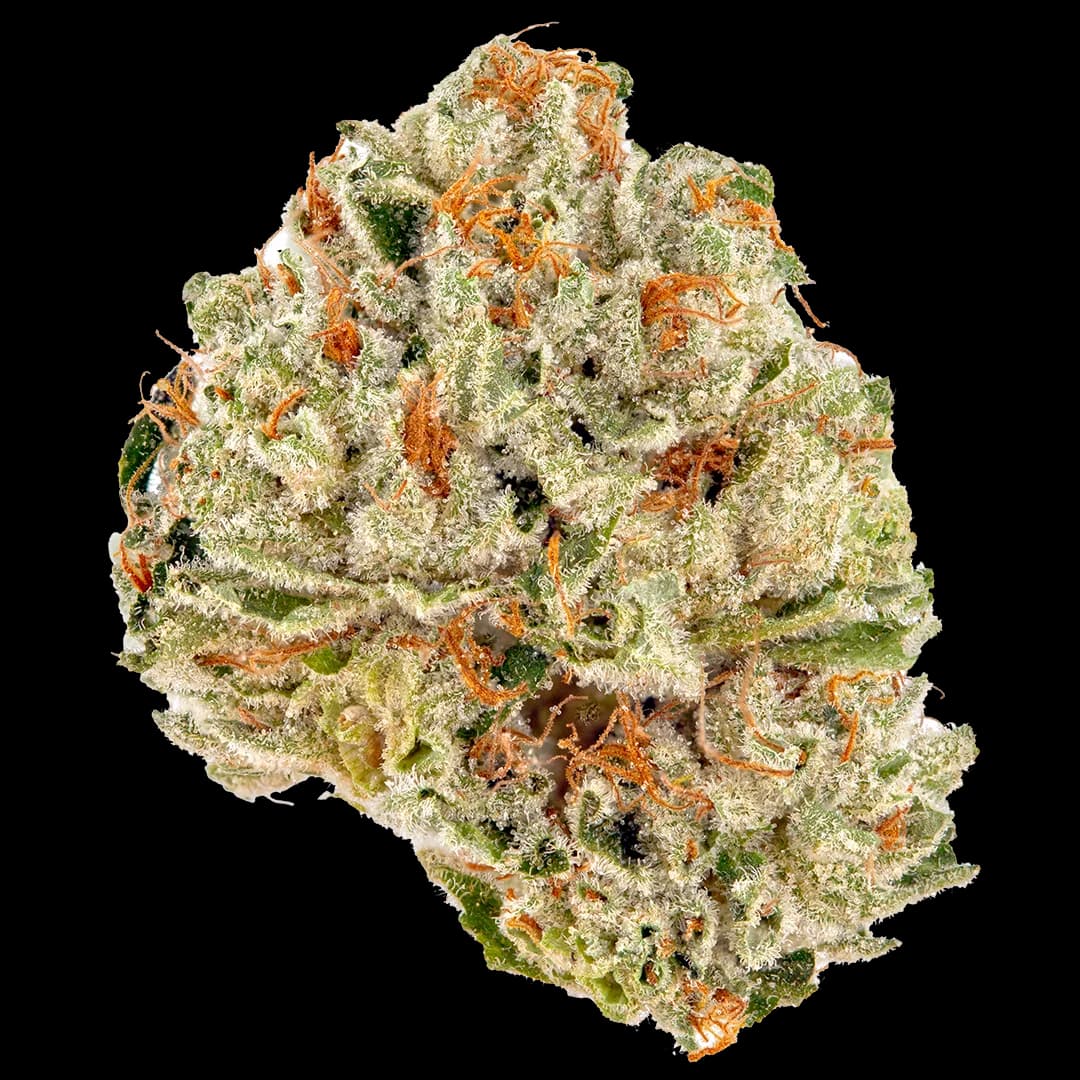
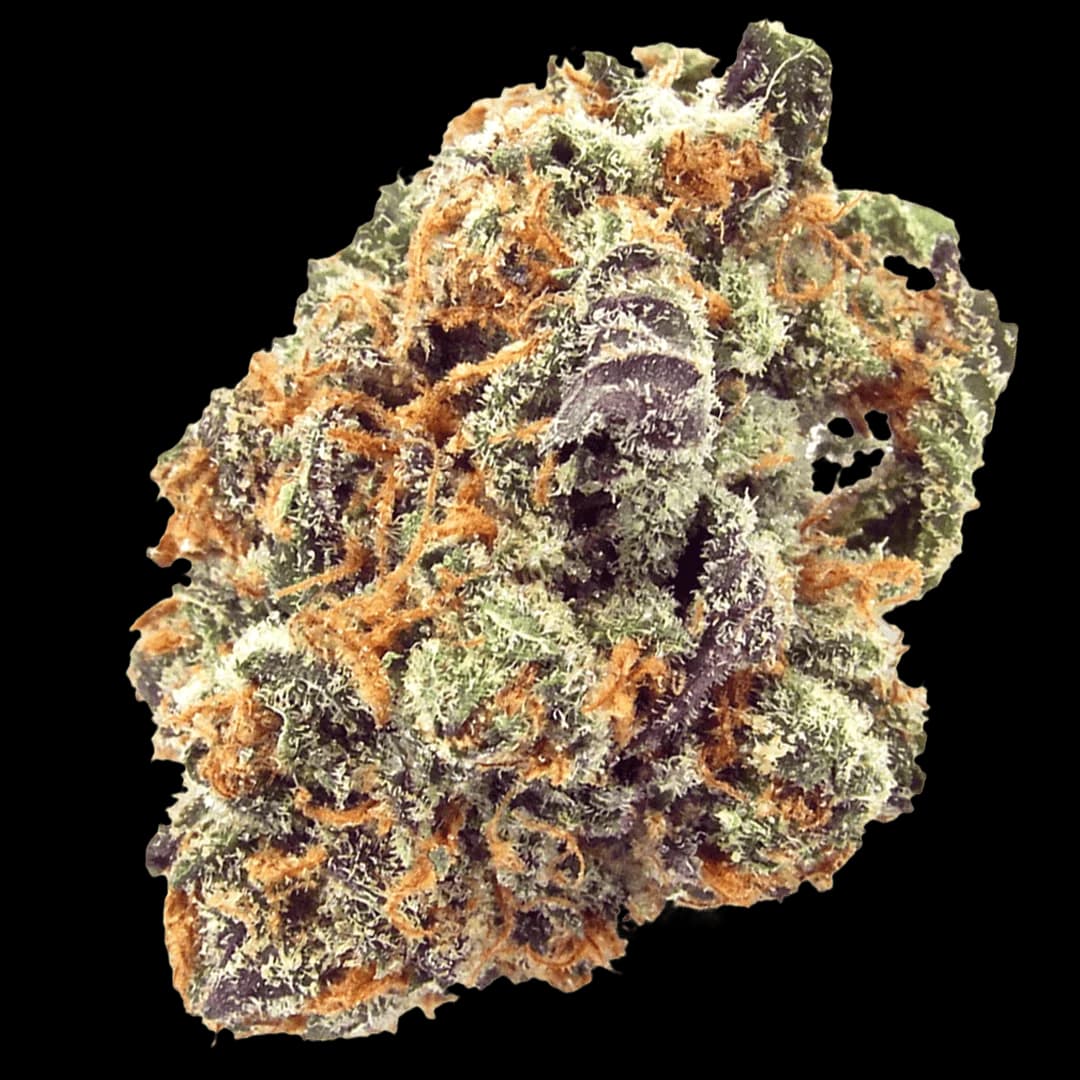
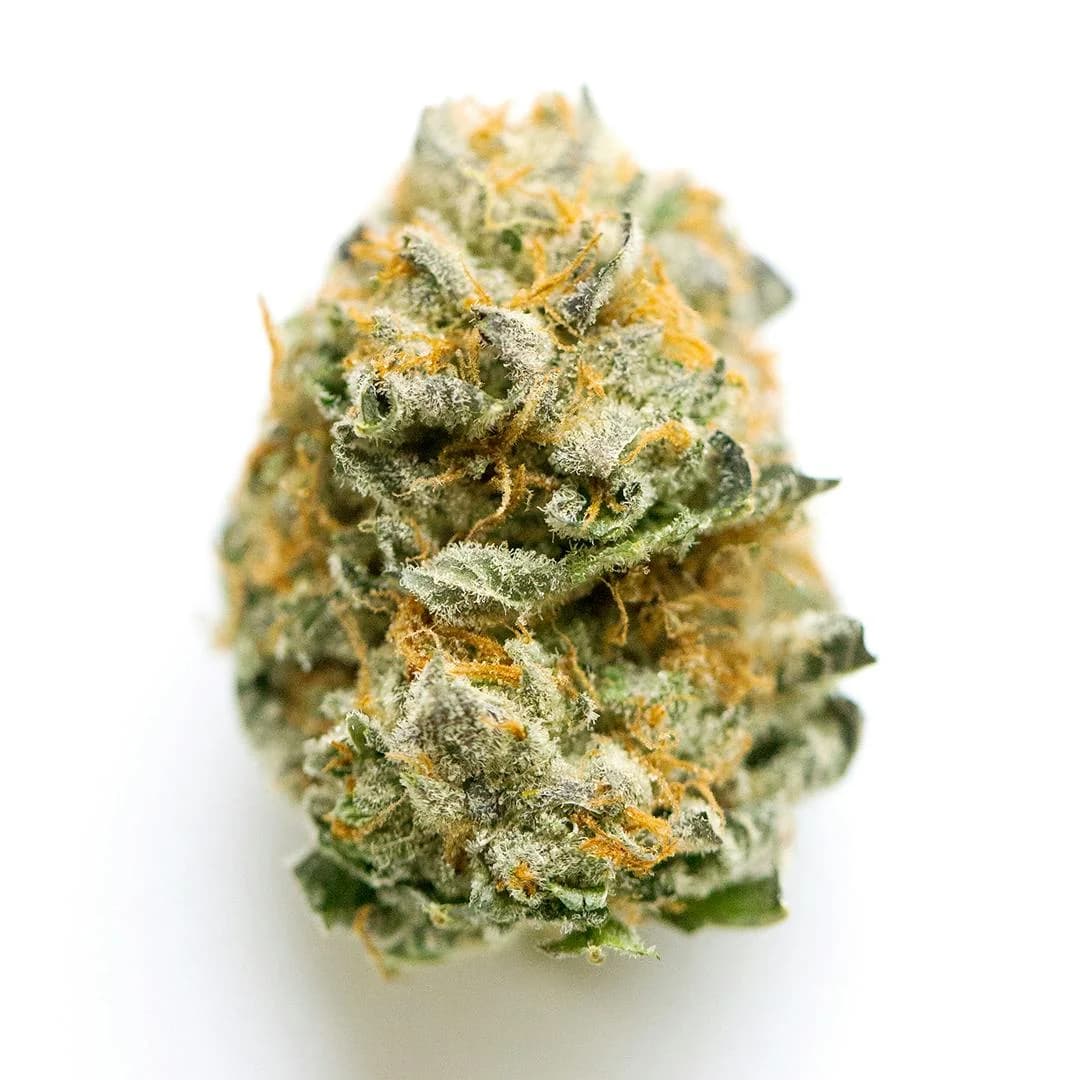
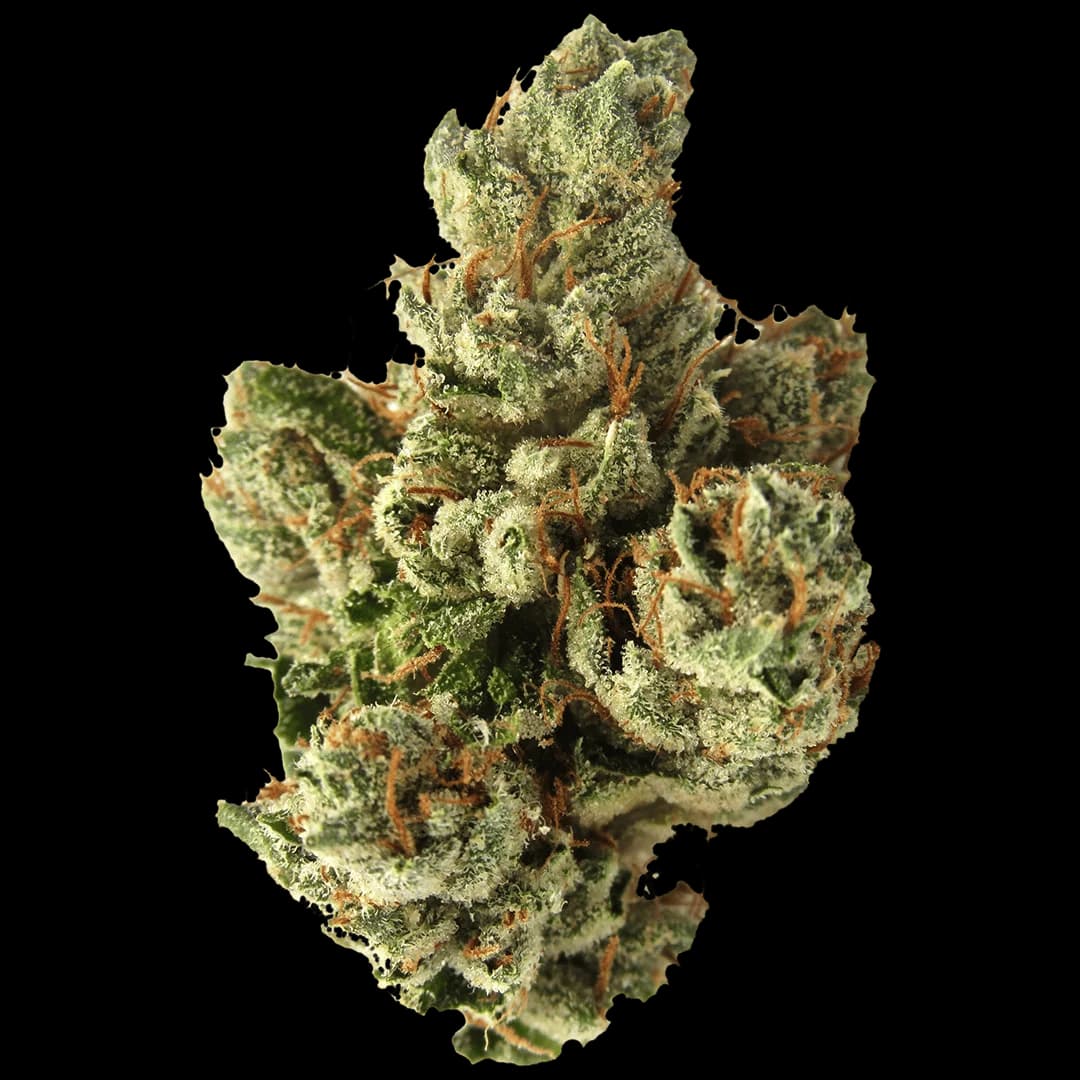
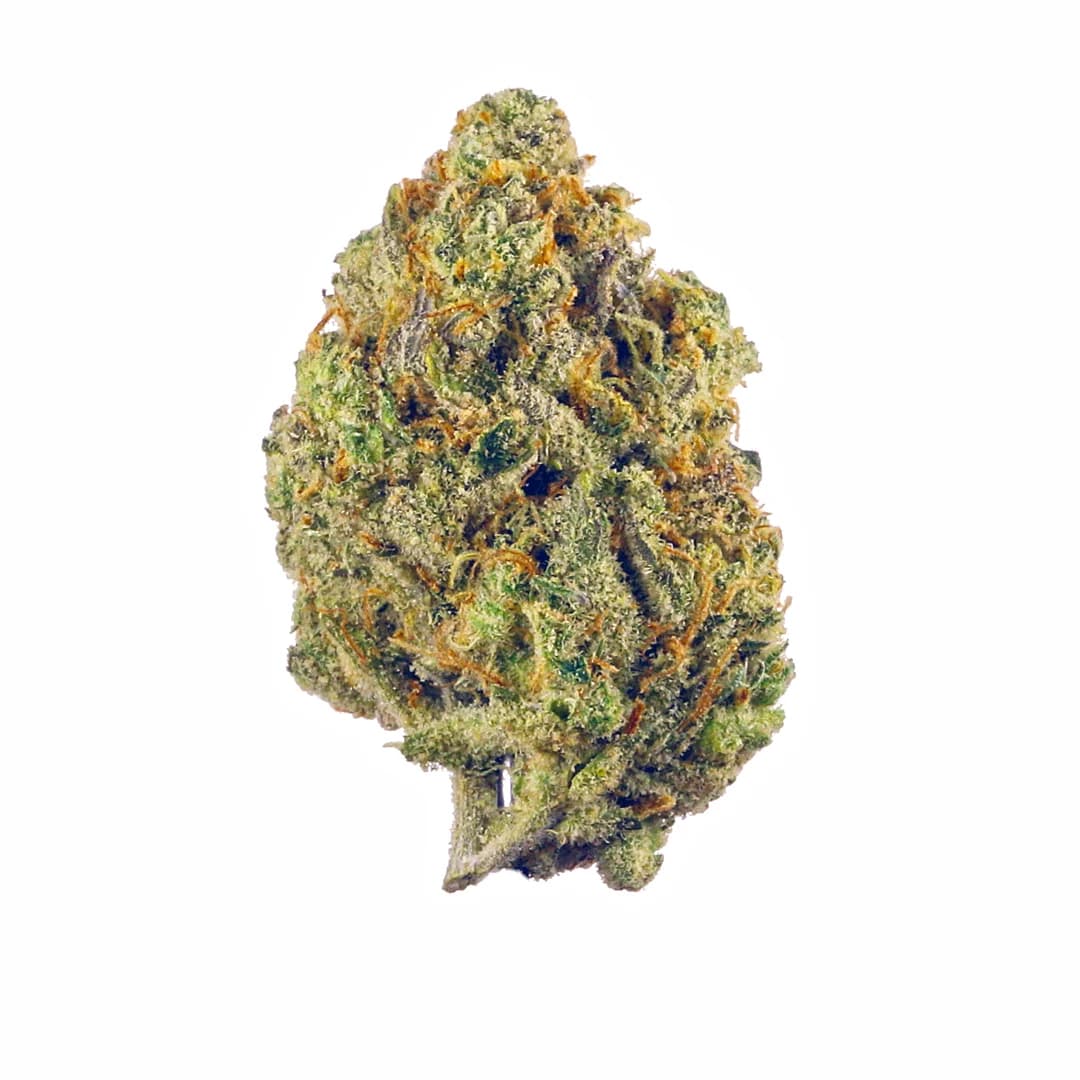
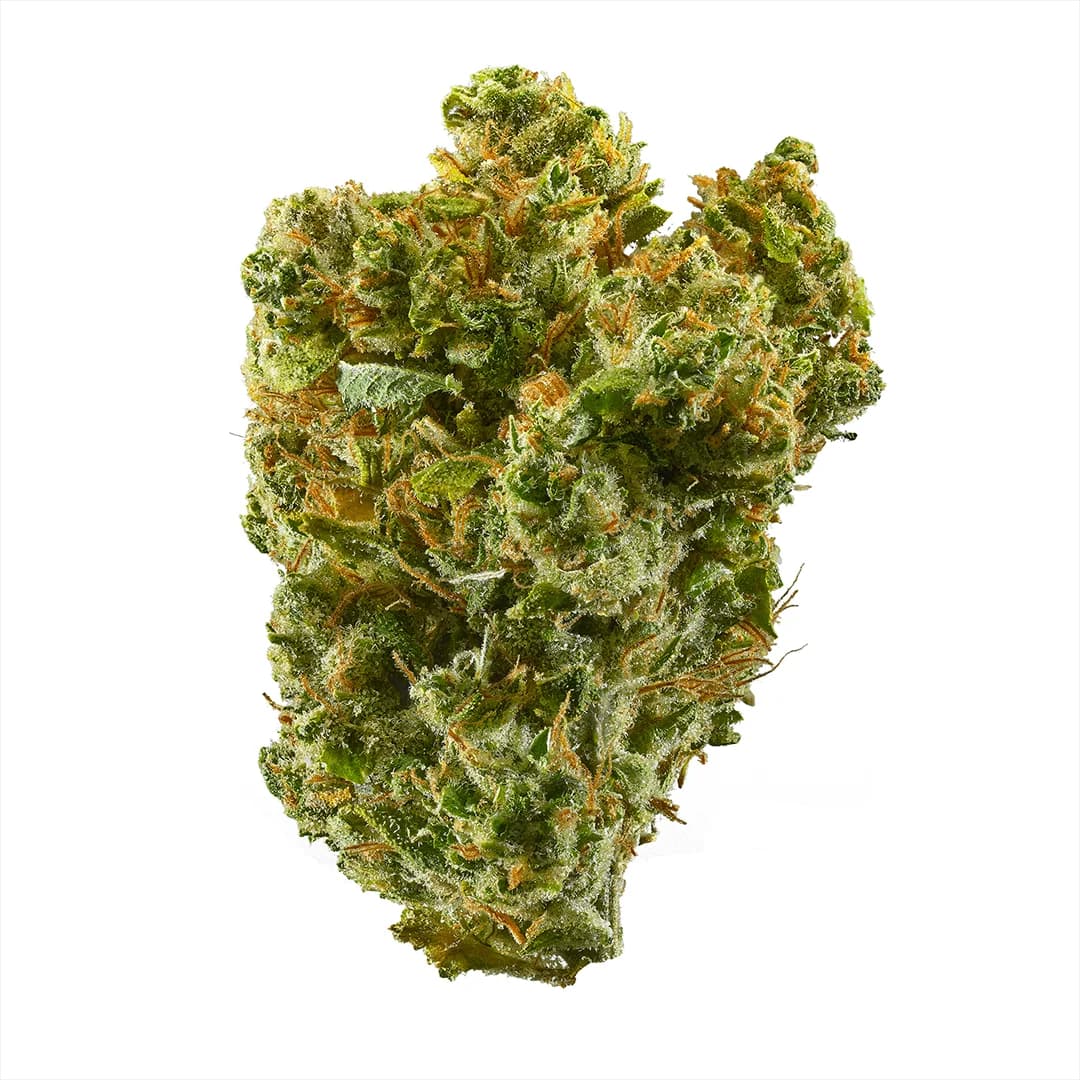
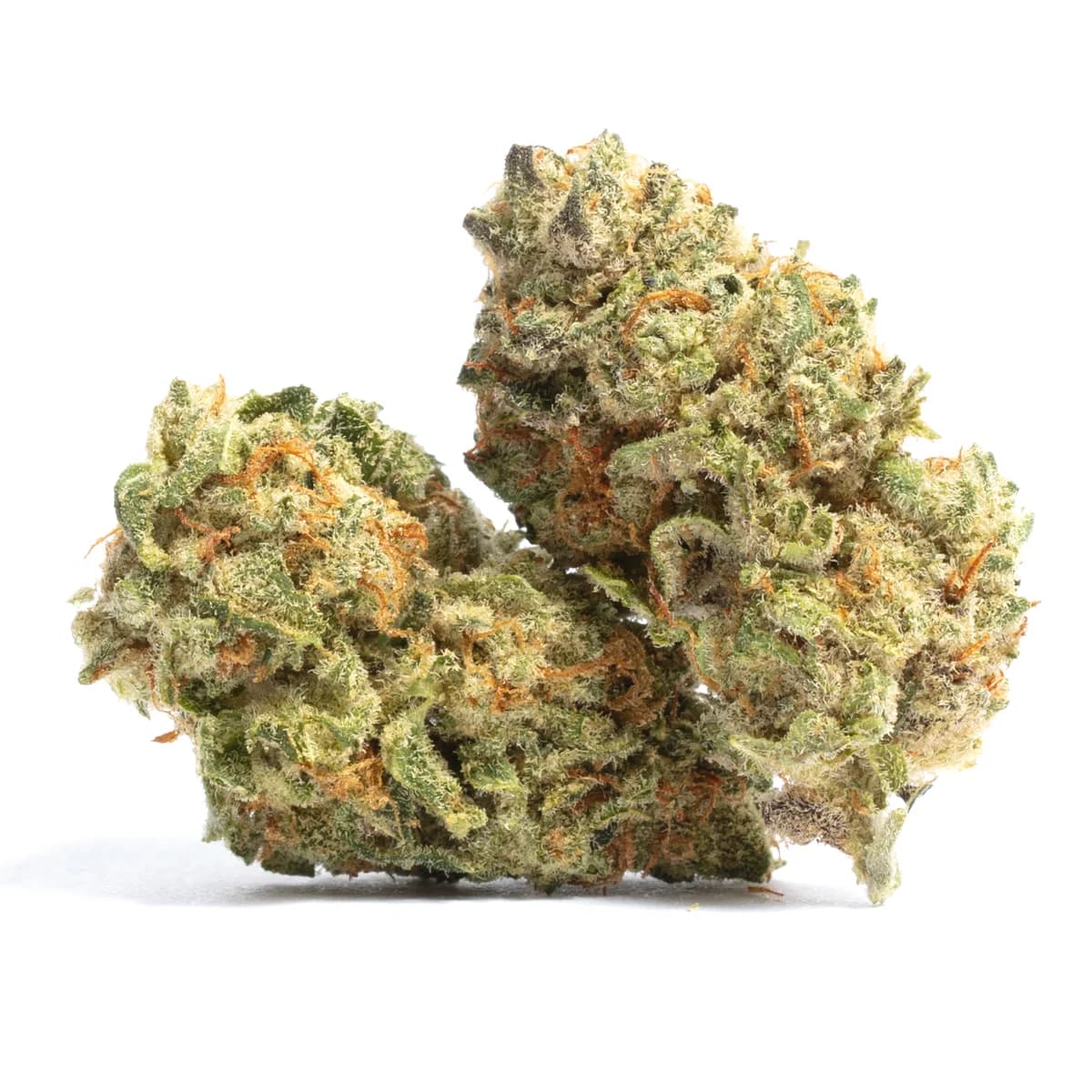
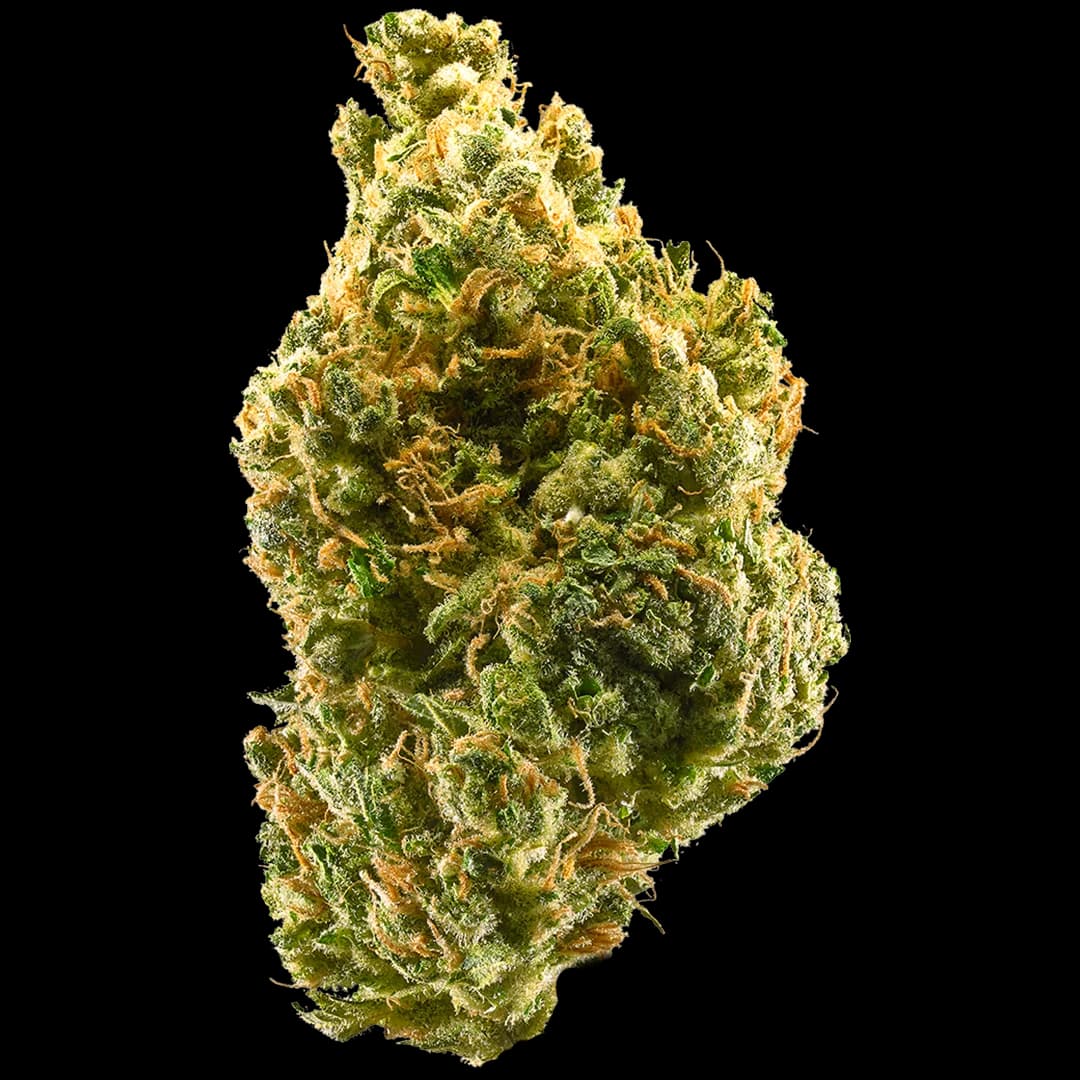
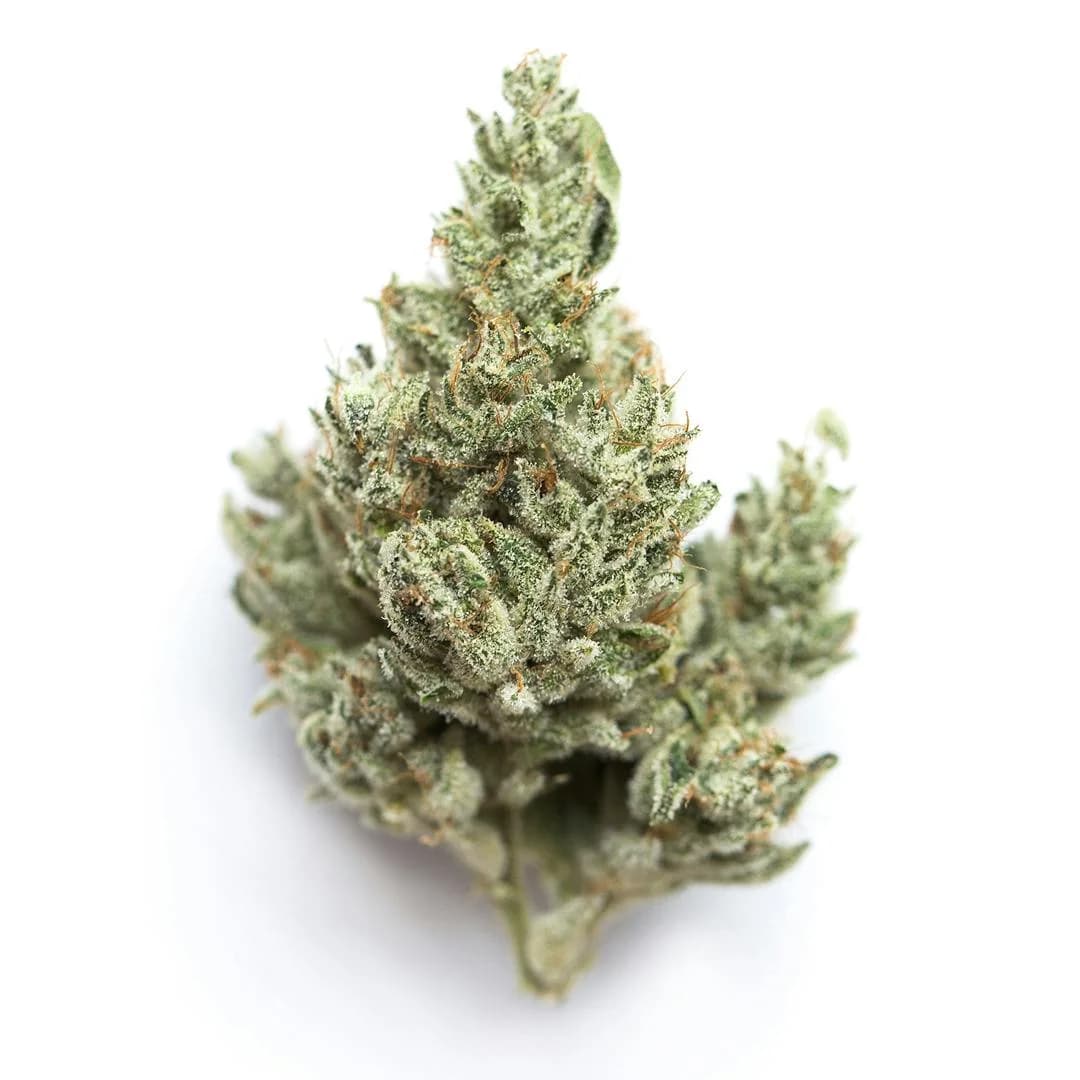
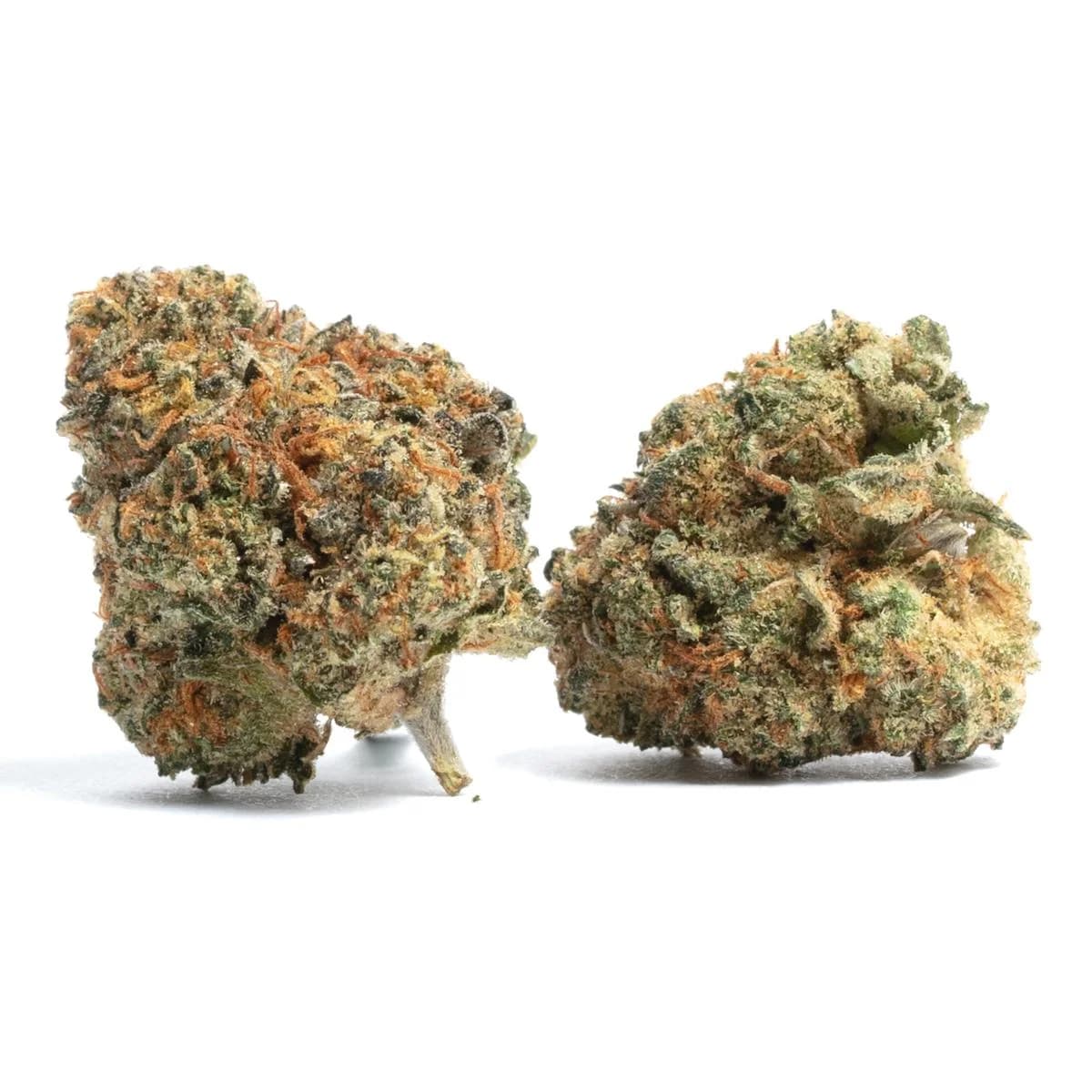
Percentages are catalog reference values, not sample lab results. “Not reported” means the source did not supply a value. Reported effects are subjective tags, not predictions.
ACDC is described as a CBD-dominant selection from Cannatonic. Its connection is a phenotype selection, so it is shown differently from a cross between two parent cultivars.
Acapulco Gold is associated with the area around Acapulco in Mexico. The regional origin is documented separately from a modern, named two-parent pedigree.
Bruce Banner is attributed to Dark Horse Genetics and a cross of OG Kush with Strawberry Diesel. Numbered selections such as Bruce Banner #3 are not automatically treated as identical samples.
Cannatonic is a Resin Seeds cultivar associated with CBD-focused selections. The breeder identifies Reina Madre and NYCD as its cross; this differs from an older lineage still found in some catalogs.
Chocolate Diesel is reported as Sour Diesel crossed with Chocolate Thai. Its catalog identity connects the Diesel family with chocolate-associated Thai genetics.
Chocolope, also called D-Line, is reported to combine Chocolate Thai and Cannalope Haze. Its catalog identity connects chocolate-associated Thai genetics with the Haze family.
Colombian Gold is associated with Colombia’s Santa Marta mountains. Leafly describes this regional landrace as a contributor to the later Skunk 1 family.
Durban Poison takes its regional identity from Durban in South Africa according to Leafly. The catalog classifies it as sativa without supplying a named two-parent cross. Its displayed pine, earthy and sage descriptors are reader impressions, while terpinolene leads the separate terpene list. A geographic origin is useful historical context but does not by itself authenticate every later selection carrying the name or establish a fixed concentration of any cannabinoid.
Grapefruit is reported as Cinderella 99 crossed with an unnamed sativa landrace. Leafly mentions both Nectar Seeds and Positronic Seeds, so no single breeder attribution is assigned here.
Green Crack is listed by Leafly with names including Green Crush and Mango Crack. Its proposed background pairs Skunk #1 with an unidentified indica, leaving part of the pedigree unresolved. Citrus, mango and earthy are reader flavor descriptors on the source page. The dramatic name is a naming convention, not an ingredient statement, and the unknown parent should stay unknown rather than be replaced with a familiar strain to complete the tree.
Harlequin is cataloged as a sativa associated with CBD-rich selections. Leafly links its ancestry to Colombian Gold and Nepali, Thai and Swiss populations; sample chemistry still requires analysis.
Jack Herer is named after the author and cannabis activist. Leafly attributes its development to Sensi Seeds and describes a Haze hybrid combined with Northern Lights #5 and Shiva Skunk ancestry. The source acknowledges multiple phenotypes, which matters when interpreting the name as a single record. Its terpinolene-led catalog profile and pine, wood and earth flavor tags describe different evidence types, not a guarantee that every Jack Herer sample shares the same composition.
Jack the Ripper, or JTR, is reported as Jack’s Cleaner crossed with the Space Dude male selection of Space Queen. The catalog connects it with Subcool’s The Dank.
Lemon Thai is attributed to Dutch Flowers and a cross involving Thai and Hawaiian material. The source does not establish the exact named Hawaiian parent, so the family view preserves that uncertainty.
Mimosa is reported as Clementine crossed with Purple Punch and is associated with Symbiotic Genetics. Purple Mimosa is an alternate name recorded on the source page.
SFV OG takes its name from California’s San Fernando Valley and is associated with Cali Connection. It belongs to the OG Kush family and differs from the later Afghani-crossed SFV OG Kush.
Super Lemon Haze connects Lemon Skunk with Super Silver Haze in the catalog's lineage account. Associated with Green House Seeds, it extends the Haze family while carrying reader-reported citrus flavor descriptors.
Super Silver Haze is attributed to Green House Seeds and a background involving Skunk, Northern Lights and Haze. The source supplies those ancestry names but does not establish the exact sequence of crosses.
Tangerine Dream is associated with Barney’s Farm. Its background lists G13, Afghani and Neville’s A5 Haze; the source does not specify each intermediate breeding step.
Tangie is reported as a California Orange and Skunk 1 cross. Despite the similar names and citrus associations, Tangie and Tangerine Dream are separate catalog entries.
Thai denotes a landrace cannabis population associated with Thailand rather than one documented modern cross. Thai Sticks is a historical name connected with its presentation.