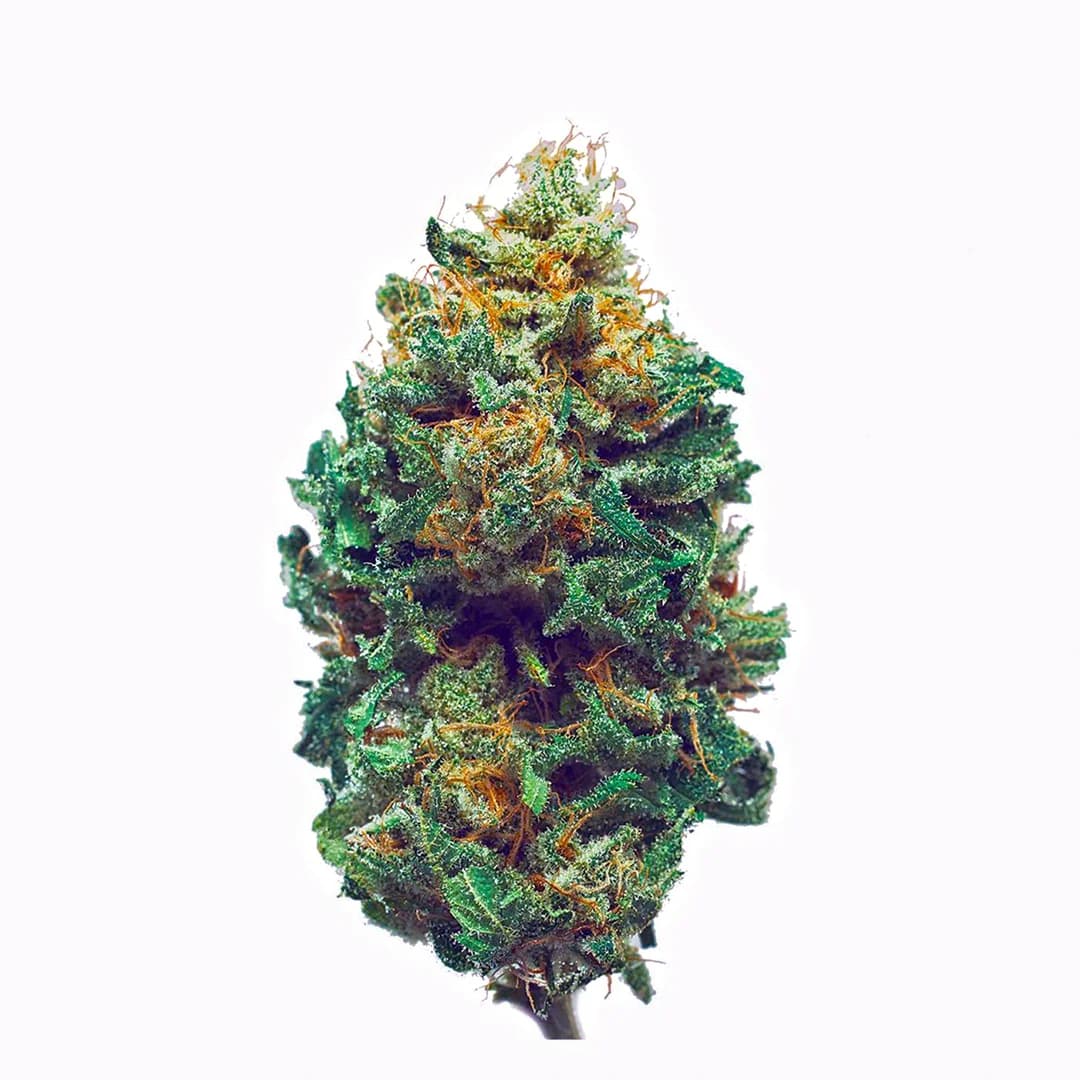
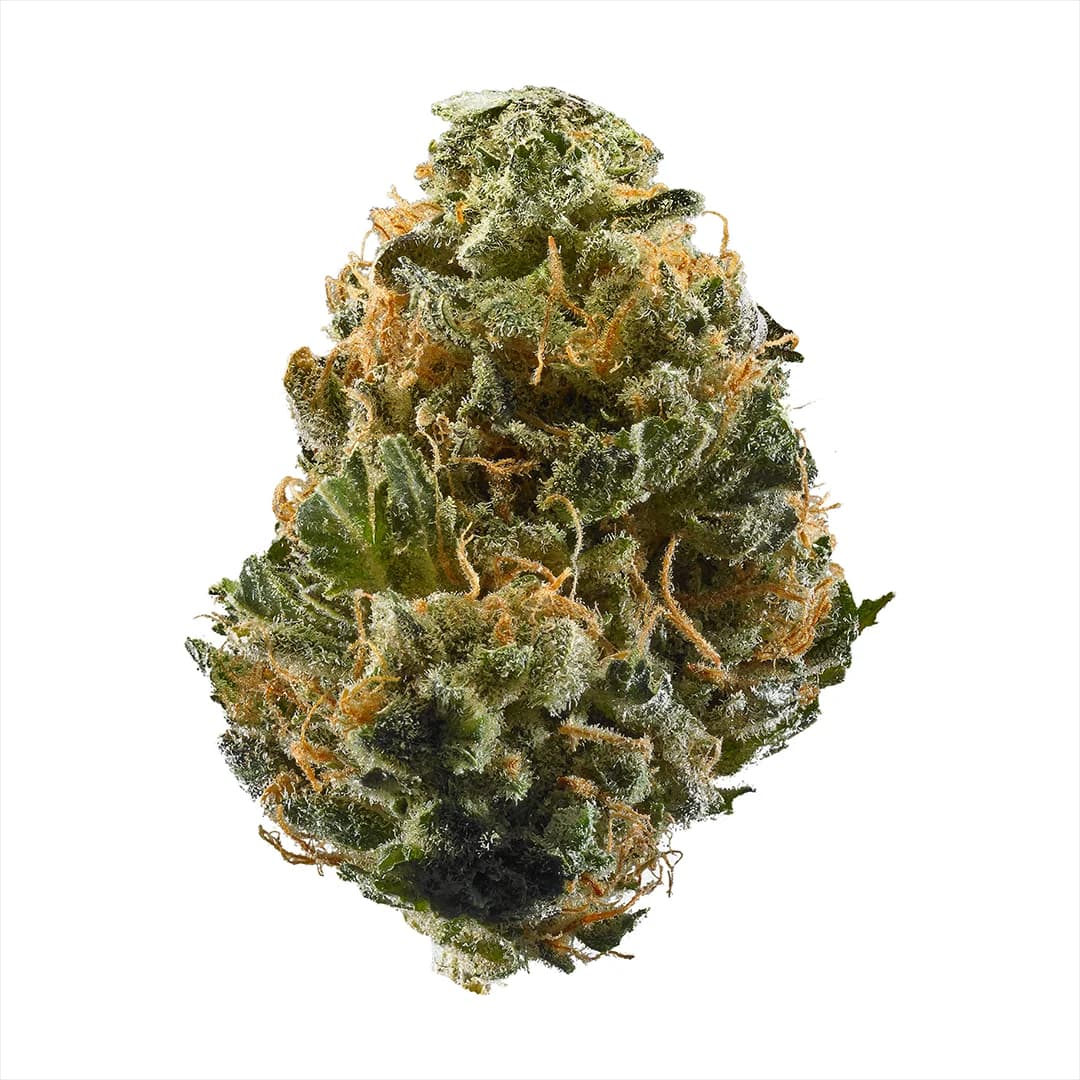
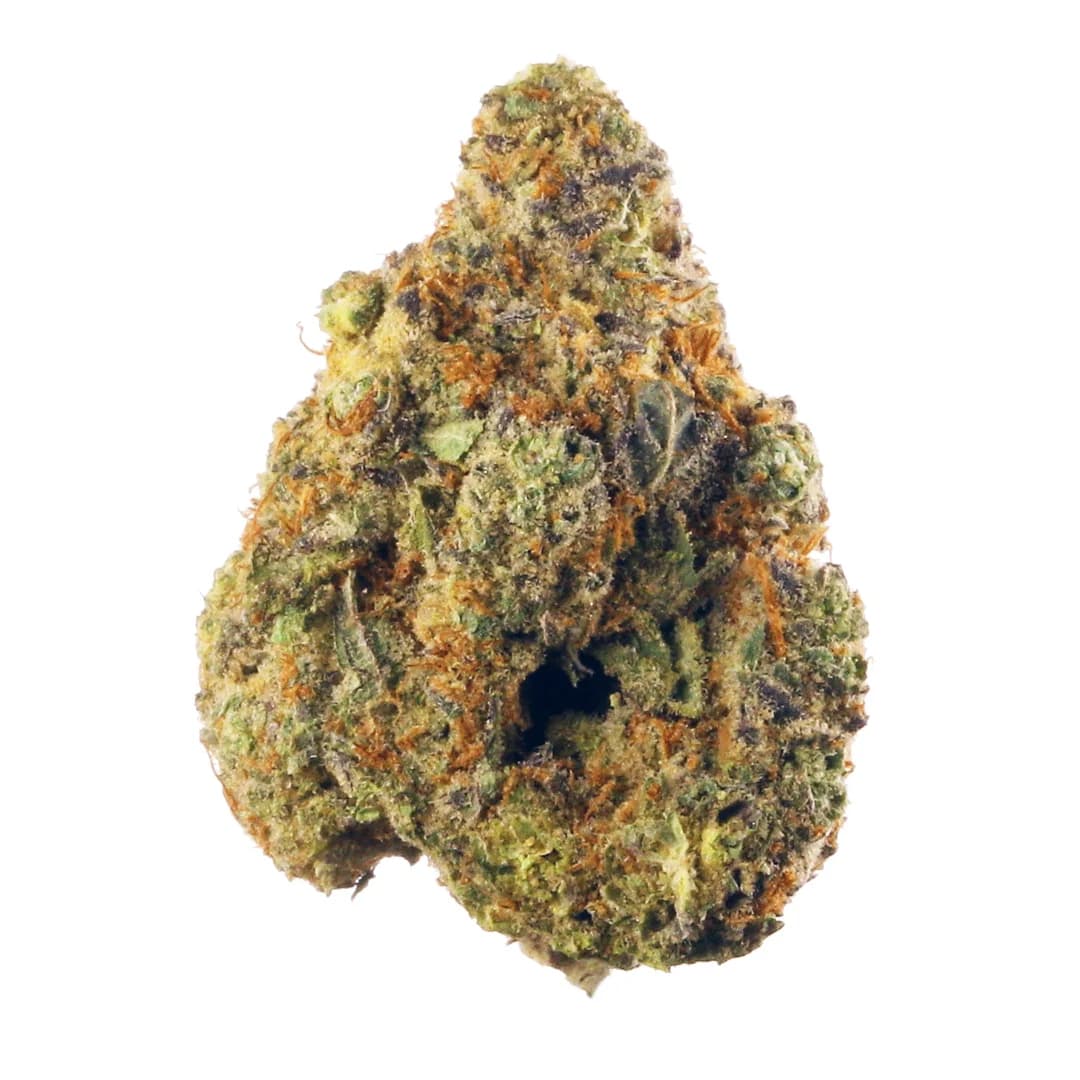
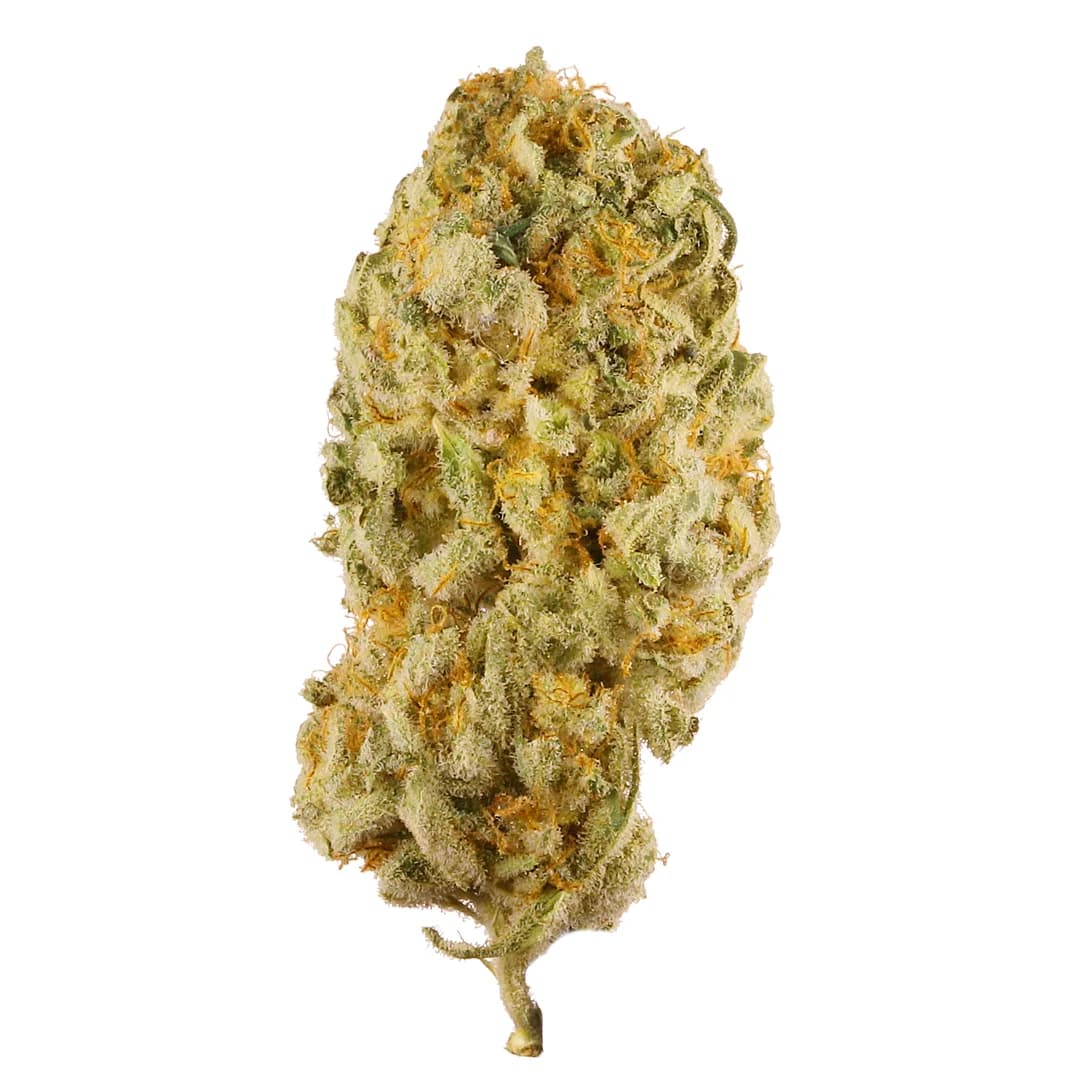
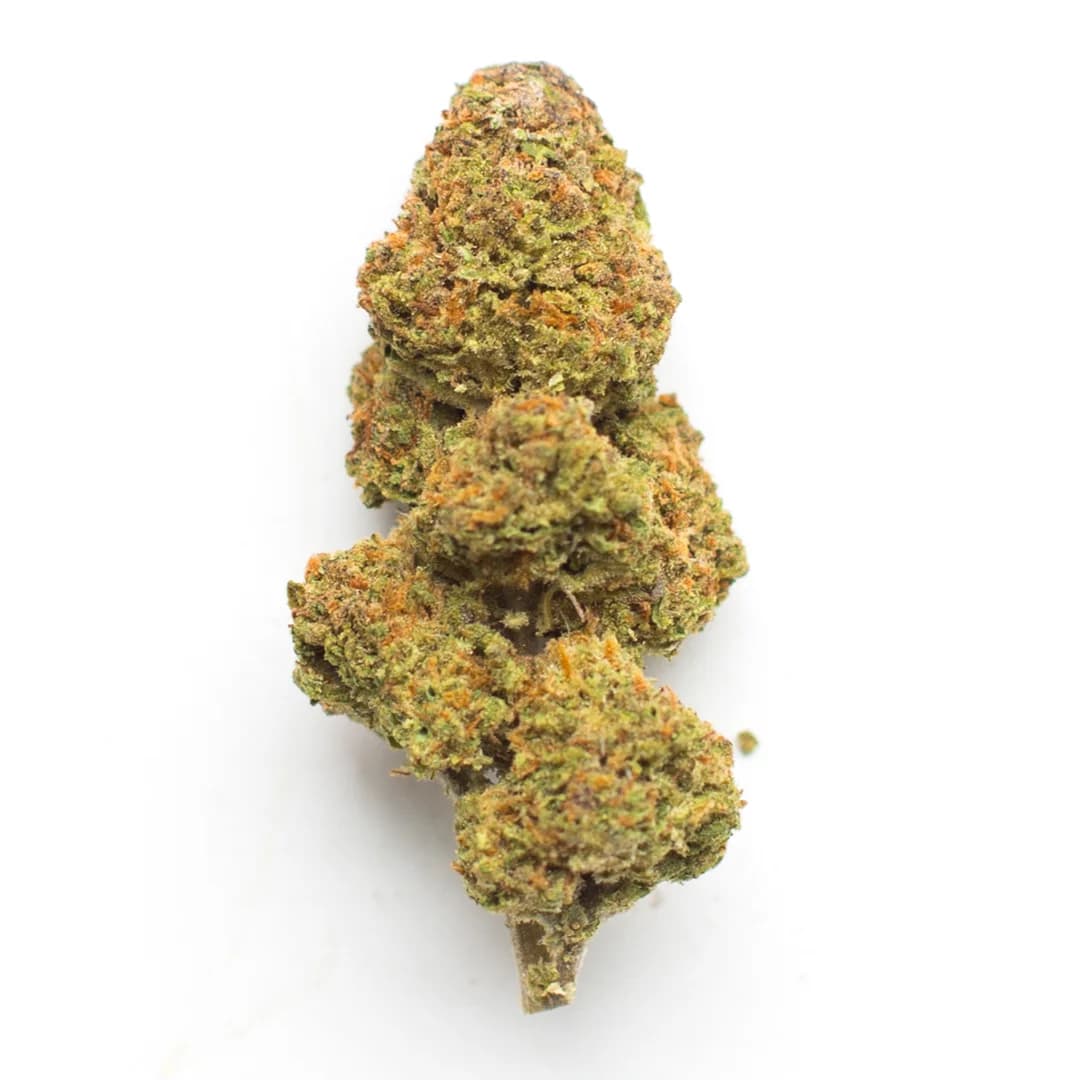
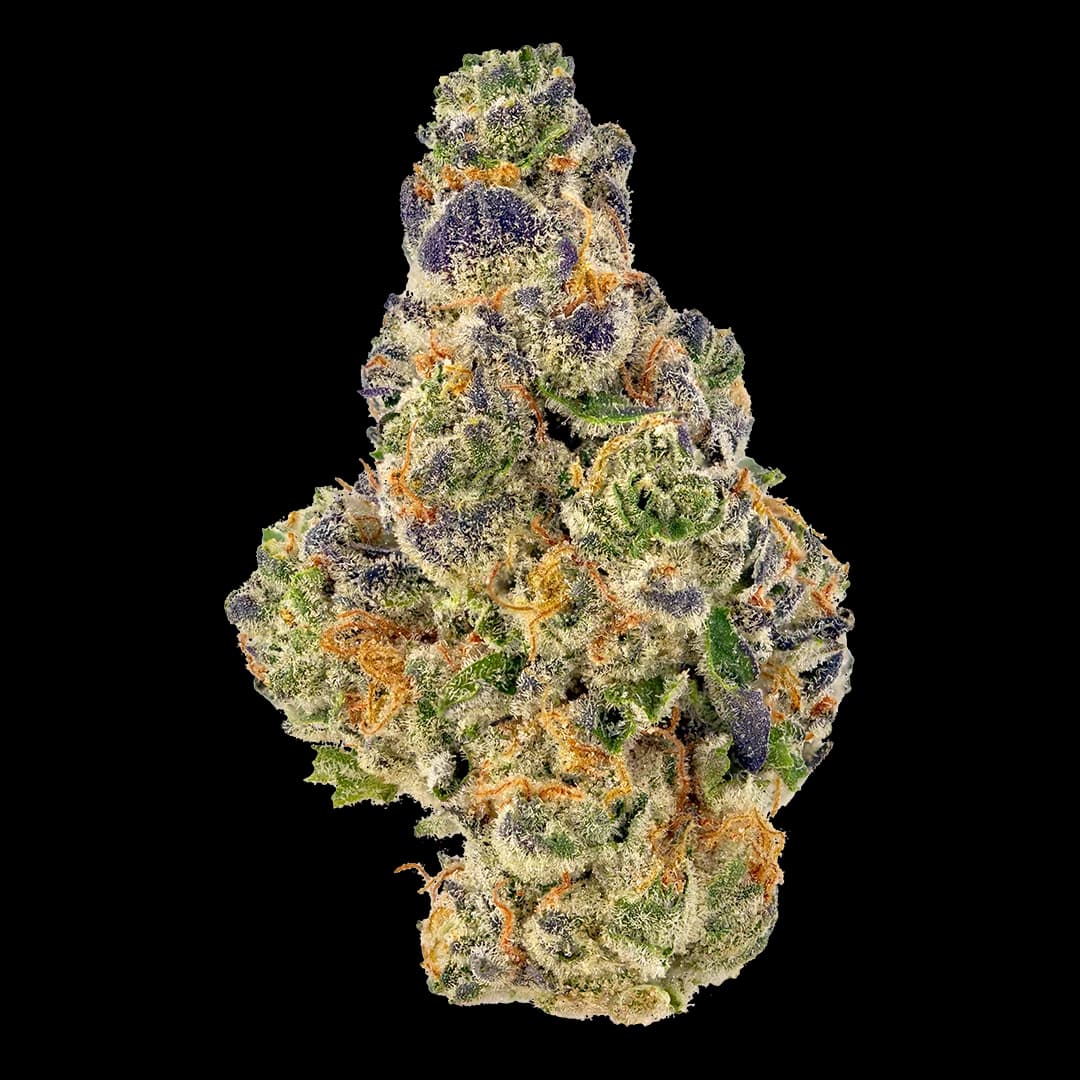
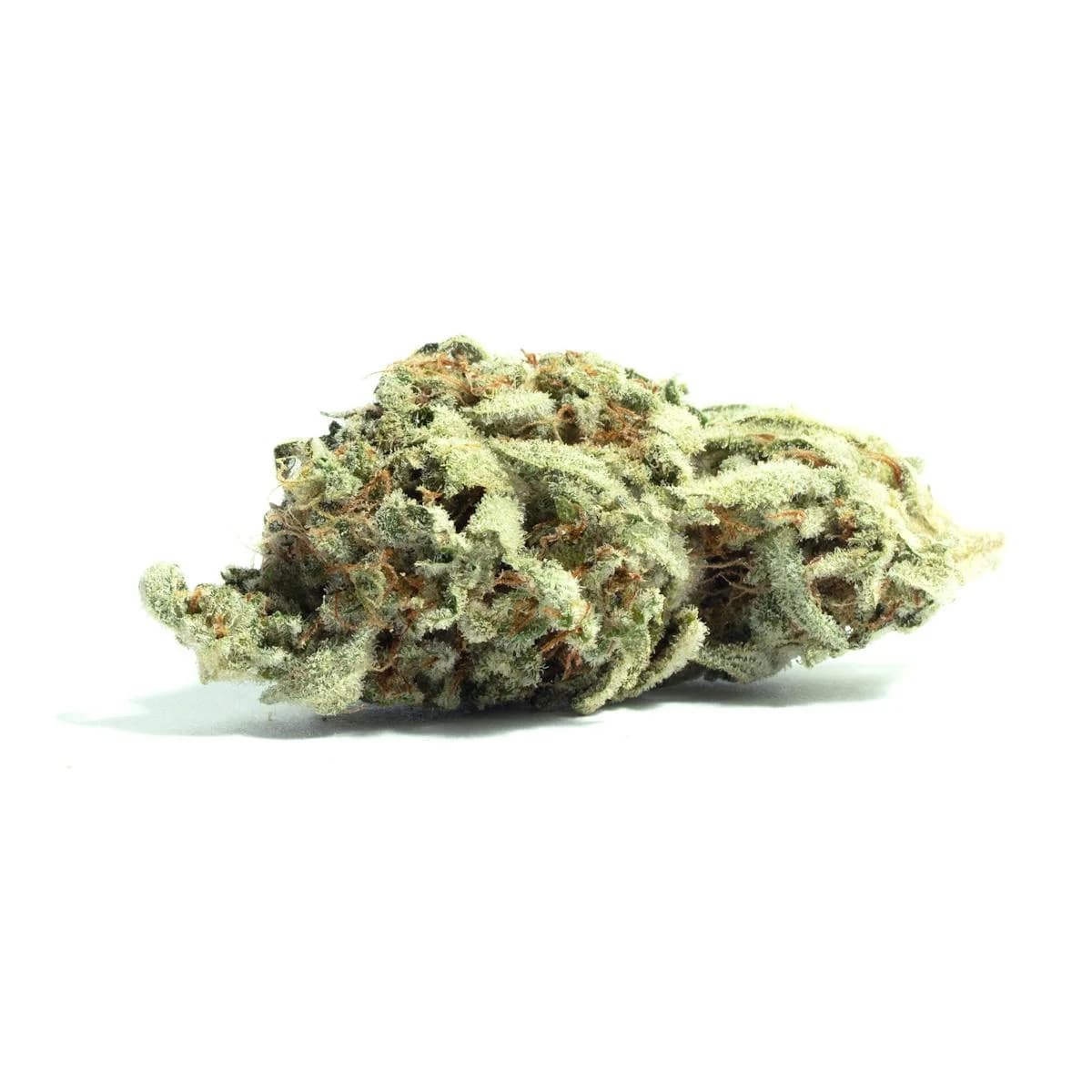
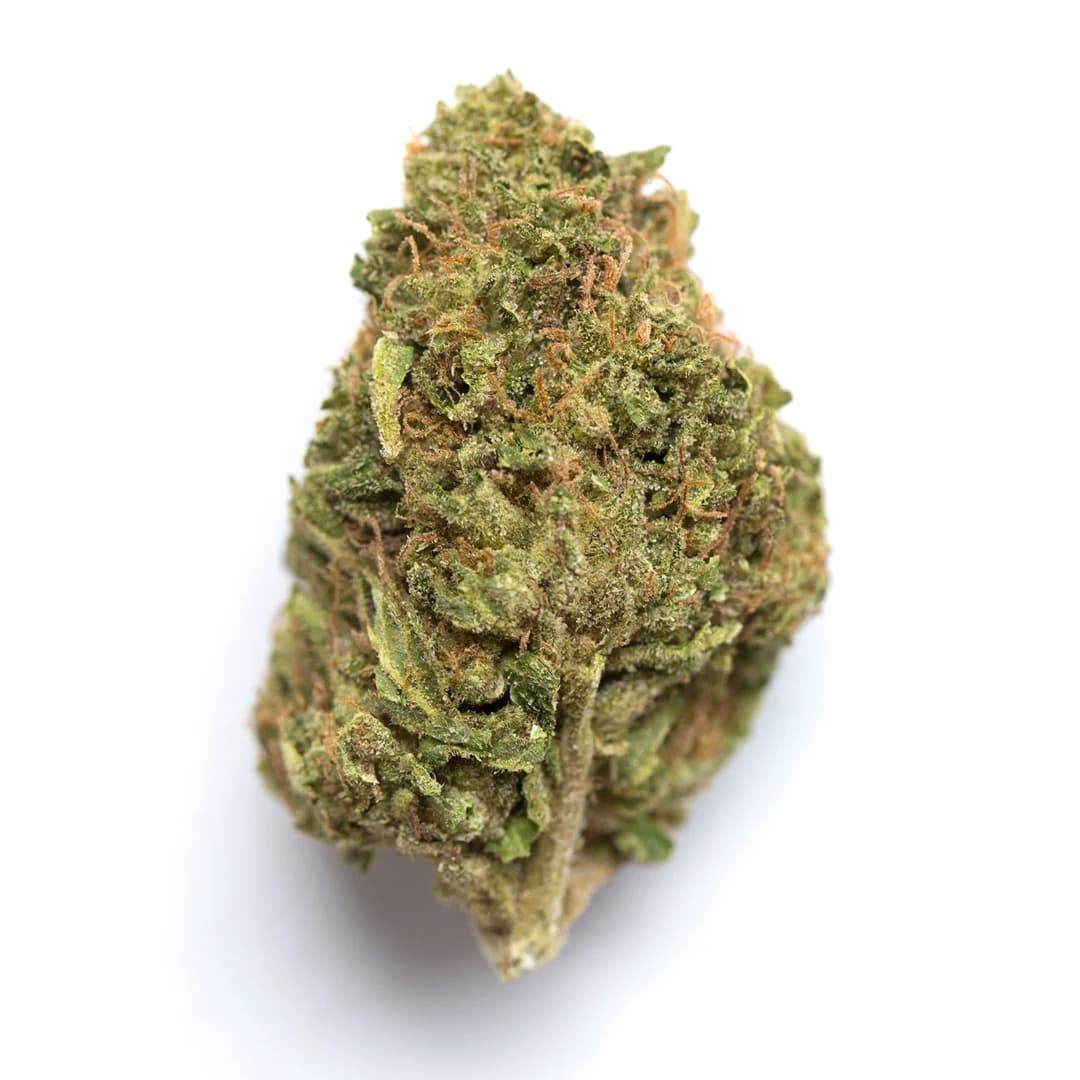
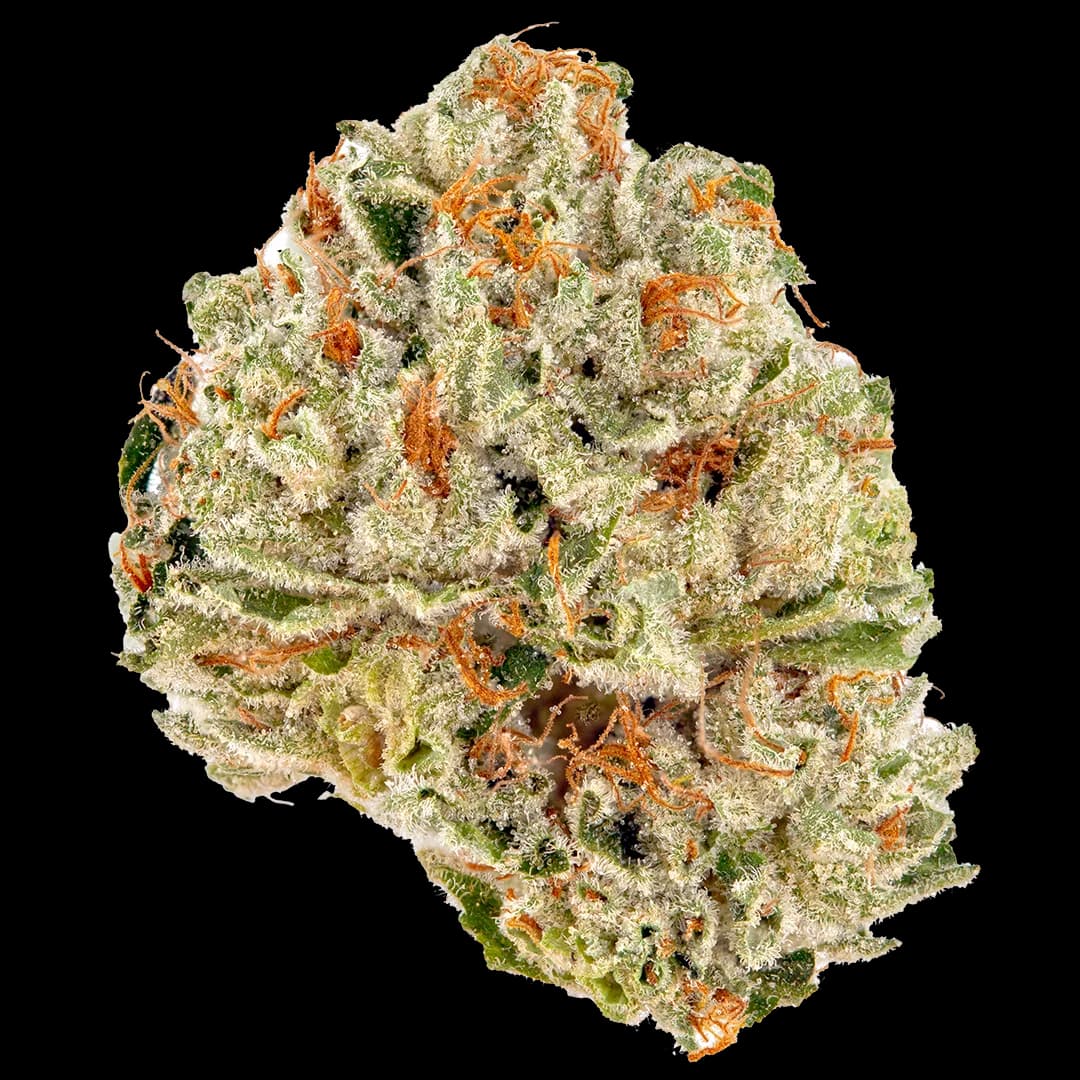
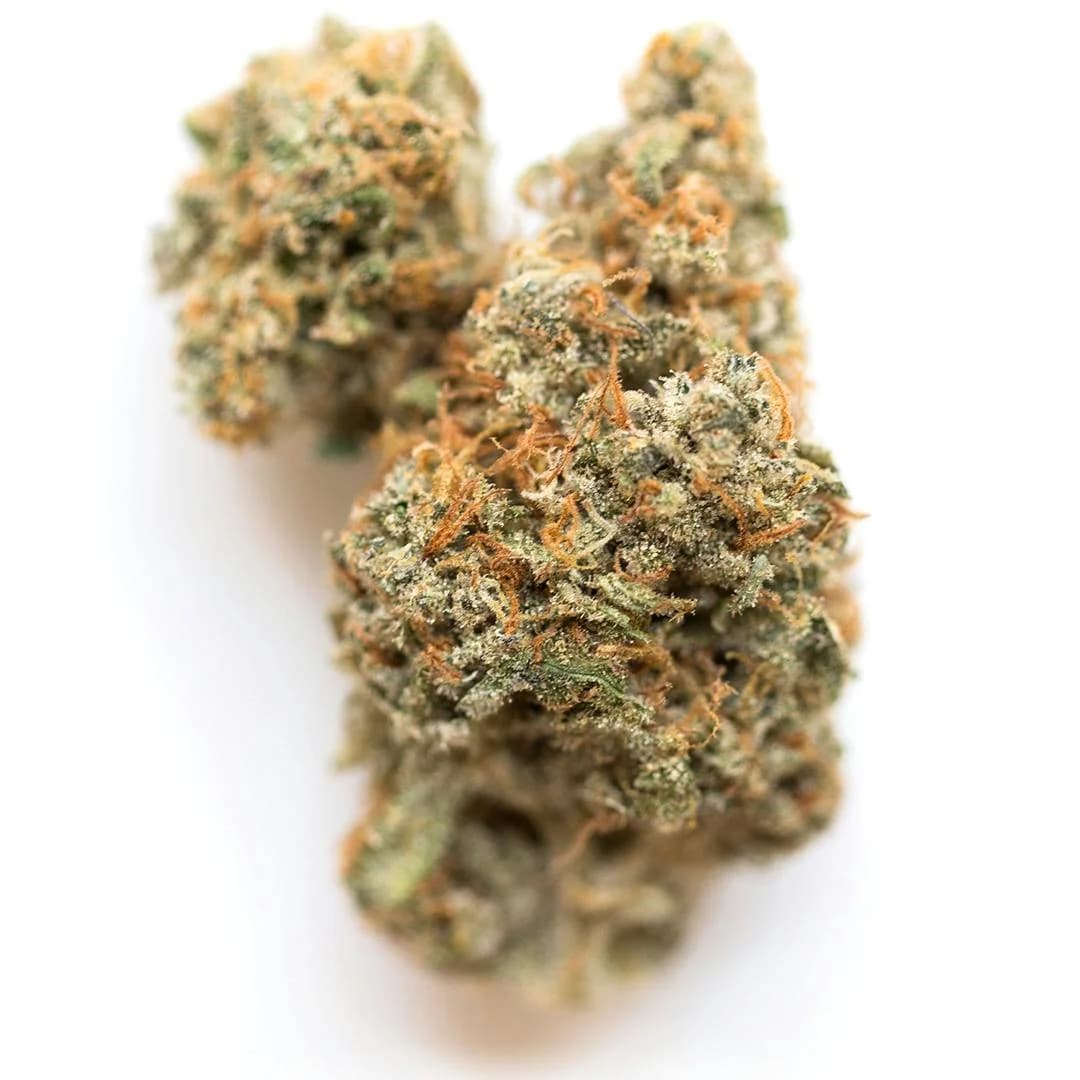
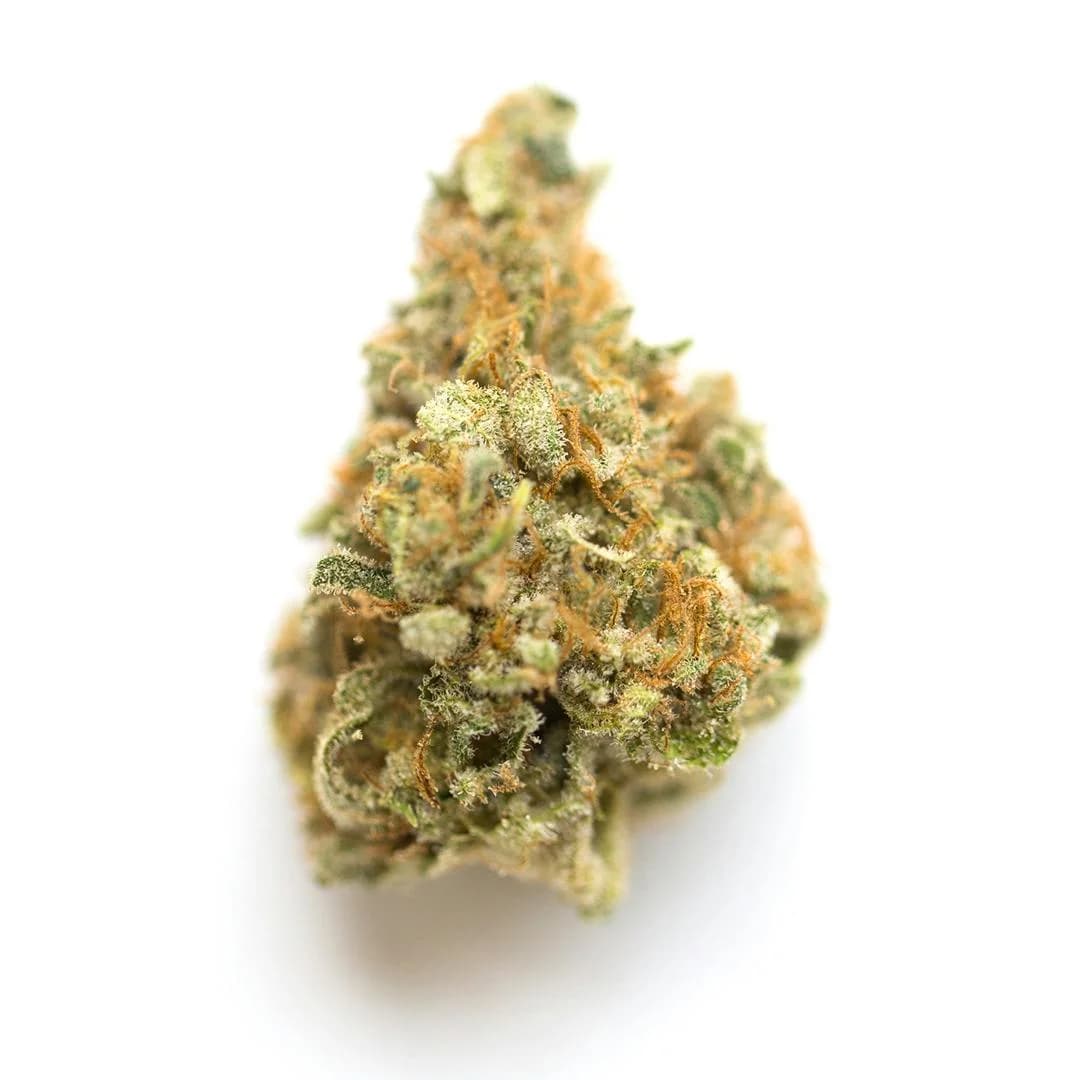
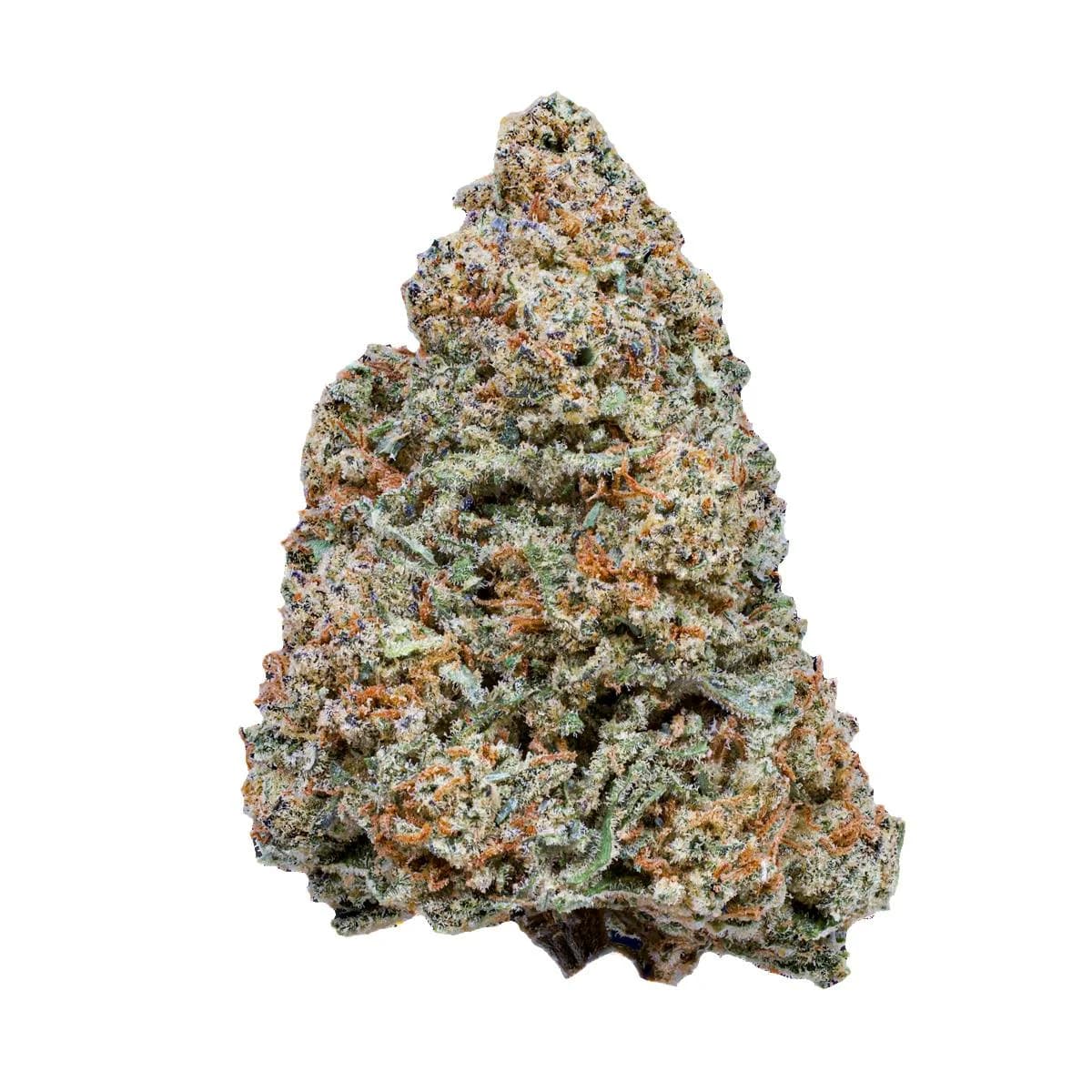
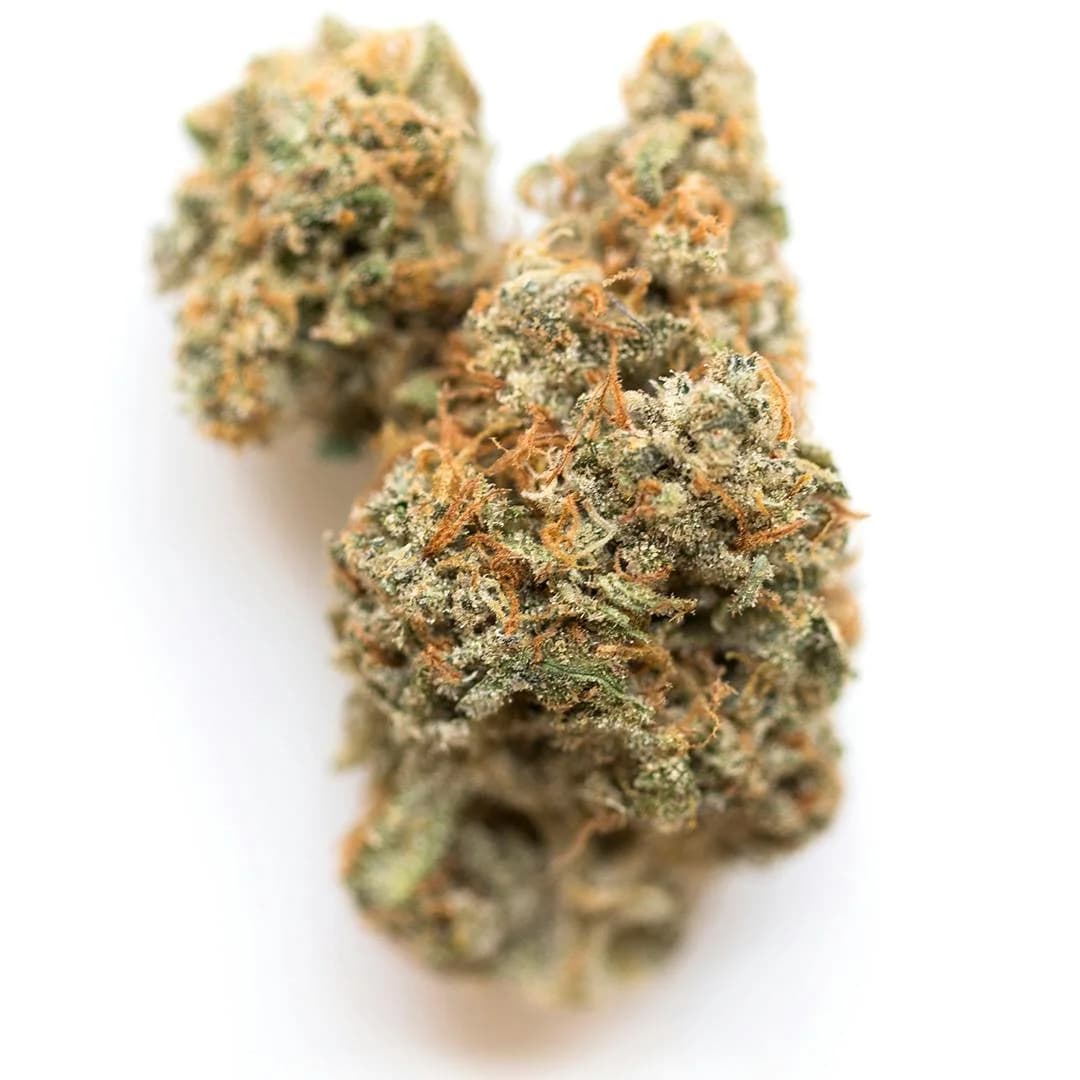
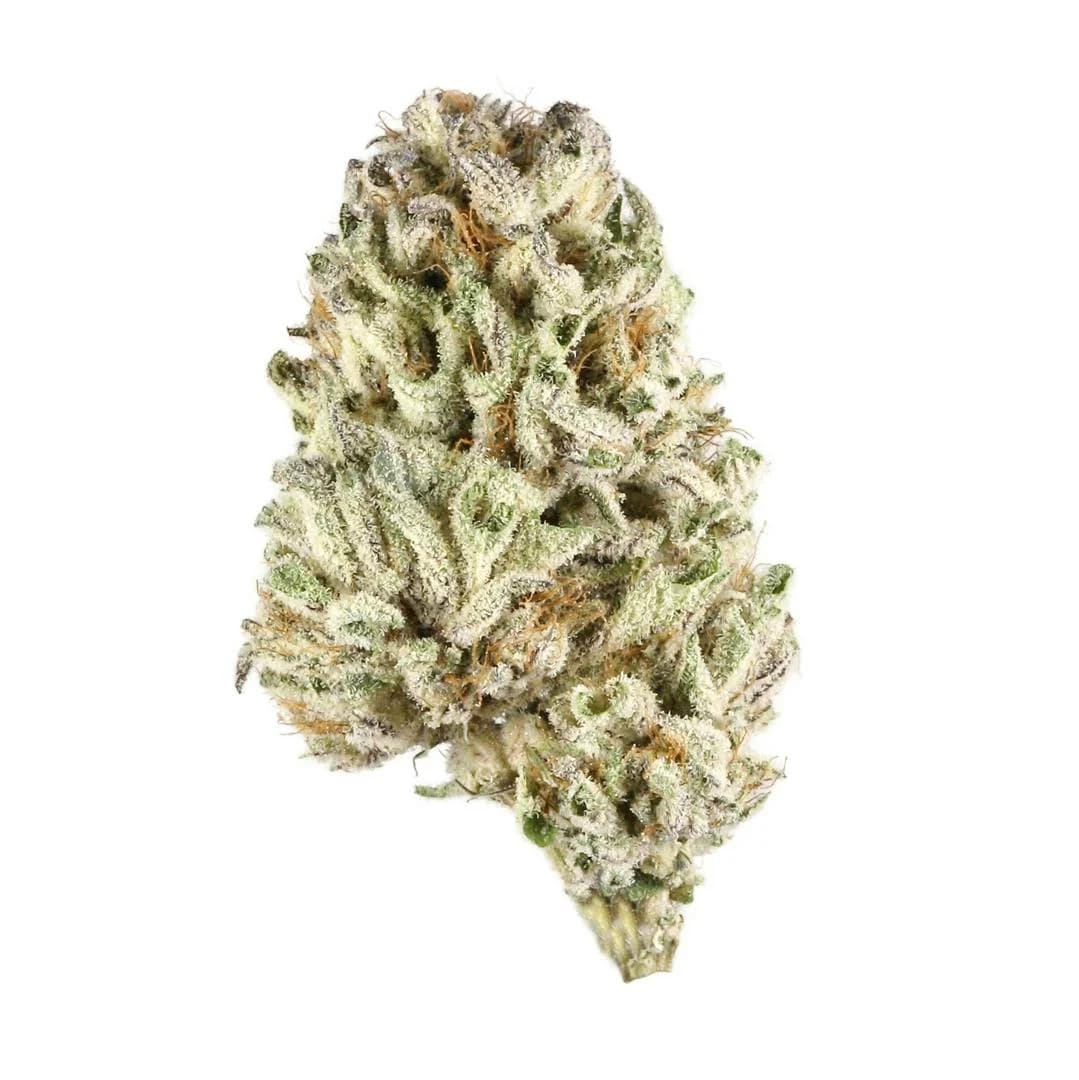
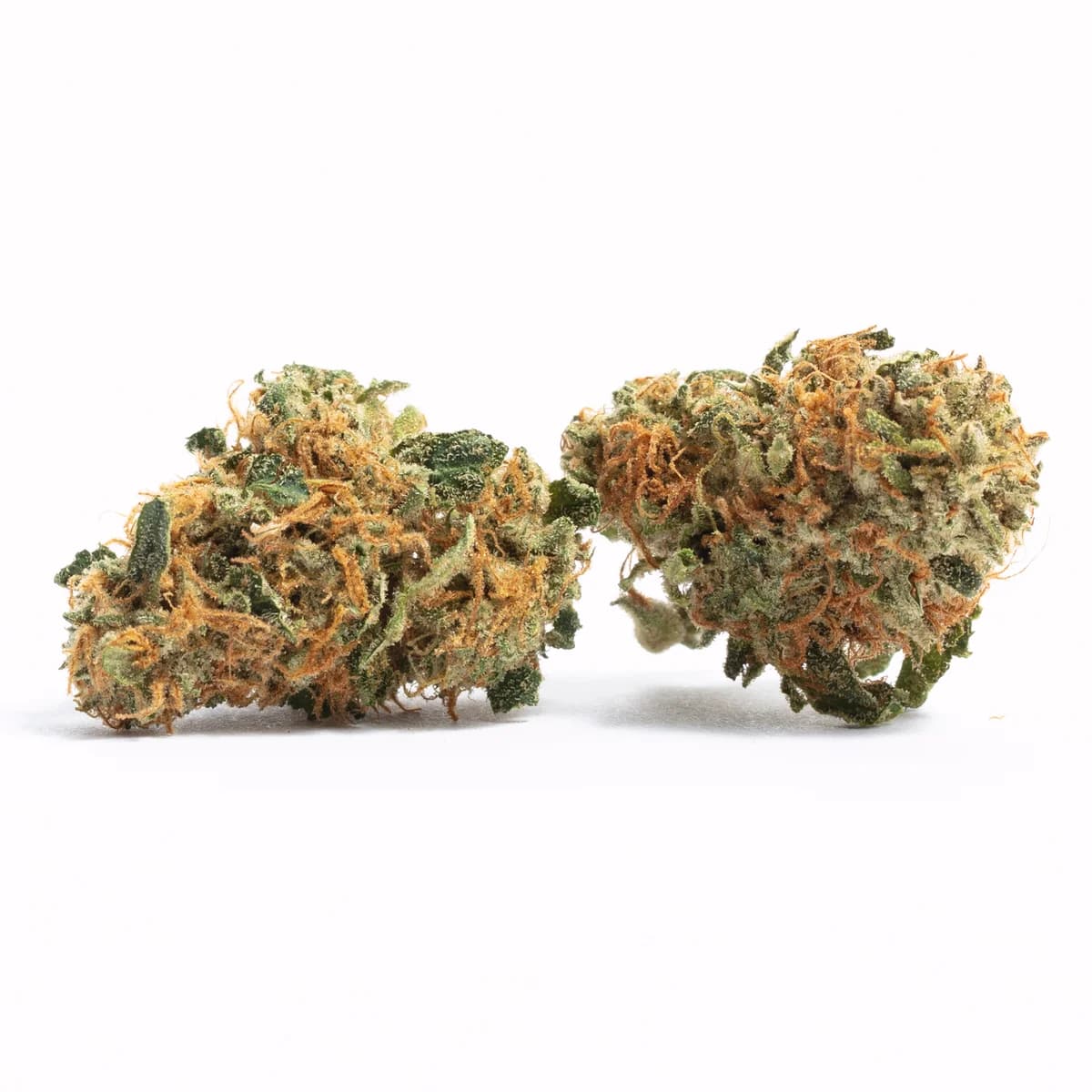
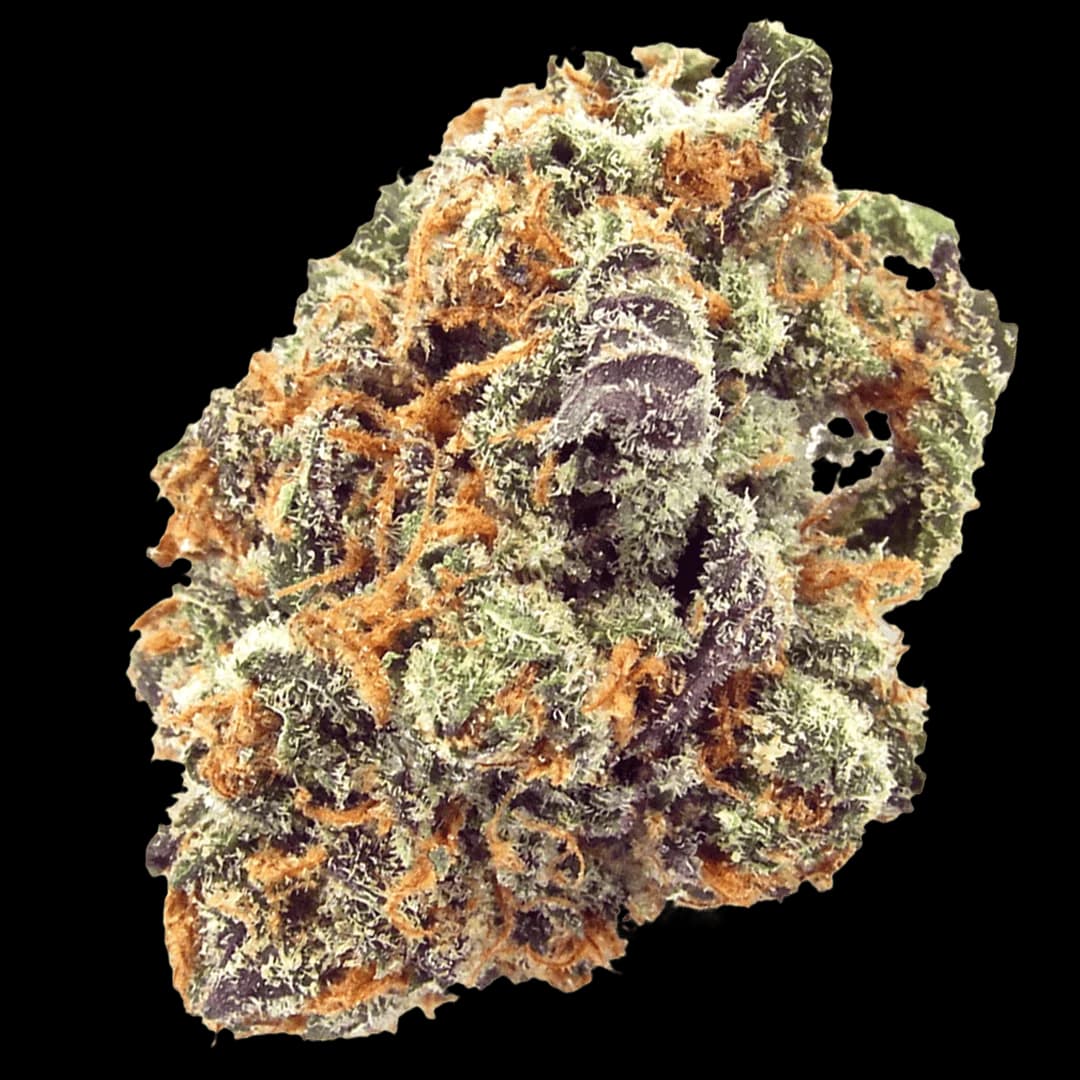
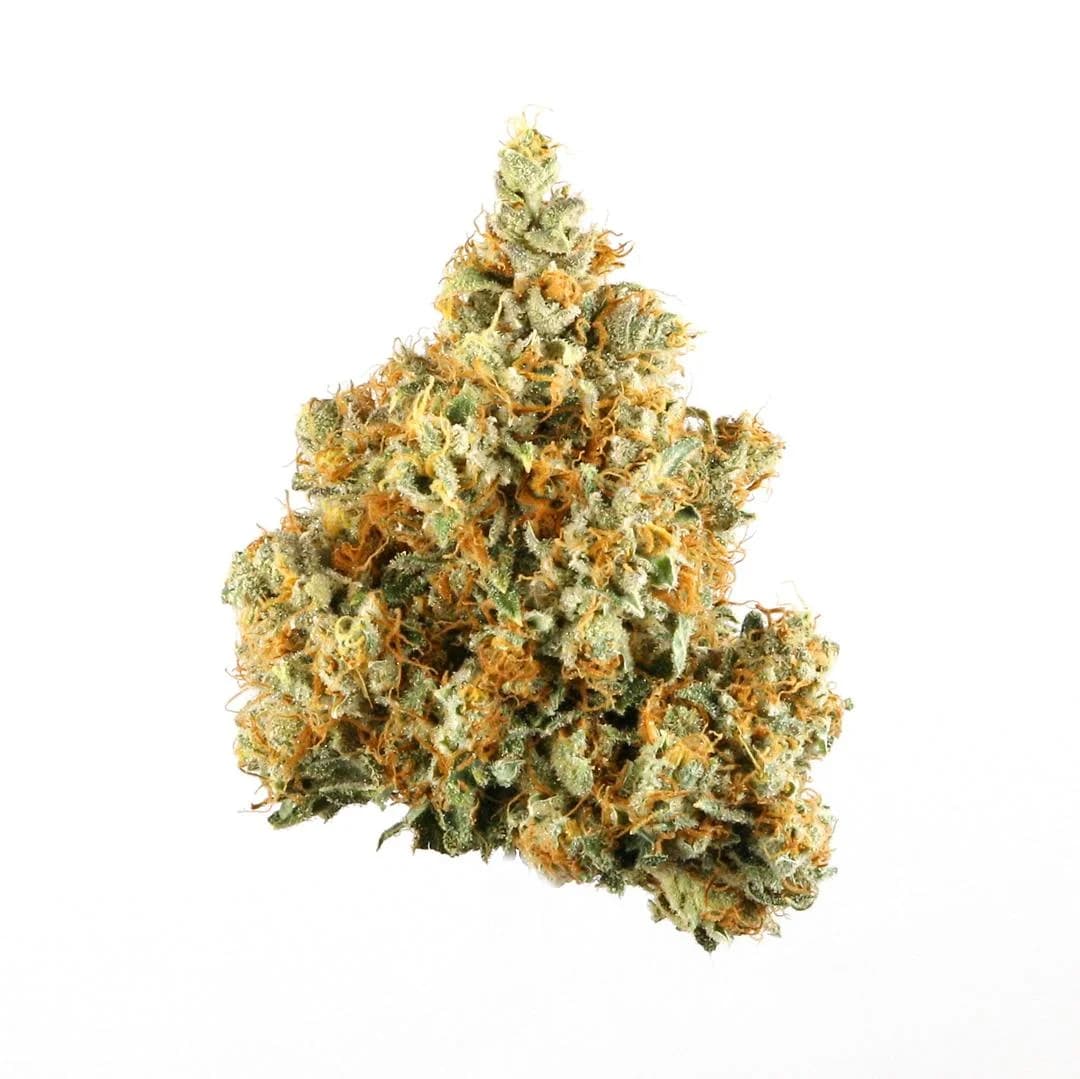
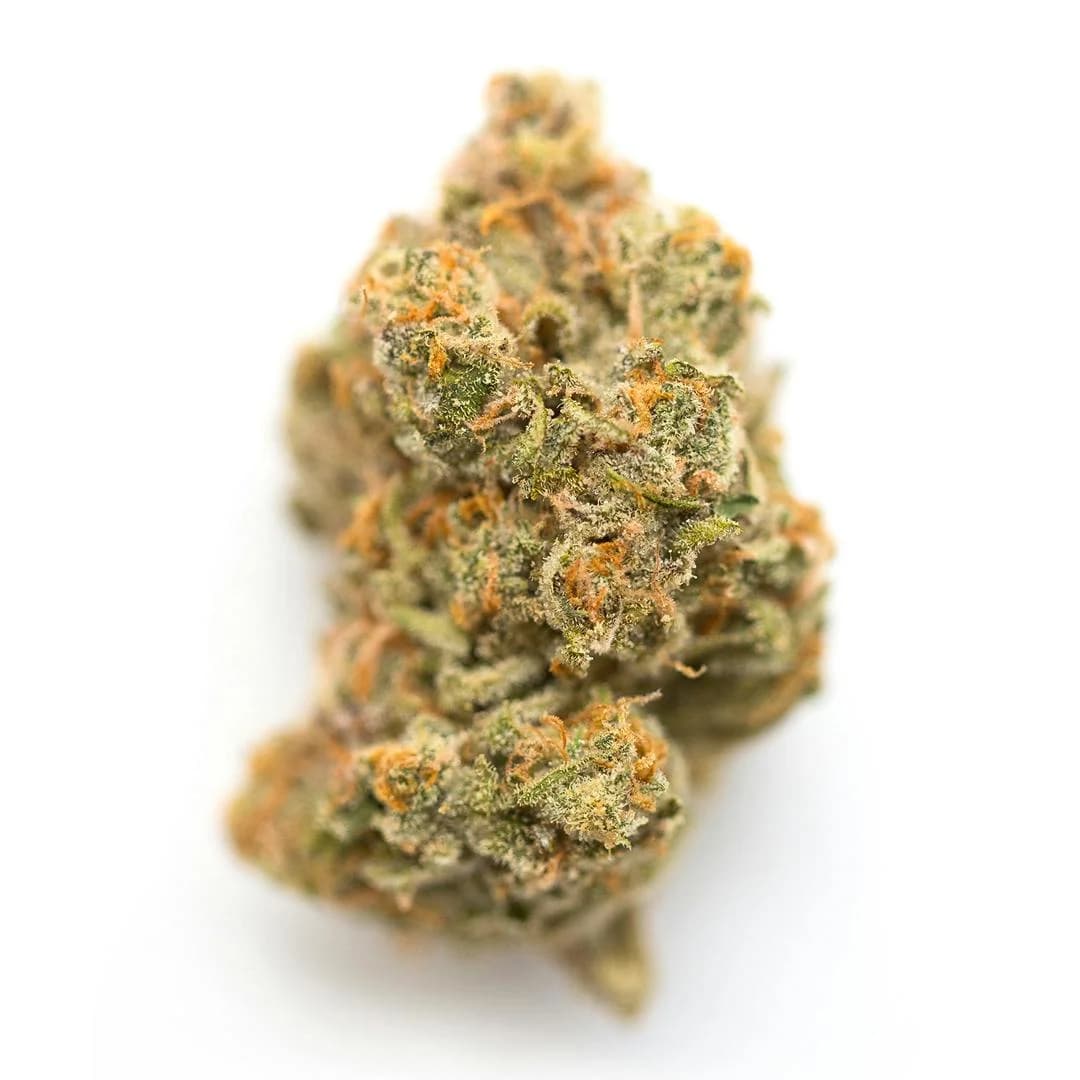
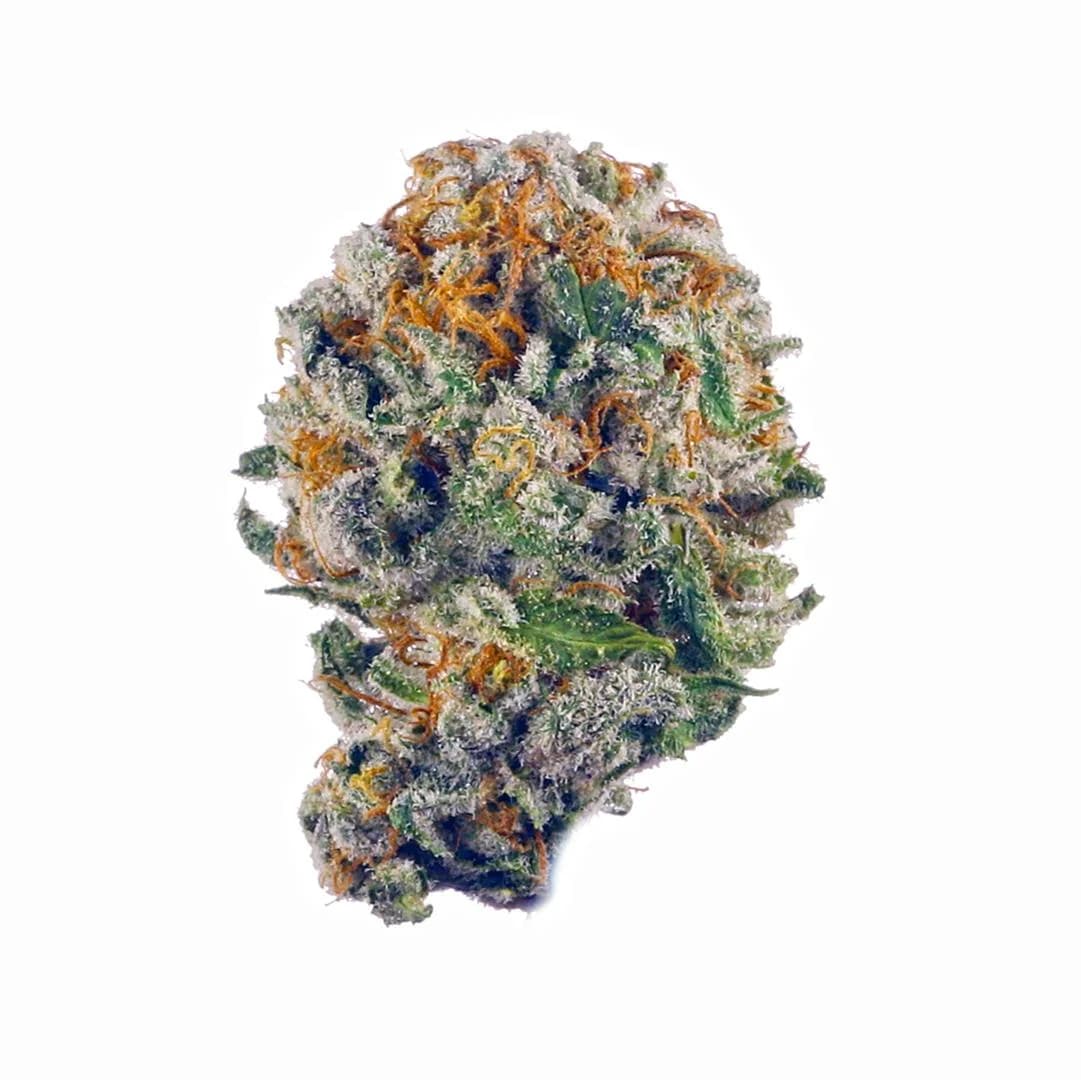
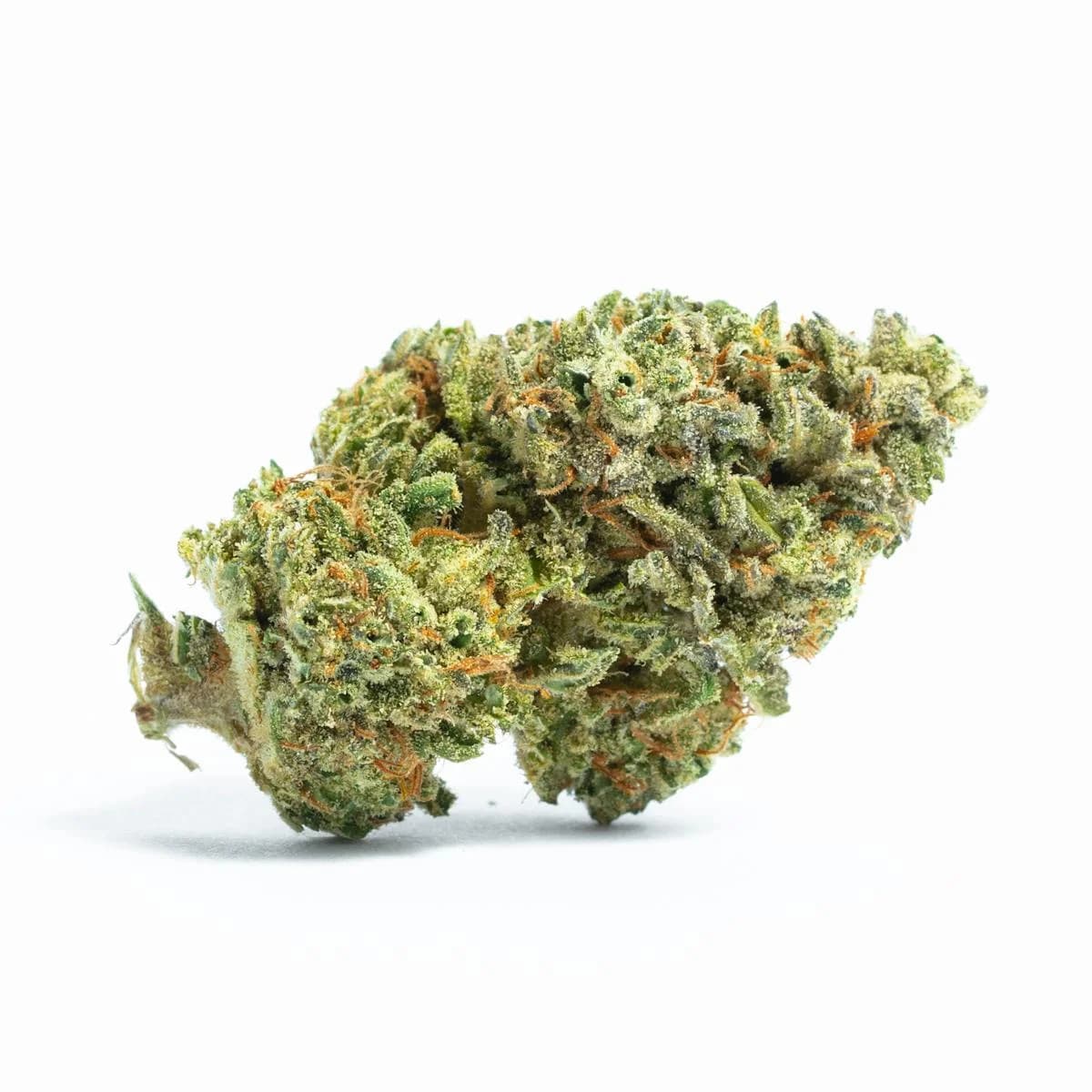
Percentages are catalog reference values, not sample lab results. “Not reported” means the source did not supply a value. Reported effects are subjective tags, not predictions.
Harlequin is presented by Leafly as a sativa catalog entry. The source account says: Colombian Gold, Nepali indica, Thai and Swiss landrace ancestry are reported. Immediate parents and crossing order are not specified. This context is retained as an attributed account, not as genetic authentication of every sample carrying the name. Reader-reported flavor descriptors include Earthy, Spicy/Herbal, Woody. The catalog lists Caryophyllene, Myrcene, Pinene as terpene labels. Those fields describe different evidence layers and do not establish a fixed chemical profile, medical effect or response for an individual sample.
Haze is a broad sativa-associated family that Leafly places in Santa Cruz in the 1960s. Its account names Colombian, Mexican, Thai and South Indian ancestry without defining a complete sequence of crosses. The profile's spicy or herbal, tobacco and earthy tags describe reader impressions. This family-level history is useful when exploring descendants, but the word Haze in another strain's name is not enough to prove a direct parent relationship or identical chemistry.
Hindu Kush is presented by Leafly as a indica catalog entry. The source account says: Hindu Kush takes its name from the mountain region spanning parts of Afghanistan and Pakistan. This entry documents that regional background and the source's catalog traits without assigning an unsupported parent cross. This context is retained as an attributed account, not as genetic authentication of every sample carrying the name. Reader-reported flavor descriptors include Earthy, Spicy/Herbal, Woody. The catalog lists Caryophyllene, Limonene, Pinene as terpene labels. Those fields describe different evidence layers and do not establish a fixed chemical profile, medical effect or response for an individual sample.
Jack Herer is named after the author and cannabis activist. Leafly attributes its development to Sensi Seeds and describes a Haze hybrid combined with Northern Lights #5 and Shiva Skunk ancestry. The source acknowledges multiple phenotypes, which matters when interpreting the name as a single record. Its terpinolene-led catalog profile and pine, wood and earth flavor tags describe different evidence types, not a guarantee that every Jack Herer sample shares the same composition.
Jack the Ripper, or JTR, is reported as Jack’s Cleaner crossed with the Space Dude male selection of Space Queen. The catalog connects it with Subcool’s The Dank.
LA Confidential is presented by Leafly as a indica catalog entry. The source account says: LA Confidential also appears under Confidential and Confidential OG. Leafly lists Afghani in its genetics section without establishing a complete two-parent pedigree. This is a source-reported identity, not a genetically authenticated pedigree. This context is retained as an attributed account, not as genetic authentication of every sample carrying the name. Reader-reported flavor descriptors include Earthy, Pine, Skunk. The catalog lists Caryophyllene, Myrcene, Pinene as terpene labels. Those fields describe different evidence layers and do not establish a fixed chemical profile, medical effect or response for an individual sample.
Lavender is presented by Leafly as a indica catalog entry. The source account says: Three reported ancestral contributors are preserved without inventing the order of intermediate crosses. This context is retained as an attributed account, not as genetic authentication of every sample carrying the name. Reader-reported flavor descriptors include Floral, Lavender, Violet. The catalog lists Caryophyllene, Myrcene, Pinene as terpene labels. Those fields describe different evidence layers and do not establish a fixed chemical profile, medical effect or response for an individual sample.
Lemon Kush is presented by Leafly as a hybrid catalog entry. The source account says: Lemon Kush has competing pedigrees: Master Kush with Lemon Joy, or the Alien Genetics version of Lemon G with Afghan Kush. These are alternatives, not a four-parent cross. This is a source-reported identity, not a genetically authenticated pedigree. This context is retained as an attributed account, not as genetic authentication of every sample carrying the name. Reader-reported flavor descriptors include Citrus, Lemon, Lime. The catalog lists Caryophyllene, Myrcene, Pinene as terpene labels. Those fields describe different evidence layers and do not establish a fixed chemical profile, medical effect or response for an individual sample.
Lemon Thai is attributed to Dutch Flowers and a cross involving Thai and Hawaiian material. The source does not establish the exact named Hawaiian parent, so the family view preserves that uncertainty.
Lemon Tree, also known as Lemon Tree Kush, is cataloged by Leafly as a Lemon Skunk and Sour Diesel cross. The existing parent records are linked while the citrus descriptors remain reader language.
MAC is presented by Leafly as a hybrid catalog entry. The source account says: MAC expands to Miracle Alien Cookies. Leafly lists Alien Cookies, Starfighter and Columbian in its background; the broad Columbian name is not equated with Colombian Gold. This is a source-reported identity, not a genetically authenticated pedigree. This context is retained as an attributed account, not as genetic authentication of every sample carrying the name. Reader-reported flavor descriptors include Citrus, Floral, Pepper. The catalog lists Caryophyllene, Limonene, Pinene as terpene labels. Those fields describe different evidence layers and do not establish a fixed chemical profile, medical effect or response for an individual sample.
MAC 1 is described by Leafly through an Alien Cookies F2 and Miracle 15 background. This profile keeps the F2 wording visible so the broader Alien Cookies entry is not presented as an identical immediate parent.
Malawi is presented by Leafly as a sativa landrace associated with the Salima region of Malawi. A regional landrace identity is recorded without inventing a two-parent cross or treating every modern sample as identical.
Mango, also listed as Mango OG, is described by Leafly through KC 33 and Afghani genetics. The Afghani parent links to the existing catalog while KC 33 remains an external source identity.
Maui Wowie is associated with Hawaii and appears under several spellings in the catalog. Leafly names Hawaiian as one reported parent while leaving the second parent unidentified, so the unknown is retained rather than filled with a familiar strain. Citrus, pineapple and tropical are reader-reported flavor descriptors, and caryophyllene, myrcene and pinene are listed as catalog terpene labels. Geographic association, a partial pedigree and sensory reports provide context without proving that every later plant using the Maui Wowie name shares one fixed lineage or chemical profile.
Mimosa is presented by Leafly as a hybrid catalog entry. The source account says: Mimosa is reported as Clementine crossed with Purple Punch and is associated with Symbiotic Genetics. Purple Mimosa is an alternate name recorded on the source page. This is a source-reported identity, not a genetically authenticated pedigree. This context is retained as an attributed account, not as genetic authentication of every sample carrying the name. Reader-reported flavor descriptors include Citrus, Grapefruit, Orange. The catalog lists Caryophyllene, Myrcene, Pinene as terpene labels. Those fields describe different evidence layers and do not establish a fixed chemical profile, medical effect or response for an individual sample.
NYC Diesel is presented by Leafly as a hybrid catalog entry. The source account says: Regional ancestry does not identify an authenticated Mexican accession. Diesel aliases should not be used to merge separate profiles. This context is retained as an attributed account, not as genetic authentication of every sample carrying the name. Reader-reported flavor descriptors include Chemical, Diesel, Grapefruit. The catalog lists Caryophyllene, Myrcene, Pinene as terpene labels. Those fields describe different evidence layers and do not establish a fixed chemical profile, medical effect or response for an individual sample.
Northern Lights #5 has its own Leafly entry and should not be collapsed into the broader Northern Lights label. It appears in the reported histories of Shiva Skunk and Jack Herer. The source genetics panel identifies Afghani, but does not establish a complete authenticated cross.
Panama Red is a historically named sativa entry that Leafly associates with Panama and Colombia. These geographic ancestry labels are kept as regional context rather than converted into authenticated named parent strains.
Peanut Butter Breath is attributed to ThugPug Genetics and a Dosidos–Mendo Breath cross. Similar peanut-themed names are not assumed to denote this same cultivar.
Pineapple Express is a hybrid that Leafly traces to Trainwreck and Hawaiian. Pineapple, tropical and citrus are its displayed reader flavor tags. The source's terpene information needs more care: its summary table lists myrcene, caryophyllene and pinene, while the descriptive paragraph names caryophyllene, limonene and ocimene. This entry preserves the difference rather than combining both into a newly asserted chemical profile. A sample-specific analysis would be needed to establish actual composition.
Project 4516 is represented from Leafly's hybrid catalog profile with source-linked reference values and reader-reported descriptors. Immediate parentage remains unresolved in this batch because the checked excerpt did not establish it.
Purple Punch is reported in the catalog as a cross between Larry OG and Granddaddy Purple. The profile keeps those named parents separate from its reader-reported berry, grape and plum descriptors and from the catalog's caryophyllene, limonene and pinene labels. A reported cross explains the source's family account but does not authenticate every plant carrying the name. Sensory tags describe reader impressions and source chemistry labels summarize a catalog record; neither establishes a fixed composition, medical effect or response for an individual sample.
Purple Urkle is presented by Leafly as a indica catalog entry. The source account says: Purple Urkle is associated with California and a proposed selection from Mendocino Purps. That origin is presented as a belief in the reference, so the selection link remains explicitly uncertain. This context is retained as an attributed account, not as genetic authentication of every sample carrying the name. Reader-reported flavor descriptors include Berry, Grape, Plum. The catalog lists Caryophyllene, Myrcene, Pinene as terpene labels. Those fields describe different evidence layers and do not establish a fixed chemical profile, medical effect or response for an individual sample.