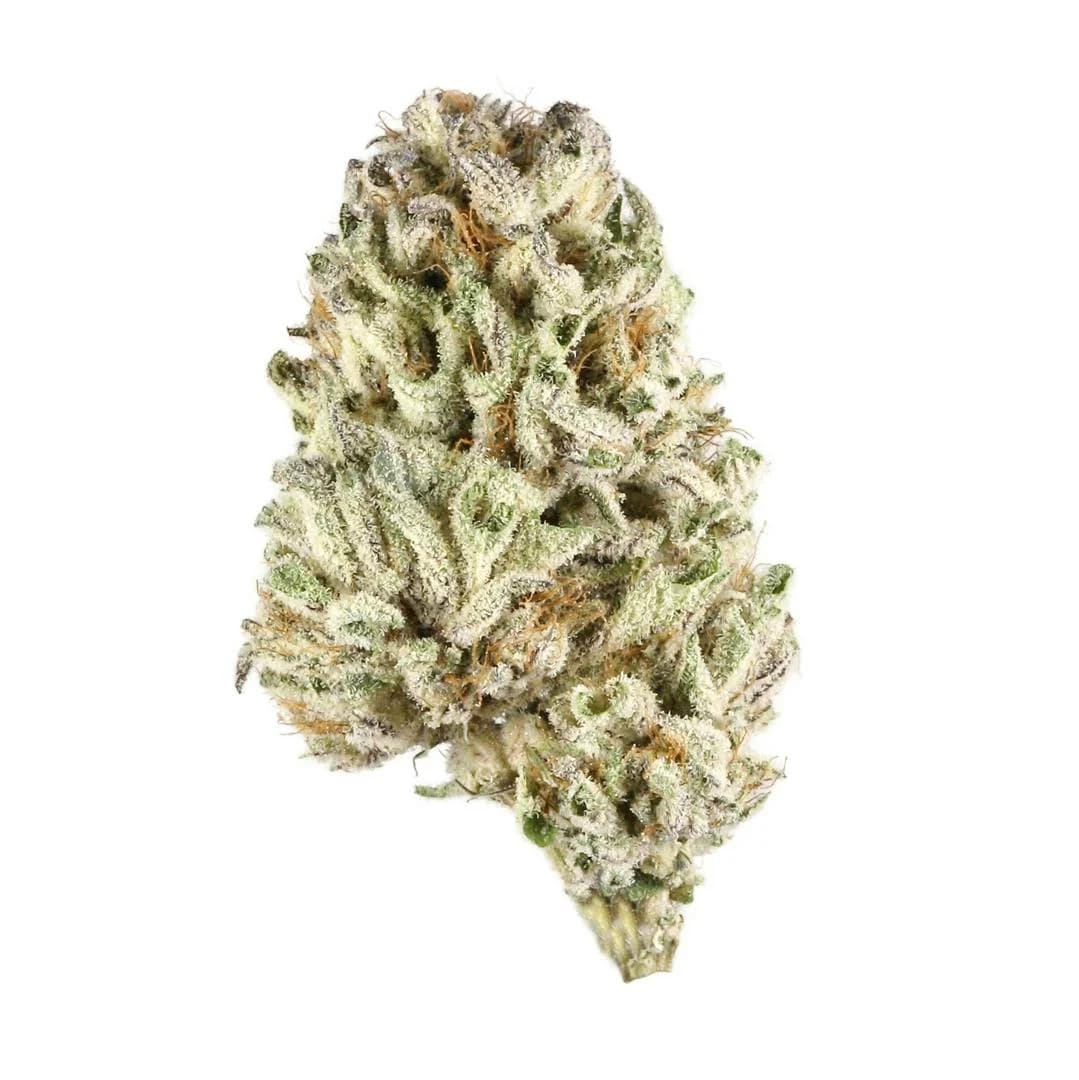
Mango
Mango, also listed as Mango OG, is described by Leafly through KC 33 and Afghani genetics. The Afghani parent links to the existing catalog while KC 33 remains an external source identity.
Reported parentage · Explore family ↓Compare this strain ↗Effects & flavor notes.
Explore the words people use to describe Mango.
Reported effects
Subjective feelings described by readers.
Unwanted effects
No sourced reports yet.
These are subjective reports, not guaranteed effects or medical conclusions. The report total covers the whole profile; individual tag frequencies are unavailable.
How to read these reportsParents, origins & family
Reported parentage
The cited catalog page does not establish a complete, authenticated immediate-parent cross for this entry.
Reported parents
Source-reported relationship; retained as attributed catalog lineage rather than genetic authentication.
Leafly — Mango identity and lineage ↗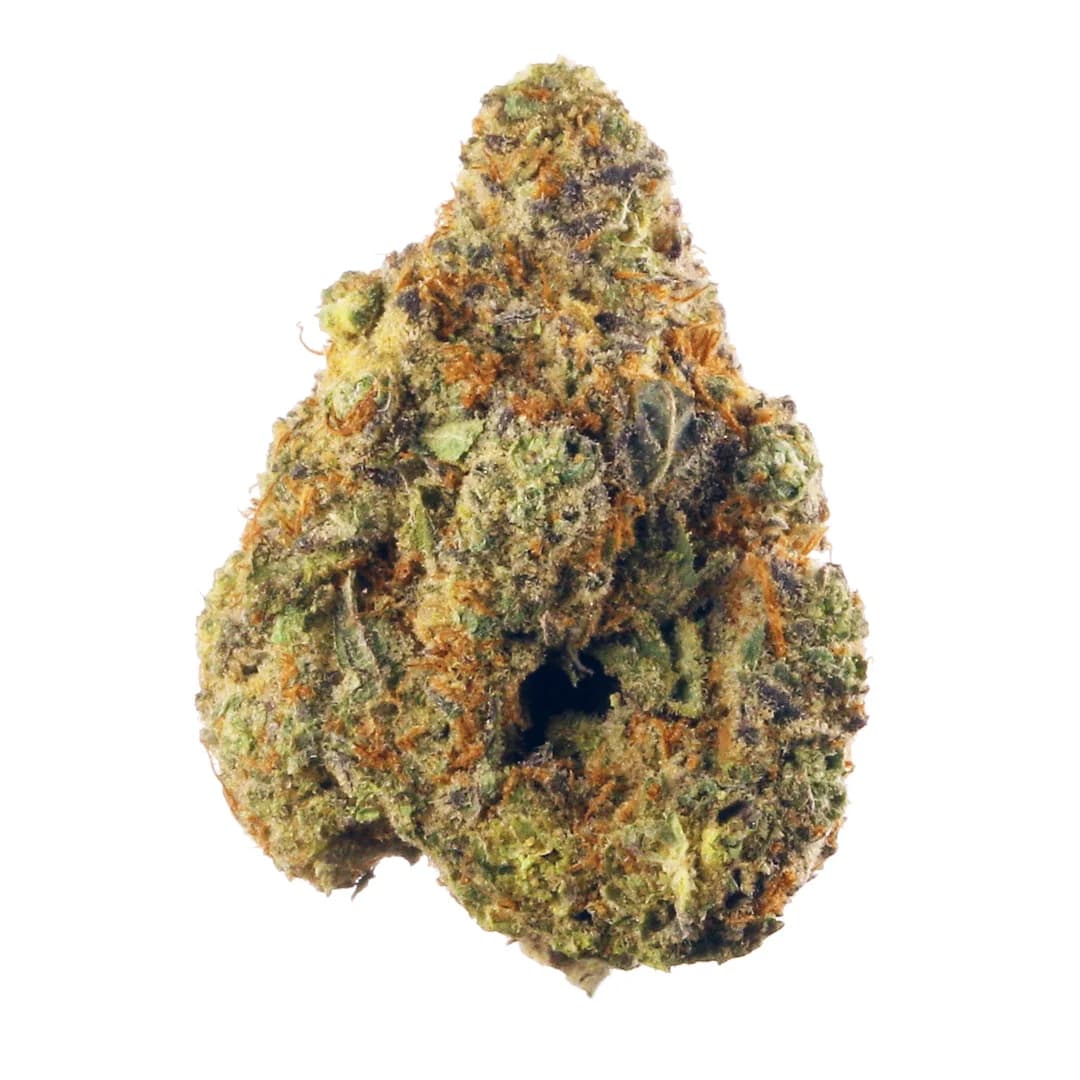 AfghaniOpen strain profile
Source-reported relationship; retained as attributed catalog lineage rather than genetic authentication.
Leafly — Mango identity and lineage ↗Children & later selections 0
No children linked in this catalog yet.
How to read these relationships
Parent links describe a reported cross. Ancestry components may be several generations back. A phenotype selection comes from a named line rather than a new two-parent cross. Disputed links retain the uncertainty of their source.
Names in this catalog open a strain profile. Other names open the reference describing the relationship. The family view shows the links currently documented here, not every known descendant.
Cannabinoid profile
Leafly catalog summary values, not laboratory results for a specific sample. A displayed 0% is a rounded source value, not proof of absence. Unlisted cannabinoids remain unknown.
Leafly source ↗ · Checked 2026-09-28Concentrations vary by sample. A cultivar name alone does not establish potency.
Terpenes & aroma
Catalog-listed terpenes. Dominance is shown only where the source states it; percentages are unavailable unless separately recorded.
Similar strains
Similarity uses catalog reference chemistry, reported attributes and lineage. Missing data is excluded; this is not an effects prediction.
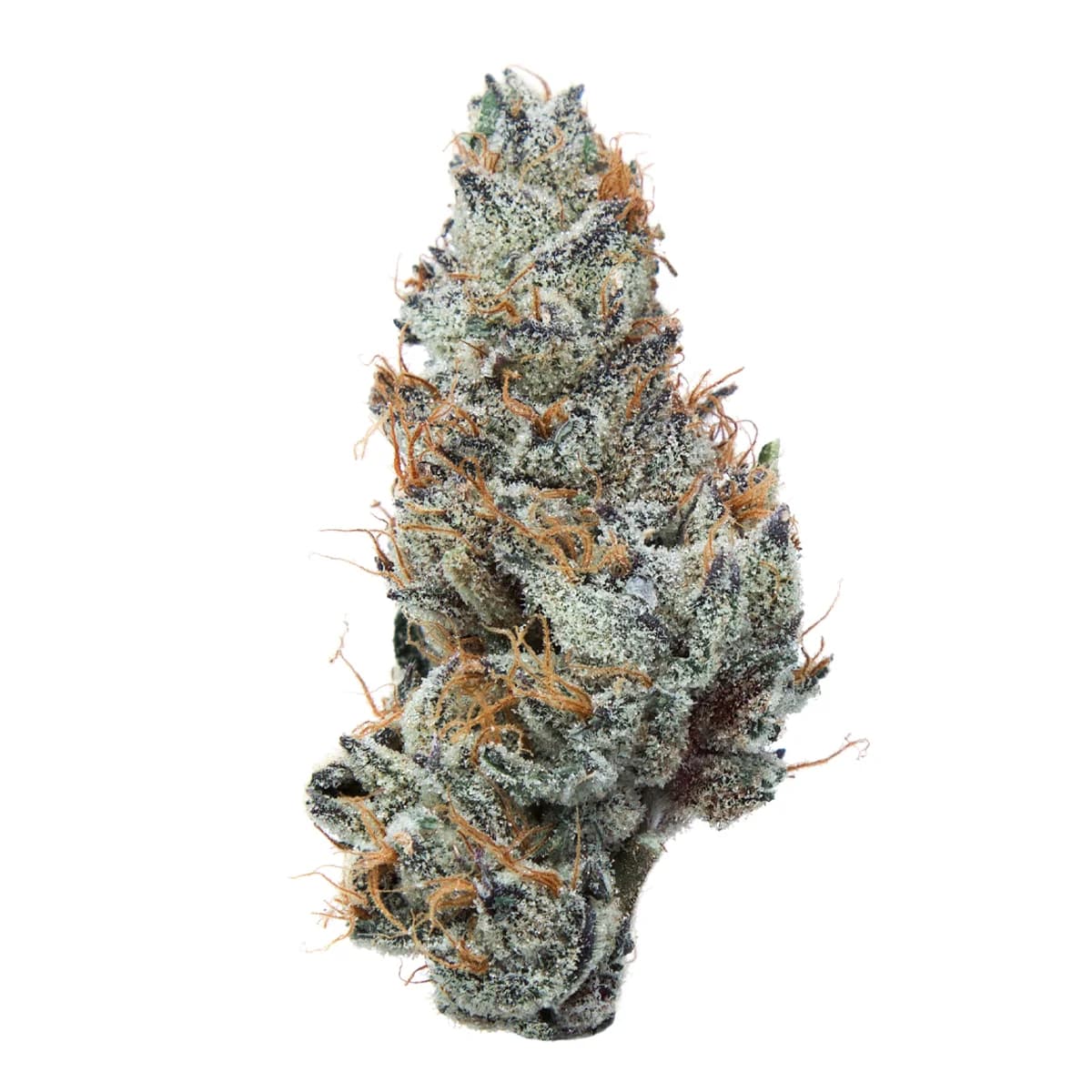
Grape Ape is associated with Apothecary Genetics and Barney’s Farm. Its reported background includes Mendocino Purps, Skunk and Afghani, without a fully specified crossing sequence.
Ancestry documented ↗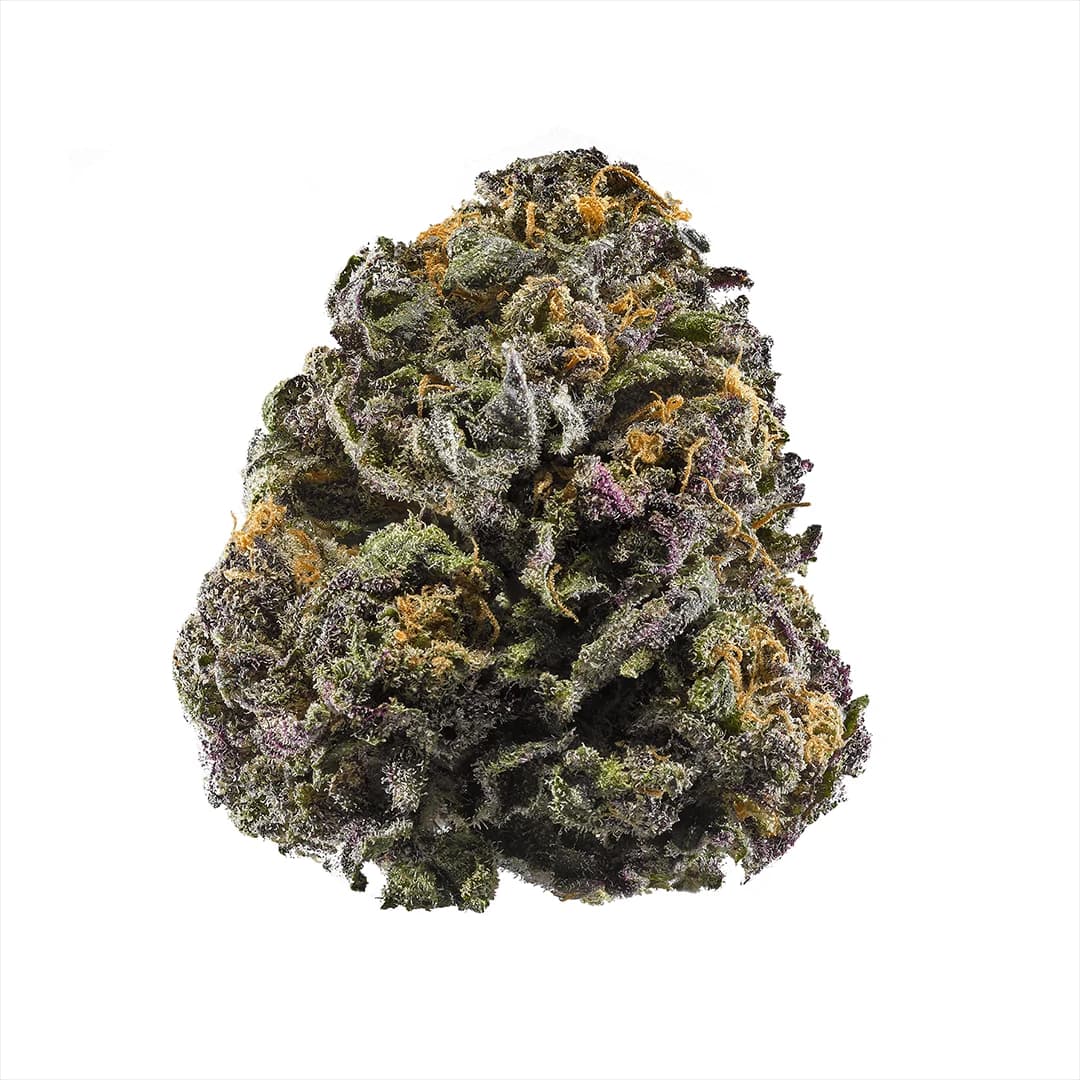
Granddaddy Purple, often shortened to GDP, is associated in Leafly's account with Ken Estes and 2003. Its pedigree is less settled than that familiar name suggests: the source presents both a Mendo Purps/Skunk/Afghan account and a Big Bud × Purple Urkle account. This profile keeps that disagreement visible. Grape, berry and violet are reported flavor descriptors, not evidence that either proposed family tree has been confirmed.
Disputed parentage ↗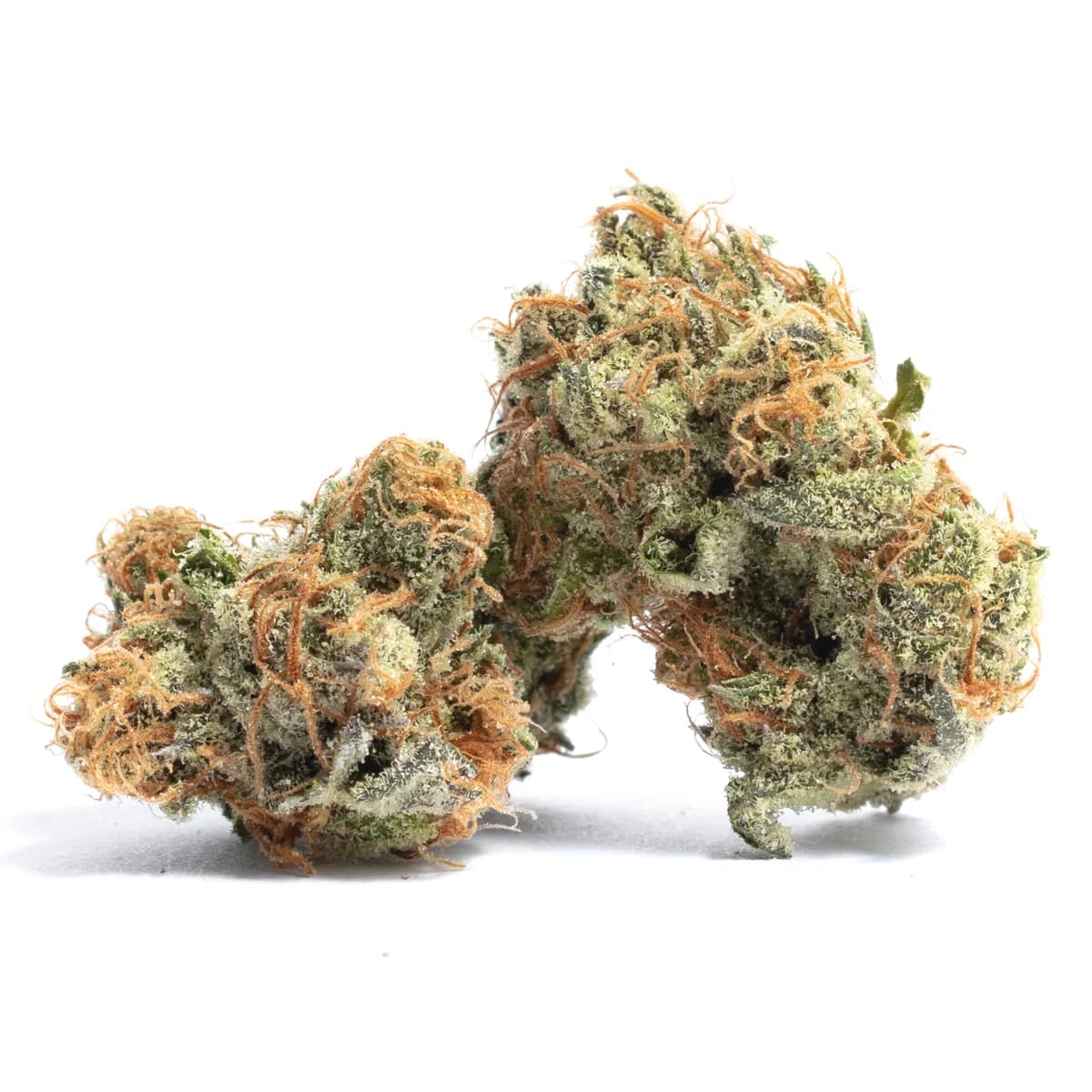
Purple Urkle is associated with California and a proposed selection from Mendocino Purps. That origin is presented as a belief in the reference, so the selection link remains explicitly uncertain.
Disputed parentage ↗Compare with related strains
Choose another strain to compare →References & provenance
Editorial review pending. This public profile includes draft descriptions and attributed catalog information; source checks are not independent verification of every claim.
- Leafly — Mango identity and lineage
The cited catalog page does not establish a complete, authenticated immediate-parent cross for this entry.
Accessed 2026-09-28 - Leafly — mango catalog parameters
Leafly catalog summary values, not laboratory results for a specific sample. A displayed 0% is a rounded source value, not proof of absence. Unlisted cannabinoids remain unknown. Terpene names and documented order come from the catalog; concentrations are not supplied. Effects, flavors and negative effects are reader-reported tags. The report count covers the profile as a whole, not individual tags.
Accessed 2026-09-28
Updated 2026-10-06 · Our editorial standards