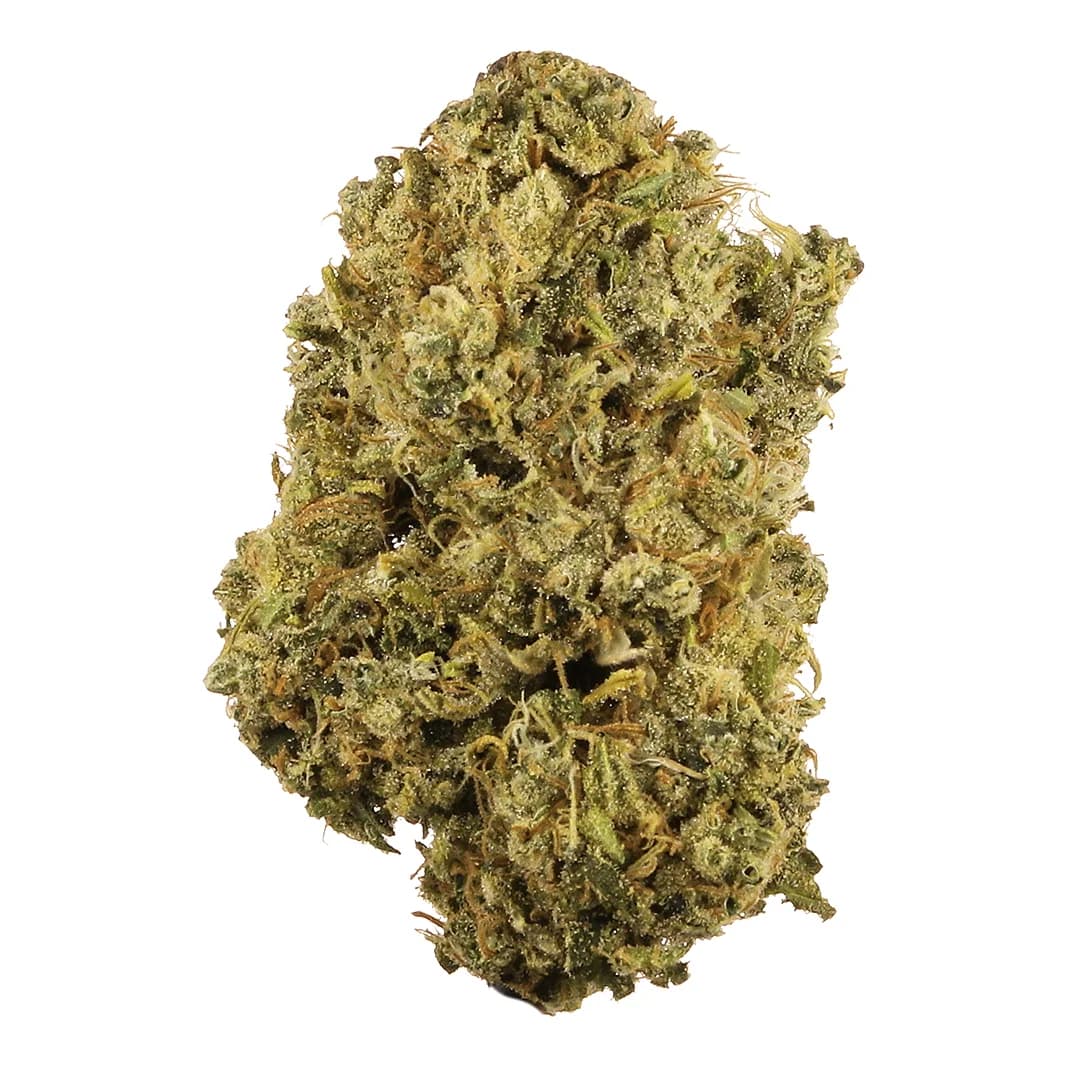
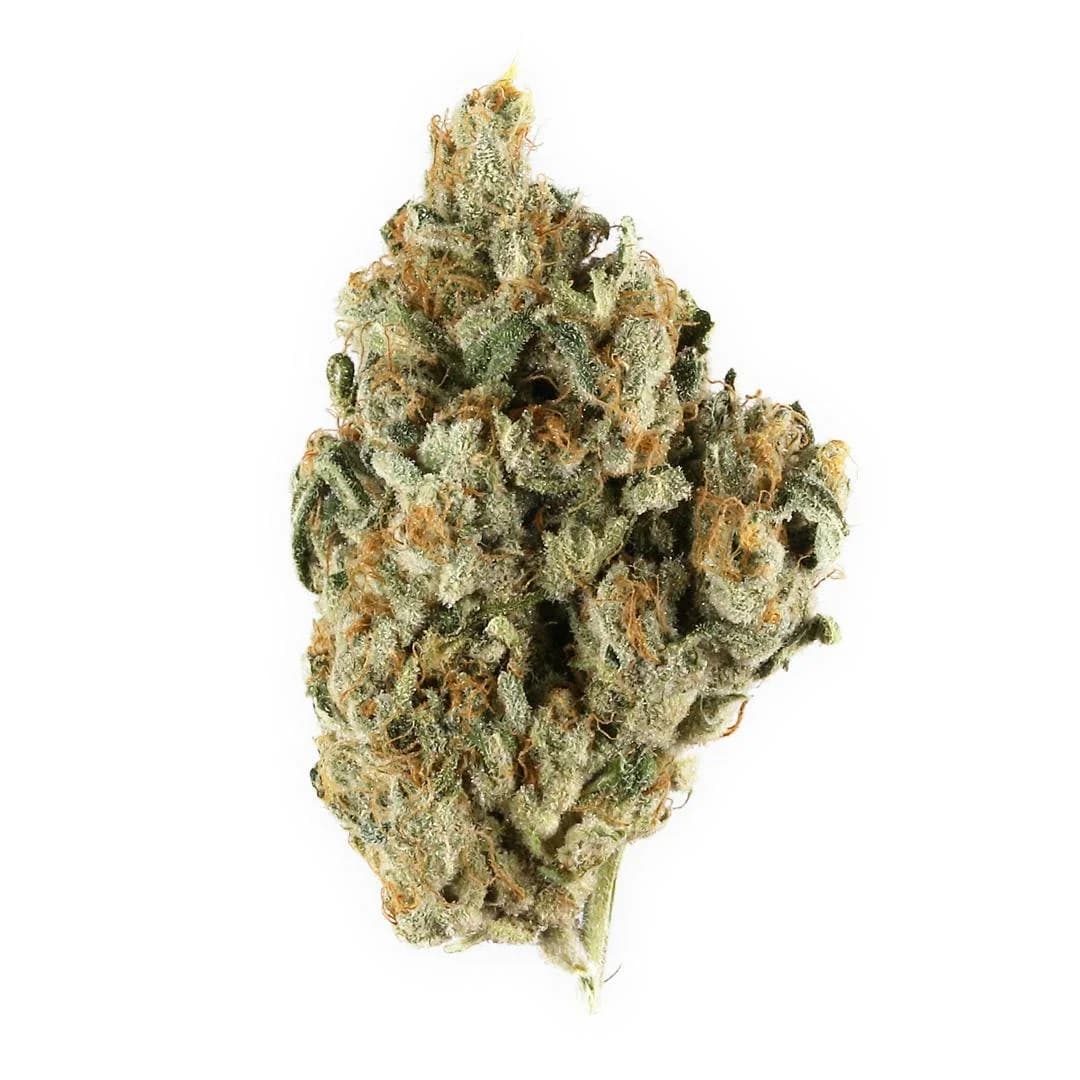
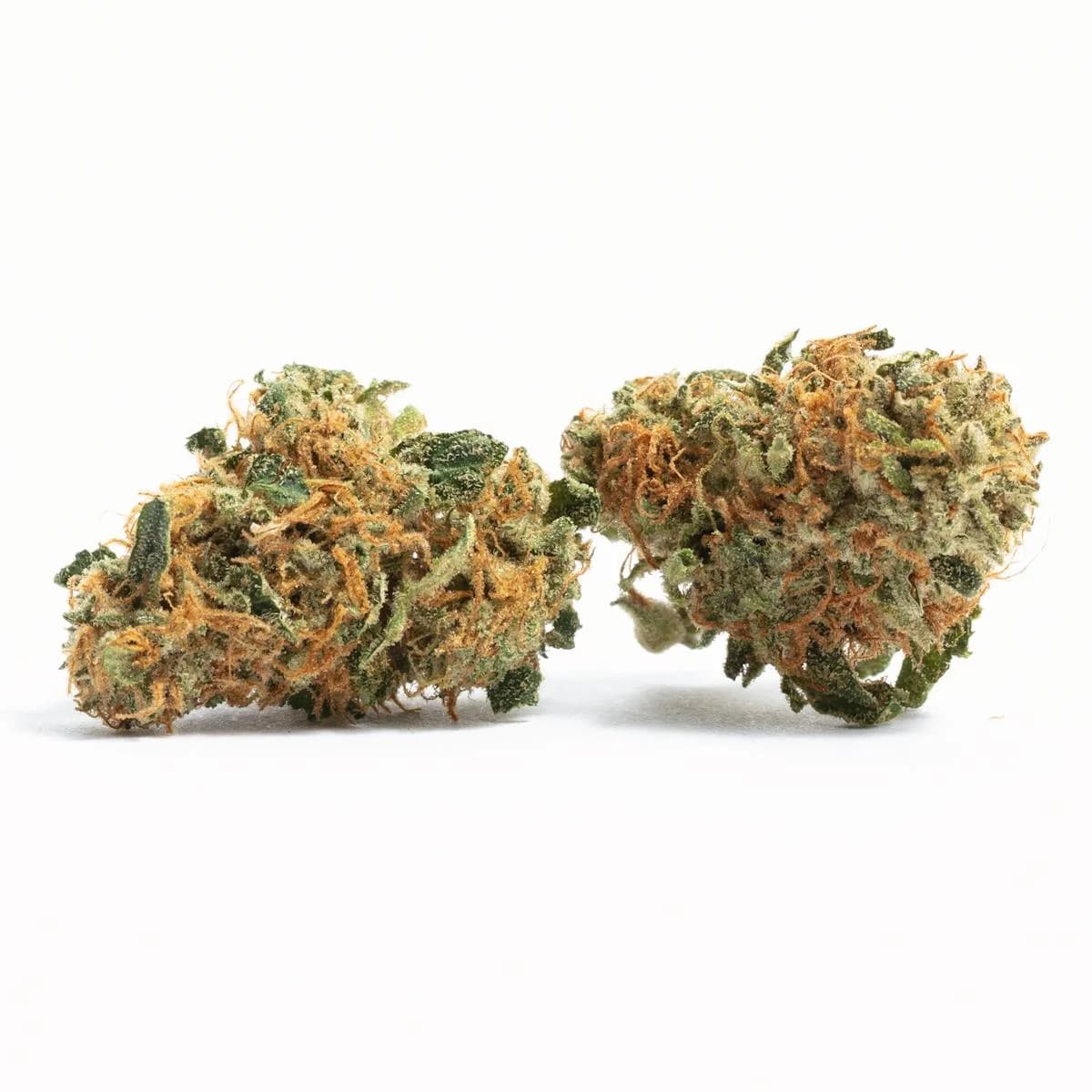
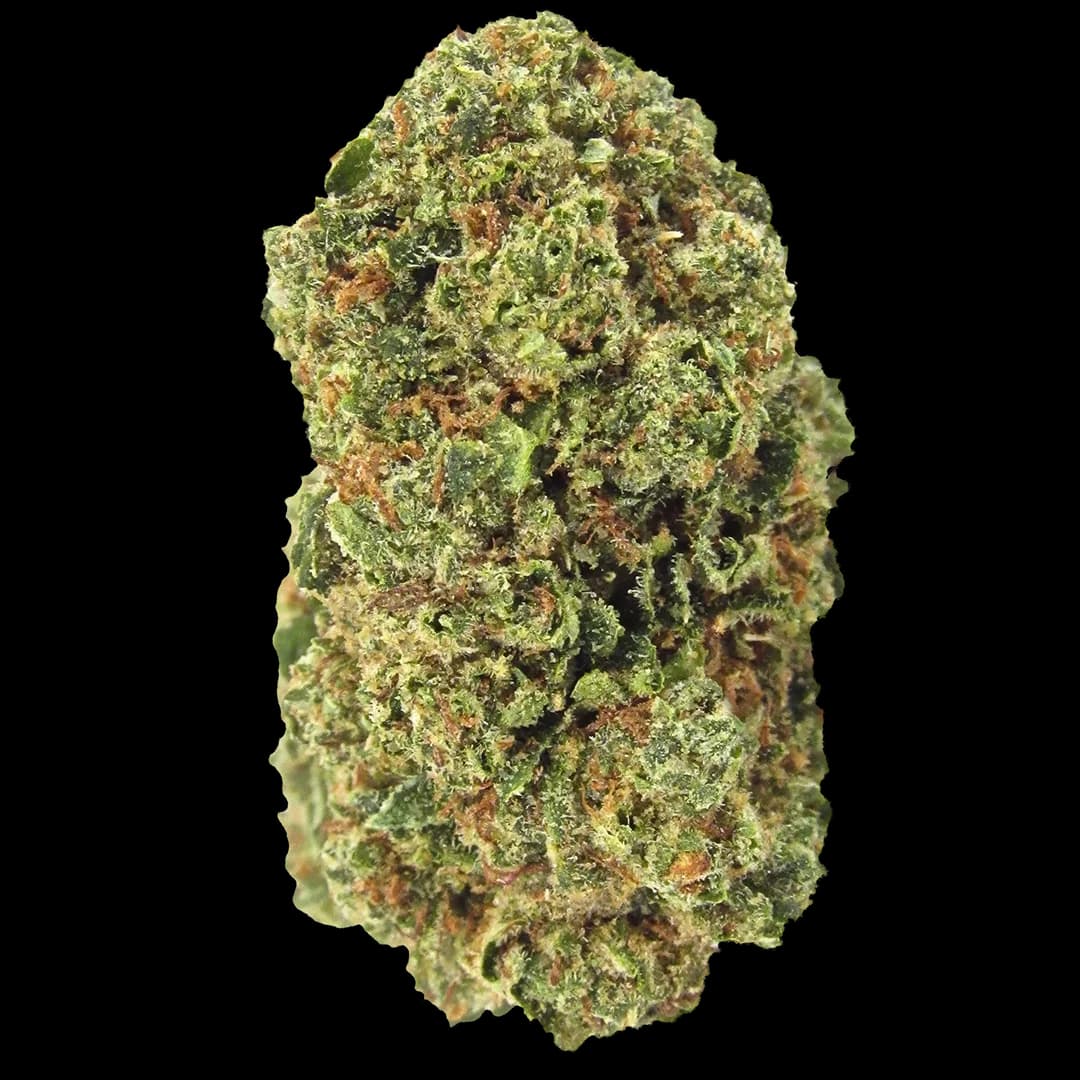
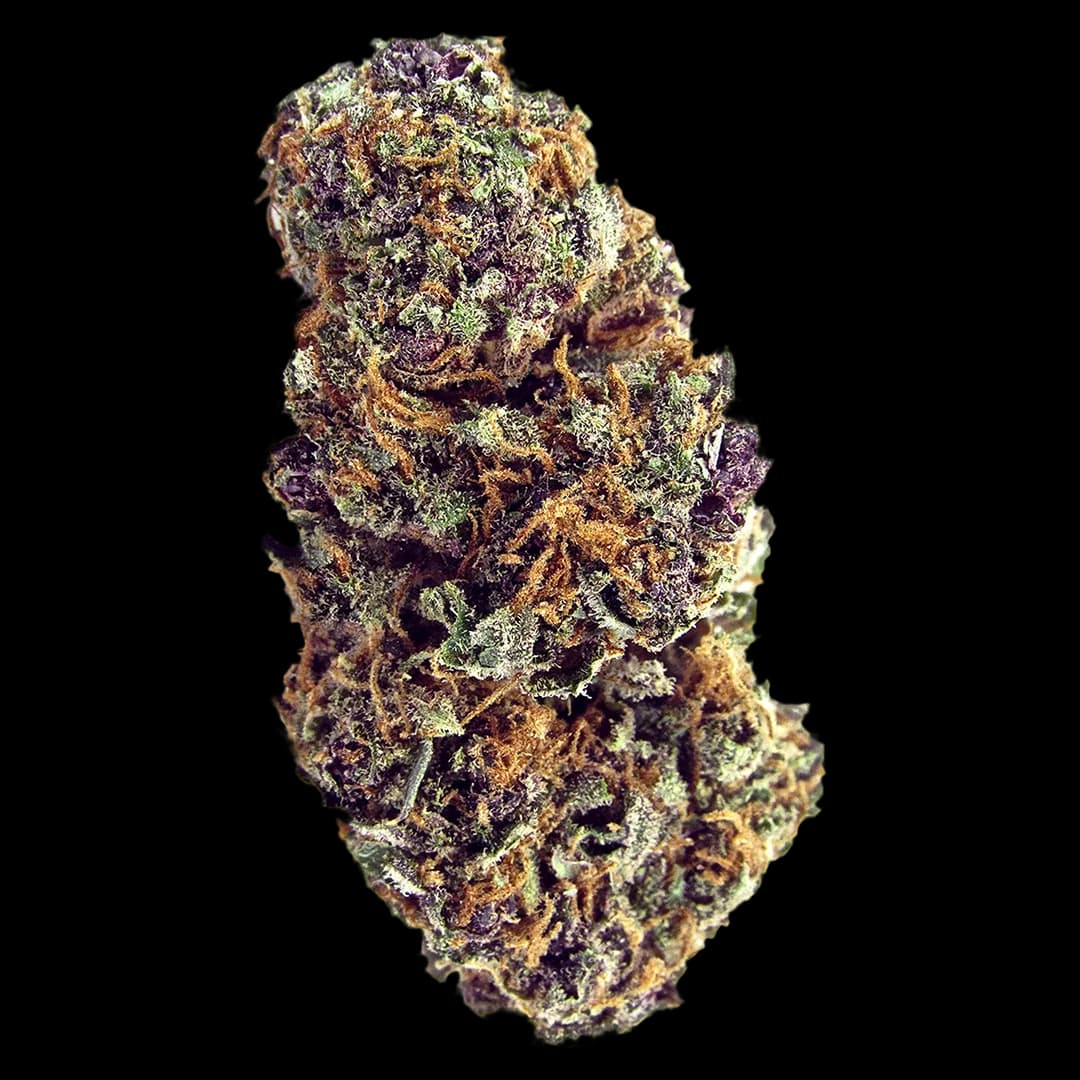
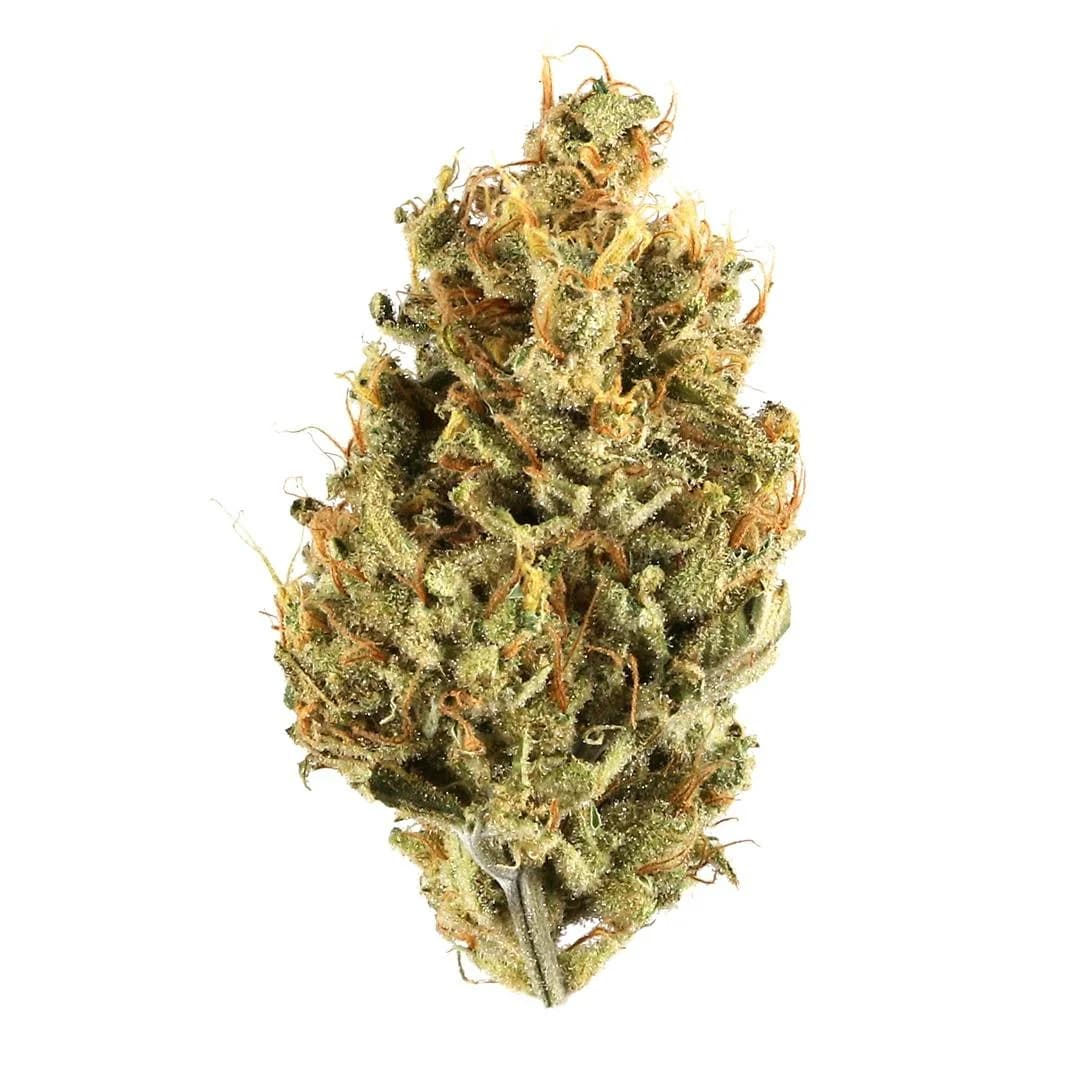
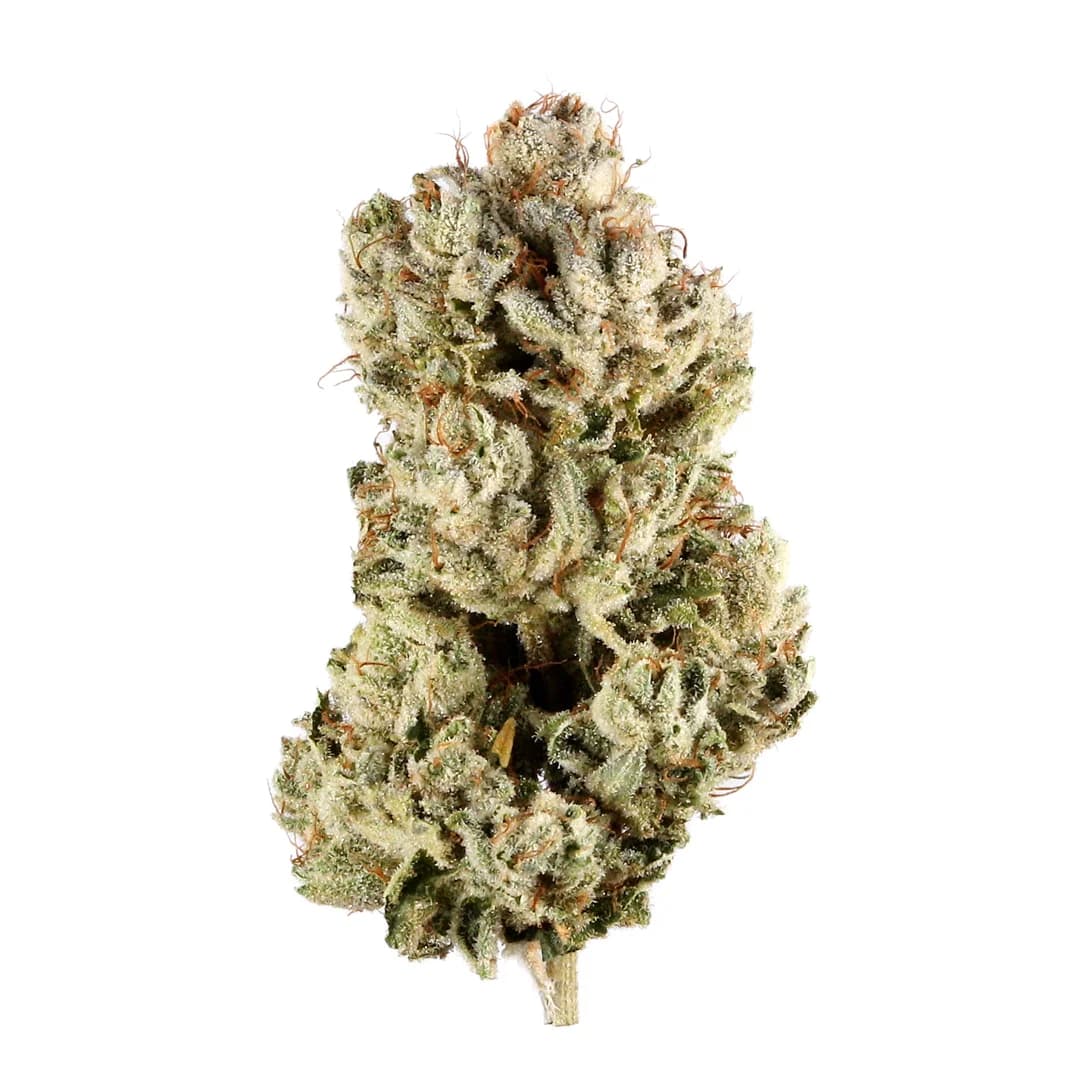
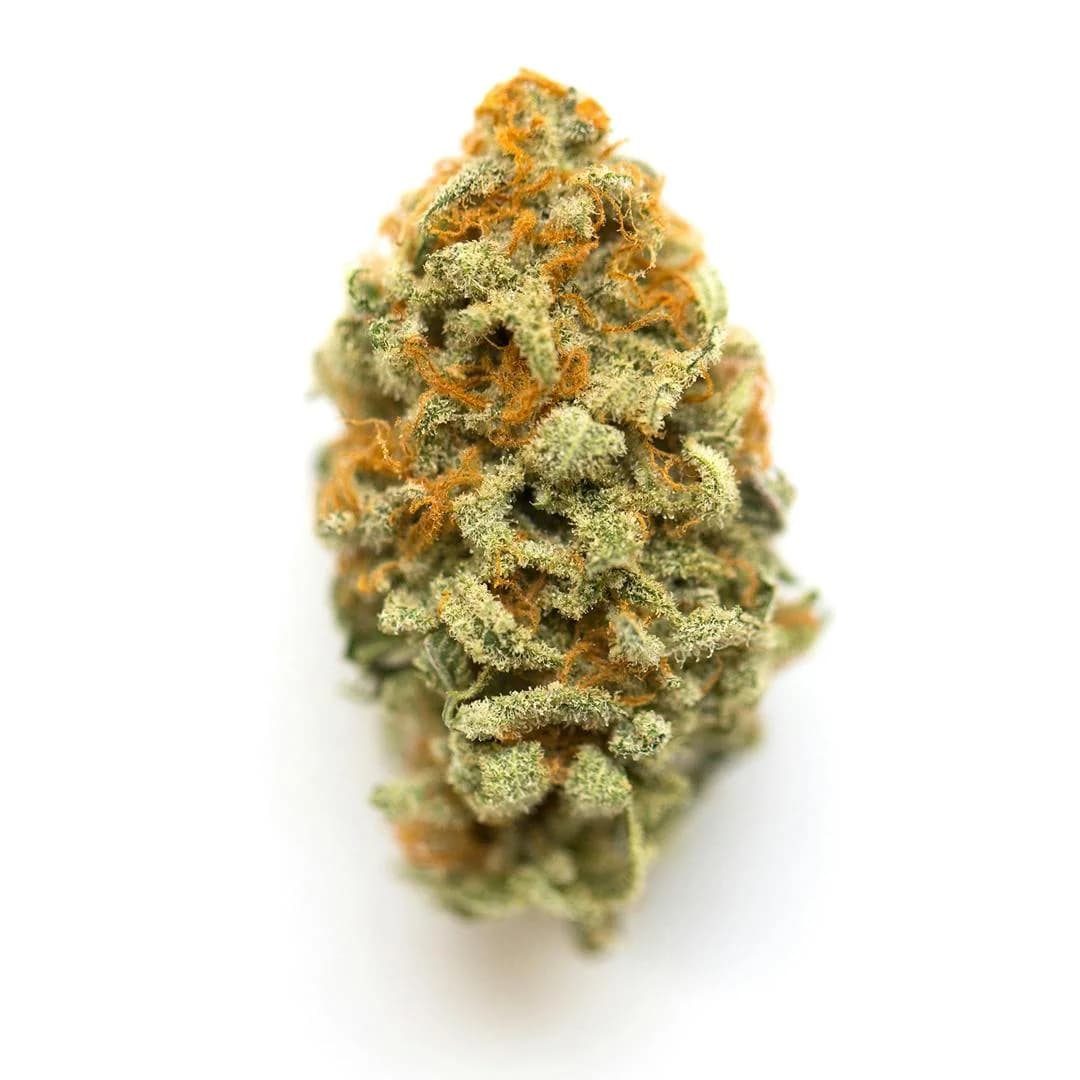
Percentages are catalog reference values, not sample lab results. “Not reported” means the source did not supply a value. Reported effects are subjective tags, not predictions.
Chemdawg is linked by Leafly to the original Chemdog name and a 1991 bag-seed account attributed to breeder Chemdog. Finding seeds in acquired material explains a discovery story, not the identity of both parent plants. The source distinguishes Chem 91, Chem 4 and Chem Sis as variations, which should not be collapsed into interchangeable specimens. Chemical, diesel and pungent are reader descriptors; the names alone do not identify measured ingredients or authenticated genetics.
Chocolate Diesel is reported as Sour Diesel crossed with Chocolate Thai. Its catalog identity connects the Diesel family with chocolate-associated Thai genetics.
Chocolate Thai is described by Leafly as a Thai landrace name associated with historical imports. The source also questions whether present-day offerings preserve the original material. Its coffee and tobacco reader tags describe impressions, not evidence of historical authenticity.
Chocolope, also called D-Line, is reported to combine Chocolate Thai and Cannalope Haze. Its catalog identity connects chocolate-associated Thai genetics with the Haze family.
Cinderella 99, also called C99 or Cindy, is associated with Mr. Soul and Brothers Grimm. Leafly recounts a Jack Herer seed-origin story. This is recorded as ancestry rather than simplified into a direct two-parent cross, preserving the distinction between a founding story and a documented pedigree.
Clementine is described by Leafly as a Tangie and Lemon Skunk cross. This provides a useful connection to the citrus-associated family behind Mimosa. Orange and lemon tags summarize reader reports, while the listed terpenes are a separately attributed catalog summary.
Colombian Gold is associated with Colombia’s Santa Marta mountains. Leafly describes this regional landrace as a contributor to the later Skunk 1 family.
Cookies and Cream is described by Leafly as Starfighter crossed with an undisclosed GSC phenotype. Starfighter can be linked directly, while GSC remains ancestry because the exact phenotype is not identified.
Critical Mass is listed by Leafly as an Afghani and Skunk #1 cross. The profile keeps that reported family connection alongside source-linked catalog parameters without converting reference values into laboratory ranges.
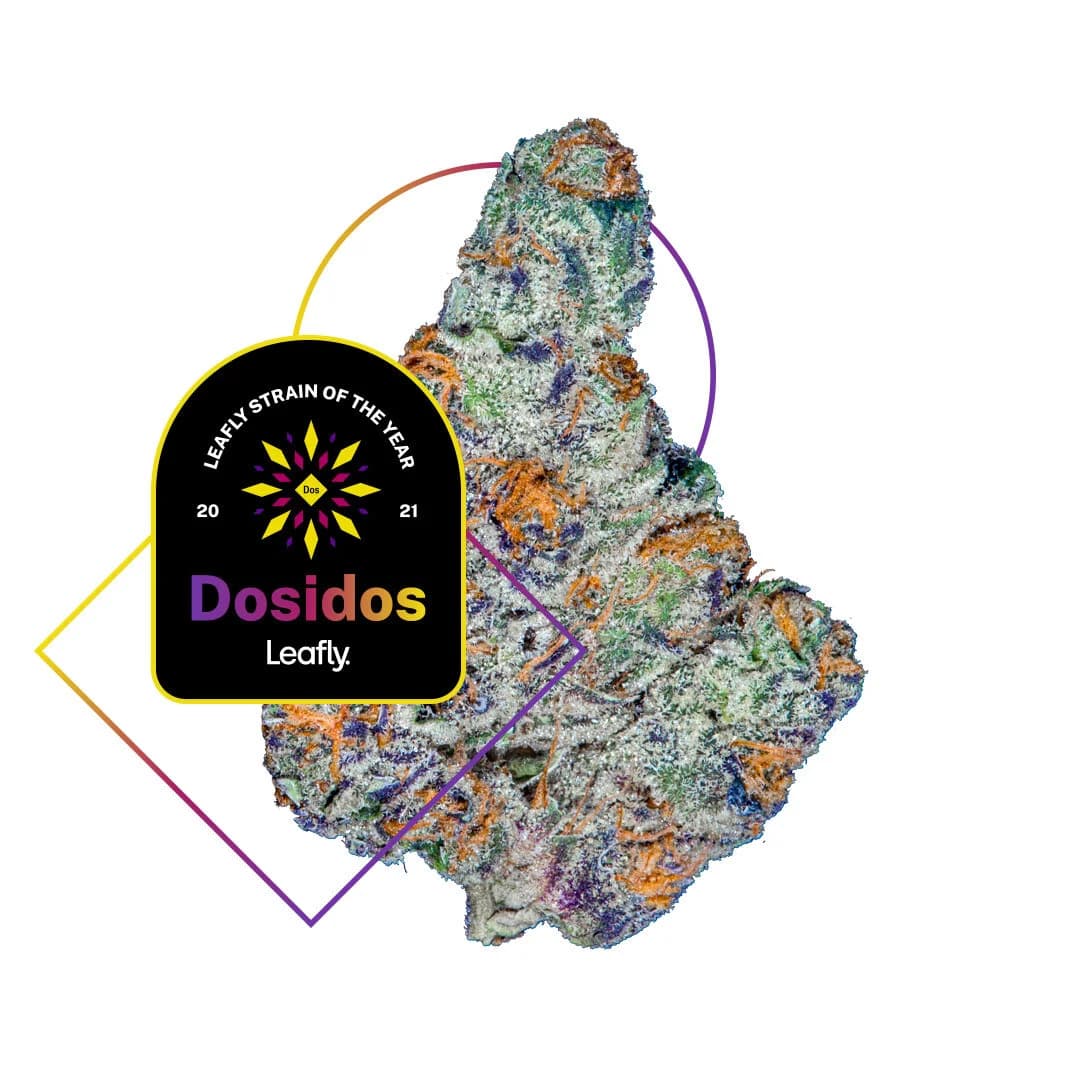
Dosidos is associated with a GSC phenotype and Face Off OG genetics. The GSC contribution is described at the phenotype level in this reference, so it is recorded as ancestry rather than equated with one verified GSC parent.
Durban Poison takes its regional identity from Durban in South Africa according to Leafly. The catalog classifies it as sativa without supplying a named two-parent cross. Its displayed pine, earthy and sage descriptors are reader impressions, while terpinolene leads the separate terpene list. A geographic origin is useful historical context but does not by itself authenticate every later selection carrying the name or establish a fixed concentration of any cannabinoid.
ECSD is listed separately by Leafly as East Coast Sour Diesel. The reviewed narrative describes its identity and sensory character without establishing a complete parent cross. This page keeps that named line distinct from the broader Sour Diesel profile and leaves unsupported parentage unresolved.
Face Off OG is associated with Archive Seeds and a California OG Kush selection from the late 1990s. This is represented as selection history rather than an invented two-parent cross.
Forbidden Fruit connects Cherry Pie with Tangie. The source describes purple coloration and a fruit-associated aroma, characteristics that can vary between individual samples.
G13 carries an unusually elaborate origin story. Leafly itself describes the government-laboratory account as an urban legend, so this profile does not present it as established history. The catalog name and its reported attributes can be documented while its original parentage remains unresolved.
GG4, also known as Original Glue, is attributed to GG Strains LLC. Its reported background includes Chem's Sister, Sour Dubb and Chocolate Diesel, which are listed as ancestry without assuming an undocumented crossing order.
GMO Cookies also appears as Garlic Cookies. Leafly attributes this GSC and Chemdawg cross to Mamiko Seeds, with garlic and fuel associations in its description.
GSC is the catalog entry also known as Girl Scout Cookies. Leafly attributes it to Jigga and describes an OG Kush subtype crossed with F1 Durban. That intermediate parent name matters: it should not automatically be replaced with Durban Poison. Thin Mint and Platinum GSC are discussed as related variations rather than interchangeable specimens. Mint, sweet and earthy reader tags help describe the catalog profile but do not authenticate its genetics.
Gary Payton comes from a Cookies and Powerzzzup Genetics collaboration. Leafly names The Y and Snowman as its parents, and the cultivar takes its name from the basketball player.
Gastro Pop is listed by Leafly as an Apples and Bananas and Grape Gas cross associated with Compound Genetics. The source-reported family connection is retained without converting catalog percentages into lab measurements.
Gelato belongs to the family that Leafly traces to Sunset Sherbet and Thin Mint GSC. The source also uses Larry Bird and Gelato #42, and distinguishes other numbered Gelato selections. This makes the exact name important when comparing records: the broad Gelato entry should not silently absorb every numbered selection. Sweet, floral and pepper descriptors on the profile are reader-reported tags, separate from the source's caryophyllene, limonene and humulene listing.