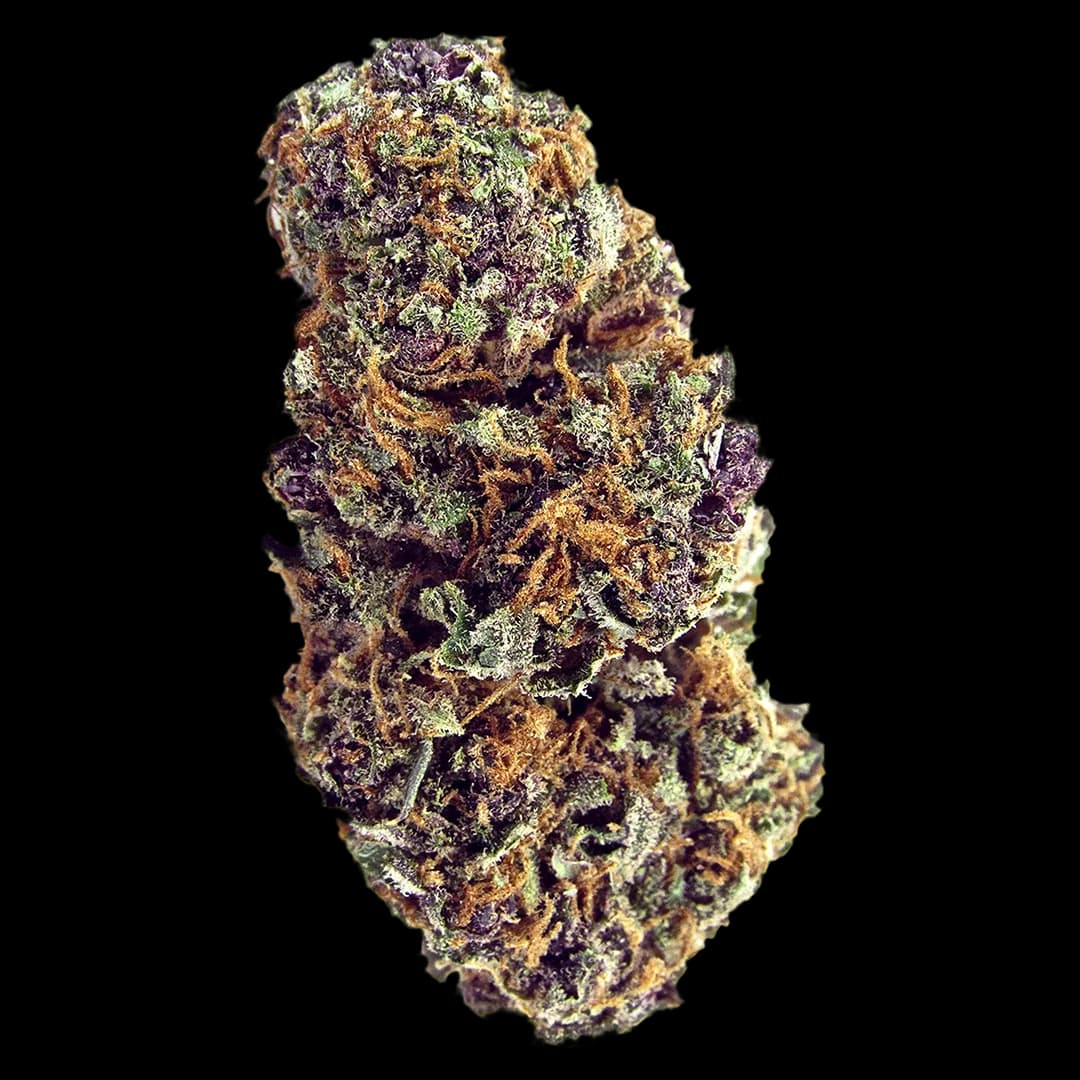
Forbidden Fruit
Forbidden Fruit connects Cherry Pie with Tangie. The source describes purple coloration and a fruit-associated aroma, characteristics that can vary between individual samples.
Reported parentage · Explore family ↓Compare this strain ↗Effects & flavor notes.
Explore the words people use to describe Forbidden Fruit.
Reported effects
Subjective feelings described by readers.
Flavors & aromas
Reader-reported flavor descriptors.
These are subjective reports, not guaranteed effects or medical conclusions. The report total covers the whole profile; individual tag frequencies are unavailable.
How to read these reportsParents, origins & family
Reported parentage
Forbidden Fruit connects Cherry Pie with Tangie. The source describes purple coloration and a fruit-associated aroma, characteristics that can vary between individual samples. This is a source-reported identity, not a genetically authenticated pedigree.
Reported parents
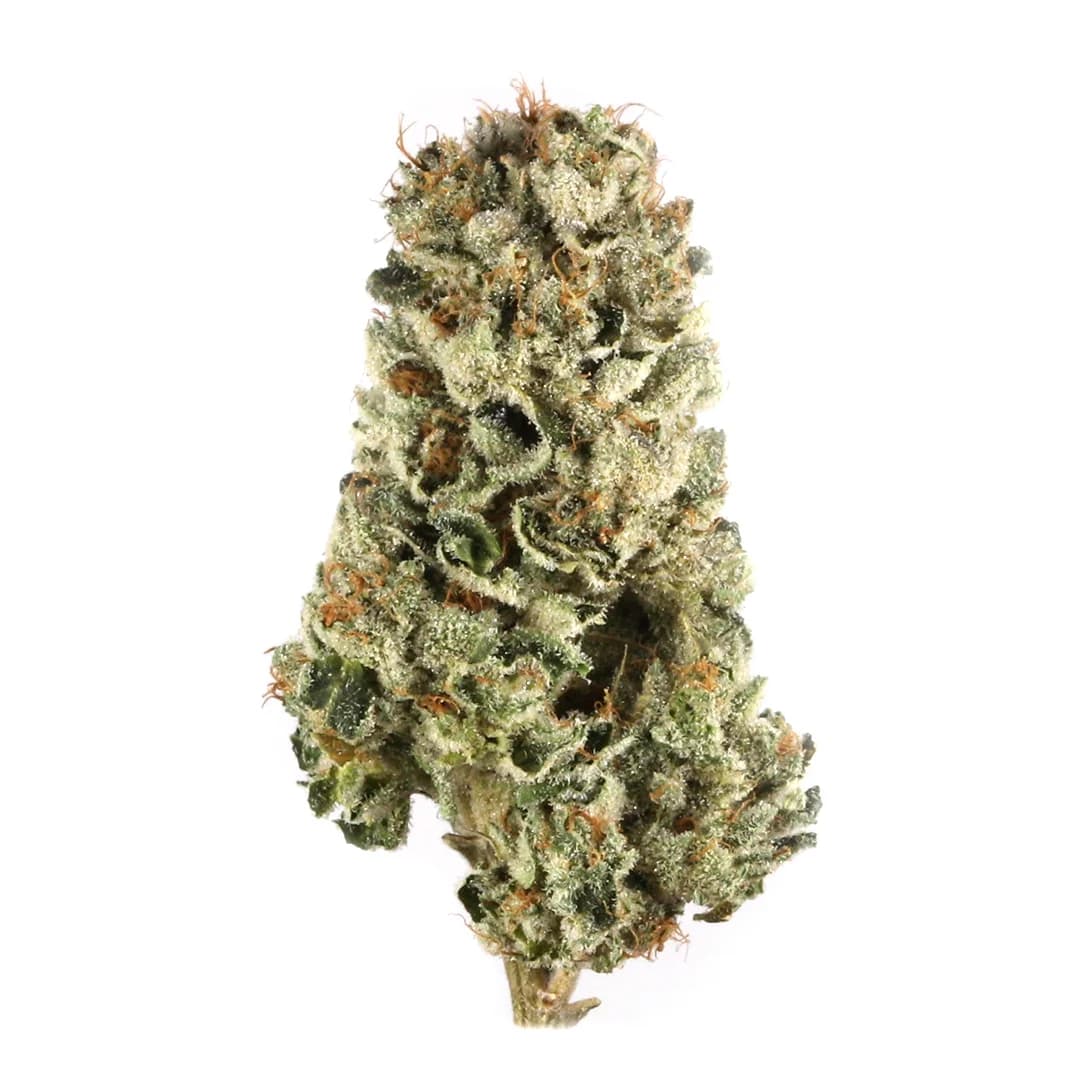 Cherry PieOpen strain profile
Reported parent in the linked Leafly profile; not genetically authenticated.
Leafly — Forbidden Fruit identity and lineage ↗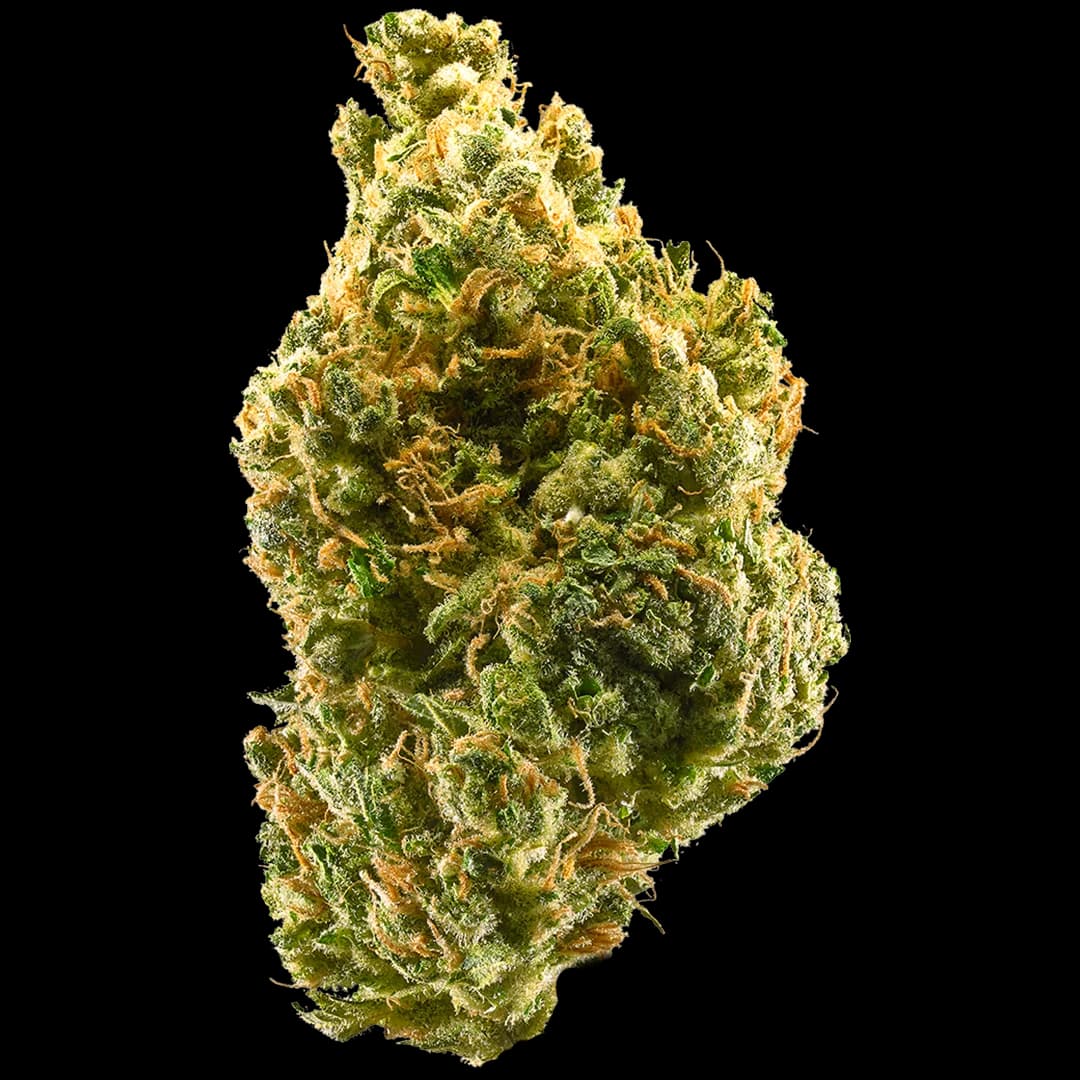 TangieOpen strain profile
Reported parent in the linked Leafly profile; not genetically authenticated.
Leafly — Forbidden Fruit identity and lineage ↗Children & later selections 0
No children linked in this catalog yet.
How to read these relationships
Parent links describe a reported cross. Ancestry components may be several generations back. A phenotype selection comes from a named line rather than a new two-parent cross. Disputed links retain the uncertainty of their source.
Names in this catalog open a strain profile. Other names open the reference describing the relationship. The family view shows the links currently documented here, not every known descendant.
Cannabinoid profile
Leafly catalog summary values, not laboratory results for a specific sample. A displayed 0% is a rounded source value, not proof of absence. Unlisted cannabinoids remain unknown.
Leafly source ↗ · Checked 2026-09-16Concentrations vary by sample. A cultivar name alone does not establish potency.
Terpenes & aroma
Catalog-listed terpenes. Dominance is shown only where the source states it; percentages are unavailable unless separately recorded.
Similar strains
Similarity uses catalog reference chemistry, reported attributes and lineage. Missing data is excluded; this is not an effects prediction.
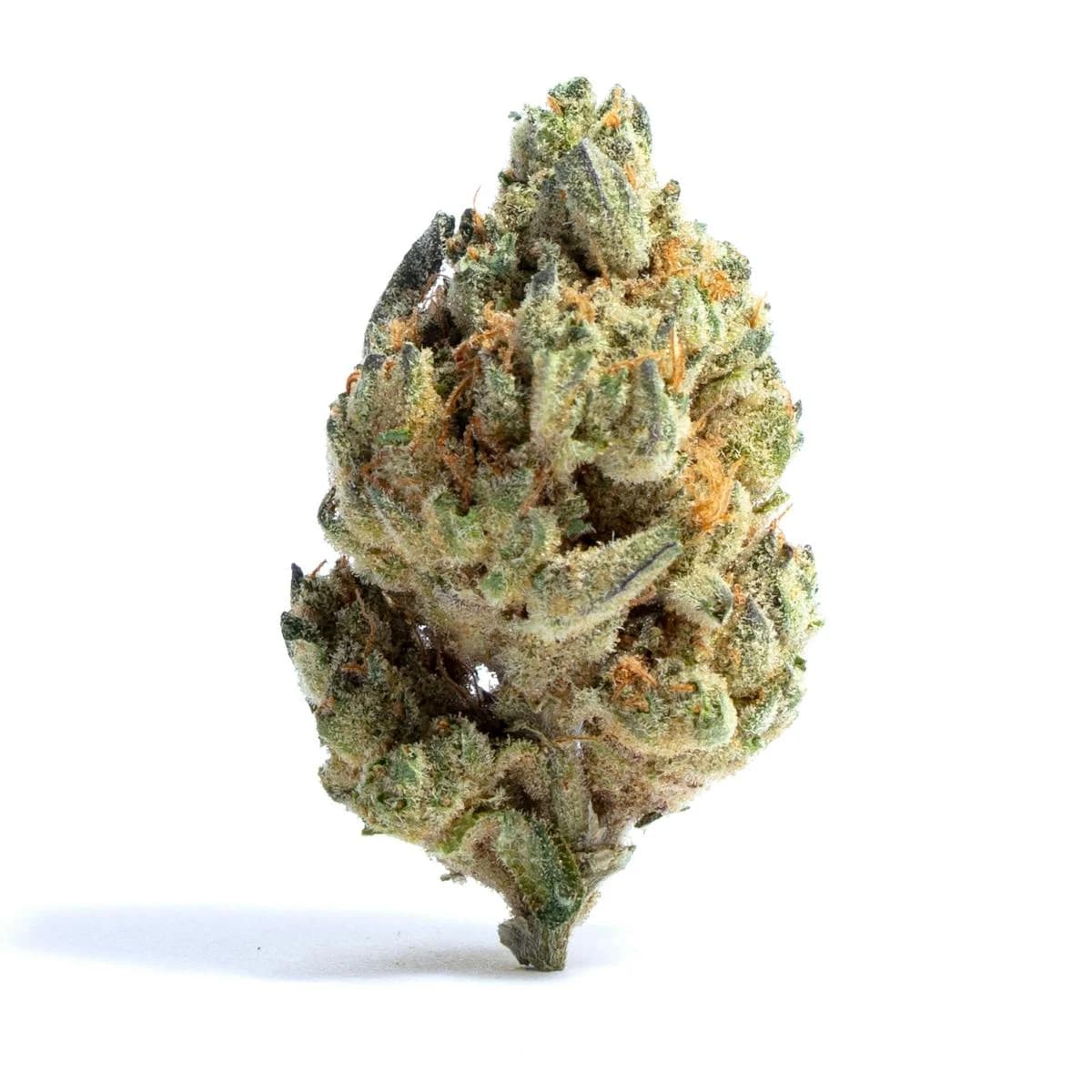
Black Cherry Punch is represented here from Leafly's hybrid catalog profile, including its reader-reported fruit and berry descriptors. Parentage is intentionally left unresolved in this batch rather than inferred from the name.
Parents unknown ↗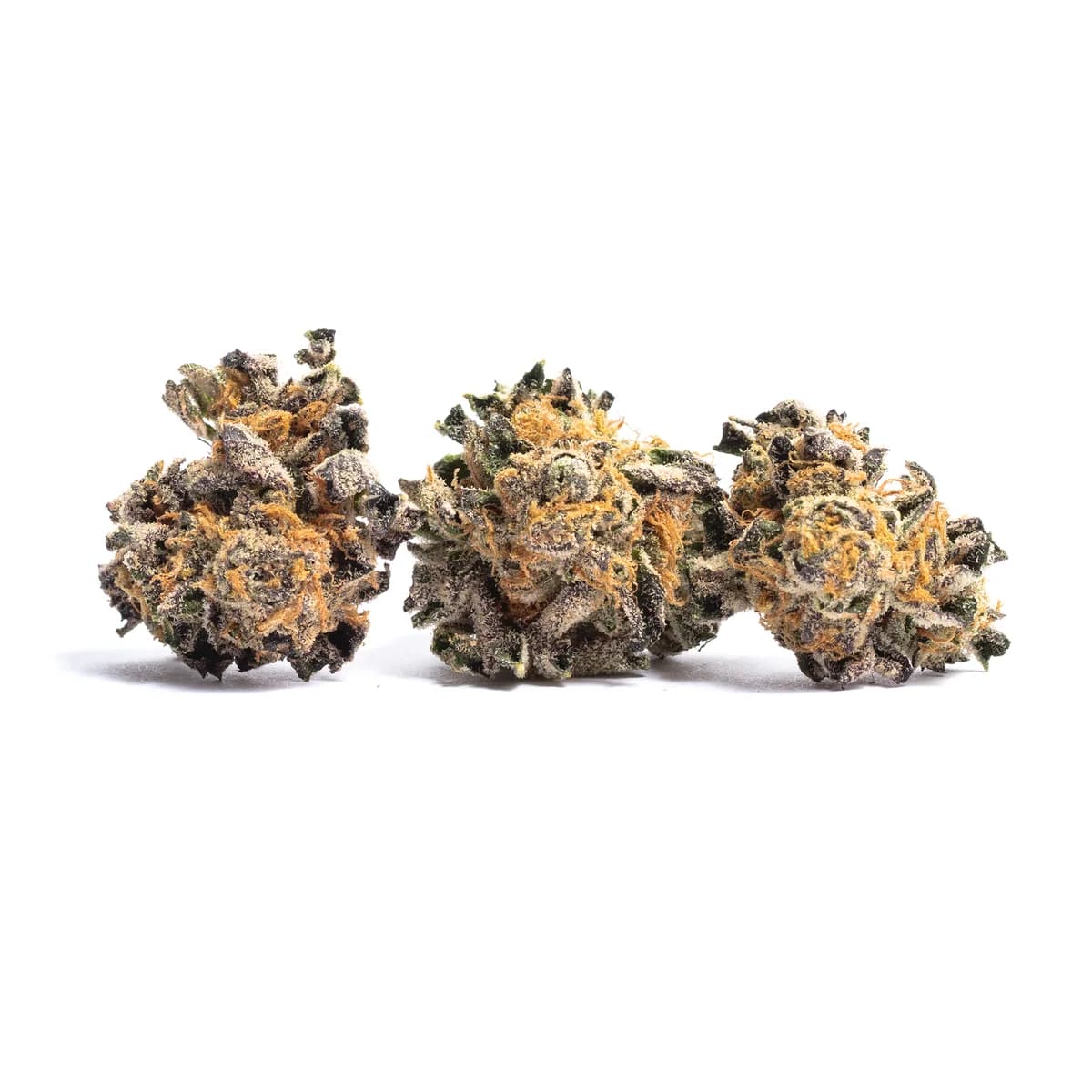
Master Kush is attributed to the Dutch White Label Seed Company. Leafly describes two regional landrace parents from the Hindu Kush area but does not identify their individual accessions.
Ancestry documented ↗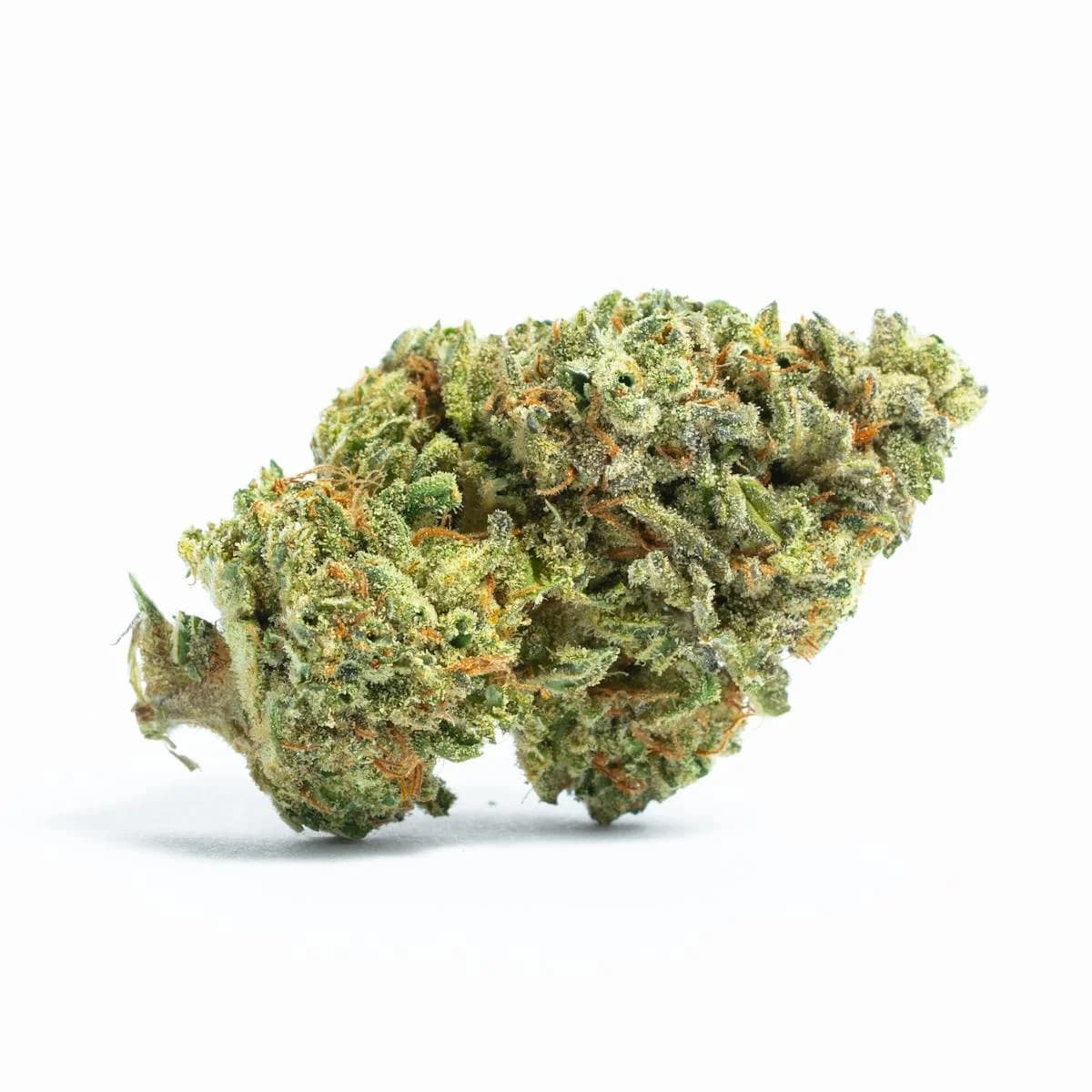
Sensi Star is listed by Leafly as an indica catalog entry, but the reviewed narrative does not establish a parent cross. This profile retains the name and attributed reference data while leaving its pedigree open. A lack of documented parents is not evidence that it is a landrace.
Parents unknown ↗Compare with related strains
Choose another strain to compare →References & provenance
Editorial review pending. This public profile includes draft descriptions and attributed catalog information; source checks are not independent verification of every claim.
- Leafly — Forbidden Fruit identity and lineage
Forbidden Fruit connects Cherry Pie with Tangie. The source describes purple coloration and a fruit-associated aroma, characteristics that can vary between individual samples. This is a source-reported identity, not a genetically authenticated pedigree.
Accessed 2026-09-16 - Leafly — forbidden fruit catalog parameters
Leafly catalog summary values, not laboratory results for a specific sample. A displayed 0% is a rounded source value, not proof of absence. Unlisted cannabinoids remain unknown. Terpene names and documented order come from the catalog; concentrations are not supplied. Effects, flavors and negative effects are reader-reported tags. The report count covers the profile as a whole, not individual tags.
Accessed 2026-09-16
Updated 2026-09-18 · Our editorial standards