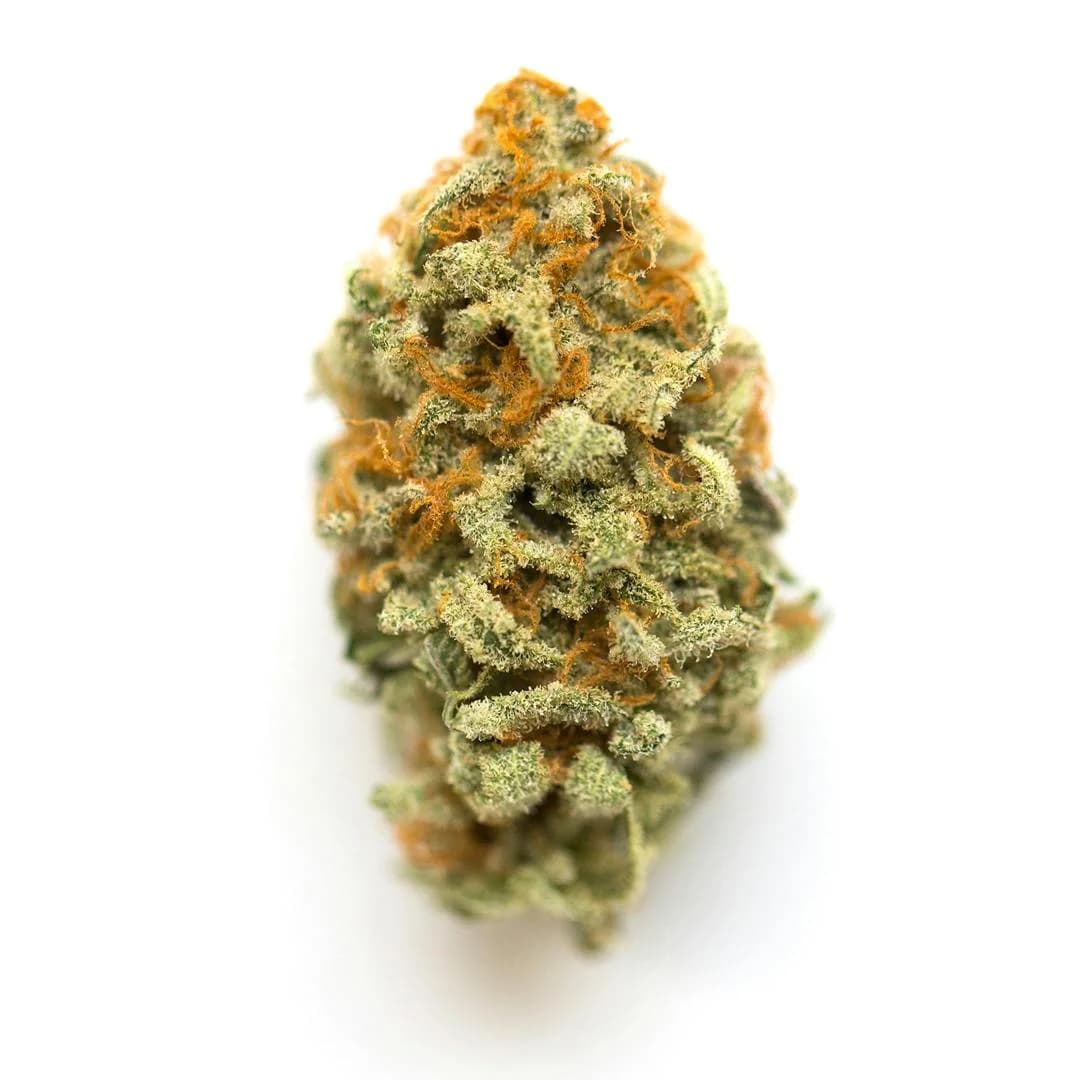
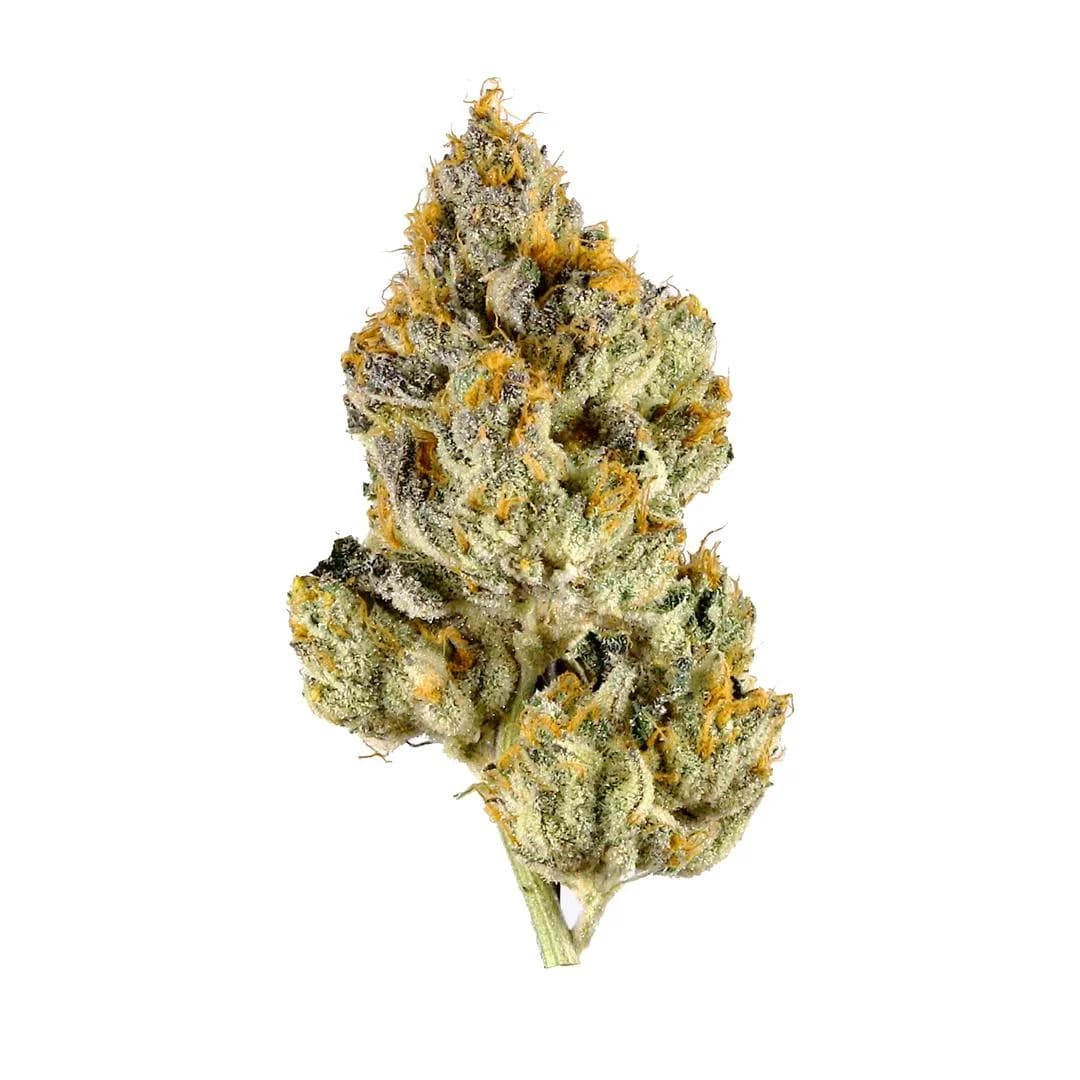
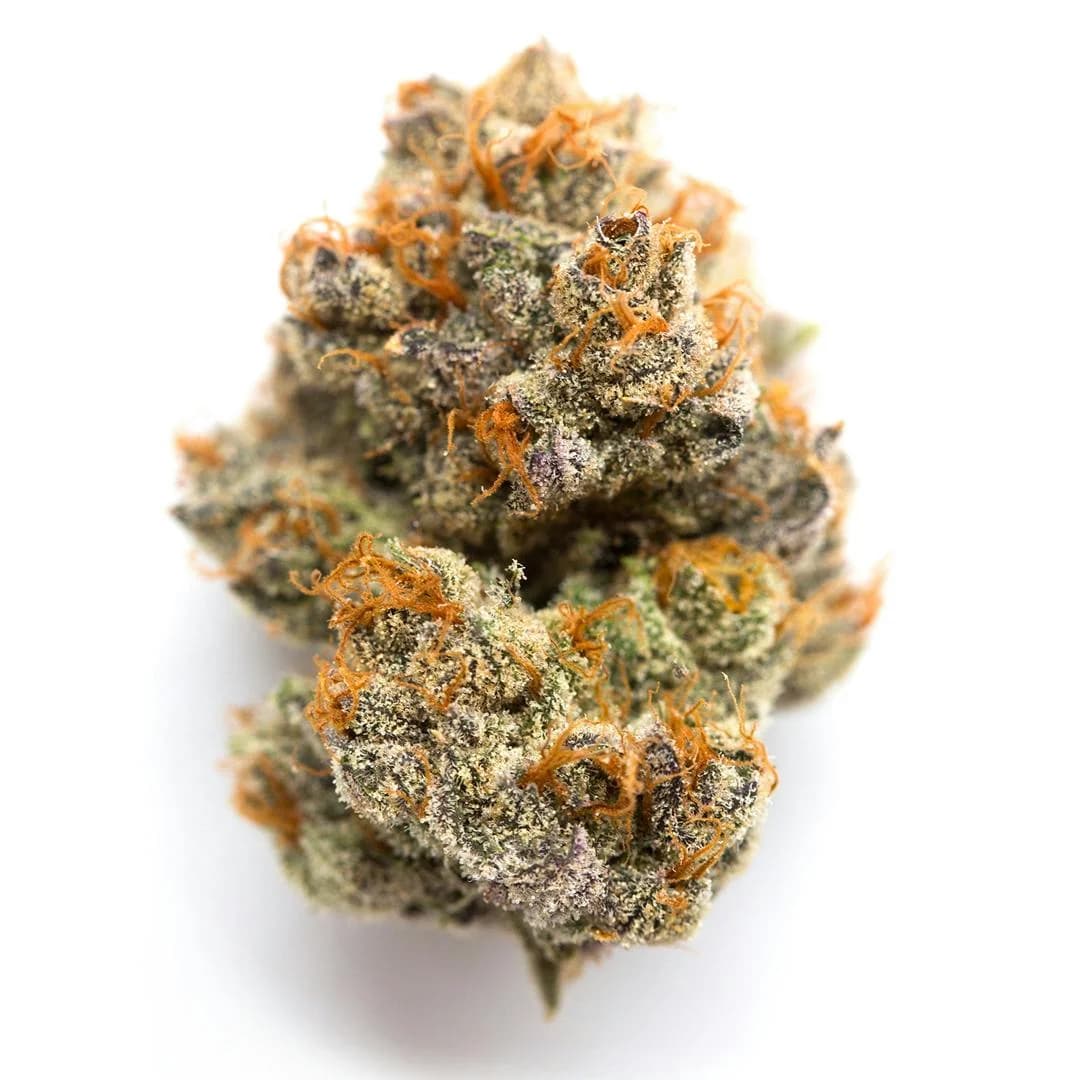
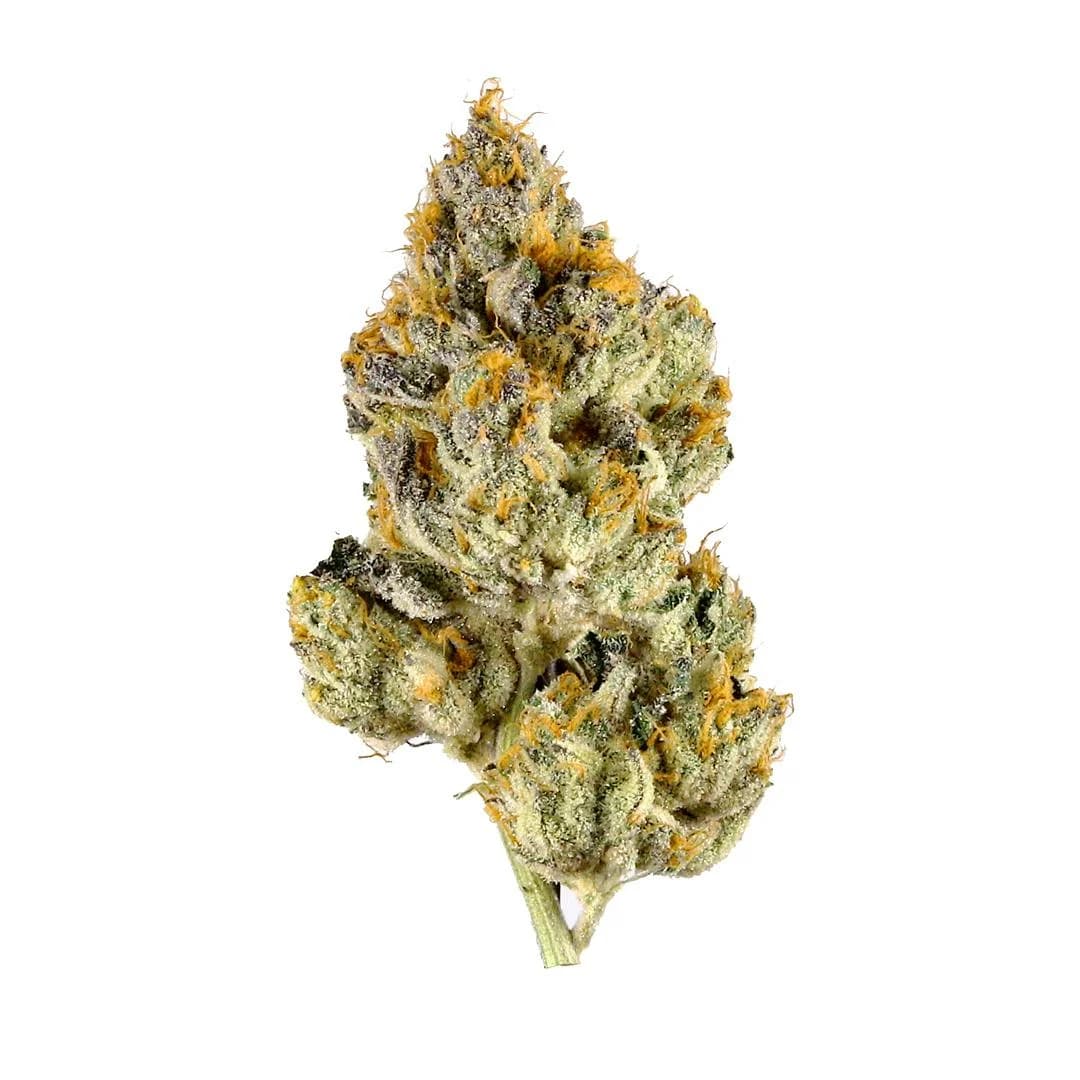
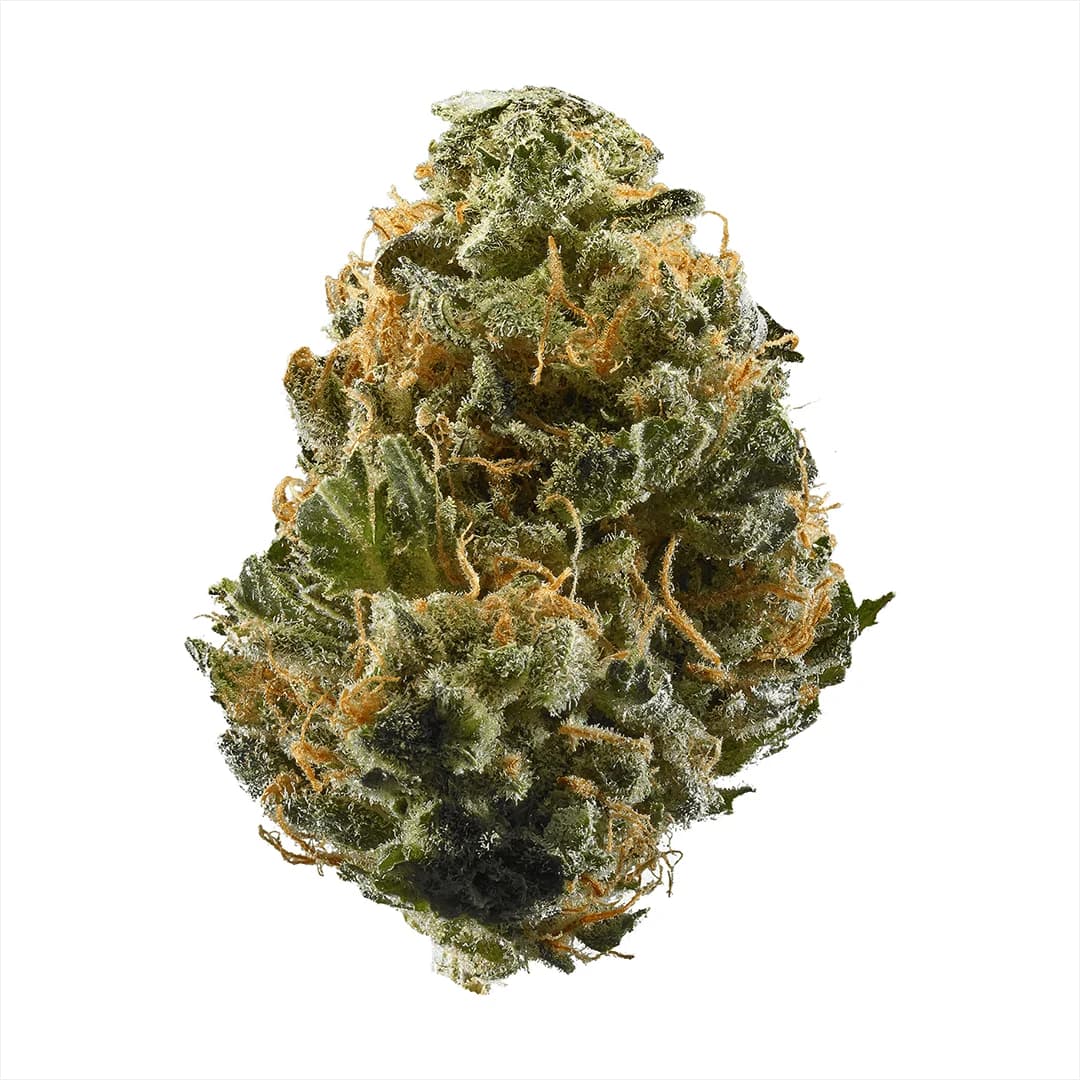
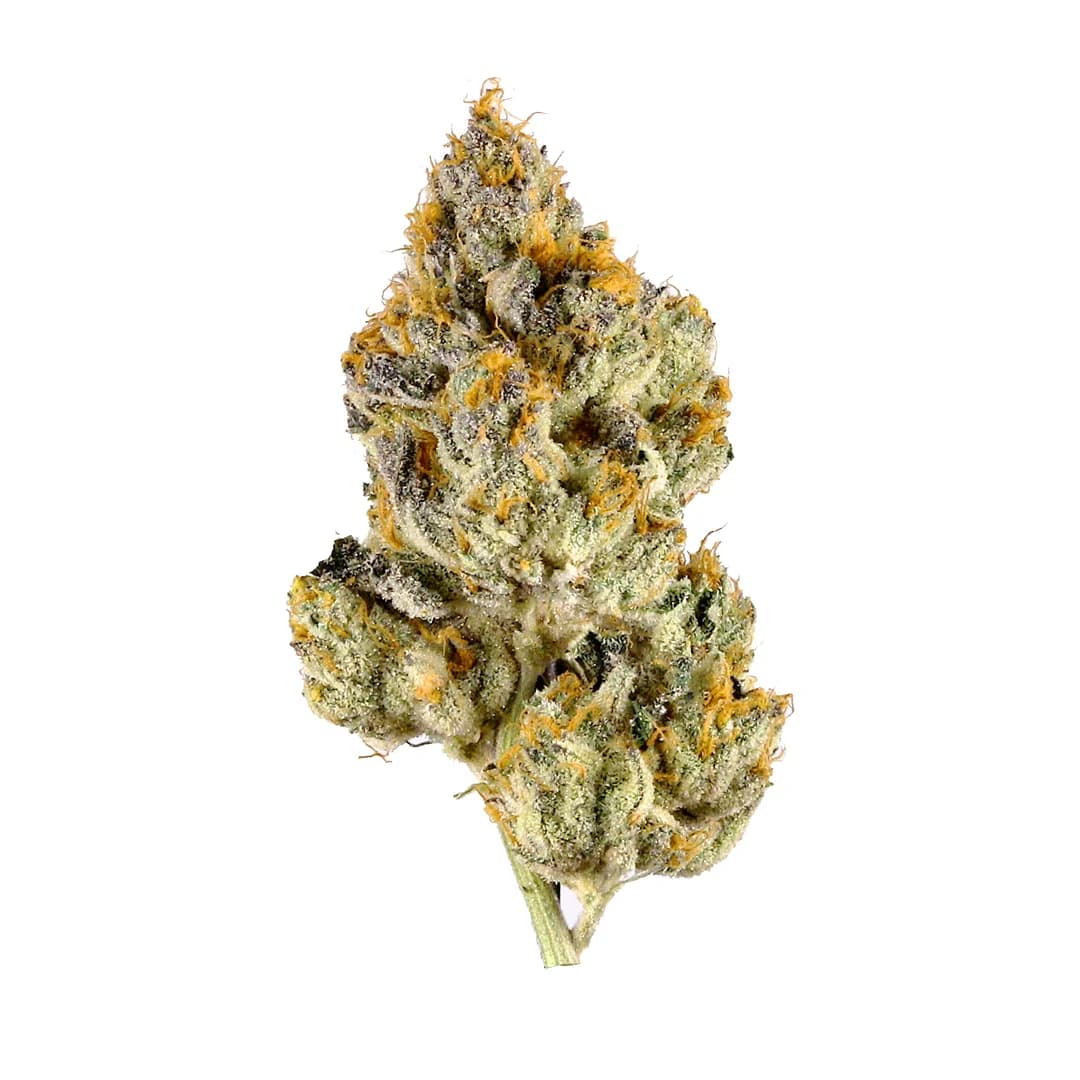
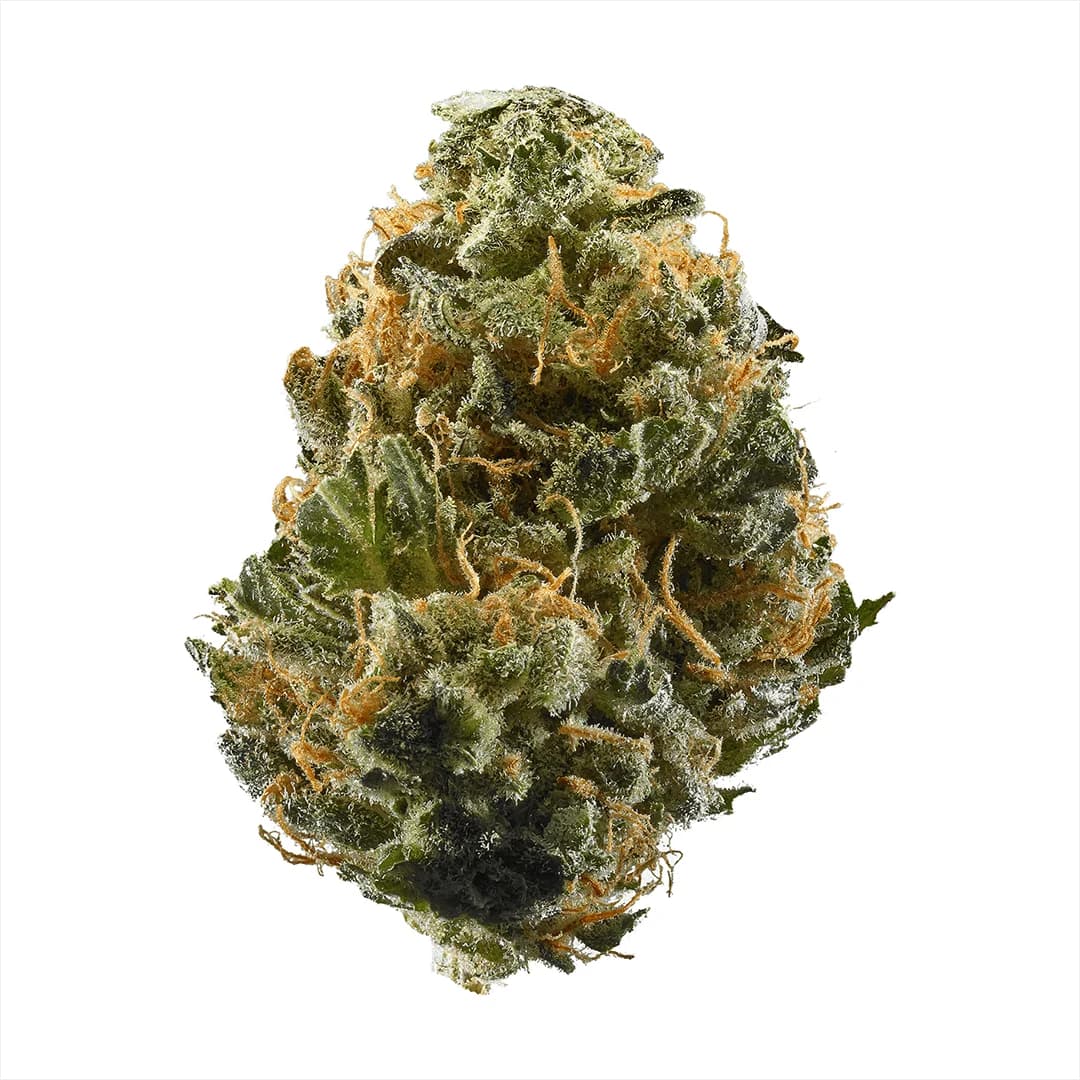
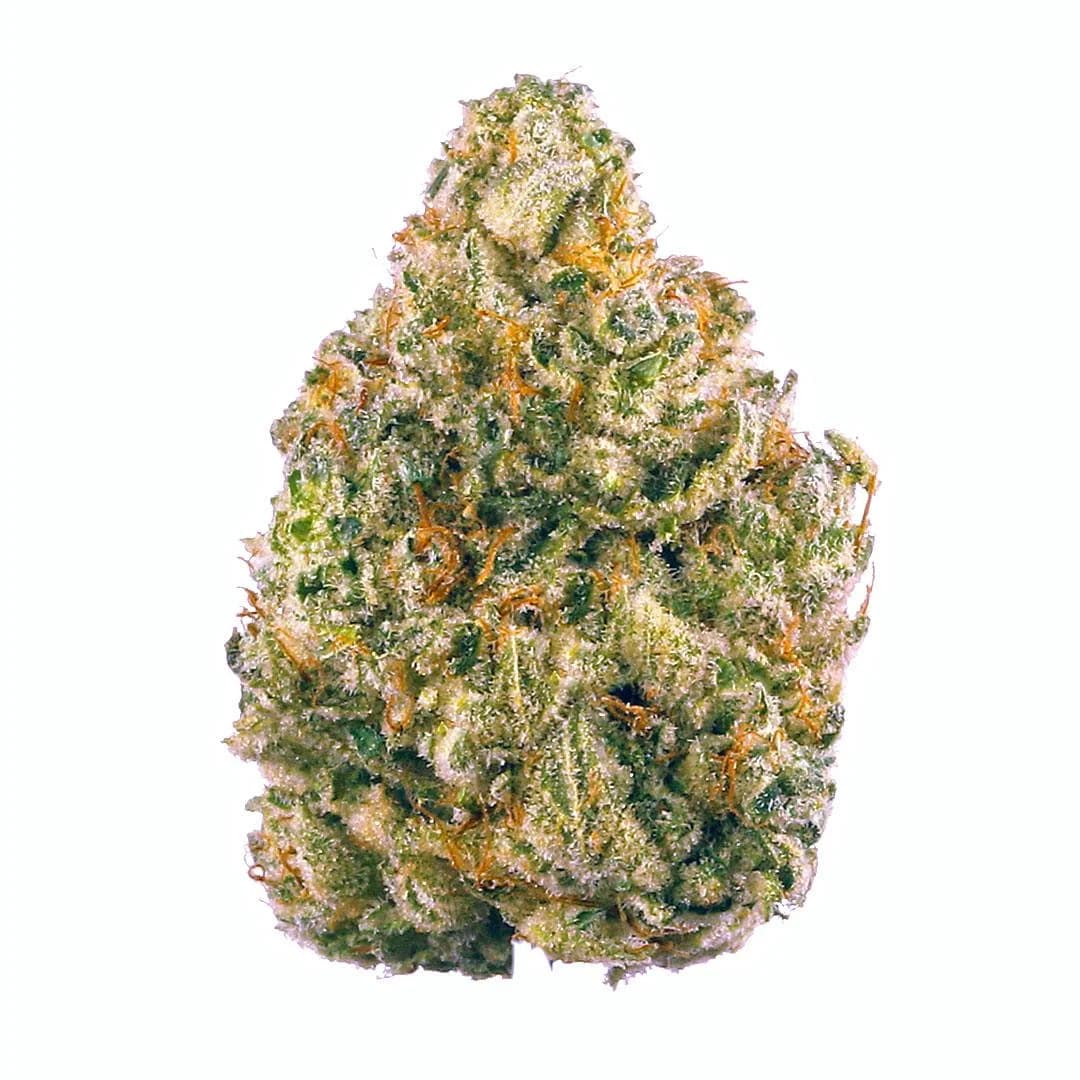
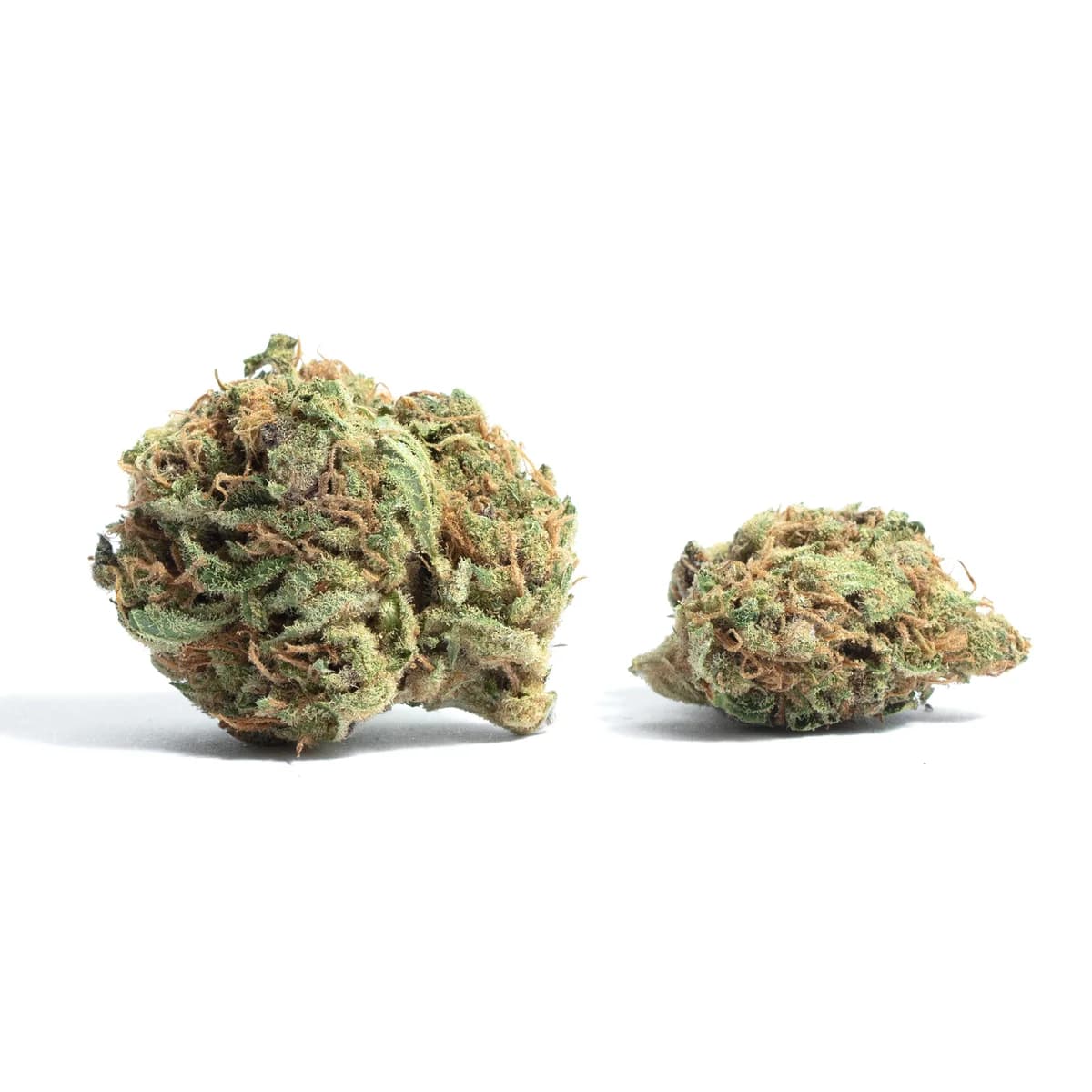
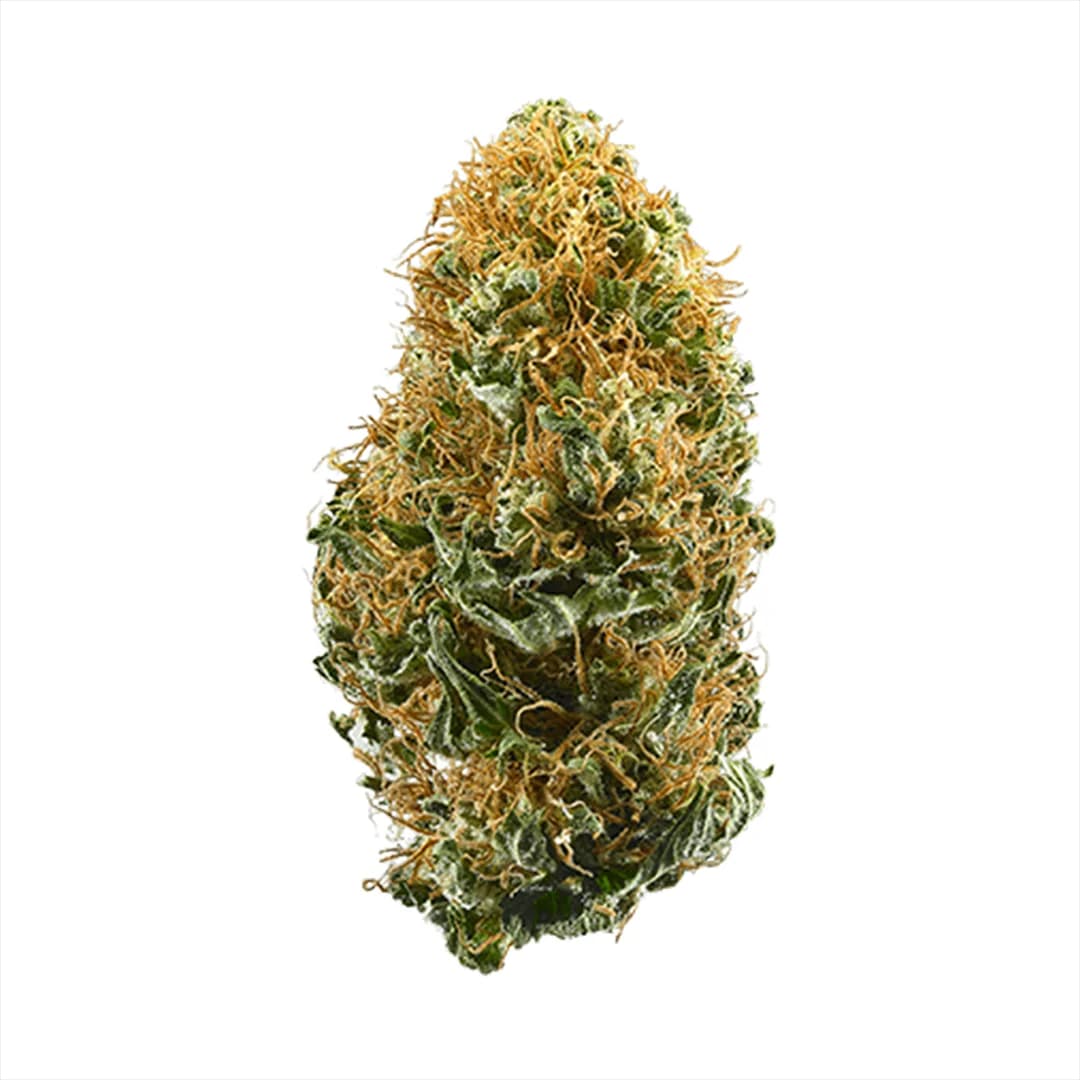
Percentages are catalog reference values, not sample lab results. “Not reported” means the source did not supply a value. Reported effects are subjective tags, not predictions.
Rainbow Chip is presented by Leafly as a hybrid catalog entry. The source account says: The cited catalog page does not establish a complete, authenticated immediate-parent cross for this entry. This context is retained as an attributed account, not as genetic authentication of every sample carrying the name. Reader-reported flavor descriptors include Citrus, Lime, Mint. The catalog lists Caryophyllene, Limonene, Pinene as terpene labels. Those fields describe different evidence layers and do not establish a fixed chemical profile, medical effect or response for an individual sample.
Red Congolese is presented by Leafly as a sativa catalog entry. The source account says: Leafly notes differing origin accounts. Afghani and Mexican roots are retained only as disputed ancestry for a California version, not as universal parentage. This context is retained as an attributed account, not as genetic authentication of every sample carrying the name. Reader-reported flavor descriptors include Chestnut, Sage, Spicy/Herbal. The catalog lists Caryophyllene, Myrcene, Pinene as terpene labels. Those fields describe different evidence layers and do not establish a fixed chemical profile, medical effect or response for an individual sample.
Romulan is presented by Leafly as a indica catalog entry. The source account says: North American Indica remains a regional external label. The catalog account is not proof of a single authenticated founding plant. This context is retained as an attributed account, not as genetic authentication of every sample carrying the name. Reader-reported flavor descriptors include Earthy, Pine, Woody. The catalog lists Caryophyllene, Myrcene, Pinene as terpene labels. Those fields describe different evidence layers and do not establish a fixed chemical profile, medical effect or response for an individual sample.
Sherbanger is presented by Leafly as a hybrid catalog entry. The source account says: The cited catalog page does not establish a complete, authenticated immediate-parent cross for this entry. This context is retained as an attributed account, not as genetic authentication of every sample carrying the name. Reader-reported flavor descriptors include Apricot, Diesel, Floral. The catalog lists Caryophyllene, Limonene, Pinene as terpene labels. Those fields describe different evidence layers and do not establish a fixed chemical profile, medical effect or response for an individual sample.
Shiva Skunk is presented by Leafly as a indica catalog entry. The source account says: Leafly reports Skunk 1 and Northern Lights #5 as the cross and attributes it to Sensi Seeds. This is a catalog pedigree, not DNA verification. This context is retained as an attributed account, not as genetic authentication of every sample carrying the name. Reader-reported flavor descriptors include Pear, Skunk, Tea. The catalog lists Caryophyllene, Myrcene, Pinene as terpene labels. Those fields describe different evidence layers and do not establish a fixed chemical profile, medical effect or response for an individual sample.
Skunk 1 is presented by Leafly as a hybrid catalog entry. The source account says: Skunk #1 is associated with Sacred Seed Co. and selection work involving Afghani, Acapulco Gold and Colombian Gold. Its family record represents that multi-generation background rather than a simple two-parent cross. This context is retained as an attributed account, not as genetic authentication of every sample carrying the name. Reader-reported flavor descriptors include Earthy, Pungent, Skunk. The catalog lists Limonene, Myrcene, Pinene as terpene labels. Those fields describe different evidence layers and do not establish a fixed chemical profile, medical effect or response for an individual sample.
Skunk Haze is presented by Leafly as a hybrid catalog entry. The source account says: Broad Skunk heritage remains unresolved rather than automatically identifying Skunk 1. The CBD alias does not justify inventing an unreported CBD value. This context is retained as an attributed account, not as genetic authentication of every sample carrying the name. Reader-reported flavor descriptors include Earthy, Skunk, Spicy/Herbal. The catalog lists Caryophyllene, Myrcene, Pinene as terpene labels. Those fields describe different evidence layers and do not establish a fixed chemical profile, medical effect or response for an individual sample.
Sour Apple is presented by Leafly as a hybrid catalog entry. The source account says: Source-reported cross; the Sour Apple Diesel alias should not be confused with the separate Sour Diesel parent. This context is retained as an attributed account, not as genetic authentication of every sample carrying the name. Reader-reported flavor descriptors include Apple, Pear, Tree fruit. The catalog lists Caryophyllene, Myrcene, Pinene as terpene labels. Those fields describe different evidence layers and do not establish a fixed chemical profile, medical effect or response for an individual sample.
Strawberry Cough is a sativa-classified catalog entry whose source describes its origins as uncertain while proposing Haze and Strawberry Fields as a possible cross. The proposed relationship therefore remains an attributed hypothesis rather than settled ancestry. Strawberry, sweet and berry are displayed reader flavor tags. Neither the fruit name nor the word Cough is a test of chemical identity, a measure of safety or proof that another similarly named sample is the same plant.
Strawberry Fields is presented by Leafly as a indica catalog entry. The source account says: Reciprocal claims conflict with the existing Strawberry Cough pedigree. No new directed parent edge is added here; independent breeder evidence is needed to resolve the chronology. This context is retained as an attributed account, not as genetic authentication of every sample carrying the name. Reader-reported flavor descriptors include Berry, Strawberry, Sweet. The catalog lists Myrcene, Pinene, Terpinolene as terpene labels. Those fields describe different evidence layers and do not establish a fixed chemical profile, medical effect or response for an individual sample.
Tangie is presented by Leafly as a sativa catalog entry. The source account says: Tangie is reported as a California Orange and Skunk 1 cross. Despite the similar names and citrus associations, Tangie and Tangerine Dream are separate catalog entries. This is a source-reported identity, not a genetically authenticated pedigree. This context is retained as an attributed account, not as genetic authentication of every sample carrying the name. Reader-reported flavor descriptors include Apricot, Citrus, Orange. The catalog lists Myrcene, Pinene, Terpinolene as terpene labels. Those fields describe different evidence layers and do not establish a fixed chemical profile, medical effect or response for an individual sample.
Trainwreck is associated by Leafly with Northern California and Mexican, Thai and Afghan ancestry. The source offers more than one story for its name rather than a single documented origin. Its summary classifies it as hybrid, while the narrative uses sativa language; these labels should not settle pedigree. Pine, earthy and woody are displayed reader tags, separate from a terpinolene-led catalog profile. The ancestry remains broader than an authenticated pair of immediate parents.
White Rhino is presented by Leafly as a indica catalog entry. The source account says: White Rhino is described as a White Widow cross with North American Indica. The regional name does not identify a single verified parent accession. This is a source-reported identity, not a genetically authenticated pedigree. This context is retained as an attributed account, not as genetic authentication of every sample carrying the name. Reader-reported flavor descriptors include Earthy, Pungent, Woody. The catalog lists Myrcene, Pinene, Terpinolene as terpene labels. Those fields describe different evidence layers and do not establish a fixed chemical profile, medical effect or response for an individual sample.
White Widow is associated in Leafly's account with Dutch breeding in the 1990s and ancestry from Brazil and southern India. These regional descriptions are broader than named, authenticated parent plants. The profile's woody, earthy and floral reader tags sit alongside a myrcene-led catalog terpene listing. They describe the source's record rather than establish a universal sample profile. Historical breeder attribution and the exact ancestral material still need primary documentation.