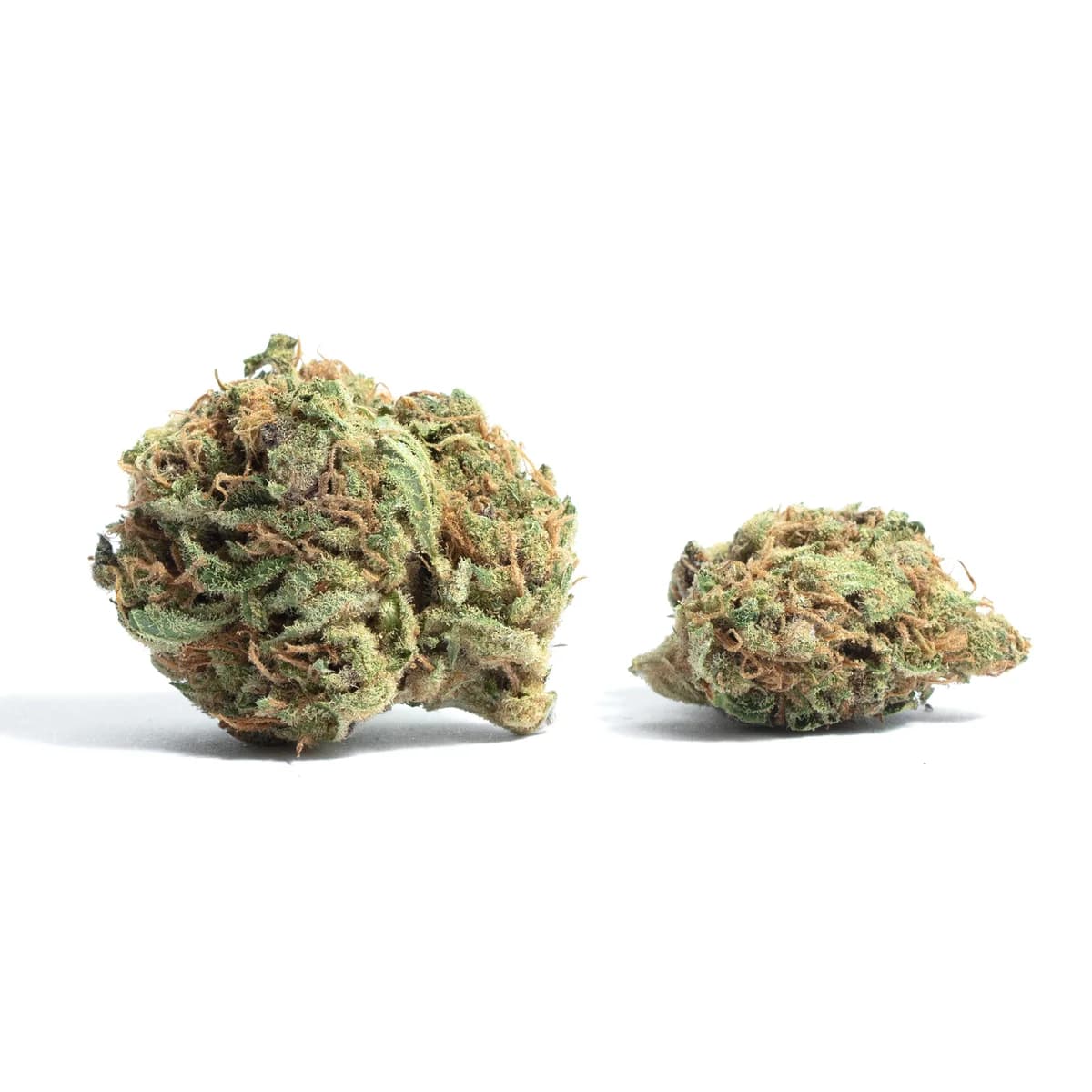
White Rhino
White Rhino is described as a White Widow cross with North American Indica. The regional name does not identify a single verified parent accession.
Reported parentage · Explore family ↓Compare this strain ↗Effects & flavor notes.
Explore the words people use to describe White Rhino.
Reported effects
Subjective feelings described by readers.
These are subjective reports, not guaranteed effects or medical conclusions. The report total covers the whole profile; individual tag frequencies are unavailable.
How to read these reportsParents, origins & family
Reported parentage
White Rhino is described as a White Widow cross with North American Indica. The regional name does not identify a single verified parent accession. This is a source-reported identity, not a genetically authenticated pedigree.
Reported parents
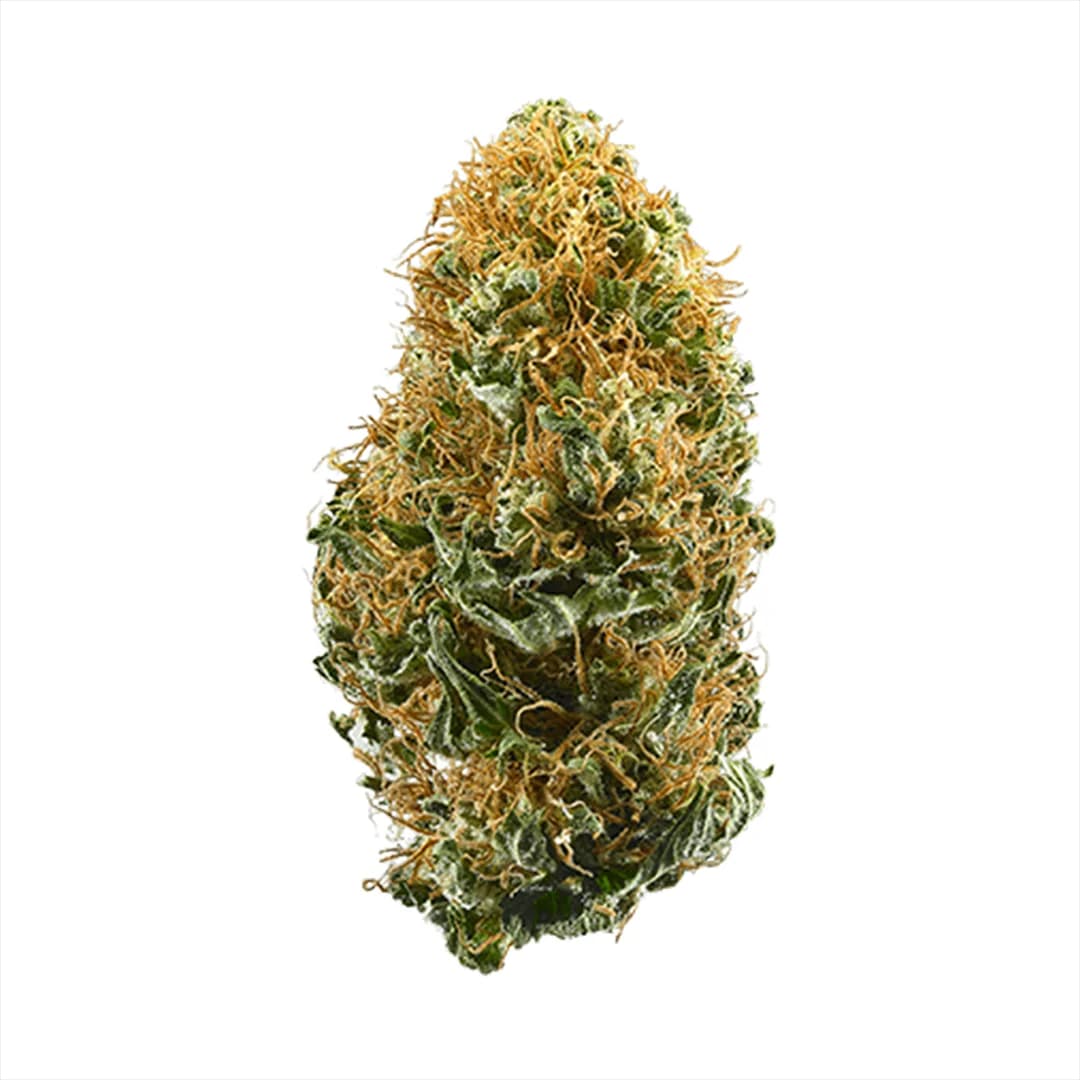 White WidowOpen strain profile
Reported parent in the linked Leafly profile; not genetically authenticated.
Leafly — White Rhino identity and lineage ↗Reported parent in the linked Leafly profile; not genetically authenticated.
Leafly — White Rhino identity and lineage ↗Children & later selections 0
No children linked in this catalog yet.
How to read these relationships
Parent links describe a reported cross. Ancestry components may be several generations back. A phenotype selection comes from a named line rather than a new two-parent cross. Disputed links retain the uncertainty of their source.
Names in this catalog open a strain profile. Other names open the reference describing the relationship. The family view shows the links currently documented here, not every known descendant.
Cannabinoid profile
Leafly catalog summary values, not laboratory results for a specific sample. A displayed 0% is a rounded source value, not proof of absence. Unlisted cannabinoids remain unknown.
Leafly source ↗ · Checked 2026-09-16Concentrations vary by sample. A cultivar name alone does not establish potency.
Terpenes & aroma
Catalog-listed terpenes. Dominance is shown only where the source states it; percentages are unavailable unless separately recorded.
Similar strains
Similarity uses catalog reference chemistry, reported attributes and lineage. Missing data is excluded; this is not an effects prediction.
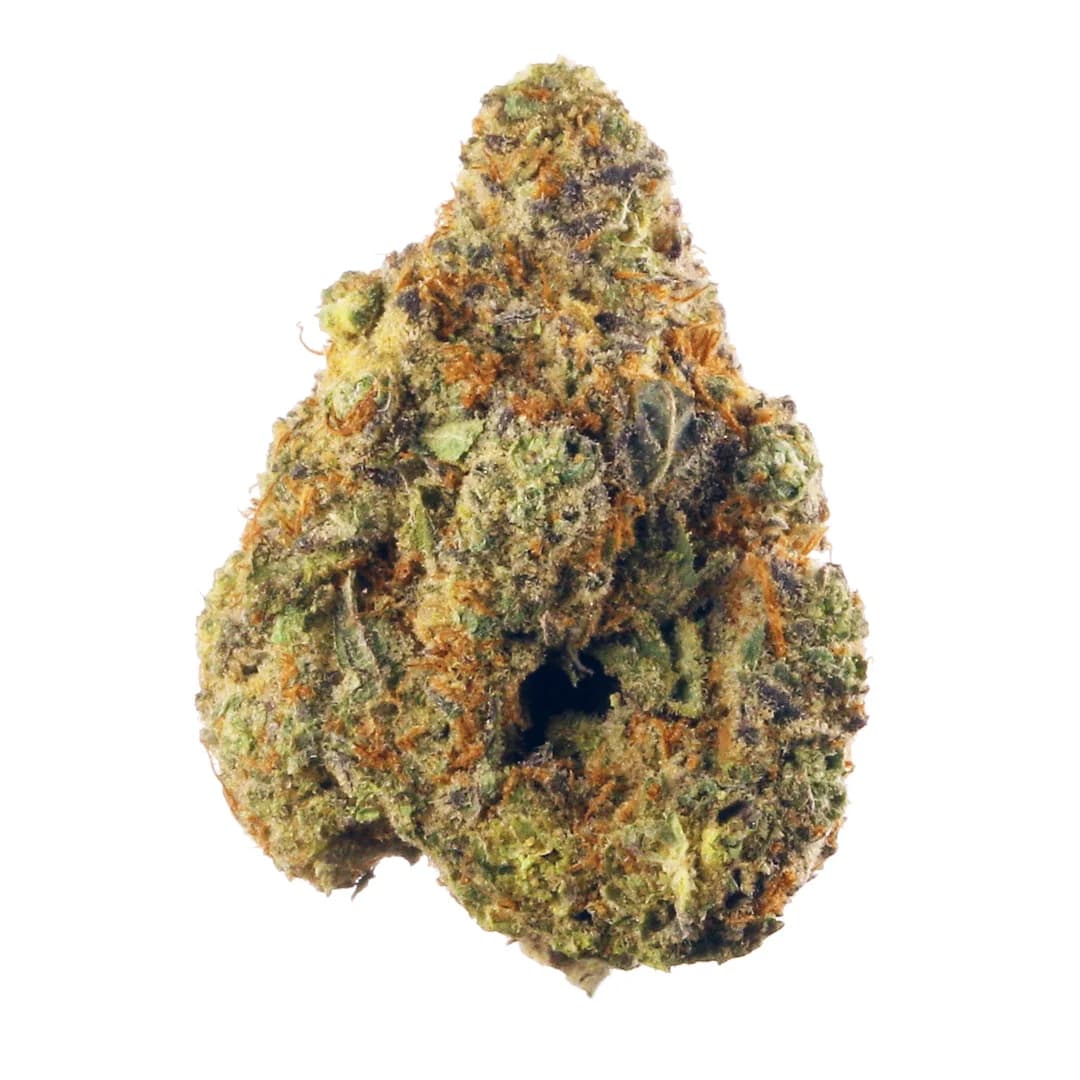
Afghani is a regional cannabis name associated with Afghanistan and appears in many reported family histories. A regional name can cover varied material, so this profile does not imply one uniform genetic or chemical sample.
Regional origin ↗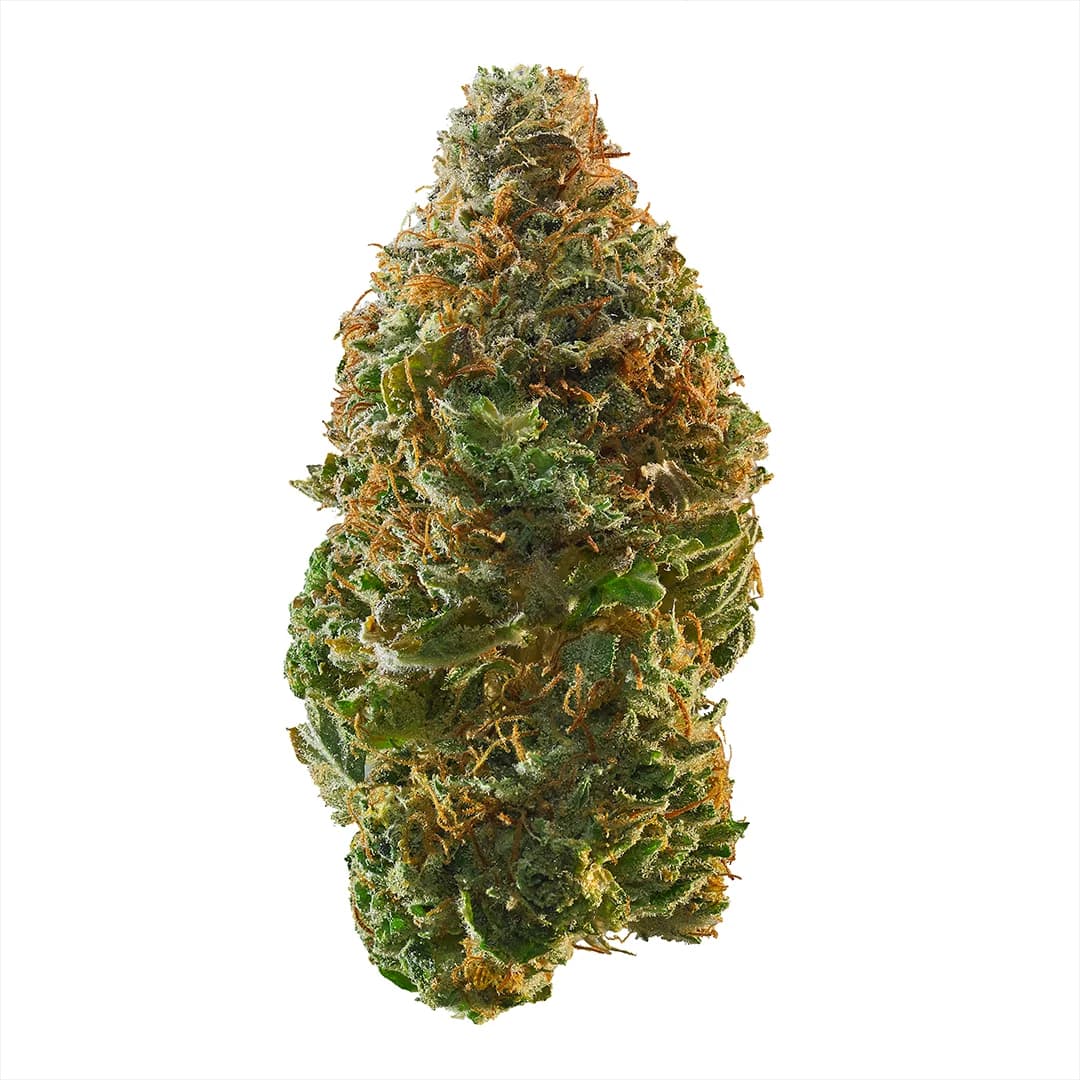
Trainwreck is associated by Leafly with Northern California and Mexican, Thai and Afghan ancestry. The source offers more than one story for its name rather than a single documented origin. Its summary classifies it as hybrid, while the narrative uses sativa language; these labels should not settle pedigree. Pine, earthy and woody are displayed reader tags, separate from a terpinolene-led catalog profile. The ancestry remains broader than an authenticated pair of immediate parents.
Ancestry documented ↗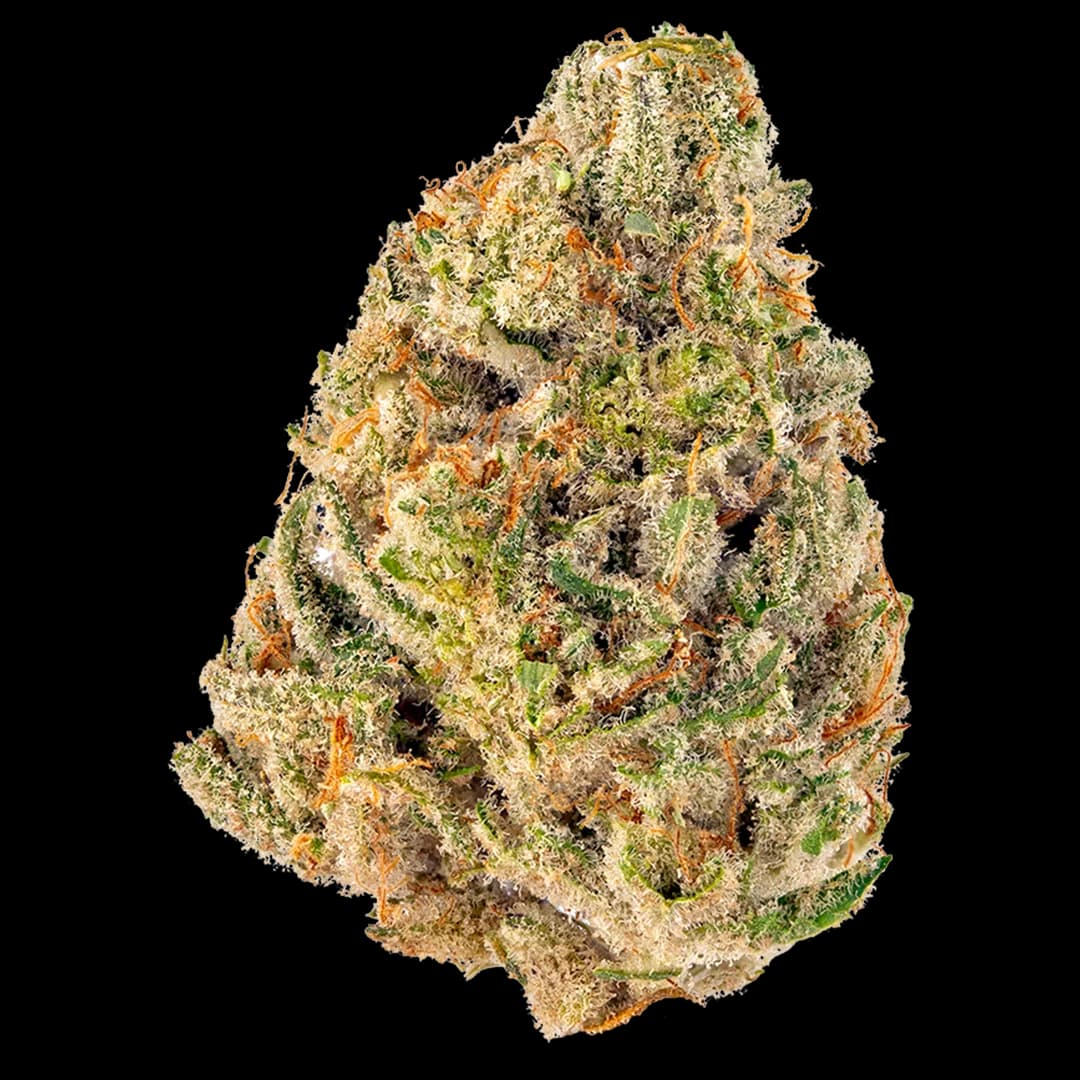
Triangle Kush is associated with Florida, with a name referring to Jacksonville, Miami and Tampa. This catalog records its regional history while leaving the immediate parent identities unresolved.
Parents unknown ↗Compare with related strains
Choose another strain to compare →References & provenance
Editorial review pending. This public profile includes draft descriptions and attributed catalog information; source checks are not independent verification of every claim.
- Leafly — White Rhino identity and lineage
White Rhino is described as a White Widow cross with North American Indica. The regional name does not identify a single verified parent accession. This is a source-reported identity, not a genetically authenticated pedigree.
Accessed 2026-09-16 - Leafly — white rhino catalog parameters
Leafly catalog summary values, not laboratory results for a specific sample. A displayed 0% is a rounded source value, not proof of absence. Unlisted cannabinoids remain unknown. Terpene names and documented order come from the catalog; concentrations are not supplied. Effects, flavors and negative effects are reader-reported tags. The report count covers the profile as a whole, not individual tags.
Accessed 2026-09-16
Updated 2026-09-18 · Our editorial standards