SIDE-BY-SIDE FIELD NOTES
Big Bud
vs Hindu Kush
Leafly catalog summary values, not laboratory results for a specific sample. A displayed 0% is a rounded source value, not proof of absence. Unlisted cannabinoids remain unknown. Report totals are not per-effect sample sizes.
Big Bud source ↗Hindu Kush source ↗
| Profile | 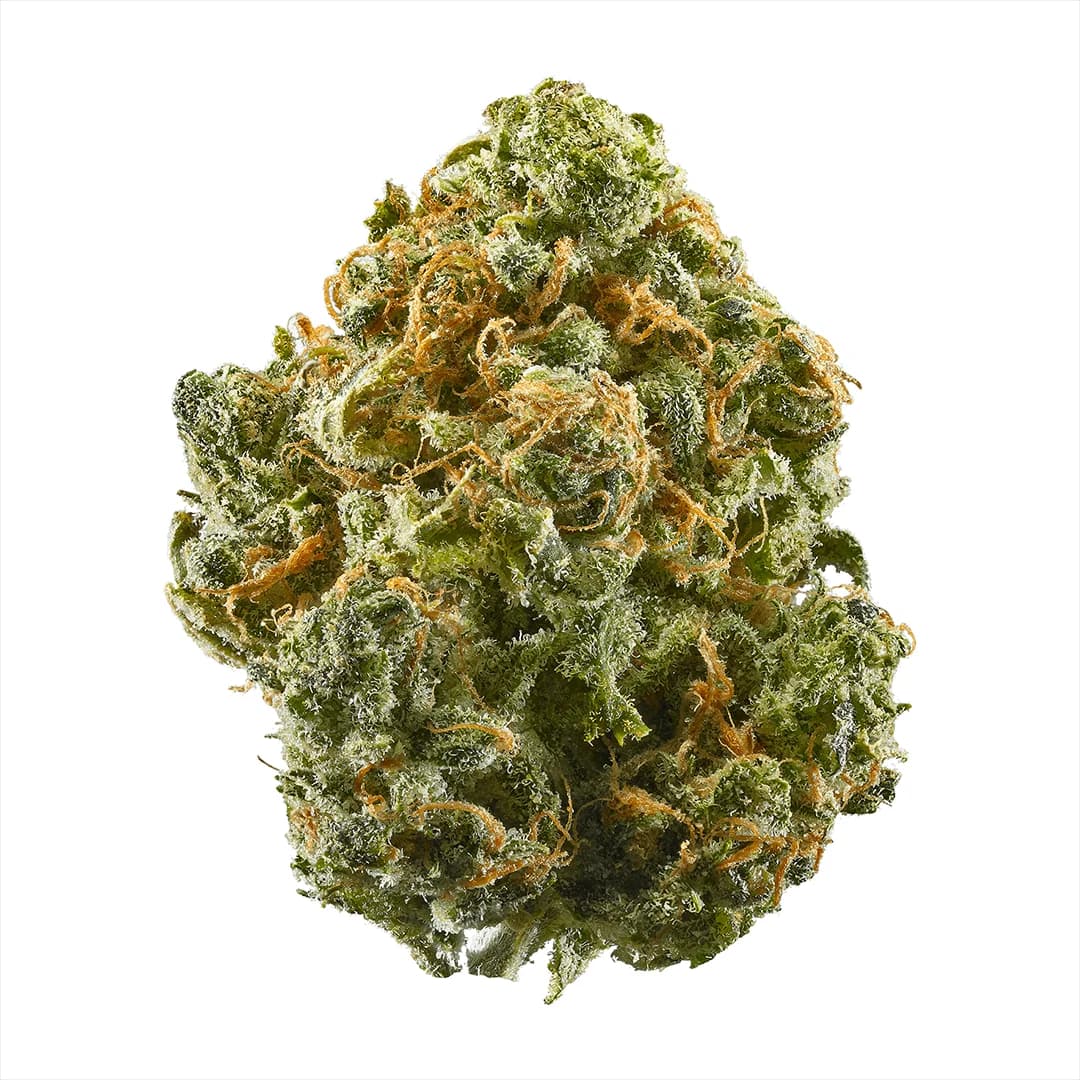 | 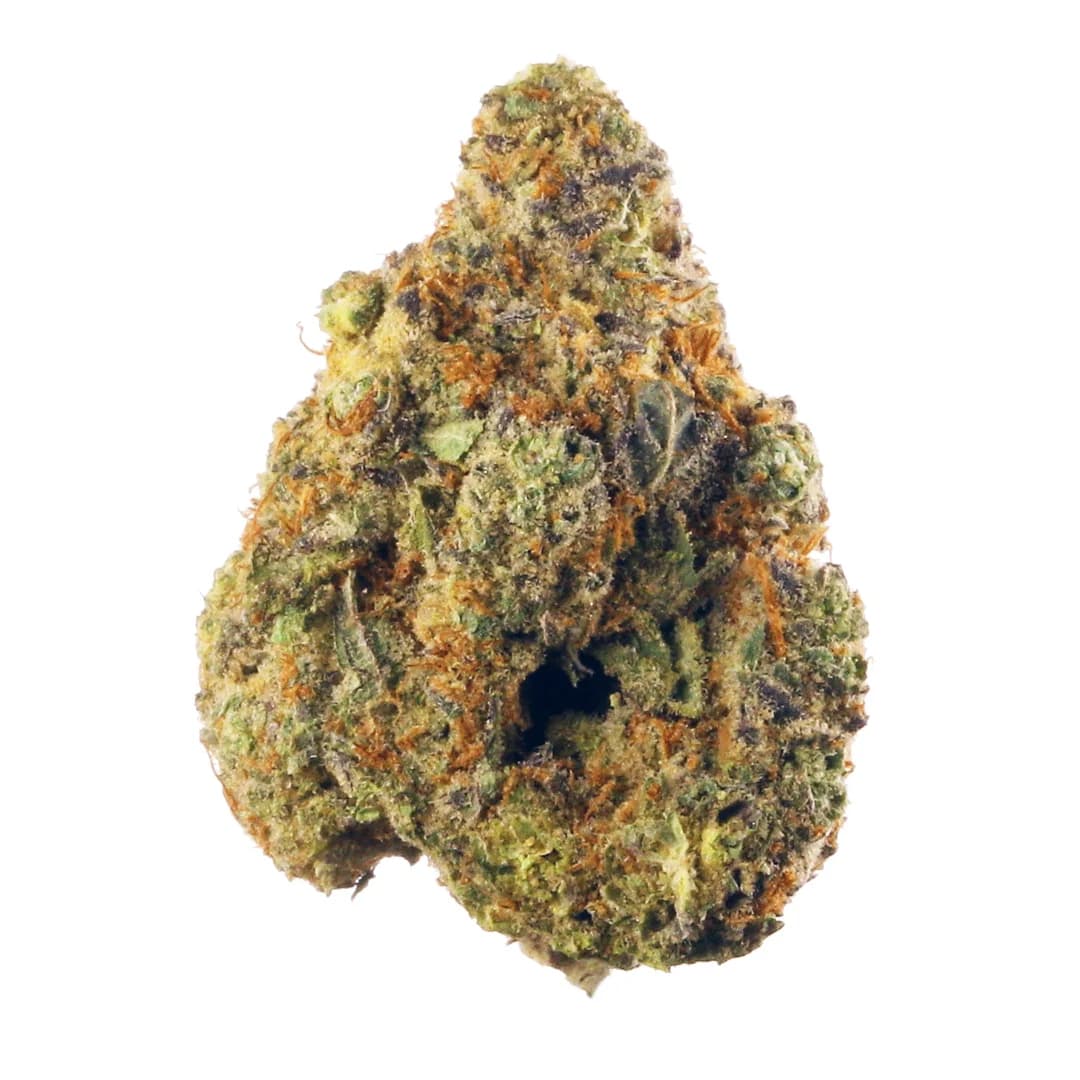 |
|---|---|---|
| Classification | indica | indica |
| Breeder | Not verified | Not verified |
| THC · catalog reference | 14% | 19% |
| CBD · catalog reference | 0% | Not reported |
| CBG · catalog reference | Not reported | 1% |
| Dominant terpene | Not verified | Limonene |
| Terpenes | Pinene, Myrcene, Ocimene | Limonene, Caryophyllene, Pinene |
| Aroma | Pine, Earthy / herbal, Sweet, herbal | Citrus, Pepper / spice, Pine |
| Flavor | ||
| Reported effects | ||
| Reported negative effects | ||
| Reported parents | Not verified | Not verified |
| Lineage status | Ancestry documented | Regional origin |
| Ancestry components | Afghani (Ancestry component), Northern Lights (Ancestry component), Skunk 1 (Ancestry component) | Not verified |
| Selected from | Not verified | Not verified |
| Lineage notes | Big Bud's reported background combines Afghani, Northern Lights and Skunk #1. Leafly traces its history from the United States to the Netherlands; the three names are recorded as ancestry without inventing a crossing order. | Hindu Kush takes its name from the mountain region spanning parts of Afghanistan and Pakistan. This entry documents that regional background and the source's catalog traits without assigning an unsupported parent cross. |
| Source reports · whole profile | 352 | 1,279 |
Explore Big Bud family ↗Explore Hindu Kush family ↗
Similarities
Shared documented terpenes: Pinene.
Main differences
The catalog lists THC at 14% for Big Bud and 19% for Hindu Kush. These reference points do not establish a sample range or an individual product's potency.
Keep the context
Reported attributes are subjective. Classification and chemical similarity do not establish equivalent effects.