SIDE-BY-SIDE FIELD NOTES
Critical Mass
vs Master Kush
Leafly catalog summary values, not laboratory results for a specific sample. A displayed 0% is a rounded source value, not proof of absence. Unlisted cannabinoids remain unknown. Report totals are not per-effect sample sizes.
Critical Mass source ↗Master Kush source ↗
| Profile | 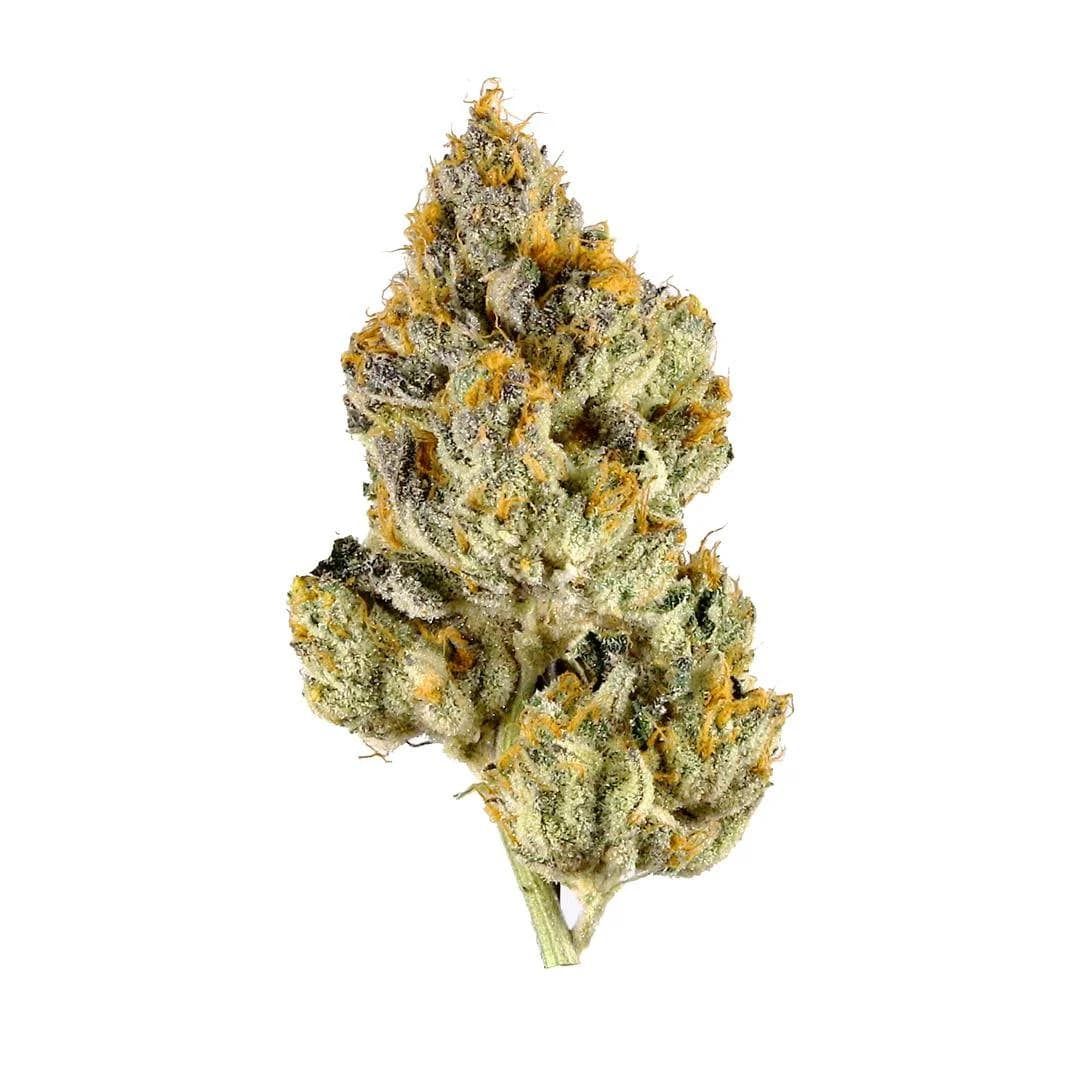 | 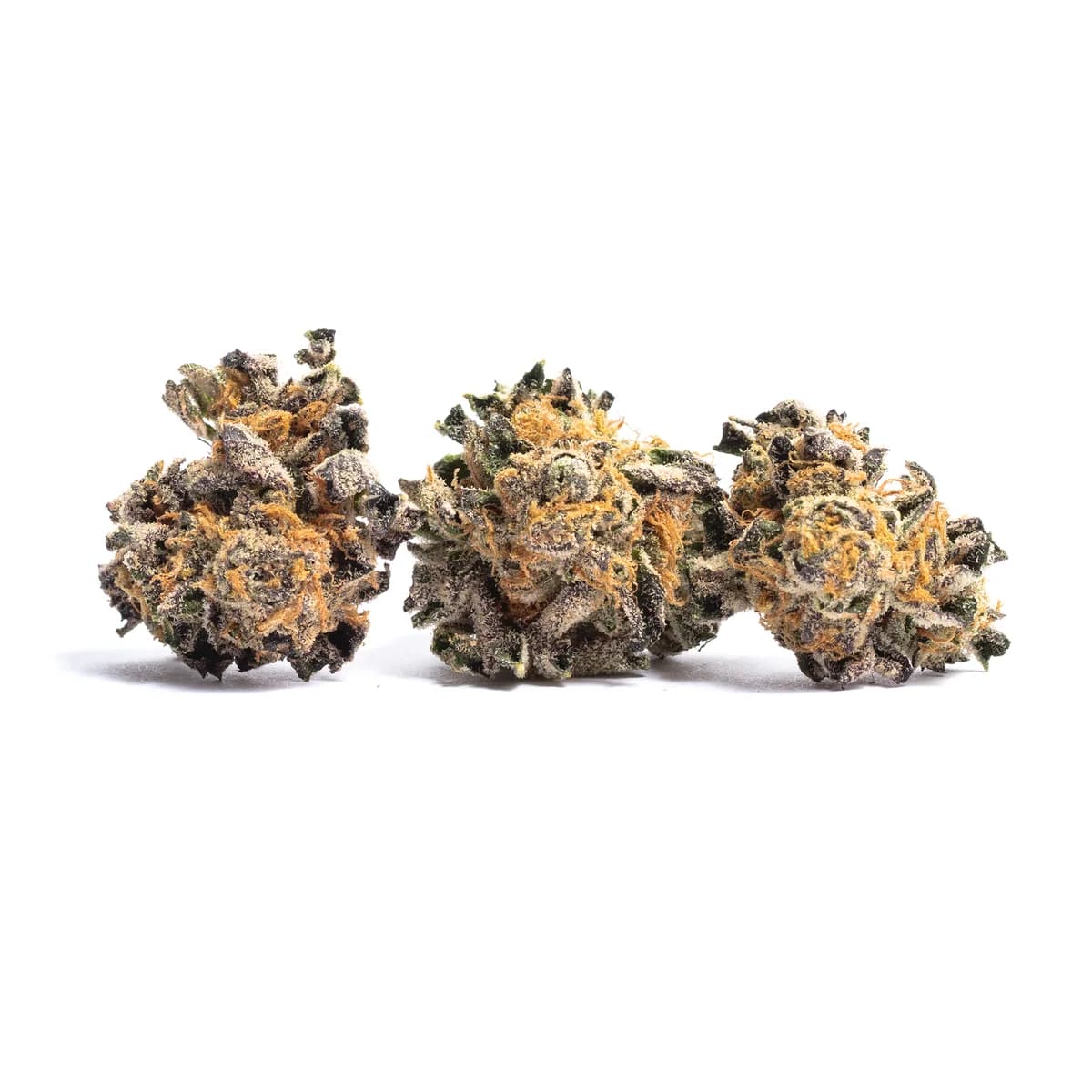 |
|---|---|---|
| Classification | indica | indica |
| Breeder | Not verified | White Label Seed Company |
| THC · catalog reference | 18% | 17% |
| CBD · catalog reference | Not reported | Not reported |
| CBG · catalog reference | 1% | 1% |
| Dominant terpene | Myrcene | Myrcene |
| Terpenes | Myrcene, Caryophyllene, Limonene | Myrcene, Caryophyllene, Limonene |
| Aroma | Earthy / herbal, Pepper / spice, Citrus | Earthy / herbal, Pepper / spice, Citrus |
| Flavor | ||
| Reported effects | ||
| Reported negative effects | No sourced reports yet. | |
| Reported parents | Afghani (Reported parent), Skunk 1 (Reported parent) | Not verified |
| Lineage status | Reported parentage | Ancestry documented |
| Ancestry components | Not verified | Not verified |
| Selected from | Not verified | Not verified |
| Lineage notes | The cited catalog page does not establish a complete, authenticated immediate-parent cross for this entry. | Master Kush is attributed to the Dutch White Label Seed Company. Leafly describes two regional landrace parents from the Hindu Kush area but does not identify their individual accessions. This is a source-reported identity, not a genetically authenticated pedigree. |
| Source reports · whole profile | 851 | 1,826 |
Explore Critical Mass family ↗Explore Master Kush family ↗
Similarities
Shared documented terpenes: Myrcene, Caryophyllene, Limonene.
Main differences
The catalog lists THC at 18% for Critical Mass and 17% for Master Kush. These reference points do not establish a sample range or an individual product's potency.
Keep the context
Reported attributes are subjective. Classification and chemical similarity do not establish equivalent effects.