SIDE-BY-SIDE FIELD NOTES
Lamb's Bread
vs Neville's Haze
Leafly catalog summary values, not laboratory results for a specific sample. A displayed 0% is a rounded source value, not proof of absence. Unlisted cannabinoids remain unknown. Report totals are not per-effect sample sizes.
Lamb's Bread source ↗Neville's Haze source ↗
SHARED RECORDS
What overlaps
Shared terpene, reported effect and flavor tags are shown. No shared family link is documented.
DOCUMENTED DIFFERENCES
Where they differ
- No comparable difference is established.
Missing values are not treated as differences.
THCCatalog reference
Lamb's Bread17%
Neville's Haze17%
CBDCatalog reference
Lamb's BreadNot verified
Neville's HazeNot verified
| Profile | 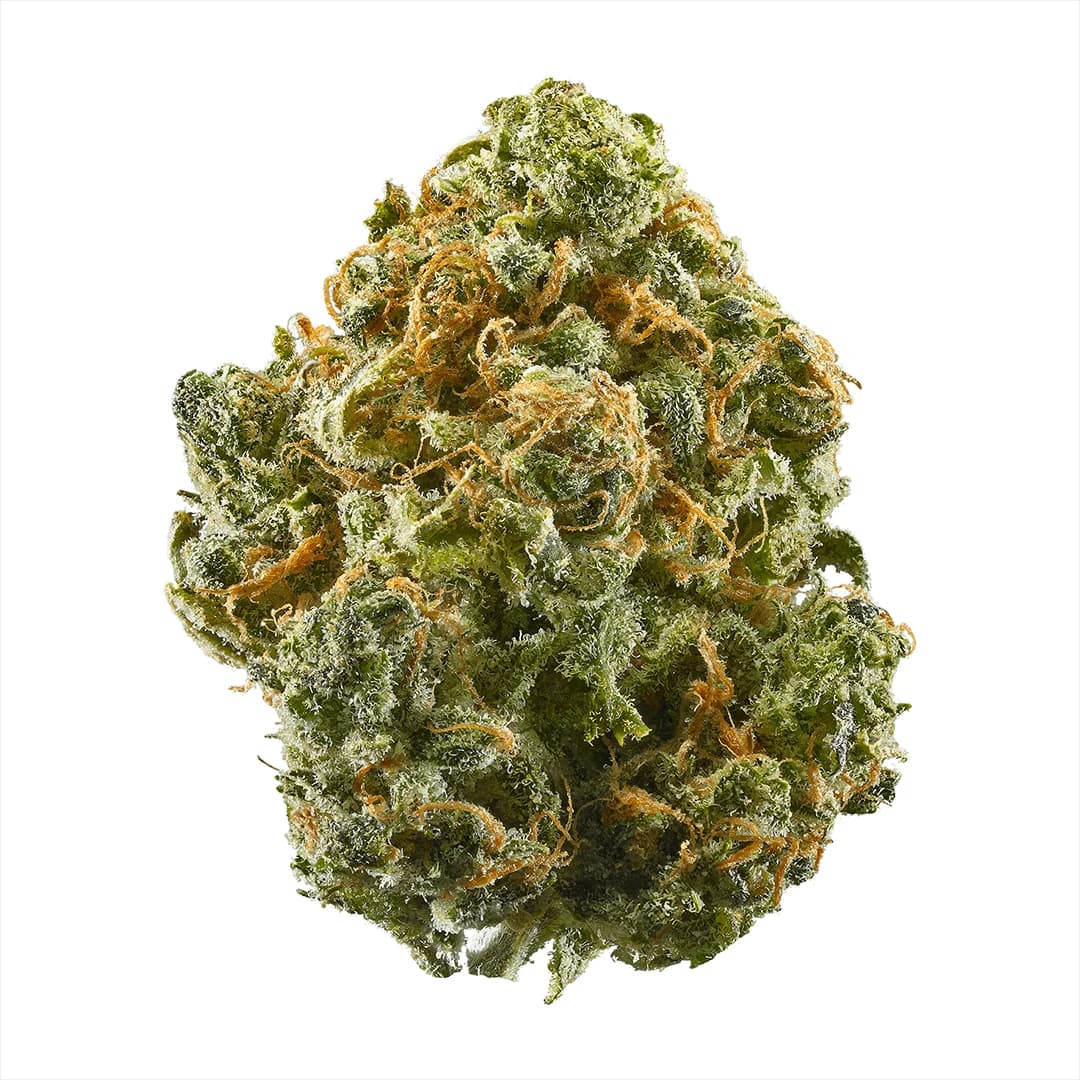 | |
|---|---|---|
| Classification | sativa | sativa |
| Breeder | Not verified | Not verified |
| THC · catalog reference | 17% | 17% |
| CBD · catalog reference | Not reported | Not reported |
| CBG · catalog reference | Not reported | Not reported |
| Dominant terpene | Myrcene | Myrcene |
| Terpenes | Myrcene | Myrcene |
| Aroma | Earthy / herbal | Earthy / herbal |
| Flavor | No sourced reports yet. | No sourced reports yet. |
| Reported effects | ||
| Reported negative effects | ||
| Reported parents | Not verified | Not verified |
| Lineage status | Parents unknown | Parents unknown |
| Ancestry components | Not verified | Not verified |
| Selected from | Not verified | Not verified |
| Lineage notes | No direct parent relationship is established in this catalog import; lineage remains unconfirmed. | No direct parent relationship is established in this catalog import; lineage remains unconfirmed. |
| Source reports · whole profile | Not verified | Not verified |
Explore Lamb's Bread family ↗Explore Neville's Haze family ↗
Similarities
Shared documented terpenes: Myrcene.
Main differences
The catalog lists THC at 17% for Lamb's Bread and 17% for Neville's Haze. These reference points do not establish a sample range or an individual product's potency.
Keep the context
Reported attributes are subjective. Classification and chemical similarity do not establish equivalent effects.