SIDE-BY-SIDE FIELD NOTES
Watermelon
vs Wifi 43
Leafly catalog summary values, not laboratory results for a specific sample. A displayed 0% is a rounded source value, not proof of absence. Unlisted cannabinoids remain unknown. Report totals are not per-effect sample sizes.
Watermelon source ↗Wifi 43 source ↗
SHARED RECORDS
What overlaps
Shared terpene, reported effect and flavor tags are shown. No shared family link is documented.
DOCUMENTED DIFFERENCES
Where they differ
- THC reference difference: 1 points
Missing values are not treated as differences.
THCCatalog reference
Watermelon21%
Wifi 4320%
CBDCatalog reference
WatermelonNot verified
Wifi 43Not verified
| Profile | 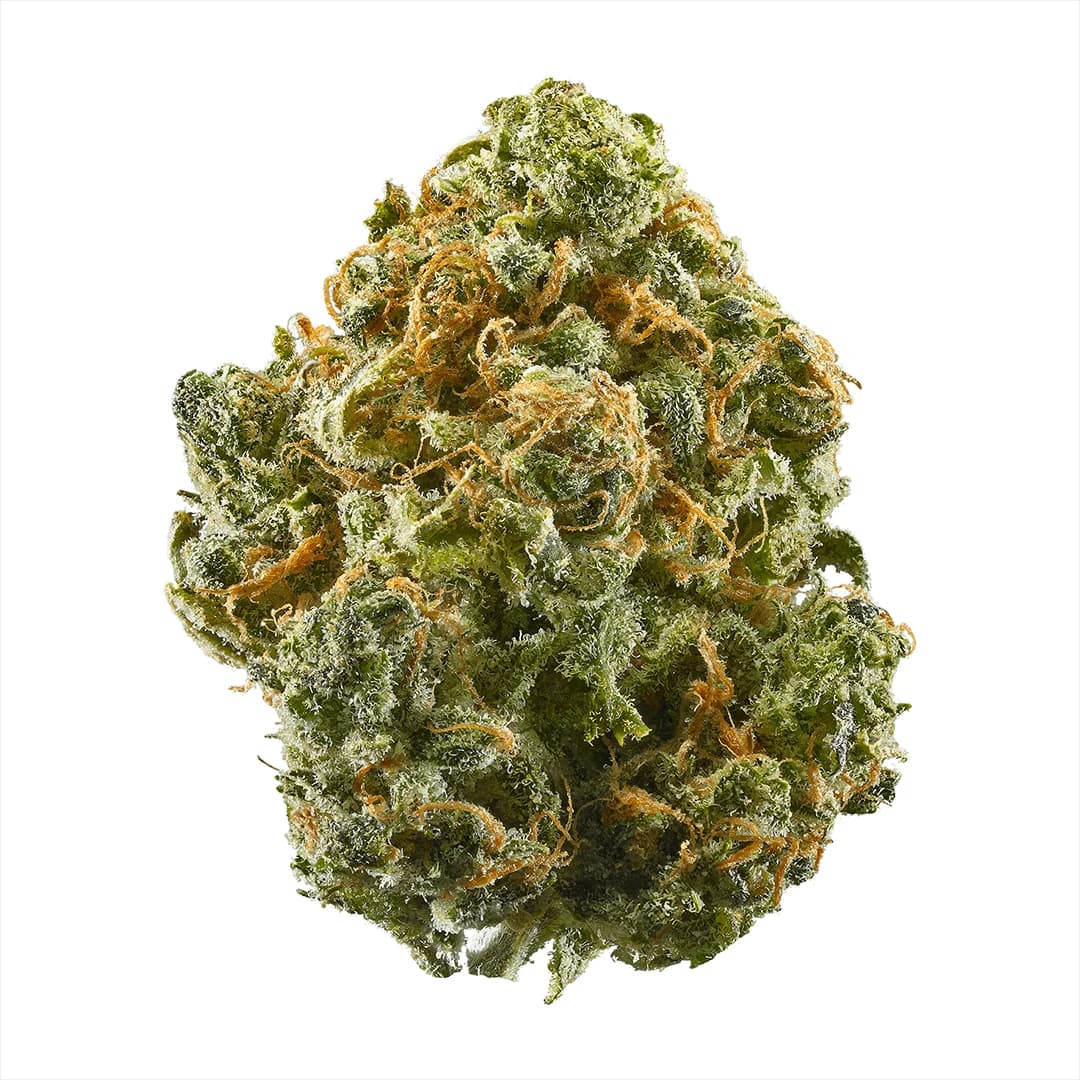 | |
|---|---|---|
| Classification | indica | indica |
| Breeder | Not verified | Not verified |
| THC · catalog reference | 21% | 20% |
| CBD · catalog reference | Not reported | Not reported |
| CBG · catalog reference | Not reported | Not reported |
| Dominant terpene | Limonene | Limonene |
| Terpenes | Limonene | Limonene |
| Aroma | Citrus | Citrus |
| Flavor | No sourced reports yet. | No sourced reports yet. |
| Reported effects | ||
| Reported negative effects | ||
| Reported parents | Not verified | Not verified |
| Lineage status | Parents unknown | Parents unknown |
| Ancestry components | Not verified | Not verified |
| Selected from | Not verified | Not verified |
| Lineage notes | No direct parent relationship is established in this catalog import; lineage remains unconfirmed. | No direct parent relationship is established in this catalog import; lineage remains unconfirmed. |
| Source reports · whole profile | Not verified | Not verified |
Explore Watermelon family ↗Explore Wifi 43 family ↗
Similarities
Shared documented terpenes: Limonene.
Main differences
The catalog lists THC at 21% for Watermelon and 20% for Wifi 43. These reference points do not establish a sample range or an individual product's potency.
Keep the context
Reported attributes are subjective. Classification and chemical similarity do not establish equivalent effects.