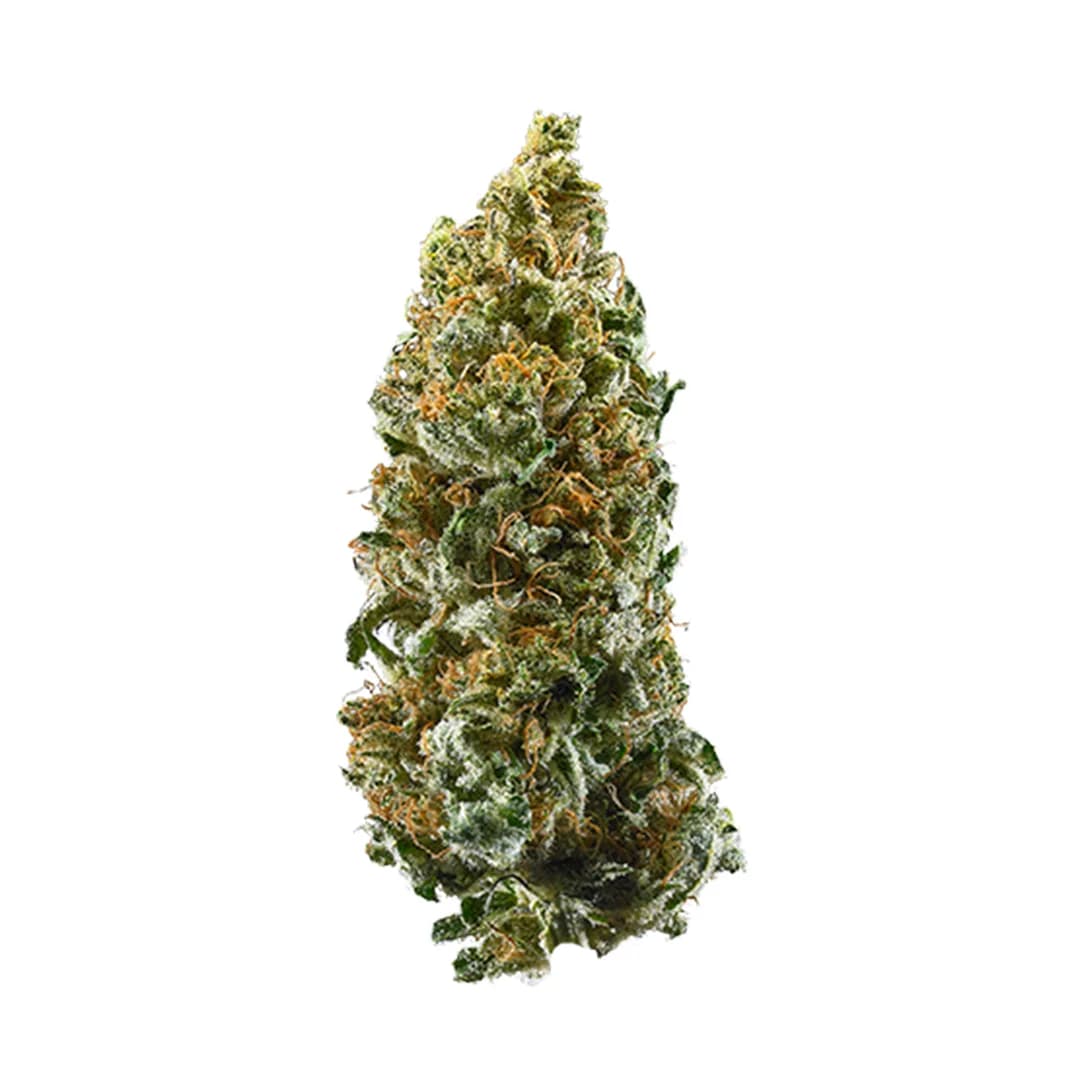
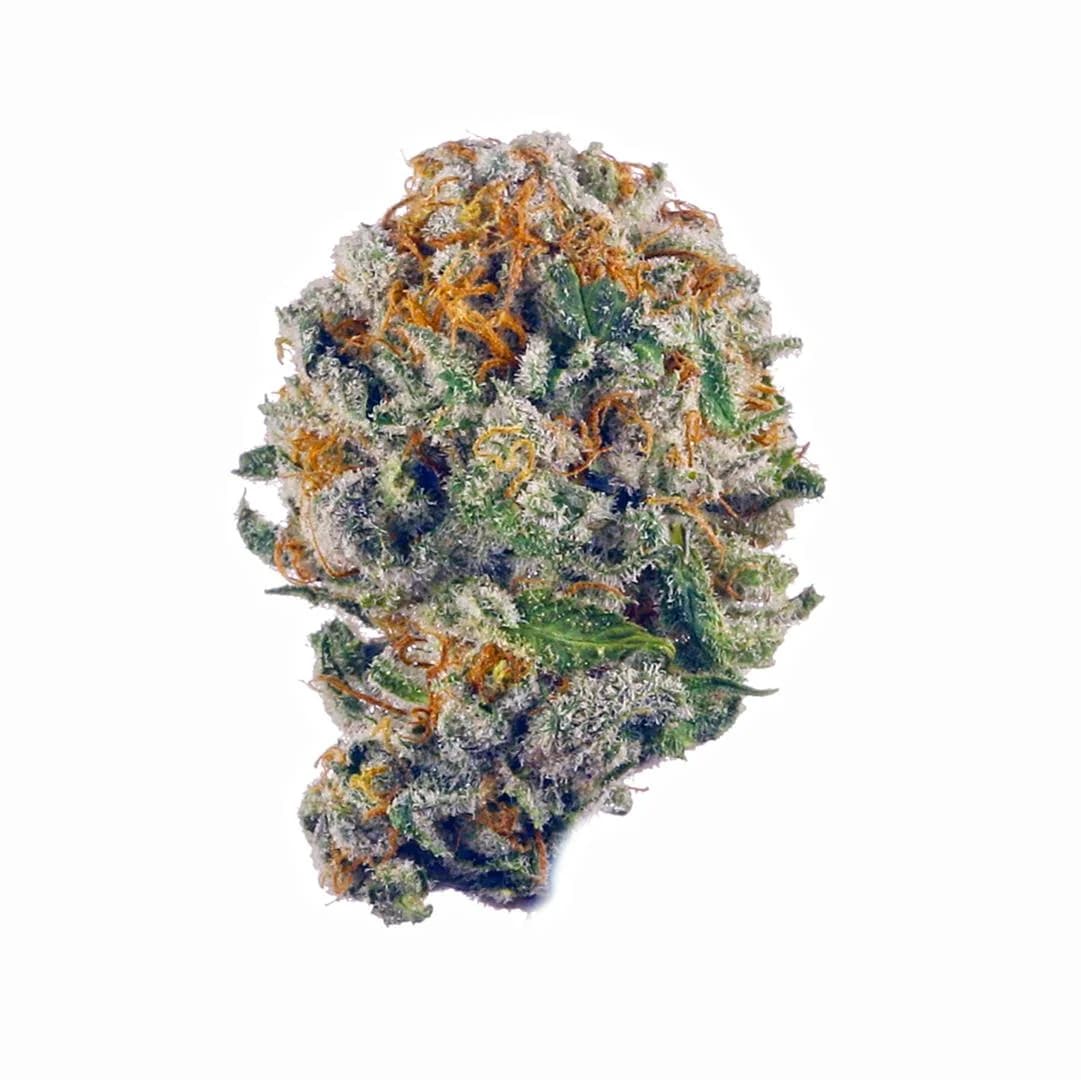
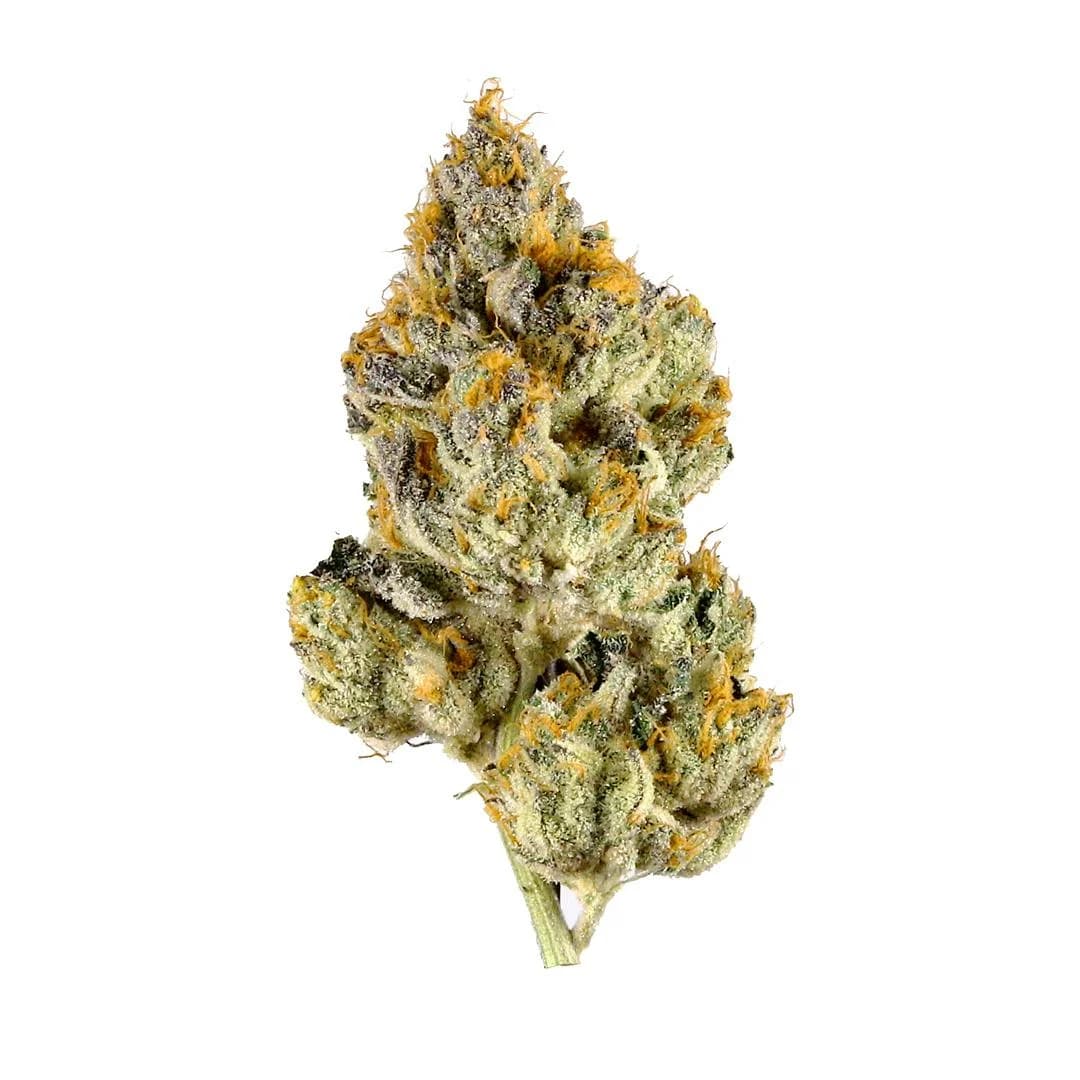
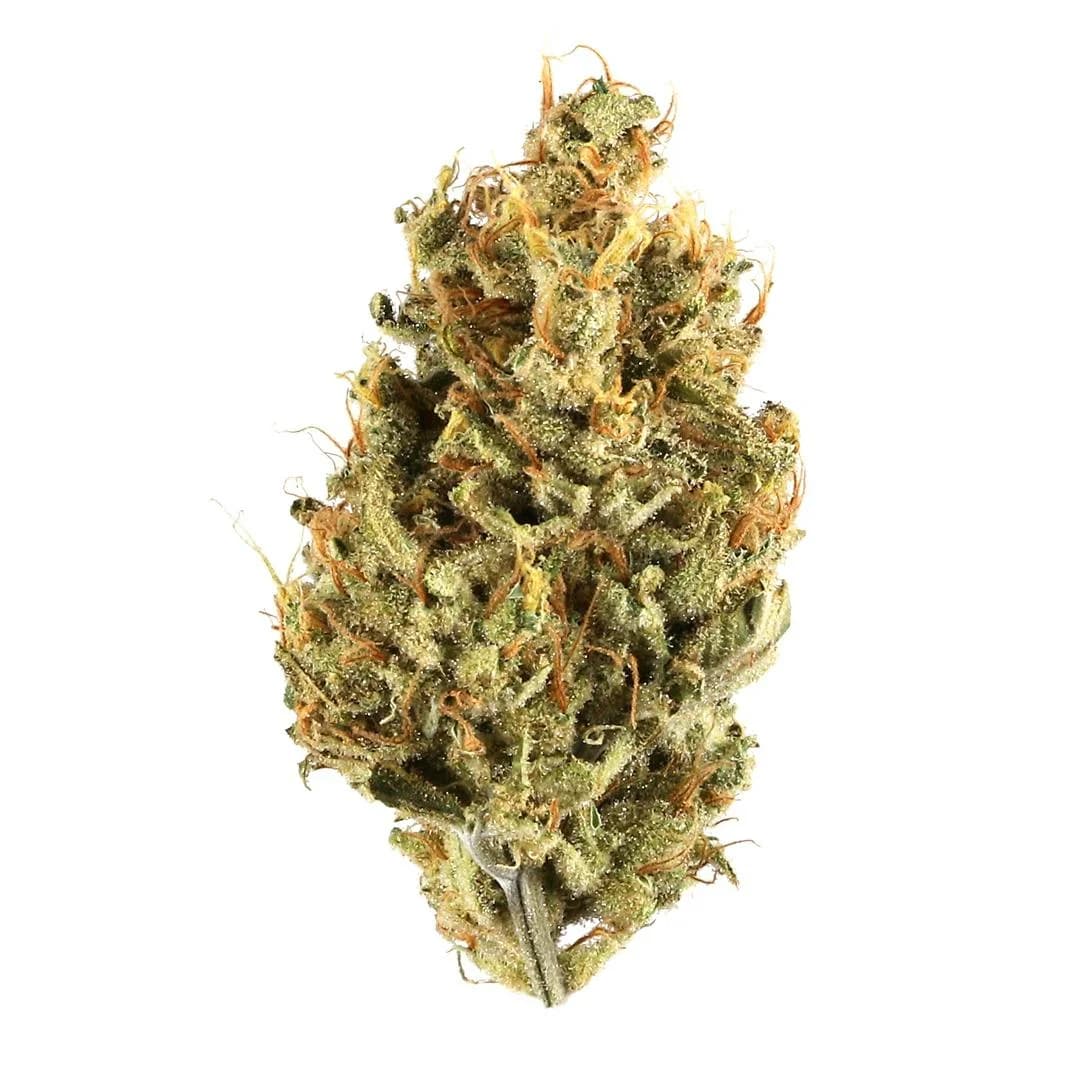
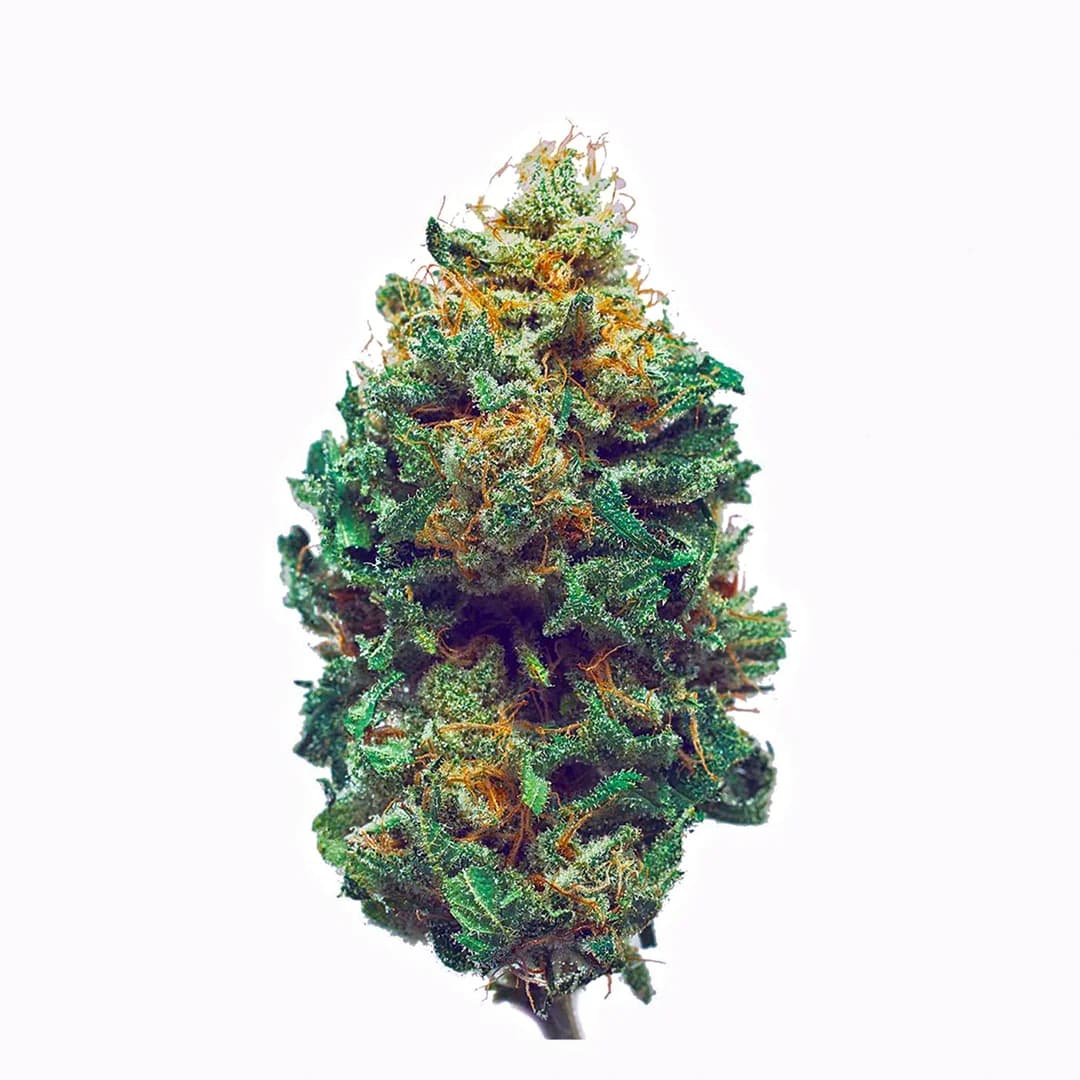
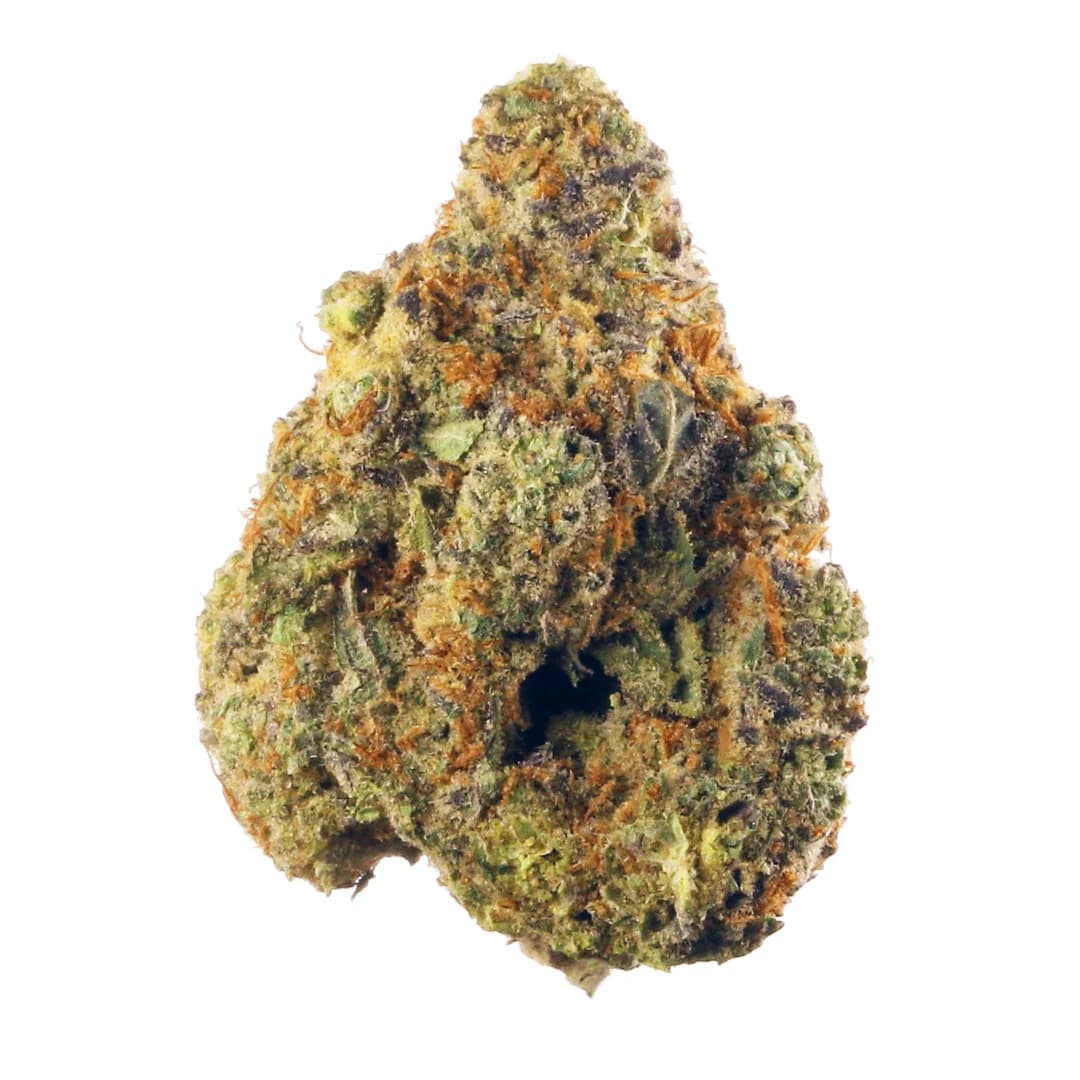
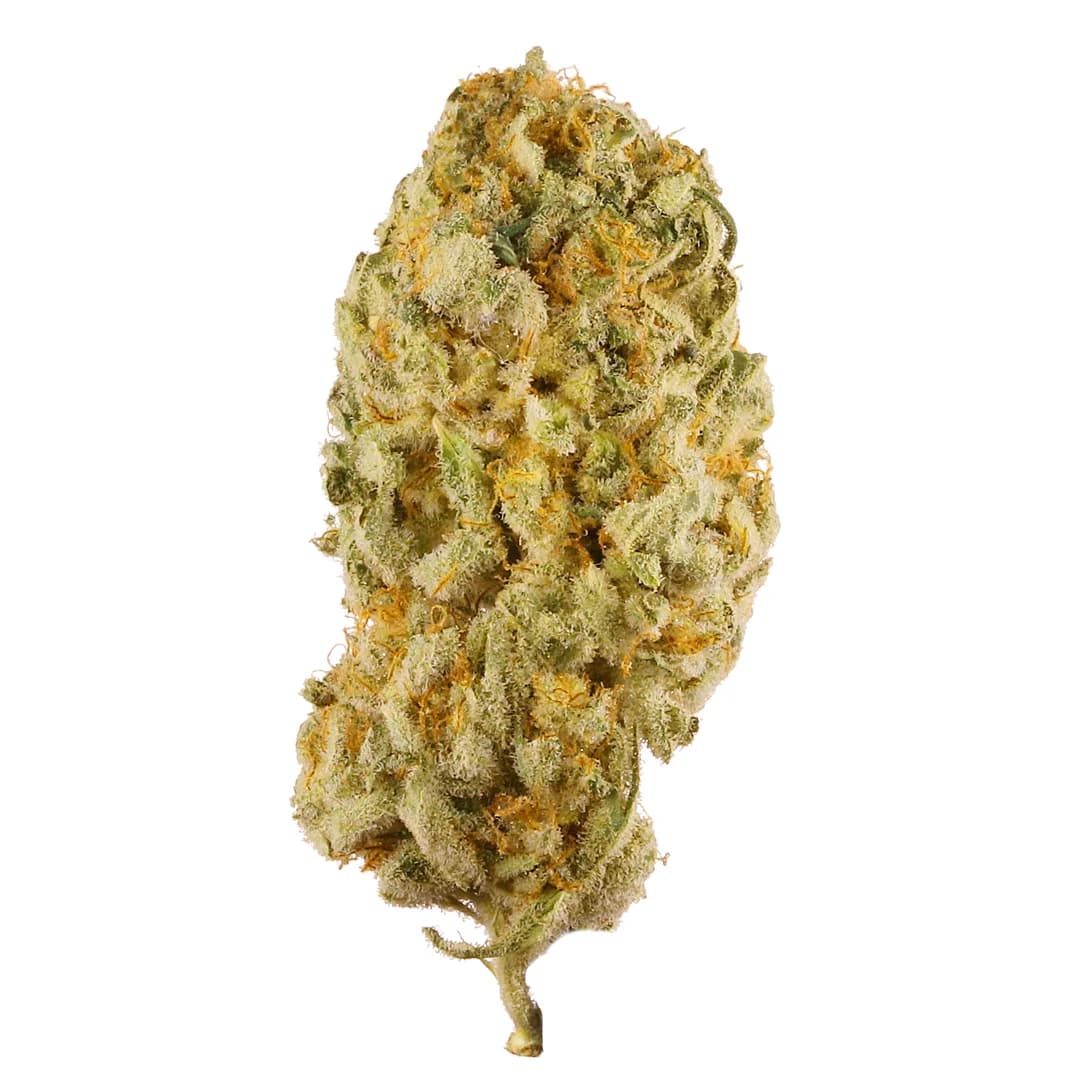
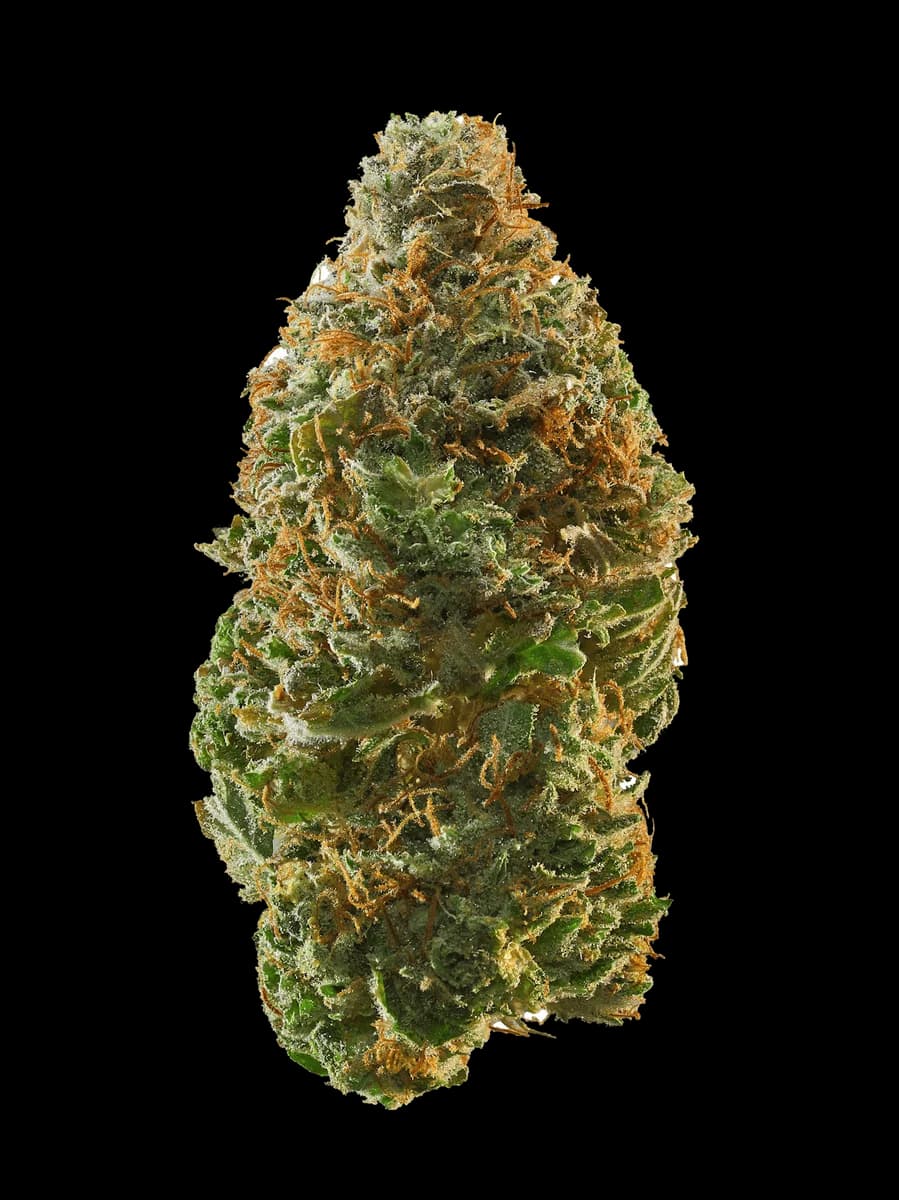
Percentages are catalog reference values, not sample lab results. “Not reported” means the source did not supply a value. Reported effects are subjective tags, not predictions.
ACDC is presented by Leafly as a hybrid catalog entry. The source account says: Leafly describes ACDC as a phenotype of Cannatonic; Resin Seeds also lists ACDC among Cannatonic selections. This context is retained as an attributed account, not as genetic authentication of every sample carrying the name. Reader-reported flavor descriptors include Earthy, Pine, Woody. The catalog lists Caryophyllene, Myrcene, Pinene as terpene labels. Those fields describe different evidence layers and do not establish a fixed chemical profile, medical effect or response for an individual sample.
Afghan Kush is presented by Leafly as a indica catalog entry. The source account says: Regional origin is retained without equating Afghan Kush, Afghani and Hindu Kush as identical catalog accessions. This context is retained as an attributed account, not as genetic authentication of every sample carrying the name. Reader-reported flavor descriptors include Earthy, Tar, Woody. The catalog lists Caryophyllene, Myrcene, Pinene as terpene labels. Those fields describe different evidence layers and do not establish a fixed chemical profile, medical effect or response for an individual sample.
Afghani is presented by Leafly as a indica catalog entry. The source account says: Afghani is a regional cannabis name associated with Afghanistan and appears in many reported family histories. A regional name can cover varied material, so this profile does not imply one uniform genetic or chemical sample. This context is retained as an attributed account, not as genetic authentication of every sample carrying the name. Reader-reported flavor descriptors include Earthy, Pine, Woody. The catalog lists Myrcene, Pinene, Terpinolene as terpene labels. Those fields describe different evidence layers and do not establish a fixed chemical profile, medical effect or response for an individual sample.
Alien Dawg is presented by Leafly as a hybrid catalog entry. The source account says: Source-reported cross; the external Alien Technology identity has not been independently reviewed here. This context is retained as an attributed account, not as genetic authentication of every sample carrying the name. Reader-reported flavor descriptors include Chemical, Earthy, Woody. The catalog lists Caryophyllene, Limonene, Myrcene as terpene labels. Those fields describe different evidence layers and do not establish a fixed chemical profile, medical effect or response for an individual sample.
Alien Kush is presented by Leafly as a indica catalog entry. The source account says: LVPK is retained as Las Vegas Purple Kush outside the catalog. Reported parentage has not been independently authenticated. This context is retained as an attributed account, not as genetic authentication of every sample carrying the name. Reader-reported flavor descriptors include Floral, Tea, Woody. The catalog lists Caryophyllene, Limonene, Myrcene as terpene labels. Those fields describe different evidence layers and do not establish a fixed chemical profile, medical effect or response for an individual sample.
Big Bud is presented by Leafly as a indica catalog entry. The source account says: Big Bud's reported background combines Afghani, Northern Lights and Skunk #1. Leafly traces its history from the United States to the Netherlands; the three names are recorded as ancestry without inventing a crossing order. This context is retained as an attributed account, not as genetic authentication of every sample carrying the name. Reader-reported flavor descriptors include Earthy, Spicy/Herbal, Woody. The catalog lists Myrcene, Ocimene, Pinene as terpene labels. Those fields describe different evidence layers and do not establish a fixed chemical profile, medical effect or response for an individual sample.
Black Domina is presented by Leafly as a indica catalog entry. The source account says: Four reported contributors are modeled as ancestry; intermediate crosses and generations are not inferred. This context is retained as an attributed account, not as genetic authentication of every sample carrying the name. Reader-reported flavor descriptors include Pepper, Spicy/Herbal, Woody. The catalog lists Caryophyllene, Myrcene, Pinene as terpene labels. Those fields describe different evidence layers and do not establish a fixed chemical profile, medical effect or response for an individual sample.
Burmese Kush is presented by Leafly as a hybrid catalog entry. The source account says: Only the OG Kush connection is explicit in the reviewed narrative. The complete cross remains unverified. This context is retained as an attributed account, not as genetic authentication of every sample carrying the name. Reader-reported flavor descriptors include Earthy, Pine, Woody. The catalog lists Caryophyllene, Limonene, Myrcene as terpene labels. Those fields describe different evidence layers and do not establish a fixed chemical profile, medical effect or response for an individual sample.
Cannatonic is presented by Leafly as a hybrid catalog entry. The source account says: Resin Seeds identifies Reina Madre × NYCD. Leafly instead lists MK Ultra × G13 Haze; the breeder's account is used for the parent links and both sources are retained. This context is retained as an attributed account, not as genetic authentication of every sample carrying the name. Reader-reported flavor descriptors include Earthy, Pine, Woody. The catalog lists Caryophyllene, Myrcene, Pinene as terpene labels. Those fields describe different evidence layers and do not establish a fixed chemical profile, medical effect or response for an individual sample.
Charlotte's Web is presented by Leafly as a sativa catalog entry. The source account says: The cited catalog page does not establish a complete, authenticated immediate-parent cross for this entry. This context is retained as an attributed account, not as genetic authentication of every sample carrying the name. Reader-reported flavor descriptors include Floral, Pine, Woody. The catalog lists Caryophyllene, Myrcene, Pinene as terpene labels. Those fields describe different evidence layers and do not establish a fixed chemical profile, medical effect or response for an individual sample.
Critical Mass is presented by Leafly as a indica catalog entry. The source account says: The cited catalog page does not establish a complete, authenticated immediate-parent cross for this entry. This context is retained as an attributed account, not as genetic authentication of every sample carrying the name. Reader-reported flavor descriptors include Earthy, Skunk, Woody. The catalog lists Caryophyllene, Limonene, Myrcene as terpene labels. Those fields describe different evidence layers and do not establish a fixed chemical profile, medical effect or response for an individual sample.
G13 is presented by Leafly as a indica catalog entry. The source account says: No authenticated parent cross is established. Government-laboratory and escaped-cutting stories are not treated as historical evidence. This context is retained as an attributed account, not as genetic authentication of every sample carrying the name. Reader-reported flavor descriptors include Earthy, Pine, Woody. The catalog lists Caryophyllene, Limonene, Myrcene as terpene labels. Those fields describe different evidence layers and do not establish a fixed chemical profile, medical effect or response for an individual sample.
Harlequin is presented by Leafly as a sativa catalog entry. The source account says: Colombian Gold, Nepali indica, Thai and Swiss landrace ancestry are reported. Immediate parents and crossing order are not specified. This context is retained as an attributed account, not as genetic authentication of every sample carrying the name. Reader-reported flavor descriptors include Earthy, Spicy/Herbal, Woody. The catalog lists Caryophyllene, Myrcene, Pinene as terpene labels. Those fields describe different evidence layers and do not establish a fixed chemical profile, medical effect or response for an individual sample.
Hindu Kush is presented by Leafly as a indica catalog entry. The source account says: Hindu Kush takes its name from the mountain region spanning parts of Afghanistan and Pakistan. This entry documents that regional background and the source's catalog traits without assigning an unsupported parent cross. This context is retained as an attributed account, not as genetic authentication of every sample carrying the name. Reader-reported flavor descriptors include Earthy, Spicy/Herbal, Woody. The catalog lists Caryophyllene, Limonene, Pinene as terpene labels. Those fields describe different evidence layers and do not establish a fixed chemical profile, medical effect or response for an individual sample.
Jack Herer is named after the author and cannabis activist. Leafly attributes its development to Sensi Seeds and describes a Haze hybrid combined with Northern Lights #5 and Shiva Skunk ancestry. The source acknowledges multiple phenotypes, which matters when interpreting the name as a single record. Its terpinolene-led catalog profile and pine, wood and earth flavor tags describe different evidence types, not a guarantee that every Jack Herer sample shares the same composition.
Kosher Kush is presented by Leafly as a indica catalog entry. The source account says: Kosher Kush began as a Los Angeles clone-only line and is associated with DNA Genetics. Leafly relates it to OG Kush without documenting a complete two-parent cross. This is a source-reported identity, not a genetically authenticated pedigree. This context is retained as an attributed account, not as genetic authentication of every sample carrying the name. Reader-reported flavor descriptors include Earthy, Pungent, Woody. The catalog lists Caryophyllene, Limonene, Myrcene as terpene labels. Those fields describe different evidence layers and do not establish a fixed chemical profile, medical effect or response for an individual sample.
Malawi is presented by Leafly as a sativa catalog entry. The source account says: Leafly associates the entry with the Salima region of Malawi. No immediate parent pair is asserted for the landrace identity. This context is retained as an attributed account, not as genetic authentication of every sample carrying the name. Reader-reported flavor descriptors include Earthy, Floral, Woody. The catalog lists Caryophyllene, Myrcene, Pinene as terpene labels. Those fields describe different evidence layers and do not establish a fixed chemical profile, medical effect or response for an individual sample.
Northern Lights is listed by Leafly as an indica with reported Afghani and Thai ancestry. Its history section treats the Seattle origin story as a rumor and describes later distribution through the Netherlands. That uncertainty is part of the record, not a missing detail to fill by guesswork. Pine, earth and wood appear in its reader flavor tags. Numbered selections such as Northern Lights #5 require their own provenance rather than automatic equivalence with this broader entry.
OG Kush is a hybrid name central to several later catalog families, including GSC and Headband. Leafly describes a Florida-to-California history but qualifies the proposed early cross rather than documenting a settled pedigree. Its listed aroma descriptors include wood, pine and earth, while its chemistry section names myrcene, limonene and caryophyllene. The uncertain origin story is retained as an attributed account; a shared OG name does not establish identical ancestry or chemistry.
Romulan is presented by Leafly as a indica catalog entry. The source account says: North American Indica remains a regional external label. The catalog account is not proof of a single authenticated founding plant. This context is retained as an attributed account, not as genetic authentication of every sample carrying the name. Reader-reported flavor descriptors include Earthy, Pine, Woody. The catalog lists Caryophyllene, Myrcene, Pinene as terpene labels. Those fields describe different evidence layers and do not establish a fixed chemical profile, medical effect or response for an individual sample.
SFV OG is presented by Leafly as a hybrid catalog entry. The source account says: SFV OG takes its name from California’s San Fernando Valley and is associated with Cali Connection. It belongs to the OG Kush family and differs from the later Afghani-crossed SFV OG Kush. This is a source-reported identity, not a genetically authenticated pedigree. This context is retained as an attributed account, not as genetic authentication of every sample carrying the name. Reader-reported flavor descriptors include Earthy, Pine, Woody. The catalog lists Caryophyllene, Limonene, Myrcene as terpene labels. Those fields describe different evidence layers and do not establish a fixed chemical profile, medical effect or response for an individual sample.
Snowman is presented by Leafly as a hybrid catalog entry. The source account says: Leafly identifies a GSC variant. No second parent is established; a selection is not represented as a new two-parent cross. This context is retained as an attributed account, not as genetic authentication of every sample carrying the name. Reader-reported flavor descriptors include Diesel, Floral, Woody. The catalog lists Caryophyllene, Humulene, Myrcene as terpene labels. Those fields describe different evidence layers and do not establish a fixed chemical profile, medical effect or response for an individual sample.
Tahoe OG is described in the catalog as a phenotype of OG Kush rather than as a separately documented two-parent cross, with Tahoe OG Kush recorded as another name. Earthy, pine and woody are reader-reported flavor descriptors, while caryophyllene, limonene and myrcene are listed as source terpene labels. This profile preserves the phenotype distinction because a name can describe a selected expression within a family rather than a new pedigree. The record does not establish that every Tahoe OG-labelled sample has the same chemistry or response.
The White is presented by Leafly as a hybrid catalog entry. The source account says: The source presents the origin as uncertain. Triangle is not automatically resolved to Triangle Kush, and visual similarity is not parentage evidence. This context is retained as an attributed account, not as genetic authentication of every sample carrying the name. Reader-reported flavor descriptors include Earthy, Pine, Woody. The catalog lists Caryophyllene, Limonene, Myrcene as terpene labels. Those fields describe different evidence layers and do not establish a fixed chemical profile, medical effect or response for an individual sample.