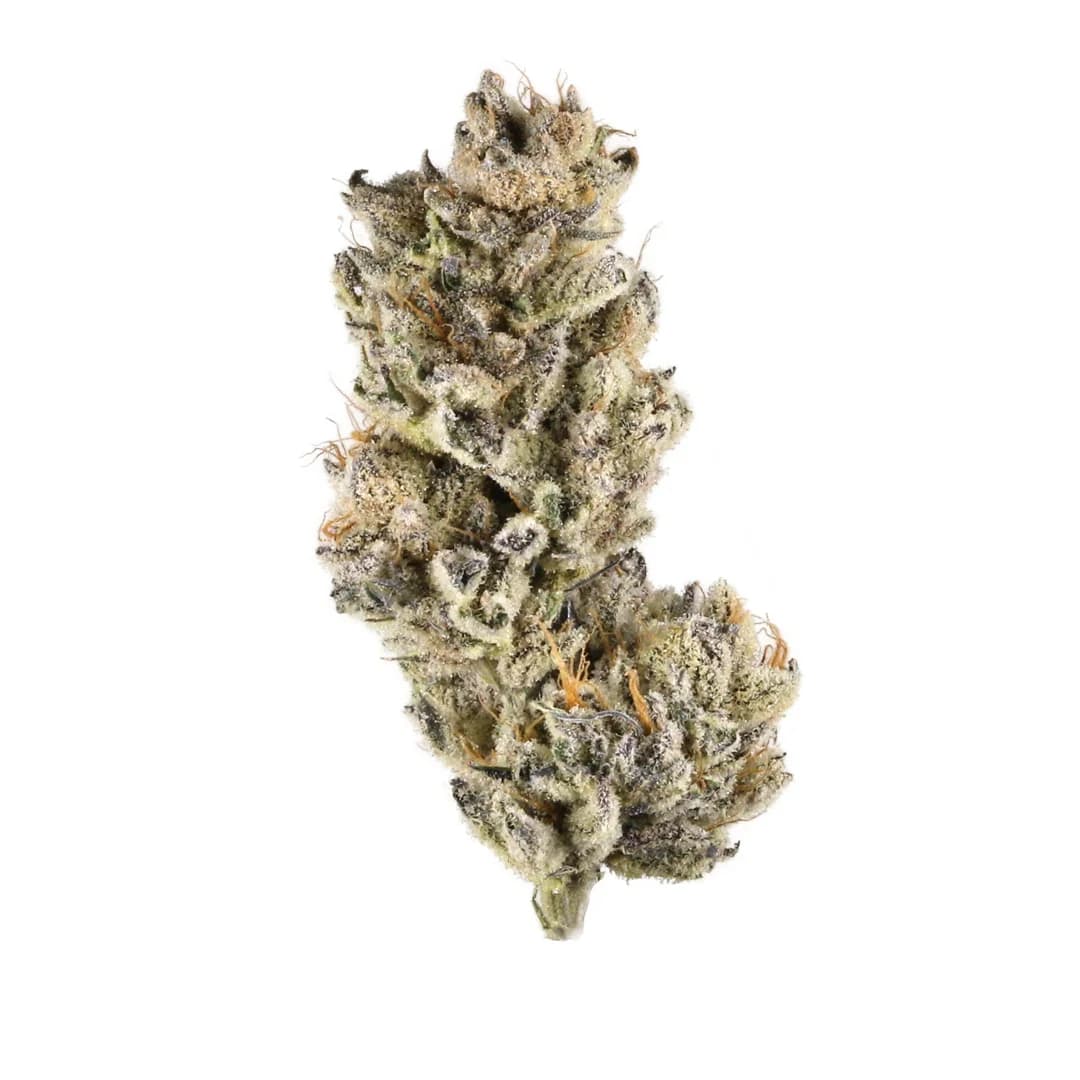
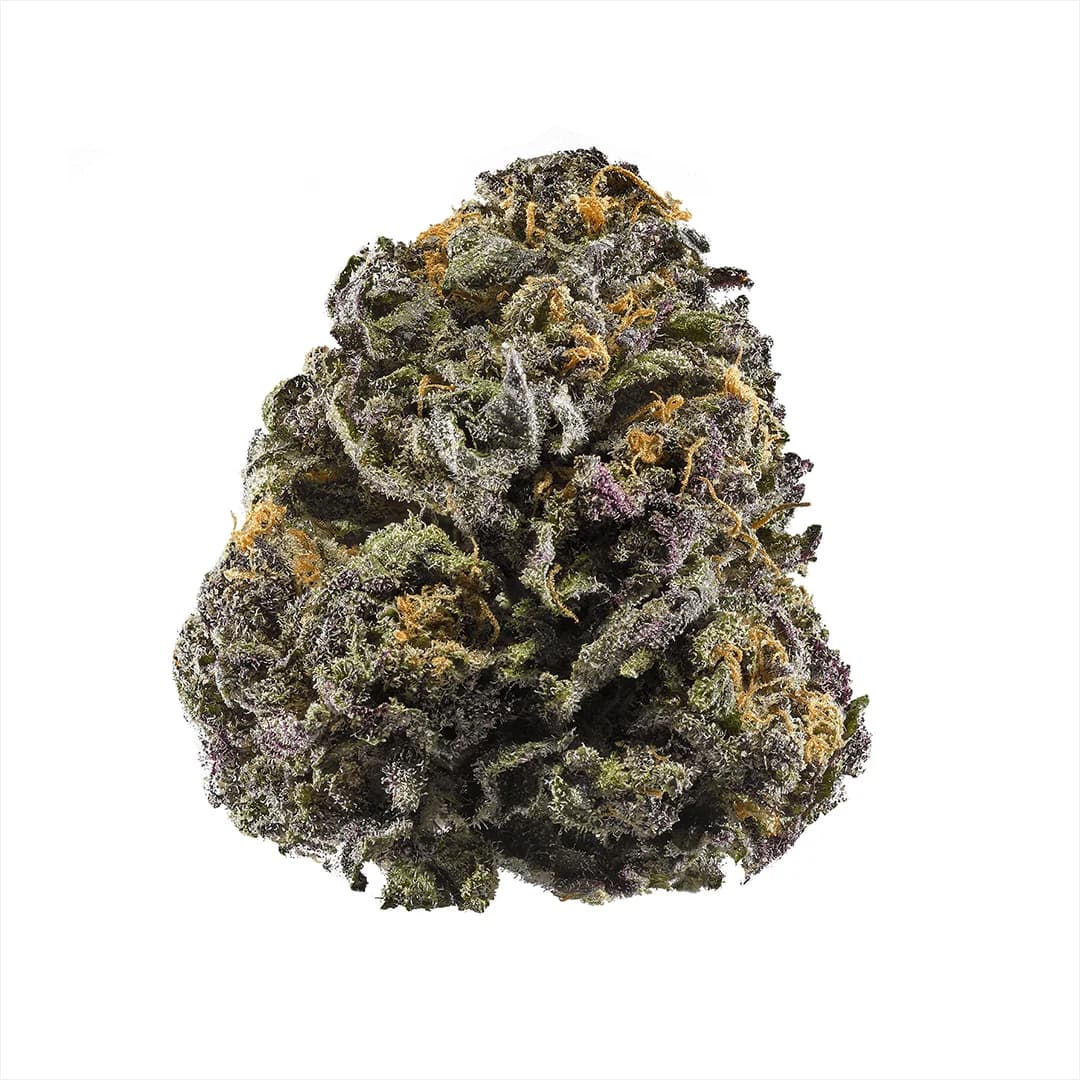
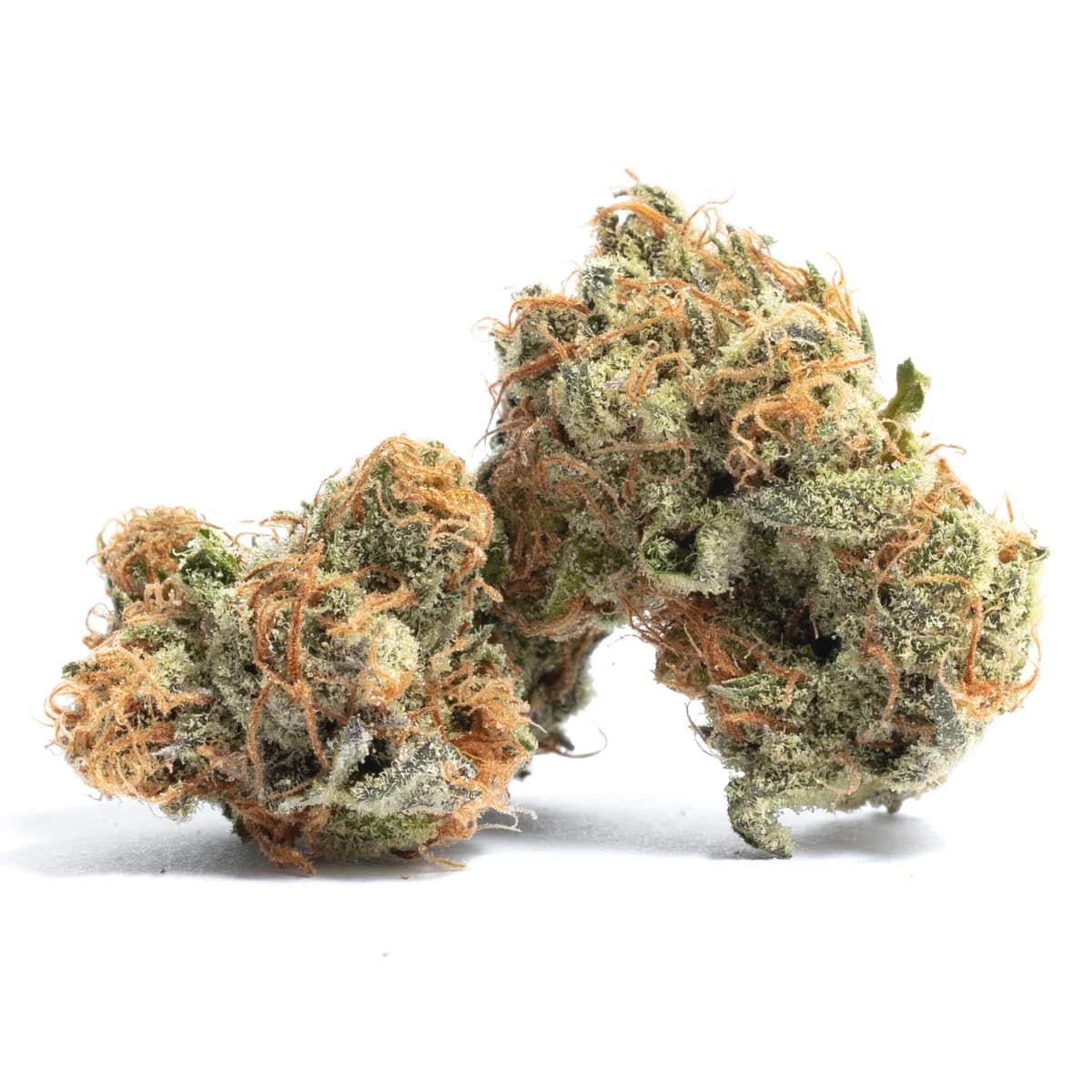
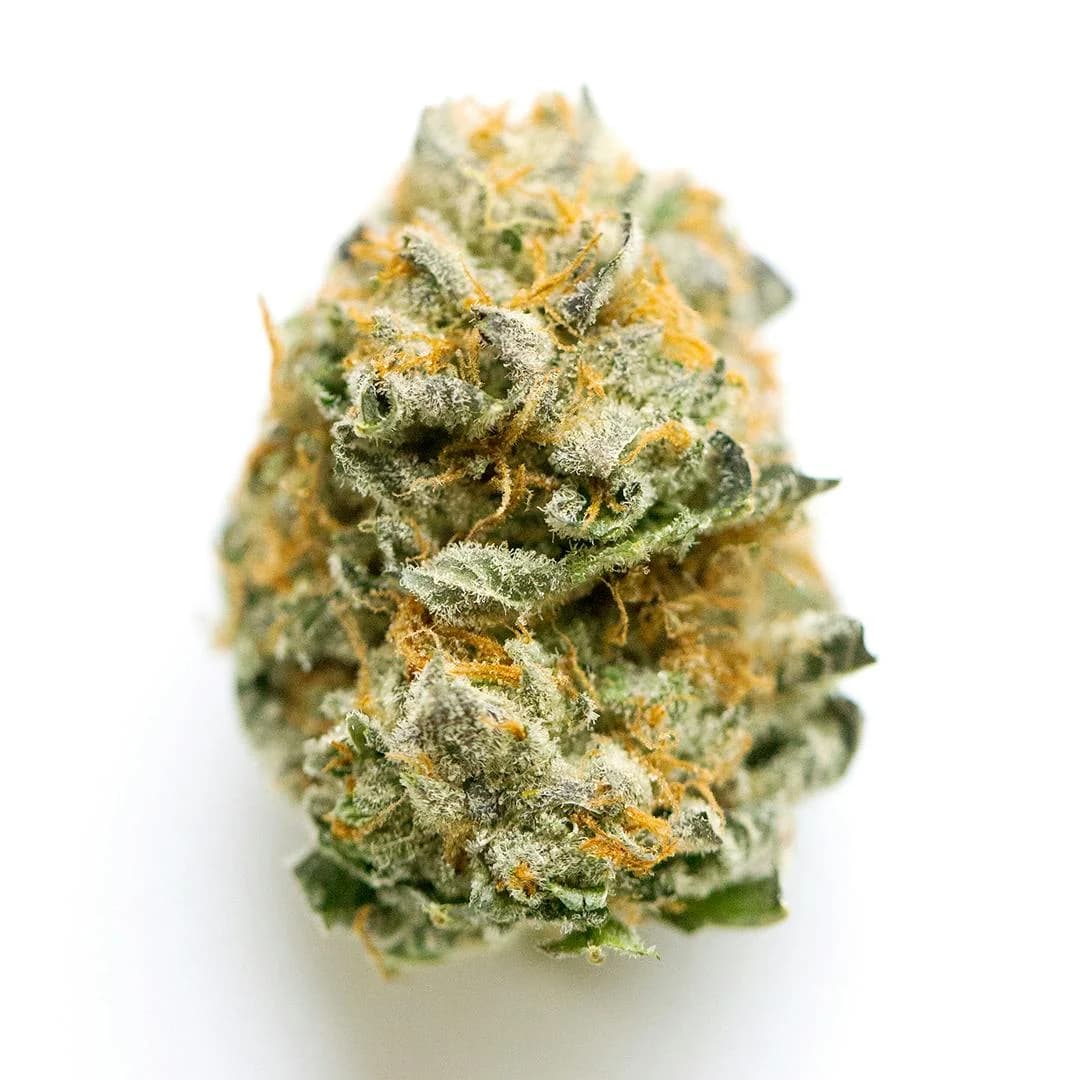
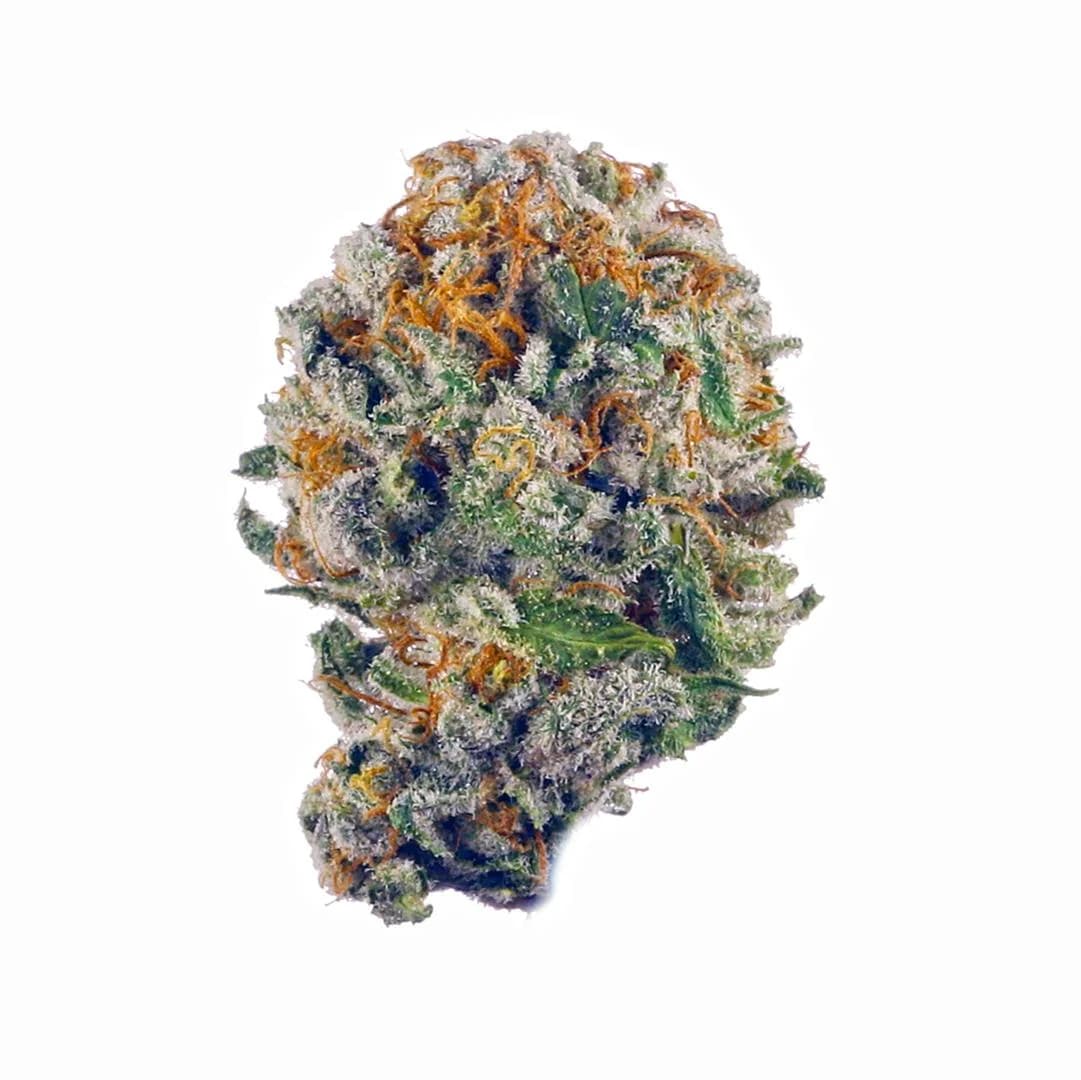
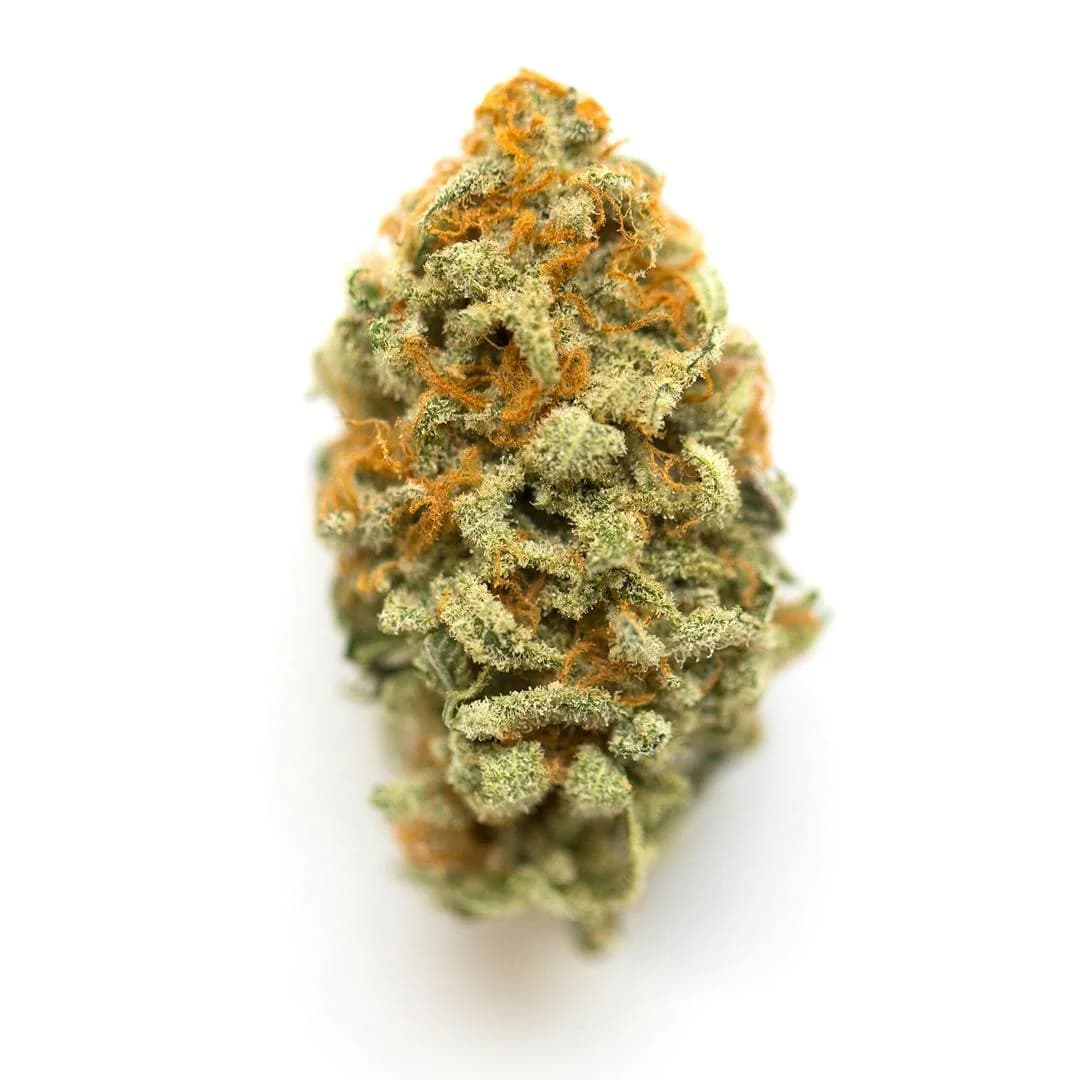
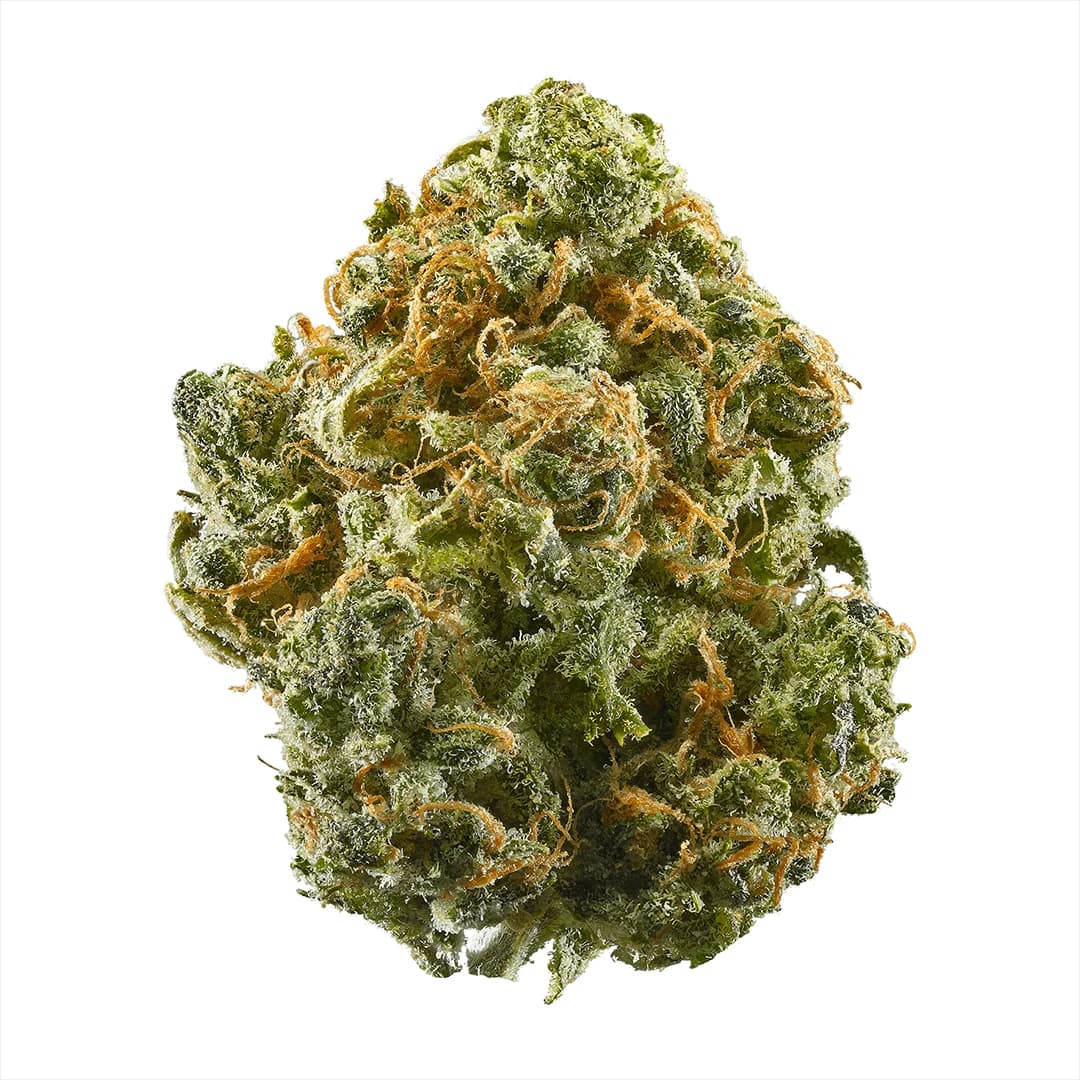
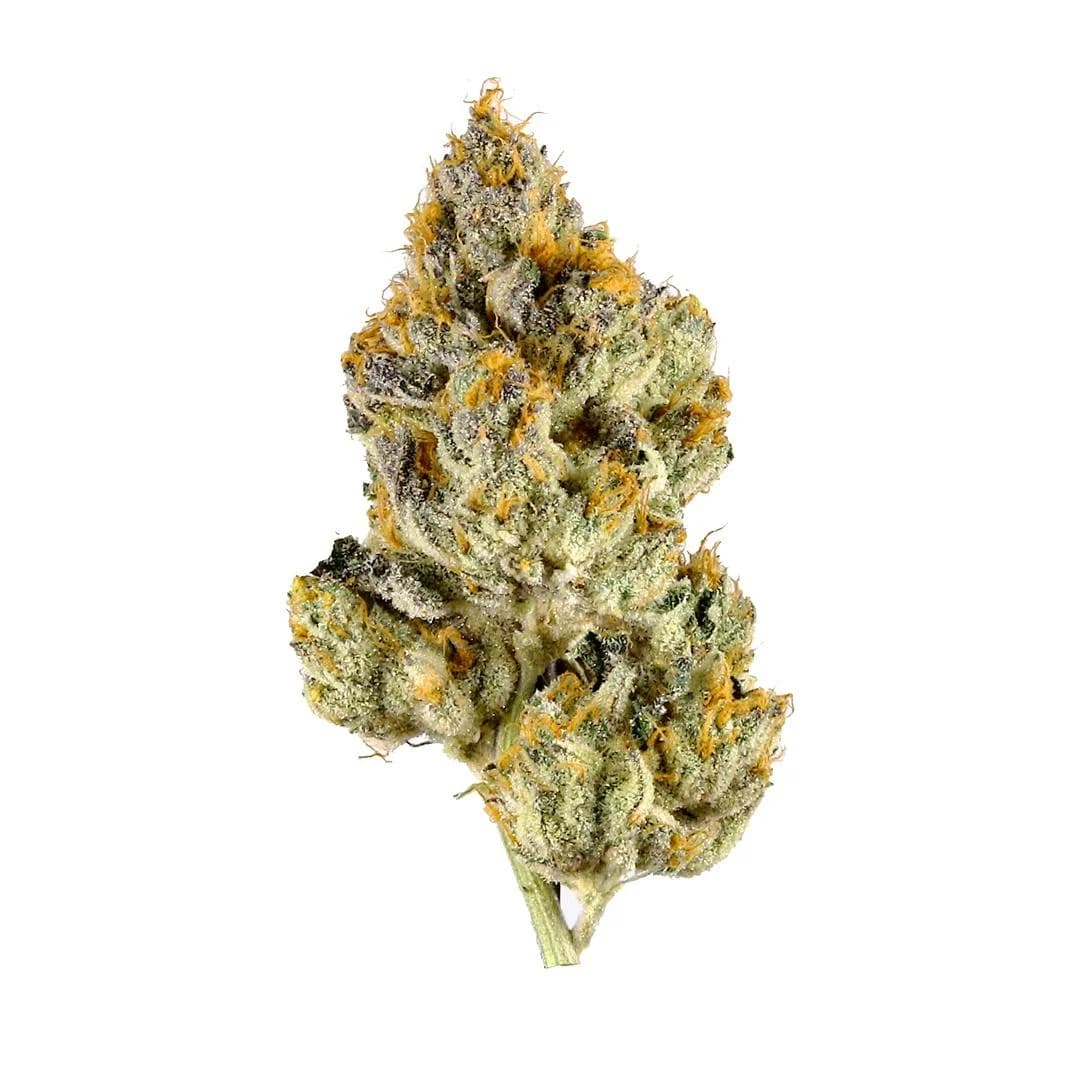
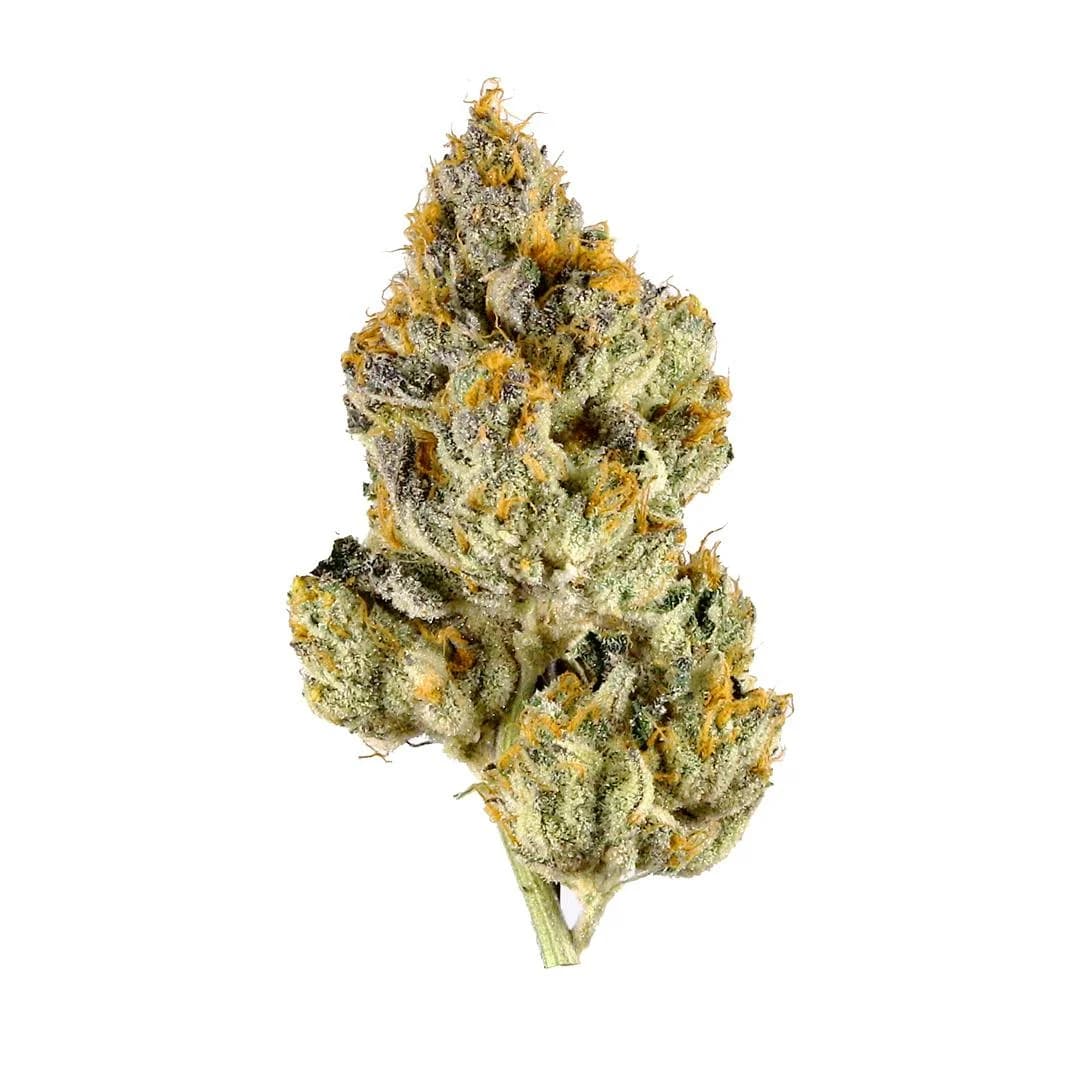
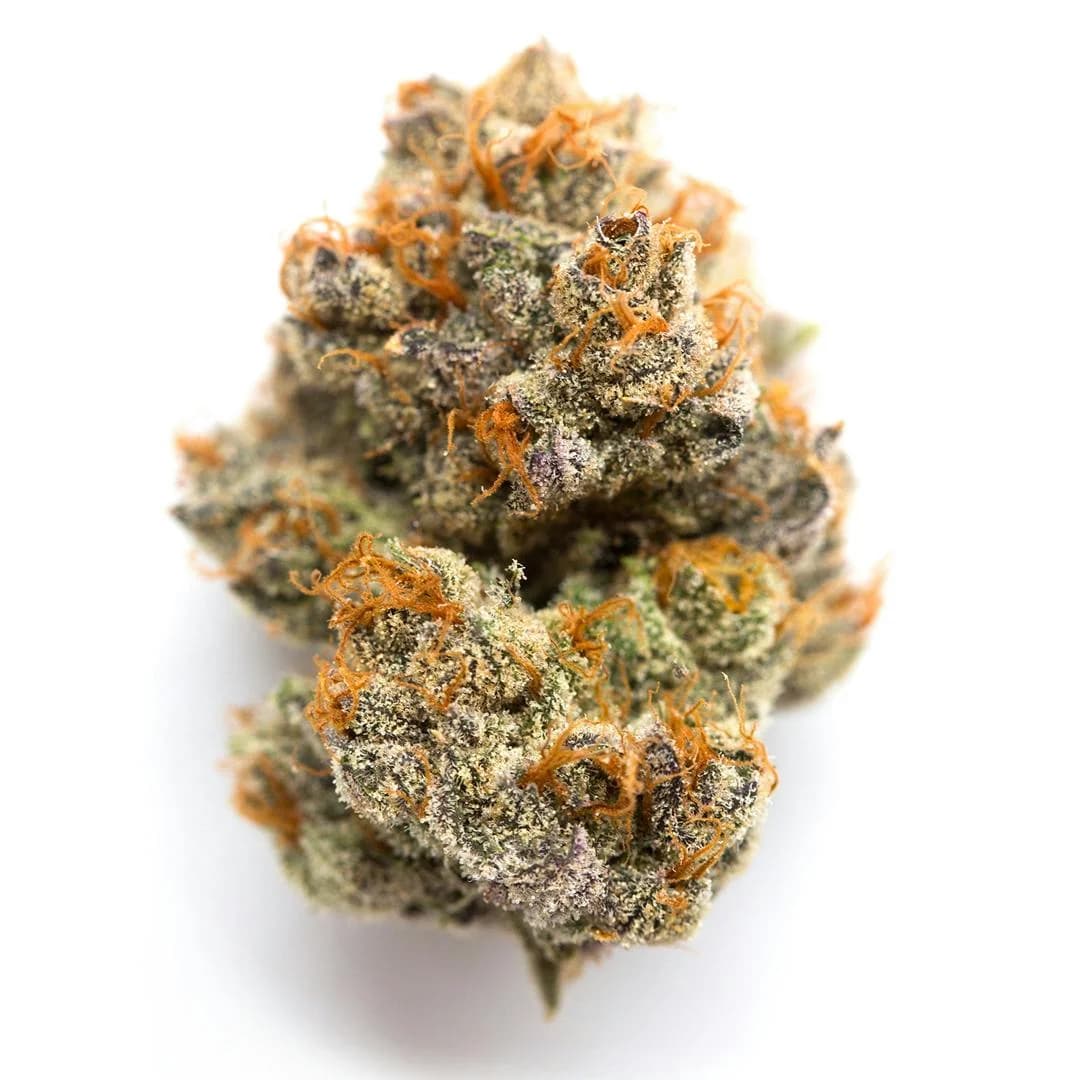
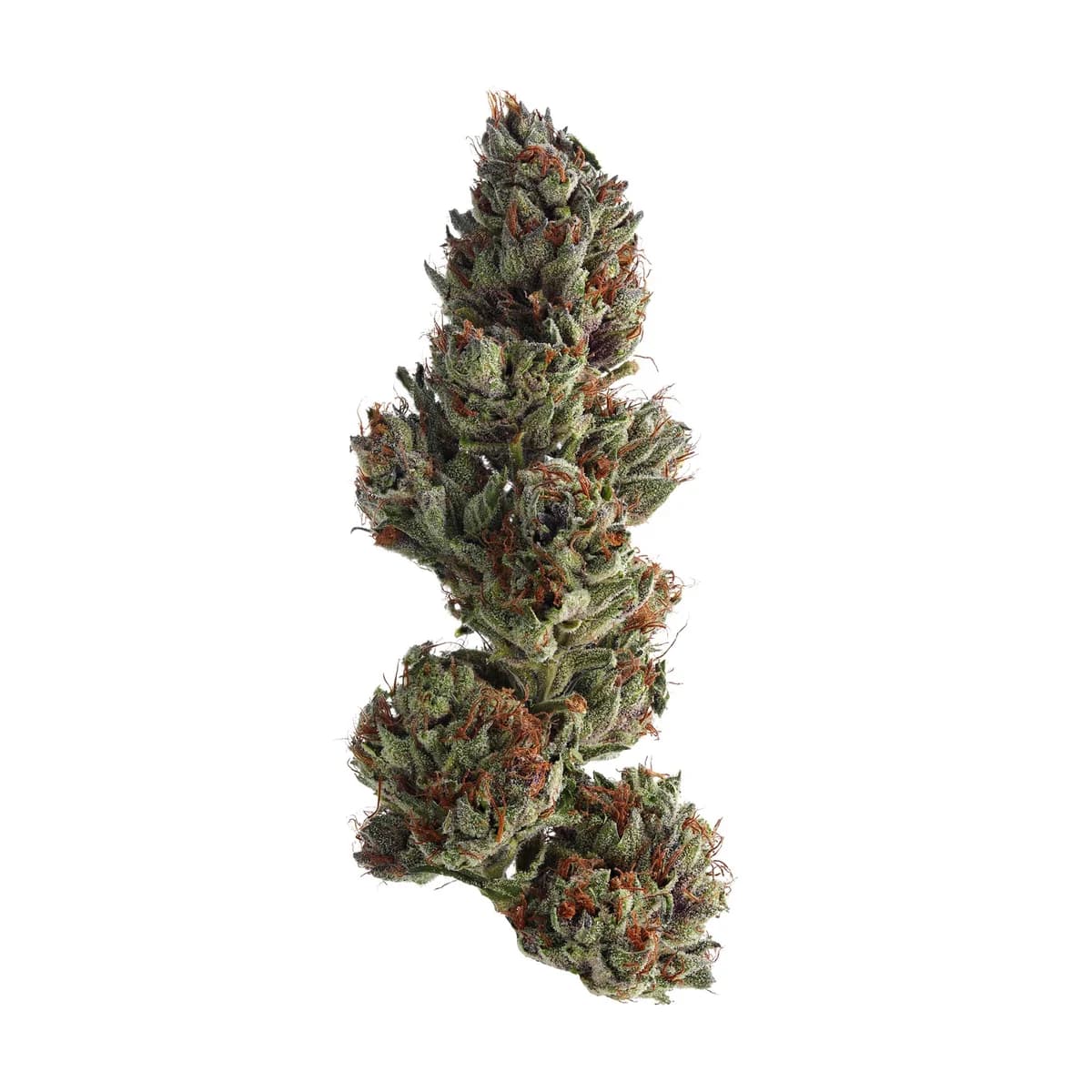
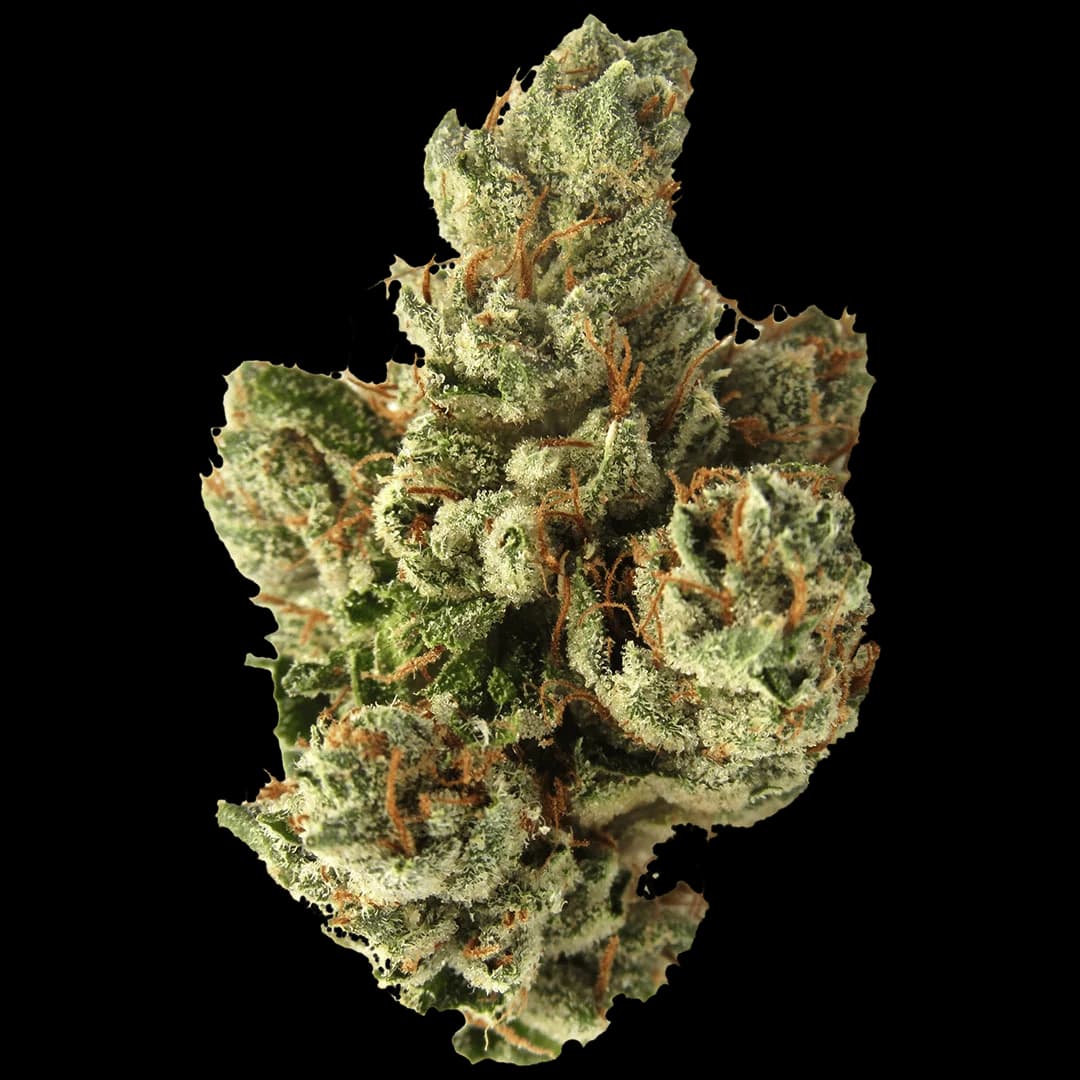
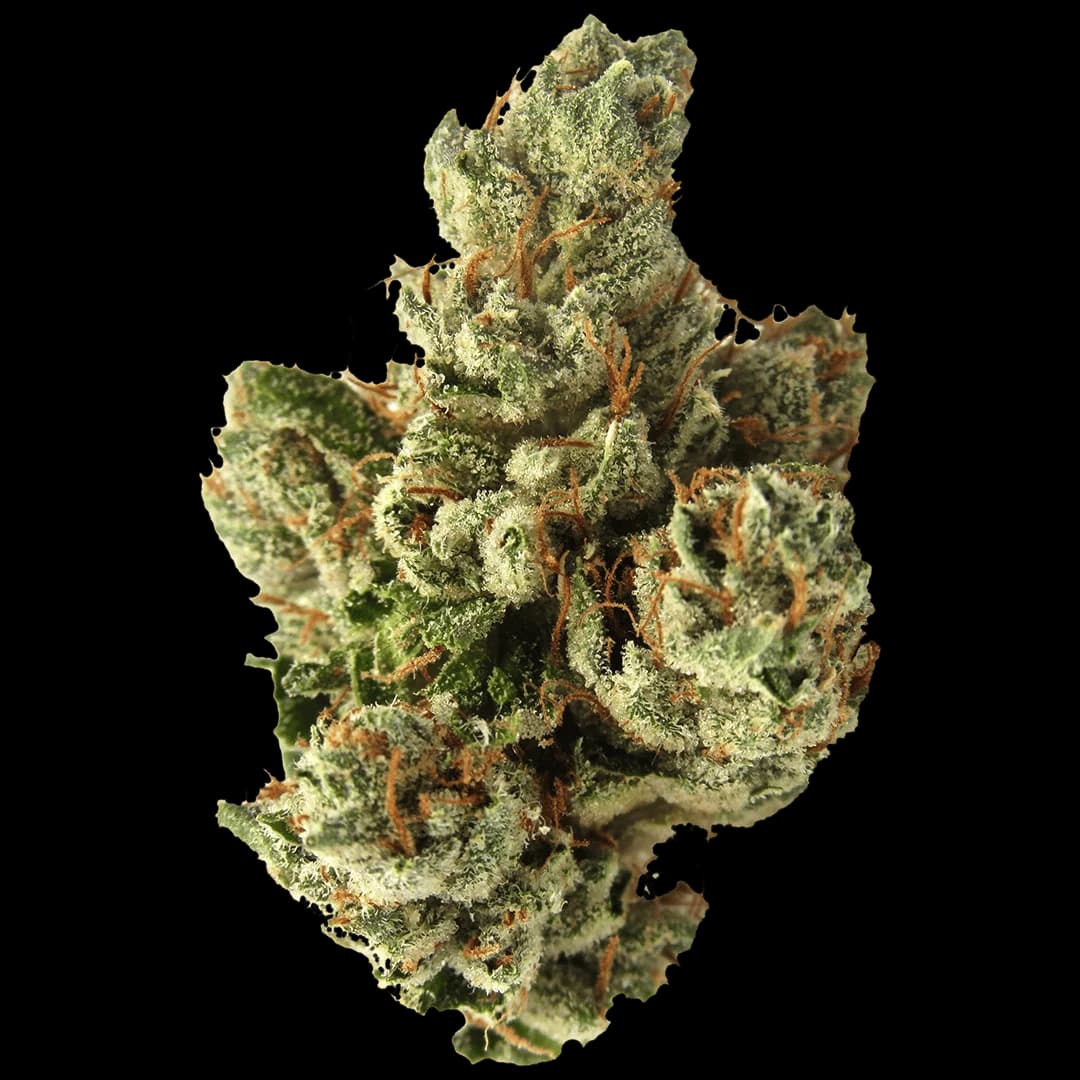
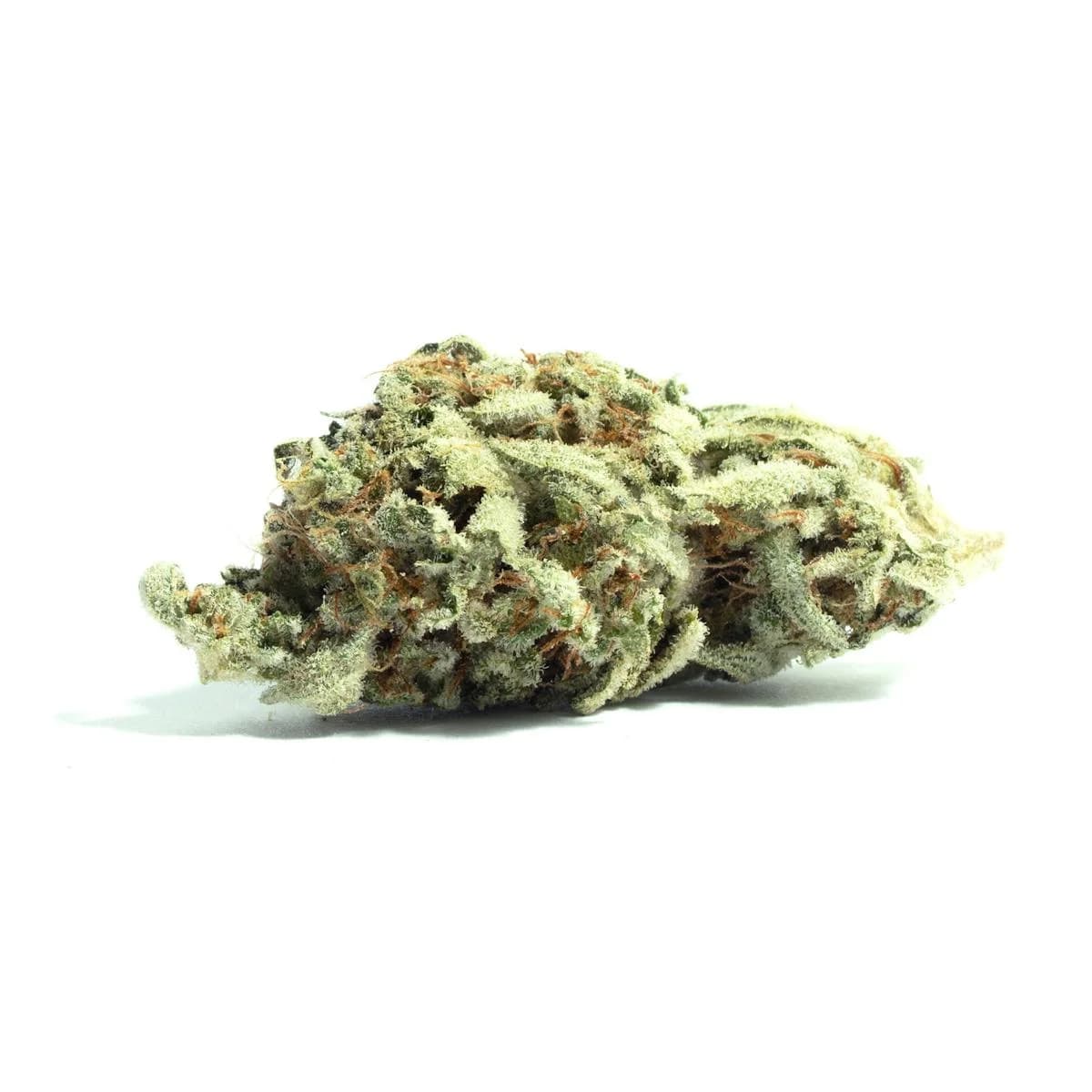
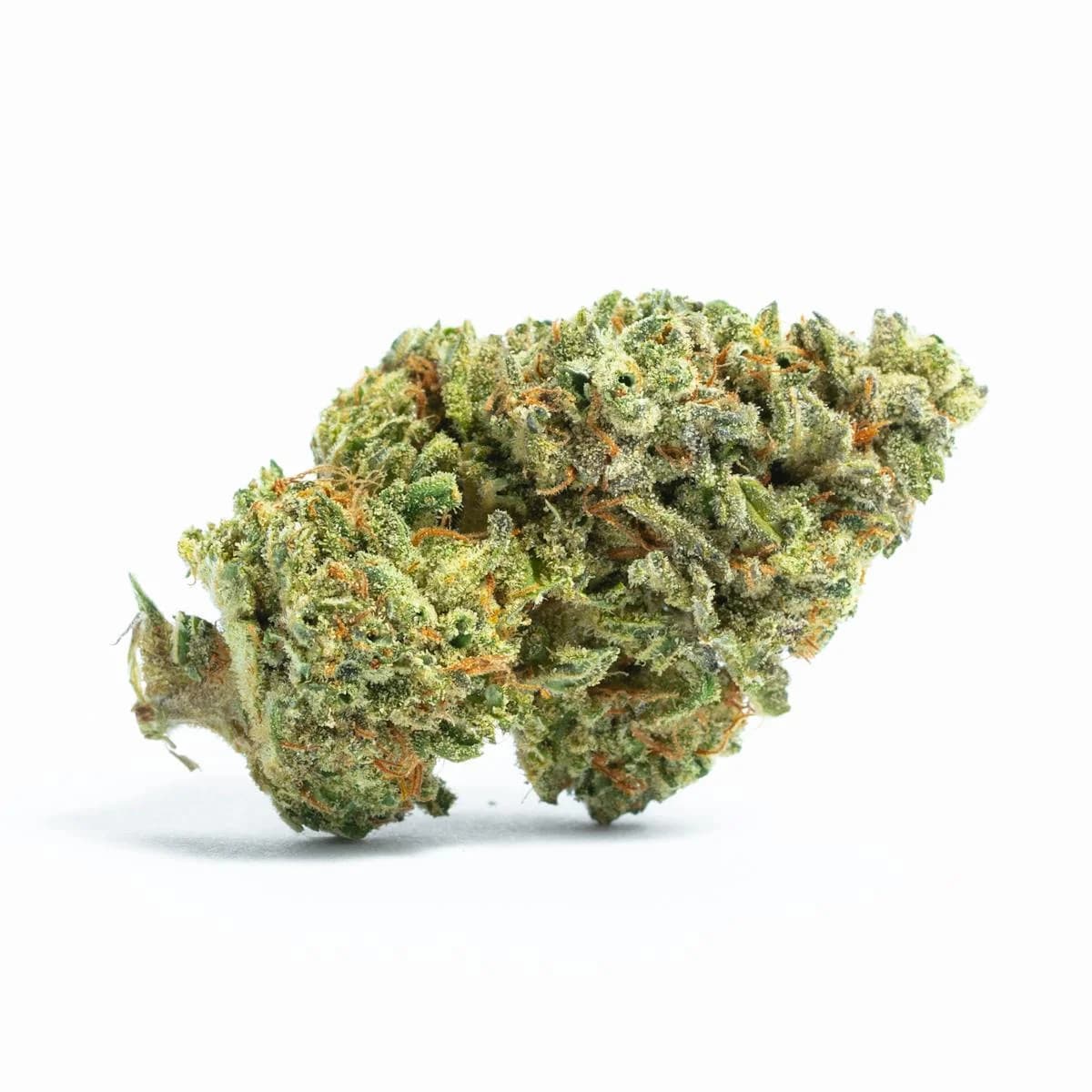
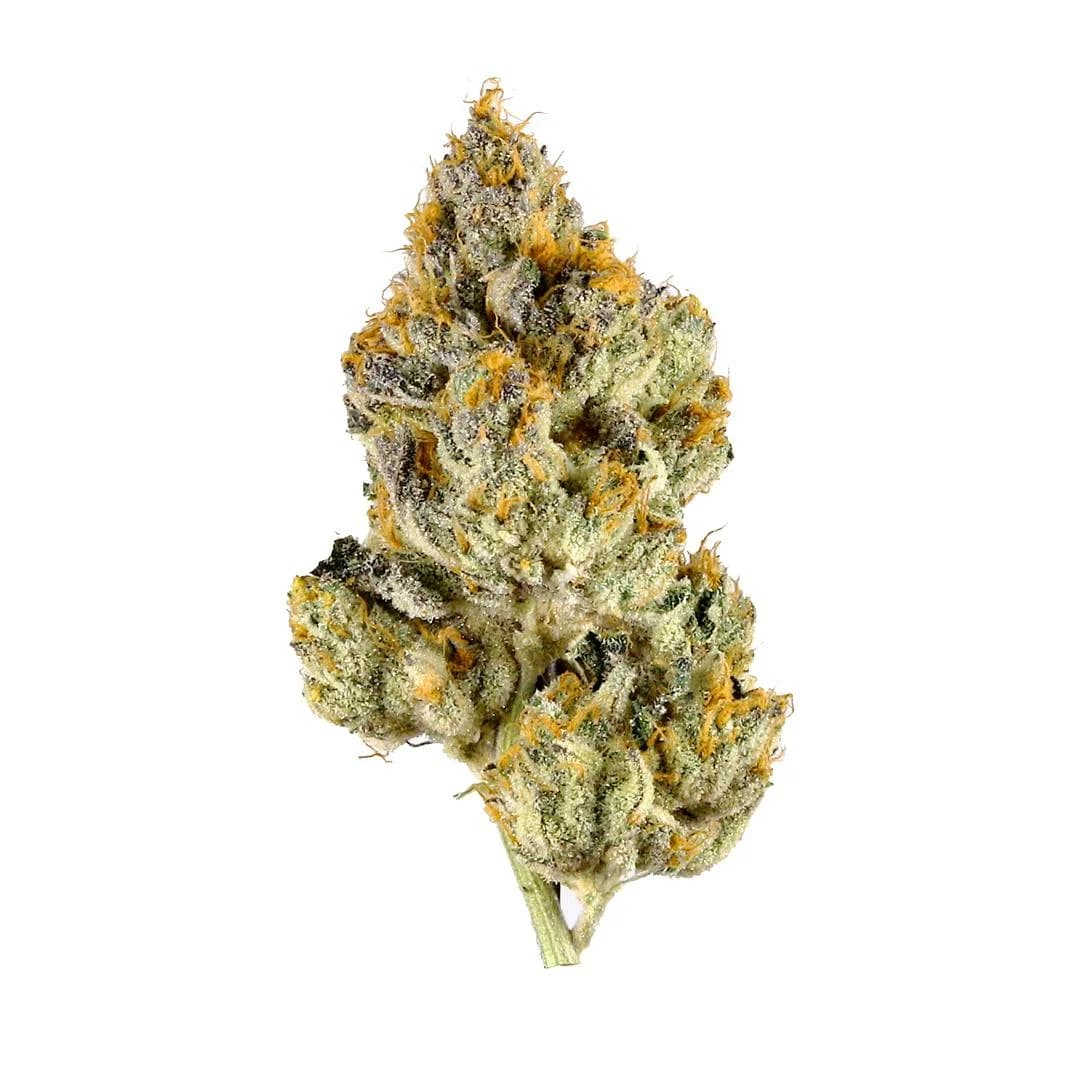
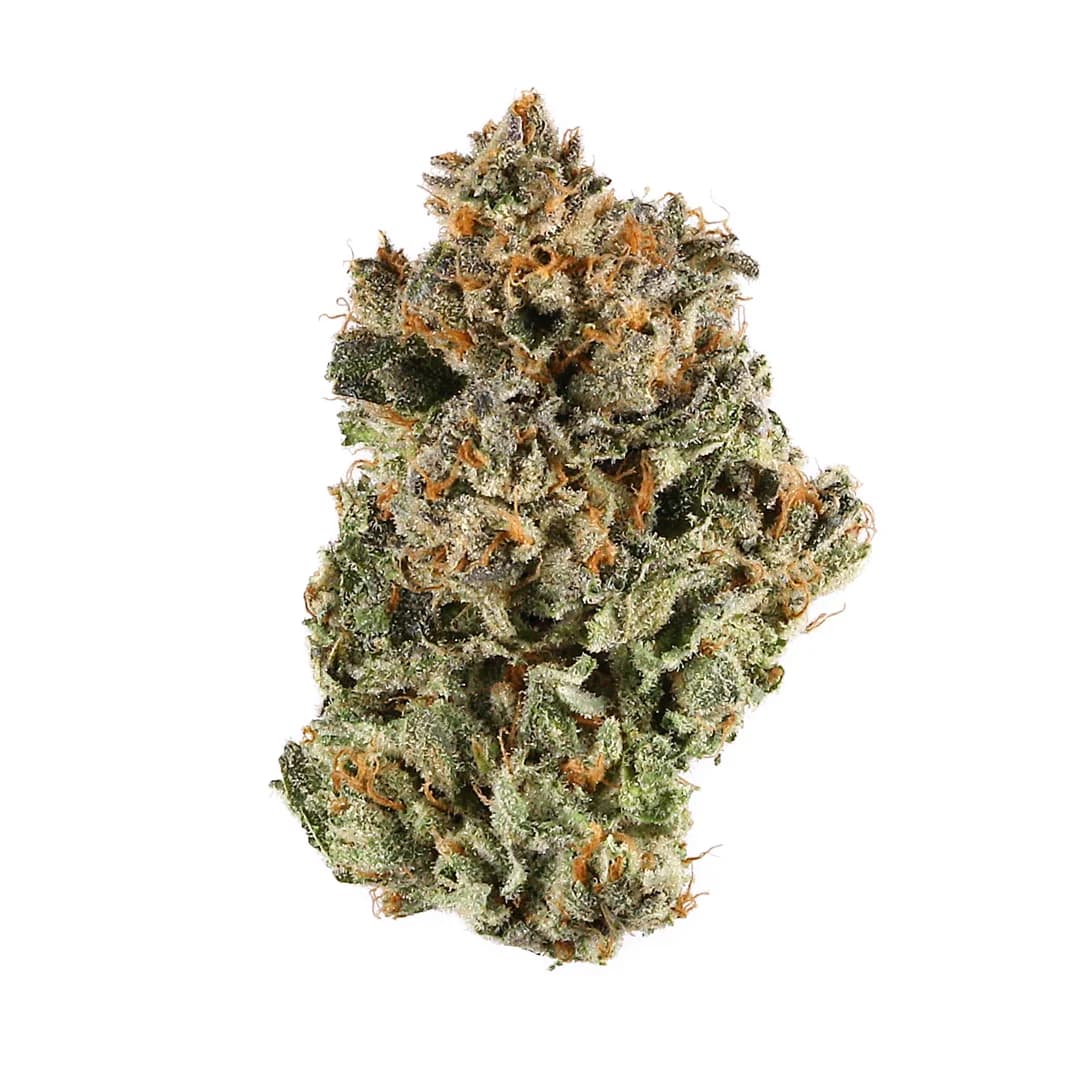
Percentages are catalog reference values, not sample lab results. “Not reported” means the source did not supply a value. Reported effects are subjective tags, not predictions.
Purple Punch is reported in the catalog as a cross between Larry OG and Granddaddy Purple. The profile keeps those named parents separate from its reader-reported berry, grape and plum descriptors and from the catalog's caryophyllene, limonene and pinene labels. A reported cross explains the source's family account but does not authenticate every plant carrying the name. Sensory tags describe reader impressions and source chemistry labels summarize a catalog record; neither establishes a fixed composition, medical effect or response for an individual sample.
Purple Thai is presented by Leafly as a sativa catalog entry. The source account says: Highland Oaxacan Gold remains a named external parent. The source-reported cross does not authenticate modern descendants. This context is retained as an attributed account, not as genetic authentication of every sample carrying the name. Reader-reported flavor descriptors include Earthy, Floral, Violet. The catalog lists Caryophyllene, Humulene, Myrcene as terpene labels. Those fields describe different evidence layers and do not establish a fixed chemical profile, medical effect or response for an individual sample.
Purple Urkle is presented by Leafly as a indica catalog entry. The source account says: Purple Urkle is associated with California and a proposed selection from Mendocino Purps. That origin is presented as a belief in the reference, so the selection link remains explicitly uncertain. This context is retained as an attributed account, not as genetic authentication of every sample carrying the name. Reader-reported flavor descriptors include Berry, Grape, Plum. The catalog lists Caryophyllene, Myrcene, Pinene as terpene labels. Those fields describe different evidence layers and do not establish a fixed chemical profile, medical effect or response for an individual sample.
RS11 is presented by Leafly as a hybrid catalog entry. The source account says: RS11 expands to Rainbow Sherbert #11. Leafly credits Deo Farms with the Pink Guava–Sherbert cross and Wizard Trees with selecting RS11 from that work. This is a source-reported identity, not a genetically authenticated pedigree. This context is retained as an attributed account, not as genetic authentication of every sample carrying the name. Reader-reported flavor descriptors include Apricot, Citrus, Peach. The catalog lists Caryophyllene, Humulene, Limonene as terpene labels. Those fields describe different evidence layers and do not establish a fixed chemical profile, medical effect or response for an individual sample.
Rainbow Belts is presented by Leafly as a hybrid catalog entry. The source account says: Leafly reports Moonbow and Zkittlez as parents; Moonbow remains an external catalog identity in this release. This context is retained as an attributed account, not as genetic authentication of every sample carrying the name. Reader-reported flavor descriptors include Apricot, Tree fruit, Tropical. The catalog lists Caryophyllene, Limonene, Linalool as terpene labels. Those fields describe different evidence layers and do not establish a fixed chemical profile, medical effect or response for an individual sample.
Rainbow Chip is presented by Leafly as a hybrid catalog entry. The source account says: The cited catalog page does not establish a complete, authenticated immediate-parent cross for this entry. This context is retained as an attributed account, not as genetic authentication of every sample carrying the name. Reader-reported flavor descriptors include Citrus, Lime, Mint. The catalog lists Caryophyllene, Limonene, Pinene as terpene labels. Those fields describe different evidence layers and do not establish a fixed chemical profile, medical effect or response for an individual sample.
Rainbow Sherbet is included as a source-linked hybrid catalog profile. This entry preserves the published name and broad classification while keeping sample-specific potency, chemistry and reader-reported descriptors tied to the cited source. Catalog fields are reference information and do not guarantee the composition or effects of an individual sample.
Rare Dankness #1 is included as a source-linked indica catalog profile. This entry preserves the published name and broad classification while keeping sample-specific potency, chemistry and reader-reported descriptors tied to the cited source. Catalog fields are reference information and do not guarantee the composition or effects of an individual sample.
Raspberry Cough is presented by Leafly as a sativa catalog entry. The source account says: The source does not identify a specific Cambodian accession. ICE is retained as the named external parent. This context is retained as an attributed account, not as genetic authentication of every sample carrying the name. Reader-reported flavor descriptors include Berry, Strawberry, Sweet. The catalog lists Caryophyllene, Linalool, Myrcene as terpene labels. Those fields describe different evidence layers and do not establish a fixed chemical profile, medical effect or response for an individual sample.
Red Congolese is presented by Leafly as a sativa catalog entry. The source account says: Leafly notes differing origin accounts. Afghani and Mexican roots are retained only as disputed ancestry for a California version, not as universal parentage. This context is retained as an attributed account, not as genetic authentication of every sample carrying the name. Reader-reported flavor descriptors include Chestnut, Sage, Spicy/Herbal. The catalog lists Caryophyllene, Myrcene, Pinene as terpene labels. Those fields describe different evidence layers and do not establish a fixed chemical profile, medical effect or response for an individual sample.
Rockstar is included as a source-linked indica catalog profile. This entry preserves the published name and broad classification while keeping sample-specific potency, chemistry and reader-reported descriptors tied to the cited source. Catalog fields are reference information and do not guarantee the composition or effects of an individual sample.
Romulan is presented by Leafly as a indica catalog entry. The source account says: North American Indica remains a regional external label. The catalog account is not proof of a single authenticated founding plant. This context is retained as an attributed account, not as genetic authentication of every sample carrying the name. Reader-reported flavor descriptors include Earthy, Pine, Woody. The catalog lists Caryophyllene, Myrcene, Pinene as terpene labels. Those fields describe different evidence layers and do not establish a fixed chemical profile, medical effect or response for an individual sample.
RudeBoi OG is included as a source-linked hybrid catalog profile. This entry preserves the published name and broad classification while keeping sample-specific potency, chemistry and reader-reported descriptors tied to the cited source. Catalog fields are reference information and do not guarantee the composition or effects of an individual sample.
Runtz is presented by Leafly as a hybrid catalog entry. The source account says: Runtz is reported as a cross of The Original Z, also known as Zkittlez, and Gelato. This connects it to both the Z and Cookies-related families; the original profile is kept distinct from other Runtz-named selections. This context is retained as an attributed account, not as genetic authentication of every sample carrying the name. Reader-reported flavor descriptors include Apricot, Sweet, Tree fruit. The catalog lists Caryophyllene, Limonene, Myrcene as terpene labels. Those fields describe different evidence layers and do not establish a fixed chemical profile, medical effect or response for an individual sample.
S'mores is included as a source-linked hybrid catalog profile. This entry preserves the published name and broad classification while keeping sample-specific potency, chemistry and reader-reported descriptors tied to the cited source. Catalog fields are reference information and do not guarantee the composition or effects of an individual sample.
S5 Haze is included as a source-linked hybrid catalog profile. This entry preserves the published name and broad classification while keeping sample-specific potency, chemistry and reader-reported descriptors tied to the cited source. Catalog fields are reference information and do not guarantee the composition or effects of an individual sample.
SFV OG is presented by Leafly as a hybrid catalog entry. The source account says: SFV OG takes its name from California’s San Fernando Valley and is associated with Cali Connection. It belongs to the OG Kush family and differs from the later Afghani-crossed SFV OG Kush. This is a source-reported identity, not a genetically authenticated pedigree. This context is retained as an attributed account, not as genetic authentication of every sample carrying the name. Reader-reported flavor descriptors include Earthy, Pine, Woody. The catalog lists Caryophyllene, Limonene, Myrcene as terpene labels. Those fields describe different evidence layers and do not establish a fixed chemical profile, medical effect or response for an individual sample.
SFV OG Kush is presented by Leafly as a indica catalog entry. The source account says: The current source names OG Kush as the other parent, conflicting with the previously captured SFV OG account. That disputed second edge is omitted pending corroboration. Overlapping SFV aliases are not assigned to both profiles. This context is retained as an attributed account, not as genetic authentication of every sample carrying the name. Reader-reported flavor descriptors include Earthy, Lemon, Pine. The catalog lists Caryophyllene, Limonene, Myrcene as terpene labels. Those fields describe different evidence layers and do not establish a fixed chemical profile, medical effect or response for an individual sample.
SPK is included as a source-linked sativa catalog profile. This entry preserves the published name and broad classification while keeping sample-specific potency, chemistry and reader-reported descriptors tied to the cited source. Catalog fields are reference information and do not guarantee the composition or effects of an individual sample.
Secret Weapon is presented by Leafly as a hybrid catalog entry. The source account says: The cited catalog page does not establish a complete, authenticated immediate-parent cross for this entry. This context is retained as an attributed account, not as genetic authentication of every sample carrying the name. Reader-reported flavor descriptors include Ammonia, Blueberry, Sage. The catalog lists Caryophyllene, Humulene, Limonene as terpene labels. Those fields describe different evidence layers and do not establish a fixed chemical profile, medical effect or response for an individual sample.
Sensi Star is presented by Leafly as a indica catalog entry. The source account says: No direct parent cross is established by the reviewed source narrative. Unknown ancestry remains unknown. This context is retained as an attributed account, not as genetic authentication of every sample carrying the name. Reader-reported flavor descriptors include Earthy, Floral, Tea. The catalog lists Caryophyllene, Limonene, Myrcene as terpene labels. Those fields describe different evidence layers and do not establish a fixed chemical profile, medical effect or response for an individual sample.
Sherbanger is presented by Leafly as a hybrid catalog entry. The source account says: The cited catalog page does not establish a complete, authenticated immediate-parent cross for this entry. This context is retained as an attributed account, not as genetic authentication of every sample carrying the name. Reader-reported flavor descriptors include Apricot, Diesel, Floral. The catalog lists Caryophyllene, Limonene, Pinene as terpene labels. Those fields describe different evidence layers and do not establish a fixed chemical profile, medical effect or response for an individual sample.
Sherbert is included as a source-linked hybrid catalog profile. This entry preserves the published name and broad classification while keeping sample-specific potency, chemistry and reader-reported descriptors tied to the cited source. Catalog fields are reference information and do not guarantee the composition or effects of an individual sample.
Sherbert, also called Sunset Sherbet, is described by Leafly as connecting the GSC family with Pink Panties and as being developed by Mr. Sherbinski. The profile keeps that attributed history separate from the identity of numbered or similarly named selections. Citrus, sweet and tropical are reader-reported flavor descriptors, while caryophyllene, limonene and myrcene are catalog terpene labels. The family account and sensory fields help a reader navigate the record, but they do not prove that all products using Sherbert or Sunset Sherbet share identical genetics or chemistry.