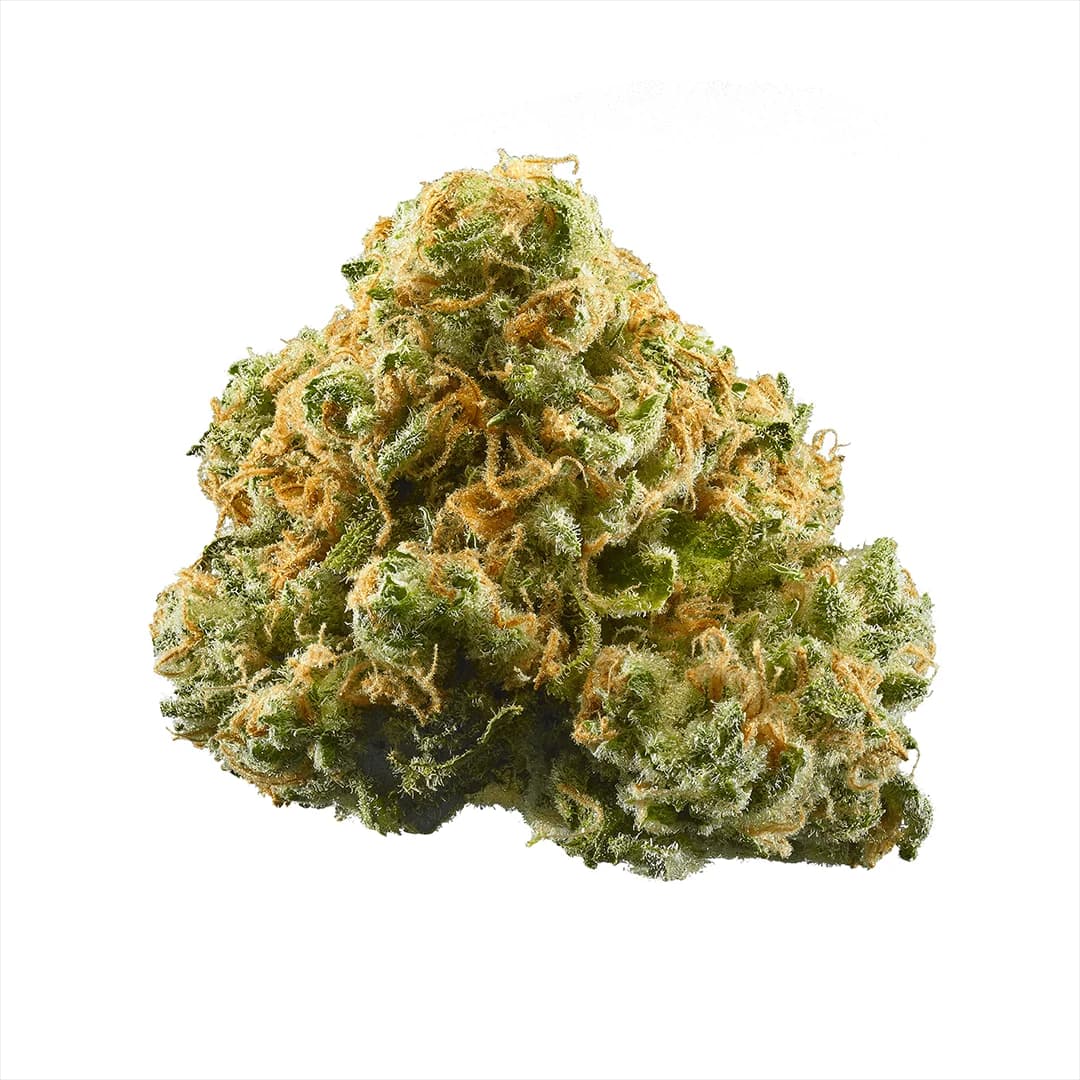
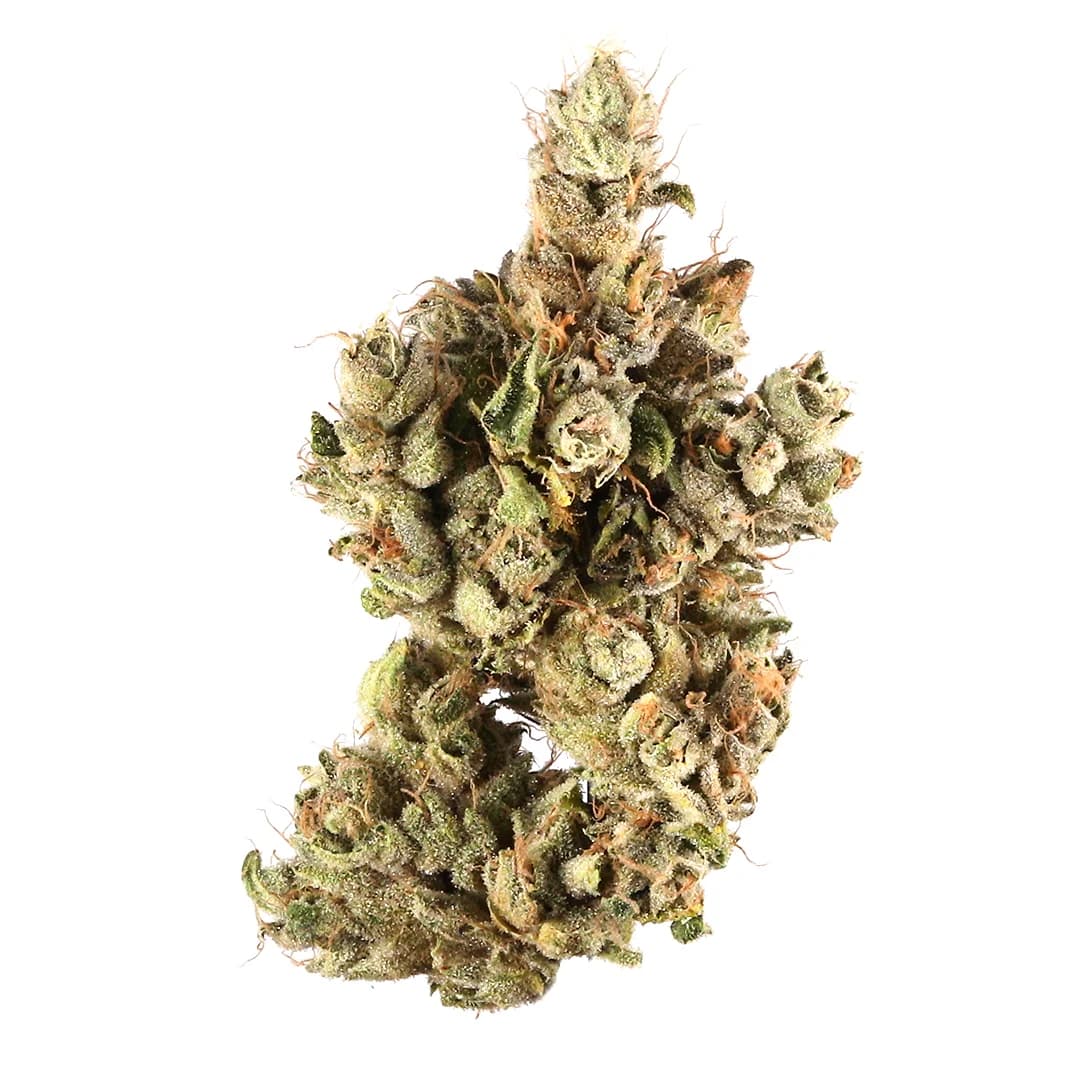
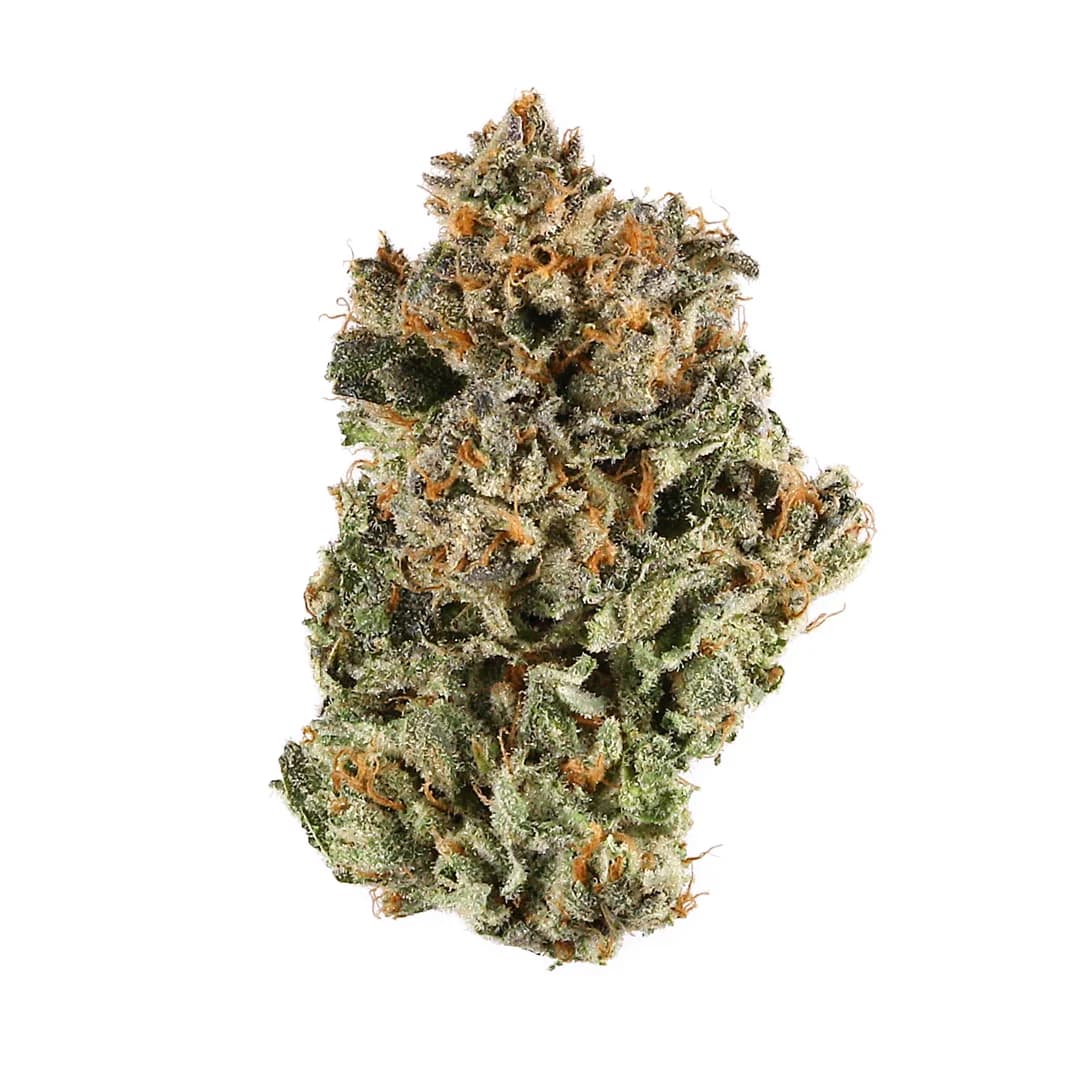
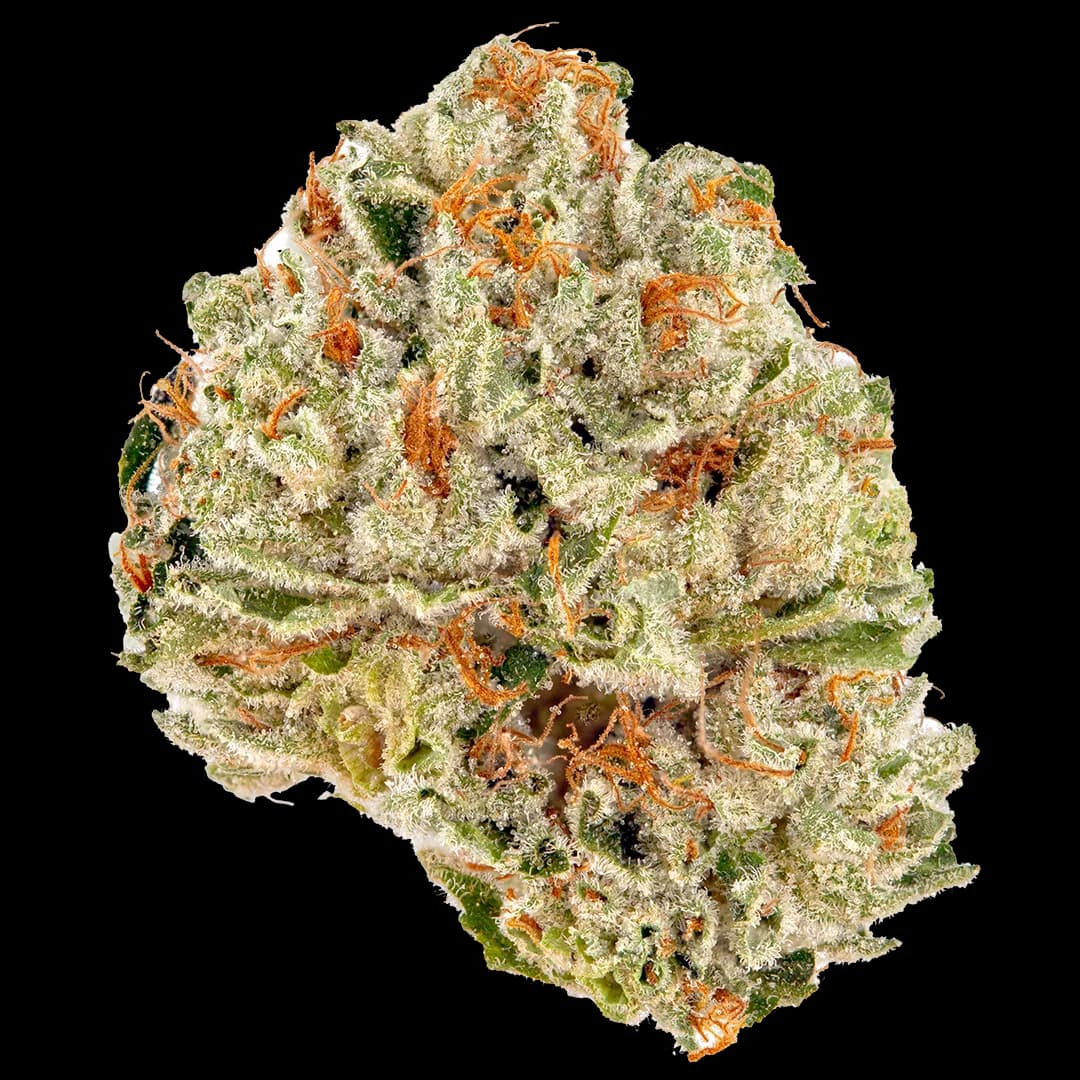
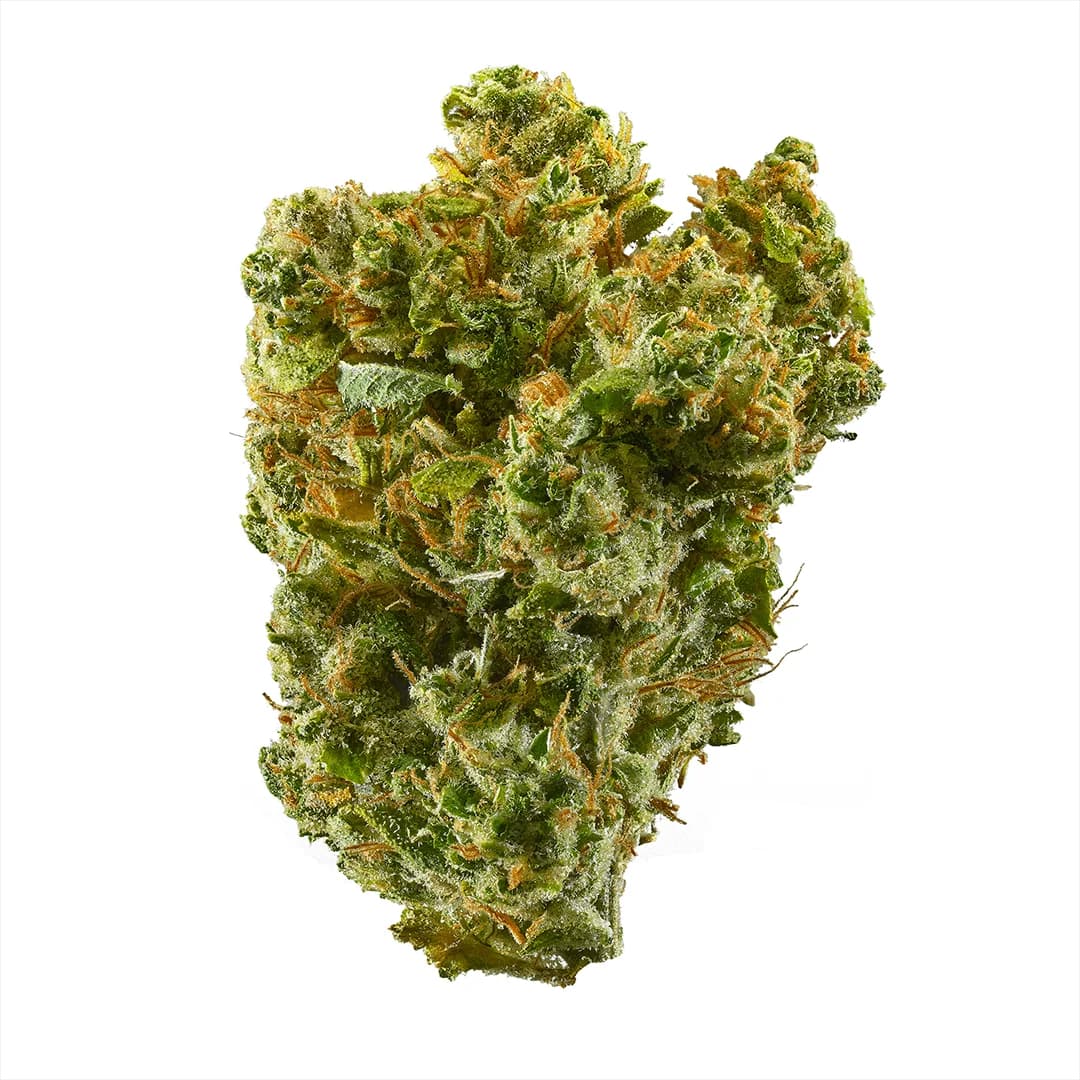
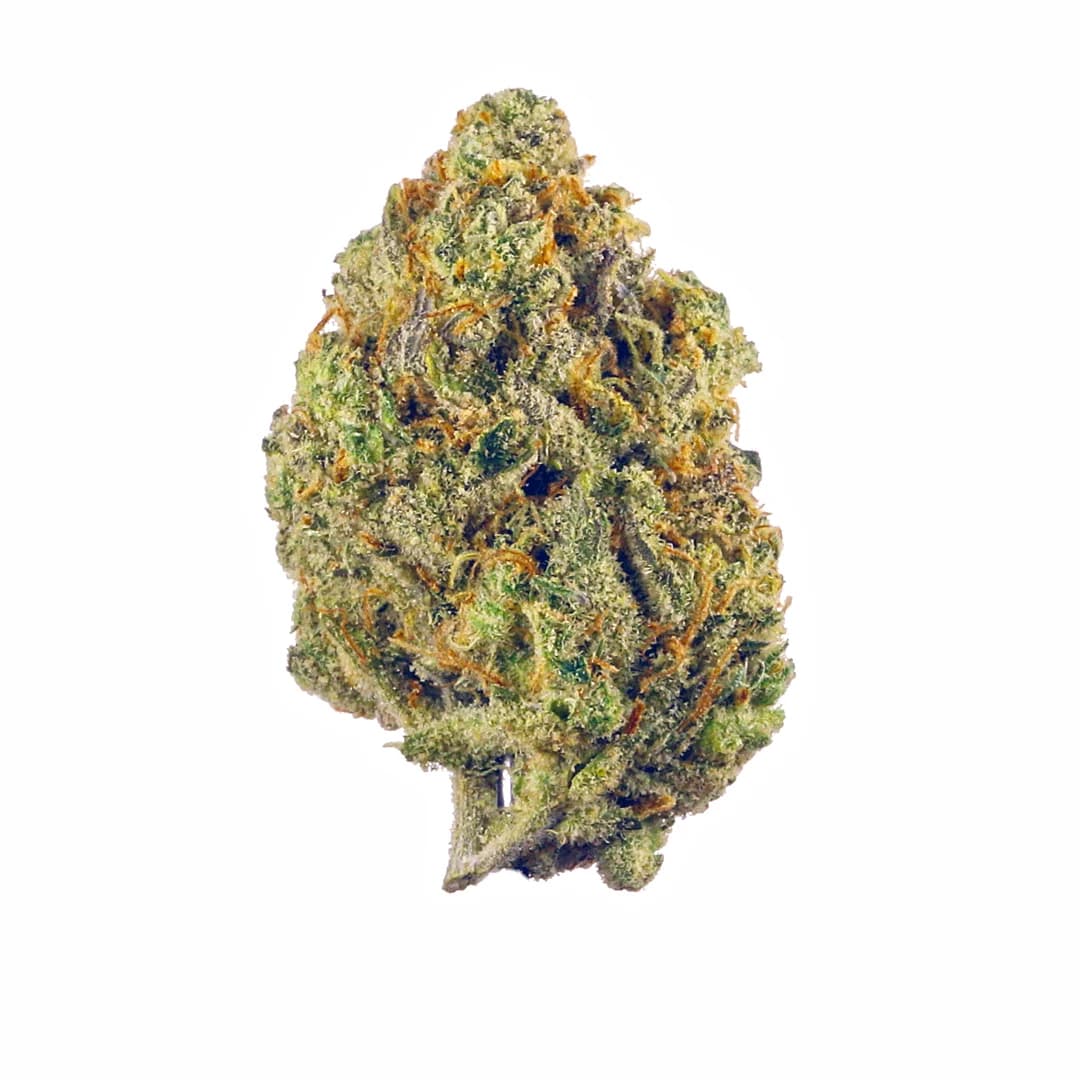
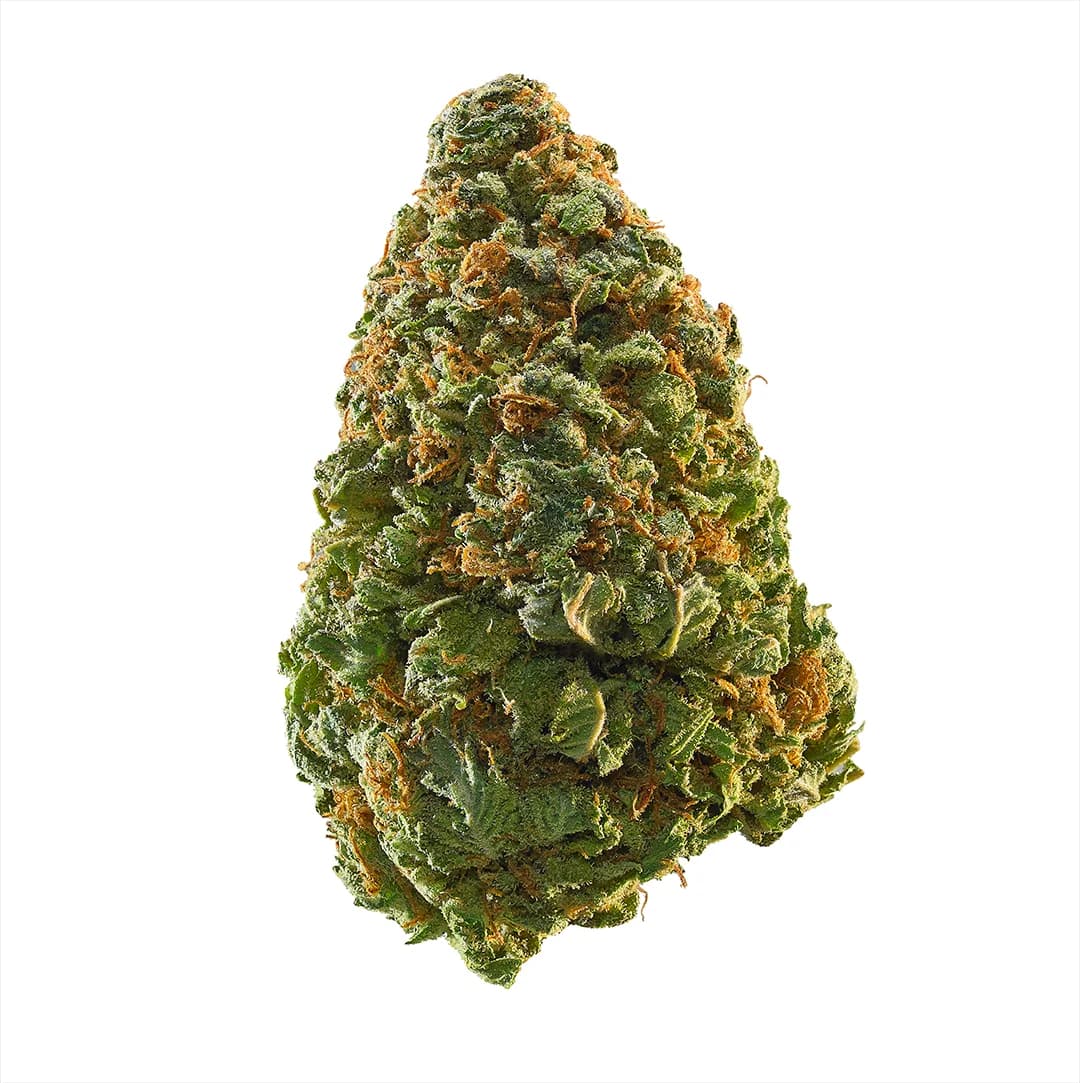
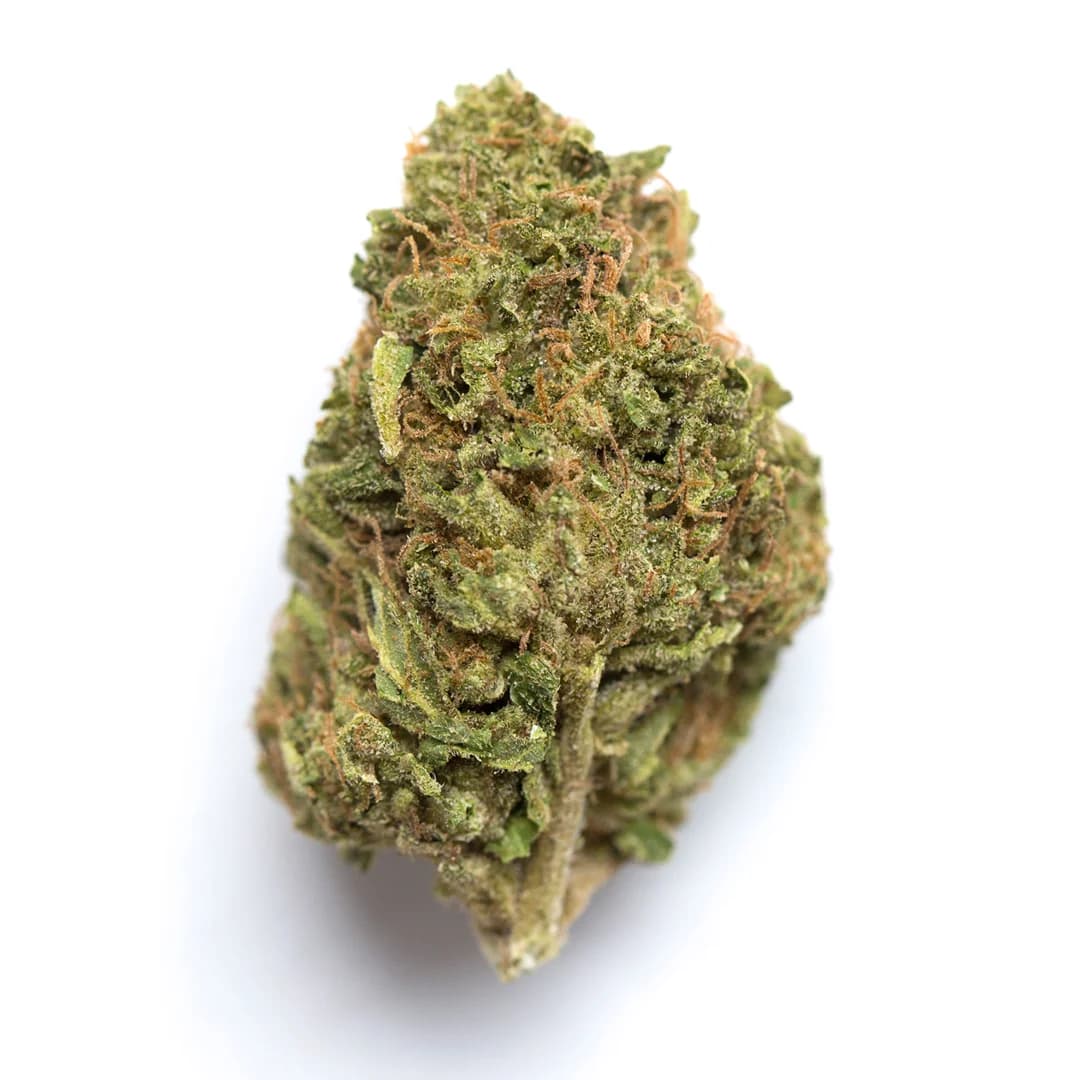
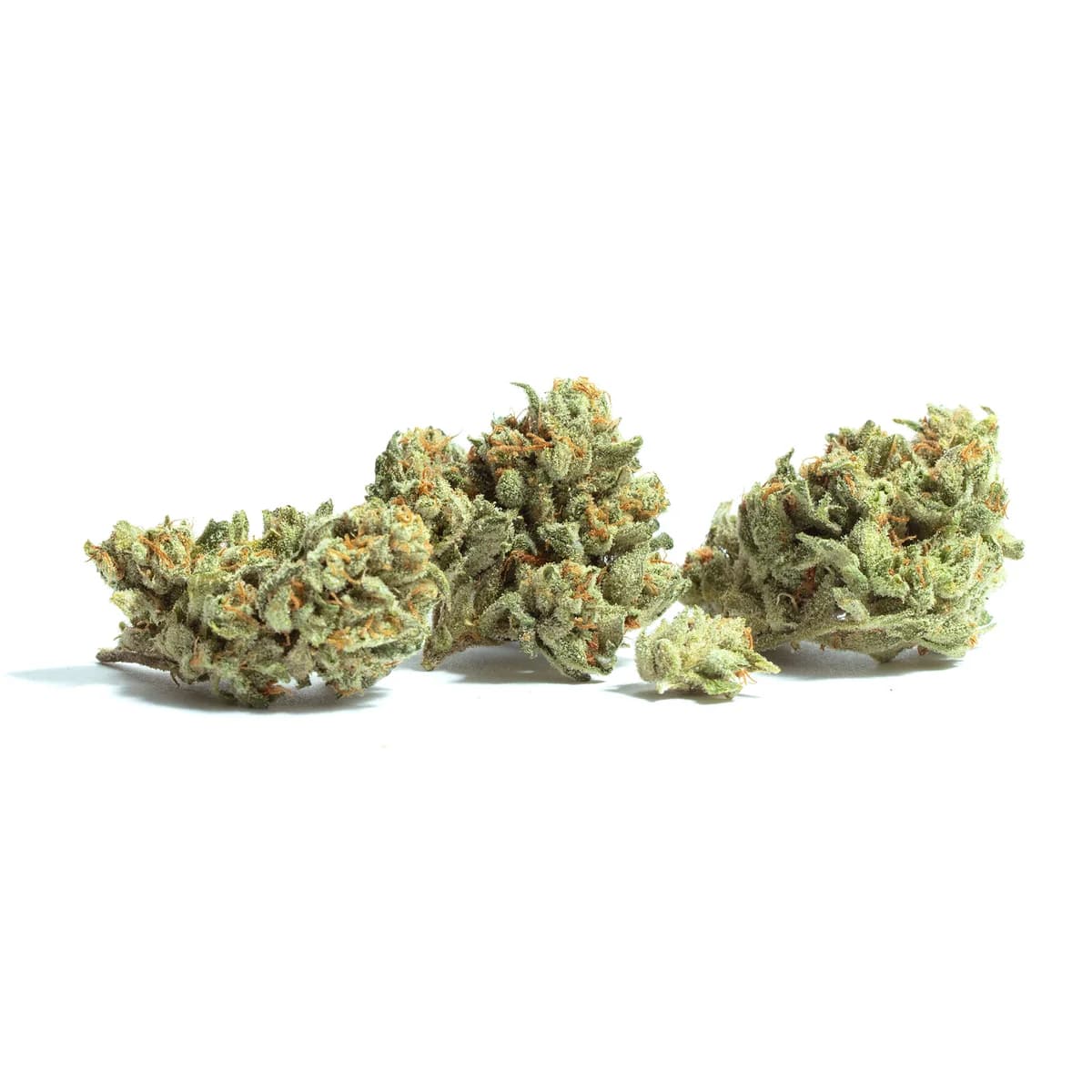
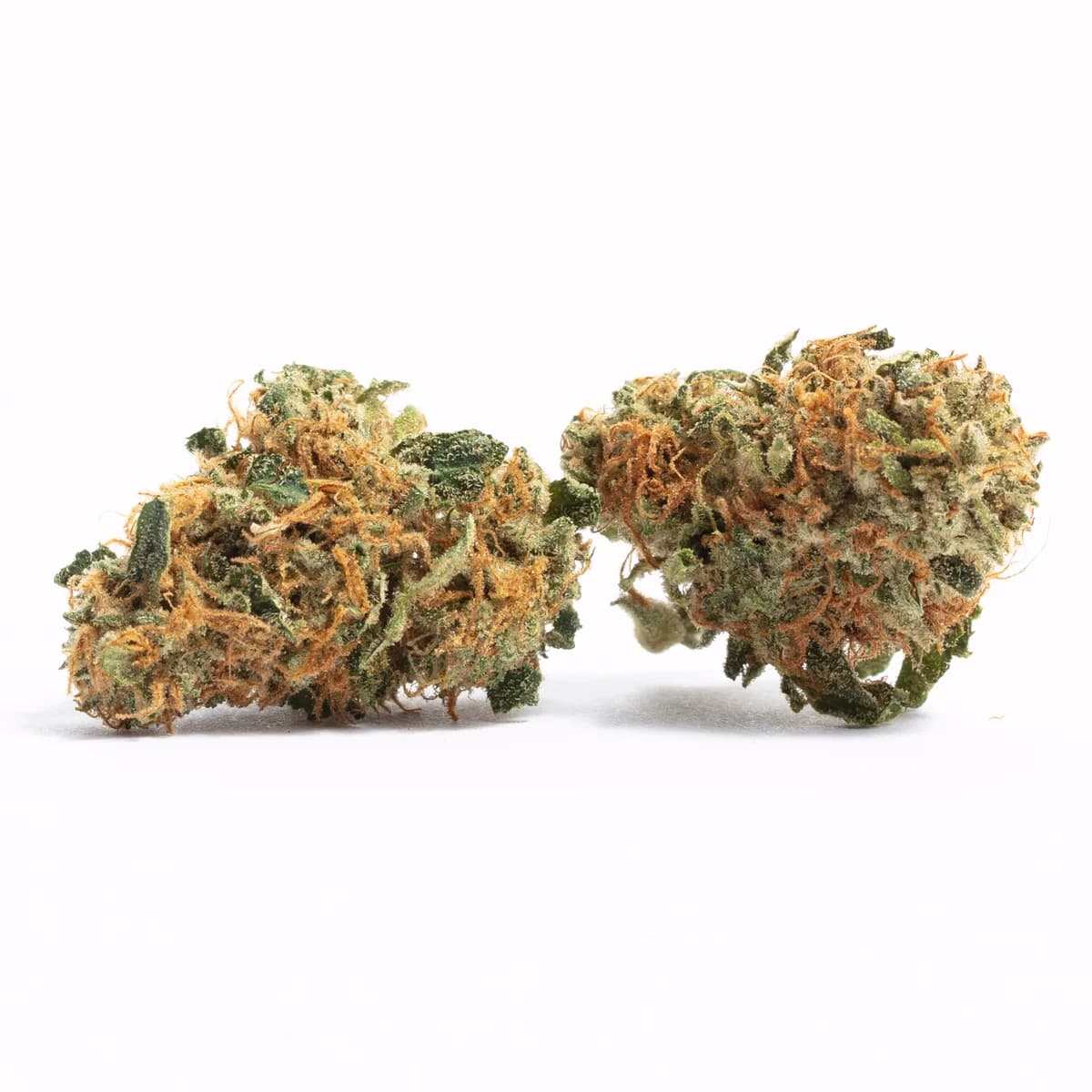
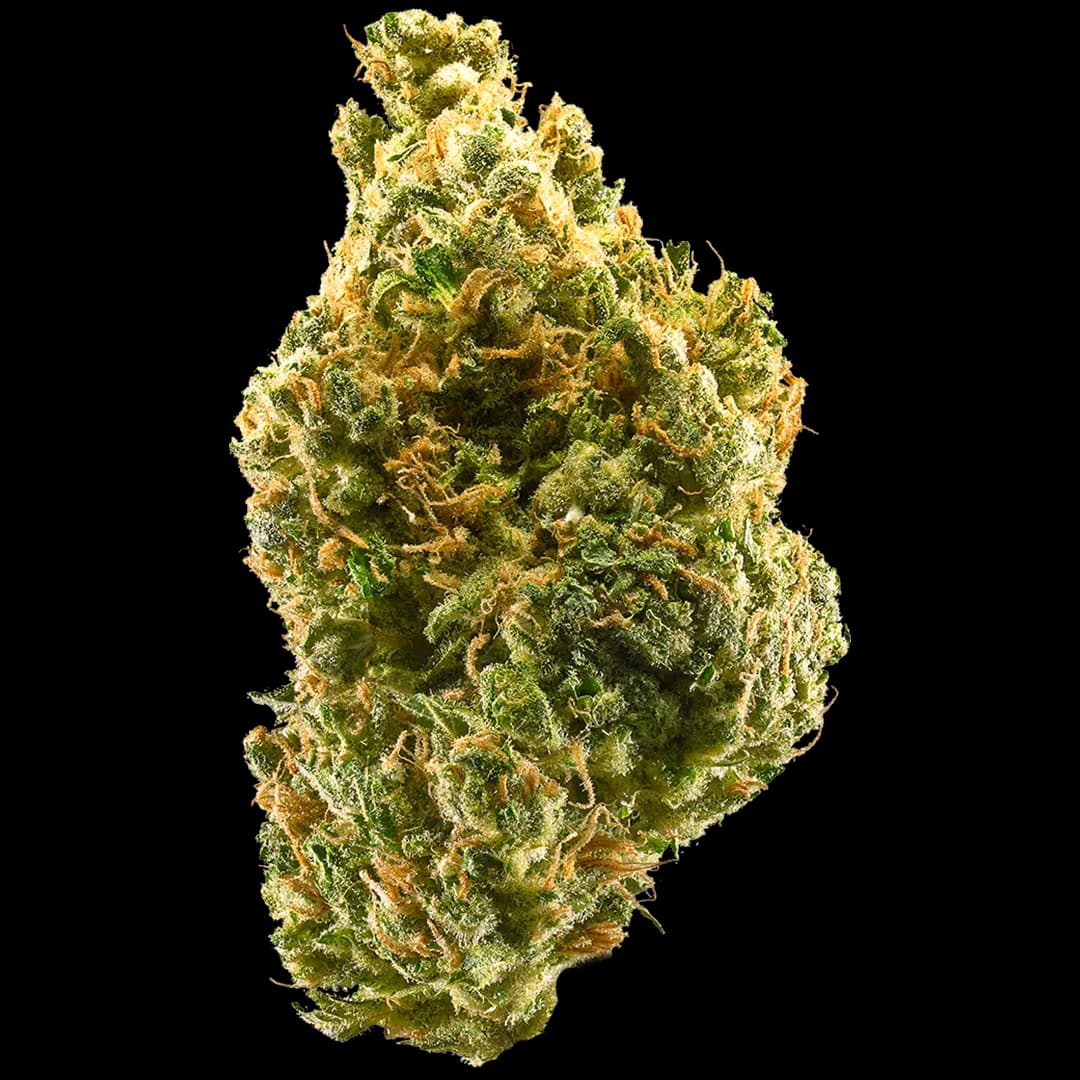
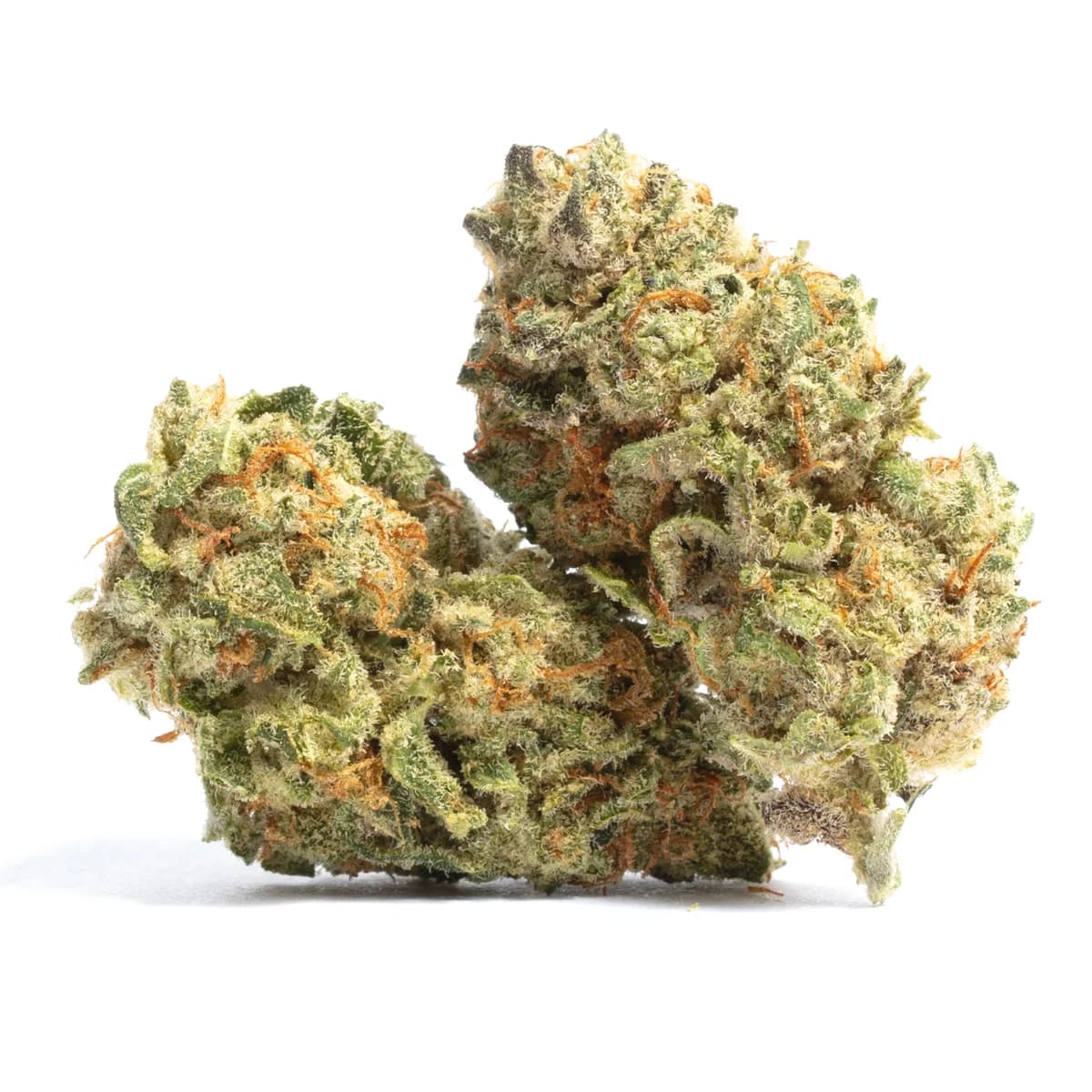
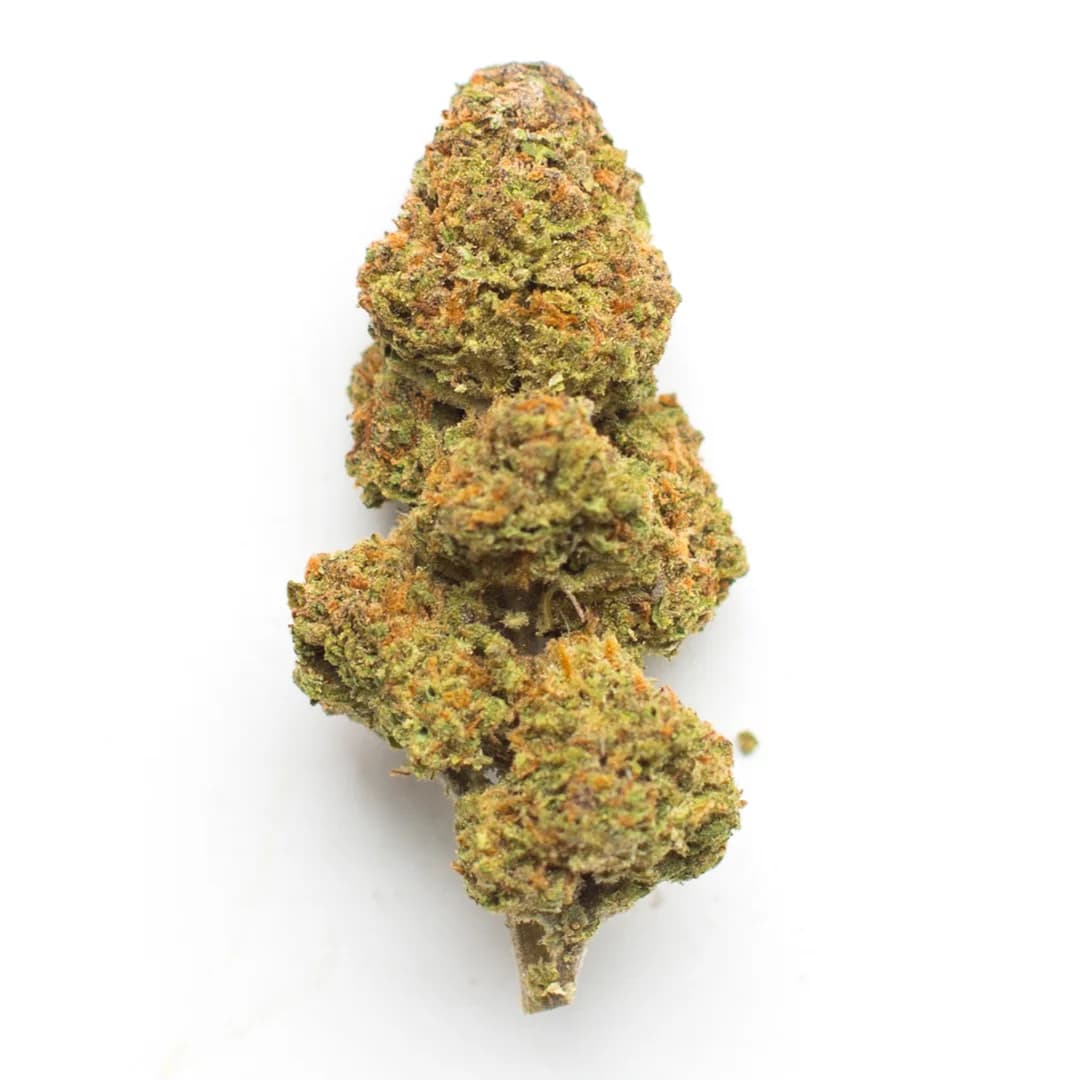
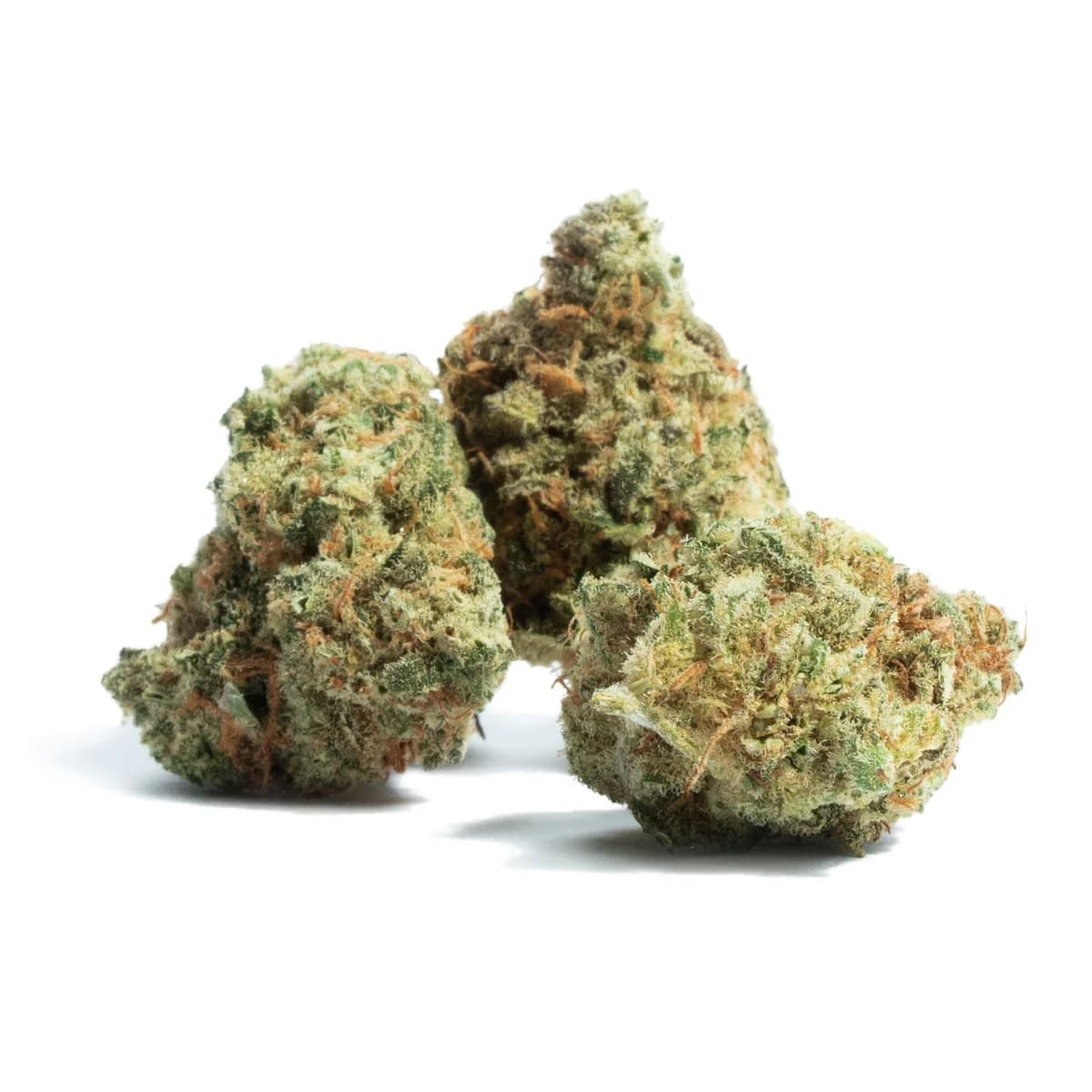
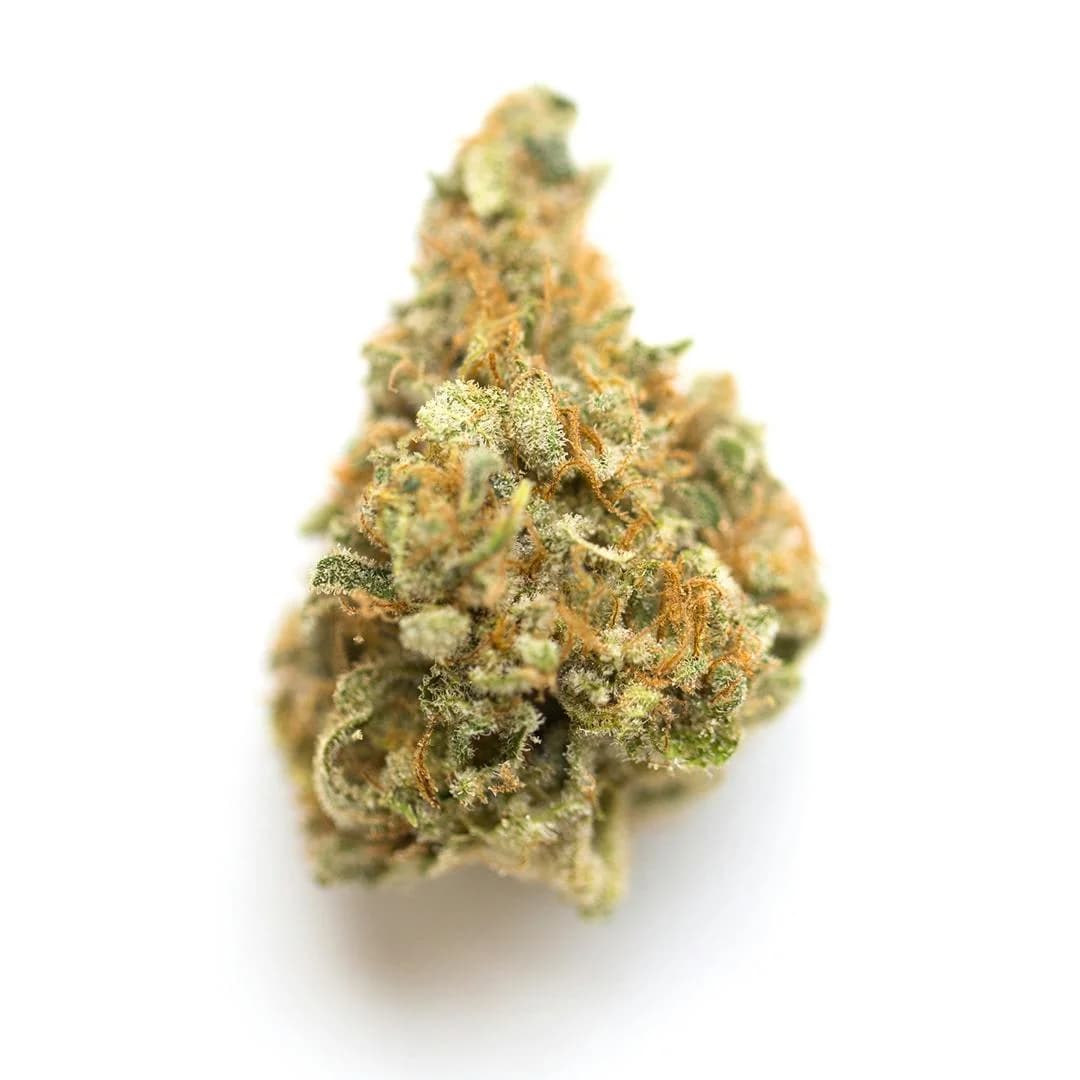
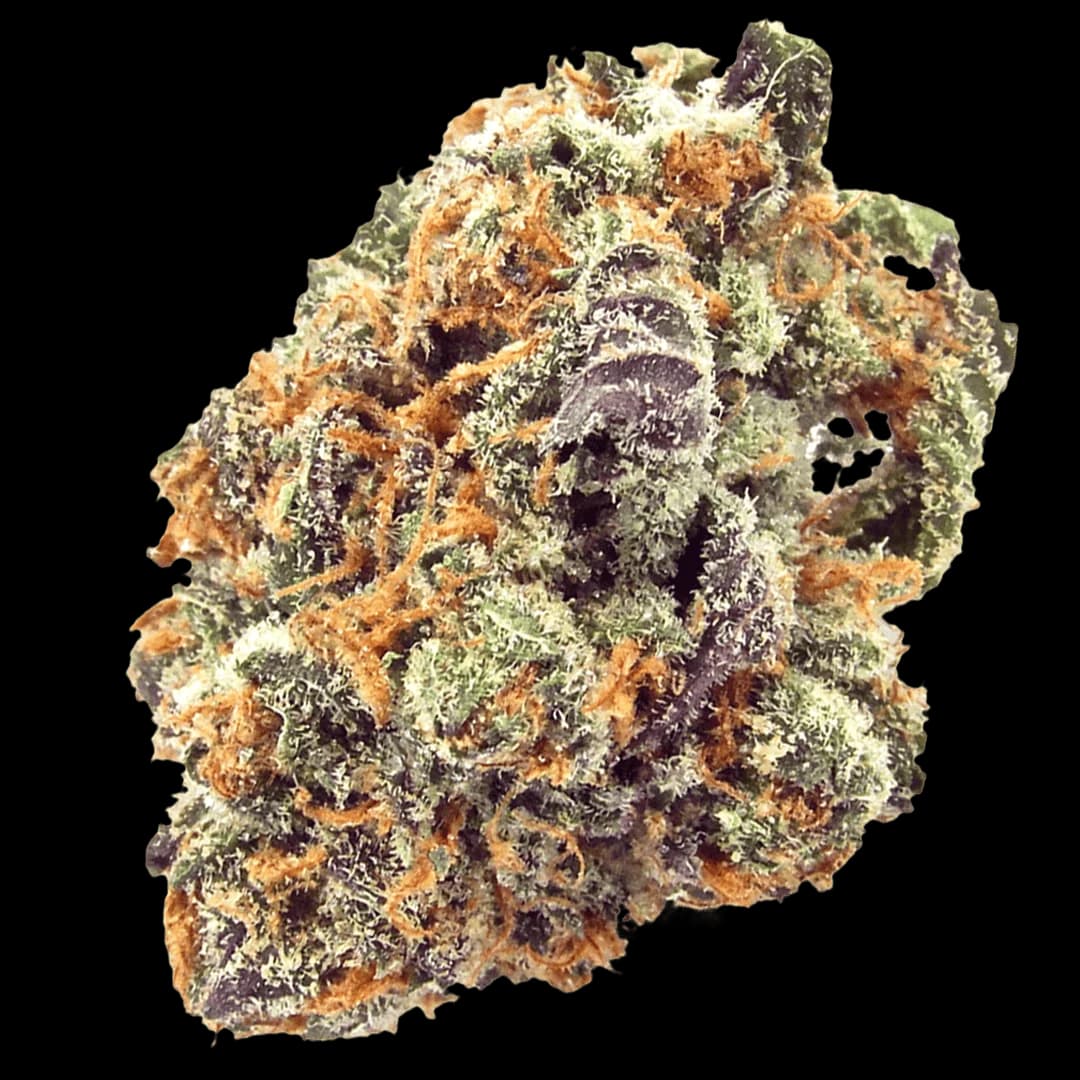
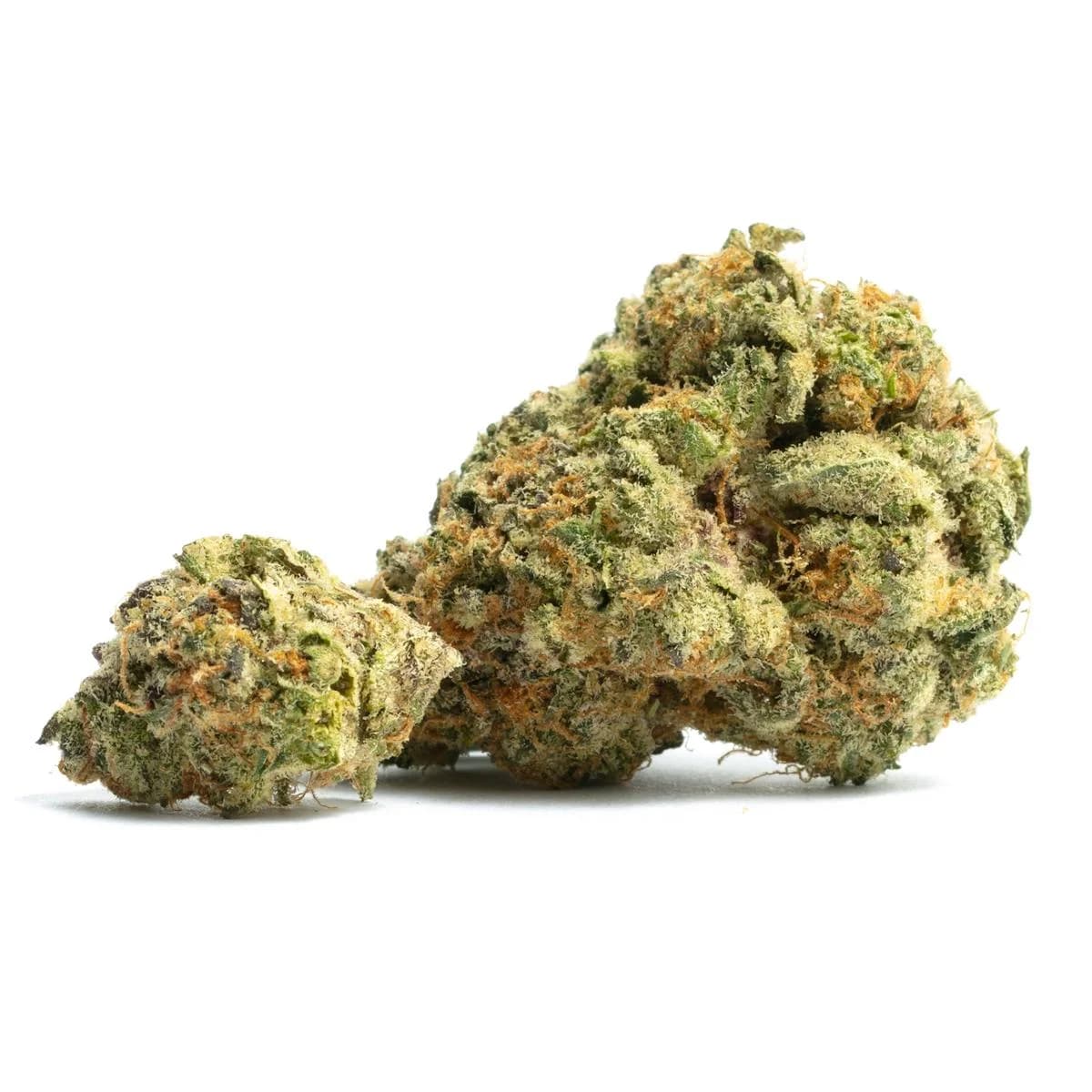
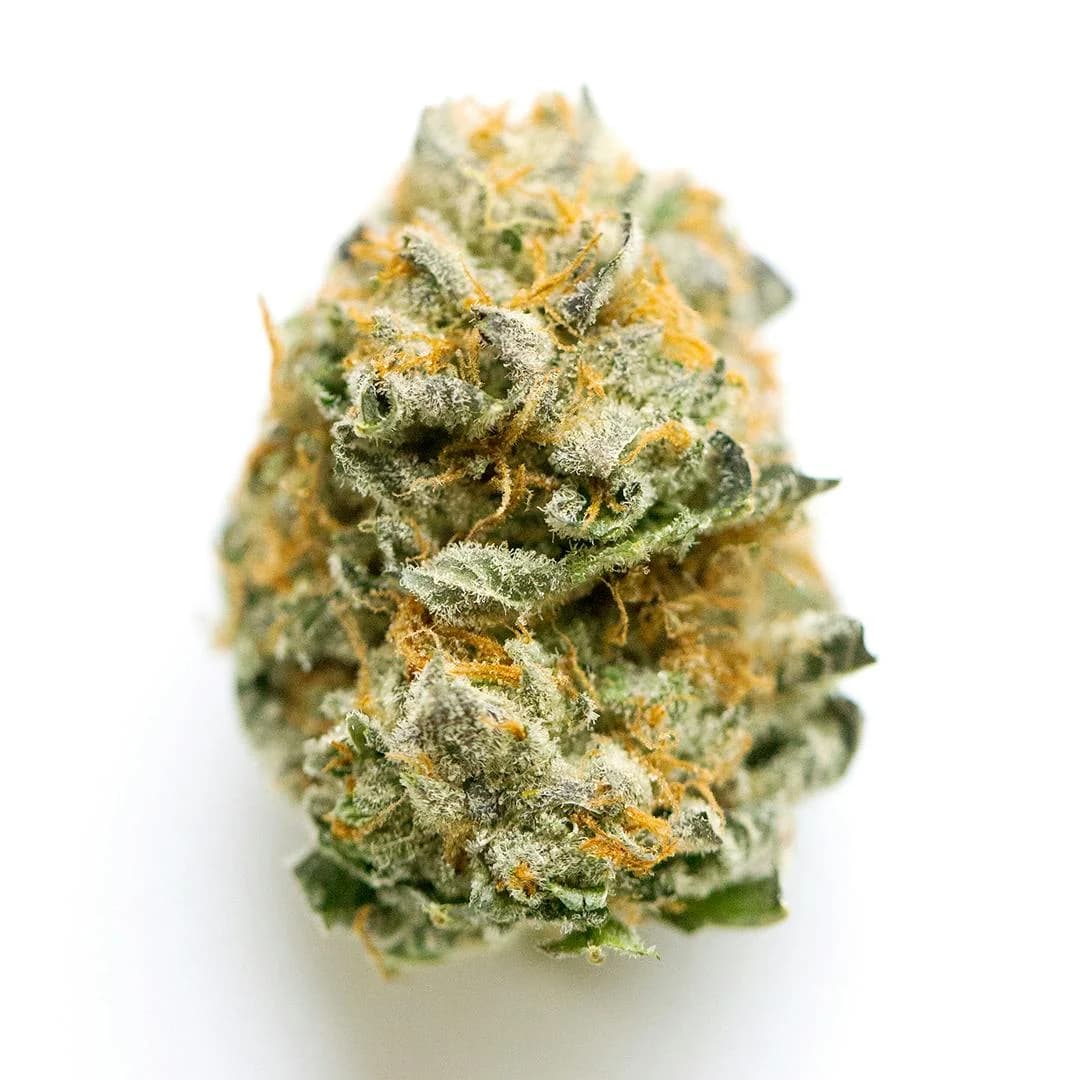
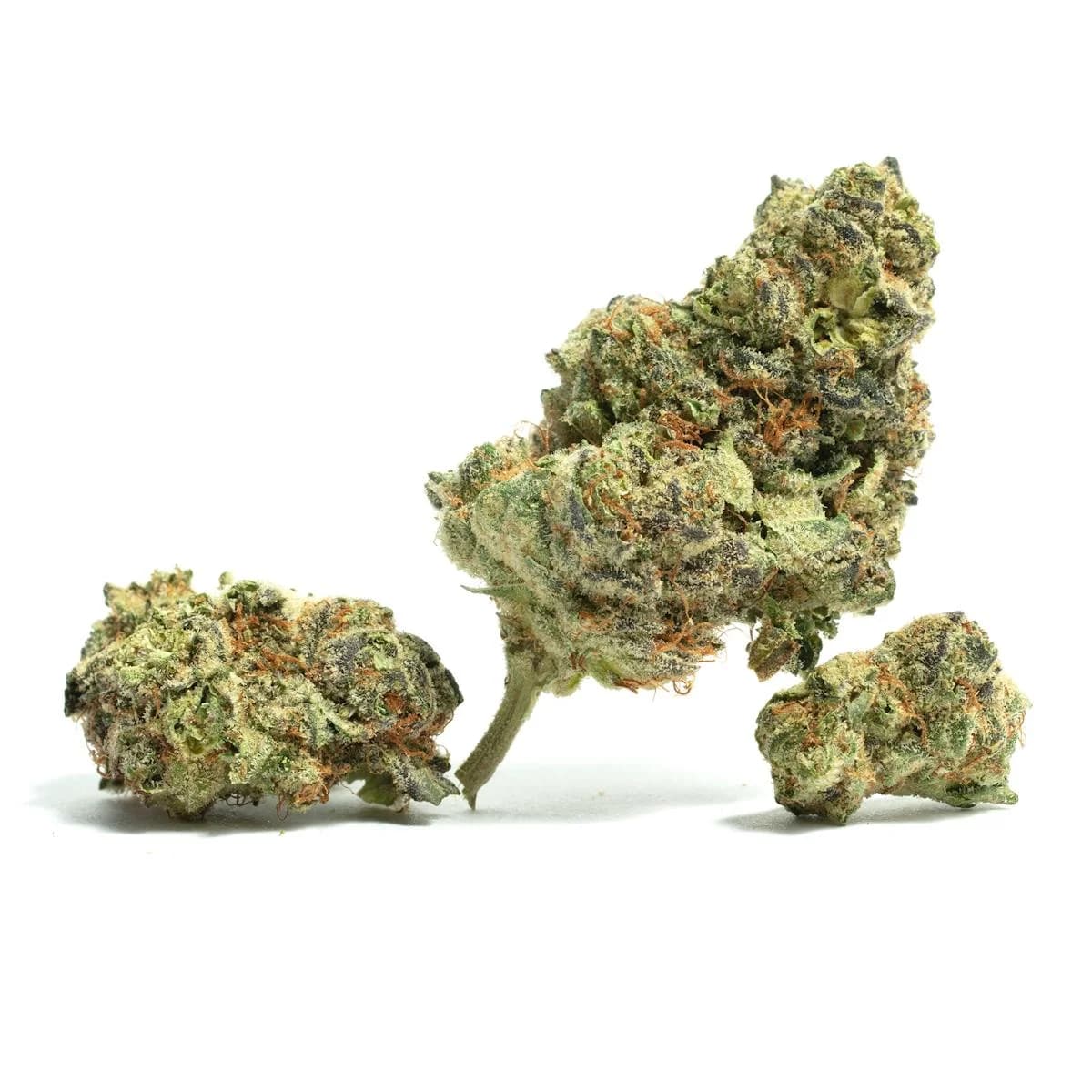
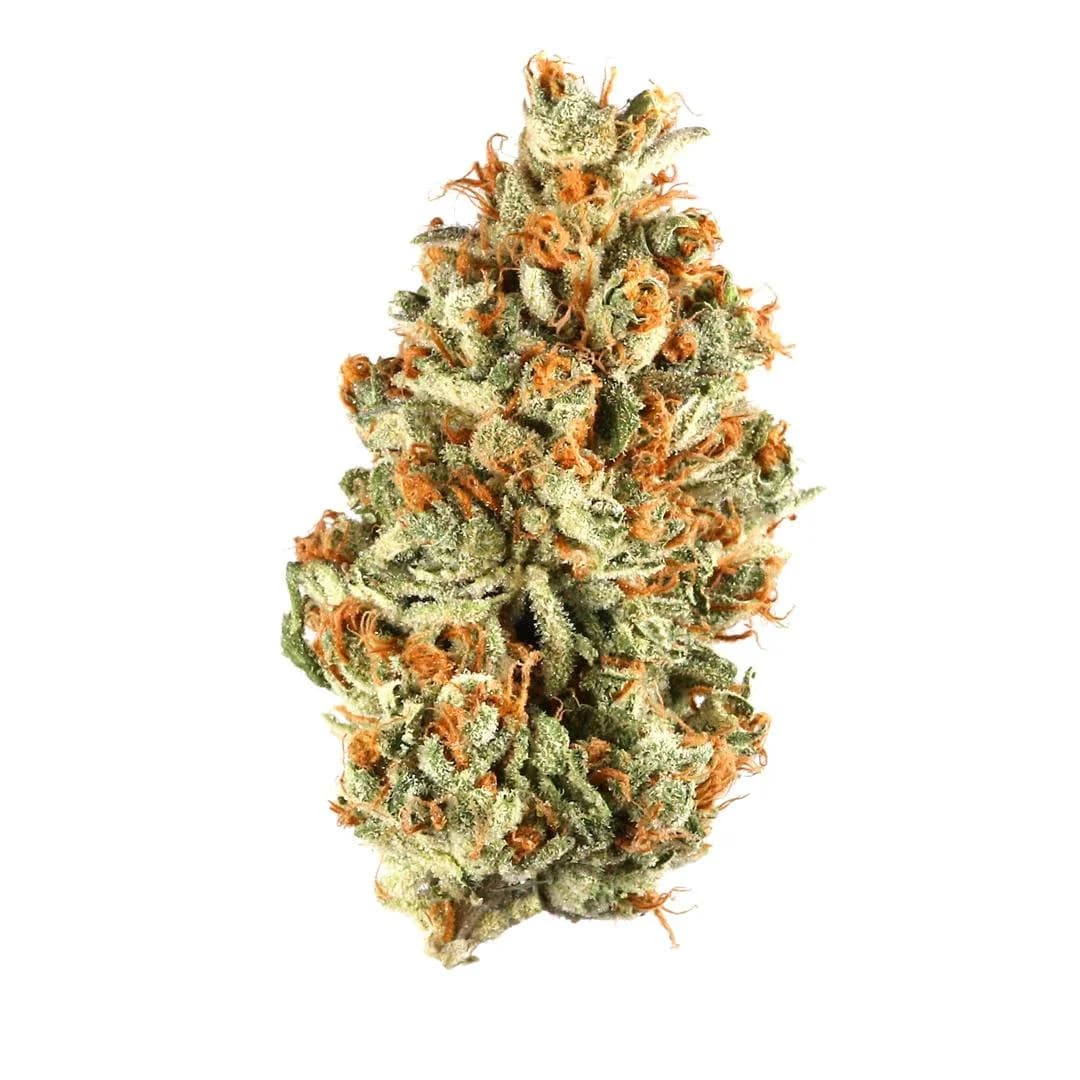
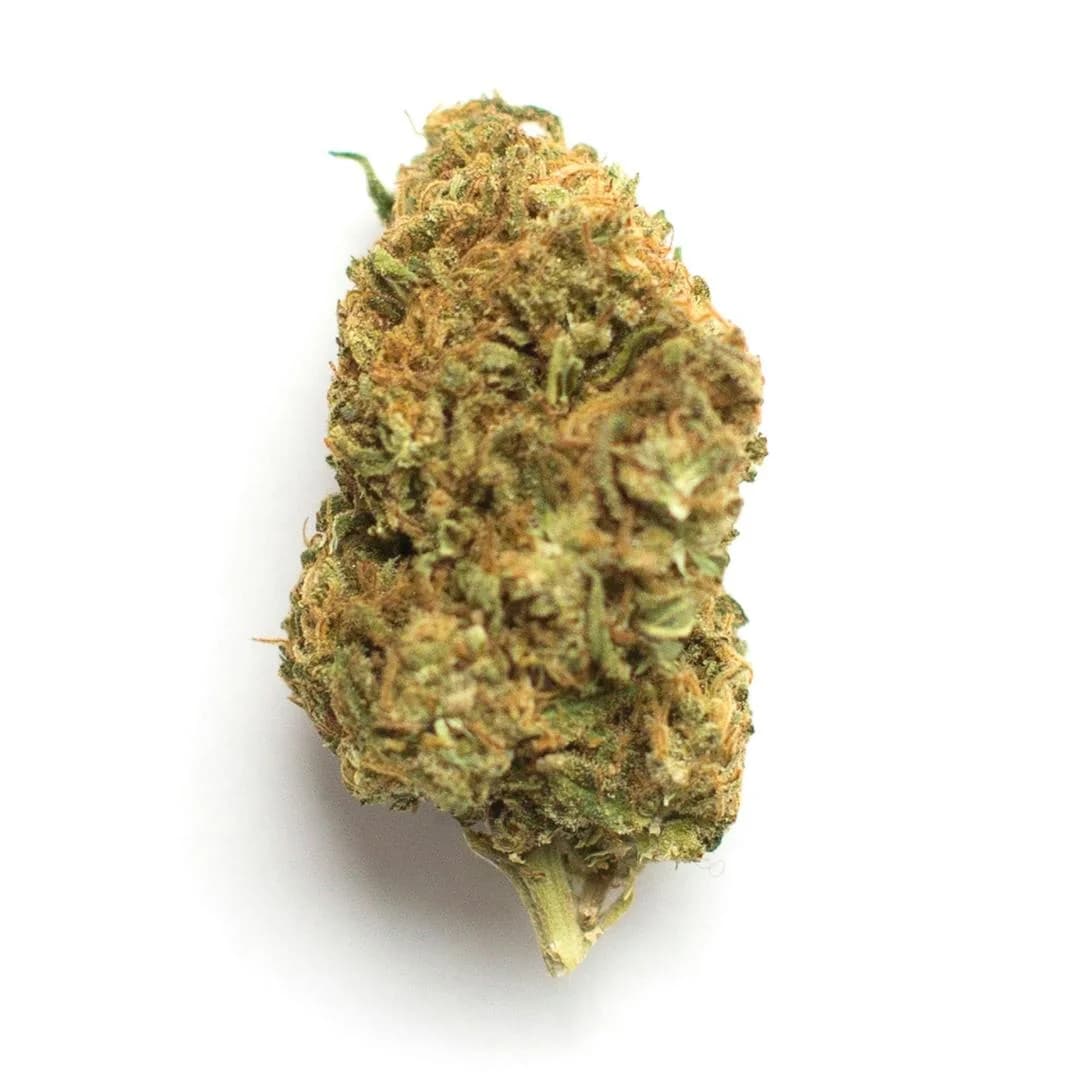
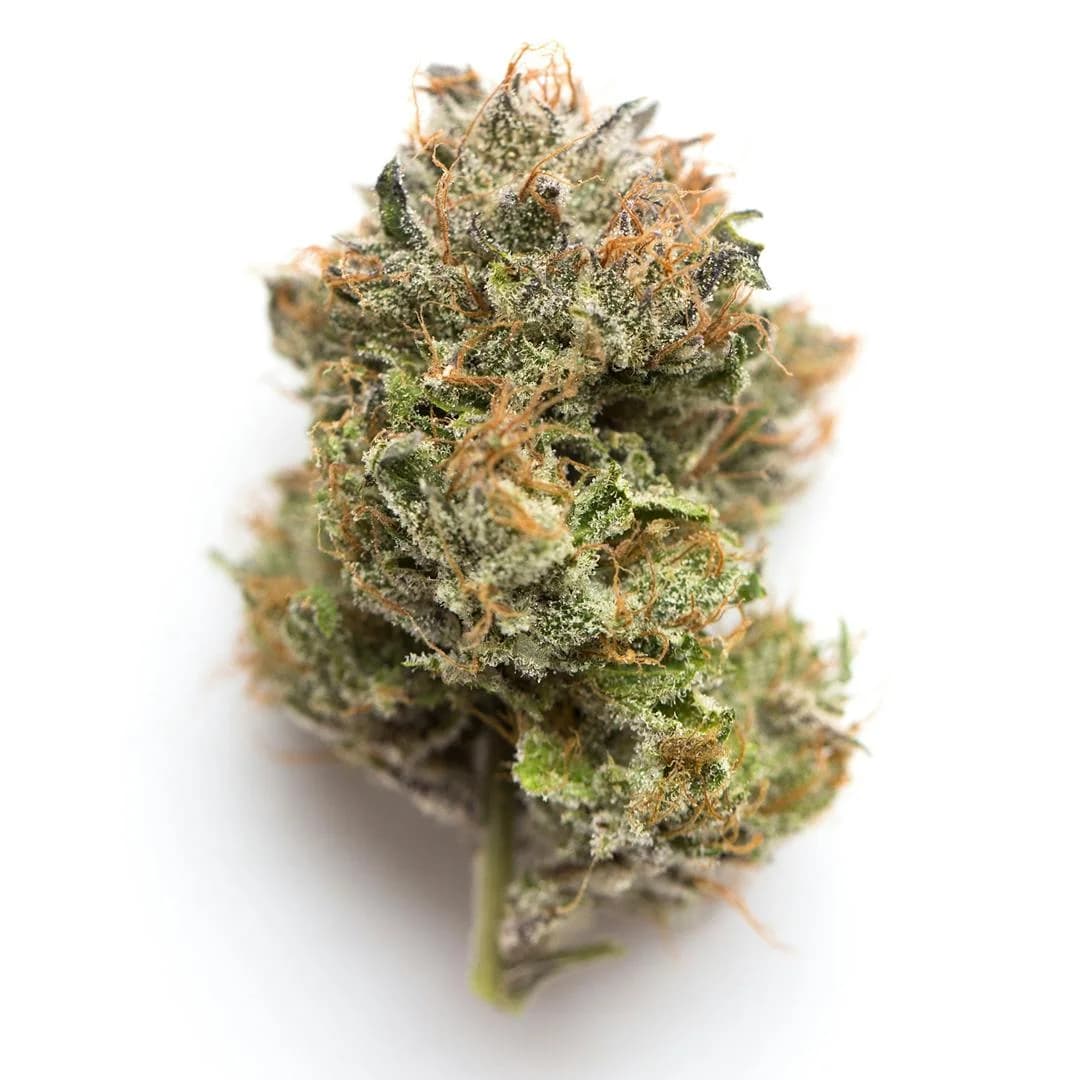
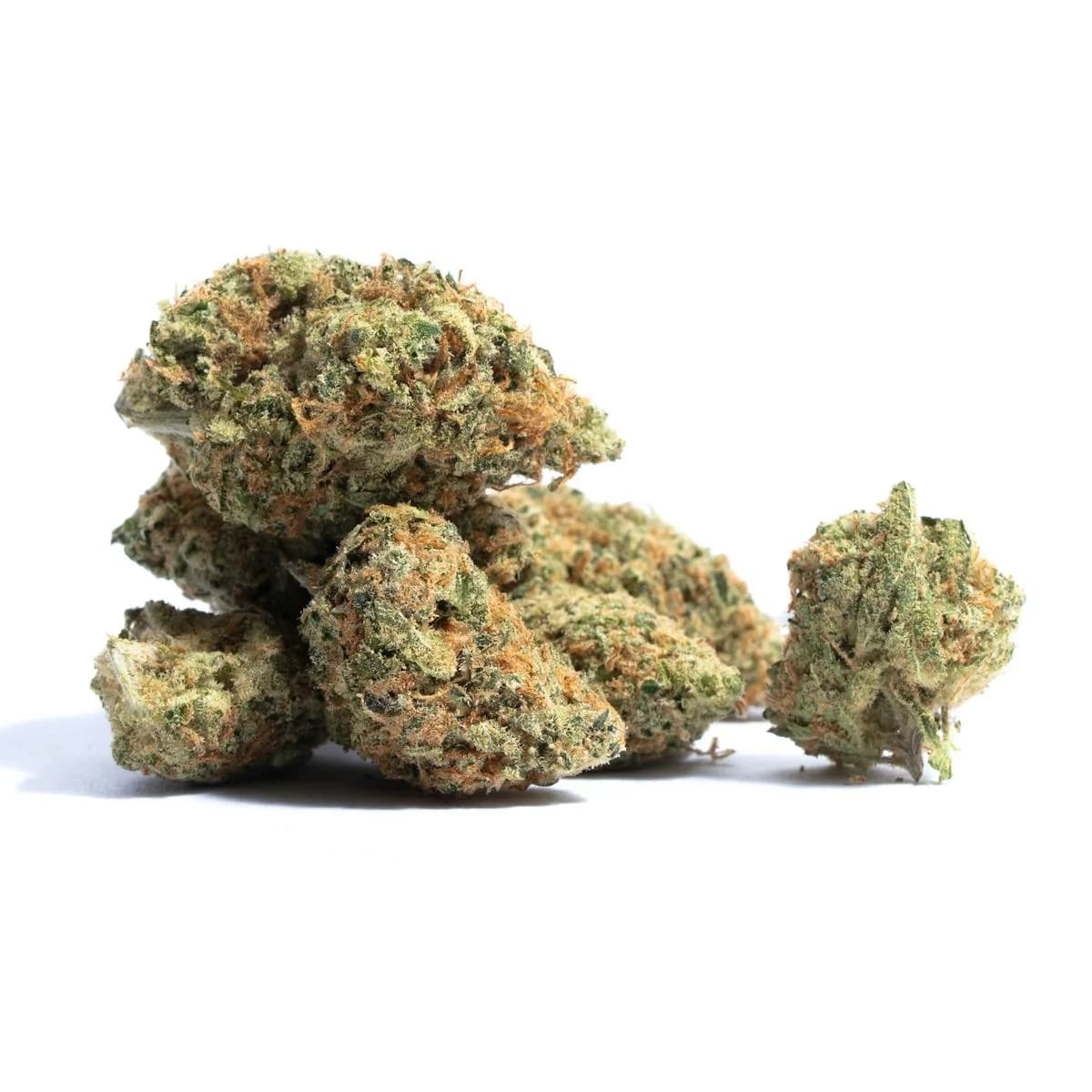
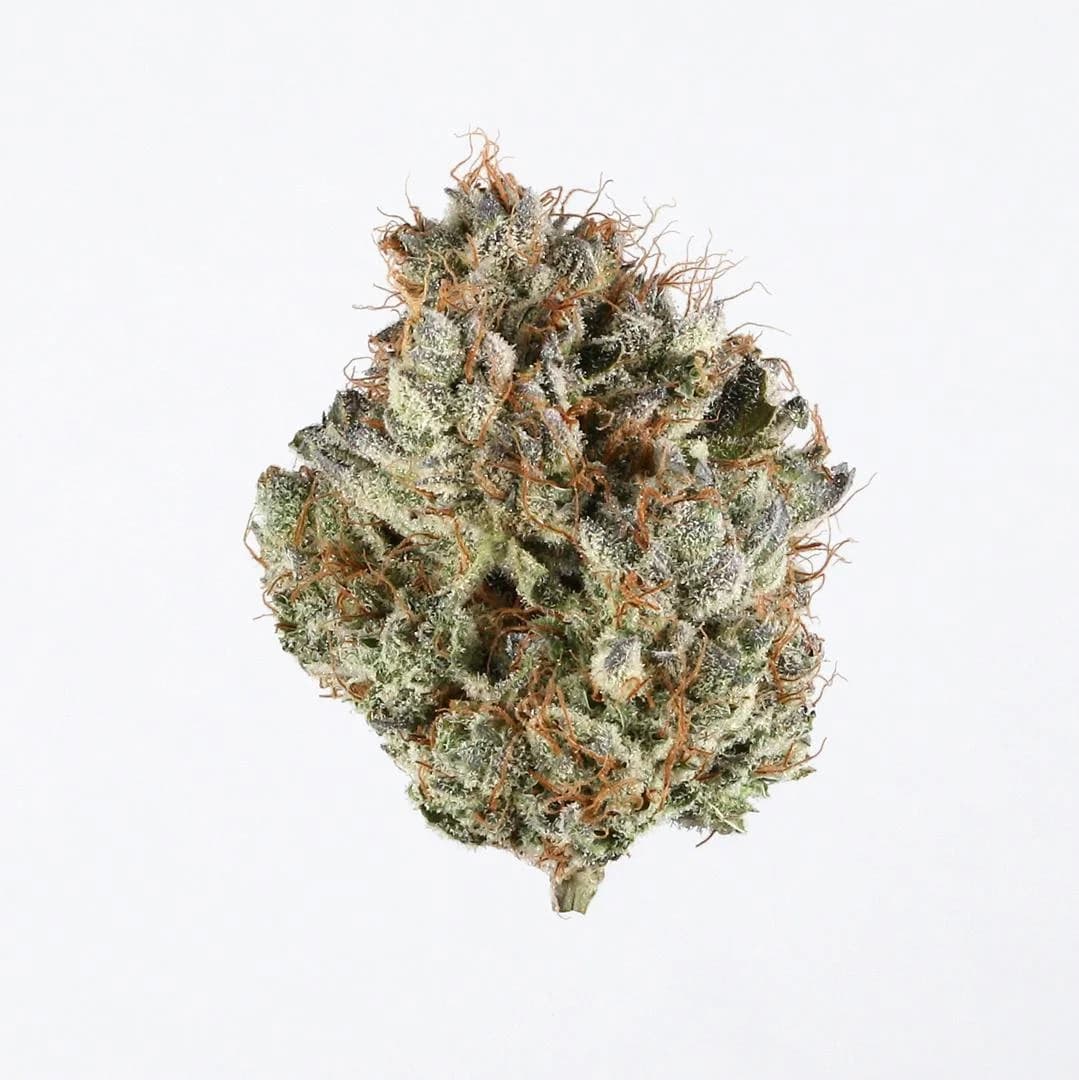
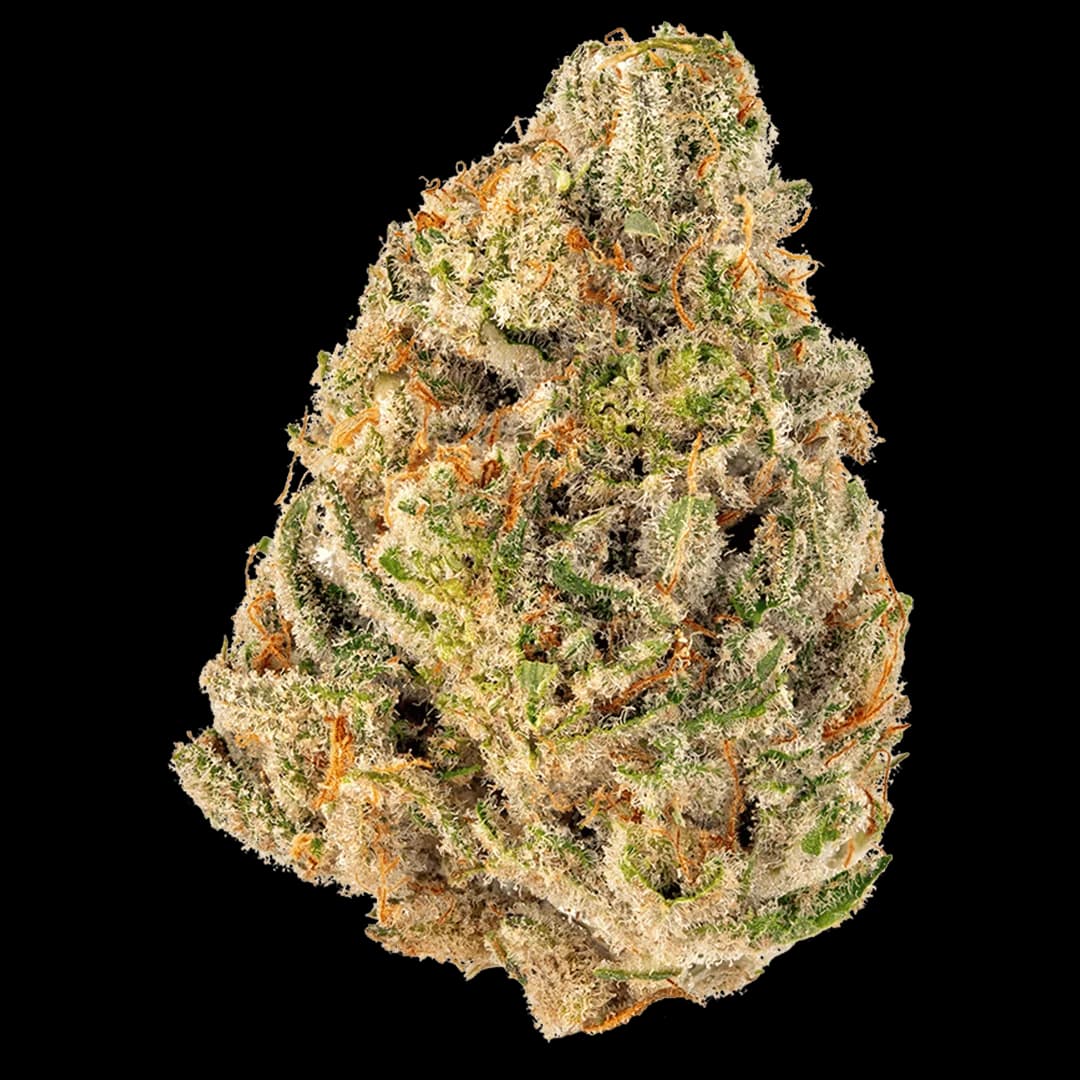
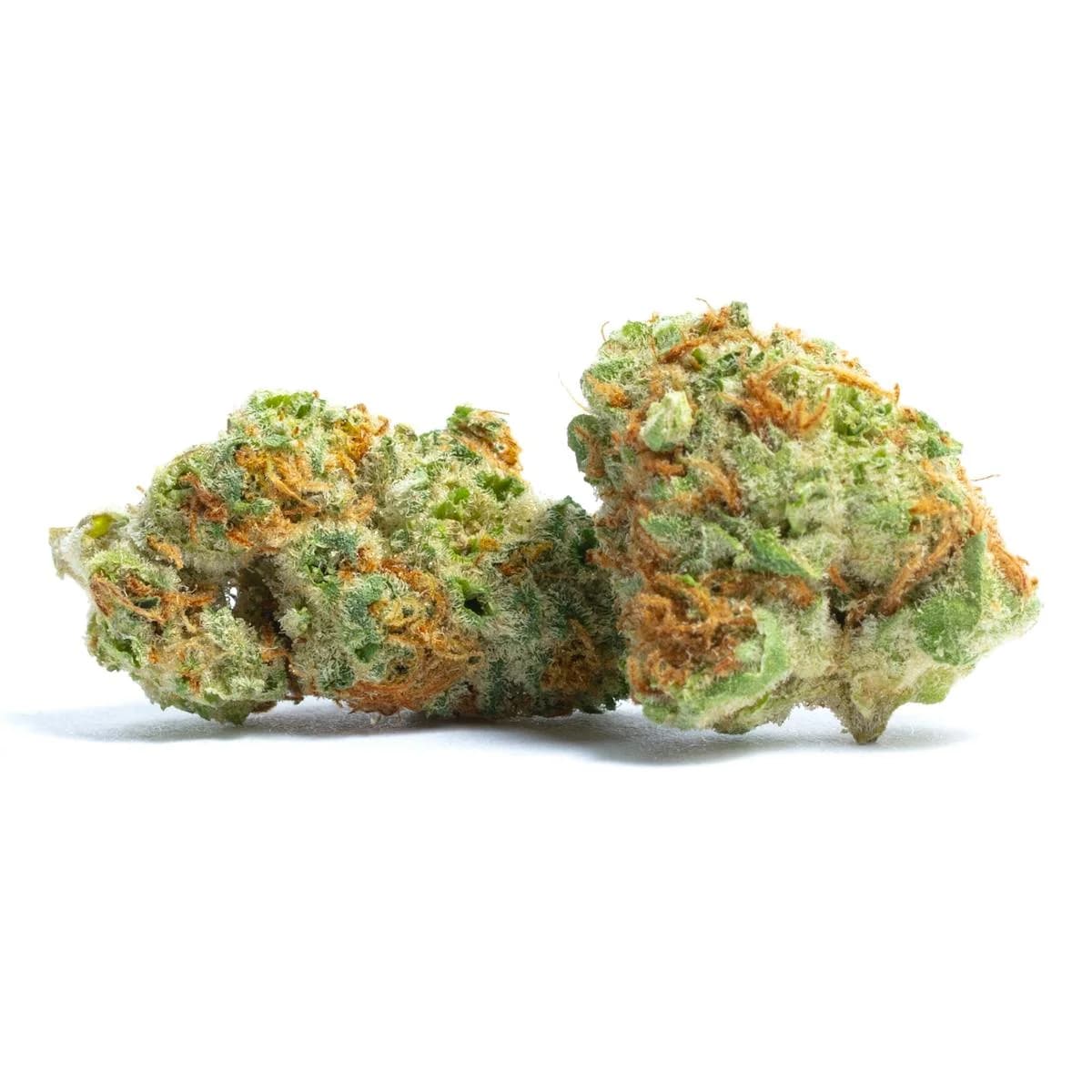
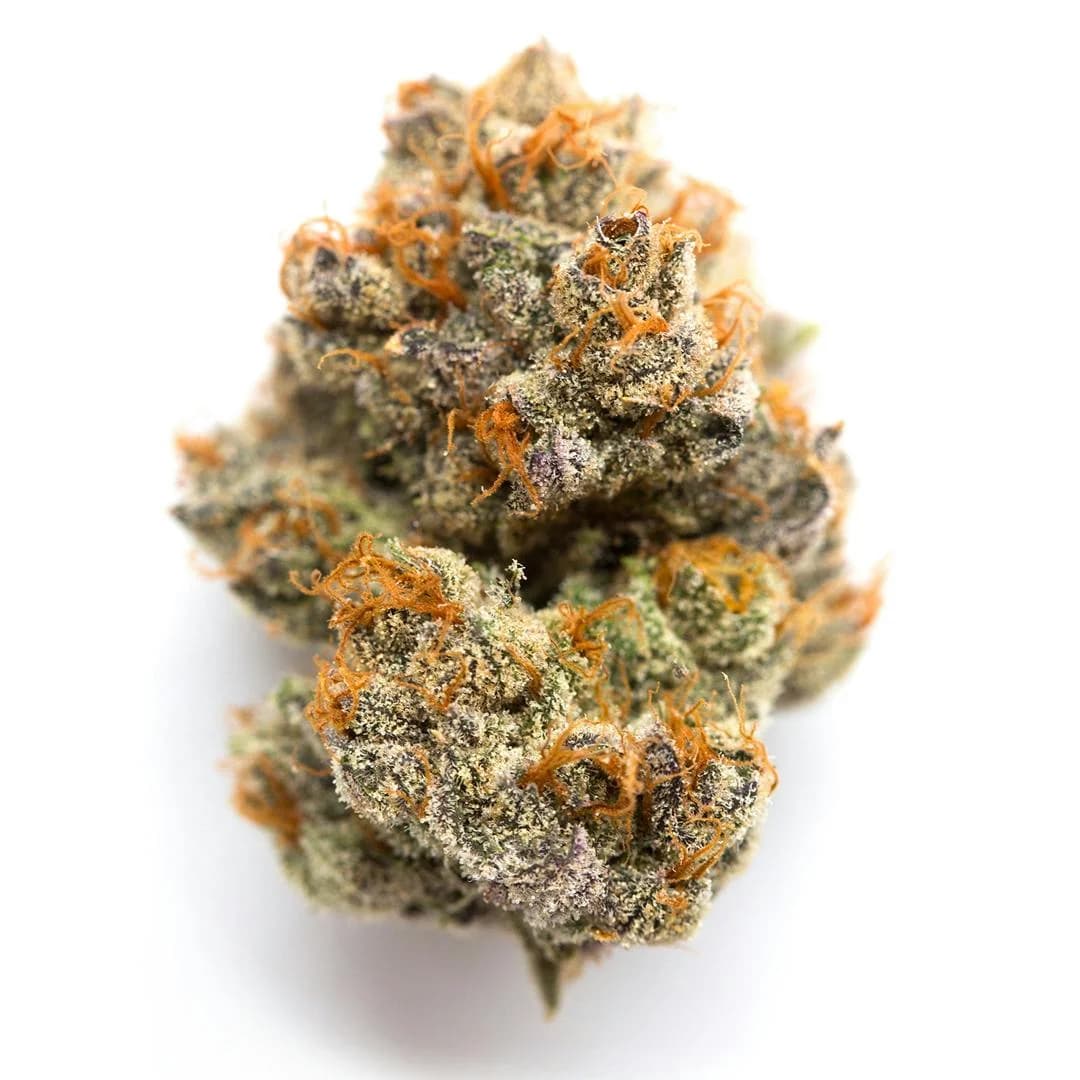
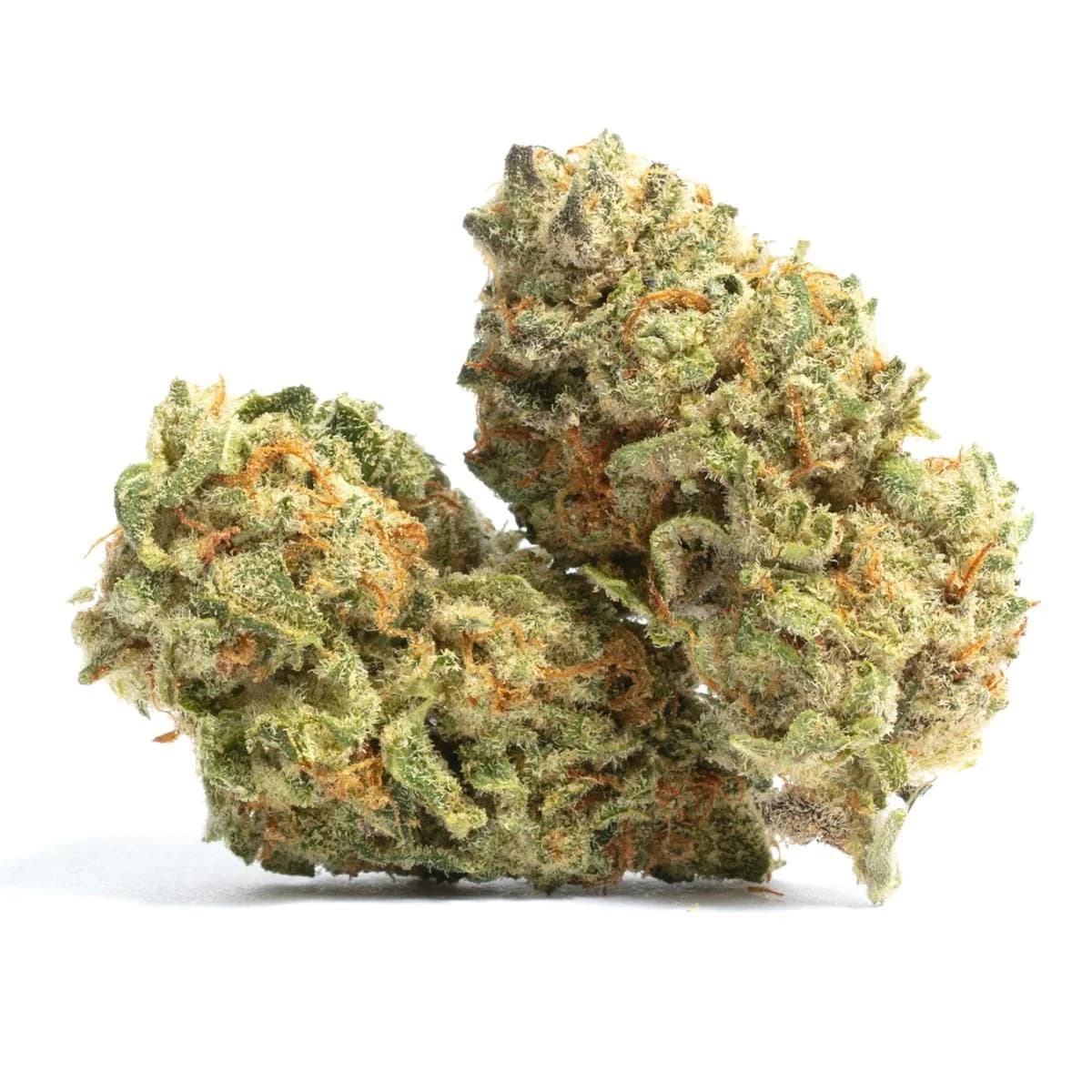
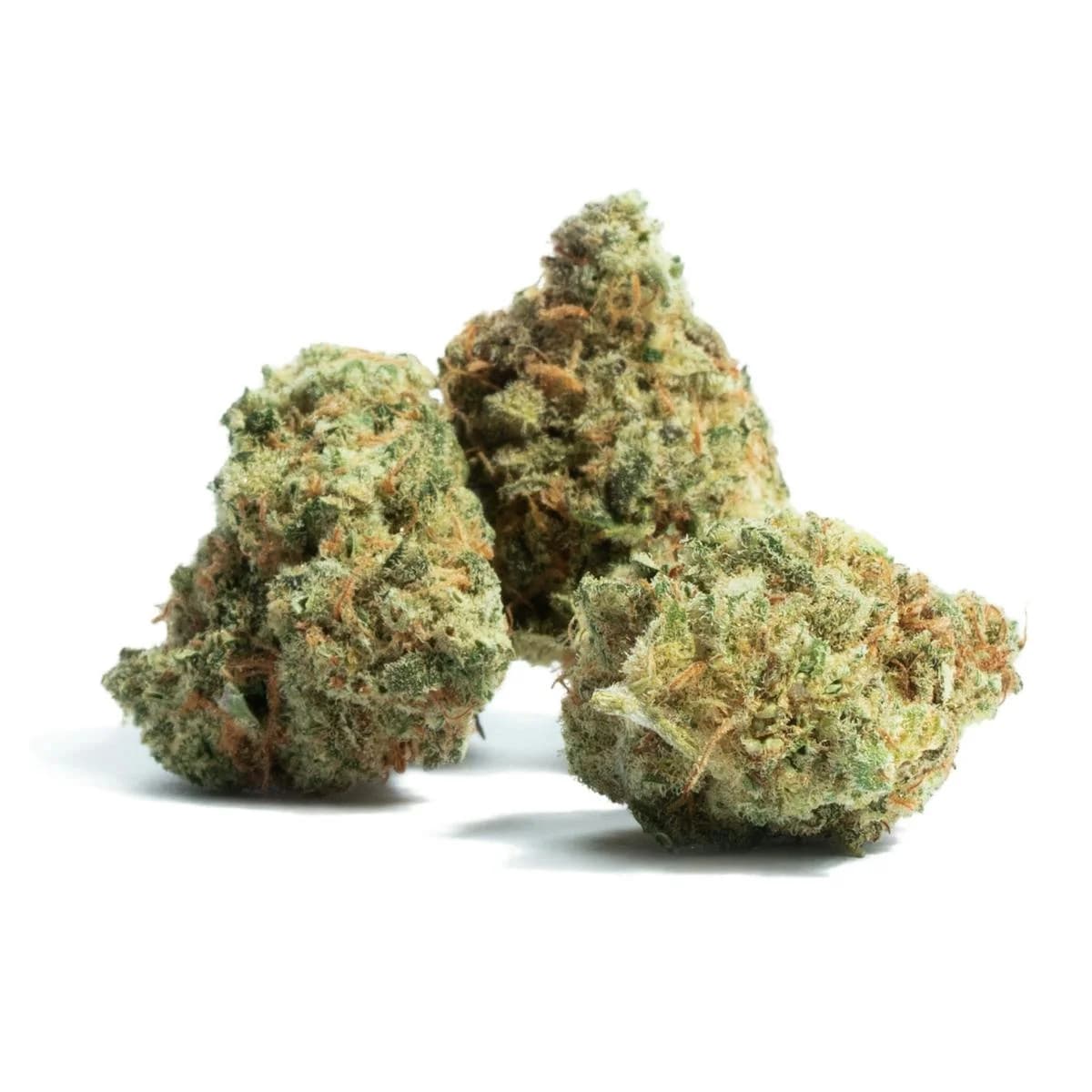
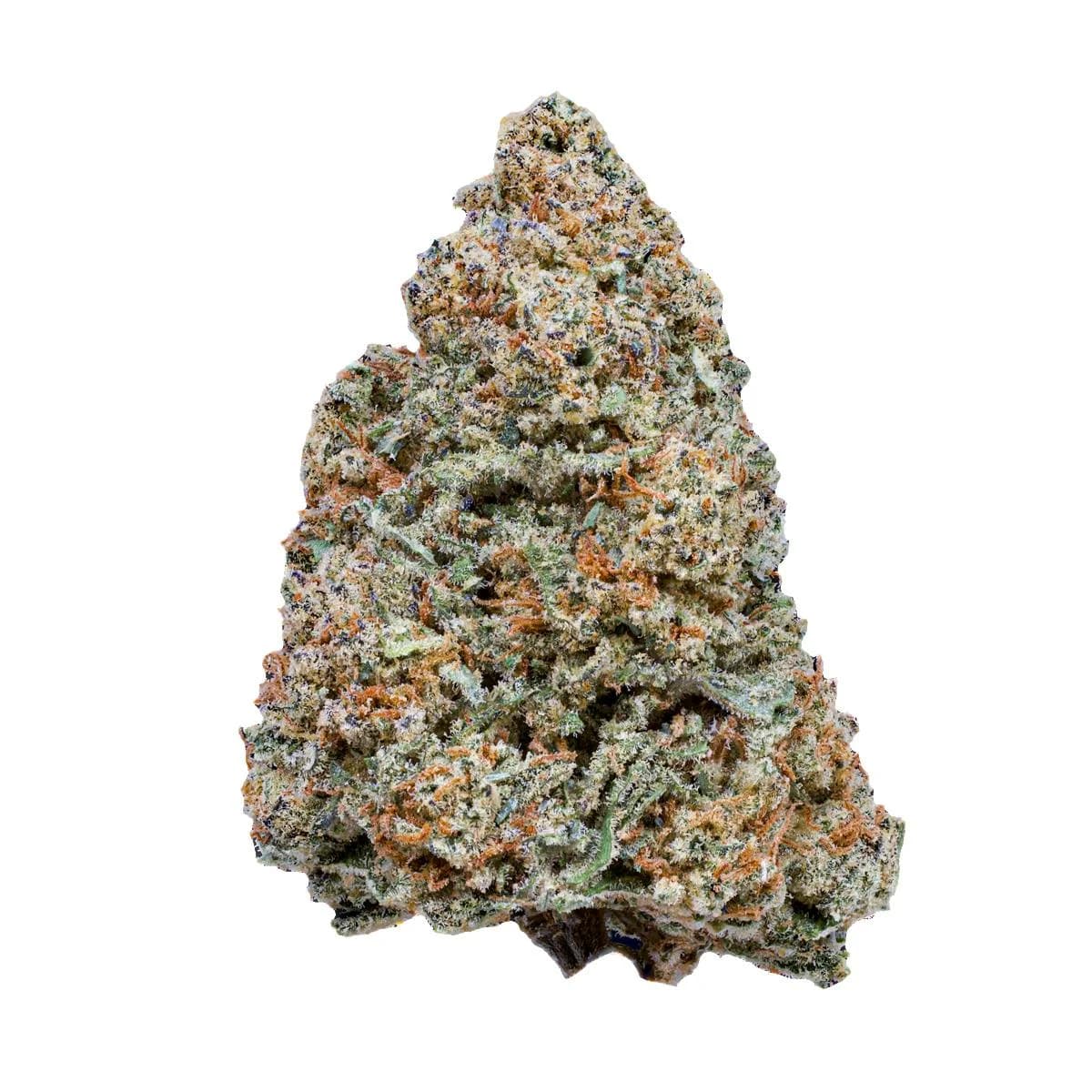
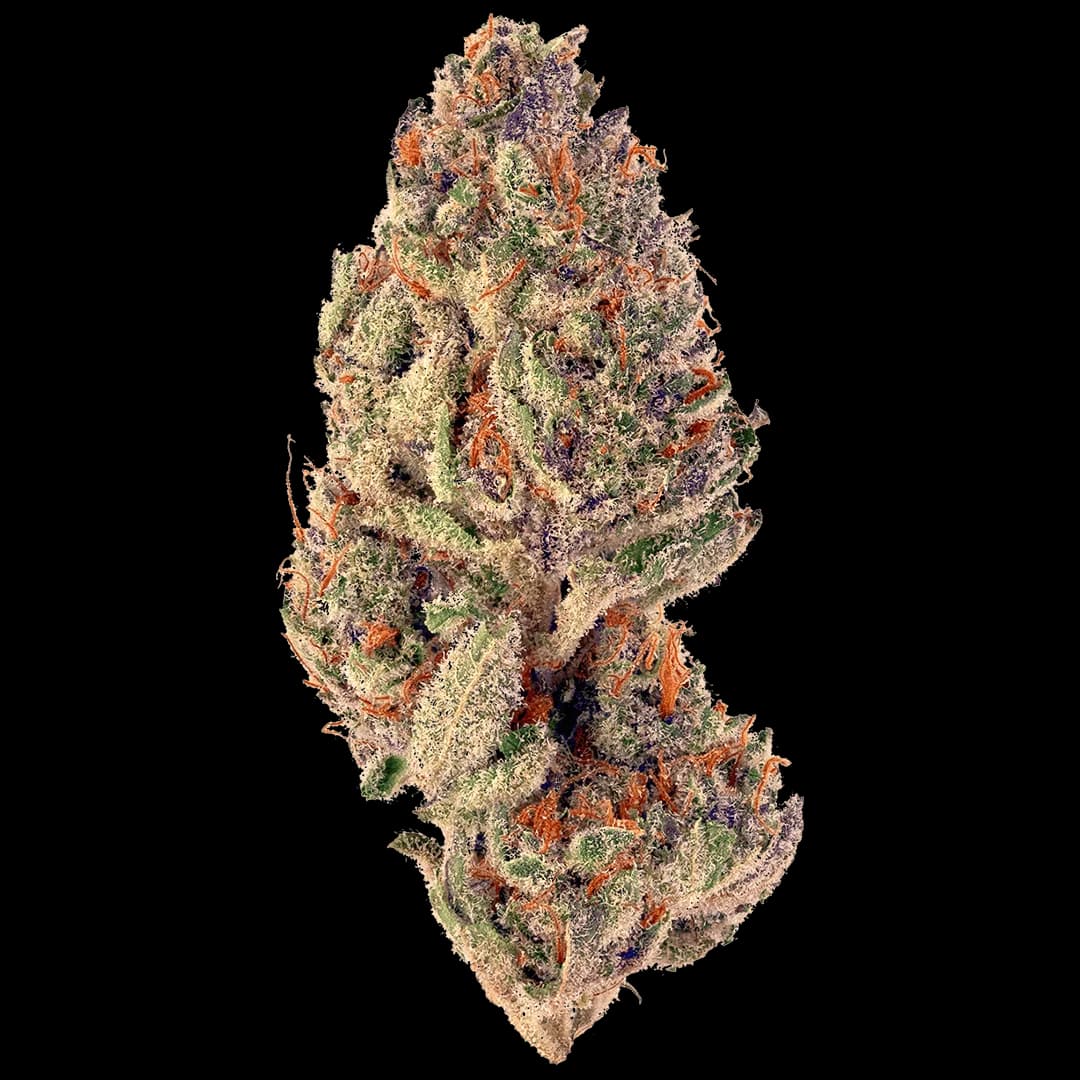
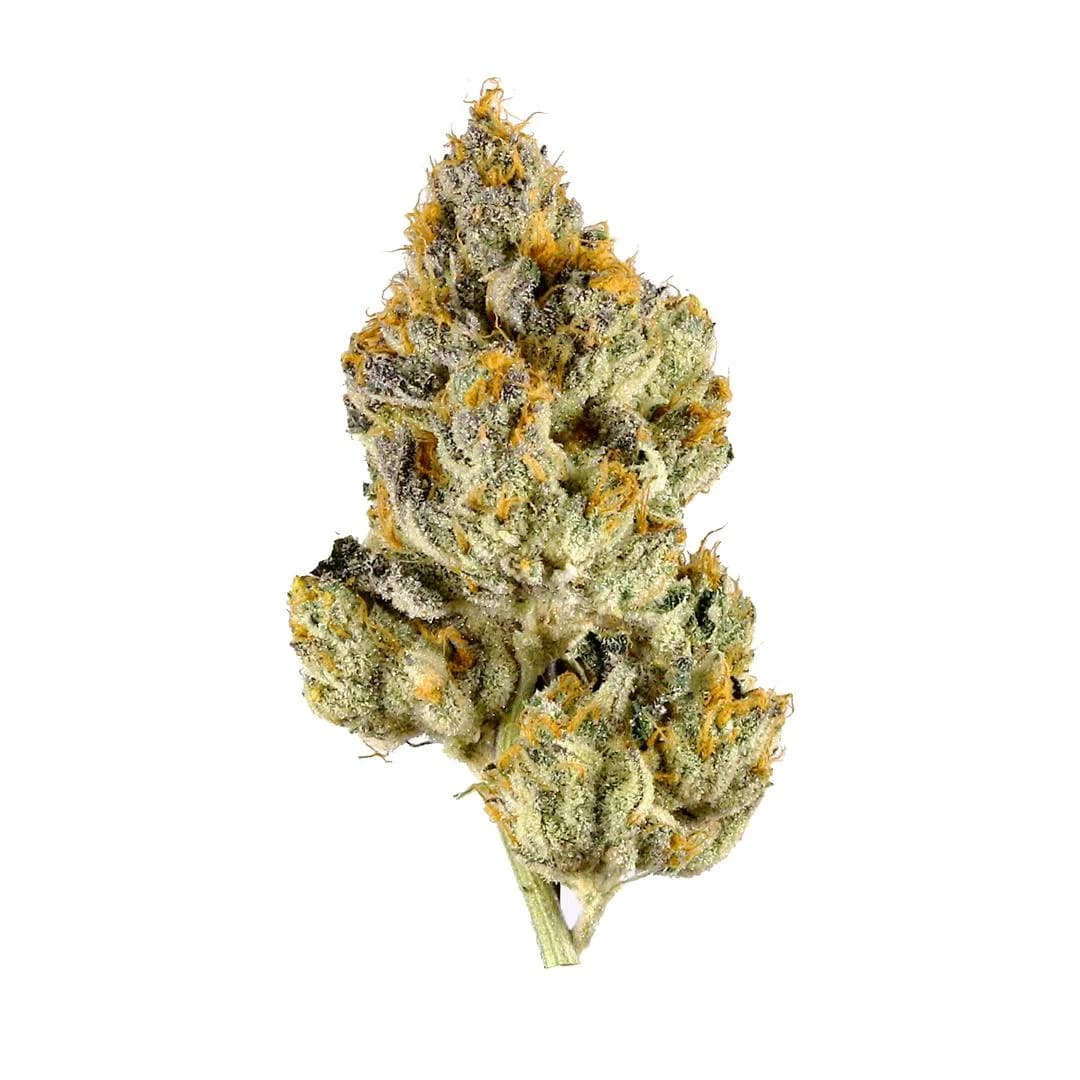
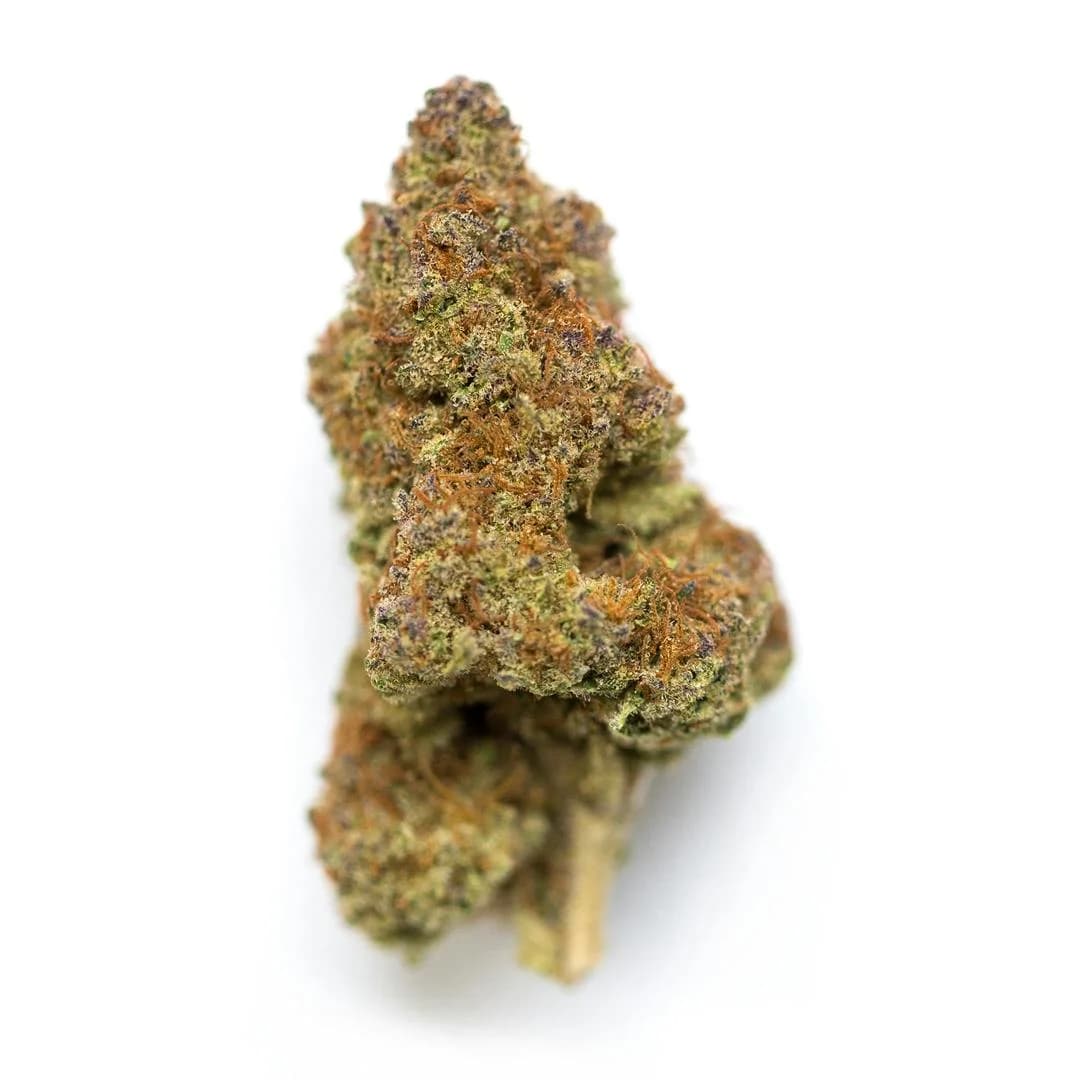
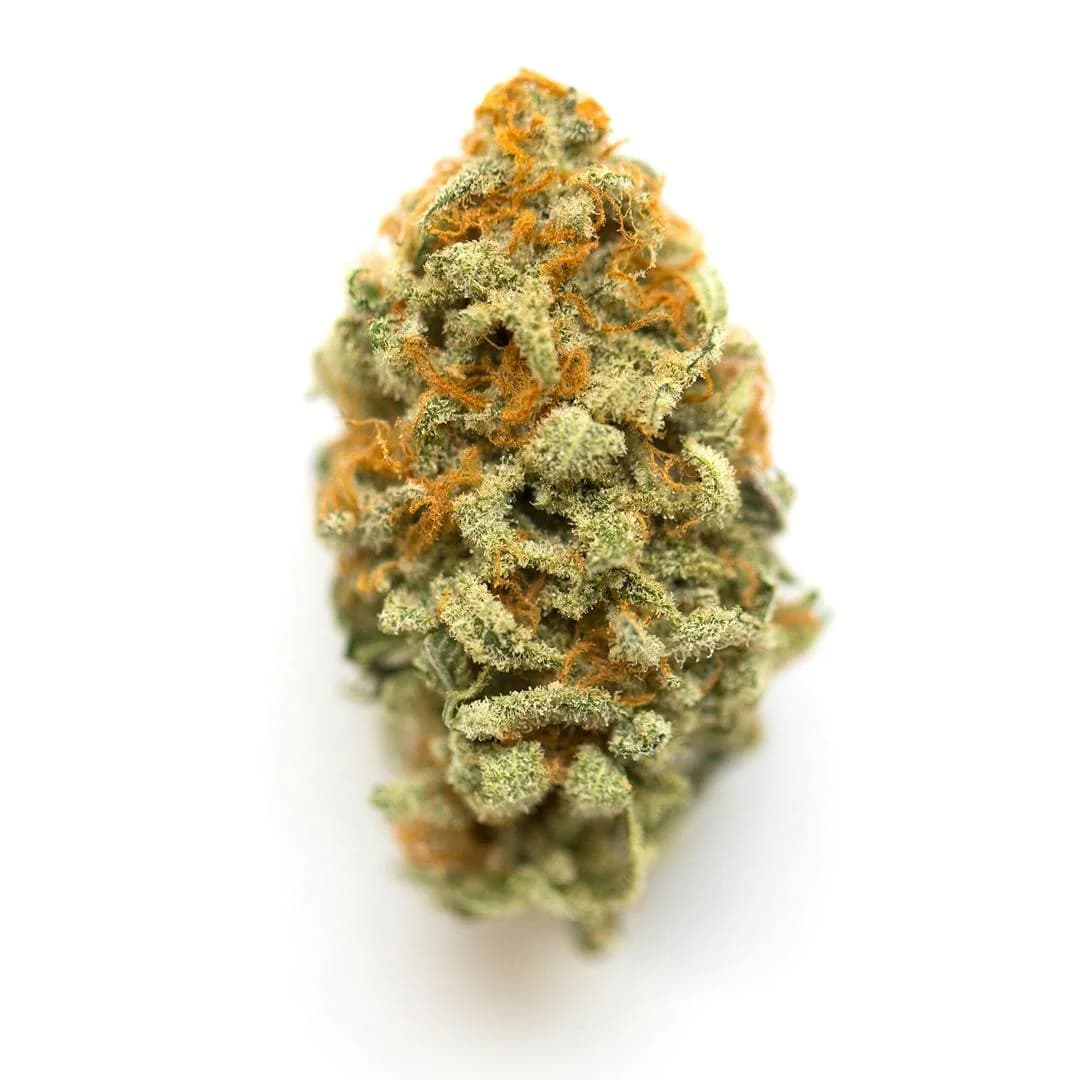
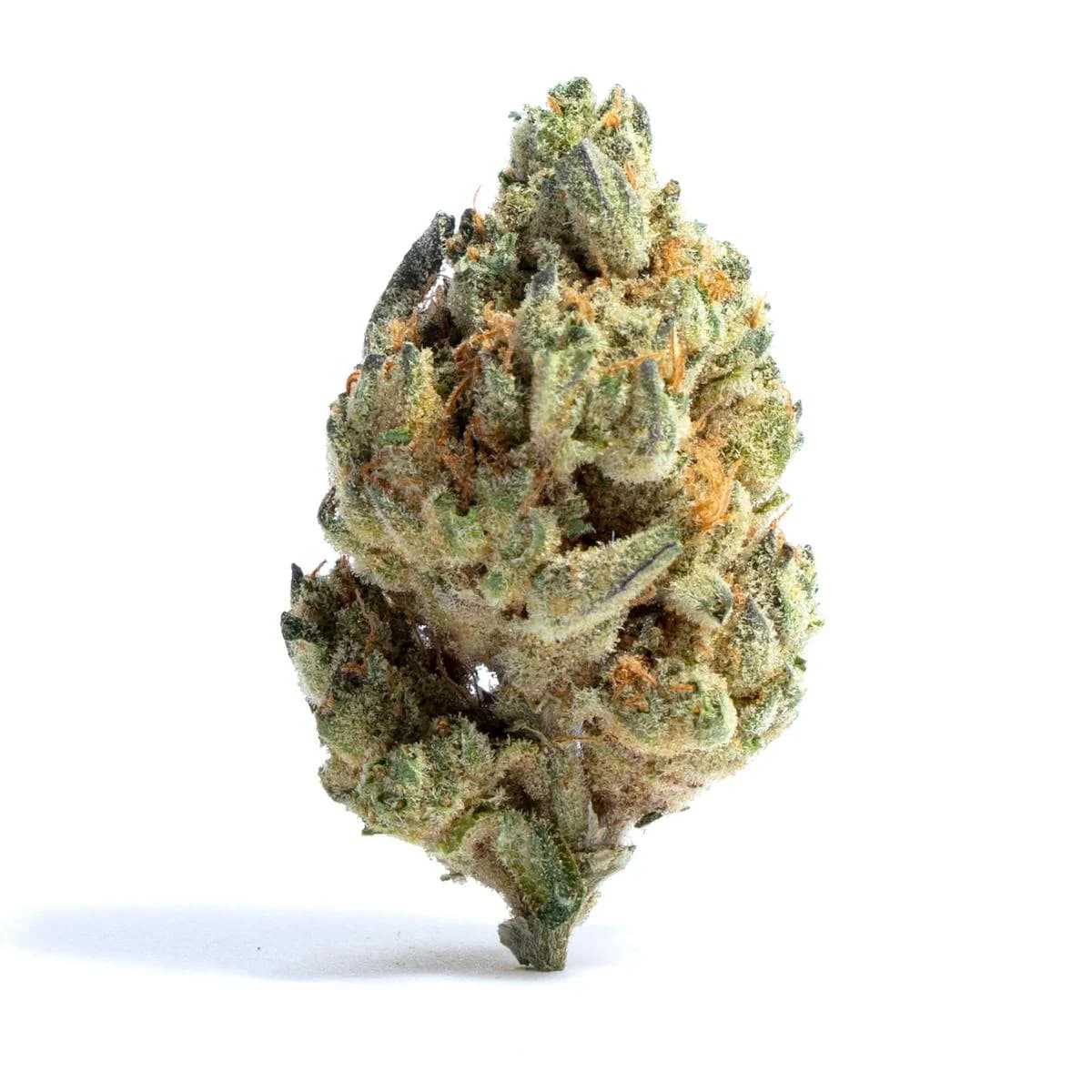
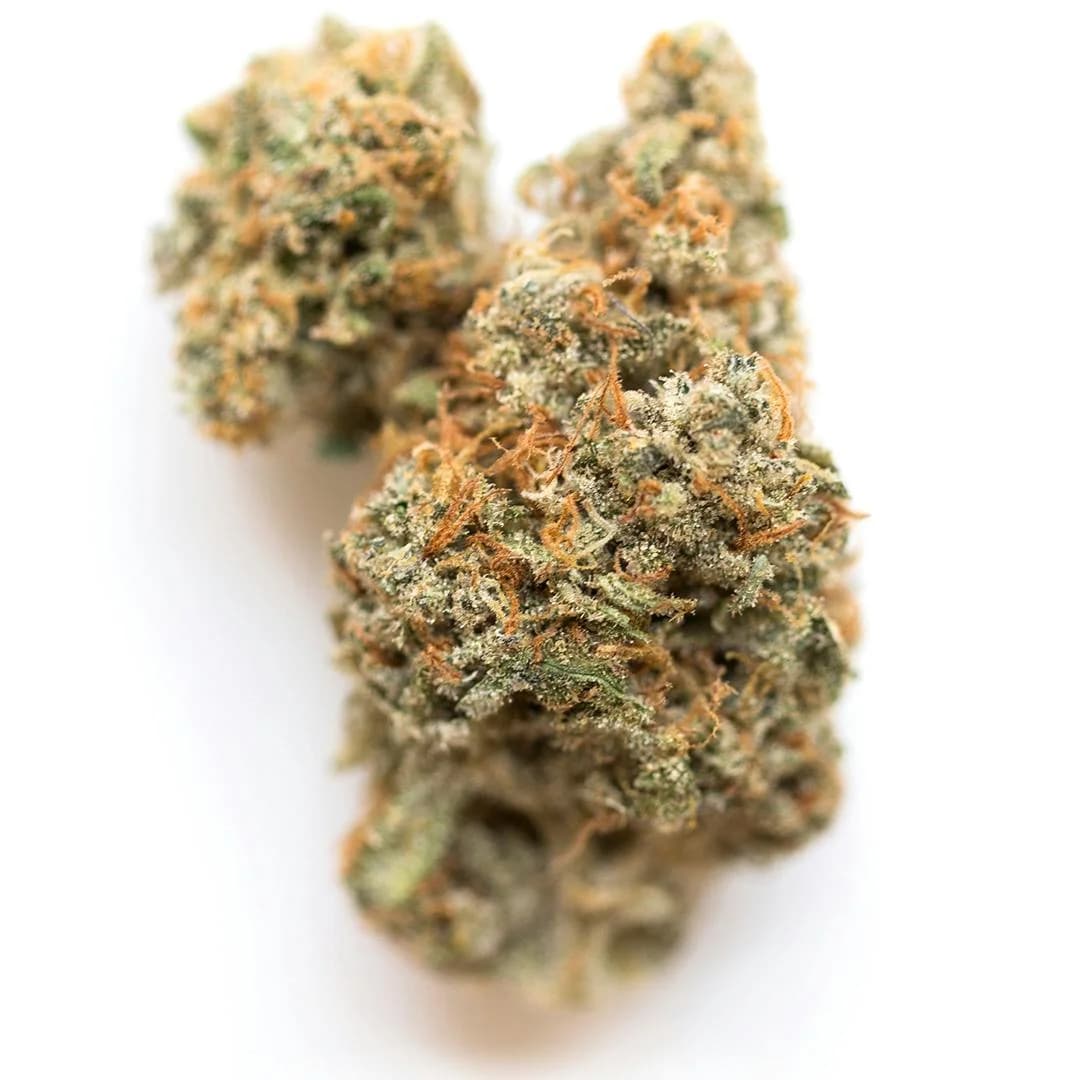
Pineapple Express is a hybrid that Leafly traces to Trainwreck and Hawaiian. Pineapple, tropical and citrus are its displayed reader flavor tags. The source's terpene information needs more care: its summary table lists myrcene, caryophyllene and pinene, while the descriptive paragraph names caryophyllene, limonene and ocimene. This entry preserves the difference rather than combining both into a newly asserted chemical profile. A sample-specific analysis would be needed to establish actual composition.
Hawaiian is presented by Leafly as a sativa catalog entry. The source account says: Hawaiian is a sativa catalog entry with tropical and citrus flavor reports. The reference used here does not identify a named parent cross, so its ancestry remains open rather than inferred from the name. This context is retained as an attributed account, not as genetic authentication of every sample carrying the name. Reader-reported flavor descriptors include Citrus, Sweet, Tropical. The catalog lists Caryophyllene, Myrcene, Terpinolene as terpene labels. Those fields describe different evidence layers and do not establish a fixed chemical profile, medical effect or response for an individual sample.
Sherbert, also called Sunset Sherbet, is described by Leafly as connecting the GSC family with Pink Panties and as being developed by Mr. Sherbinski. The profile keeps that attributed history separate from the identity of numbered or similarly named selections. Citrus, sweet and tropical are reader-reported flavor descriptors, while caryophyllene, limonene and myrcene are catalog terpene labels. The family account and sensory fields help a reader navigate the record, but they do not prove that all products using Sherbert or Sunset Sherbet share identical genetics or chemistry.
Lemon Thai is presented by Leafly as a sativa catalog entry. The source account says: Lemon Thai is attributed to Dutch Flowers and a cross involving Thai and Hawaiian material. The source does not establish the exact named Hawaiian parent, so the family view preserves that uncertainty. This context is retained as an attributed account, not as genetic authentication of every sample carrying the name. Reader-reported flavor descriptors include Citrus, Lemon, Lime. The catalog lists Myrcene, Pinene, Terpinolene as terpene labels. Those fields describe different evidence layers and do not establish a fixed chemical profile, medical effect or response for an individual sample.
Super Silver Haze is attributed to Green House Seeds and a background involving Skunk, Northern Lights and Haze. Leafly supplies those ancestry names without defining a complete order of crosses, so the catalog preserves them as reported background rather than inventing immediate parents. Citrus, earthy and skunk are reader-reported flavor descriptors, while caryophyllene, limonene and myrcene are listed as source terpene labels. A family name and a terpene list orient the reader but do not authenticate every later selection carrying the name.
Super Lemon Haze is associated in the catalog with Green House Seeds and a reported cross between Lemon Skunk and Super Silver Haze. That account places the entry within the wider Haze family while leaving the source's crossing history attributed rather than genetically authenticated. Citrus, lemon and lime are reader-reported flavor descriptors; caryophyllene, myrcene and terpinolene are the terpene names listed in the catalog. These labels document what the source reports and do not establish a fixed chemical profile or guarantee a particular experience for an individual sample.
Green Crack is listed by Leafly with names including Green Crush and Mango Crack. Its proposed background pairs Skunk #1 with an unidentified indica, leaving part of the pedigree unresolved. Citrus, mango and earthy are reader flavor descriptors on the source page. The dramatic name is a naming convention, not an ingredient statement, and the unknown parent should stay unknown rather than be replaced with a familiar strain to complete the tree.
Lemon Kush is presented by Leafly as a hybrid catalog entry. The source account says: Lemon Kush has competing pedigrees: Master Kush with Lemon Joy, or the Alien Genetics version of Lemon G with Afghan Kush. These are alternatives, not a four-parent cross. This is a source-reported identity, not a genetically authenticated pedigree. This context is retained as an attributed account, not as genetic authentication of every sample carrying the name. Reader-reported flavor descriptors include Citrus, Lemon, Lime. The catalog lists Caryophyllene, Myrcene, Pinene as terpene labels. Those fields describe different evidence layers and do not establish a fixed chemical profile, medical effect or response for an individual sample.
Lemon OG is presented by Leafly as a hybrid catalog entry. The source account says: Lemon OG is described as a cross of a Las Vegas Lemon Skunk selection and OG #18. The Lemon Skunk link identifies the family; the particular Las Vegas selection is not a separate catalog record. This is a source-reported identity, not a genetically authenticated pedigree. This context is retained as an attributed account, not as genetic authentication of every sample carrying the name. Reader-reported flavor descriptors include Citrus, Lemon, Skunk. The catalog lists Caryophyllene, Limonene, Myrcene as terpene labels. Those fields describe different evidence layers and do not establish a fixed chemical profile, medical effect or response for an individual sample.
Maui Wowie is associated with Hawaii and appears under several spellings in the catalog. Leafly names Hawaiian as one reported parent while leaving the second parent unidentified, so the unknown is retained rather than filled with a familiar strain. Citrus, pineapple and tropical are reader-reported flavor descriptors, and caryophyllene, myrcene and pinene are listed as catalog terpene labels. Geographic association, a partial pedigree and sensory reports provide context without proving that every later plant using the Maui Wowie name shares one fixed lineage or chemical profile.
Tangie is presented by Leafly as a sativa catalog entry. The source account says: Tangie is reported as a California Orange and Skunk 1 cross. Despite the similar names and citrus associations, Tangie and Tangerine Dream are separate catalog entries. This is a source-reported identity, not a genetically authenticated pedigree. This context is retained as an attributed account, not as genetic authentication of every sample carrying the name. Reader-reported flavor descriptors include Apricot, Citrus, Orange. The catalog lists Myrcene, Pinene, Terpinolene as terpene labels. Those fields describe different evidence layers and do not establish a fixed chemical profile, medical effect or response for an individual sample.
Tangerine Dream is presented by Leafly as a hybrid catalog entry. The source account says: Tangerine Dream is associated with Barney’s Farm. Its background lists G13, Afghani and Neville’s A5 Haze; the source does not specify each intermediate breeding step. This is a source-reported identity, not a genetically authenticated pedigree. This context is retained as an attributed account, not as genetic authentication of every sample carrying the name. Reader-reported flavor descriptors include Citrus, Orange, Tropical. The catalog lists Caryophyllene, Limonene, Myrcene as terpene labels. Those fields describe different evidence layers and do not establish a fixed chemical profile, medical effect or response for an individual sample.
Jack the Ripper is presented by Leafly as a sativa catalog entry. The source account says: Jack the Ripper, or JTR, is reported as Jack’s Cleaner crossed with the Space Dude male selection of Space Queen. The catalog connects it with Subcool’s The Dank. This is a source-reported identity, not a genetically authenticated pedigree. This context is retained as an attributed account, not as genetic authentication of every sample carrying the name. Reader-reported flavor descriptors include Citrus, Lemon, Pine. The catalog lists Myrcene, Pinene, Terpinolene as terpene labels. Those fields describe different evidence layers and do not establish a fixed chemical profile, medical effect or response for an individual sample.
Amnesia Haze is associated with the Amsterdam cannabis scene and a Leafly account involving South Asian and Jamaican landrace background. The source does not document a complete sequence of crosses, so the regional names remain attributed context rather than a settled pedigree. Citrus, lemon and lime are reader-reported flavor descriptors, while caryophyllene, limonene and myrcene appear as catalog terpene labels. These categories describe different parts of the record and should not be combined into a guarantee about potency, identity or the experience of an individual sample.
MAC is presented by Leafly as a hybrid catalog entry. The source account says: MAC expands to Miracle Alien Cookies. Leafly lists Alien Cookies, Starfighter and Columbian in its background; the broad Columbian name is not equated with Colombian Gold. This is a source-reported identity, not a genetically authenticated pedigree. This context is retained as an attributed account, not as genetic authentication of every sample carrying the name. Reader-reported flavor descriptors include Citrus, Floral, Pepper. The catalog lists Caryophyllene, Limonene, Pinene as terpene labels. Those fields describe different evidence layers and do not establish a fixed chemical profile, medical effect or response for an individual sample.
Mimosa is presented by Leafly as a hybrid catalog entry. The source account says: Mimosa is reported as Clementine crossed with Purple Punch and is associated with Symbiotic Genetics. Purple Mimosa is an alternate name recorded on the source page. This is a source-reported identity, not a genetically authenticated pedigree. This context is retained as an attributed account, not as genetic authentication of every sample carrying the name. Reader-reported flavor descriptors include Citrus, Grapefruit, Orange. The catalog lists Caryophyllene, Myrcene, Pinene as terpene labels. Those fields describe different evidence layers and do not establish a fixed chemical profile, medical effect or response for an individual sample.
Orange Cookies is presented by Leafly as a hybrid catalog entry. The source account says: Orange Cookies is reported as Orange Juice crossed with GSC. It is a separate catalog identity from other orange-named Cookies-family cultivars. This is a source-reported identity, not a genetically authenticated pedigree. This context is retained as an attributed account, not as genetic authentication of every sample carrying the name. Reader-reported flavor descriptors include Citrus, Orange, Sweet. The catalog lists Caryophyllene, Myrcene, Terpinolene as terpene labels. Those fields describe different evidence layers and do not establish a fixed chemical profile, medical effect or response for an individual sample.
RS11 is presented by Leafly as a hybrid catalog entry. The source account says: RS11 expands to Rainbow Sherbert #11. Leafly credits Deo Farms with the Pink Guava–Sherbert cross and Wizard Trees with selecting RS11 from that work. This is a source-reported identity, not a genetically authenticated pedigree. This context is retained as an attributed account, not as genetic authentication of every sample carrying the name. Reader-reported flavor descriptors include Apricot, Citrus, Peach. The catalog lists Caryophyllene, Humulene, Limonene as terpene labels. Those fields describe different evidence layers and do not establish a fixed chemical profile, medical effect or response for an individual sample.
Lemon Skunk is presented by Leafly as a hybrid catalog entry. The source account says: Lemon Skunk is attributed to DNA Genetics and two selected Skunk phenotypes. The individual selections are not named, so this record does not invent separate parent identities. This is a source-reported identity, not a genetically authenticated pedigree. This context is retained as an attributed account, not as genetic authentication of every sample carrying the name. Reader-reported flavor descriptors include Citrus, Lemon, Skunk. The catalog lists Caryophyllene, Limonene, Myrcene as terpene labels. Those fields describe different evidence layers and do not establish a fixed chemical profile, medical effect or response for an individual sample.
Larry OG is presented by Leafly as a hybrid catalog entry. The source account says: Larry OG is associated with Orange County, California. Leafly reports OG Kush and SFV OG as its parents and records several Larry aliases for the same profile. This is a source-reported identity, not a genetically authenticated pedigree. This context is retained as an attributed account, not as genetic authentication of every sample carrying the name. Reader-reported flavor descriptors include Citrus, Lemon, Pine. The catalog lists Caryophyllene, Limonene, Myrcene as terpene labels. Those fields describe different evidence layers and do not establish a fixed chemical profile, medical effect or response for an individual sample.
Grapefruit is presented by Leafly as a sativa catalog entry. The source account says: Grapefruit is reported as Cinderella 99 crossed with an unnamed sativa landrace. Leafly mentions both Nectar Seeds and Positronic Seeds, so no single breeder attribution is assigned here. This is a source-reported identity, not a genetically authenticated pedigree. This context is retained as an attributed account, not as genetic authentication of every sample carrying the name. Reader-reported flavor descriptors include Citrus, Grapefruit, Sweet. The catalog lists Caryophyllene, Myrcene, Pinene as terpene labels. Those fields describe different evidence layers and do not establish a fixed chemical profile, medical effect or response for an individual sample.
Gelato #33 is presented by Leafly as a hybrid catalog entry. The source account says: Gelato #33 is a numbered selection from the Gelato family. Its family background is Sherbert with Thin Mint GSC; the selection link keeps it distinct from the general Gelato record. This is a source-reported identity, not a genetically authenticated pedigree. This context is retained as an attributed account, not as genetic authentication of every sample carrying the name. Reader-reported flavor descriptors include Citrus, Floral, Pepper. The catalog lists Caryophyllene, Limonene, Myrcene as terpene labels. Those fields describe different evidence layers and do not establish a fixed chemical profile, medical effect or response for an individual sample.
Sour Dubb is presented by Leafly as a hybrid catalog entry. The source account says: Sour Dubb has uncertain clone-only origins. Leafly proposes East Coast Sour Diesel with Sour Bubble and separately describes a B.O.G. Seeds recreation using a different Sour Diesel line. This is a source-reported identity, not a genetically authenticated pedigree. This context is retained as an attributed account, not as genetic authentication of every sample carrying the name. Reader-reported flavor descriptors include Blueberry, Citrus, Diesel. The catalog lists Caryophyllene, Limonene, Linalool as terpene labels. Those fields describe different evidence layers and do not establish a fixed chemical profile, medical effect or response for an individual sample.
Cinderella 99 is presented by Leafly as a hybrid catalog entry. The source account says: Leafly attributes the Jack Herer seed-origin account to Mr. Soul. The story does not establish a complete direct cross. This context is retained as an attributed account, not as genetic authentication of every sample carrying the name. Reader-reported flavor descriptors include Citrus, Floral, Grapefruit. The catalog lists Caryophyllene, Limonene, Myrcene as terpene labels. Those fields describe different evidence layers and do not establish a fixed chemical profile, medical effect or response for an individual sample.
Clementine is presented by Leafly as a sativa catalog entry. The source account says: Both parents are explicit in the linked source. The catalog relationship has not been independently genetically verified. This context is retained as an attributed account, not as genetic authentication of every sample carrying the name. Reader-reported flavor descriptors include Citrus, Lemon, Orange. The catalog lists Myrcene, Pinene, Terpinolene as terpene labels. Those fields describe different evidence layers and do not establish a fixed chemical profile, medical effect or response for an individual sample.
California Orange is presented by Leafly as a hybrid catalog entry. The source account says: The linked source describes the origin as mysterious. No parent edges are inferred from the orange name or later commercial versions. This context is retained as an attributed account, not as genetic authentication of every sample carrying the name. Reader-reported flavor descriptors include Citrus, Orange, Sweet. The catalog lists Caryophyllene, Myrcene, Pinene as terpene labels. Those fields describe different evidence layers and do not establish a fixed chemical profile, medical effect or response for an individual sample.
Jack's Cleaner is presented by Leafly as a sativa catalog entry. The source account says: The Cleaner remains a named external parent. Its own distant ancestry is not flattened into direct parents of Jack's Cleaner. This context is retained as an attributed account, not as genetic authentication of every sample carrying the name. Reader-reported flavor descriptors include Chemical, Citrus, Lemon. The catalog lists Caryophyllene, Myrcene, Terpinolene as terpene labels. Those fields describe different evidence layers and do not establish a fixed chemical profile, medical effect or response for an individual sample.
Lemon G is presented by Leafly as a sativa catalog entry. The source account says: The source states descent from Original G13 without identifying the complete cross. The link is ancestry, not a verified direct pairing. This context is retained as an attributed account, not as genetic authentication of every sample carrying the name. Reader-reported flavor descriptors include Citrus, Lemon, Sweet. The catalog lists Caryophyllene, Limonene, Linalool as terpene labels. Those fields describe different evidence layers and do not establish a fixed chemical profile, medical effect or response for an individual sample.
Ghost OG is presented by Leafly as a hybrid catalog entry. The source account says: The linked source explicitly describes an OG Kush cut. A selection link is used rather than a reported cross. This context is retained as an attributed account, not as genetic authentication of every sample carrying the name. Reader-reported flavor descriptors include Citrus, Earthy, Pine. The catalog lists Caryophyllene, Limonene, Myrcene as terpene labels. Those fields describe different evidence layers and do not establish a fixed chemical profile, medical effect or response for an individual sample.
Super Boof is presented by Leafly as a hybrid catalog entry. The source account says: Leafly reports Black Cherry Punch and Tropicana Cookies as parents; the catalog relationship is attributed rather than genetically authenticated. This context is retained as an attributed account, not as genetic authentication of every sample carrying the name. Reader-reported flavor descriptors include Citrus, Grapefruit, Orange. The catalog lists no terpene labels as terpene labels. Those fields describe different evidence layers and do not establish a fixed chemical profile, medical effect or response for an individual sample.
MAC 1 is presented by Leafly as a hybrid catalog entry. The source account says: The source names Alien Cookies F2 and Miracle 15; Alien Cookies is linked as ancestry because the F2 selection is more specific than the catalog entry. This context is retained as an attributed account, not as genetic authentication of every sample carrying the name. Reader-reported flavor descriptors include Ammonia, Butter, Citrus. The catalog lists Caryophyllene, Limonene, Pinene as terpene labels. Those fields describe different evidence layers and do not establish a fixed chemical profile, medical effect or response for an individual sample.
Tropicana Cookies is presented by Leafly as a sativa catalog entry. The source account says: The cited catalog page does not establish a complete, authenticated immediate-parent cross for this entry. This context is retained as an attributed account, not as genetic authentication of every sample carrying the name. Reader-reported flavor descriptors include Citrus, Orange, Tropical. The catalog lists Caryophyllene, Limonene, Linalool as terpene labels. Those fields describe different evidence layers and do not establish a fixed chemical profile, medical effect or response for an individual sample.
Lemon Cherry Gelato is presented by Leafly as a hybrid catalog entry. The source account says: Leafly presents more than one origin account. Sunset Sherbert and GSC are retained only as disputed ancestry, not authenticated immediate parents. This context is retained as an attributed account, not as genetic authentication of every sample carrying the name. Reader-reported flavor descriptors include Berry, Citrus, Lemon. The catalog lists Caryophyllene, Limonene, Linalool as terpene labels. Those fields describe different evidence layers and do not establish a fixed chemical profile, medical effect or response for an individual sample.
Ghost Train Haze is presented by Leafly as a sativa catalog entry. The source account says: The cited catalog page does not establish a complete, authenticated immediate-parent cross for this entry. This context is retained as an attributed account, not as genetic authentication of every sample carrying the name. Reader-reported flavor descriptors include Citrus, Lime, Sage. The catalog lists Limonene, Myrcene, Terpinolene as terpene labels. Those fields describe different evidence layers and do not establish a fixed chemical profile, medical effect or response for an individual sample.
Rainbow Chip is presented by Leafly as a hybrid catalog entry. The source account says: The cited catalog page does not establish a complete, authenticated immediate-parent cross for this entry. This context is retained as an attributed account, not as genetic authentication of every sample carrying the name. Reader-reported flavor descriptors include Citrus, Lime, Mint. The catalog lists Caryophyllene, Limonene, Pinene as terpene labels. Those fields describe different evidence layers and do not establish a fixed chemical profile, medical effect or response for an individual sample.
Sunset Runtz is presented by Leafly as a hybrid catalog entry. The source account says: The cited catalog page does not establish a complete, authenticated immediate-parent cross for this entry. This context is retained as an attributed account, not as genetic authentication of every sample carrying the name. Reader-reported flavor descriptors include Citrus, Diesel, Peach. The catalog lists Caryophyllene, Limonene, Linalool as terpene labels. Those fields describe different evidence layers and do not establish a fixed chemical profile, medical effect or response for an individual sample.
Lemon Tree is presented by Leafly as a hybrid catalog entry. The source account says: The cited catalog page does not establish a complete, authenticated immediate-parent cross for this entry. This context is retained as an attributed account, not as genetic authentication of every sample carrying the name. Reader-reported flavor descriptors include Citrus, Diesel, Lemon. The catalog lists Caryophyllene, Myrcene, Pinene as terpene labels. Those fields describe different evidence layers and do not establish a fixed chemical profile, medical effect or response for an individual sample.