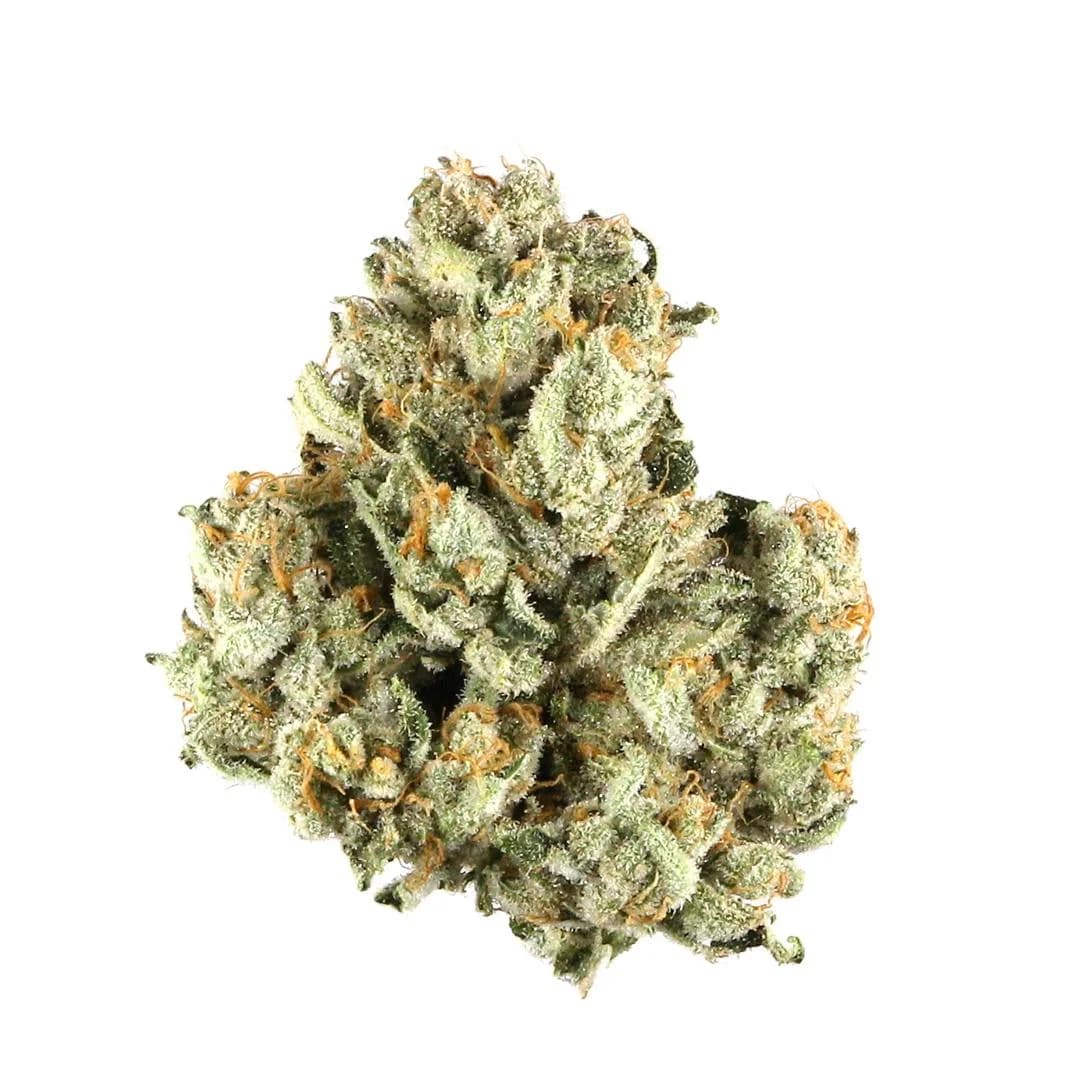
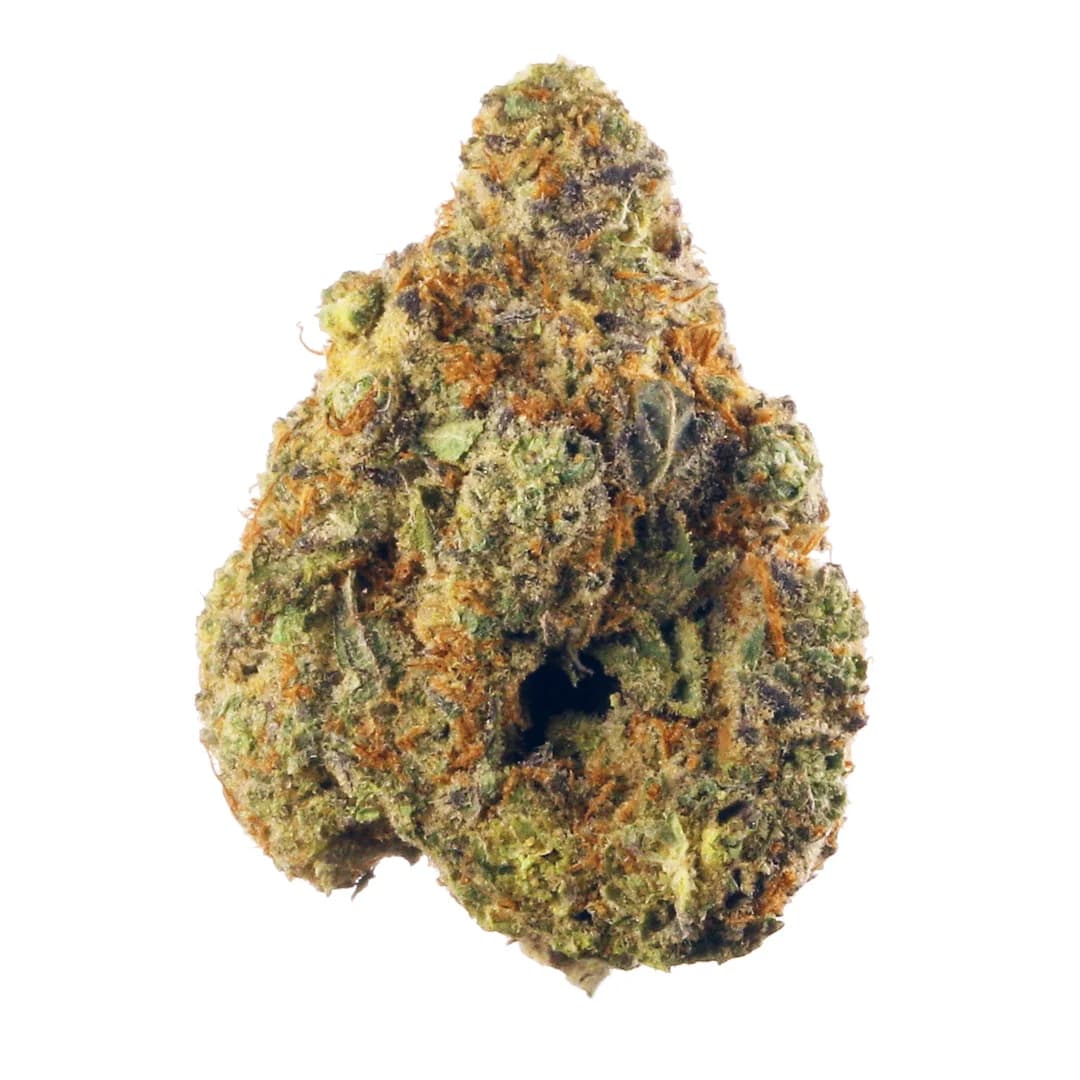
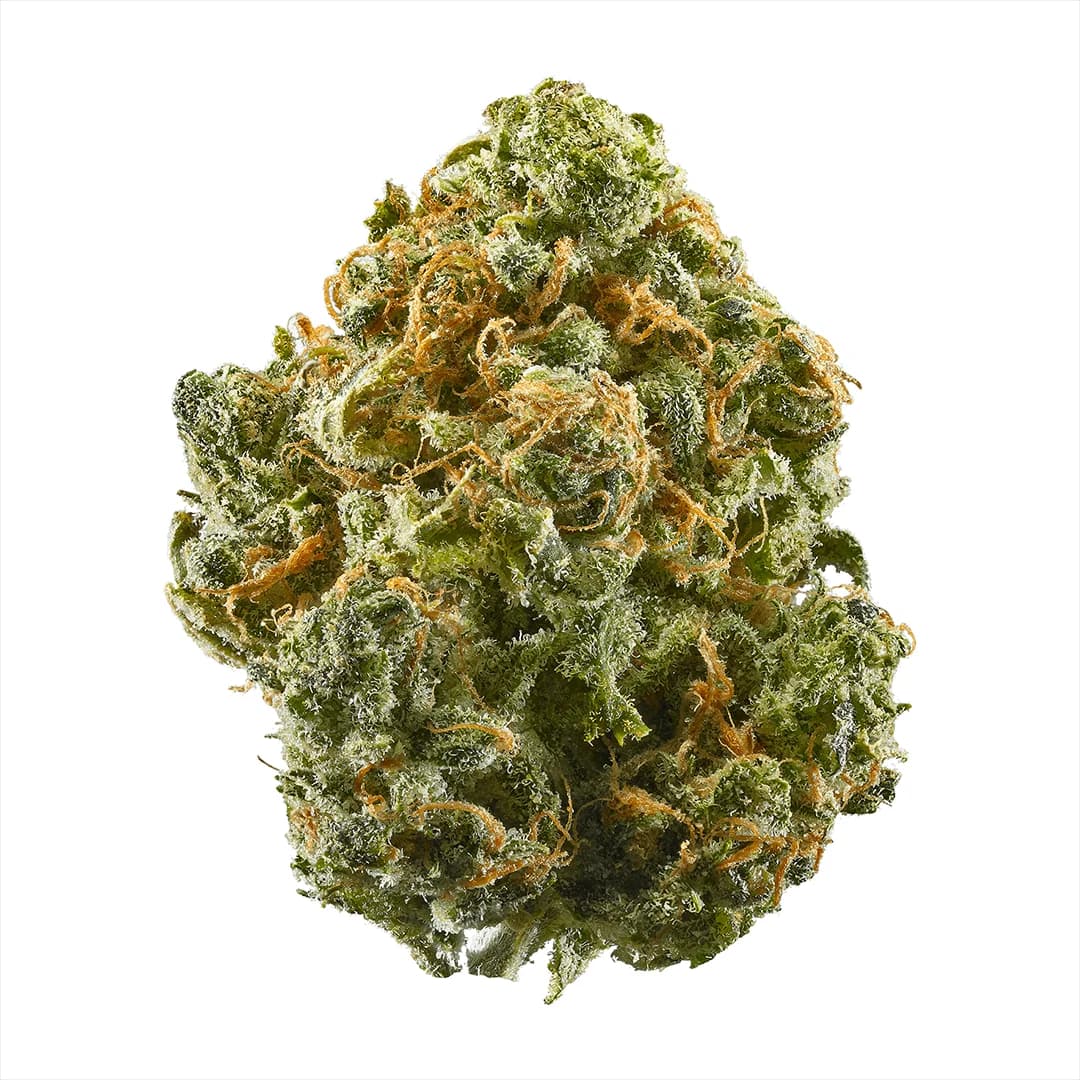
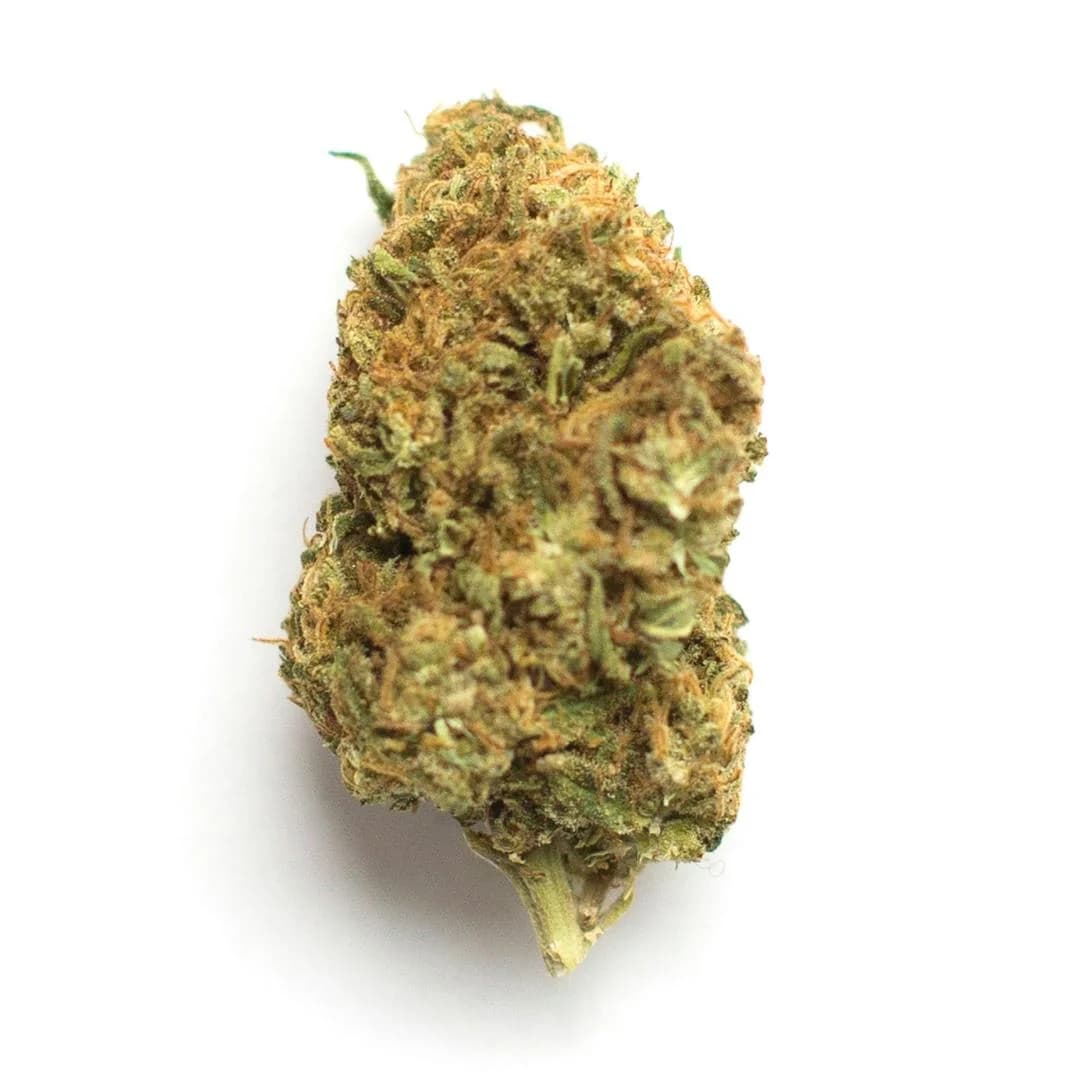
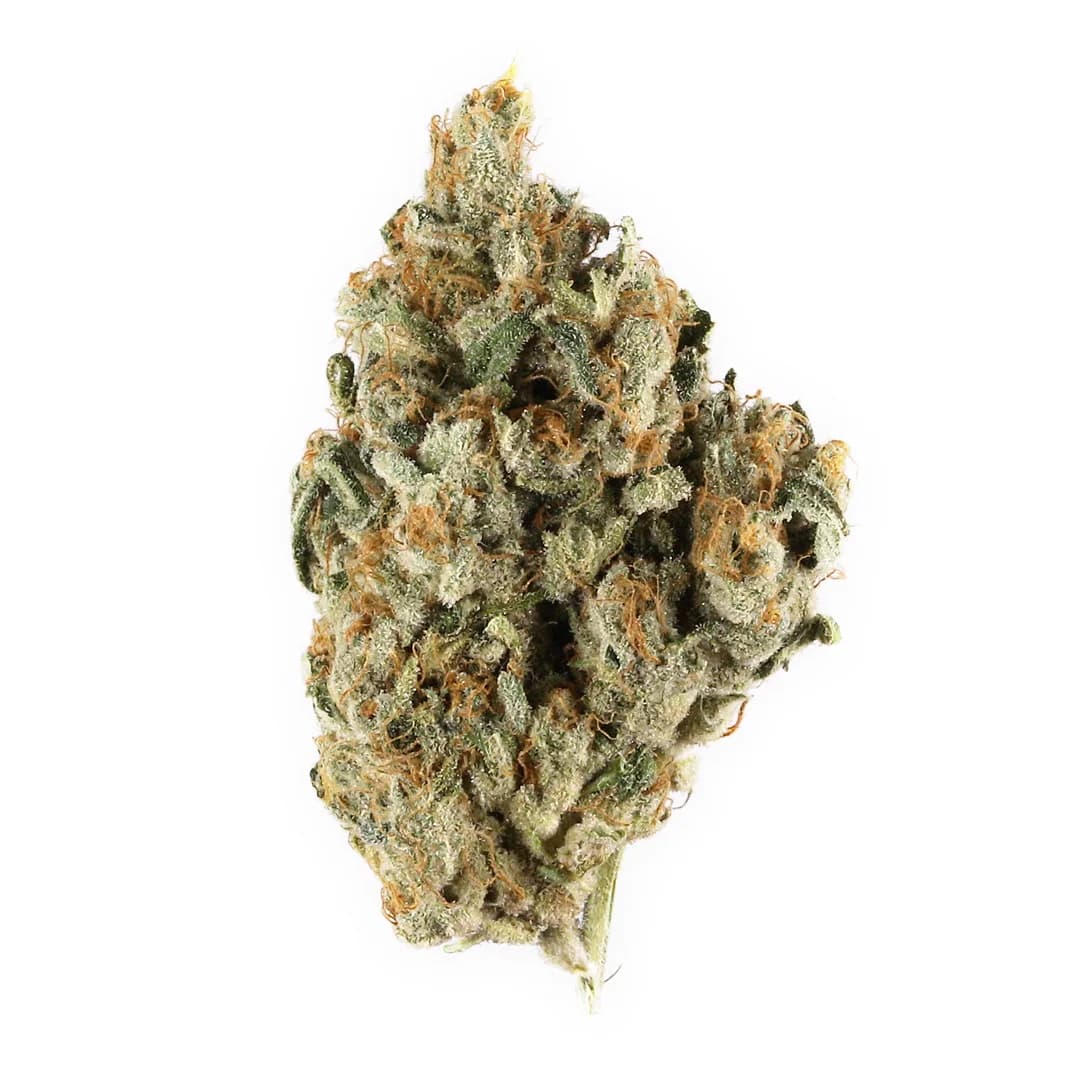
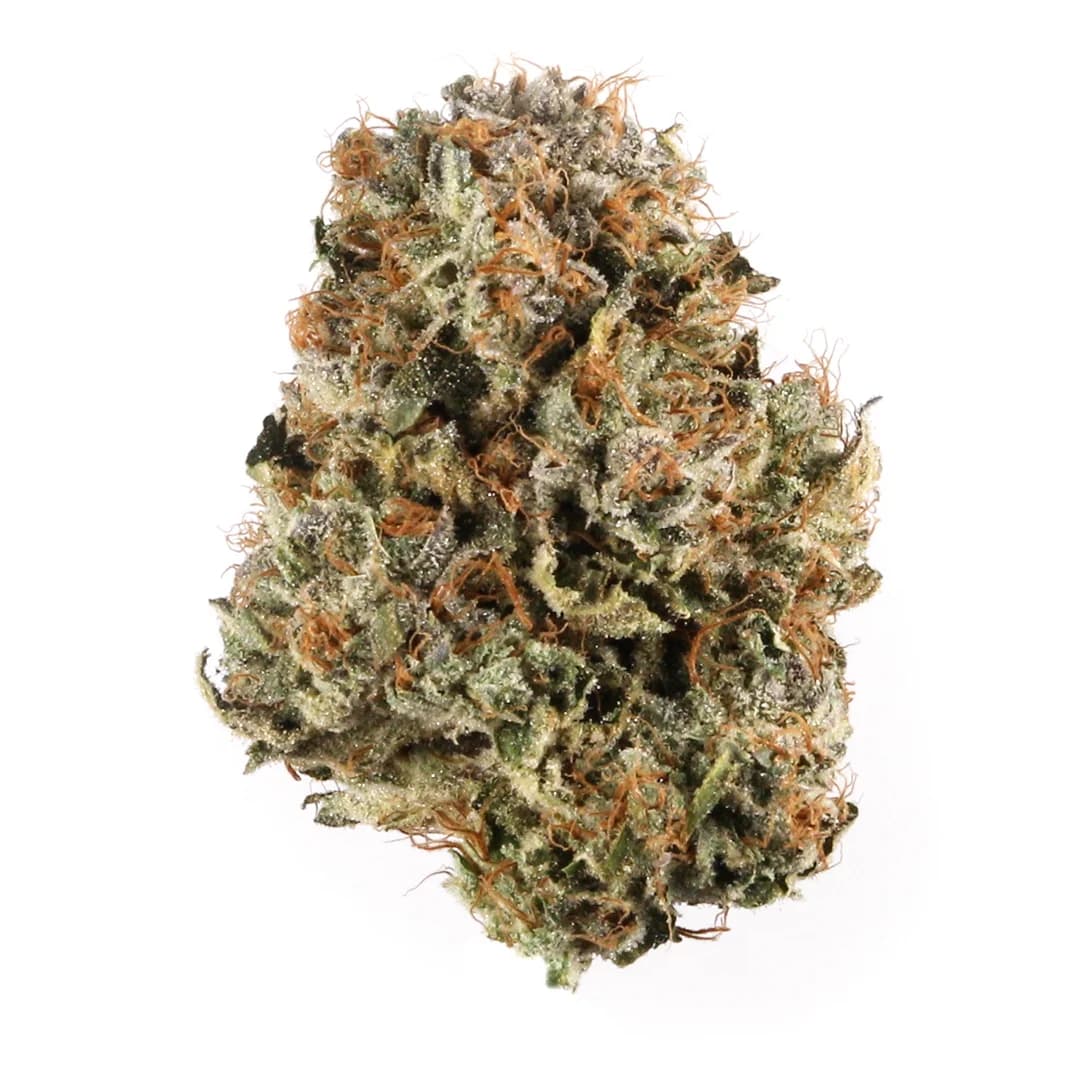
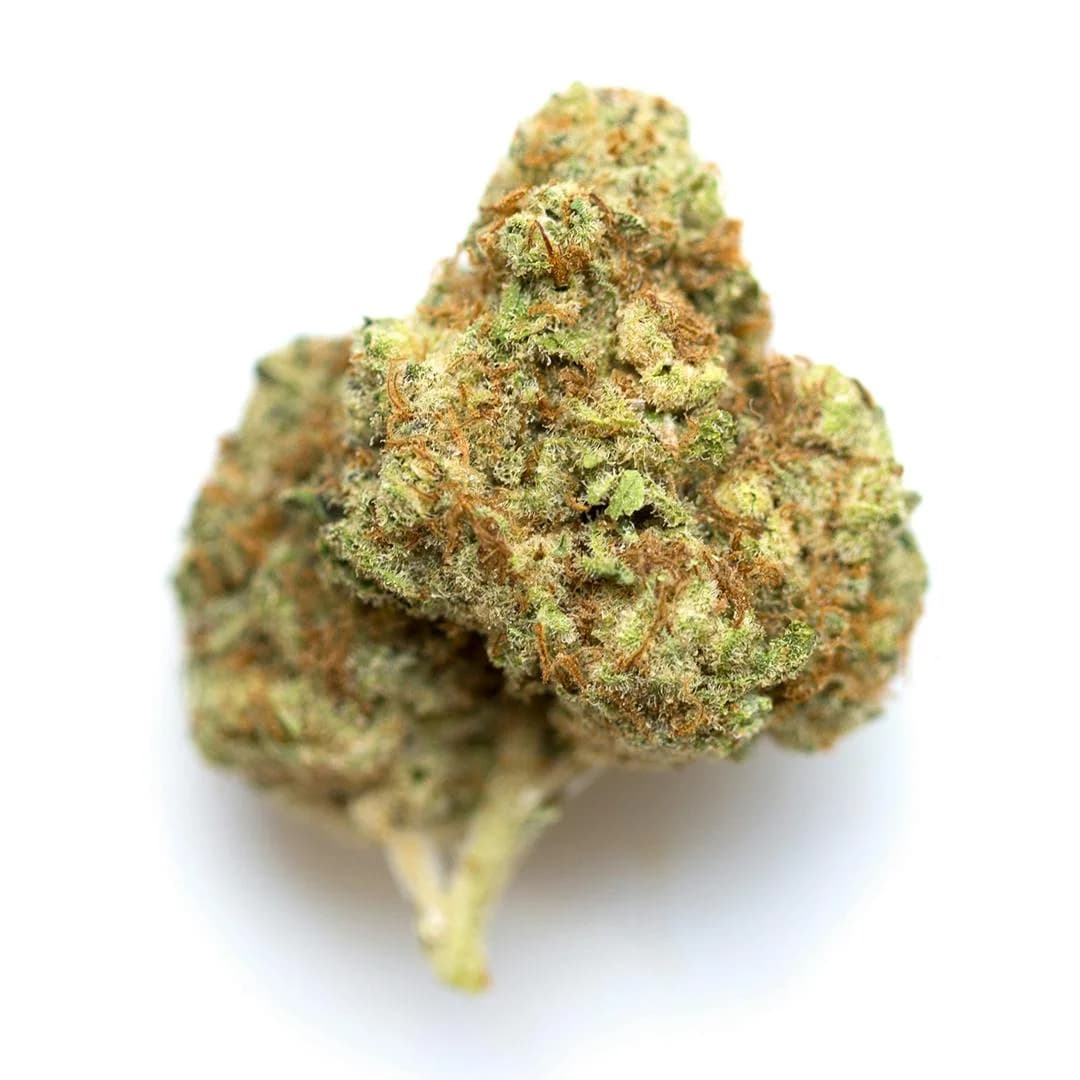
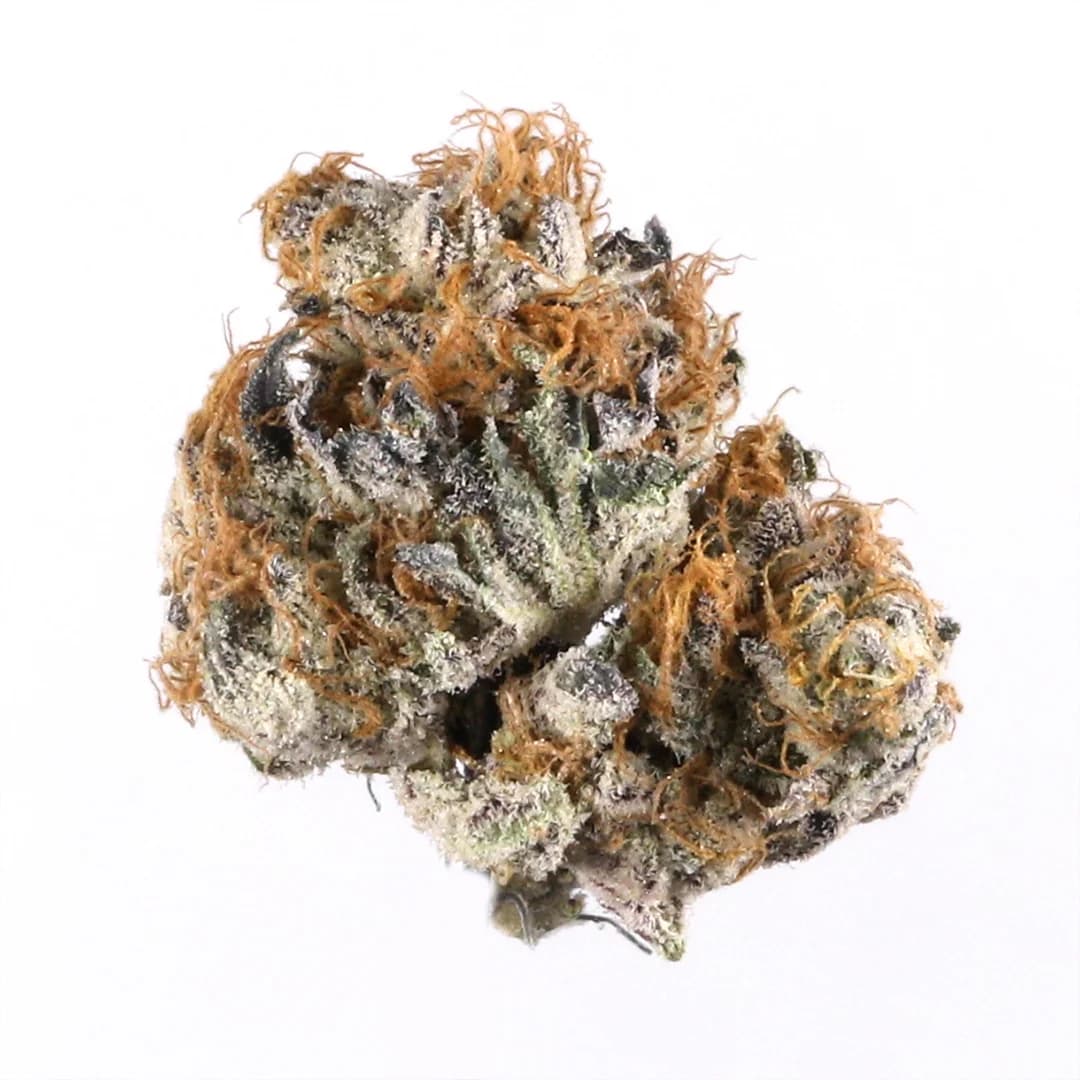
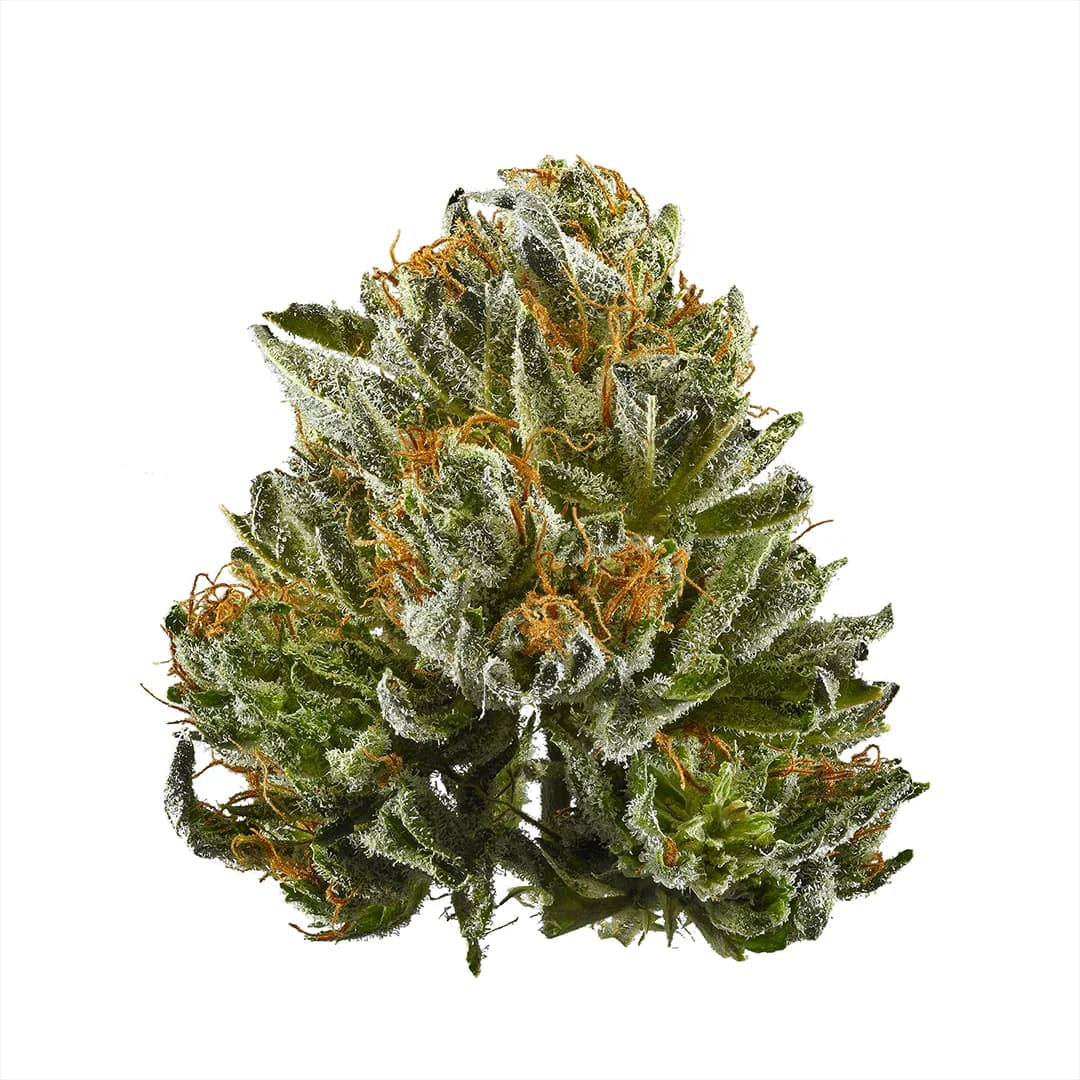
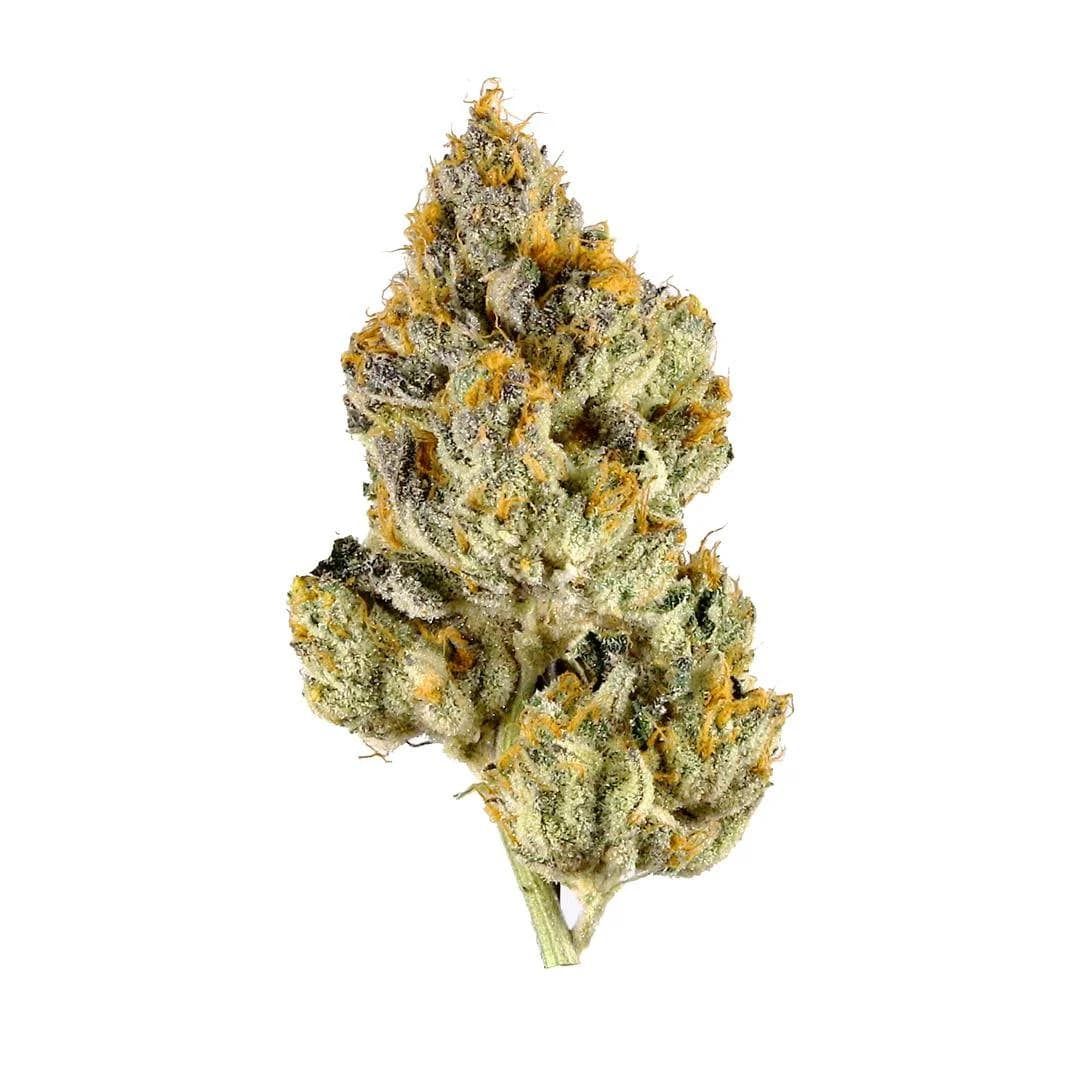
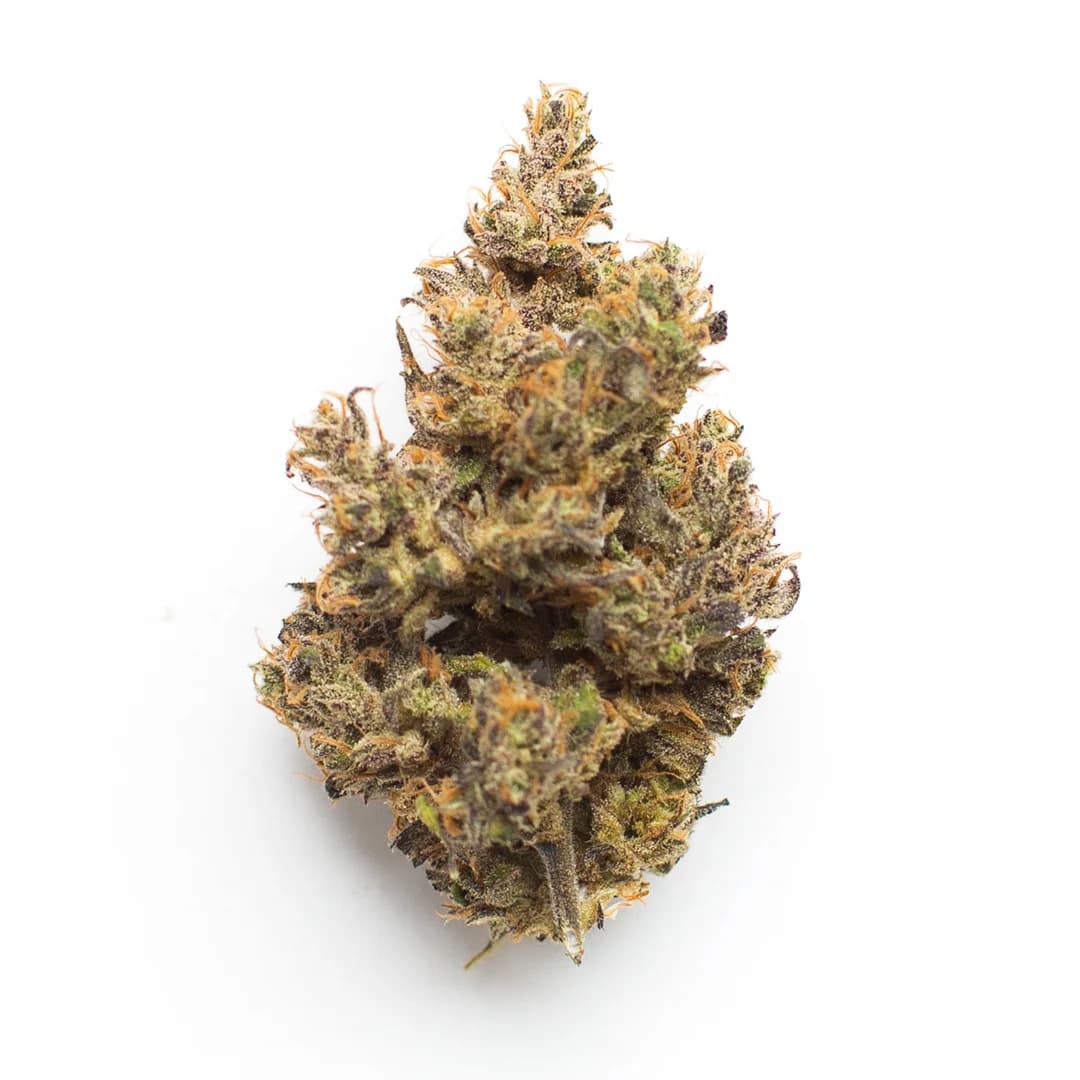
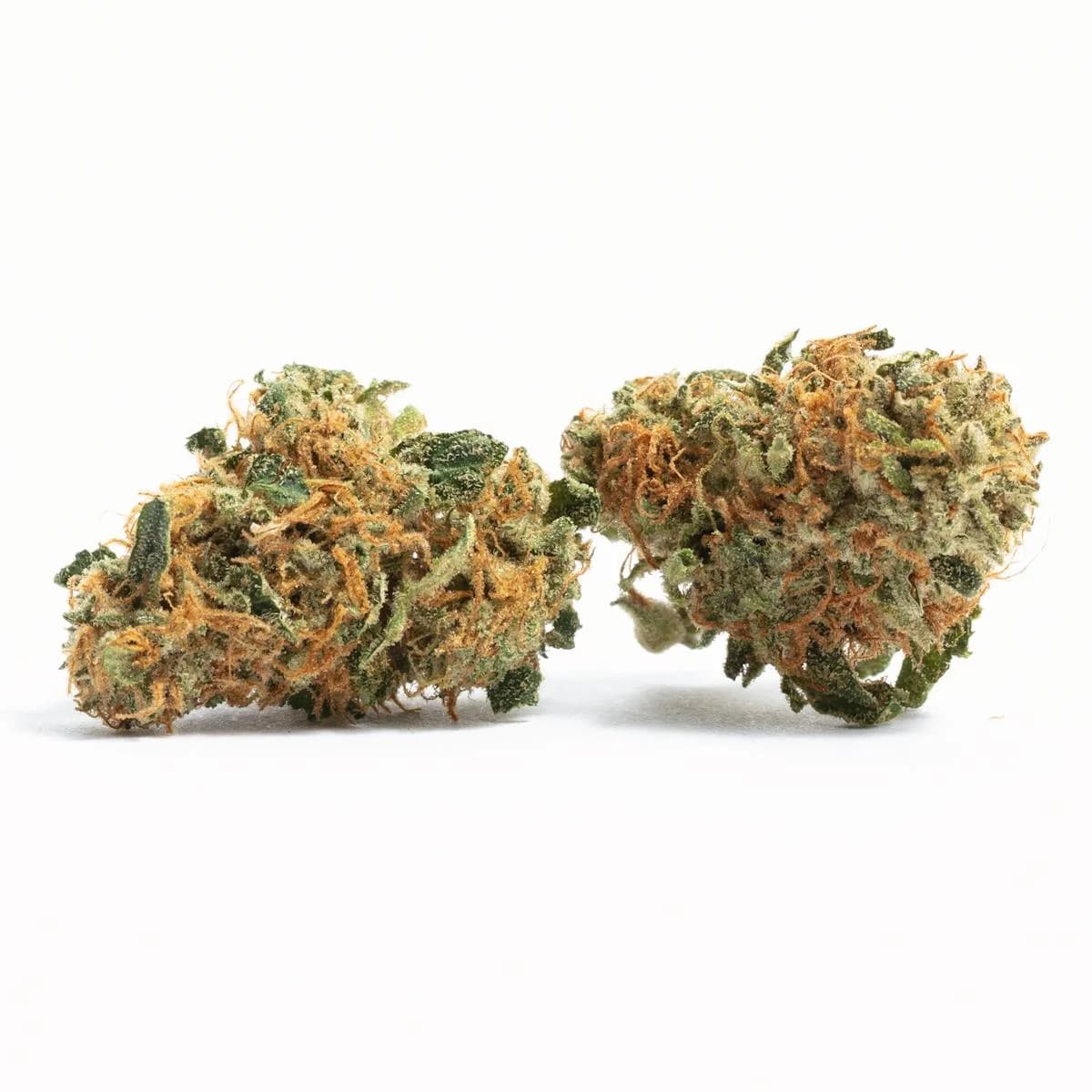
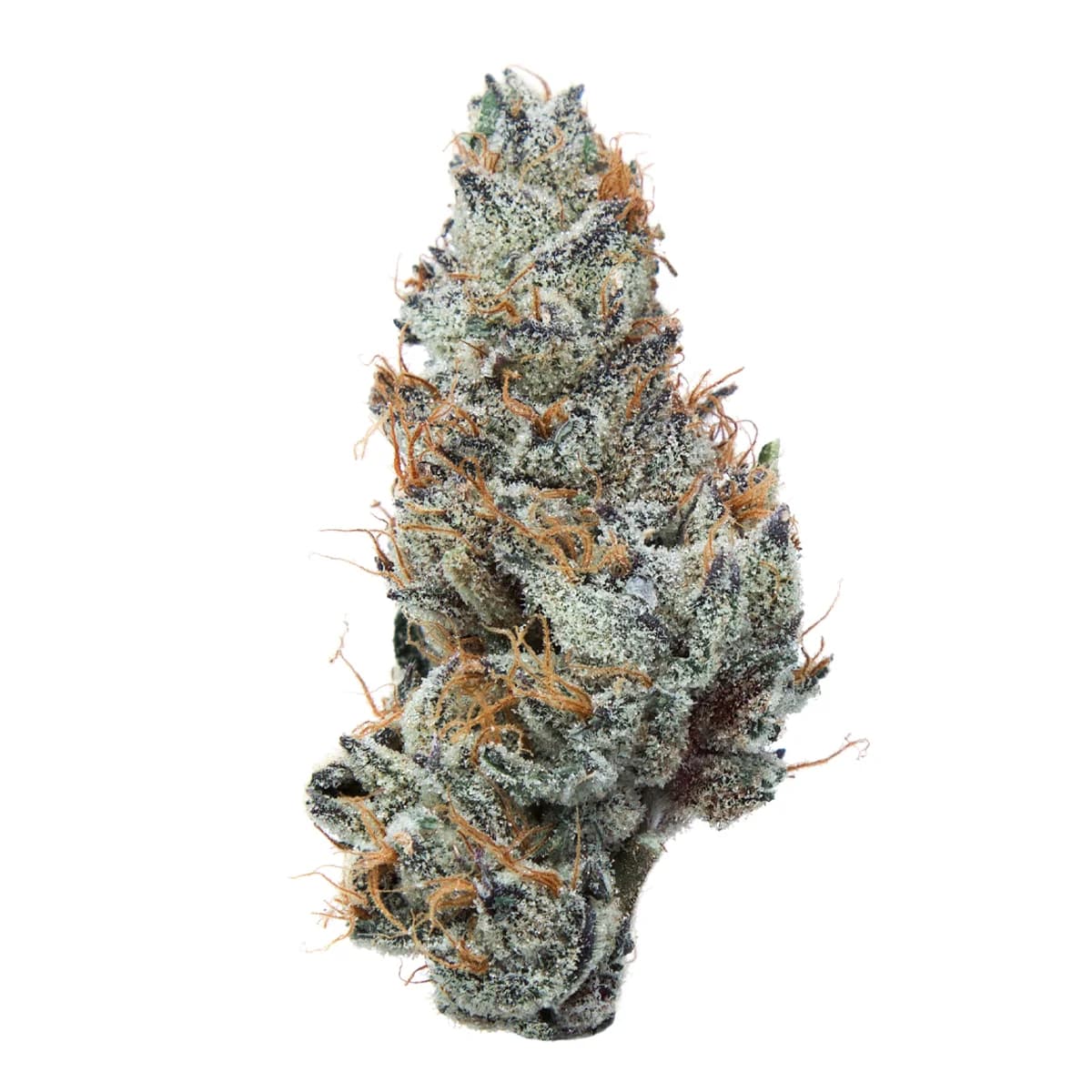
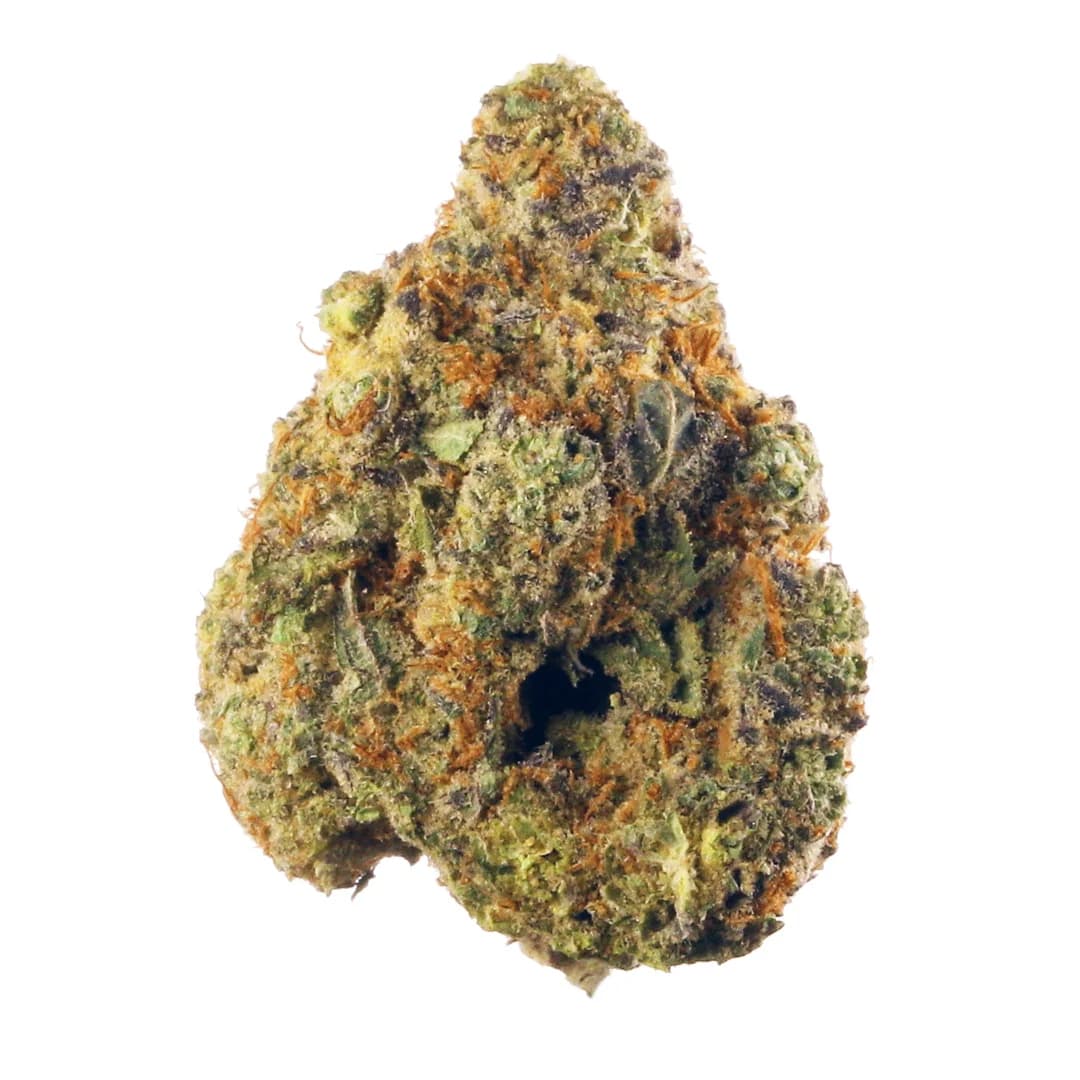
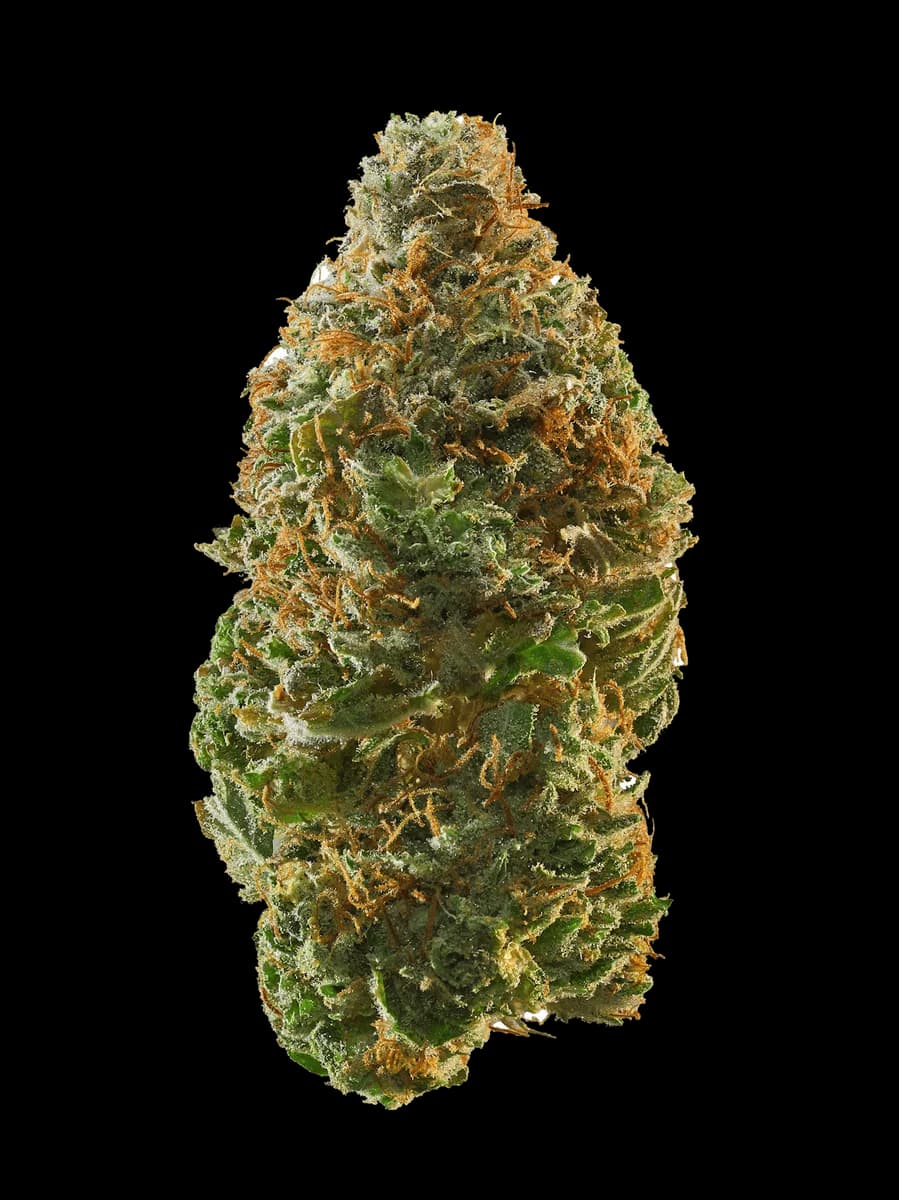
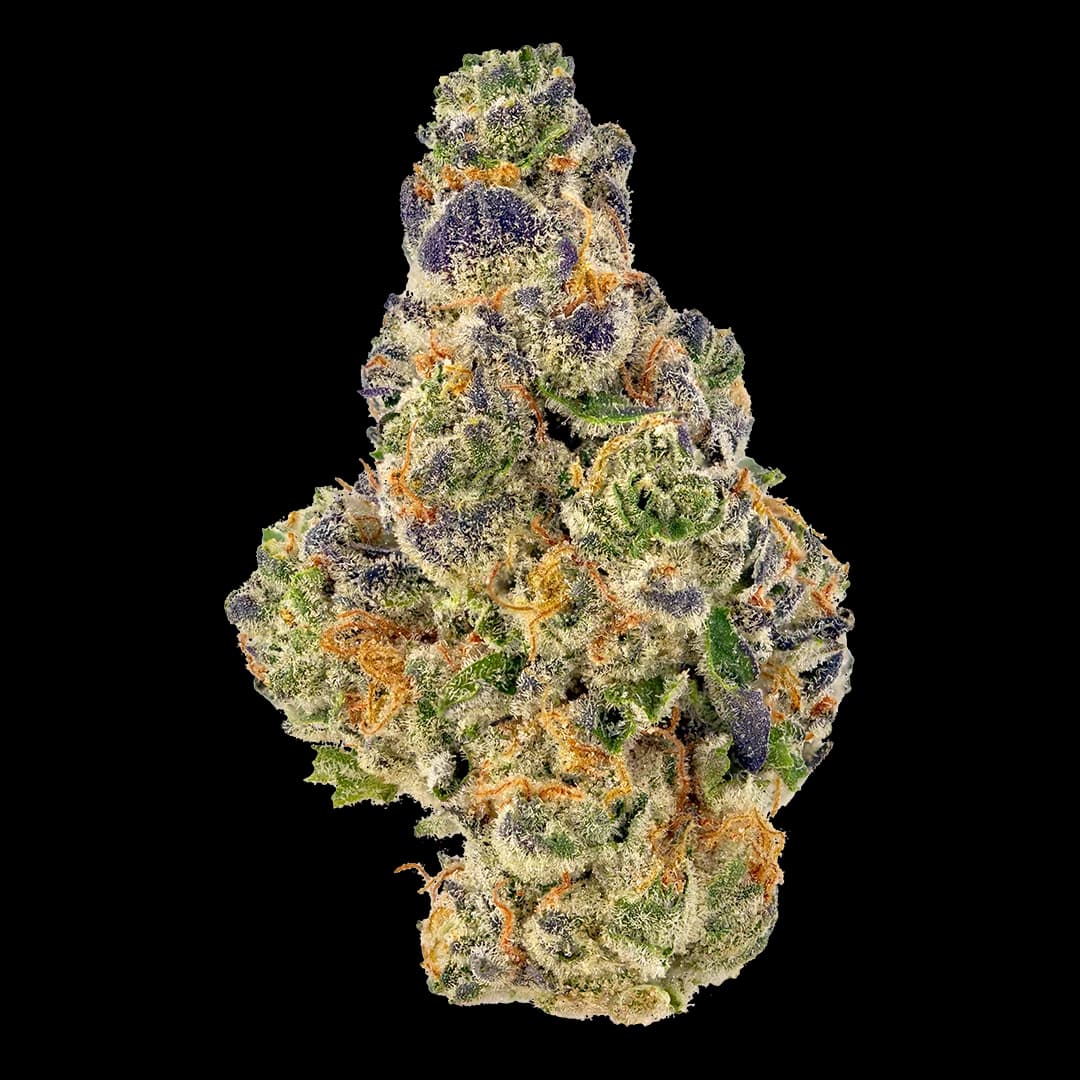
Percentages are catalog reference values, not sample lab results. “Not reported” means the source did not supply a value. Reported effects are subjective tags, not predictions.
Afghan Kush is associated by Leafly with the Hindu Kush region near the Afghanistan-Pakistan border. The account also mentions later seed distribution by White Label. Geographic origin and a later supplier are different facts; neither is converted here into a specific two-parent cross.
Afghani is a regional cannabis name associated with Afghanistan and appears in many reported family histories. A regional name can cover varied material, so this profile does not imply one uniform genetic or chemical sample.
Big Bud's reported background combines Afghani, Northern Lights and Skunk #1. Leafly traces its history from the United States to the Netherlands; the three names are recorded as ancestry without inventing a crossing order.
Black Domina is described by Leafly using four family contributors: Northern Lights, Ortega, Hash Plant and Afghani. Those connections are shown as ancestry rather than implying a single four-parent mating. The source does not establish every intermediate generation.
Blackberry Kush, also recorded as BBK, is described in Leafly's catalog as an Afghani and Blackberry cross. The source associates the name with berry, earthy and sweet reader descriptors, while caryophyllene, limonene and myrcene are listed separately as catalog terpene labels. These reports help explain how the profile is presented but do not authenticate the immediate parent plants or predict an individual's response. The alias is kept as a source-recorded name and is not merged with every product marketed as Blackberry or Kush.
Blue Cheese connects the Blueberry and UK Cheese families in Leafly's catalog account. UK Cheese is kept as a named selection rather than merged with every strain that uses the word Cheese, and the source does not establish a genetically authenticated cross. The profile carries reader-reported blue cheese, cheese and pungent notes, alongside catalog labels for caryophyllene, limonene and myrcene. Tags describe reported impressions and the terpene list describes source-recorded labels; neither fixes the identity or chemistry of an individual sample.
Blue Moonshine is attributed by Leafly to DJ Short and described within the Blueberry family. The reviewed narrative does not set out a full parent cross. Its fruity reader descriptors and catalog values are retained without treating a family resemblance as proof of a direct pedigree.
Blueberry, also called Berry Blue, is associated with DJ Short's work beginning in the late 1970s. Leafly describes Thai-related ancestry and notes that material passed between breeders and seed banks over time. This history is a reason to preserve source and selection details rather than assume all Blueberry records describe one identical plant. Blueberry, berry and sweet are reader flavor descriptors; the fruit name alone is not a chemical measurement or proof of parentage.
Bubba Kush is an indica-classified name with an explicitly uncertain pedigree in Leafly's account. The source describes OG Kush pollinating a plant called Bubba, whose identity was not established; Northern Lights is presented as a possibility rather than a confirmed parent. Coffee, earthy and pungent are reader flavor tags on the profile. Those impressions and the plant's appearance cannot resolve the unknown parent's identity, so the uncertainty remains part of the family record.
Critical Mass is listed by Leafly as an Afghani and Skunk #1 cross. The profile keeps that reported family connection alongside source-linked catalog parameters without converting reference values into laboratory ranges.
Face Off OG is associated with Archive Seeds and a California OG Kush selection from the late 1990s. This is represented as selection history rather than an invented two-parent cross.
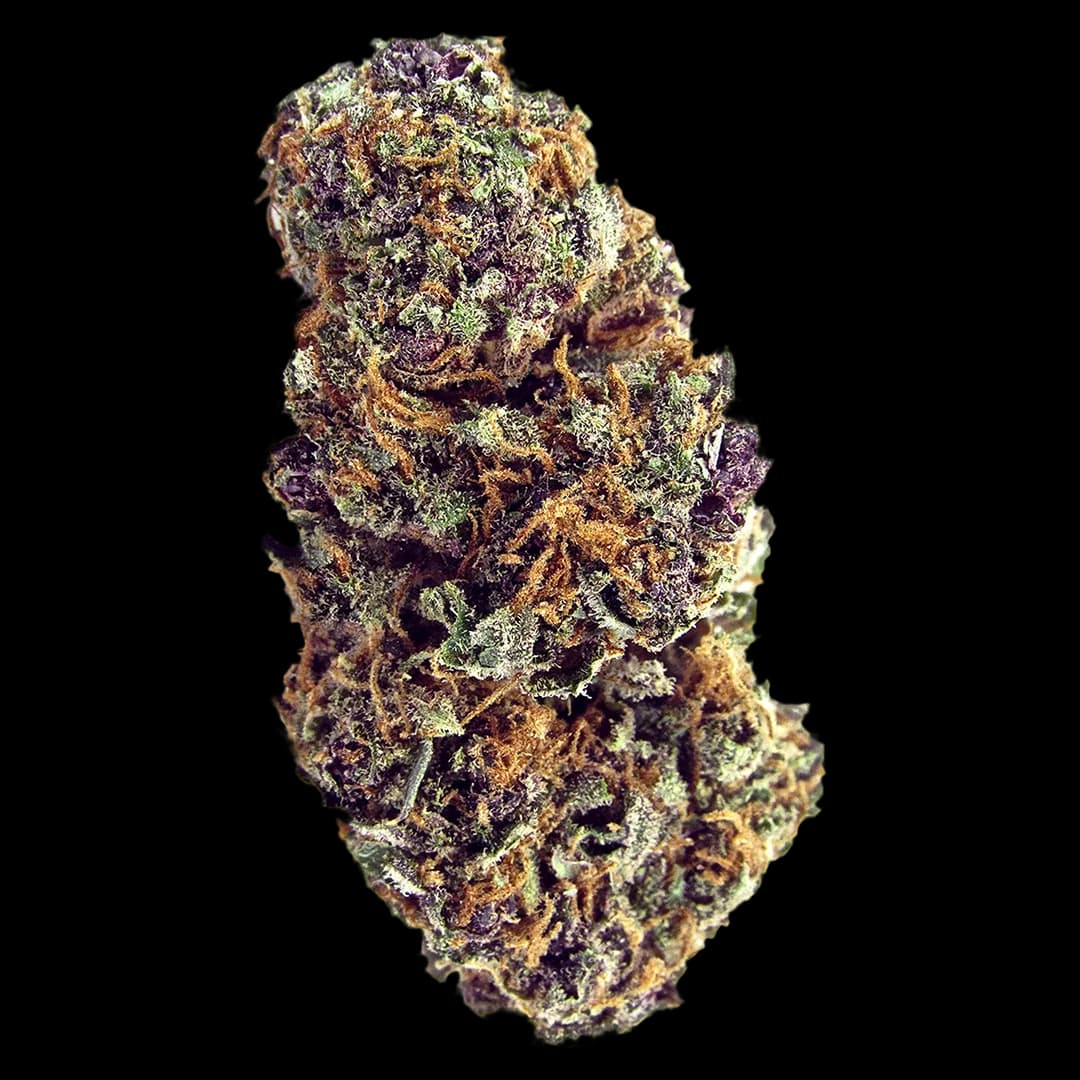
Forbidden Fruit connects Cherry Pie with Tangie. The source describes purple coloration and a fruit-associated aroma, characteristics that can vary between individual samples.
G13 carries an unusually elaborate origin story. Leafly itself describes the government-laboratory account as an urban legend, so this profile does not present it as established history. The catalog name and its reported attributes can be documented while its original parentage remains unresolved.
Godfather OG is cataloged by Leafly with XXX OG and Alpha OG parentage and several alternate names. This entry keeps those labels together while retaining the parent records as external until independently cataloged.
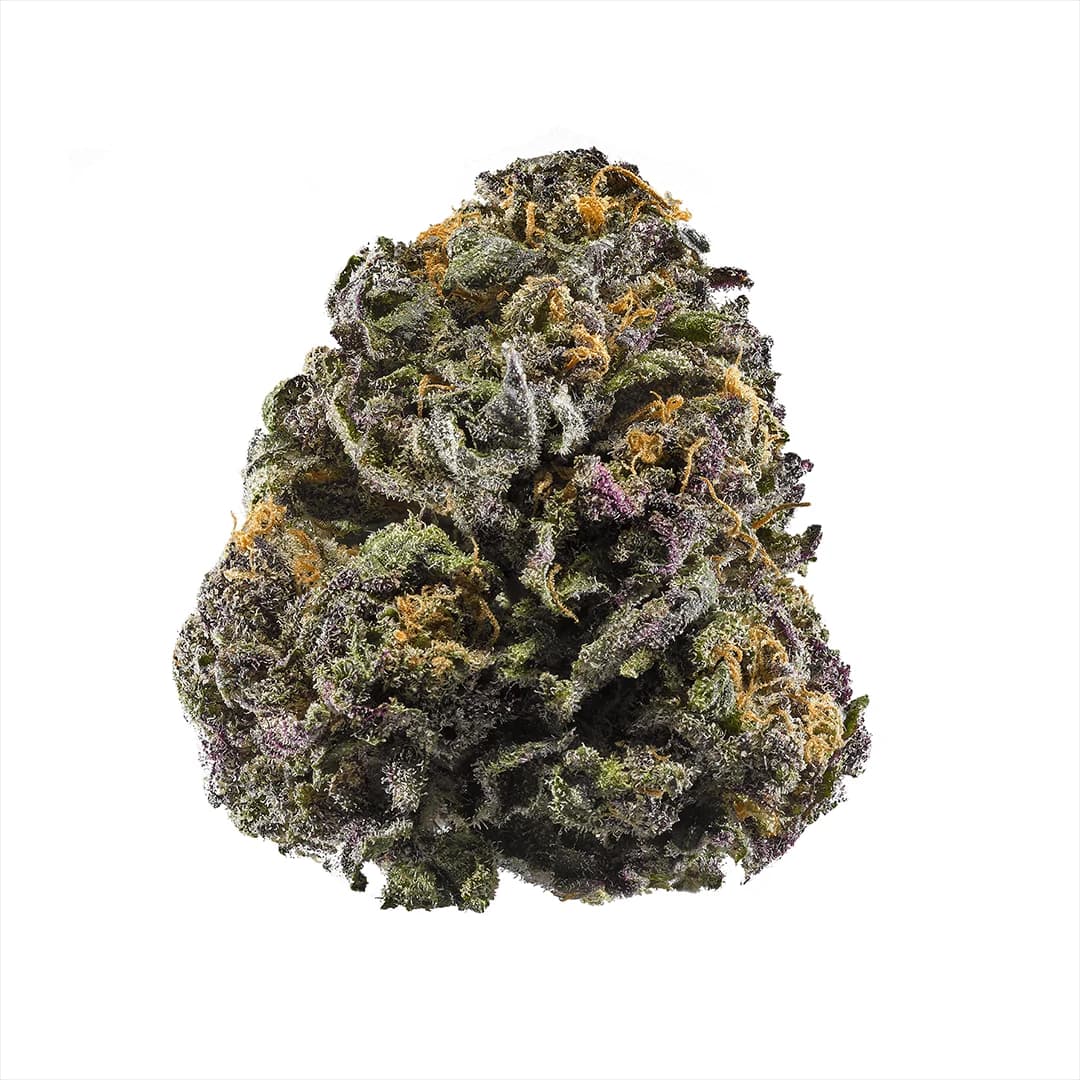
Granddaddy Purple, often shortened to GDP, is associated in Leafly's account with Ken Estes and 2003. Its pedigree is less settled than that familiar name suggests: the source presents both a Mendo Purps/Skunk/Afghan account and a Big Bud × Purple Urkle account. This profile keeps that disagreement visible. Grape, berry and violet are reported flavor descriptors, not evidence that either proposed family tree has been confirmed.
Grape Ape is associated in the catalog with Apothecary Genetics and Barney's Farm. Its reported background includes Mendocino Purps, Skunk and Afghani, but the source does not provide a complete sequence that would justify converting all three names into immediate parents. Berry, grape and sweet are reader-reported flavor descriptors, while caryophyllene, myrcene and pinene appear as catalog terpene labels. The profile keeps breeder attribution, family context and sensory reports separate; a shared name does not establish identical genetics or chemistry across products.
Hindu Kush takes its name from the mountain region spanning parts of Afghanistan and Pakistan. This entry documents that regional background and the source's catalog traits without assigning an unsupported parent cross.
Kosher Kush began as a Los Angeles clone-only line and is associated with DNA Genetics. Leafly relates it to OG Kush without documenting a complete two-parent cross.
LA Confidential also appears under Confidential and Confidential OG. Leafly lists Afghani in its genetics section without establishing a complete two-parent pedigree.
Lavender, also called Lavender Kush, is attributed by Leafly to Soma Seeds and a background involving Super Skunk, Big Skunk Korean and Afghani Hawaiian. The three named contributors are shown as ancestry because the reviewed account does not establish each intermediate cross.
Mango, also listed as Mango OG, is described by Leafly through KC 33 and Afghani genetics. The Afghani parent links to the existing catalog while KC 33 remains an external source identity.
Master Kush is attributed to the Dutch White Label Seed Company. Leafly describes two regional landrace parents from the Hindu Kush area but does not identify their individual accessions.
Mazar I Sharif refers to an Afghan regional line in Leafly's account. A regional name can encompass varied material, so this page does not invent a two-parent cross. The source narrative speculates about CBD, whereas its displayed catalog value is rounded to zero; those are not equivalent kinds of evidence.