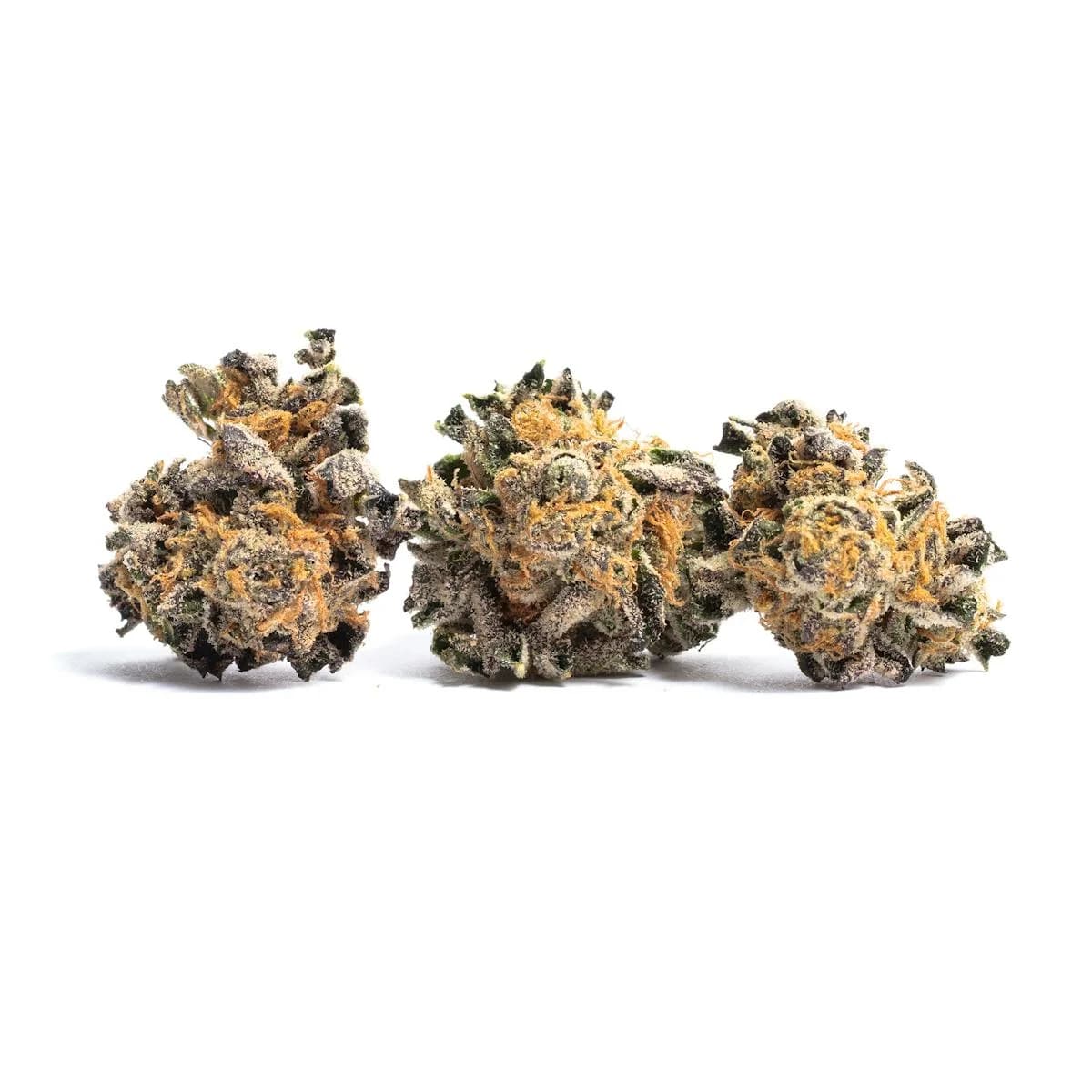
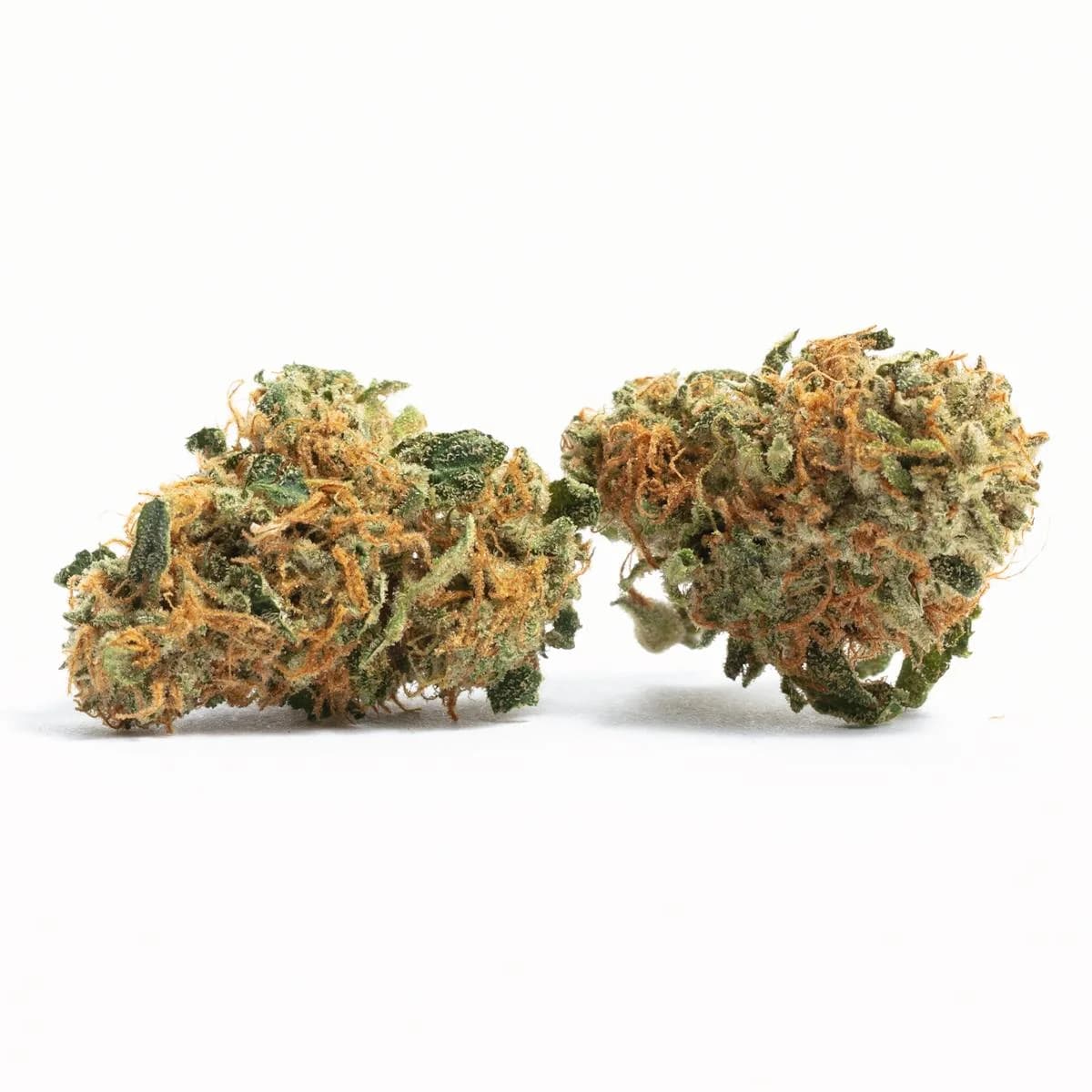
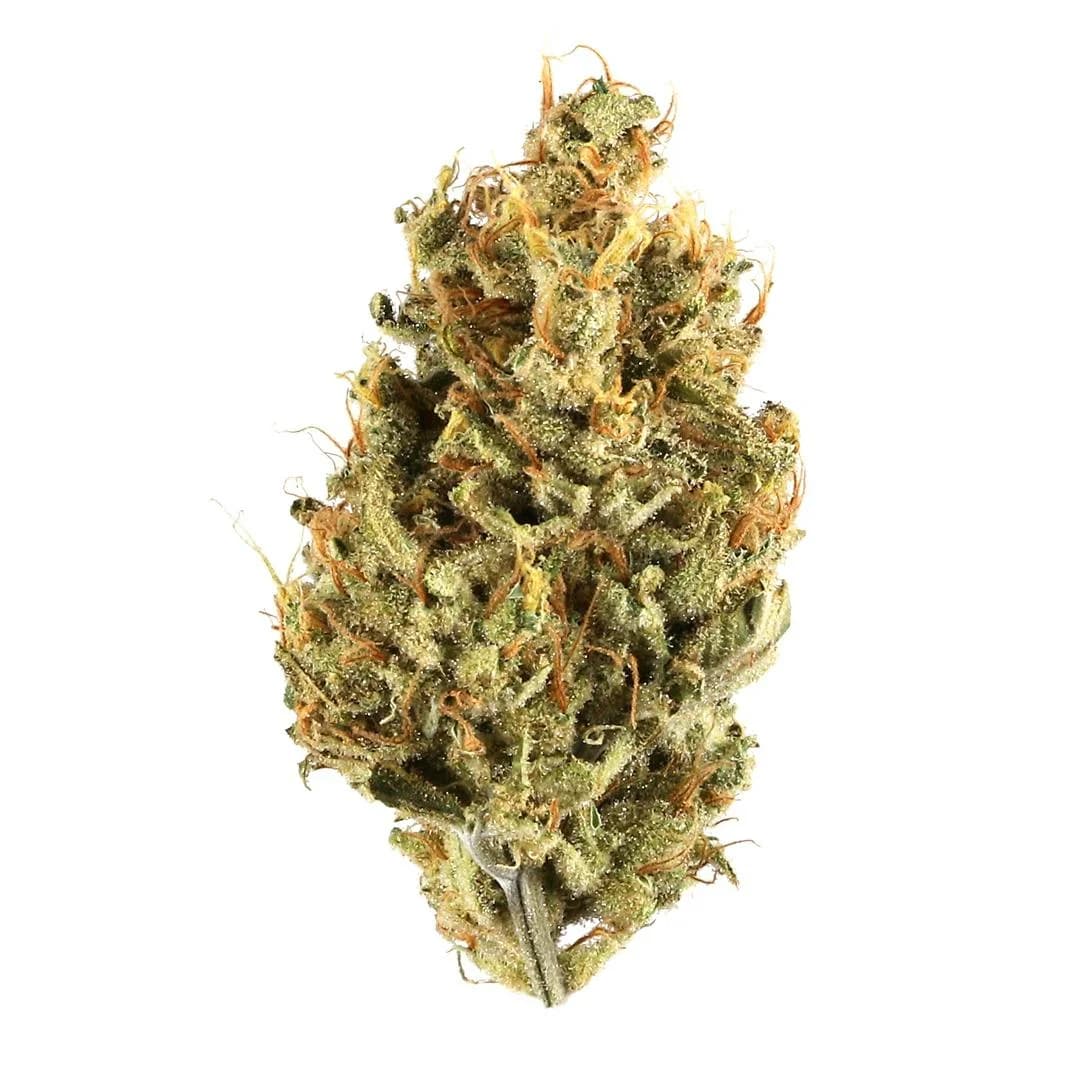
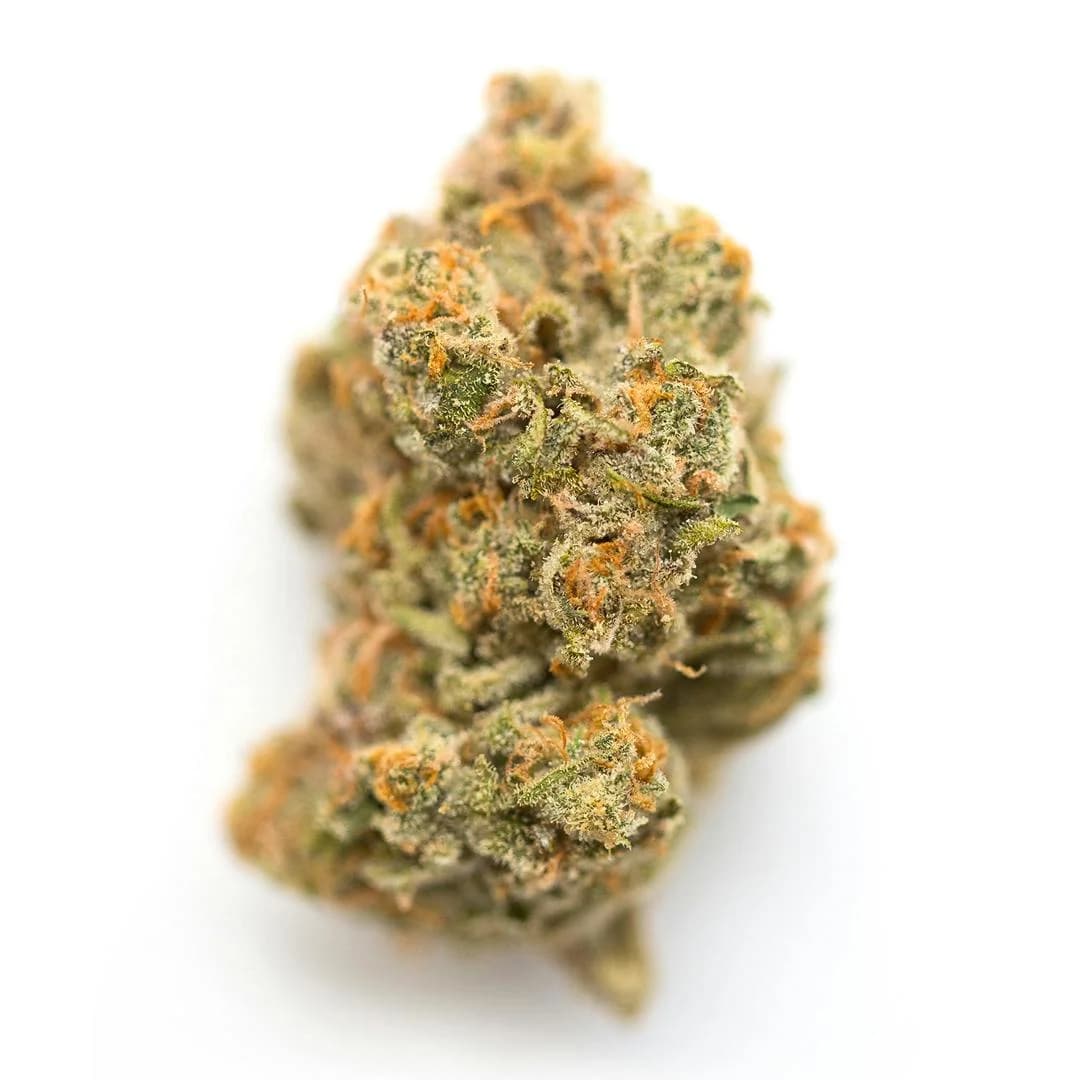
OG Kush is a hybrid name central to several later catalog families, including GSC and Headband. Leafly describes a Florida-to-California history but qualifies the proposed early cross rather than documenting a settled pedigree. Its listed aroma descriptors include wood, pine and earth, while its chemistry section names myrcene, limonene and caryophyllene. The uncertain origin story is retained as an attributed account; a shared OG name does not establish identical ancestry or chemistry.
Northern Lights is listed by Leafly as an indica with reported Afghani and Thai ancestry. Its history section treats the Seattle origin story as a rumor and describes later distribution through the Netherlands. That uncertainty is part of the record, not a missing detail to fill by guesswork. Pine, earth and wood appear in its reader flavor tags. Numbered selections such as Northern Lights #5 require their own provenance rather than automatic equivalence with this broader entry.
Jack Herer is named after the author and cannabis activist. Leafly attributes its development to Sensi Seeds and describes a Haze hybrid combined with Northern Lights #5 and Shiva Skunk ancestry. The source acknowledges multiple phenotypes, which matters when interpreting the name as a single record. Its terpinolene-led catalog profile and pine, wood and earth flavor tags describe different evidence types, not a guarantee that every Jack Herer sample shares the same composition.
White Widow is associated in Leafly's account with Dutch breeding in the 1990s and ancestry from Brazil and southern India. These regional descriptions are broader than named, authenticated parent plants. The profile's woody, earthy and floral reader tags sit alongside a myrcene-led catalog terpene listing. They describe the source's record rather than establish a universal sample profile. Historical breeder attribution and the exact ancestral material still need primary documentation.
Bubba Kush is an indica-classified name with an explicitly uncertain pedigree in Leafly's account. The source describes OG Kush pollinating a plant called Bubba, whose identity was not established; Northern Lights is presented as a possibility rather than a confirmed parent. Coffee, earthy and pungent are reader flavor tags on the profile. Those impressions and the plant's appearance cannot resolve the unknown parent's identity, so the uncertainty remains part of the family record.
Durban Poison takes its regional identity from Durban in South Africa according to Leafly. The catalog classifies it as sativa without supplying a named two-parent cross. Its displayed pine, earthy and sage descriptors are reader impressions, while terpinolene leads the separate terpene list. A geographic origin is useful historical context but does not by itself authenticate every later selection carrying the name or establish a fixed concentration of any cannabinoid.
AK-47 is described by Leafly as a hybrid with Colombian, Mexican, Thai and Afghan ancestry. That four-region summary does not specify the order of crosses or an immediate parent pair. Serious Seeds' own history connects AK-47 with Simon's work before the company's founding in 1995. This adds a breeder account to the catalog context without certifying every later AK-47-labelled sample. Skunk, tobacco and earth remain reported flavor descriptors rather than evidence of pedigree.
GSC is the catalog entry also known as Girl Scout Cookies. Leafly attributes it to Jigga and describes an OG Kush subtype crossed with F1 Durban. That intermediate parent name matters: it should not automatically be replaced with Durban Poison. Thin Mint and Platinum GSC are discussed as related variations rather than interchangeable specimens. Mint, sweet and earthy reader tags help describe the catalog profile but do not authenticate its genetics.
Haze is a broad sativa-associated family that Leafly places in Santa Cruz in the 1960s. Its account names Colombian, Mexican, Thai and South Indian ancestry without defining a complete sequence of crosses. The profile's spicy or herbal, tobacco and earthy tags describe reader impressions. This family-level history is useful when exploring descendants, but the word Haze in another strain's name is not enough to prove a direct parent relationship or identical chemistry.
Harlequin is presented by Leafly as a sativa catalog entry. The source account says: Colombian Gold, Nepali indica, Thai and Swiss landrace ancestry are reported. Immediate parents and crossing order are not specified. This context is retained as an attributed account, not as genetic authentication of every sample carrying the name. Reader-reported flavor descriptors include Earthy, Spicy/Herbal, Woody. The catalog lists Caryophyllene, Myrcene, Pinene as terpene labels. Those fields describe different evidence layers and do not establish a fixed chemical profile, medical effect or response for an individual sample.
Cannatonic is presented by Leafly as a hybrid catalog entry. The source account says: Resin Seeds identifies Reina Madre × NYCD. Leafly instead lists MK Ultra × G13 Haze; the breeder's account is used for the parent links and both sources are retained. This context is retained as an attributed account, not as genetic authentication of every sample carrying the name. Reader-reported flavor descriptors include Earthy, Pine, Woody. The catalog lists Caryophyllene, Myrcene, Pinene as terpene labels. Those fields describe different evidence layers and do not establish a fixed chemical profile, medical effect or response for an individual sample.
ACDC is presented by Leafly as a hybrid catalog entry. The source account says: Leafly describes ACDC as a phenotype of Cannatonic; Resin Seeds also lists ACDC among Cannatonic selections. This context is retained as an attributed account, not as genetic authentication of every sample carrying the name. Reader-reported flavor descriptors include Earthy, Pine, Woody. The catalog lists Caryophyllene, Myrcene, Pinene as terpene labels. Those fields describe different evidence layers and do not establish a fixed chemical profile, medical effect or response for an individual sample.
Trainwreck is associated by Leafly with Northern California and Mexican, Thai and Afghan ancestry. The source offers more than one story for its name rather than a single documented origin. Its summary classifies it as hybrid, while the narrative uses sativa language; these labels should not settle pedigree. Pine, earthy and woody are displayed reader tags, separate from a terpinolene-led catalog profile. The ancestry remains broader than an authenticated pair of immediate parents.
Triangle Kush is presented by Leafly as a indica catalog entry. The source account says: Triangle Kush is associated with Florida, with a name referring to Jacksonville, Miami and Tampa. This catalog records its regional history while leaving the immediate parent identities unresolved. This context is retained as an attributed account, not as genetic authentication of every sample carrying the name. Reader-reported flavor descriptors include Earthy, Skunk, Woody. The catalog lists Caryophyllene, Limonene, Myrcene as terpene labels. Those fields describe different evidence layers and do not establish a fixed chemical profile, medical effect or response for an individual sample.
Afghani is presented by Leafly as a indica catalog entry. The source account says: Afghani is a regional cannabis name associated with Afghanistan and appears in many reported family histories. A regional name can cover varied material, so this profile does not imply one uniform genetic or chemical sample. This context is retained as an attributed account, not as genetic authentication of every sample carrying the name. Reader-reported flavor descriptors include Earthy, Pine, Woody. The catalog lists Myrcene, Pinene, Terpinolene as terpene labels. Those fields describe different evidence layers and do not establish a fixed chemical profile, medical effect or response for an individual sample.
Hindu Kush is presented by Leafly as a indica catalog entry. The source account says: Hindu Kush takes its name from the mountain region spanning parts of Afghanistan and Pakistan. This entry documents that regional background and the source's catalog traits without assigning an unsupported parent cross. This context is retained as an attributed account, not as genetic authentication of every sample carrying the name. Reader-reported flavor descriptors include Earthy, Spicy/Herbal, Woody. The catalog lists Caryophyllene, Limonene, Pinene as terpene labels. Those fields describe different evidence layers and do not establish a fixed chemical profile, medical effect or response for an individual sample.
Super Skunk is presented by Leafly as a indica catalog entry. The source account says: Super Skunk is reported as a cross between Skunk #1 and Afghani. Those links connect it to two widely referenced families; the skunk and earthy flavor tags below describe reader observations rather than laboratory measurements. This context is retained as an attributed account, not as genetic authentication of every sample carrying the name. Reader-reported flavor descriptors include Earthy, Pungent, Skunk. The catalog lists Caryophyllene, Humulene, Limonene as terpene labels. Those fields describe different evidence layers and do not establish a fixed chemical profile, medical effect or response for an individual sample.
Big Bud is presented by Leafly as a indica catalog entry. The source account says: Big Bud's reported background combines Afghani, Northern Lights and Skunk #1. Leafly traces its history from the United States to the Netherlands; the three names are recorded as ancestry without inventing a crossing order. This context is retained as an attributed account, not as genetic authentication of every sample carrying the name. Reader-reported flavor descriptors include Earthy, Spicy/Herbal, Woody. The catalog lists Myrcene, Ocimene, Pinene as terpene labels. Those fields describe different evidence layers and do not establish a fixed chemical profile, medical effect or response for an individual sample.
Skunk 1 is presented by Leafly as a hybrid catalog entry. The source account says: Skunk #1 is associated with Sacred Seed Co. and selection work involving Afghani, Acapulco Gold and Colombian Gold. Its family record represents that multi-generation background rather than a simple two-parent cross. This context is retained as an attributed account, not as genetic authentication of every sample carrying the name. Reader-reported flavor descriptors include Earthy, Pungent, Skunk. The catalog lists Limonene, Myrcene, Pinene as terpene labels. Those fields describe different evidence layers and do not establish a fixed chemical profile, medical effect or response for an individual sample.
Super Silver Haze is attributed to Green House Seeds and a background involving Skunk, Northern Lights and Haze. Leafly supplies those ancestry names without defining a complete order of crosses, so the catalog preserves them as reported background rather than inventing immediate parents. Citrus, earthy and skunk are reader-reported flavor descriptors, while caryophyllene, limonene and myrcene are listed as source terpene labels. A family name and a terpene list orient the reader but do not authenticate every later selection carrying the name.
GG4, commonly called Original Glue, is attributed in the catalog to GG Strains LLC and a reported background involving Chem's Sister, Sour Dubb and Chocolate Diesel. The source does not provide a complete crossing sequence, so those names are retained as attributed ancestry rather than presented as a verified family tree. Earthy, pine and pungent are reader-reported flavor descriptors, while caryophyllene, limonene and myrcene are catalog terpene labels. These fields describe the source record and do not establish the chemistry of every sample sold under the GG4 name.
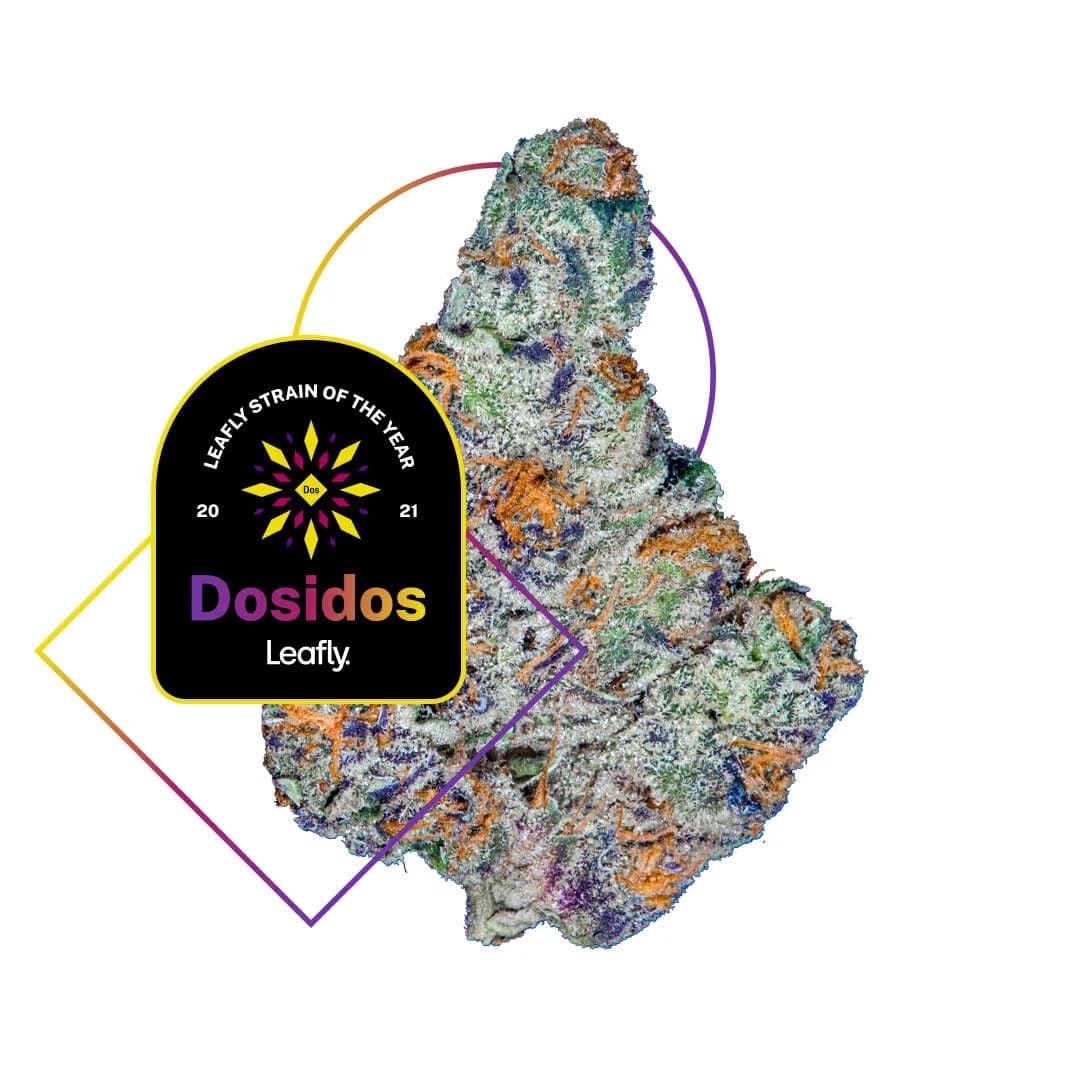
Dosidos is presented by Leafly as a hybrid catalog entry. The source account says: Dosidos is associated with a GSC phenotype and Face Off OG genetics. The GSC contribution is described at the phenotype level in this reference, so it is recorded as ancestry rather than equated with one verified GSC parent. This context is retained as an attributed account, not as genetic authentication of every sample carrying the name. Reader-reported flavor descriptors include Earthy, Floral, Pepper. The catalog lists Caryophyllene, Limonene, Linalool as terpene labels. Those fields describe different evidence layers and do not establish a fixed chemical profile, medical effect or response for an individual sample.
Green Crack is listed by Leafly with names including Green Crush and Mango Crack. Its proposed background pairs Skunk #1 with an unidentified indica, leaving part of the pedigree unresolved. Citrus, mango and earthy are reader flavor descriptors on the source page. The dramatic name is a naming convention, not an ingredient statement, and the unknown parent should stay unknown rather than be replaced with a familiar strain to complete the tree.
White Rhino is presented by Leafly as a indica catalog entry. The source account says: White Rhino is described as a White Widow cross with North American Indica. The regional name does not identify a single verified parent accession. This is a source-reported identity, not a genetically authenticated pedigree. This context is retained as an attributed account, not as genetic authentication of every sample carrying the name. Reader-reported flavor descriptors include Earthy, Pungent, Woody. The catalog lists Myrcene, Pinene, Terpinolene as terpene labels. Those fields describe different evidence layers and do not establish a fixed chemical profile, medical effect or response for an individual sample.
Headband is cataloged as a hybrid associated with OG Kush and Sour Diesel, with HB recorded as another name in the source profile. The two parent names describe an attributed catalog relationship and do not prove that every plant carrying the Headband name has the same ancestry. Diesel, earthy and pungent are reader-reported flavor descriptors, while caryophyllene, limonene and myrcene are listed separately as catalog terpene labels. The combination helps explain this record but is not a prediction of effects, potency or composition for a particular harvest.
LA Confidential is presented by Leafly as a indica catalog entry. The source account says: LA Confidential also appears under Confidential and Confidential OG. Leafly lists Afghani in its genetics section without establishing a complete two-parent pedigree. This is a source-reported identity, not a genetically authenticated pedigree. This context is retained as an attributed account, not as genetic authentication of every sample carrying the name. Reader-reported flavor descriptors include Earthy, Pine, Skunk. The catalog lists Caryophyllene, Myrcene, Pinene as terpene labels. Those fields describe different evidence layers and do not establish a fixed chemical profile, medical effect or response for an individual sample.
Blackberry Kush, also recorded as BBK, is described in Leafly's catalog as an Afghani and Blackberry cross. The source associates the name with berry, earthy and sweet reader descriptors, while caryophyllene, limonene and myrcene are listed separately as catalog terpene labels. These reports help explain how the profile is presented but do not authenticate the immediate parent plants or predict an individual's response. The alias is kept as a source-recorded name and is not merged with every product marketed as Blackberry or Kush.
Master Kush is attributed to the Dutch White Label Seed Company. Leafly describes two regional landrace parents from the Hindu Kush area but does not identify the individual accessions or a complete crossing sequence, so the catalog keeps that uncertainty visible. Earthy, floral and pungent are reader-reported flavor descriptors, while caryophyllene, limonene and myrcene are listed as source terpene labels. The regional account provides context for the name, but it does not authenticate every later selection or establish a universal chemical profile for products sold as Master Kush.
Kosher Kush is presented by Leafly as a indica catalog entry. The source account says: Kosher Kush began as a Los Angeles clone-only line and is associated with DNA Genetics. Leafly relates it to OG Kush without documenting a complete two-parent cross. This is a source-reported identity, not a genetically authenticated pedigree. This context is retained as an attributed account, not as genetic authentication of every sample carrying the name. Reader-reported flavor descriptors include Earthy, Pungent, Woody. The catalog lists Caryophyllene, Limonene, Myrcene as terpene labels. Those fields describe different evidence layers and do not establish a fixed chemical profile, medical effect or response for an individual sample.
Skywalker OG has conflicting pedigree statements within the Leafly profile. Its genetics panel lists OG Kush and Mazar x Blueberry, while the description names Mazar and Blueberry OG. The catalog preserves both accounts instead of choosing one without evidence. Earthy, pungent and spicy or herbal are reader-reported flavor descriptors, with caryophyllene, limonene and myrcene listed separately as catalog terpene labels. The conflicting names are an important part of the evidence record; neither version should be treated as a verified universal pedigree for every Skywalker OG sample.
Skywalker is presented by Leafly as a hybrid catalog entry. The source account says: Skywalker is kept separate from Skywalker OG. The linked Leafly genetics panel names Blueberry OG and Mazar I Sharif; those specific identities are preserved in the pedigree. This is a source-reported identity, not a genetically authenticated pedigree. This context is retained as an attributed account, not as genetic authentication of every sample carrying the name. Reader-reported flavor descriptors include Earthy, Floral, Sweet. The catalog lists Caryophyllene, Limonene, Myrcene as terpene labels. Those fields describe different evidence layers and do not establish a fixed chemical profile, medical effect or response for an individual sample.
Fire OG is presented by Leafly as a hybrid catalog entry. The source account says: Fire OG is reported as OG Kush crossed with SFV OG Kush. The latter is distinct from SFV OG, so the two names are not merged in its parent links. This is a source-reported identity, not a genetically authenticated pedigree. This context is retained as an attributed account, not as genetic authentication of every sample carrying the name. Reader-reported flavor descriptors include Earthy, Lemon, Pine. The catalog lists Caryophyllene, Limonene, Myrcene as terpene labels. Those fields describe different evidence layers and do not establish a fixed chemical profile, medical effect or response for an individual sample.
SFV OG is presented by Leafly as a hybrid catalog entry. The source account says: SFV OG takes its name from California’s San Fernando Valley and is associated with Cali Connection. It belongs to the OG Kush family and differs from the later Afghani-crossed SFV OG Kush. This is a source-reported identity, not a genetically authenticated pedigree. This context is retained as an attributed account, not as genetic authentication of every sample carrying the name. Reader-reported flavor descriptors include Earthy, Pine, Woody. The catalog lists Caryophyllene, Limonene, Myrcene as terpene labels. Those fields describe different evidence layers and do not establish a fixed chemical profile, medical effect or response for an individual sample.
Tahoe OG is described in the catalog as a phenotype of OG Kush rather than as a separately documented two-parent cross, with Tahoe OG Kush recorded as another name. Earthy, pine and woody are reader-reported flavor descriptors, while caryophyllene, limonene and myrcene are listed as source terpene labels. This profile preserves the phenotype distinction because a name can describe a selected expression within a family rather than a new pedigree. The record does not establish that every Tahoe OG-labelled sample has the same chemistry or response.
Alien OG is presented by Leafly as a hybrid catalog entry. The source account says: Alien OG connects Tahoe OG with Alien Kush. Leafly describes its availability first as a Bay Area clone and later in seed form through Cali Connection. This is a source-reported identity, not a genetically authenticated pedigree. This context is retained as an attributed account, not as genetic authentication of every sample carrying the name. Reader-reported flavor descriptors include Earthy, Lemon, Pine. The catalog lists Caryophyllene, Limonene, Myrcene as terpene labels. Those fields describe different evidence layers and do not establish a fixed chemical profile, medical effect or response for an individual sample.
Thai is presented by Leafly as a sativa catalog entry. The source account says: Thai denotes a landrace cannabis population associated with Thailand rather than one documented modern cross. Thai Sticks is a historical name connected with its presentation. This is a source-reported identity, not a genetically authenticated pedigree. This context is retained as an attributed account, not as genetic authentication of every sample carrying the name. Reader-reported flavor descriptors include Earthy, Tea, Tobacco. The catalog lists Caryophyllene, Limonene, Myrcene as terpene labels. Those fields describe different evidence layers and do not establish a fixed chemical profile, medical effect or response for an individual sample.
Animal Cookies is presented by Leafly as a hybrid catalog entry. The source account says: Animal Cookies, also called Animal Crackers, is reported as GSC crossed with Fire OG. These two parent links connect it to both the Cookies and OG families. This is a source-reported identity, not a genetically authenticated pedigree. This context is retained as an attributed account, not as genetic authentication of every sample carrying the name. Reader-reported flavor descriptors include Earthy, Nutty, Sweet. The catalog lists Caryophyllene, Limonene, Myrcene as terpene labels. Those fields describe different evidence layers and do not establish a fixed chemical profile, medical effect or response for an individual sample.
Face Off OG is presented by Leafly as a indica catalog entry. The source account says: Face Off OG is associated with Archive Seeds and a California OG Kush selection from the late 1990s. This is represented as selection history rather than an invented two-parent cross. This is a source-reported identity, not a genetically authenticated pedigree. This context is retained as an attributed account, not as genetic authentication of every sample carrying the name. Reader-reported flavor descriptors include Ammonia, Earthy, Pine. The catalog lists Caryophyllene, Limonene, Myrcene as terpene labels. Those fields describe different evidence layers and do not establish a fixed chemical profile, medical effect or response for an individual sample.
G13 is presented by Leafly as a indica catalog entry. The source account says: No authenticated parent cross is established. Government-laboratory and escaped-cutting stories are not treated as historical evidence. This context is retained as an attributed account, not as genetic authentication of every sample carrying the name. Reader-reported flavor descriptors include Earthy, Pine, Woody. The catalog lists Caryophyllene, Limonene, Myrcene as terpene labels. Those fields describe different evidence layers and do not establish a fixed chemical profile, medical effect or response for an individual sample.
Northern Lights #5 is presented by Leafly as a indica catalog entry. The source account says: Afghani is listed in the source genetics panel. The remaining parentage is not established; the Northern Lights family name alone is not a second parent. This context is retained as an attributed account, not as genetic authentication of every sample carrying the name. Reader-reported flavor descriptors include Earthy, Honey, Pine. The catalog lists Myrcene, Pinene, Terpinolene as terpene labels. Those fields describe different evidence layers and do not establish a fixed chemical profile, medical effect or response for an individual sample.
Mazar I Sharif is presented by Leafly as a indica catalog entry. The source account says: Regional Afghan identity; no specific parent cross is documented. Narrative speculation about CBD is not imported as measured chemistry. This context is retained as an attributed account, not as genetic authentication of every sample carrying the name. Reader-reported flavor descriptors include Earthy, Floral, Spicy/Herbal. The catalog lists Caryophyllene, Linalool, Myrcene as terpene labels. Those fields describe different evidence layers and do not establish a fixed chemical profile, medical effect or response for an individual sample.
Blueberry OG is presented by Leafly as a hybrid catalog entry. The source account says: The Blueberry phenotype and OG Kush connection is source-reported. Narrative CBD claims and the displayed 0% reference value are inconsistent and require sample-specific corroboration. This context is retained as an attributed account, not as genetic authentication of every sample carrying the name. Reader-reported flavor descriptors include Berry, Blueberry, Earthy. The catalog lists Limonene, Myrcene, Pinene as terpene labels. Those fields describe different evidence layers and do not establish a fixed chemical profile, medical effect or response for an individual sample.
Burmese Kush is presented by Leafly as a hybrid catalog entry. The source account says: Only the OG Kush connection is explicit in the reviewed narrative. The complete cross remains unverified. This context is retained as an attributed account, not as genetic authentication of every sample carrying the name. Reader-reported flavor descriptors include Earthy, Pine, Woody. The catalog lists Caryophyllene, Limonene, Myrcene as terpene labels. Those fields describe different evidence layers and do not establish a fixed chemical profile, medical effect or response for an individual sample.
Mendo Breath is presented by Leafly as a indica catalog entry. The source account says: Source-reported OGKB and Mendo Montage cross. The F2 alias does not establish the generation of an individual product. This context is retained as an attributed account, not as genetic authentication of every sample carrying the name. Reader-reported flavor descriptors include Earthy, Pepper, Vanilla. The catalog lists Caryophyllene, Limonene, Myrcene as terpene labels. Those fields describe different evidence layers and do not establish a fixed chemical profile, medical effect or response for an individual sample.
Purple Thai is presented by Leafly as a sativa catalog entry. The source account says: Highland Oaxacan Gold remains a named external parent. The source-reported cross does not authenticate modern descendants. This context is retained as an attributed account, not as genetic authentication of every sample carrying the name. Reader-reported flavor descriptors include Earthy, Floral, Violet. The catalog lists Caryophyllene, Humulene, Myrcene as terpene labels. Those fields describe different evidence layers and do not establish a fixed chemical profile, medical effect or response for an individual sample.
Afghan Kush is presented by Leafly as a indica catalog entry. The source account says: Regional origin is retained without equating Afghan Kush, Afghani and Hindu Kush as identical catalog accessions. This context is retained as an attributed account, not as genetic authentication of every sample carrying the name. Reader-reported flavor descriptors include Earthy, Tar, Woody. The catalog lists Caryophyllene, Myrcene, Pinene as terpene labels. Those fields describe different evidence layers and do not establish a fixed chemical profile, medical effect or response for an individual sample.
OG #18 is presented by Leafly as a hybrid catalog entry. The source account says: The source explicitly identifies an OG Kush phenotype. No second parent is invented. This context is retained as an attributed account, not as genetic authentication of every sample carrying the name. Reader-reported flavor descriptors include Diesel, Earthy, Pungent. The catalog lists Limonene, Linalool, Myrcene as terpene labels. Those fields describe different evidence layers and do not establish a fixed chemical profile, medical effect or response for an individual sample.
Skunk Haze is presented by Leafly as a hybrid catalog entry. The source account says: Broad Skunk heritage remains unresolved rather than automatically identifying Skunk 1. The CBD alias does not justify inventing an unreported CBD value. This context is retained as an attributed account, not as genetic authentication of every sample carrying the name. Reader-reported flavor descriptors include Earthy, Skunk, Spicy/Herbal. The catalog lists Caryophyllene, Myrcene, Pinene as terpene labels. Those fields describe different evidence layers and do not establish a fixed chemical profile, medical effect or response for an individual sample.
Sensi Star is presented by Leafly as a indica catalog entry. The source account says: No direct parent cross is established by the reviewed source narrative. Unknown ancestry remains unknown. This context is retained as an attributed account, not as genetic authentication of every sample carrying the name. Reader-reported flavor descriptors include Earthy, Floral, Tea. The catalog lists Caryophyllene, Limonene, Myrcene as terpene labels. Those fields describe different evidence layers and do not establish a fixed chemical profile, medical effect or response for an individual sample.
Ghost OG is presented by Leafly as a hybrid catalog entry. The source account says: The linked source explicitly describes an OG Kush cut. A selection link is used rather than a reported cross. This context is retained as an attributed account, not as genetic authentication of every sample carrying the name. Reader-reported flavor descriptors include Citrus, Earthy, Pine. The catalog lists Caryophyllene, Limonene, Myrcene as terpene labels. Those fields describe different evidence layers and do not establish a fixed chemical profile, medical effect or response for an individual sample.
SFV OG Kush is presented by Leafly as a indica catalog entry. The source account says: The current source names OG Kush as the other parent, conflicting with the previously captured SFV OG account. That disputed second edge is omitted pending corroboration. Overlapping SFV aliases are not assigned to both profiles. This context is retained as an attributed account, not as genetic authentication of every sample carrying the name. Reader-reported flavor descriptors include Earthy, Lemon, Pine. The catalog lists Caryophyllene, Limonene, Myrcene as terpene labels. Those fields describe different evidence layers and do not establish a fixed chemical profile, medical effect or response for an individual sample.
The White is presented by Leafly as a hybrid catalog entry. The source account says: The source presents the origin as uncertain. Triangle is not automatically resolved to Triangle Kush, and visual similarity is not parentage evidence. This context is retained as an attributed account, not as genetic authentication of every sample carrying the name. Reader-reported flavor descriptors include Earthy, Pine, Woody. The catalog lists Caryophyllene, Limonene, Myrcene as terpene labels. Those fields describe different evidence layers and do not establish a fixed chemical profile, medical effect or response for an individual sample.
Alien Dawg is presented by Leafly as a hybrid catalog entry. The source account says: Source-reported cross; the external Alien Technology identity has not been independently reviewed here. This context is retained as an attributed account, not as genetic authentication of every sample carrying the name. Reader-reported flavor descriptors include Chemical, Earthy, Woody. The catalog lists Caryophyllene, Limonene, Myrcene as terpene labels. Those fields describe different evidence layers and do not establish a fixed chemical profile, medical effect or response for an individual sample.
Romulan is presented by Leafly as a indica catalog entry. The source account says: North American Indica remains a regional external label. The catalog account is not proof of a single authenticated founding plant. This context is retained as an attributed account, not as genetic authentication of every sample carrying the name. Reader-reported flavor descriptors include Earthy, Pine, Woody. The catalog lists Caryophyllene, Myrcene, Pinene as terpene labels. Those fields describe different evidence layers and do not establish a fixed chemical profile, medical effect or response for an individual sample.
OGKB is presented by Leafly as a hybrid catalog entry. The source account says: The GSC connection is explicitly tentative in the source. No direct OG Kush parent is inferred from the name. This context is retained as an attributed account, not as genetic authentication of every sample carrying the name. Reader-reported flavor descriptors include Earthy, Nutty, Vanilla. The catalog lists Caryophyllene, Myrcene, Terpinolene as terpene labels. Those fields describe different evidence layers and do not establish a fixed chemical profile, medical effect or response for an individual sample.
Critical Mass is presented by Leafly as a indica catalog entry. The source account says: The cited catalog page does not establish a complete, authenticated immediate-parent cross for this entry. This context is retained as an attributed account, not as genetic authentication of every sample carrying the name. Reader-reported flavor descriptors include Earthy, Skunk, Woody. The catalog lists Caryophyllene, Limonene, Myrcene as terpene labels. Those fields describe different evidence layers and do not establish a fixed chemical profile, medical effect or response for an individual sample.
White Fire OG is presented by Leafly as a hybrid catalog entry. The source account says: The cited catalog page does not establish a complete, authenticated immediate-parent cross for this entry. This context is retained as an attributed account, not as genetic authentication of every sample carrying the name. Reader-reported flavor descriptors include Earthy, Pungent, Woody. The catalog lists Caryophyllene, Limonene, Myrcene as terpene labels. Those fields describe different evidence layers and do not establish a fixed chemical profile, medical effect or response for an individual sample.
Godfather OG is presented by Leafly as a indica catalog entry. The source account says: The cited catalog page does not establish a complete, authenticated immediate-parent cross for this entry. This context is retained as an attributed account, not as genetic authentication of every sample carrying the name. Reader-reported flavor descriptors include Earthy, Pine, Pungent. The catalog lists Caryophyllene, Limonene, Myrcene as terpene labels. Those fields describe different evidence layers and do not establish a fixed chemical profile, medical effect or response for an individual sample.
Panama Red is presented by Leafly as a sativa catalog entry. The source account says: The cited catalog page does not establish a complete, authenticated immediate-parent cross for this entry. This context is retained as an attributed account, not as genetic authentication of every sample carrying the name. Reader-reported flavor descriptors include Earthy, Pepper, Tea. The catalog lists Limonene, Myrcene, Pinene as terpene labels. Those fields describe different evidence layers and do not establish a fixed chemical profile, medical effect or response for an individual sample.
Malawi is presented by Leafly as a sativa catalog entry. The source account says: Leafly associates the entry with the Salima region of Malawi. No immediate parent pair is asserted for the landrace identity. This context is retained as an attributed account, not as genetic authentication of every sample carrying the name. Reader-reported flavor descriptors include Earthy, Floral, Woody. The catalog lists Caryophyllene, Myrcene, Pinene as terpene labels. Those fields describe different evidence layers and do not establish a fixed chemical profile, medical effect or response for an individual sample.