Percentages are catalog reference values, not sample lab results. “Not reported” means the source did not supply a value. Reported effects are subjective tags, not predictions.
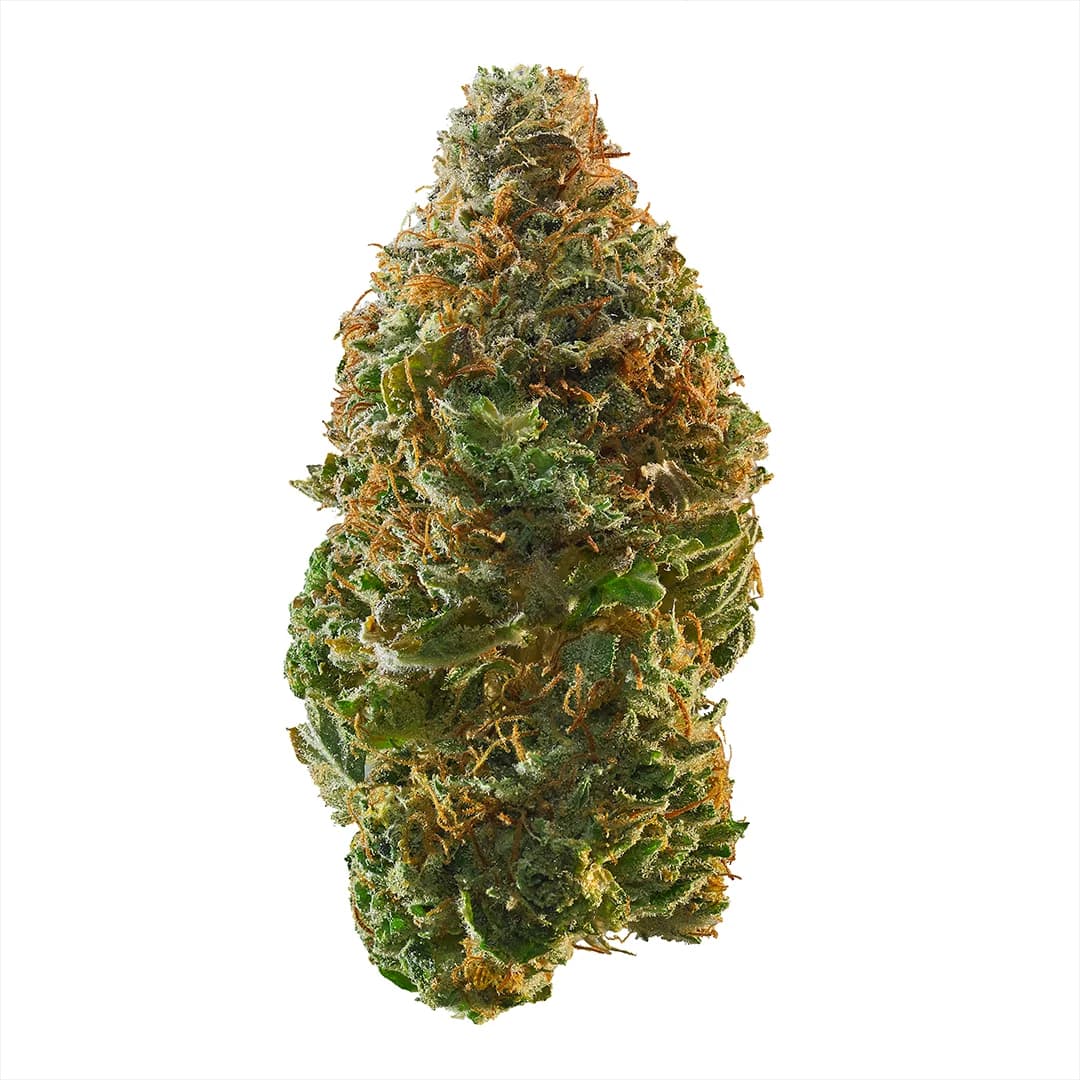
Trainwreck is associated by Leafly with Northern California and Mexican, Thai and Afghan ancestry. The source offers more than one story for its name rather than a single documented origin. Its summary classifies it as hybrid, while the narrative uses sativa language; these labels should not settle pedigree. Pine, earthy and woody are displayed reader tags, separate from a terpinolene-led catalog profile. The ancestry remains broader than an authenticated pair of immediate parents.
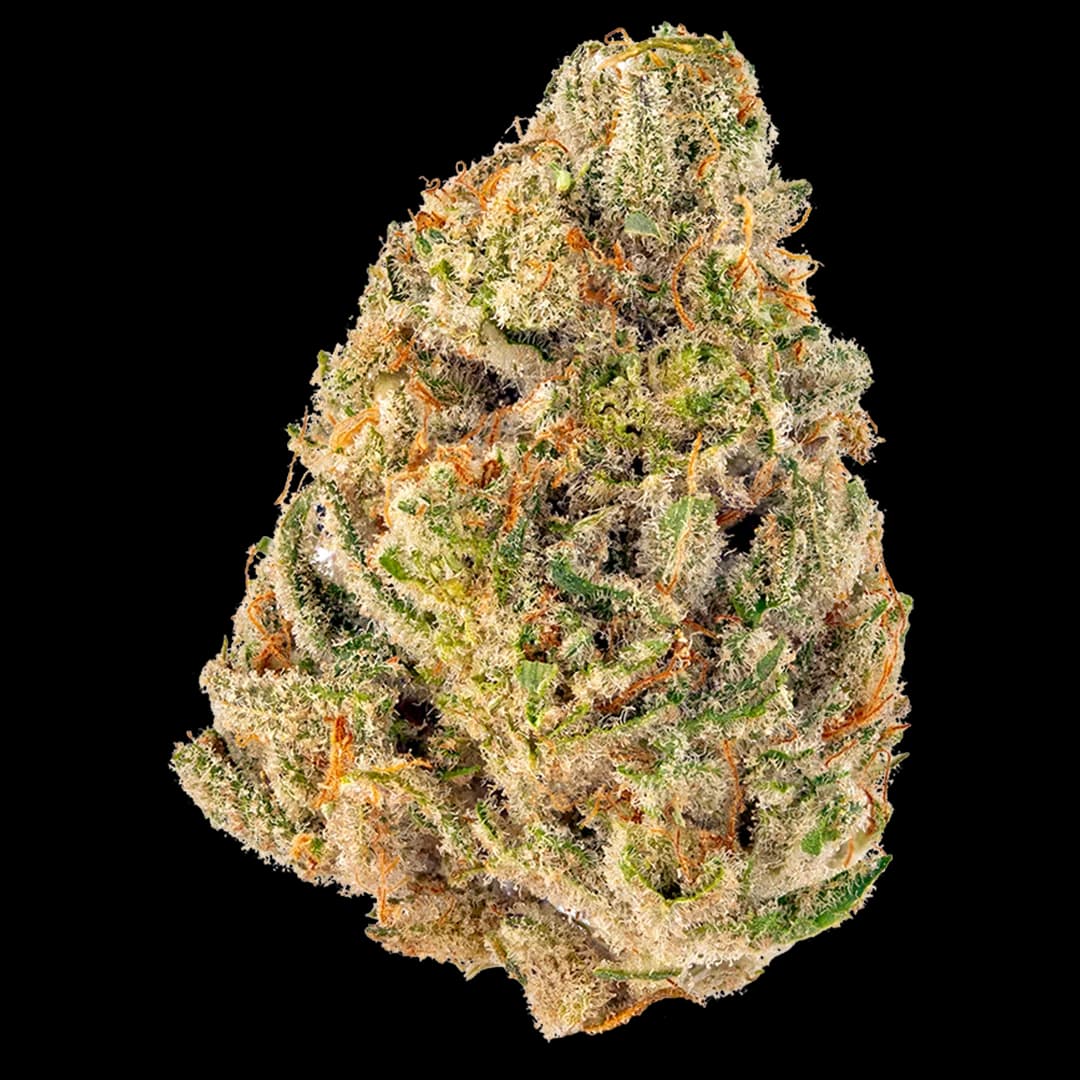
Triangle Kush is presented by Leafly as a indica catalog entry. The source account says: Triangle Kush is associated with Florida, with a name referring to Jacksonville, Miami and Tampa. This catalog records its regional history while leaving the immediate parent identities unresolved. This context is retained as an attributed account, not as genetic authentication of every sample carrying the name. Reader-reported flavor descriptors include Earthy, Skunk, Woody. The catalog lists Caryophyllene, Limonene, Myrcene as terpene labels. Those fields describe different evidence layers and do not establish a fixed chemical profile, medical effect or response for an individual sample.
White Fire OG is presented by Leafly as a hybrid catalog entry. The source account says: The cited catalog page does not establish a complete, authenticated immediate-parent cross for this entry. This context is retained as an attributed account, not as genetic authentication of every sample carrying the name. Reader-reported flavor descriptors include Earthy, Pungent, Woody. The catalog lists Caryophyllene, Limonene, Myrcene as terpene labels. Those fields describe different evidence layers and do not establish a fixed chemical profile, medical effect or response for an individual sample.
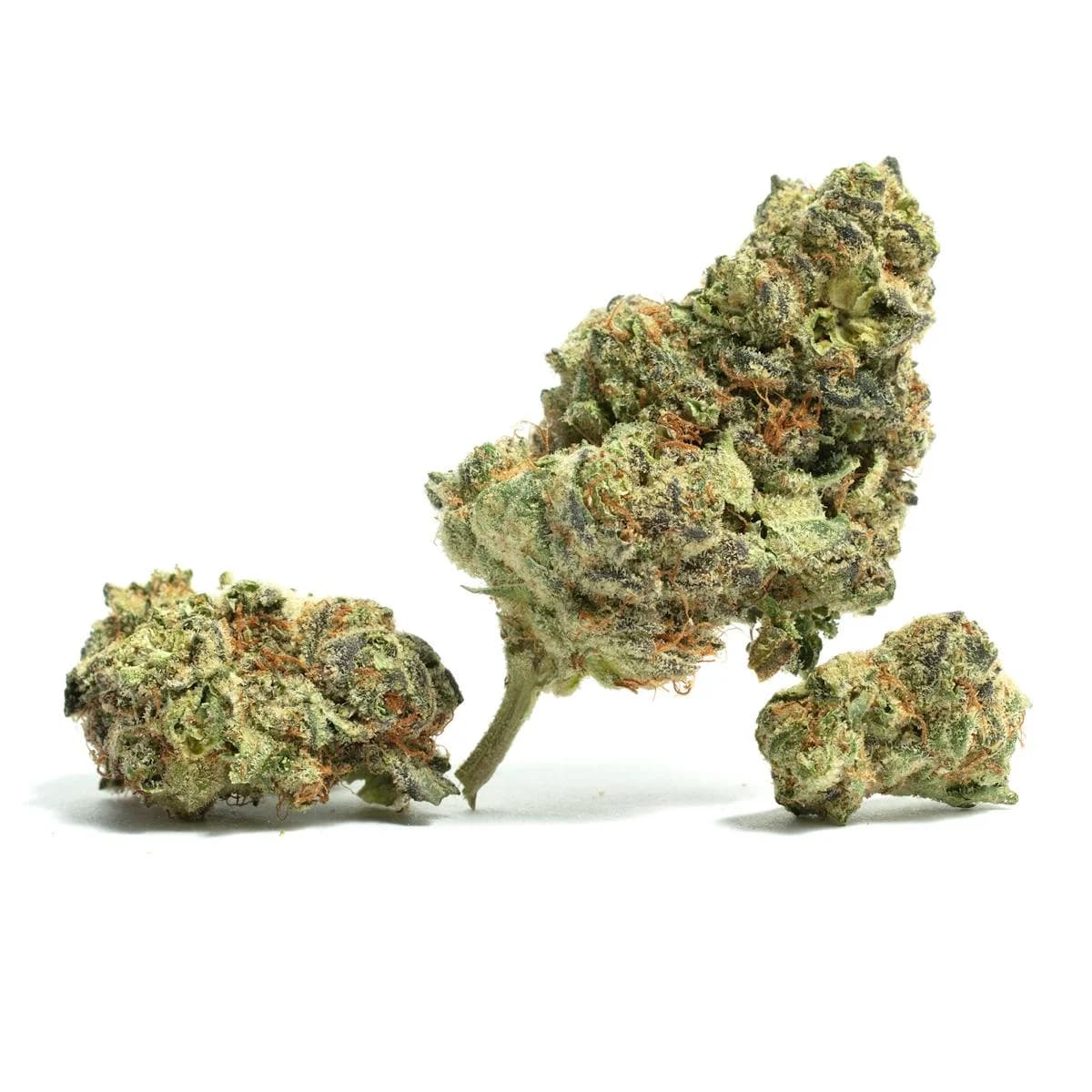
White Rhino is presented by Leafly as a indica catalog entry. The source account says: White Rhino is described as a White Widow cross with North American Indica. The regional name does not identify a single verified parent accession. This is a source-reported identity, not a genetically authenticated pedigree. This context is retained as an attributed account, not as genetic authentication of every sample carrying the name. Reader-reported flavor descriptors include Earthy, Pungent, Woody. The catalog lists Myrcene, Pinene, Terpinolene as terpene labels. Those fields describe different evidence layers and do not establish a fixed chemical profile, medical effect or response for an individual sample.
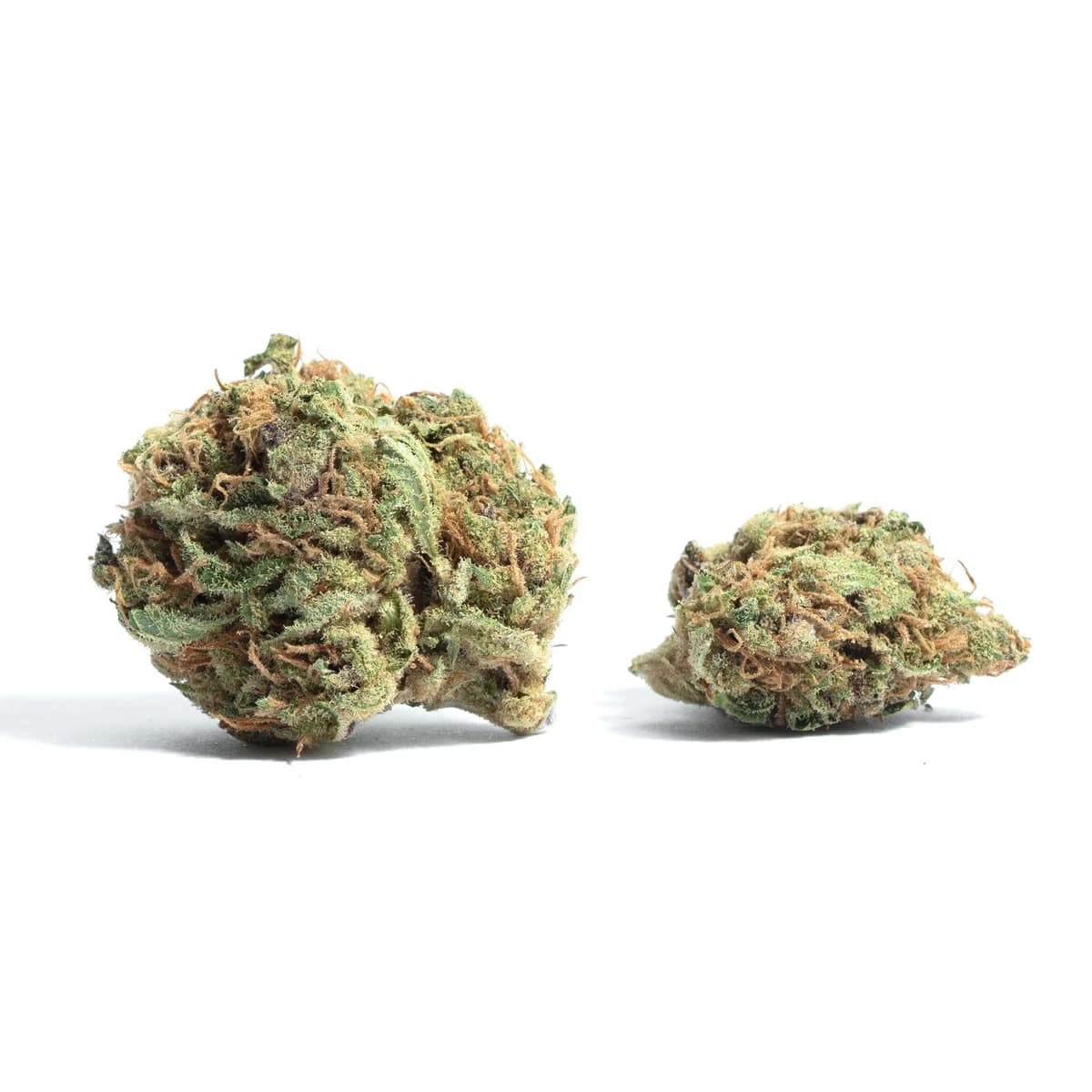
White Widow is associated in Leafly's account with Dutch breeding in the 1990s and ancestry from Brazil and southern India. These regional descriptions are broader than named, authenticated parent plants. The profile's woody, earthy and floral reader tags sit alongside a myrcene-led catalog terpene listing. They describe the source's record rather than establish a universal sample profile. Historical breeder attribution and the exact ancestral material still need primary documentation.