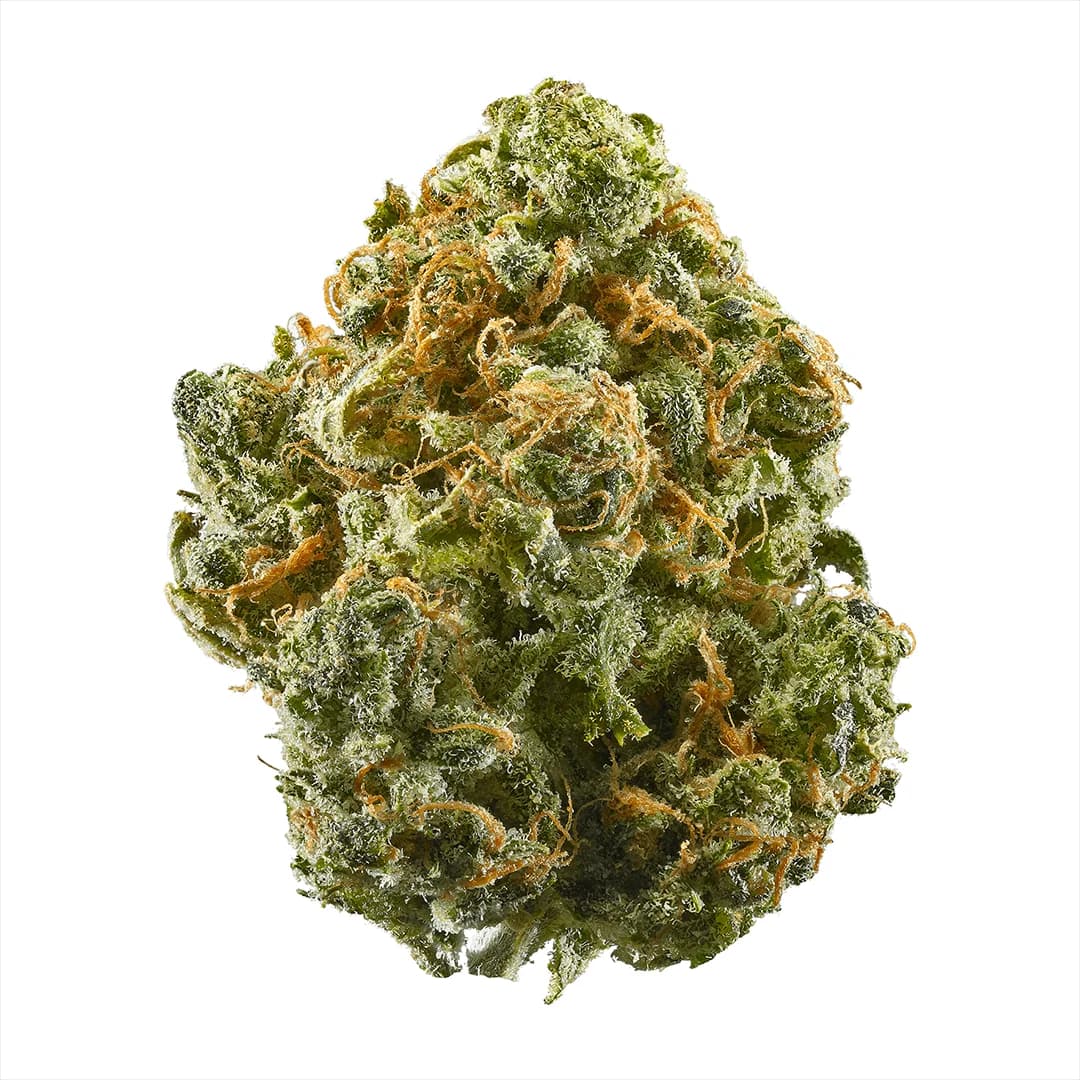
Black Afghan
Black Afghan is included as a source-linked indica catalog profile. This entry preserves the published name and broad classification while keeping sample-specific potency, chemistry and reader-reported descriptors tied to the cited source. Catalog fields are reference information and do not guarantee the composition or effects of an individual sample.
Parents unknown · Explore family ↓Compare this strain ↗Effects & flavor notes.
Explore the words people use to describe Black Afghan.
Reported effects
Subjective feelings described by readers.
Flavors & aromas
Reader-reported flavor descriptors.
No sourced reports yet.
These are subjective reports, not guaranteed effects or medical conclusions. The report total covers the whole profile; individual tag frequencies are unavailable.
How to read these reportsParents, origins & family
Parents unknown
No direct parent relationship is established in this catalog import; lineage remains unconfirmed.
The original parent plants are not established by the available sources.
Children & later selections 0
No children linked in this catalog yet.
How to read these relationships
Parent links describe a reported cross. Ancestry components may be several generations back. A phenotype selection comes from a named line rather than a new two-parent cross. Disputed links retain the uncertainty of their source.
Names in this catalog open a strain profile. Other names open the reference describing the relationship. The family view shows the links currently documented here, not every known descendant.
Cannabinoid profile
Leafly catalog summary values, not laboratory results for a specific sample. A displayed 0% is a rounded source value, not proof of absence. Unlisted cannabinoids remain unknown.
Leafly source ↗ · Checked 2026-10-07Concentrations vary by sample. A cultivar name alone does not establish potency.
Terpenes & aroma
No verified terpene analysis has been attached.
Similar strains
Similarity uses catalog reference chemistry, reported attributes and lineage. Missing data is excluded; this is not an effects prediction.
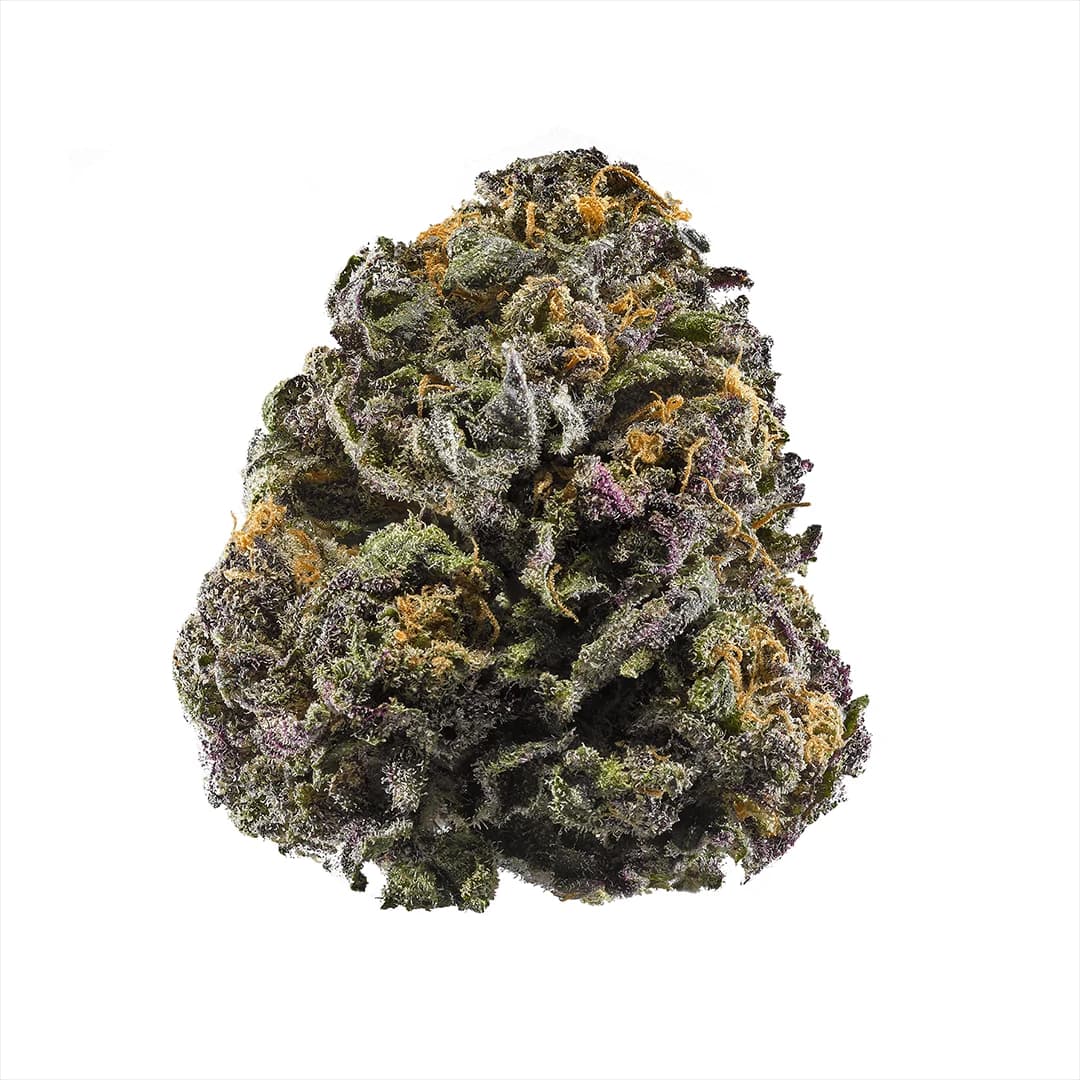
Granddaddy Purple, often shortened to GDP, is associated in Leafly's account with Ken Estes and 2003. Its pedigree is less settled than that familiar name suggests: the source presents both a Mendo Purps/Skunk/Afghan account and a Big Bud × Purple Urkle account. This profile keeps that disagreement visible. Grape, berry and violet are reported flavor descriptors, not evidence that either proposed family tree has been confirmed.
Disputed parentage ↗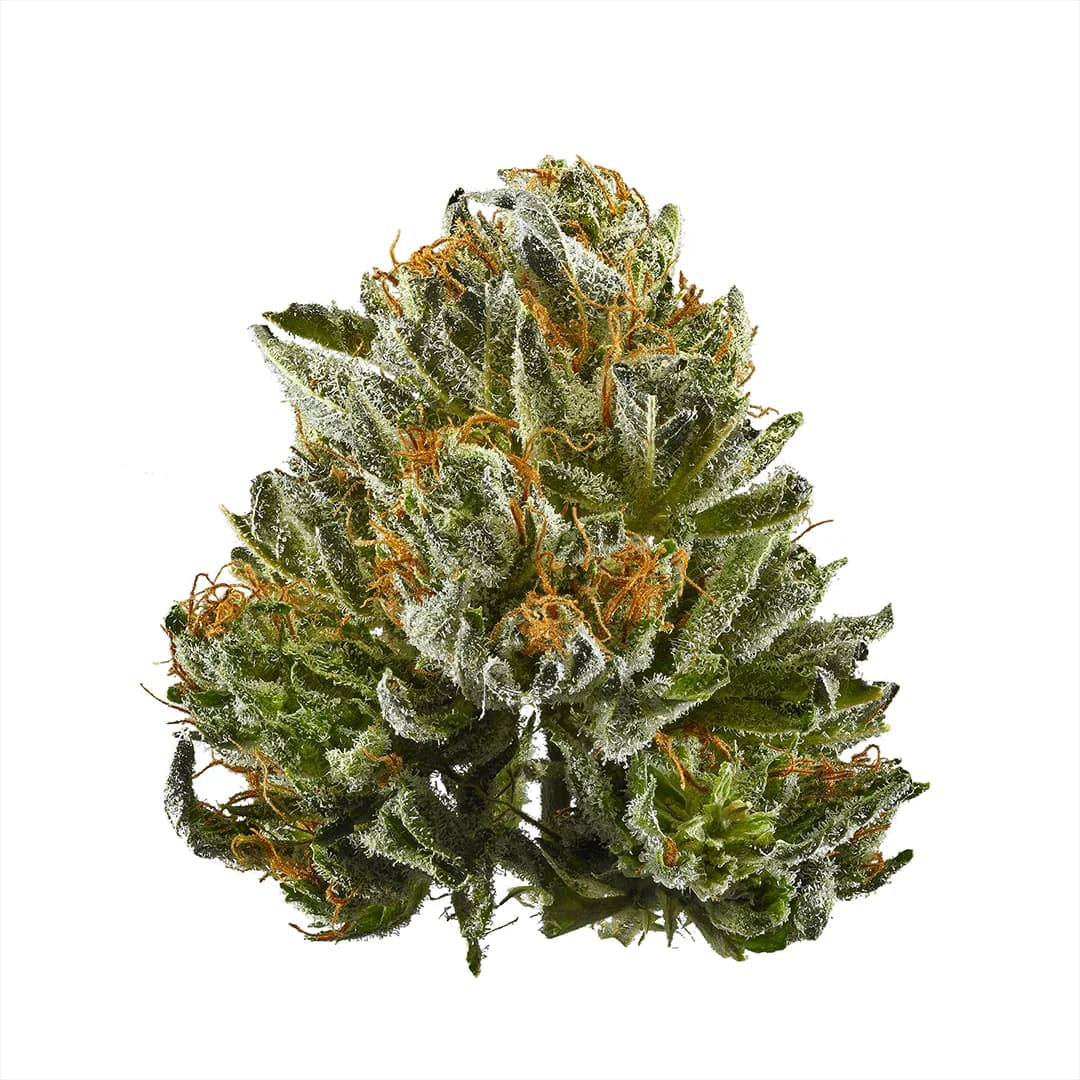
Bubba Kush is an indica-classified name with an explicitly uncertain pedigree in Leafly's account. The source describes OG Kush pollinating a plant called Bubba, whose identity was not established; Northern Lights is presented as a possibility rather than a confirmed parent. Coffee, earthy and pungent are reader flavor tags on the profile. Those impressions and the plant's appearance cannot resolve the unknown parent's identity, so the uncertainty remains part of the family record.
Disputed parentage ↗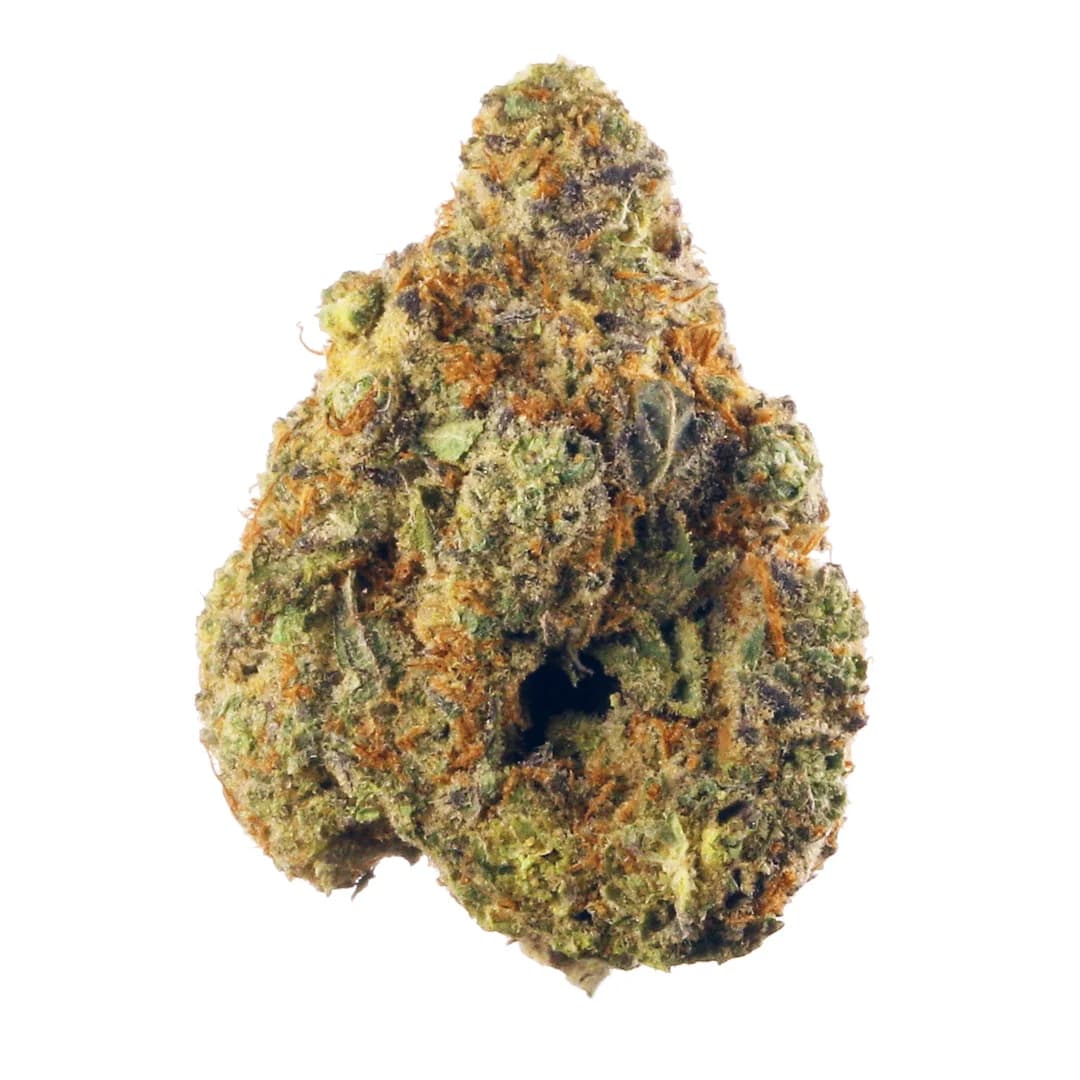
Afghani is presented by Leafly as a indica catalog entry. The source account says: Afghani is a regional cannabis name associated with Afghanistan and appears in many reported family histories. A regional name can cover varied material, so this profile does not imply one uniform genetic or chemical sample. This context is retained as an attributed account, not as genetic authentication of every sample carrying the name. Reader-reported flavor descriptors include Earthy, Pine, Woody. The catalog lists Myrcene, Pinene, Terpinolene as terpene labels. Those fields describe different evidence layers and do not establish a fixed chemical profile, medical effect or response for an individual sample.
Regional origin ↗Compare with related strains
Choose another strain to compare →References & provenance
- Leafly — Black Afghan catalog identity
Catalog identity and broad classification are attributed to the cited Leafly page. Sample-specific laboratory data and direct parentage are not inferred.
Accessed 2026-10-07
Updated 2026-10-07 · Our editorial standards