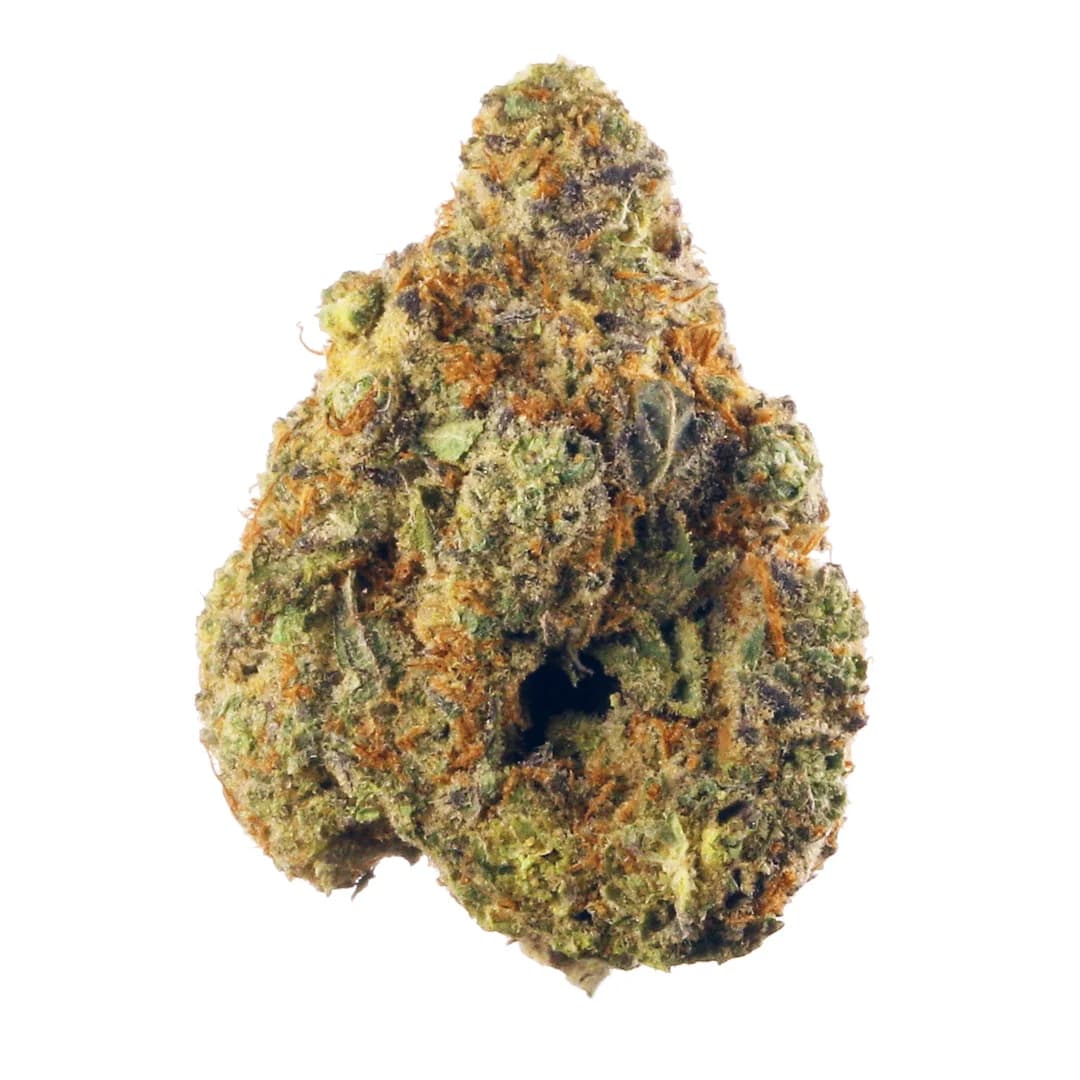
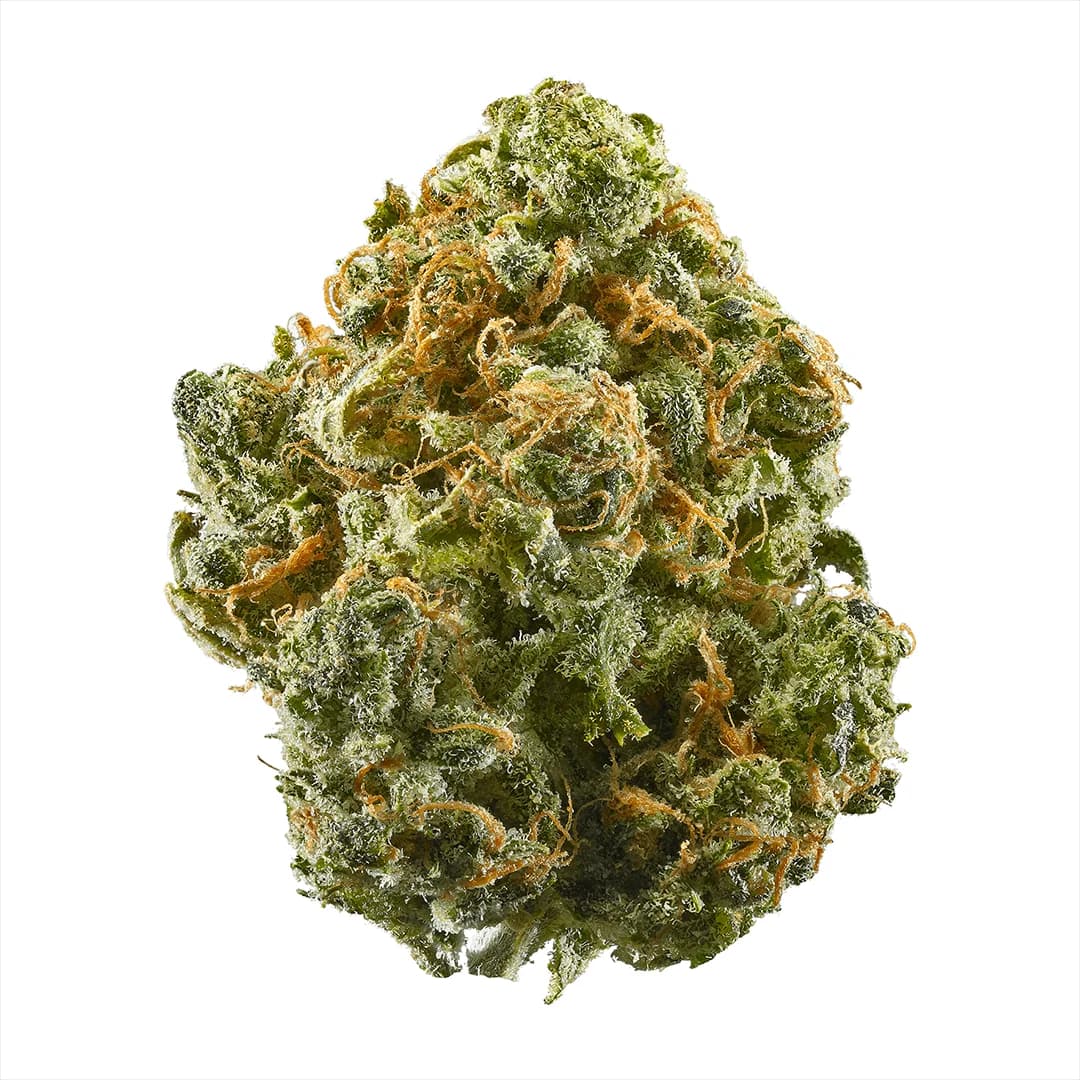
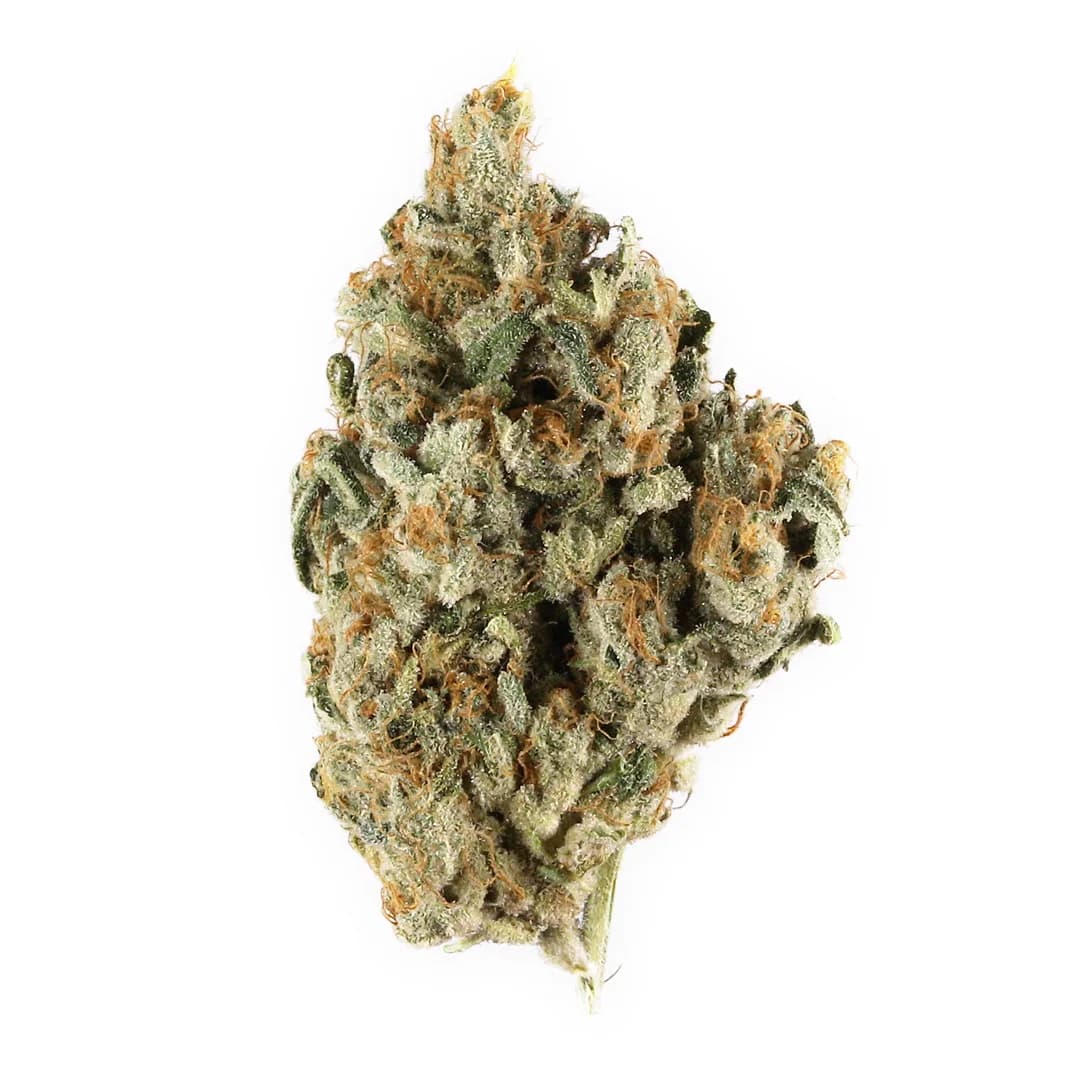
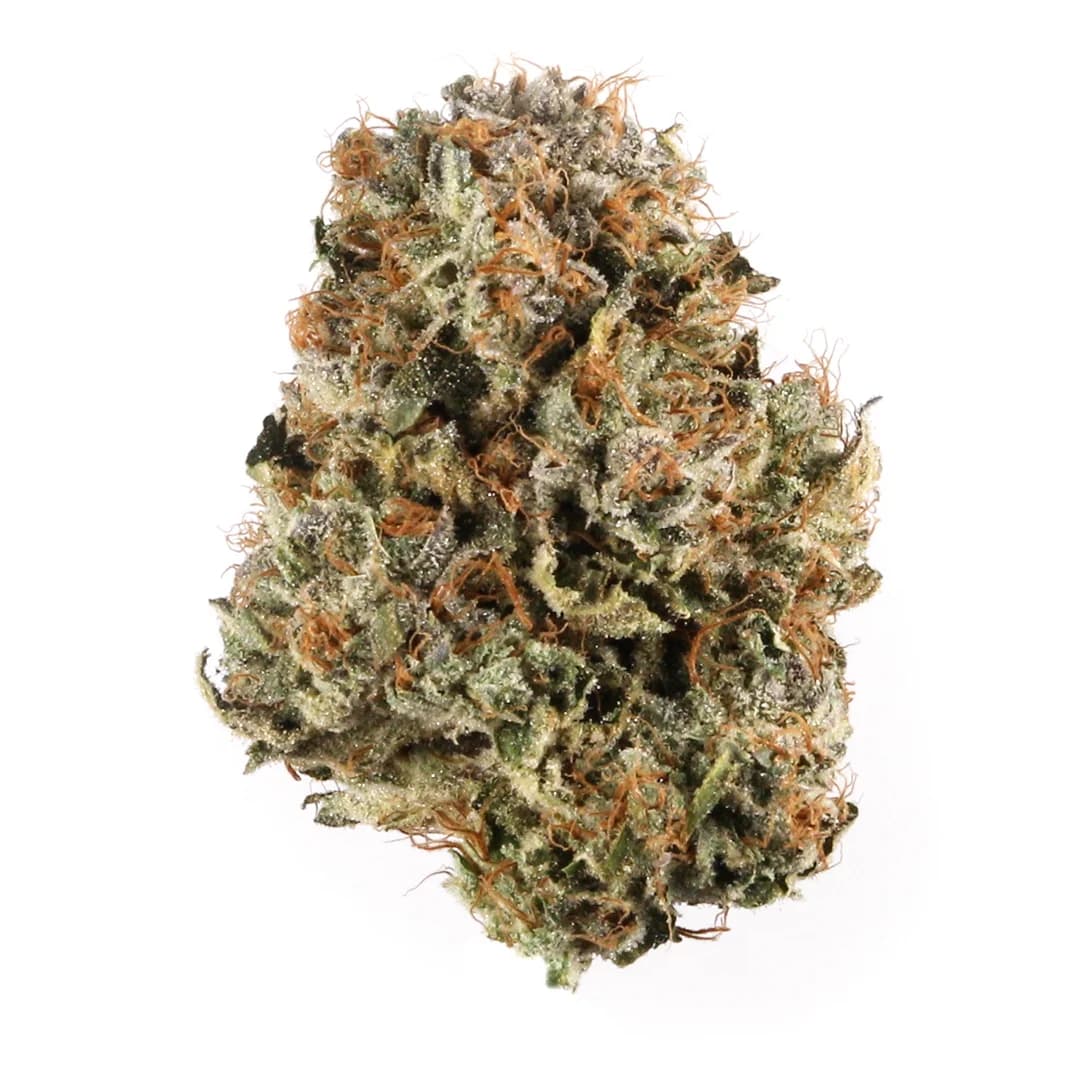
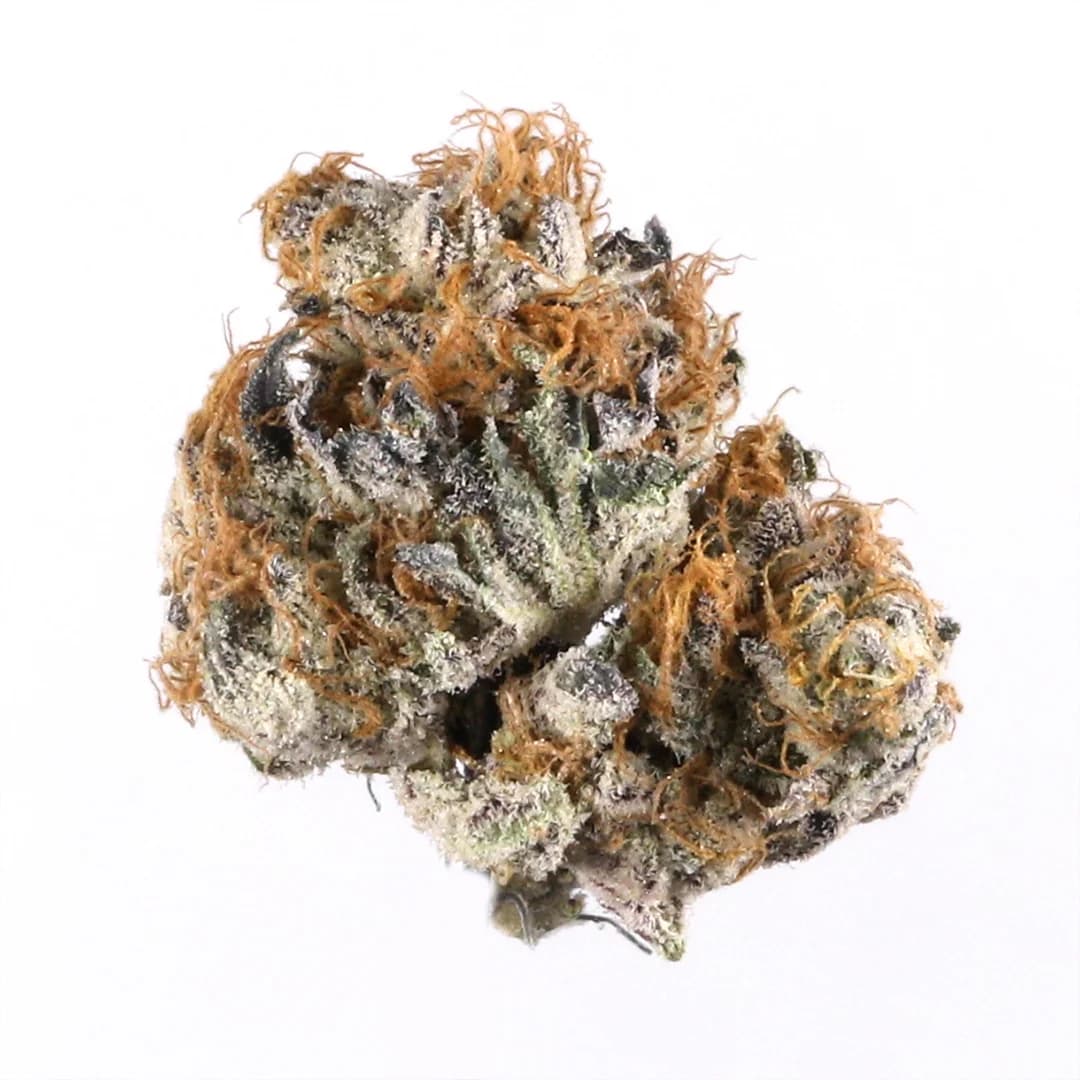
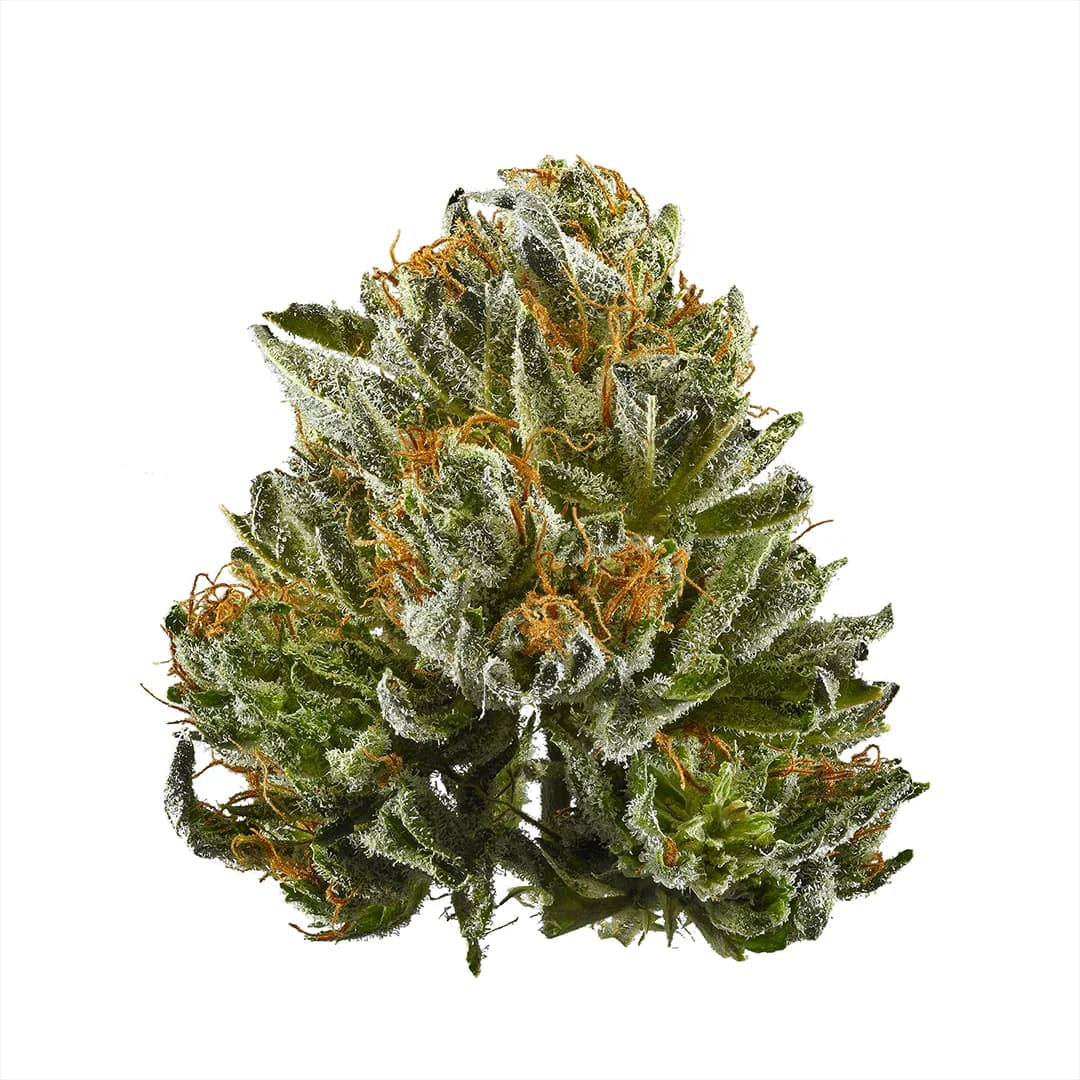
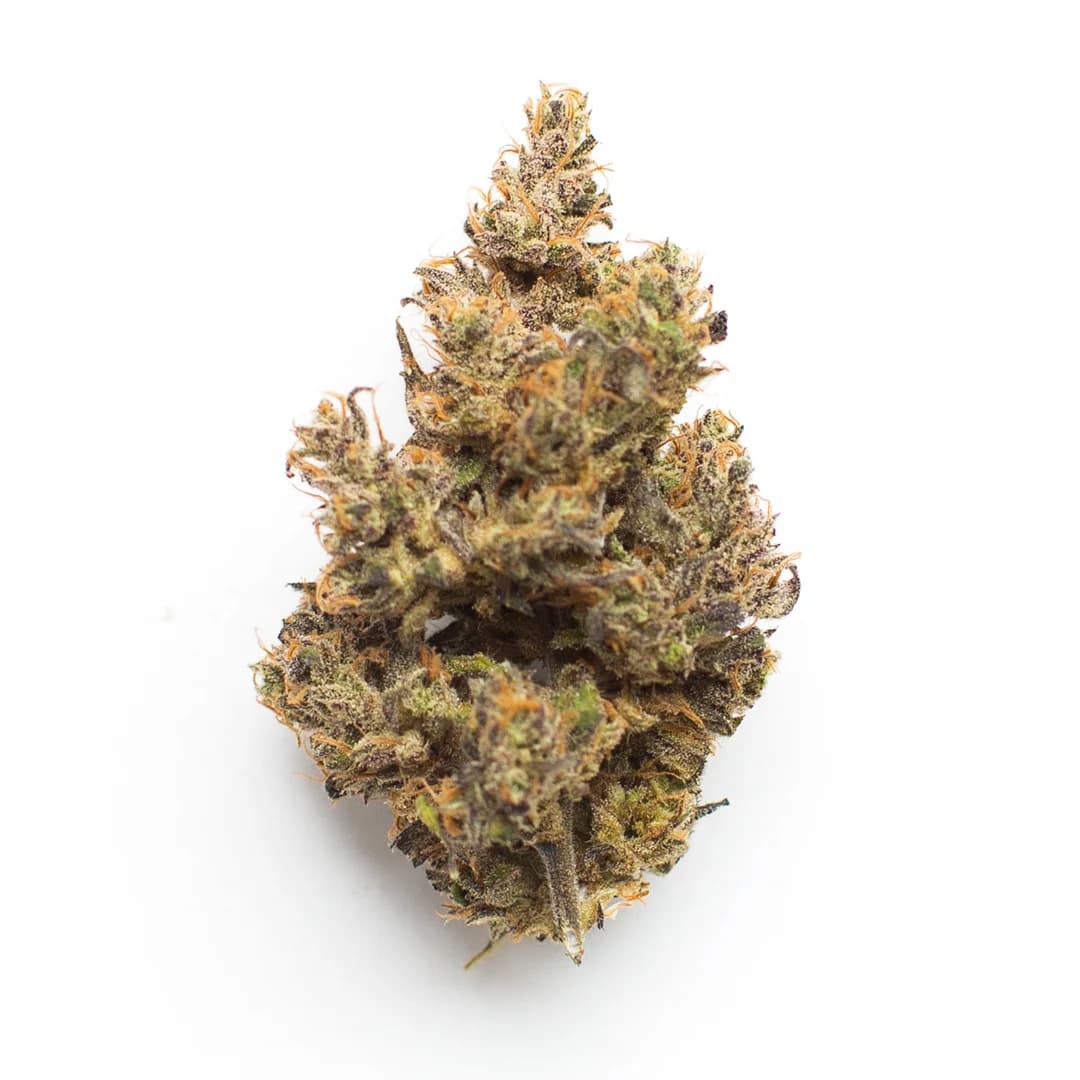
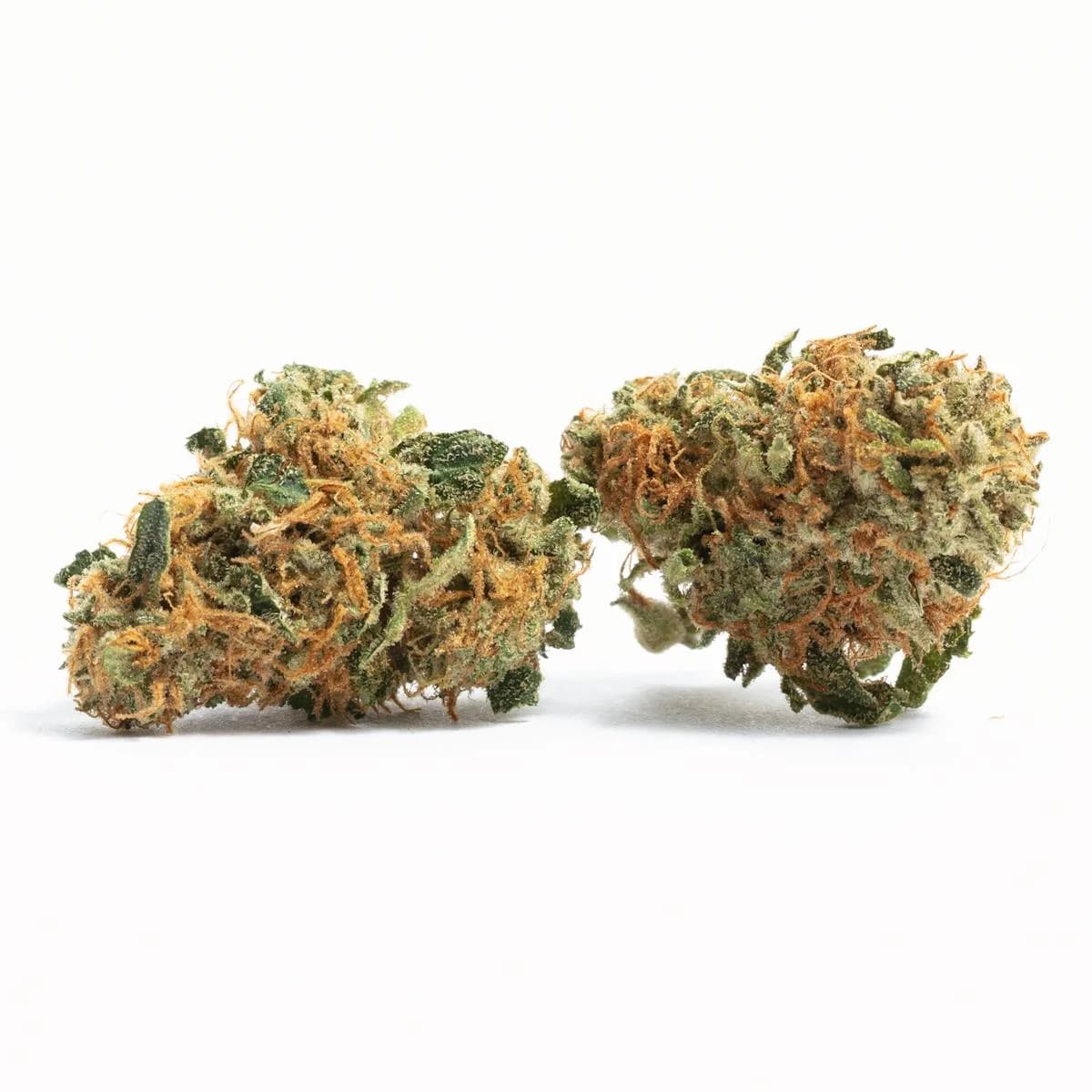
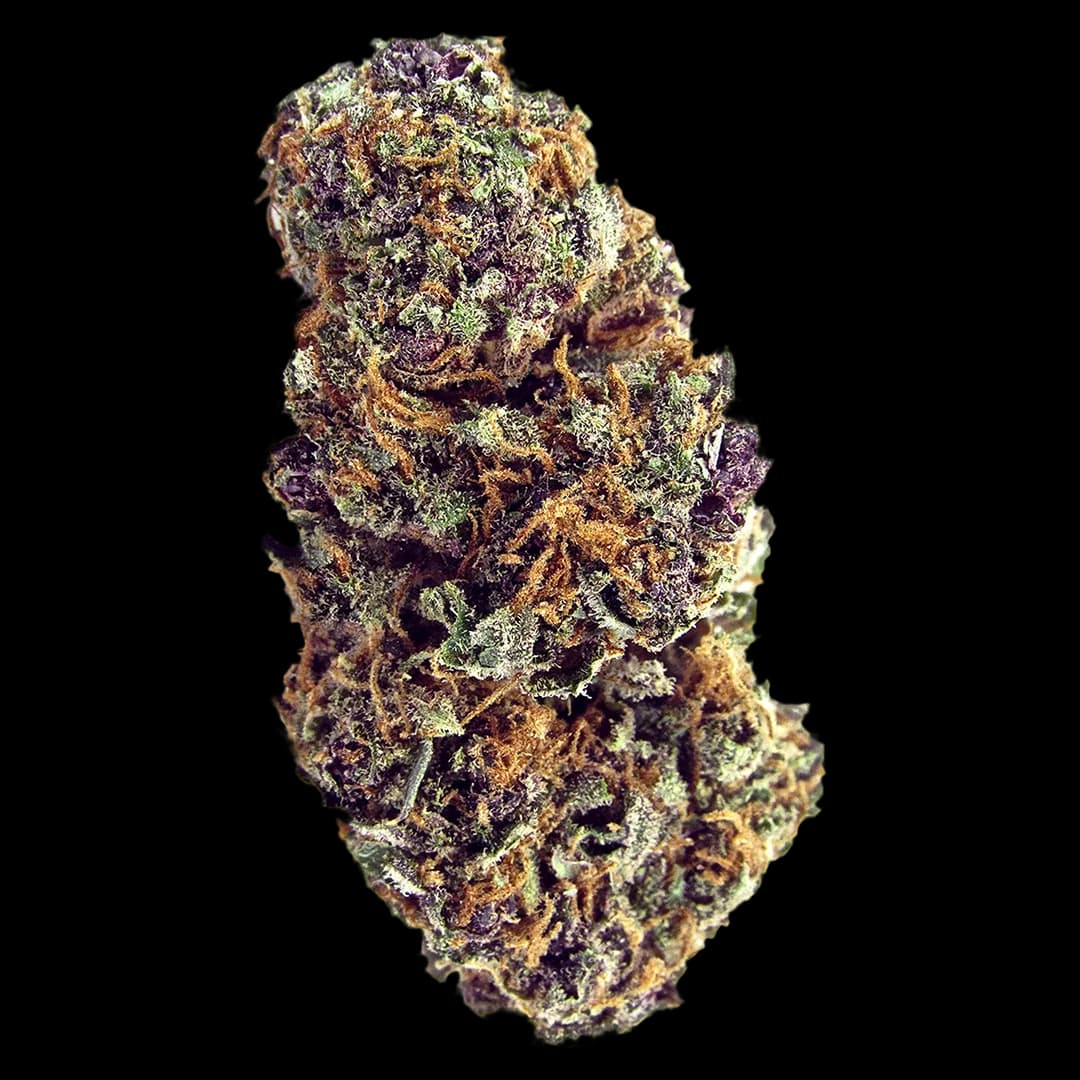
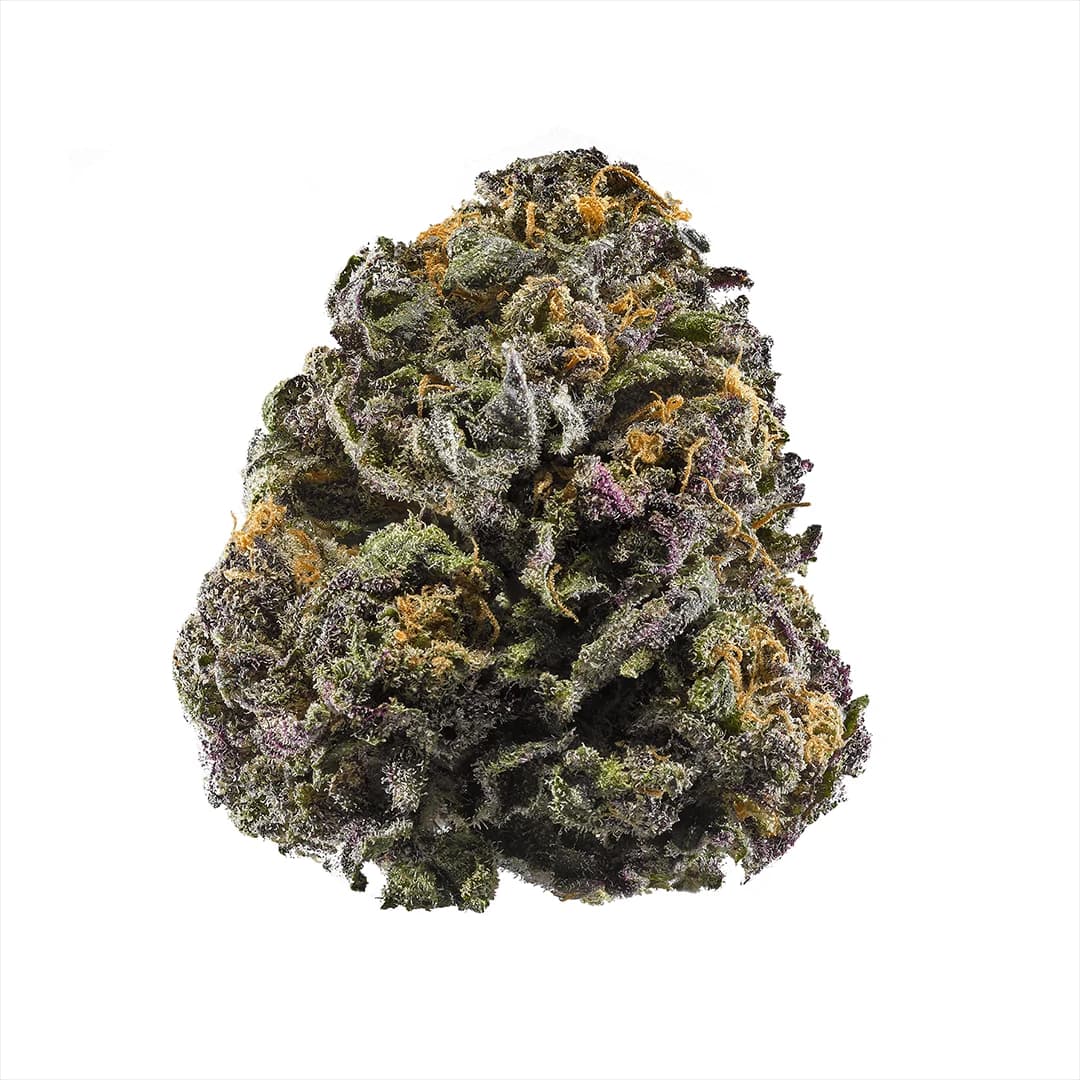
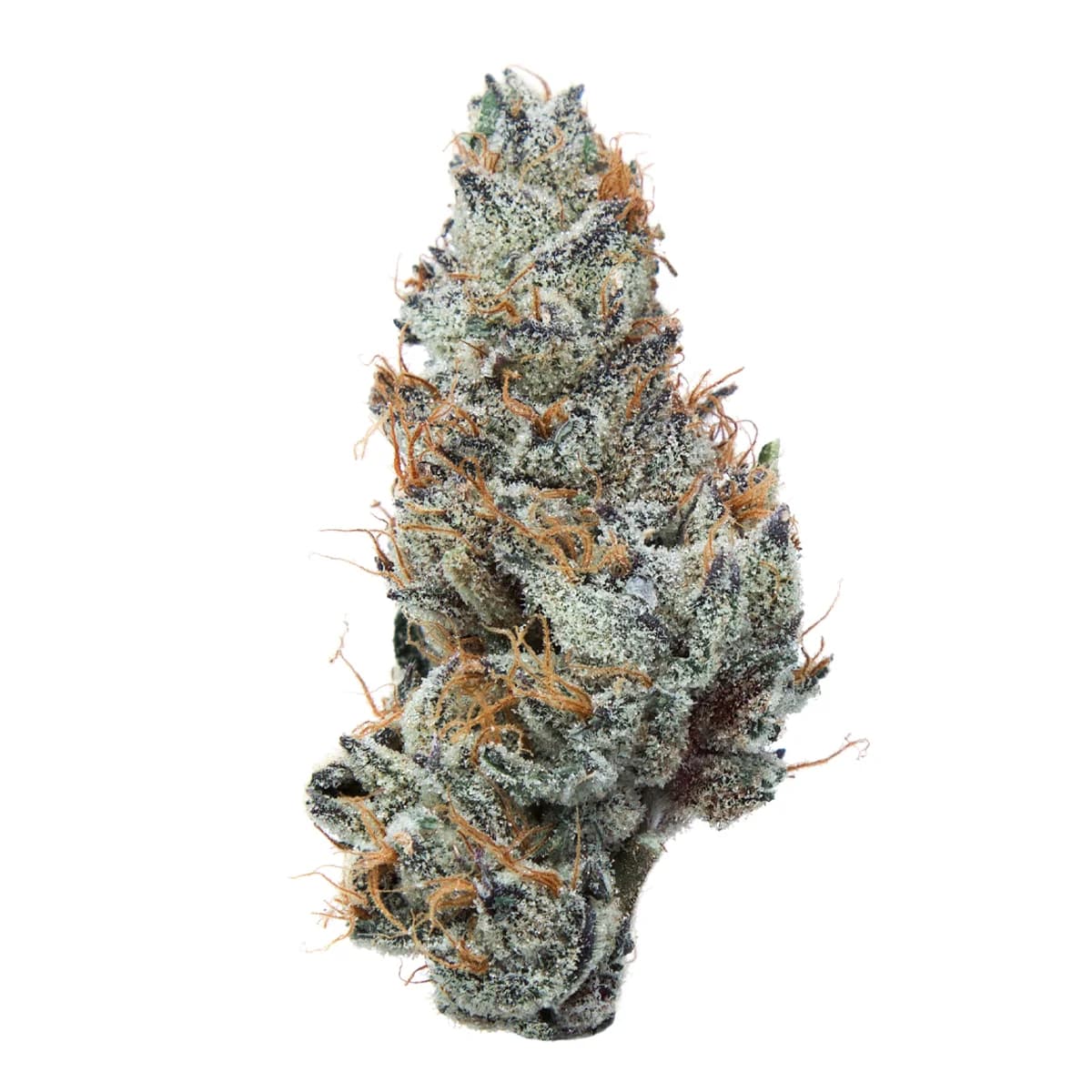
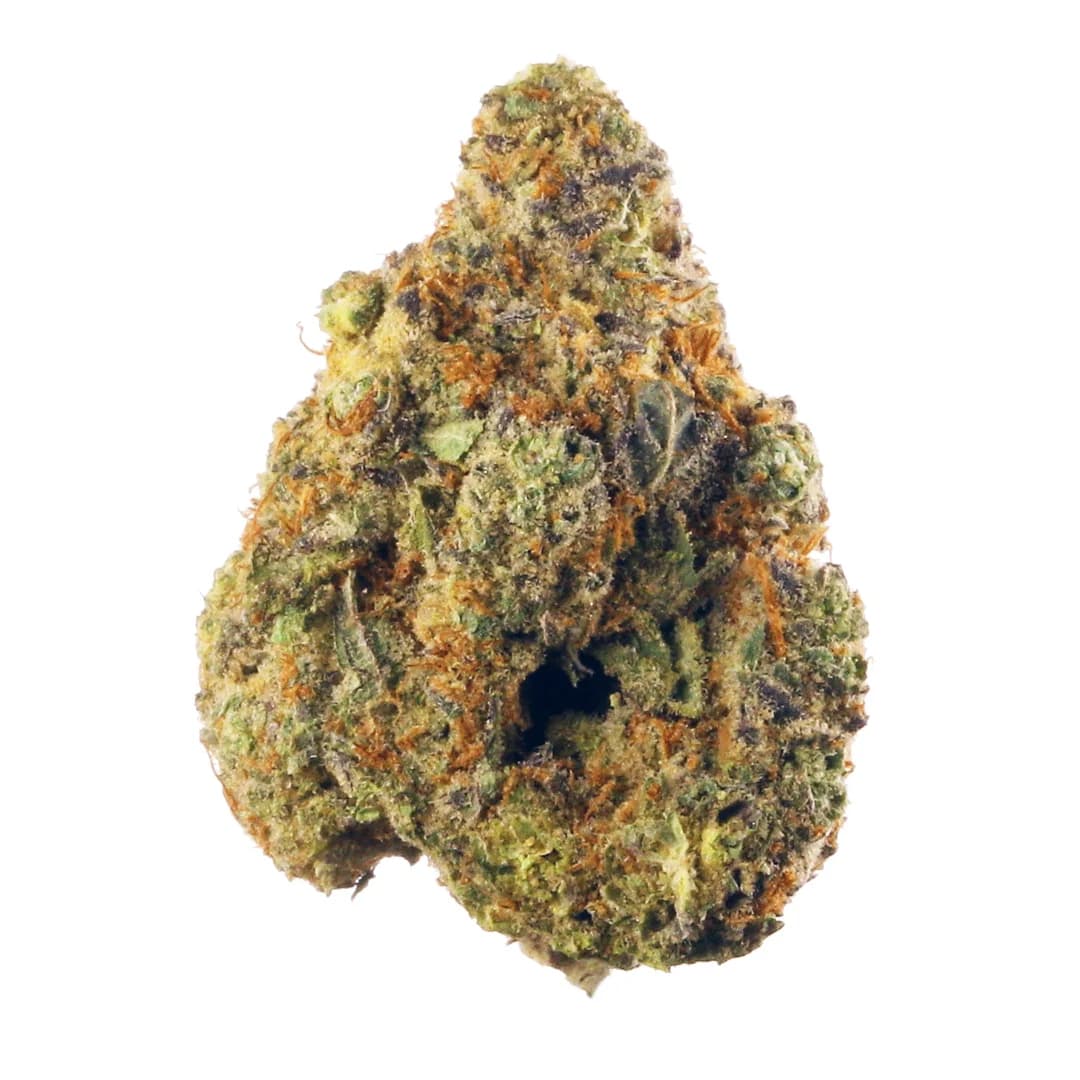
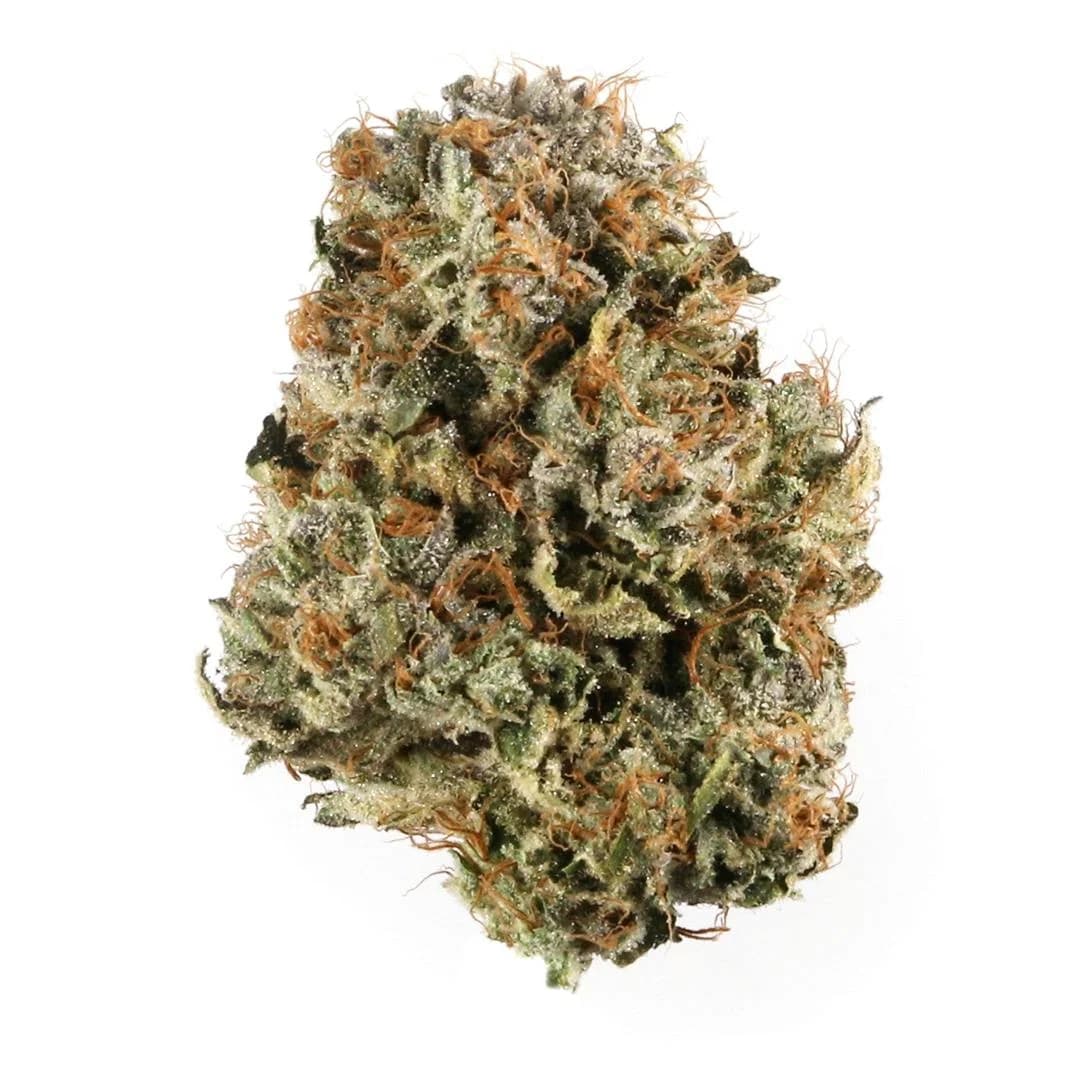
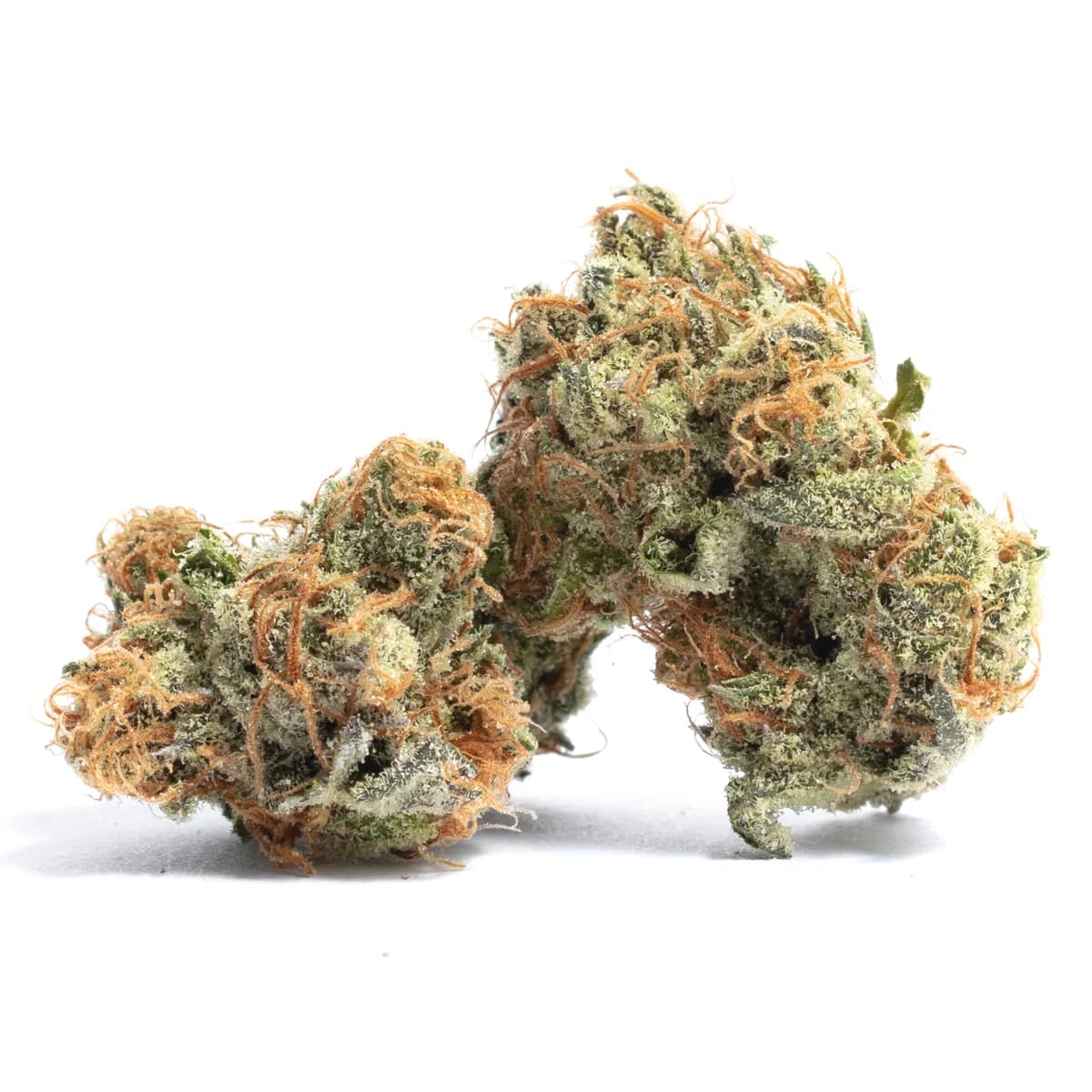
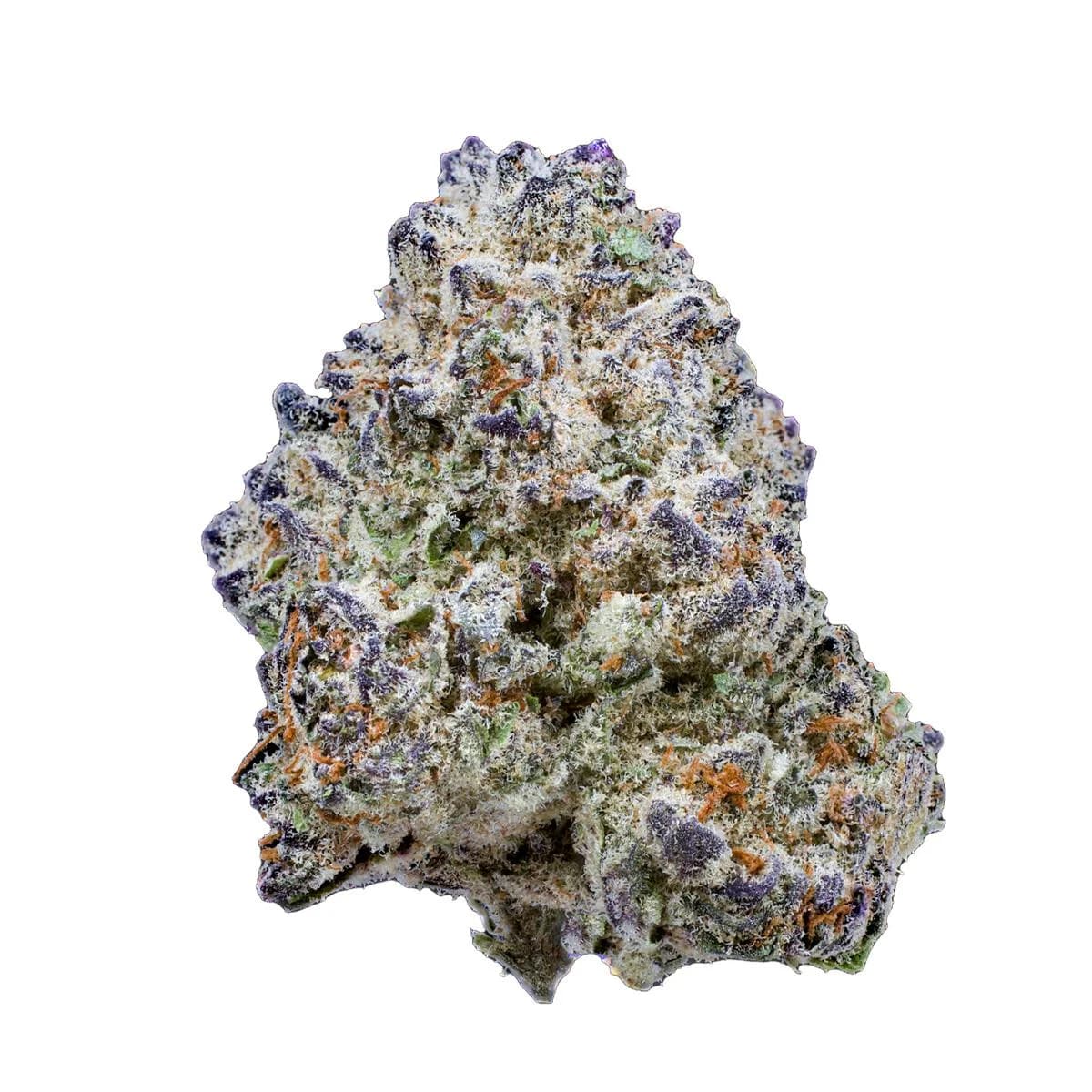
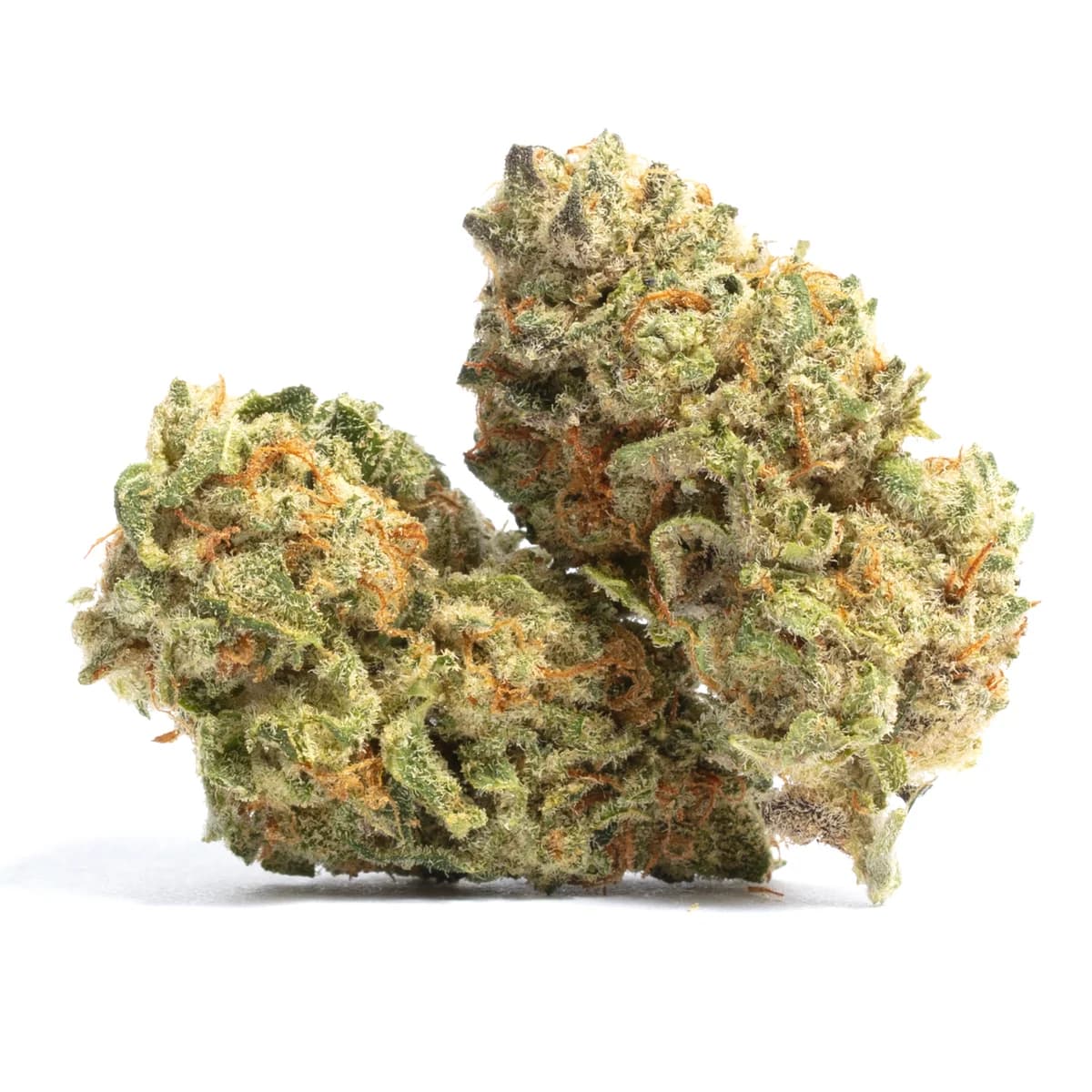
Afghani is a regional cannabis name associated with Afghanistan and appears in many reported family histories. A regional name can cover varied material, so this profile does not imply one uniform genetic or chemical sample.
Big Bud's reported background combines Afghani, Northern Lights and Skunk #1. Leafly traces its history from the United States to the Netherlands; the three names are recorded as ancestry without inventing a crossing order.
Blackberry Kush, also called BBK, is reported as an Afghani and Blackberry cross. The source associates its aroma with both berry and fuel-like descriptors.
Blue Cheese connects the Blueberry and UK Cheese families. The UK Cheese parent is retained as a specific selection rather than merged with every strain sold as Cheese.
Blueberry, also called Berry Blue, is associated with DJ Short's work beginning in the late 1970s. Leafly describes Thai-related ancestry and notes that material passed between breeders and seed banks over time. This history is a reason to preserve source and selection details rather than assume all Blueberry records describe one identical plant. Blueberry, berry and sweet are reader flavor descriptors; the fruit name alone is not a chemical measurement or proof of parentage.
Bubba Kush is an indica-classified name with an explicitly uncertain pedigree in Leafly's account. The source describes OG Kush pollinating a plant called Bubba, whose identity was not established; Northern Lights is presented as a possibility rather than a confirmed parent. Coffee, earthy and pungent are reader flavor tags on the profile. Those impressions and the plant's appearance cannot resolve the unknown parent's identity, so the uncertainty remains part of the family record.
Face Off OG is associated with Archive Seeds and a California OG Kush selection from the late 1990s. This is represented as selection history rather than an invented two-parent cross.
Forbidden Fruit connects Cherry Pie with Tangie. The source describes purple coloration and a fruit-associated aroma, characteristics that can vary between individual samples.
Granddaddy Purple, often shortened to GDP, is associated in Leafly's account with Ken Estes and 2003. Its pedigree is less settled than that familiar name suggests: the source presents both a Mendo Purps/Skunk/Afghan account and a Big Bud × Purple Urkle account. This profile keeps that disagreement visible. Grape, berry and violet are reported flavor descriptors, not evidence that either proposed family tree has been confirmed.
Grape Ape is associated with Apothecary Genetics and Barney’s Farm. Its reported background includes Mendocino Purps, Skunk and Afghani, without a fully specified crossing sequence.
Hindu Kush takes its name from the mountain region spanning parts of Afghanistan and Pakistan. This entry documents that regional background and the source's catalog traits without assigning an unsupported parent cross.
Kosher Kush began as a Los Angeles clone-only line and is associated with DNA Genetics. Leafly relates it to OG Kush without documenting a complete two-parent cross.
LA Confidential also appears under Confidential and Confidential OG. Leafly lists Afghani in its genetics section without establishing a complete two-parent pedigree.
Master Kush is attributed to the Dutch White Label Seed Company. Leafly describes two regional landrace parents from the Hindu Kush area but does not identify their individual accessions.
Northern Lights is listed by Leafly as an indica with reported Afghani and Thai ancestry. Its history section treats the Seattle origin story as a rumor and describes later distribution through the Netherlands. That uncertainty is part of the record, not a missing detail to fill by guesswork. Pine, earth and wood appear in its reader flavor tags. Numbered selections such as Northern Lights #5 require their own provenance rather than automatic equivalence with this broader entry.
Pink Panties is reported as Burmese Kush crossed with a Florida Kush backcross. The backcross designation is preserved because it is more specific than the broad Florida Kush name.
Purple Urkle is associated with California and a proposed selection from Mendocino Purps. That origin is presented as a belief in the reference, so the selection link remains explicitly uncertain.
Slurricane is reported as a Dosidos and Purple Punch cross. This places it at a connection between the Cookies-related Dosidos family and the Purple Punch lineage.
Super Skunk is reported as a cross between Skunk #1 and Afghani. Those links connect it to two widely referenced families; the skunk and earthy flavor tags below describe reader observations rather than laboratory measurements.
The Original Z is widely associated with the earlier name Zkittlez. Its reported background includes Grape Ape, Grapefruit and an undisclosed contribution; this profile retains that uncertainty instead of presenting a complete parent pair.
Triangle Kush is associated with Florida, with a name referring to Jacksonville, Miami and Tampa. This catalog records its regional history while leaving the immediate parent identities unresolved.