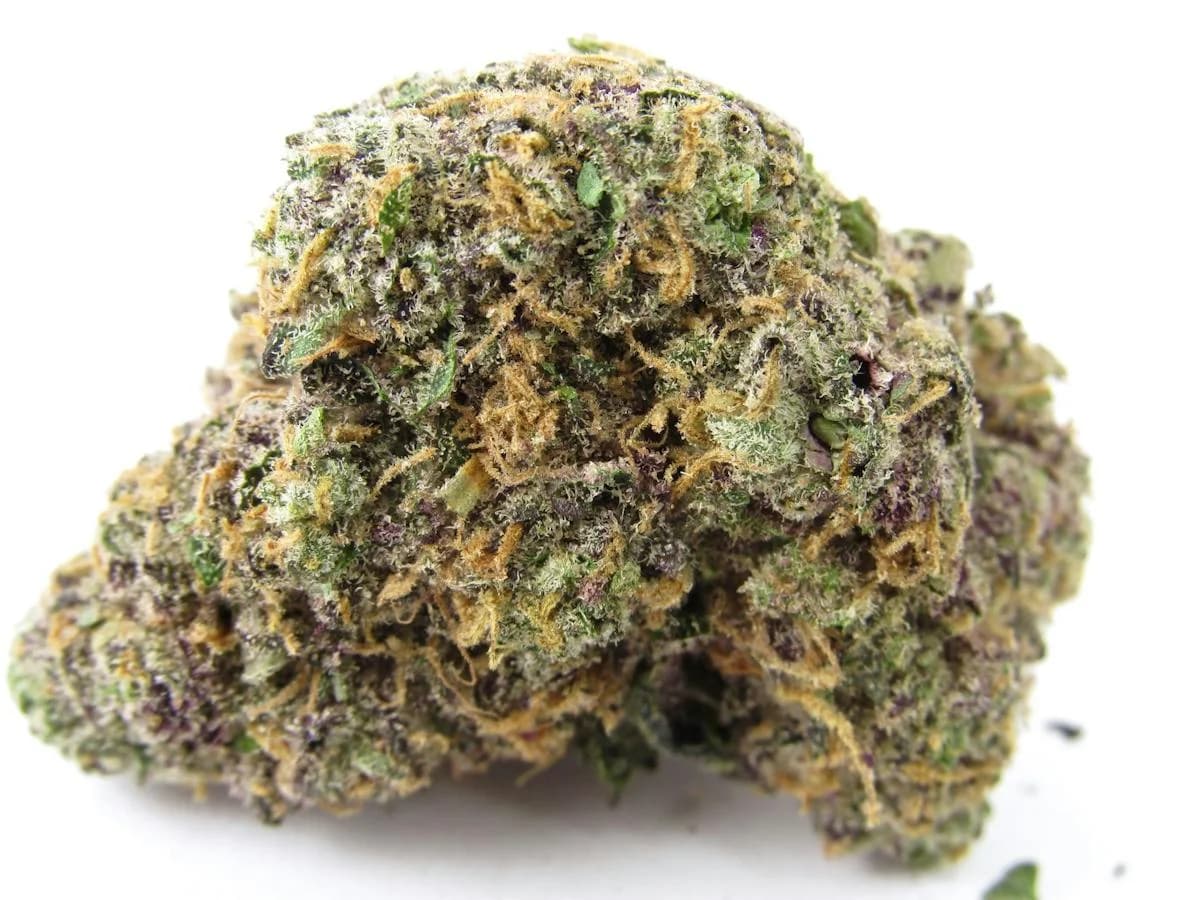
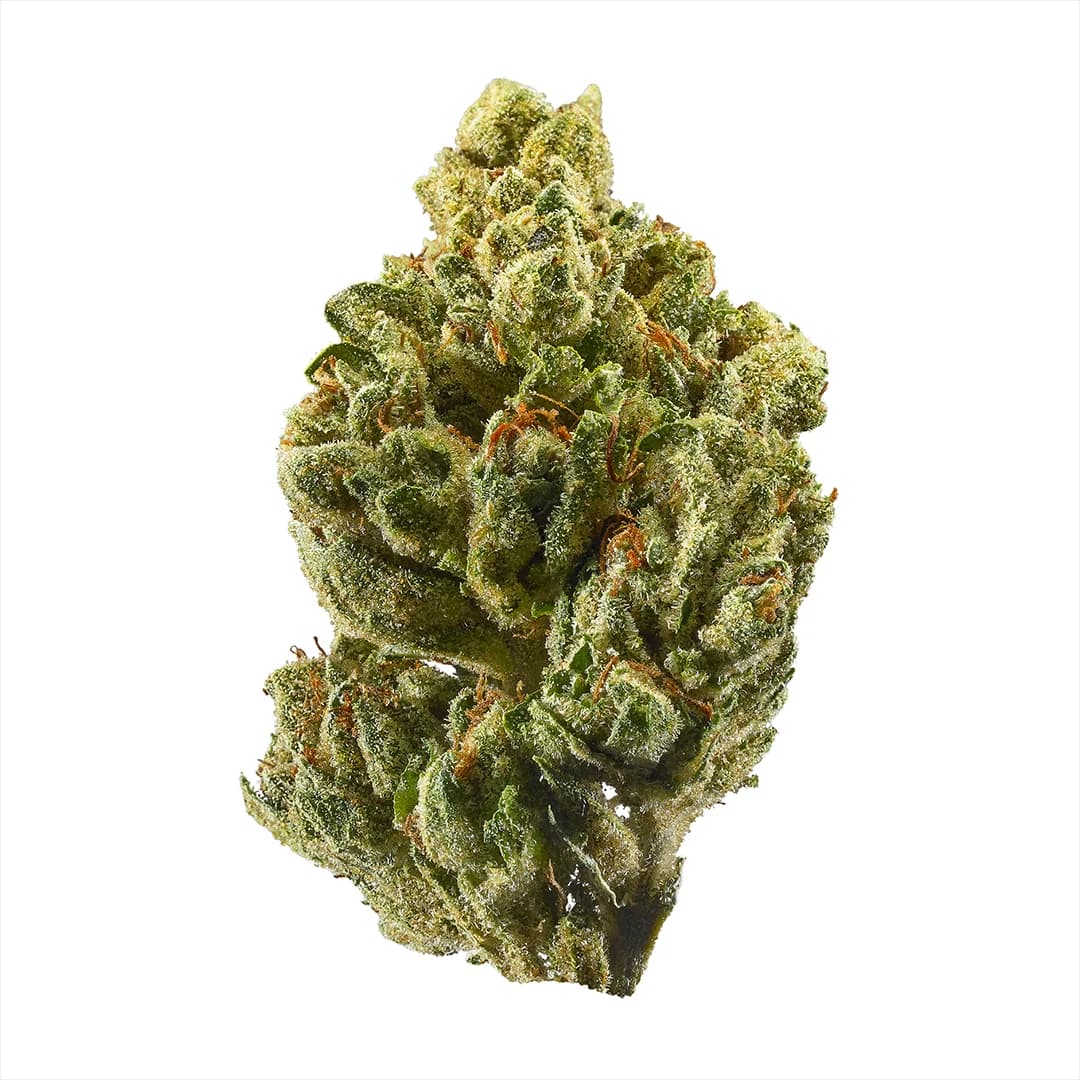
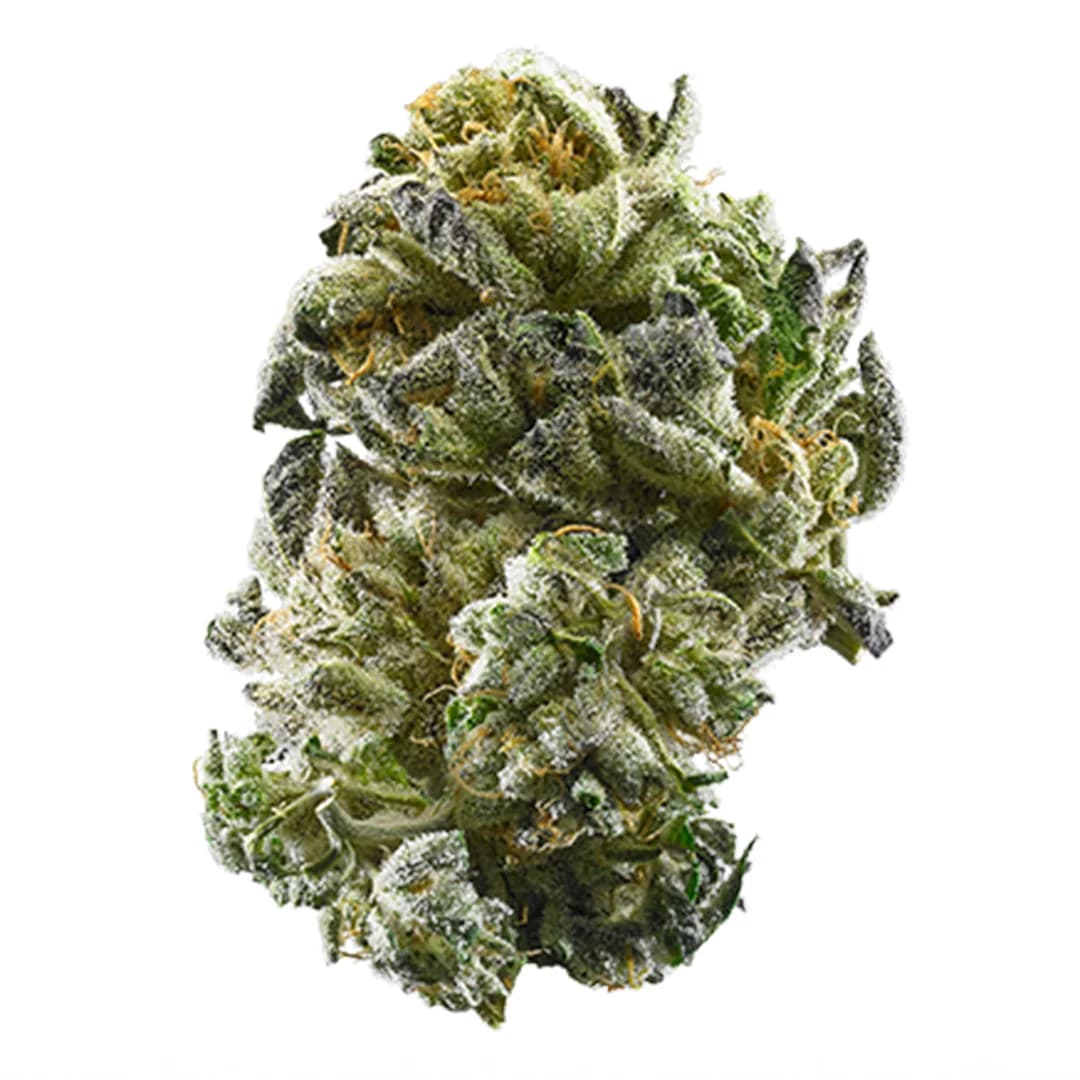
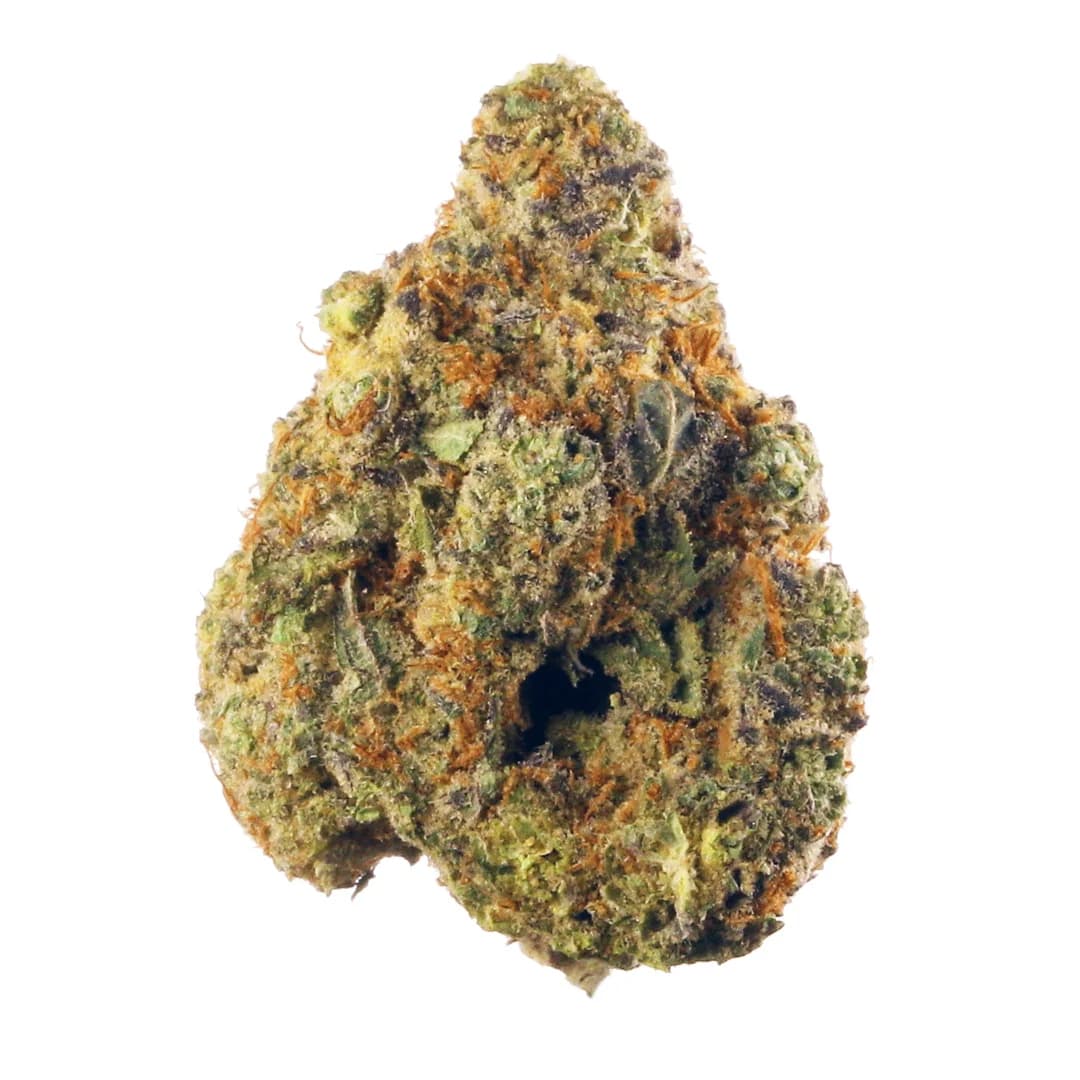
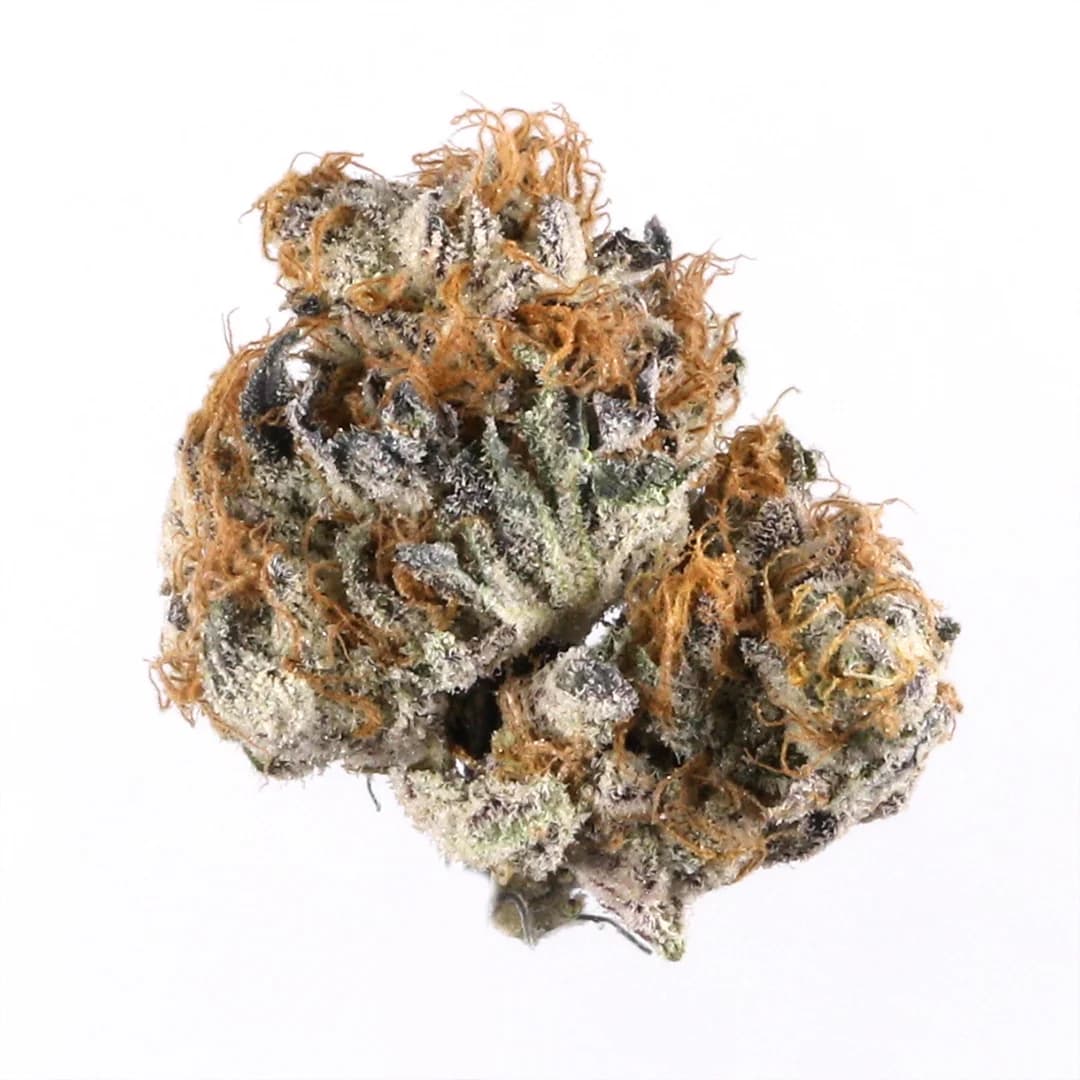
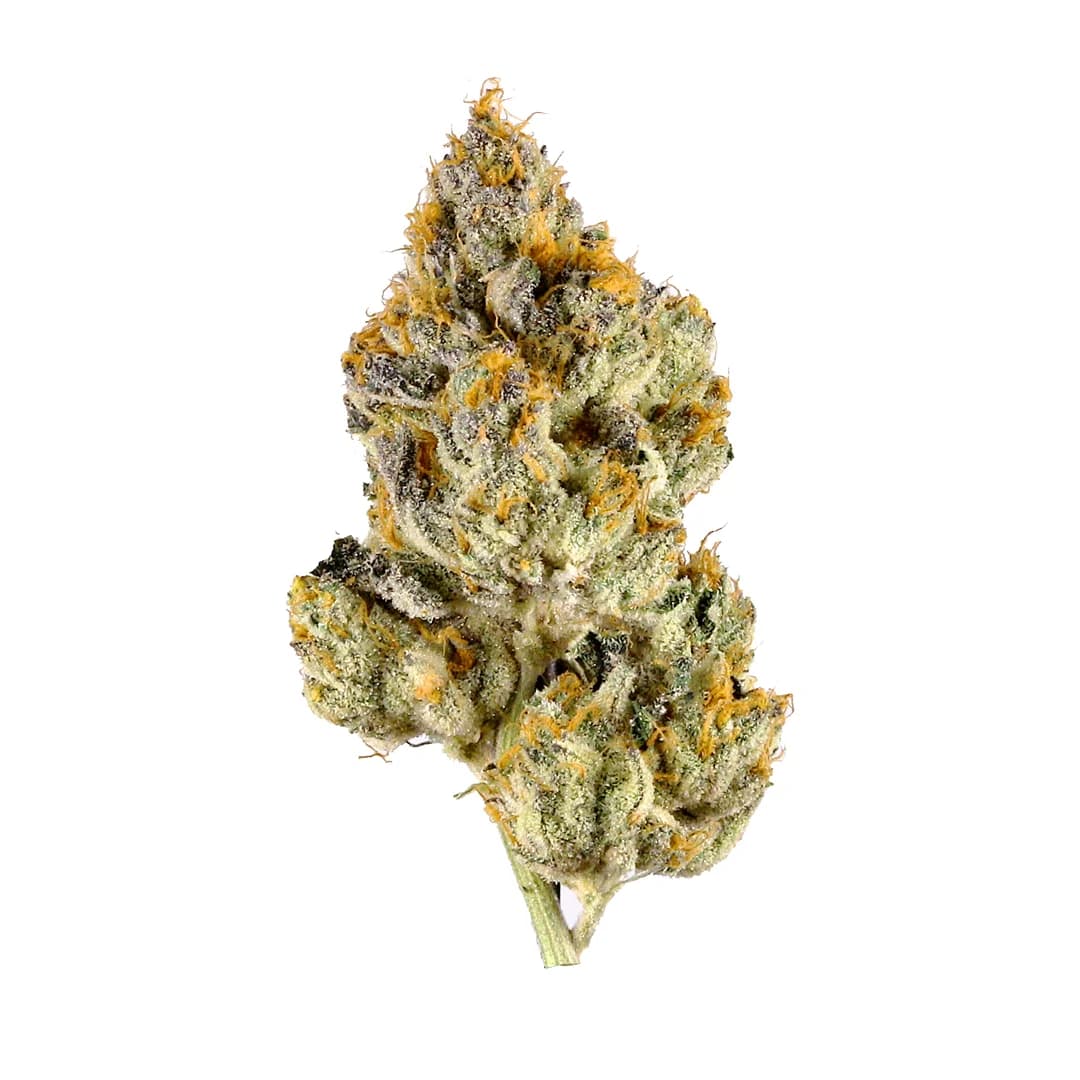
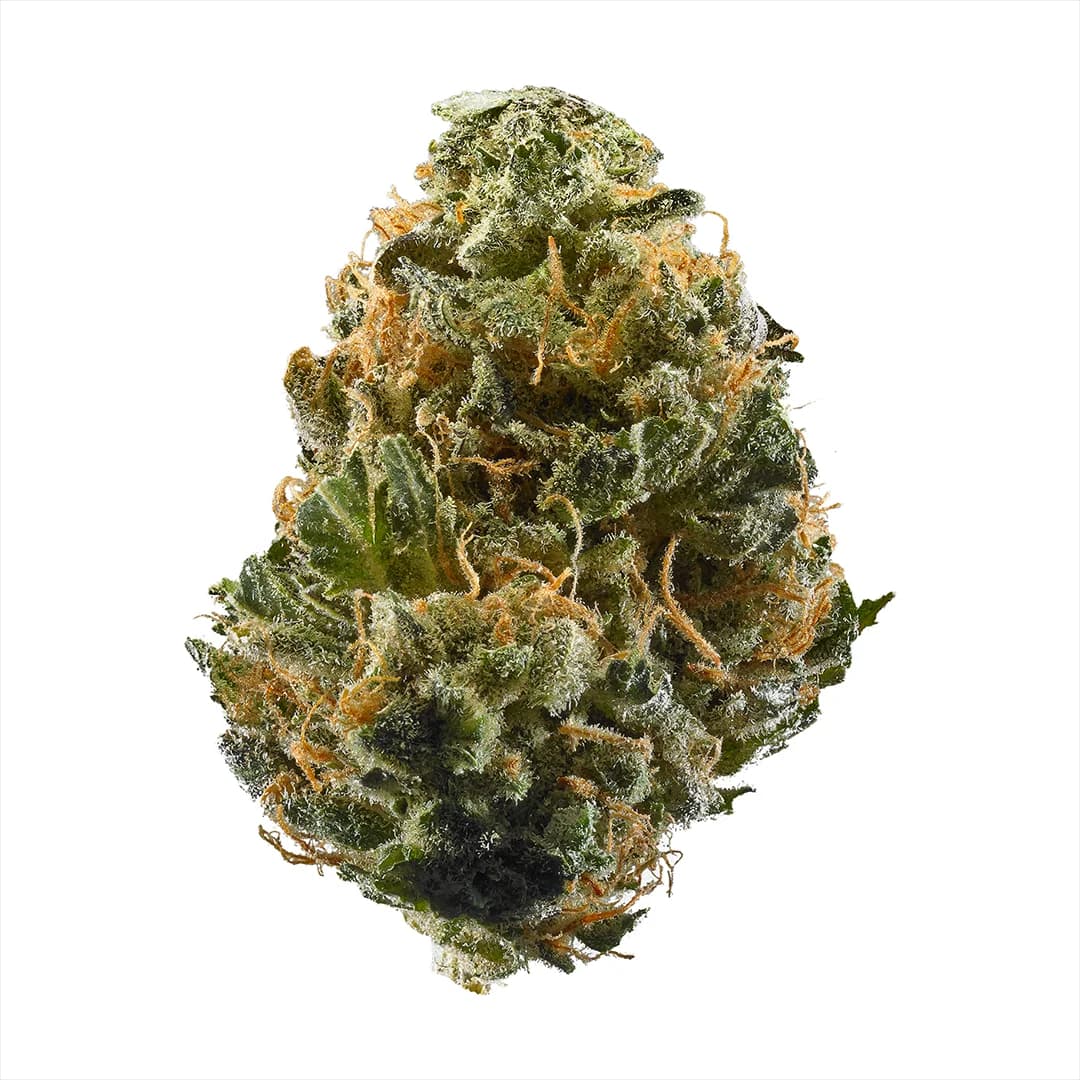
Zoap is presented by Leafly as a hybrid catalog entry. The source account says: The cited source reports Rainbow Sherbet and Pink Guava. Both remain external identities because similar names in the catalog do not prove equivalence. This context is retained as an attributed account, not as genetic authentication of every sample carrying the name. Reader-reported flavor descriptors include Apple, Apricot, Chemical. The catalog lists Caryophyllene, Humulene, Limonene as terpene labels. Those fields describe different evidence layers and do not establish a fixed chemical profile, medical effect or response for an individual sample.
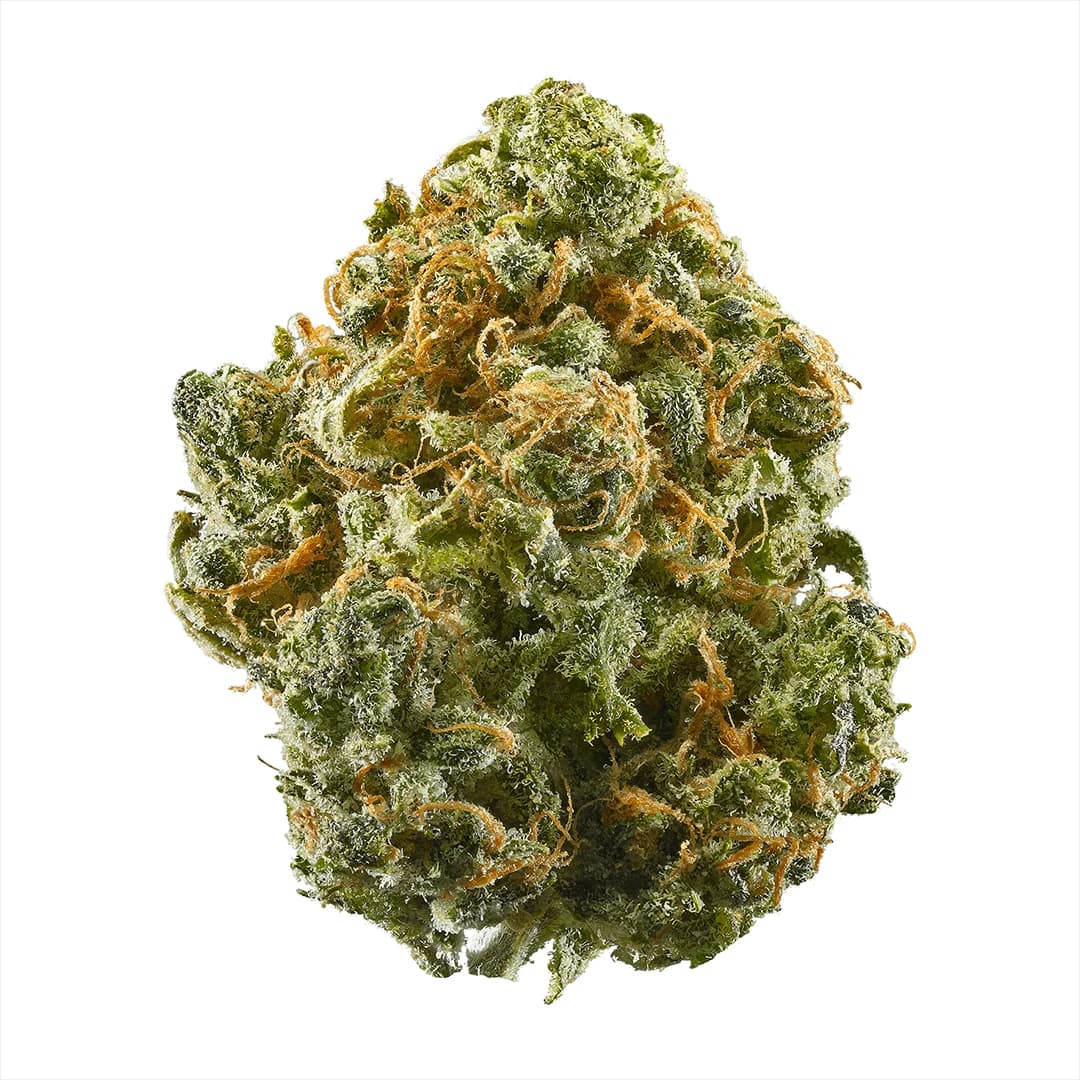
Lemon Haze is included as a source-linked sativa catalog profile. This entry preserves the published name and broad classification while keeping sample-specific potency, chemistry and reader-reported descriptors tied to the cited source. Catalog fields are reference information and do not guarantee the composition or effects of an individual sample.
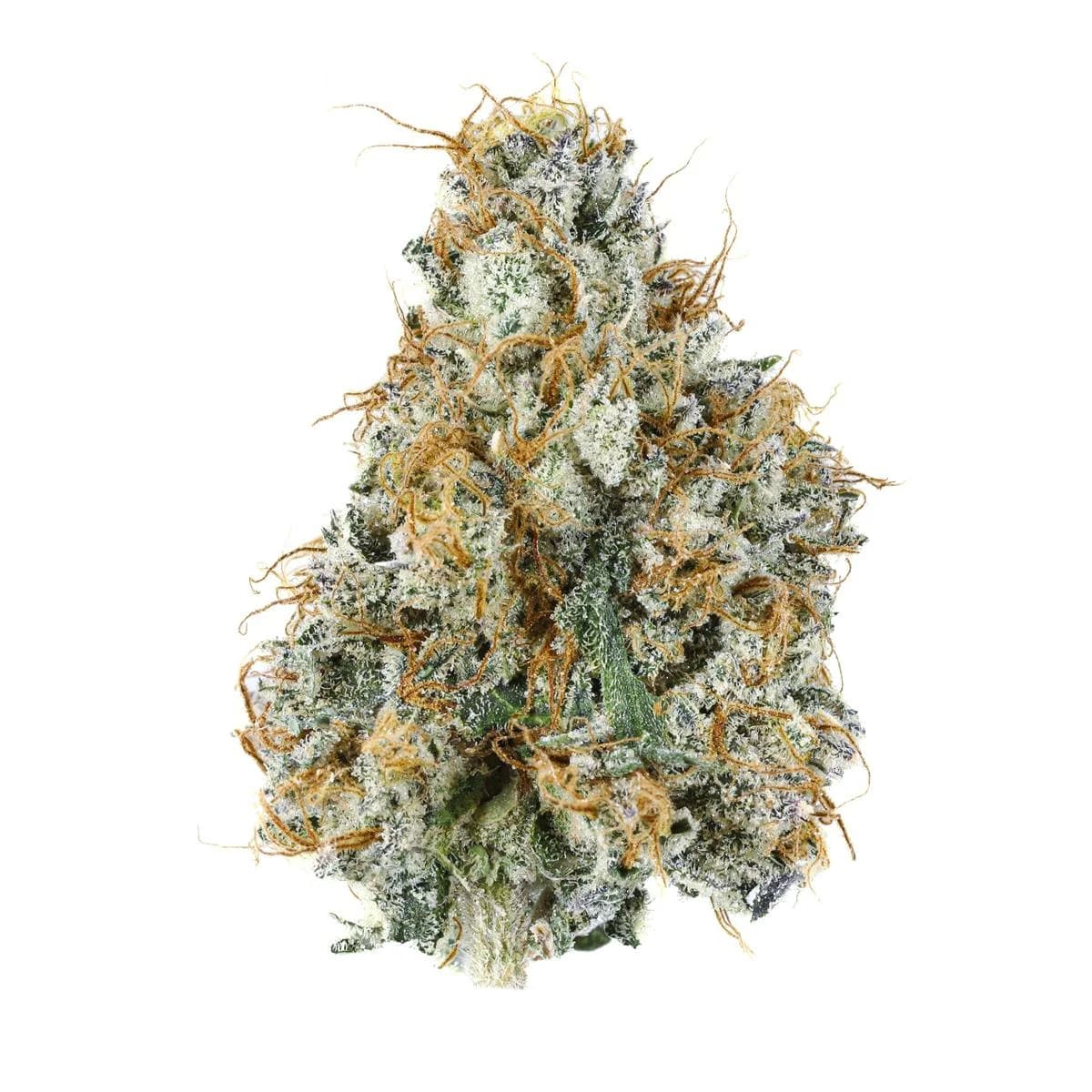
Gary Payton is presented by Leafly as a hybrid catalog entry. The source account says: Gary Payton comes from a Cookies and Powerzzzup Genetics collaboration. Leafly names The Y and Snowman as its parents, and the cultivar takes its name from the basketball player. This is a source-reported identity, not a genetically authenticated pedigree. This context is retained as an attributed account, not as genetic authentication of every sample carrying the name. Reader-reported flavor descriptors include Apricot, Lavender, Pepper. The catalog lists Caryophyllene, Limonene, Linalool as terpene labels. Those fields describe different evidence layers and do not establish a fixed chemical profile, medical effect or response for an individual sample.
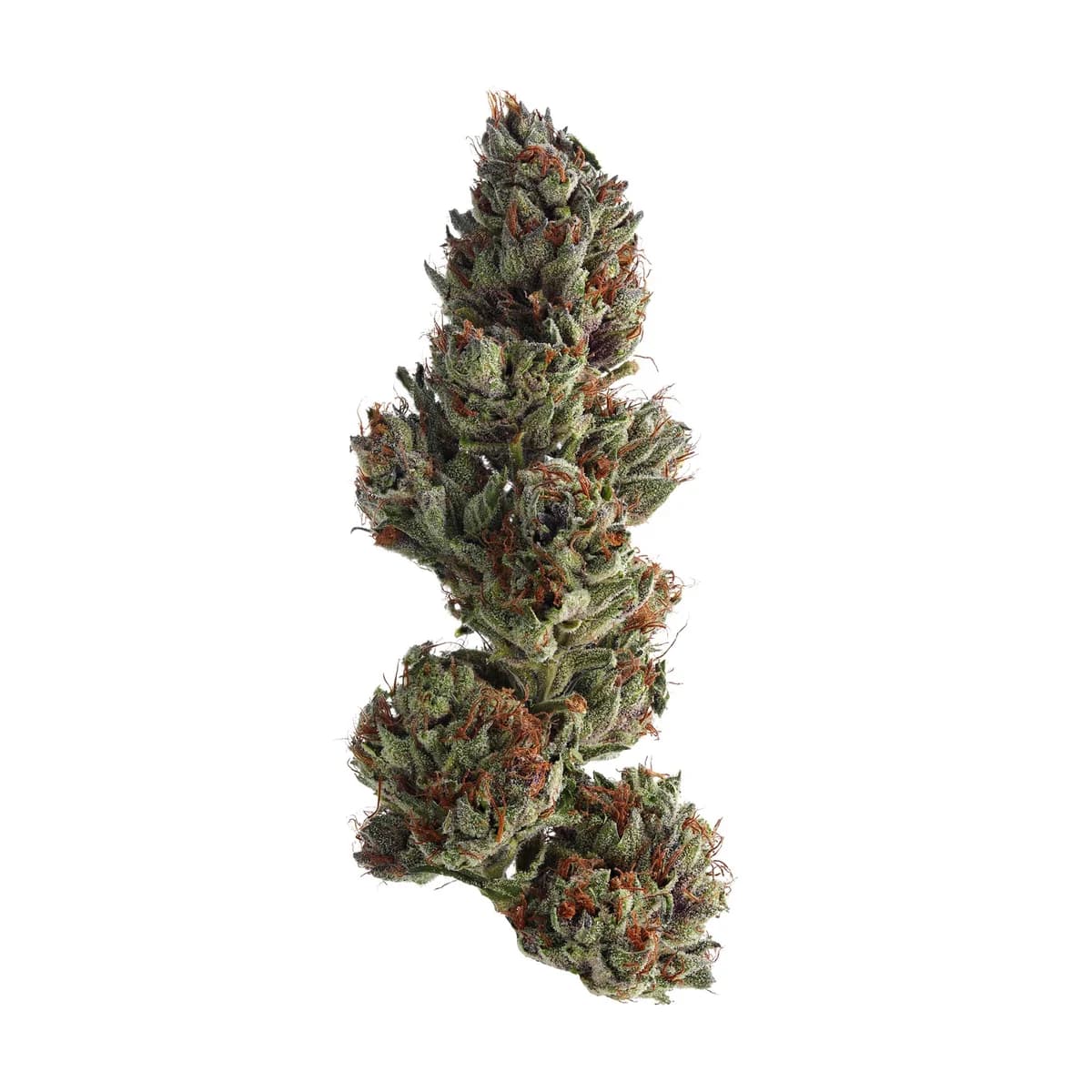
Gumbo is included as a source-linked indica catalog profile. This entry preserves the published name and broad classification while keeping sample-specific potency, chemistry and reader-reported descriptors tied to the cited source. Catalog fields are reference information and do not guarantee the composition or effects of an individual sample.
Names to consider for future Atlas profiles: Blue Lobster, Glitter Bomb, Black Maple, Jokerz, Gas Face, Sub Zero and Sand Castles appear in current editorial or trend coverage, but do not yet have published StrainAtlas profiles.
Zamnesia’s report identifies Runtz as prominent in seed sales across several European markets. Seed demand is not the same as flower sales or worldwide popularity.
Runtz is presented by Leafly as a hybrid catalog entry. The source account says: Runtz is reported as a cross of The Original Z, also known as Zkittlez, and Gelato. This connects it to both the Z and Cookies-related families; the original profile is kept distinct from other Runtz-named selections. This context is retained as an attributed account, not as genetic authentication of every sample carrying the name. Reader-reported flavor descriptors include Apricot, Sweet, Tree fruit. The catalog lists Caryophyllene, Limonene, Myrcene as terpene labels. Those fields describe different evidence layers and do not establish a fixed chemical profile, medical effect or response for an individual sample.
Connection counts describe relationships currently documented in this catalog. They are not a claim that a family history is complete or genetically authenticated.
DOCUMENTED RECORDS
Profiles with more recorded detail.
These profiles have more recorded sources, lineage links and reported attributes in this catalog. More entries do not mean greater certainty.
OG Kush is a hybrid name central to several later catalog families, including GSC and Headband. Leafly describes a Florida-to-California history but qualifies the proposed early cross rather than documenting a settled pedigree. Its listed aroma descriptors include wood, pine and earth, while its chemistry section names myrcene, limonene and caryophyllene. The uncertain origin story is retained as an attributed account; a shared OG name does not establish identical ancestry or chemistry.
GSC is the catalog entry also known as Girl Scout Cookies. Leafly attributes it to Jigga and describes an OG Kush subtype crossed with F1 Durban. That intermediate parent name matters: it should not automatically be replaced with Durban Poison. Thin Mint and Platinum GSC are discussed as related variations rather than interchangeable specimens. Mint, sweet and earthy reader tags help describe the catalog profile but do not authenticate its genetics.
Afghani is presented by Leafly as a indica catalog entry. The source account says: Afghani is a regional cannabis name associated with Afghanistan and appears in many reported family histories. A regional name can cover varied material, so this profile does not imply one uniform genetic or chemical sample. This context is retained as an attributed account, not as genetic authentication of every sample carrying the name. Reader-reported flavor descriptors include Earthy, Pine, Woody. The catalog lists Myrcene, Pinene, Terpinolene as terpene labels. Those fields describe different evidence layers and do not establish a fixed chemical profile, medical effect or response for an individual sample.
Blueberry, also called Berry Blue, is associated with DJ Short's work beginning in the late 1970s. Leafly describes Thai-related ancestry and notes that material passed between breeders and seed banks over time. This history is a reason to preserve source and selection details rather than assume all Blueberry records describe one identical plant. Blueberry, berry and sweet are reader flavor descriptors; the fruit name alone is not a chemical measurement or proof of parentage.
Skunk 1 is presented by Leafly as a hybrid catalog entry. The source account says: Skunk #1 is associated with Sacred Seed Co. and selection work involving Afghani, Acapulco Gold and Colombian Gold. Its family record represents that multi-generation background rather than a simple two-parent cross. This context is retained as an attributed account, not as genetic authentication of every sample carrying the name. Reader-reported flavor descriptors include Earthy, Pungent, Skunk. The catalog lists Limonene, Myrcene, Pinene as terpene labels. Those fields describe different evidence layers and do not establish a fixed chemical profile, medical effect or response for an individual sample.
Haze is a broad sativa-associated family that Leafly places in Santa Cruz in the 1960s. Its account names Colombian, Mexican, Thai and South Indian ancestry without defining a complete sequence of crosses. The profile's spicy or herbal, tobacco and earthy tags describe reader impressions. This family-level history is useful when exploring descendants, but the word Haze in another strain's name is not enough to prove a direct parent relationship or identical chemistry.