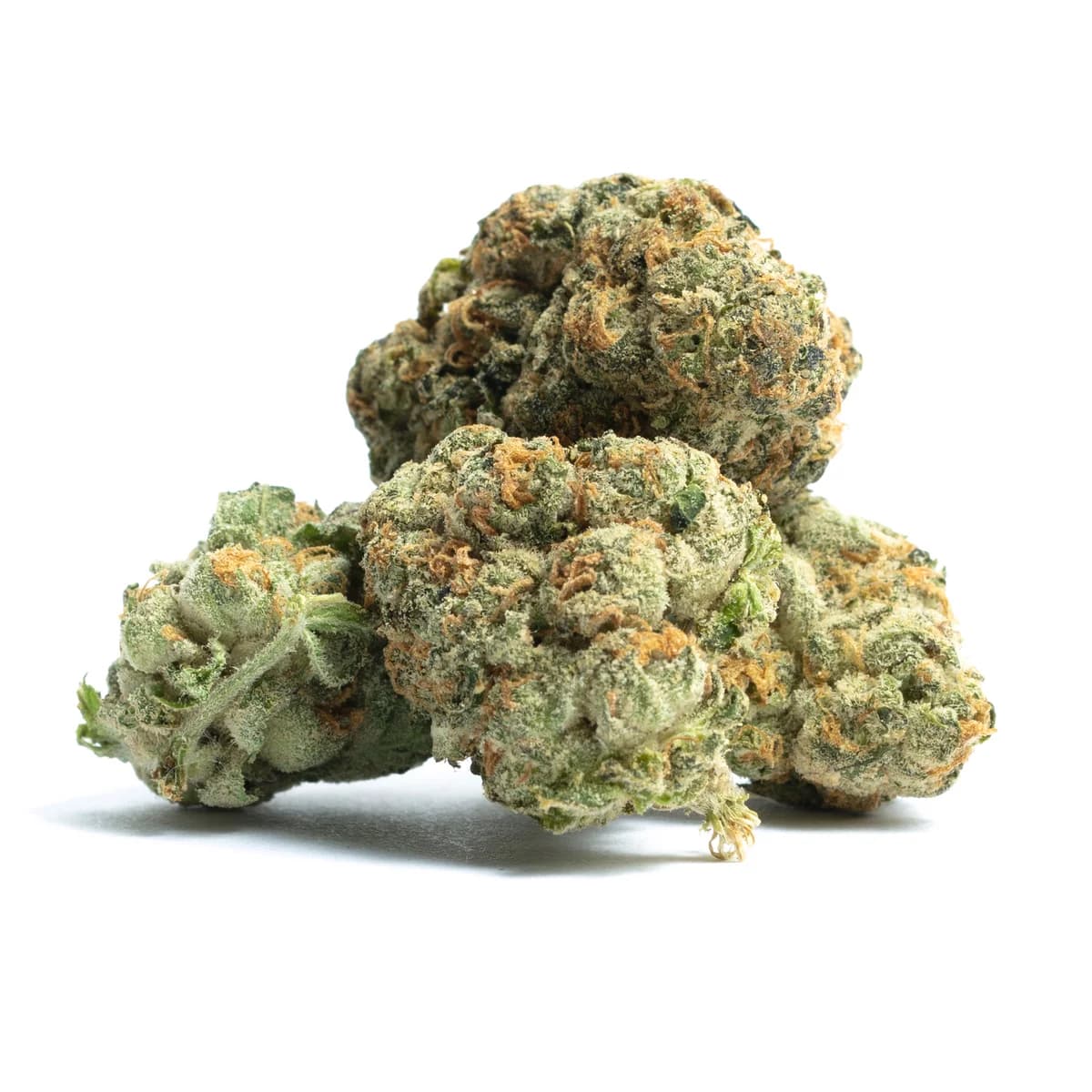
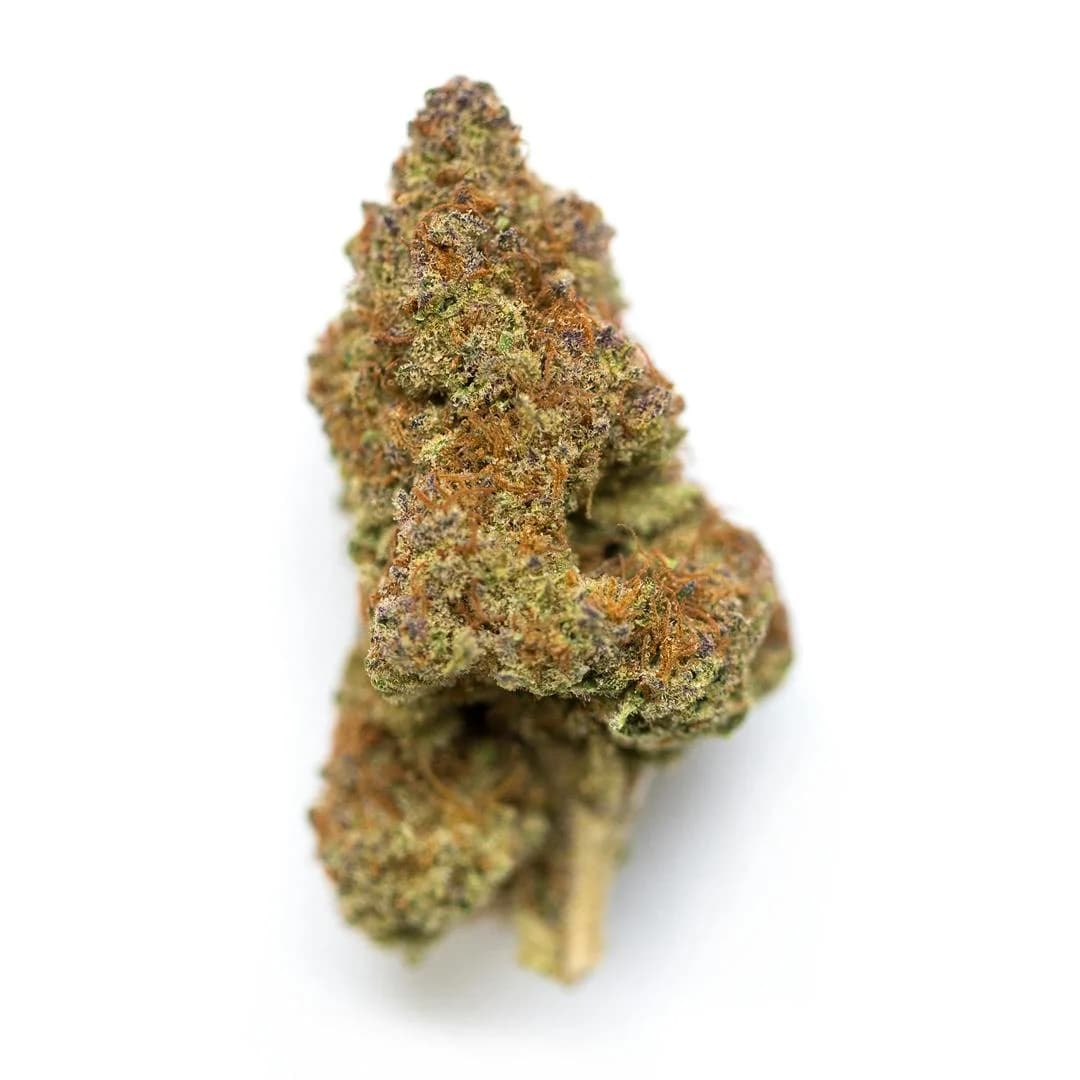
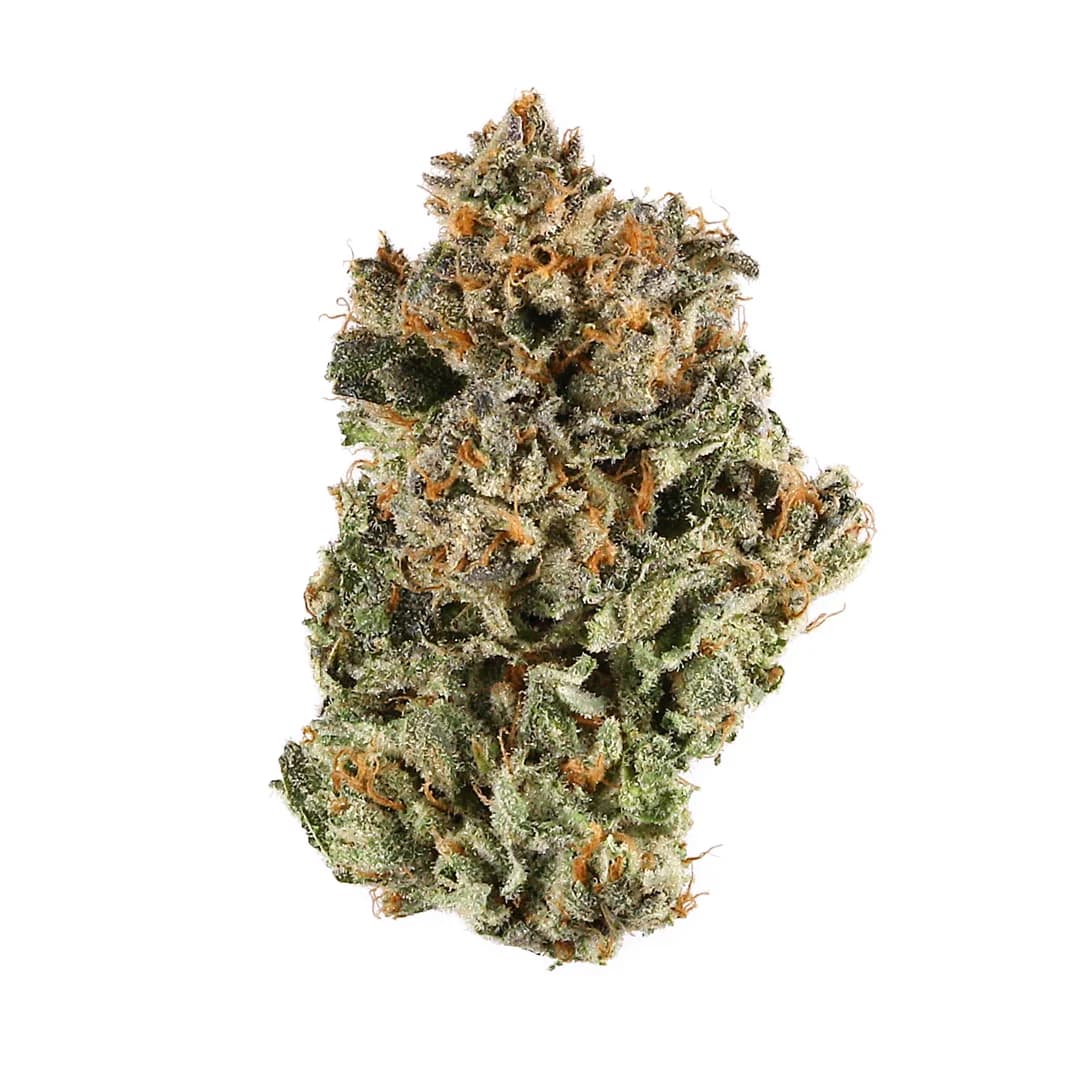
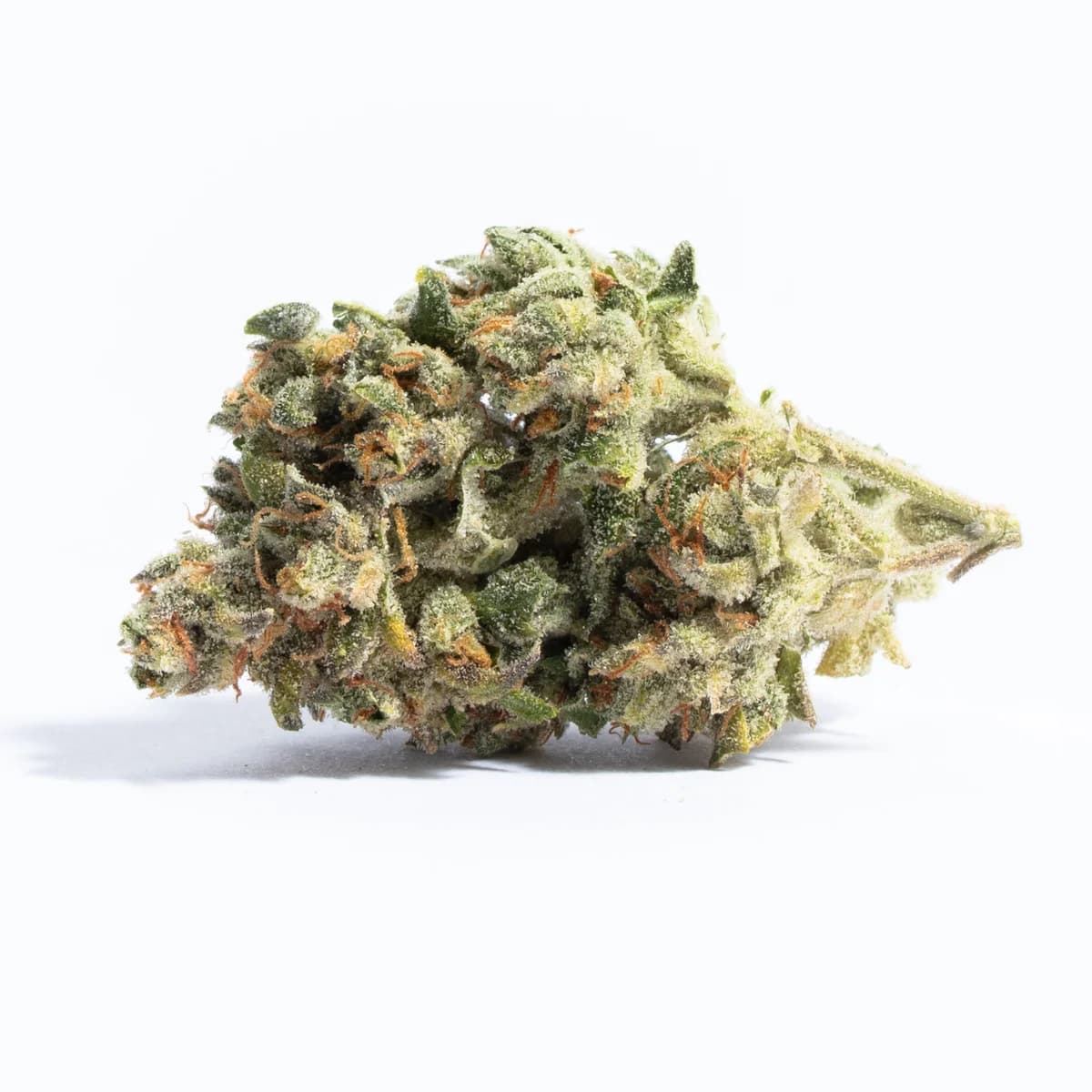
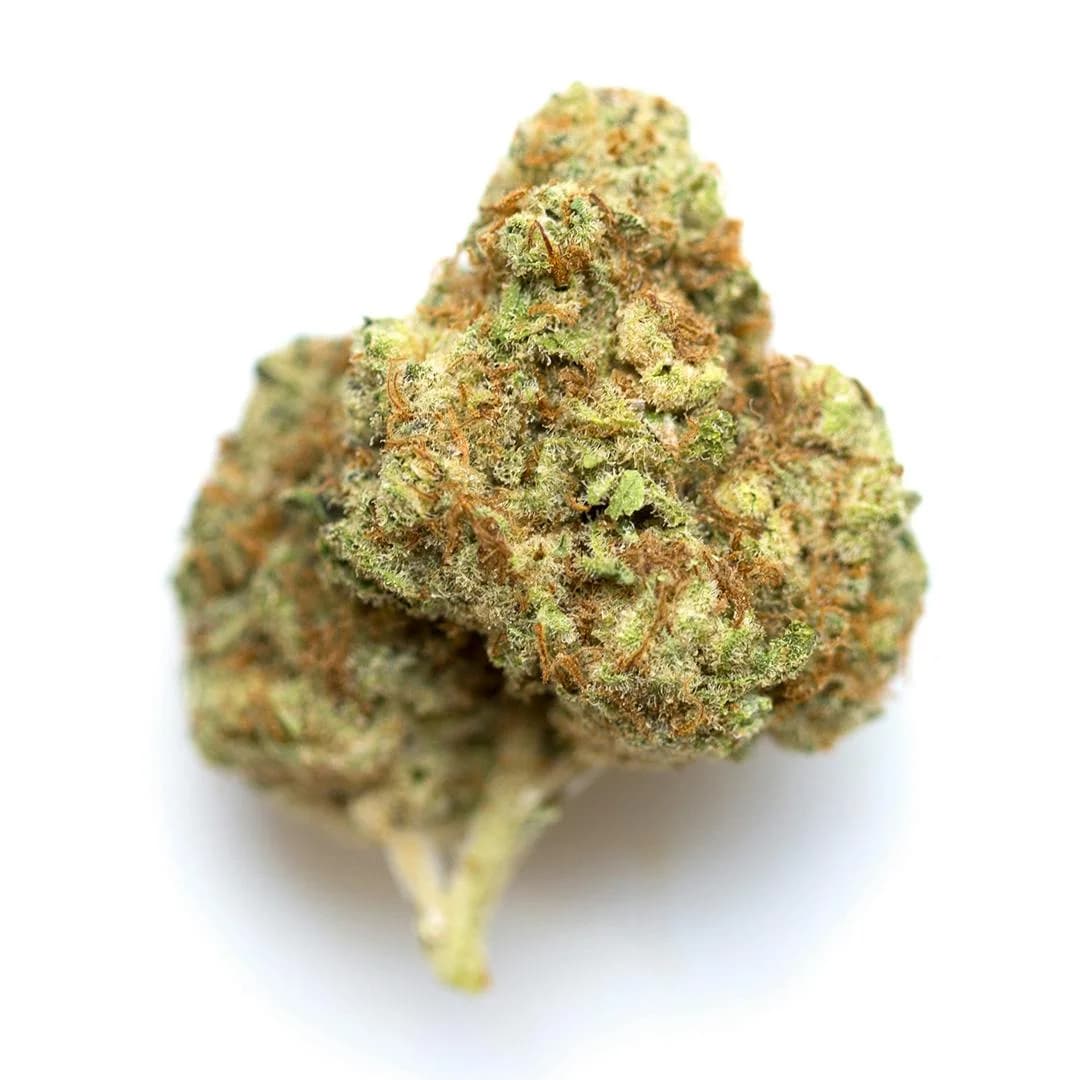
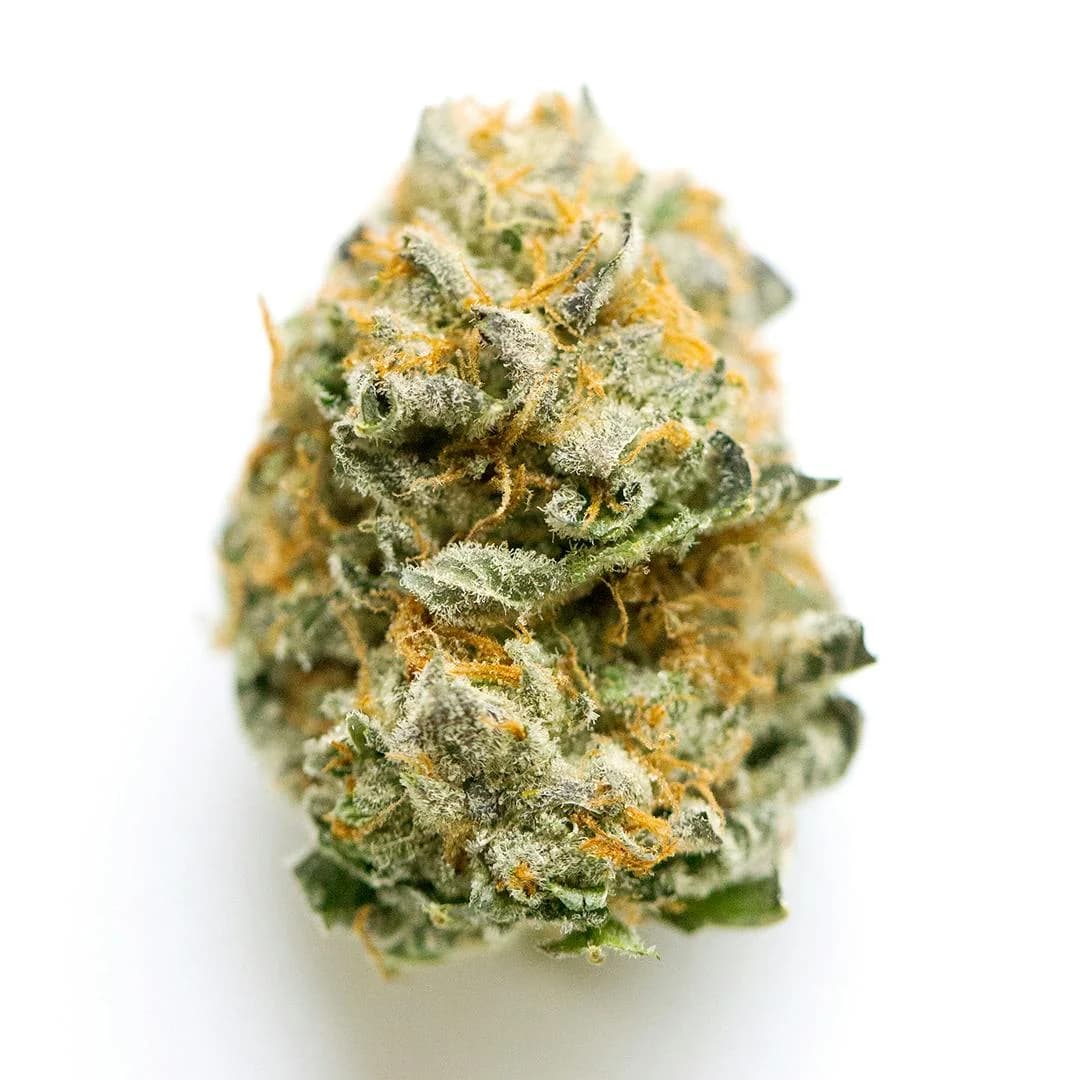
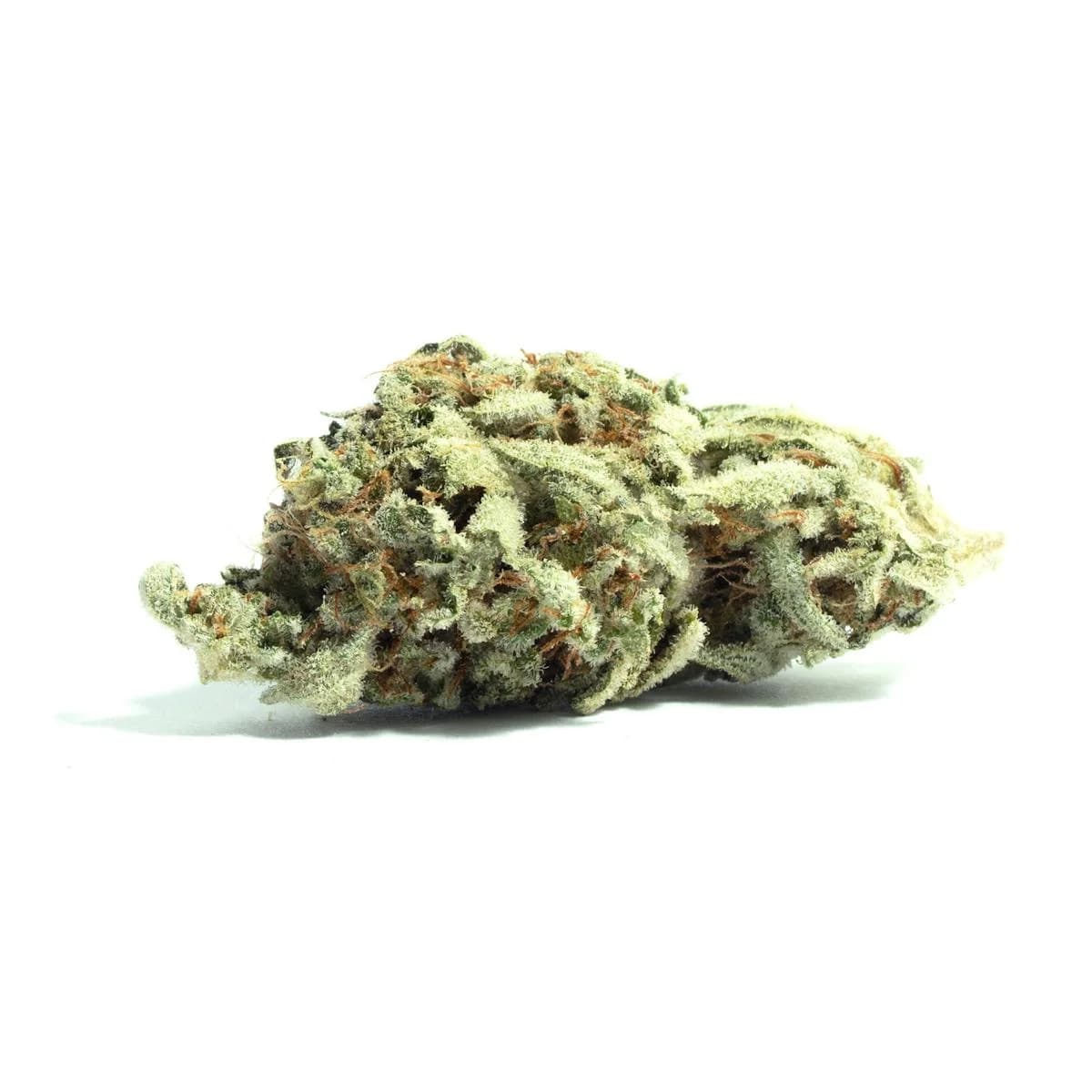
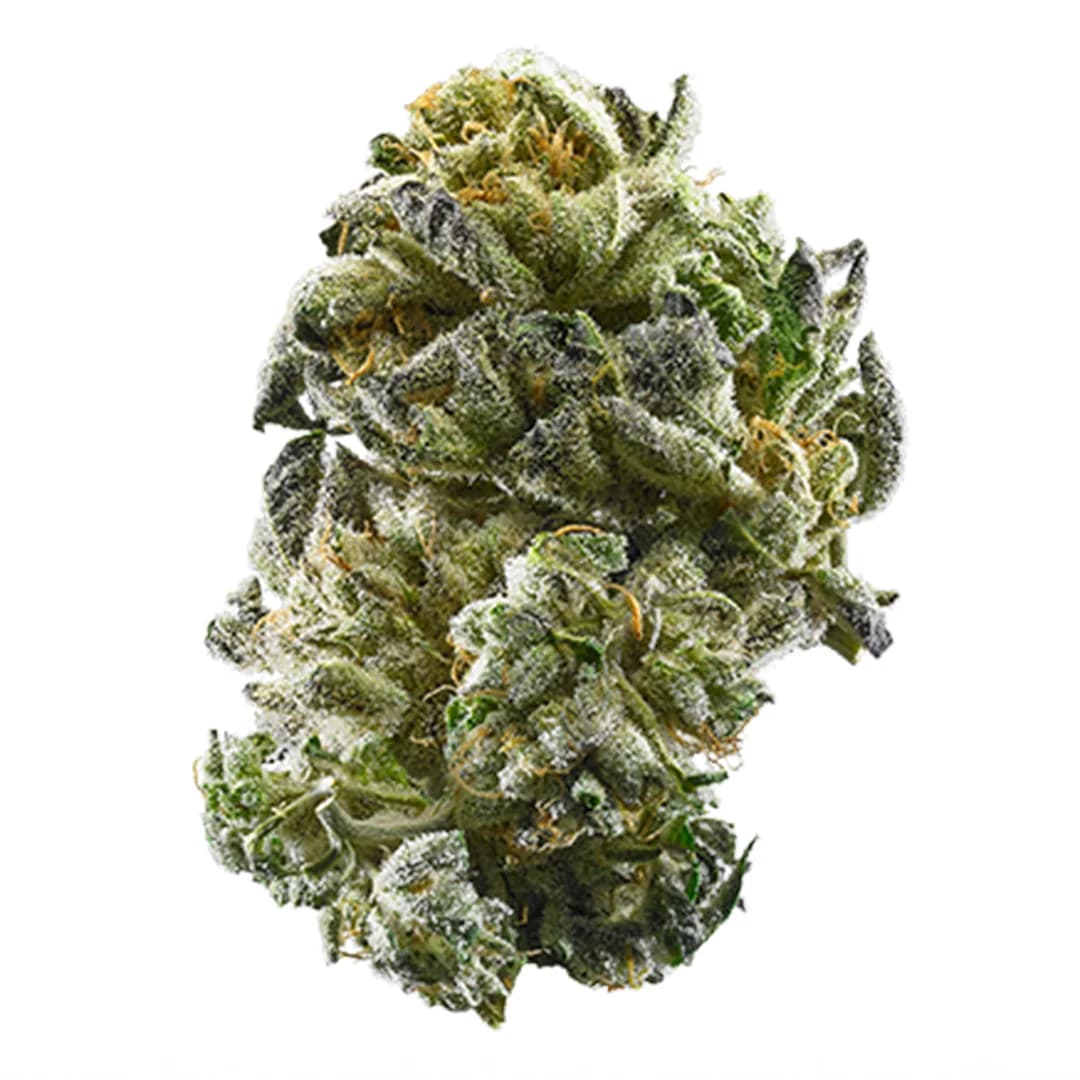
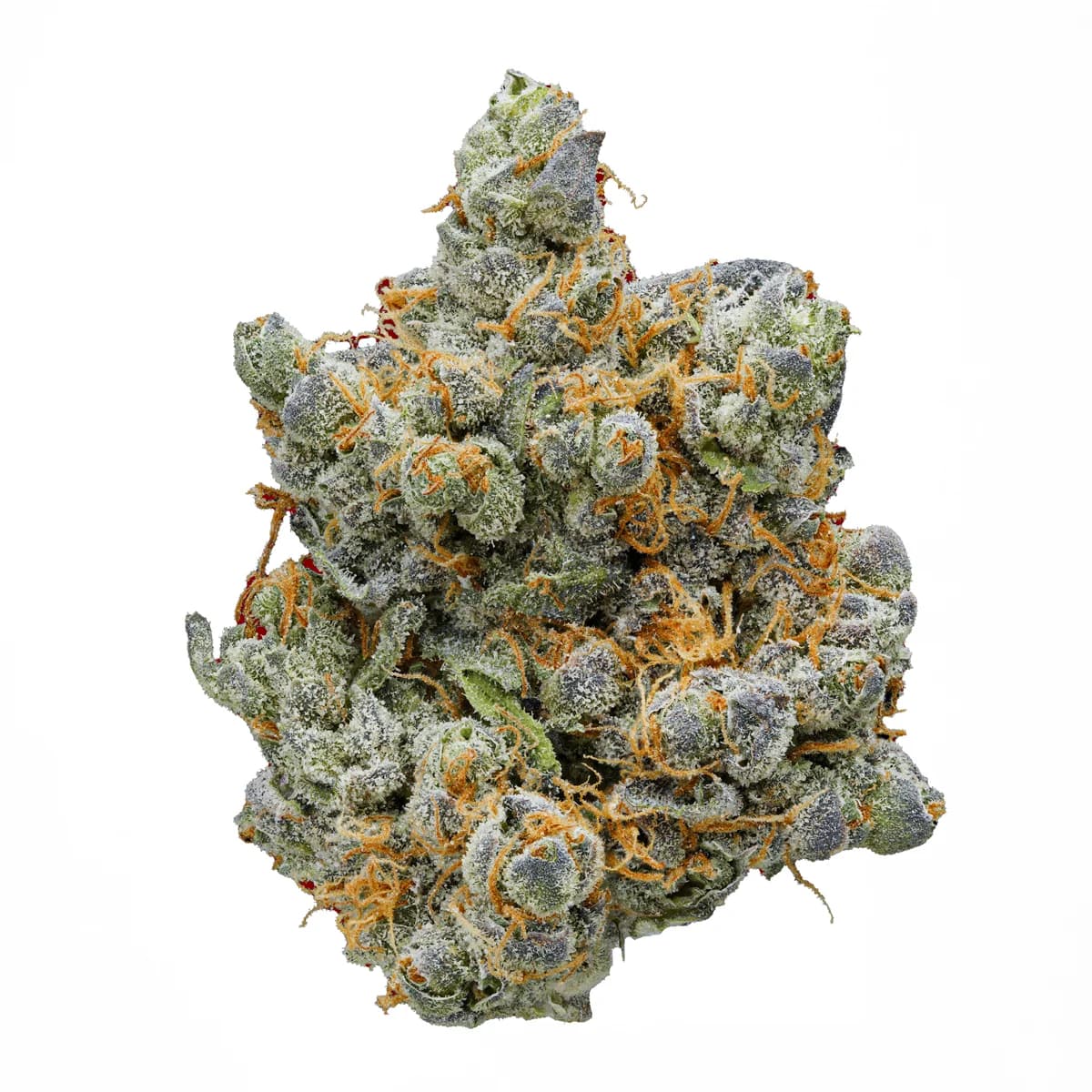
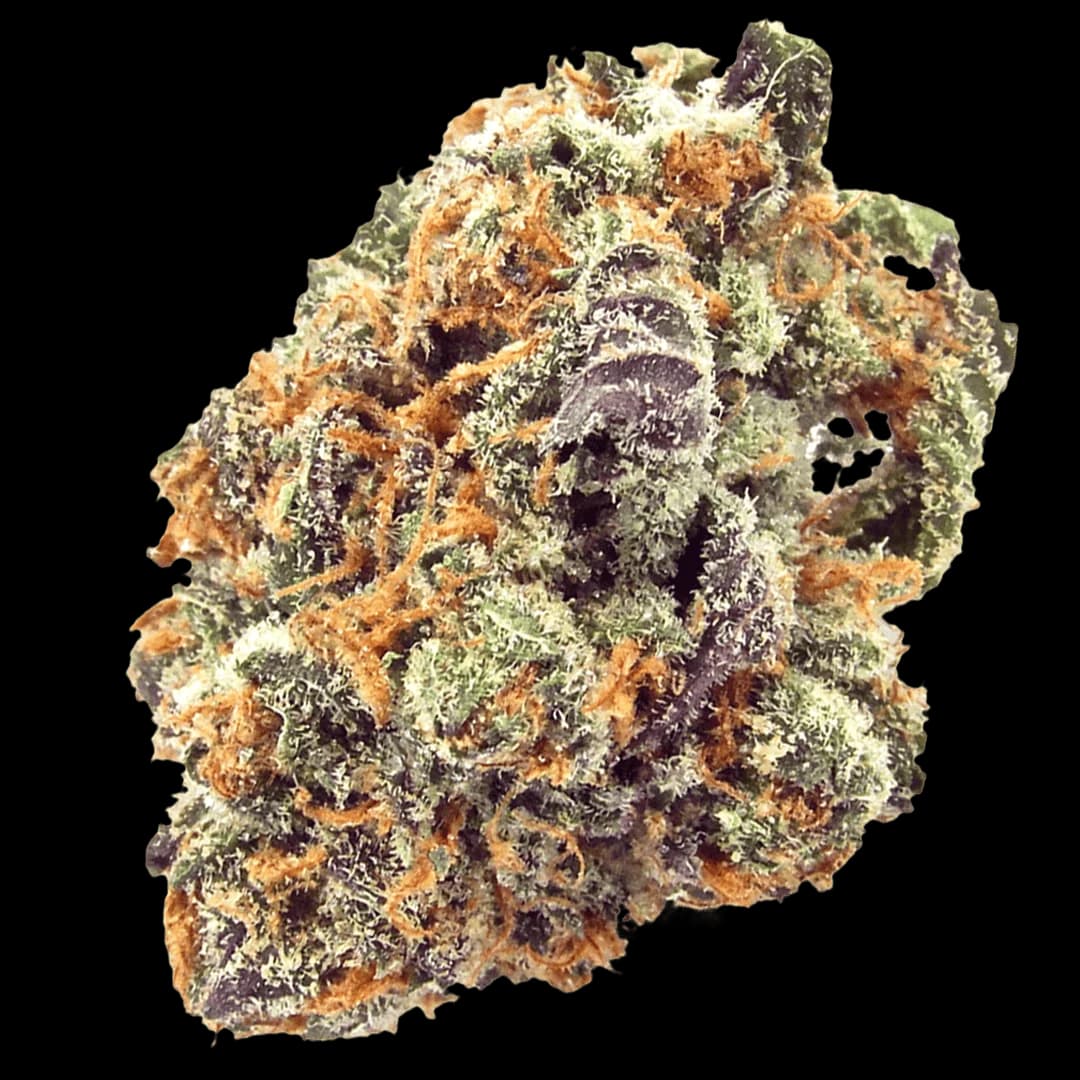
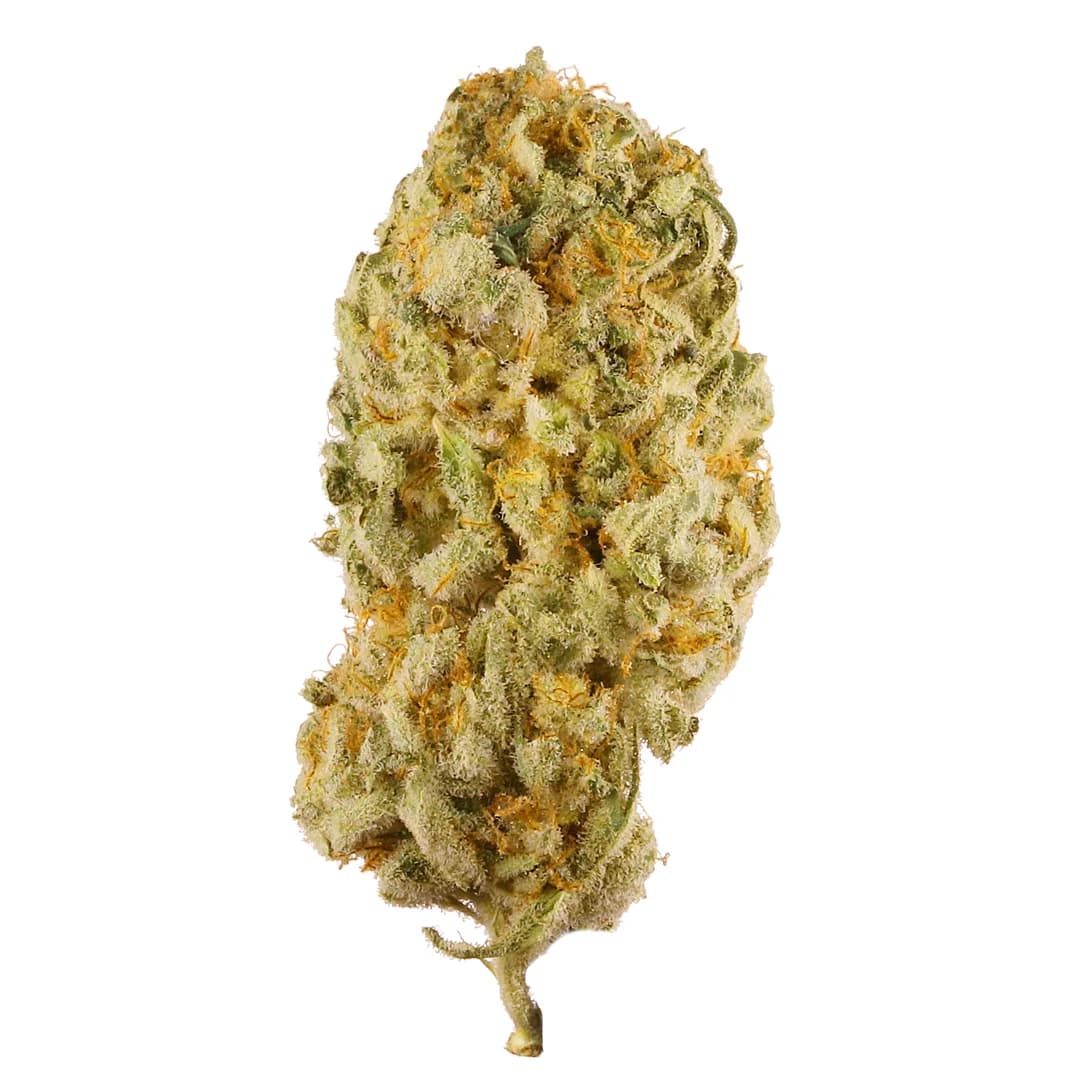
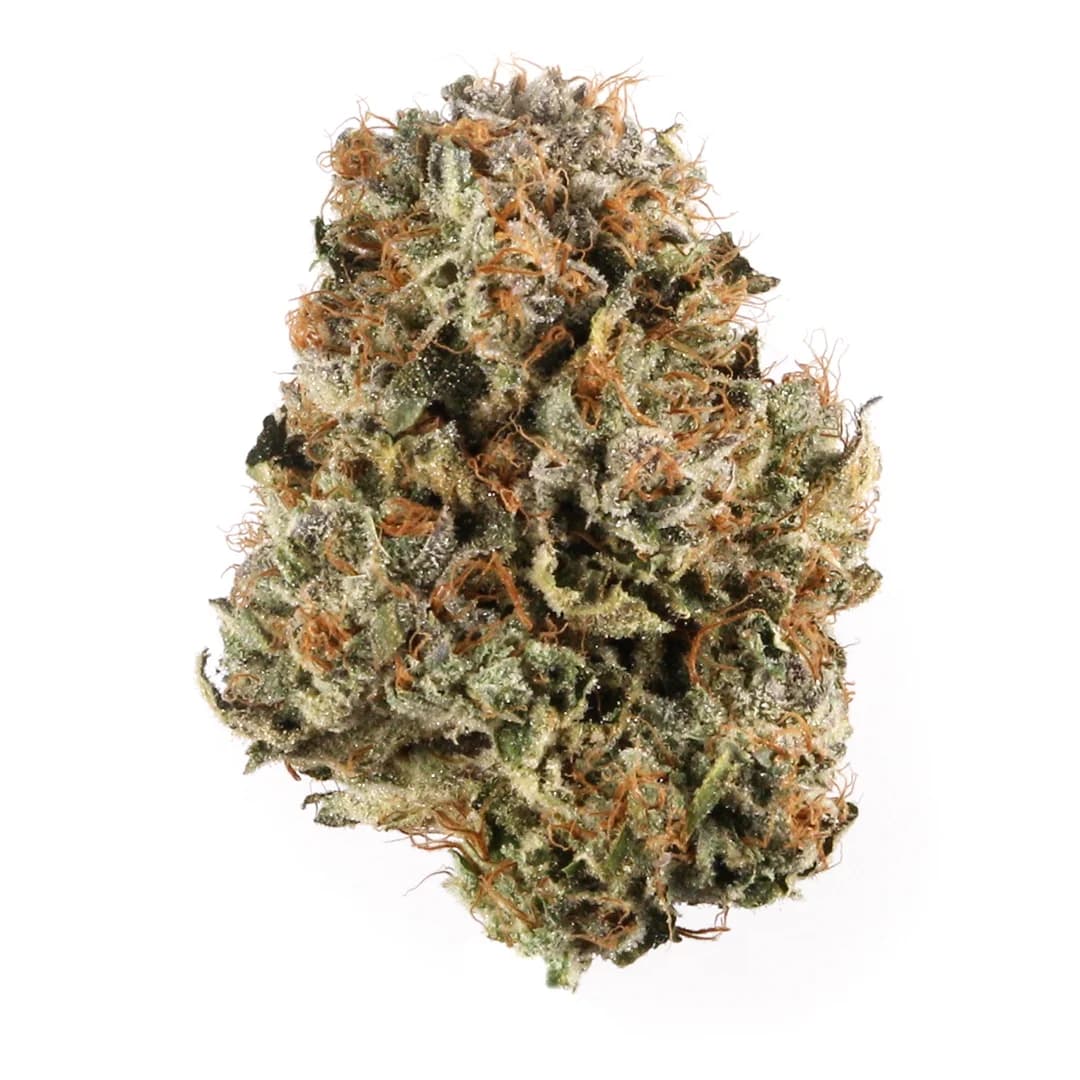
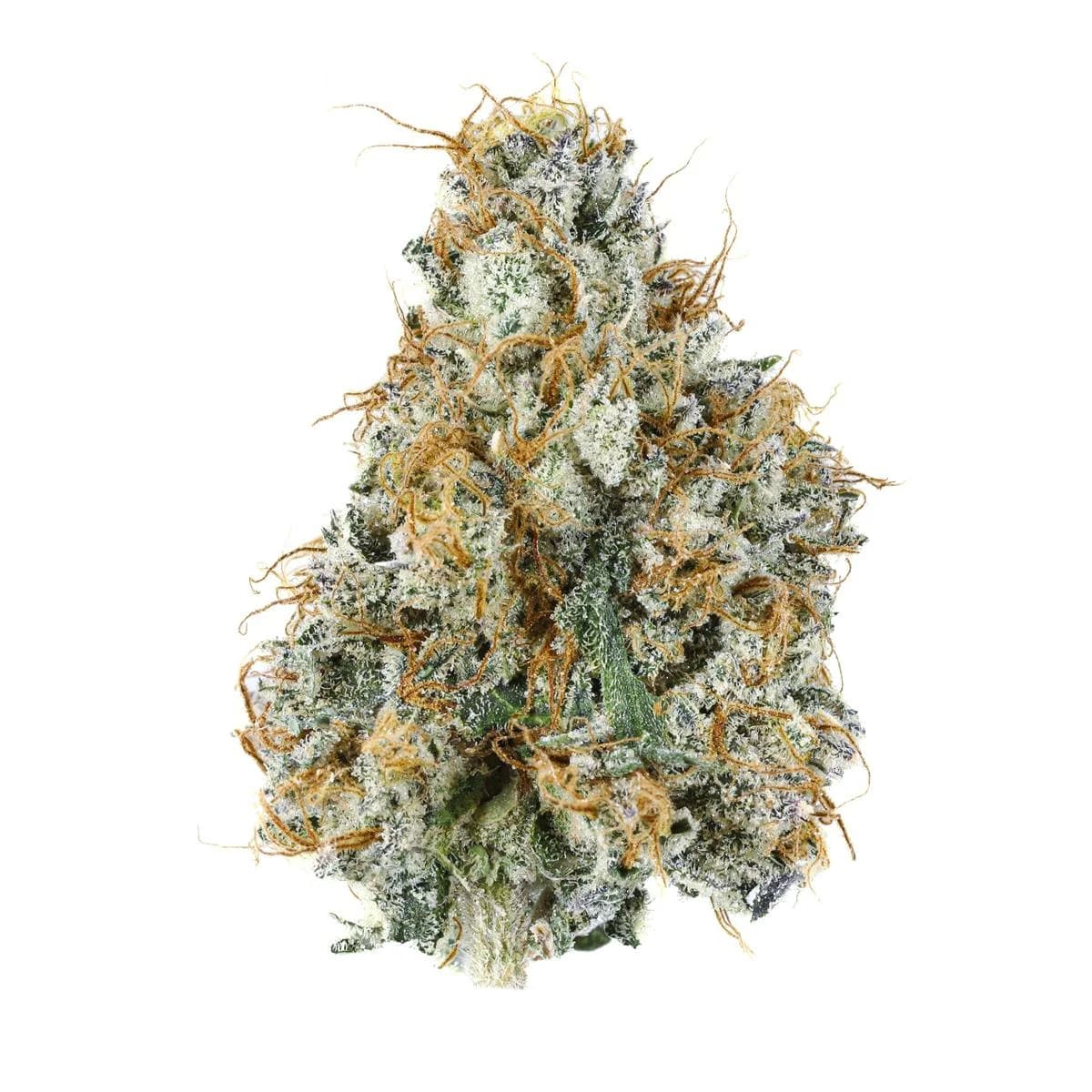
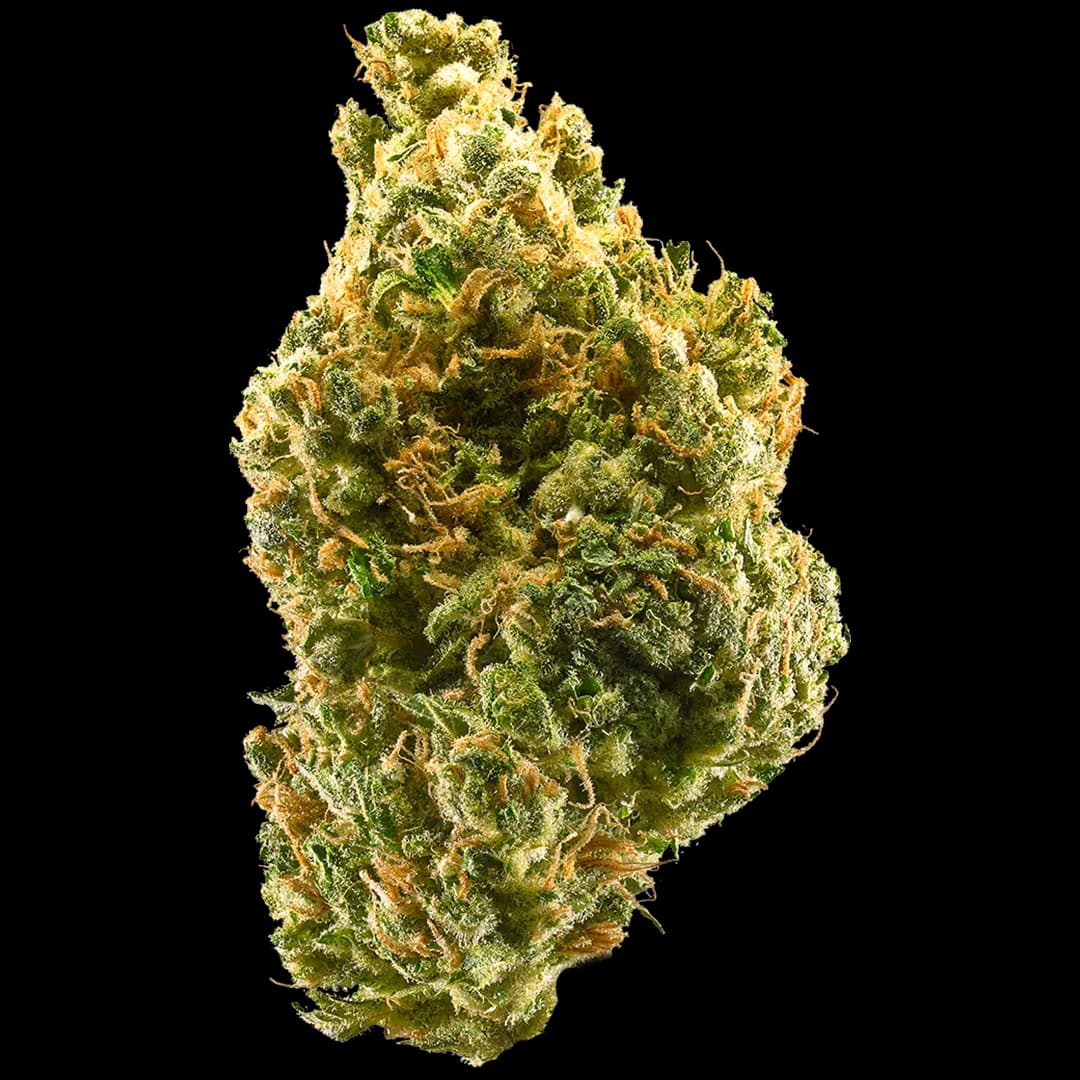
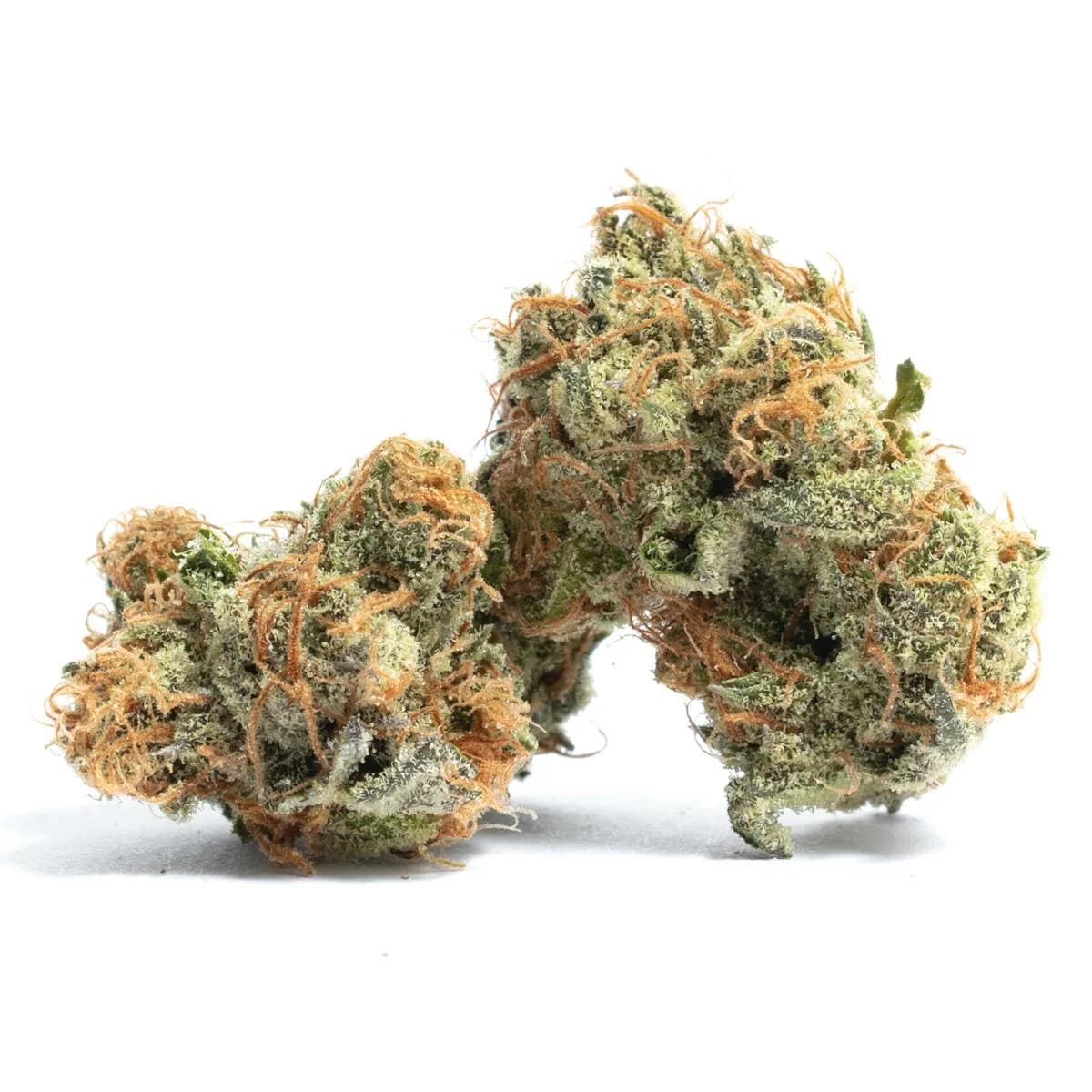
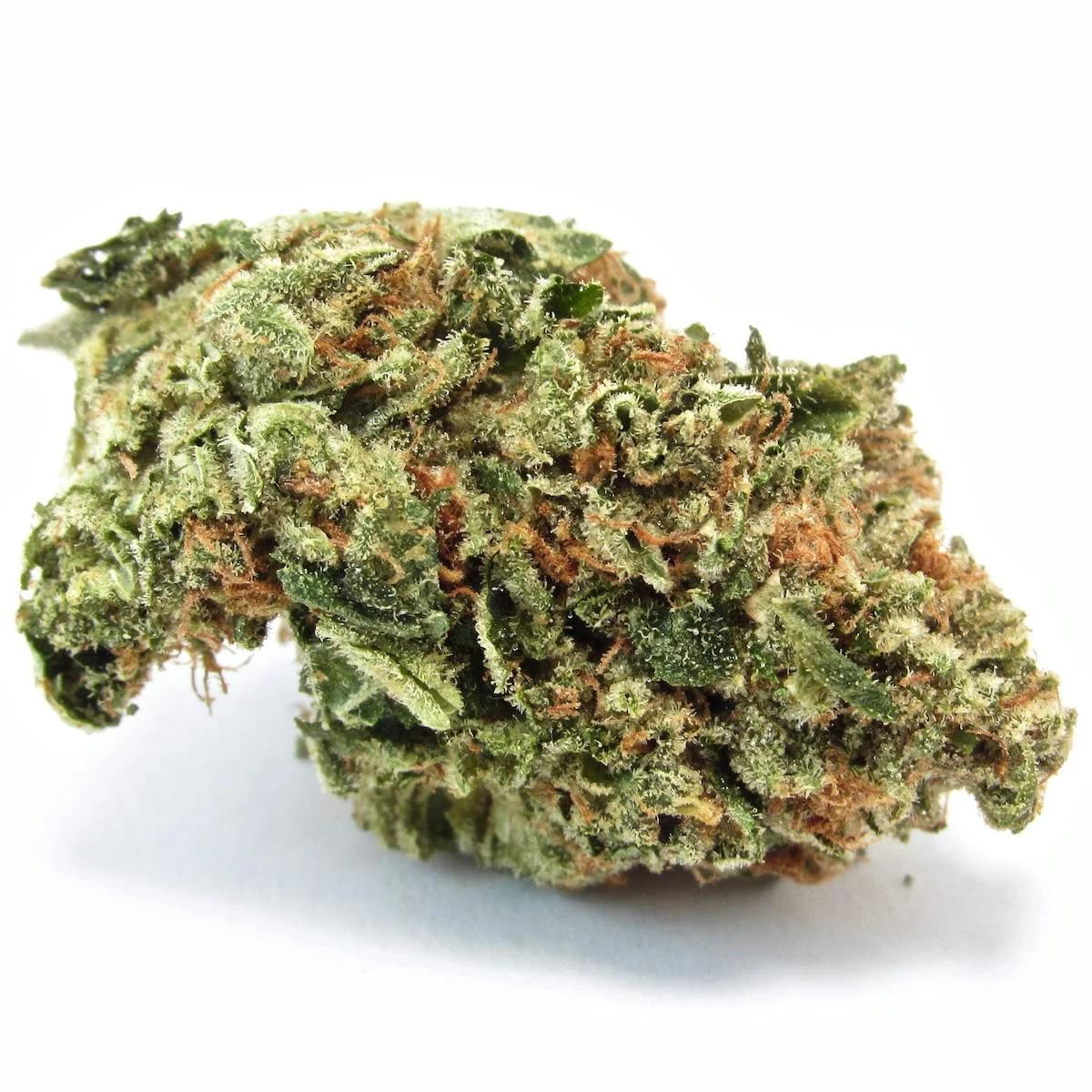
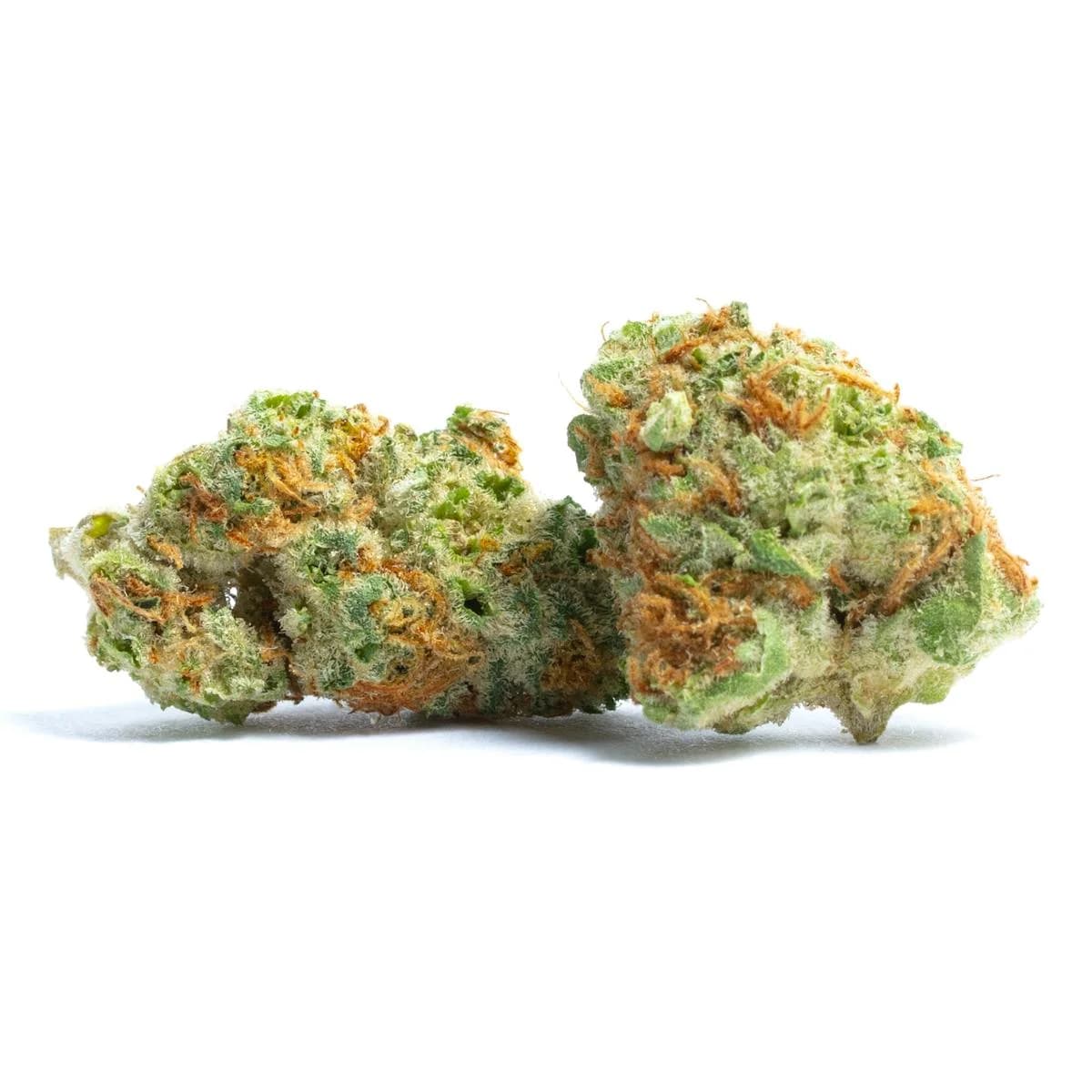
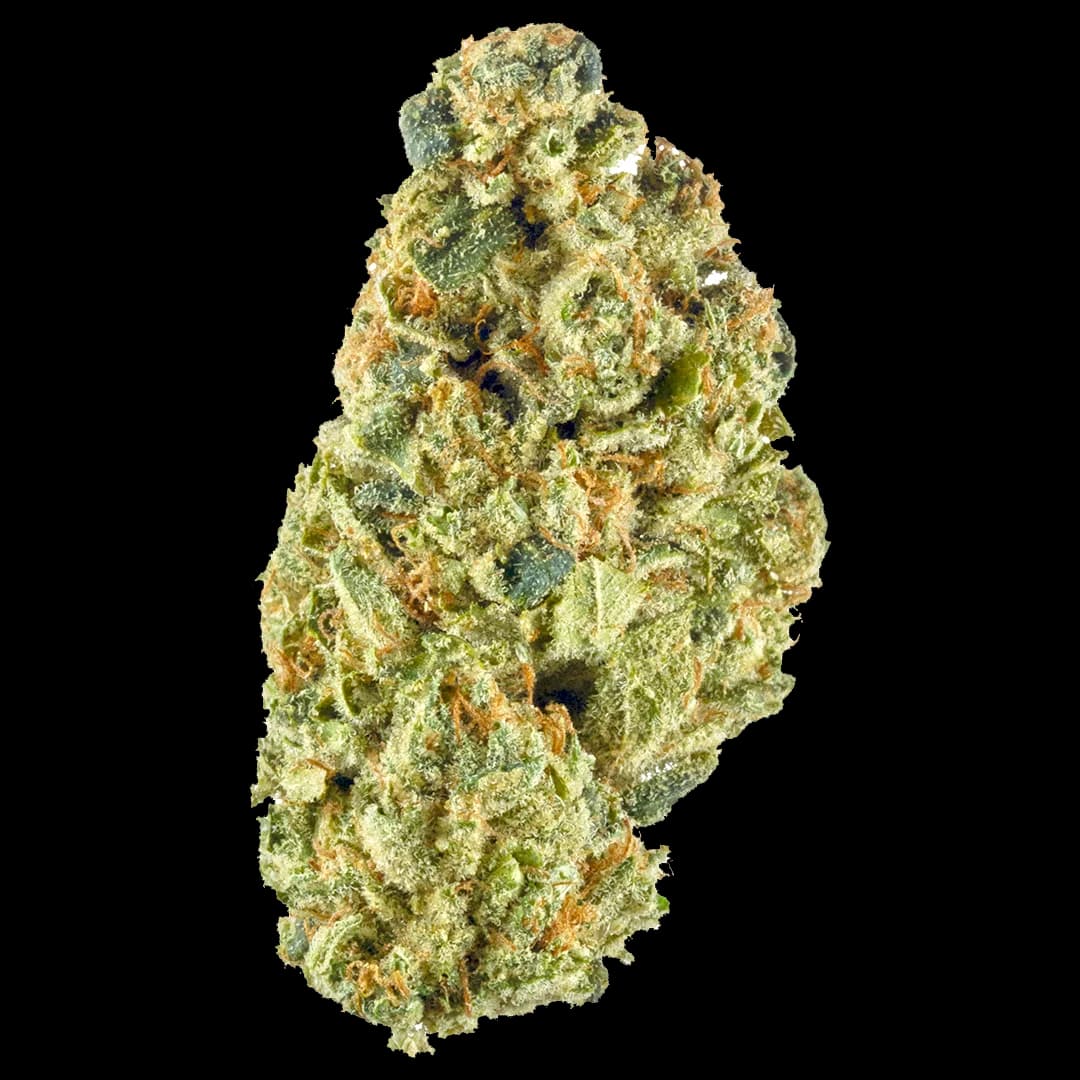
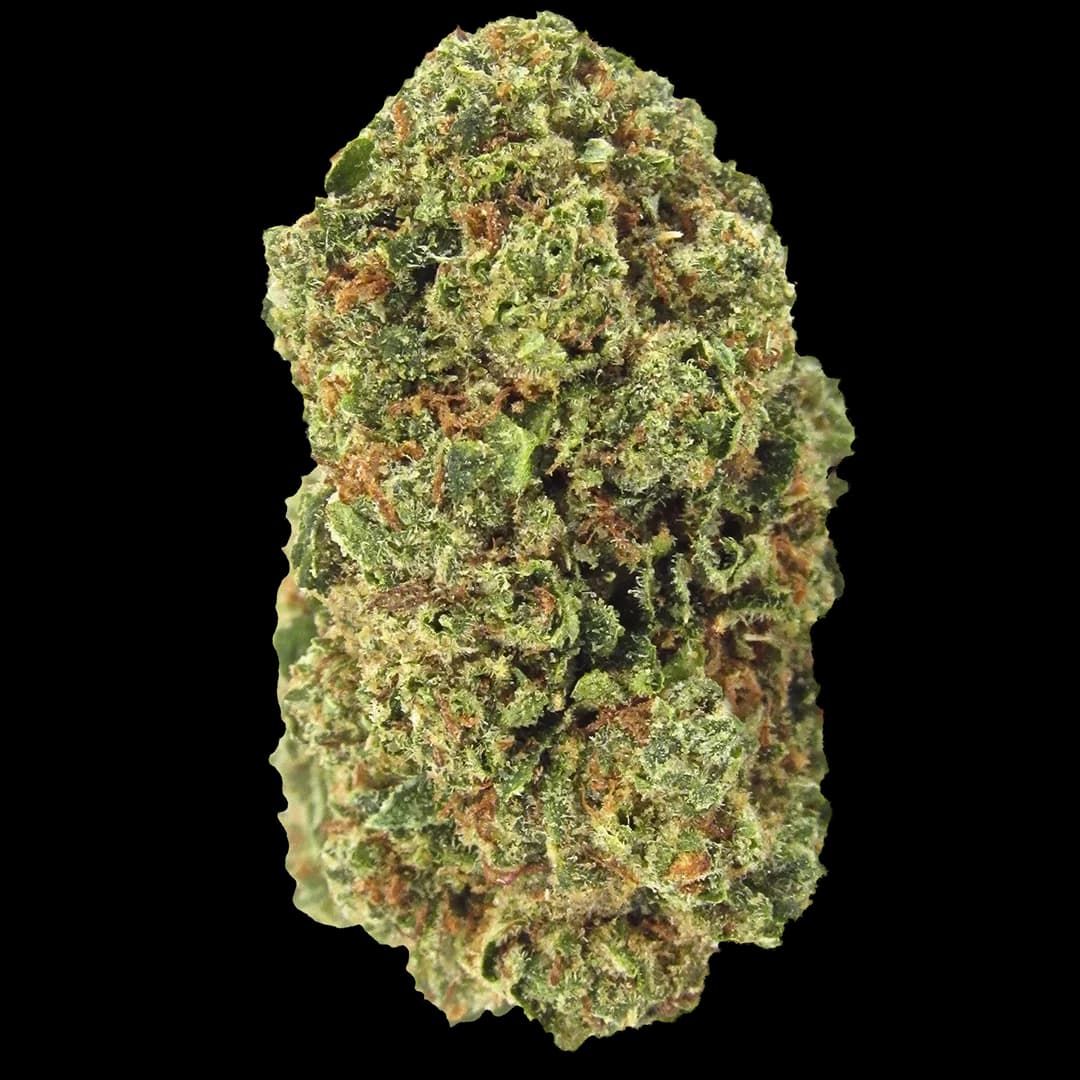
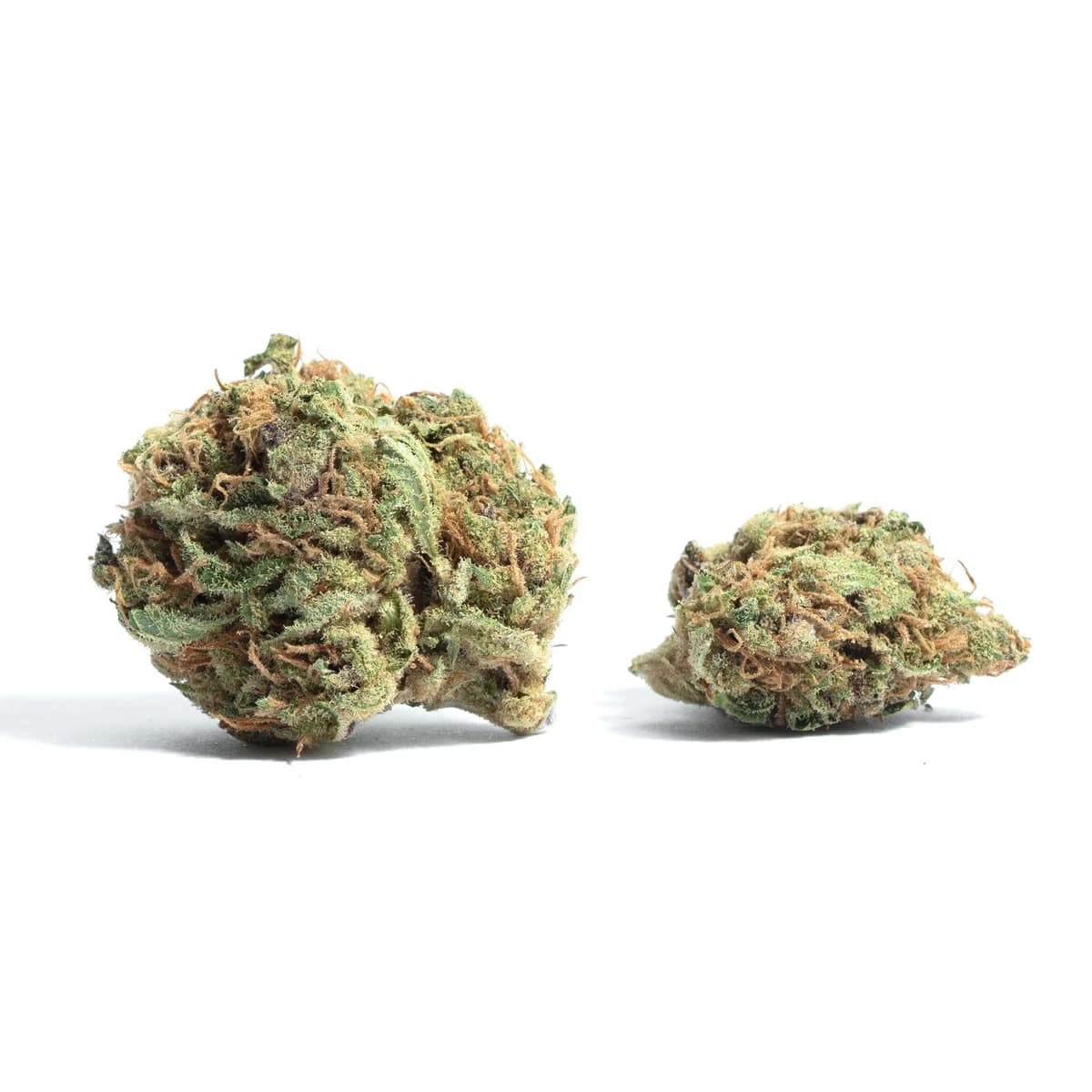
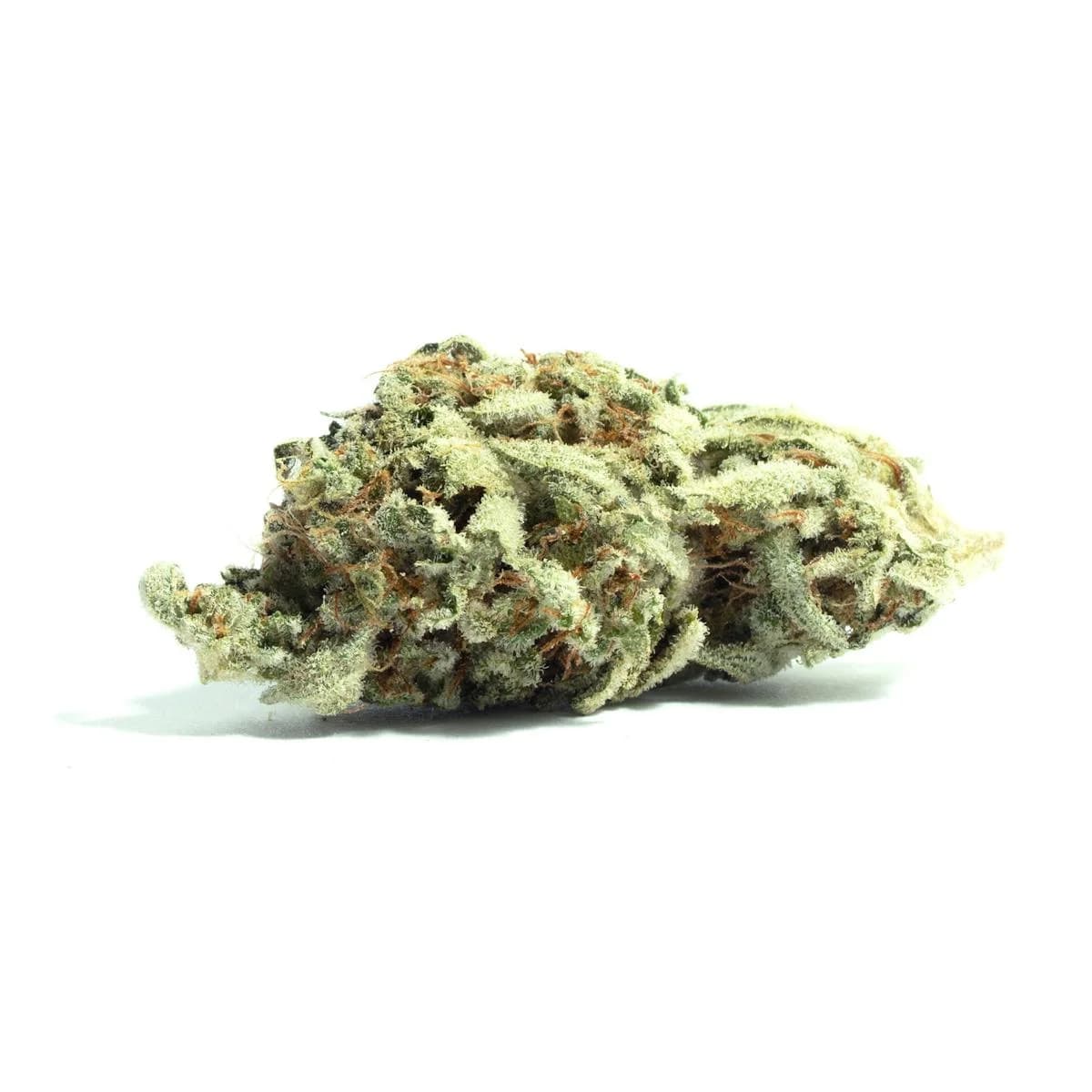
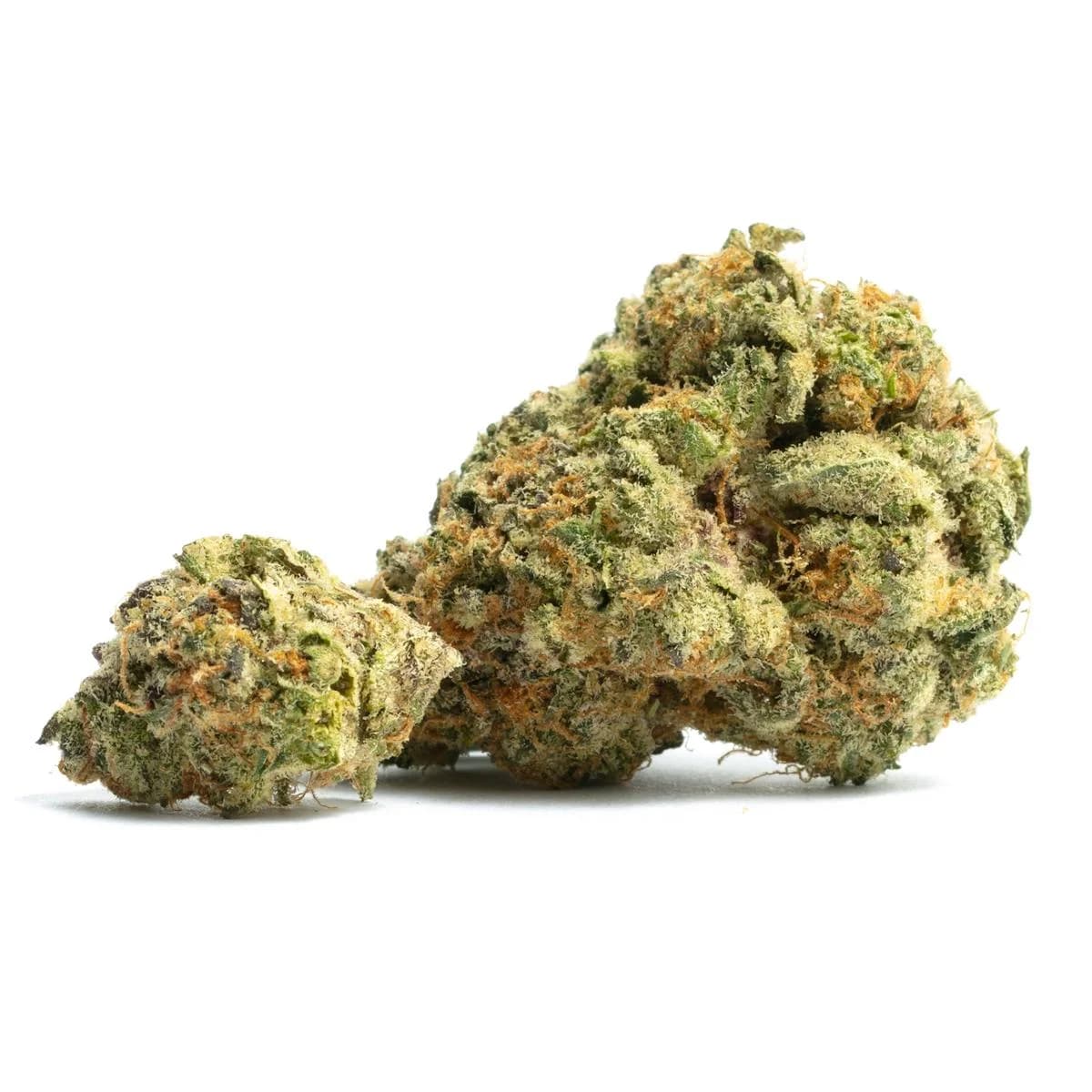
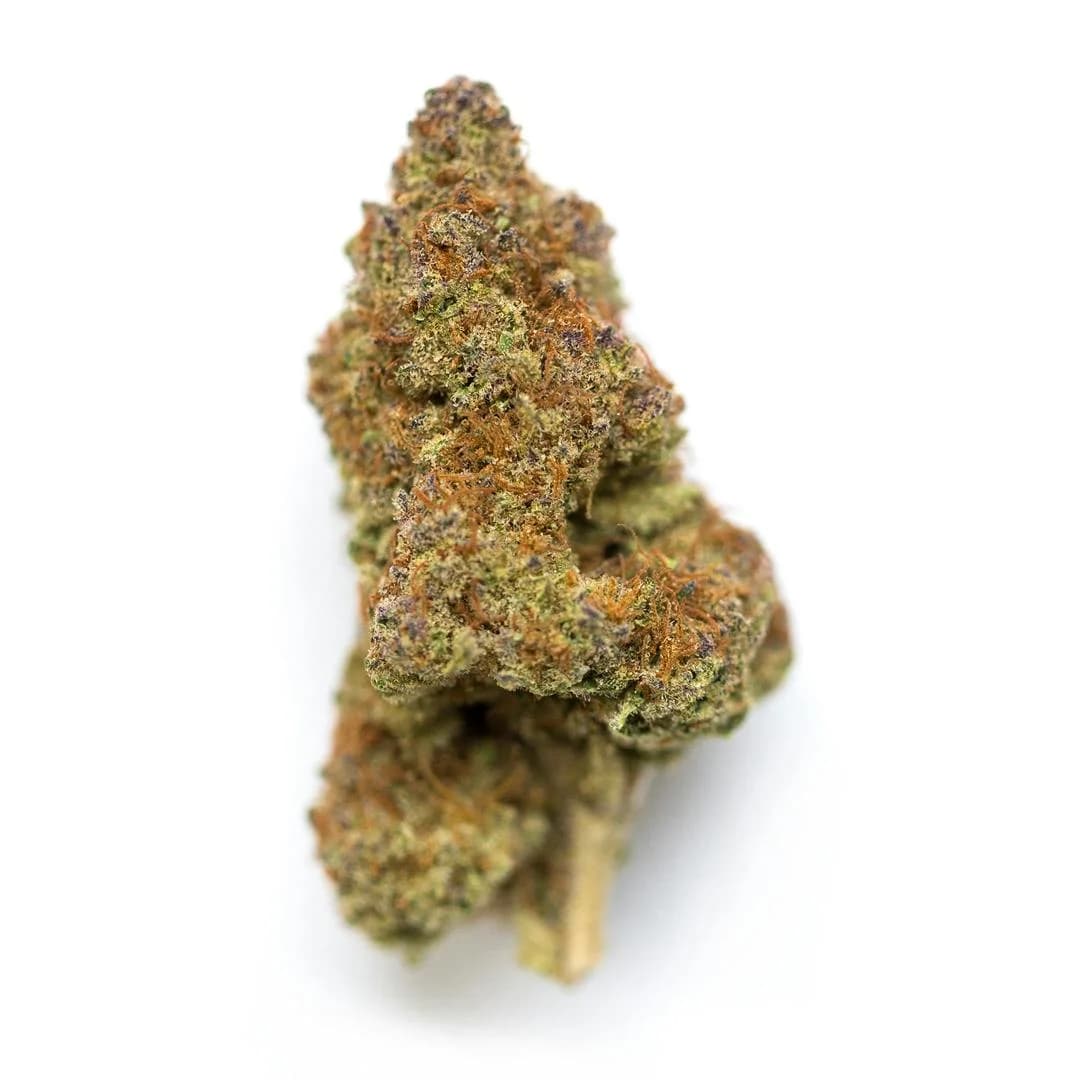
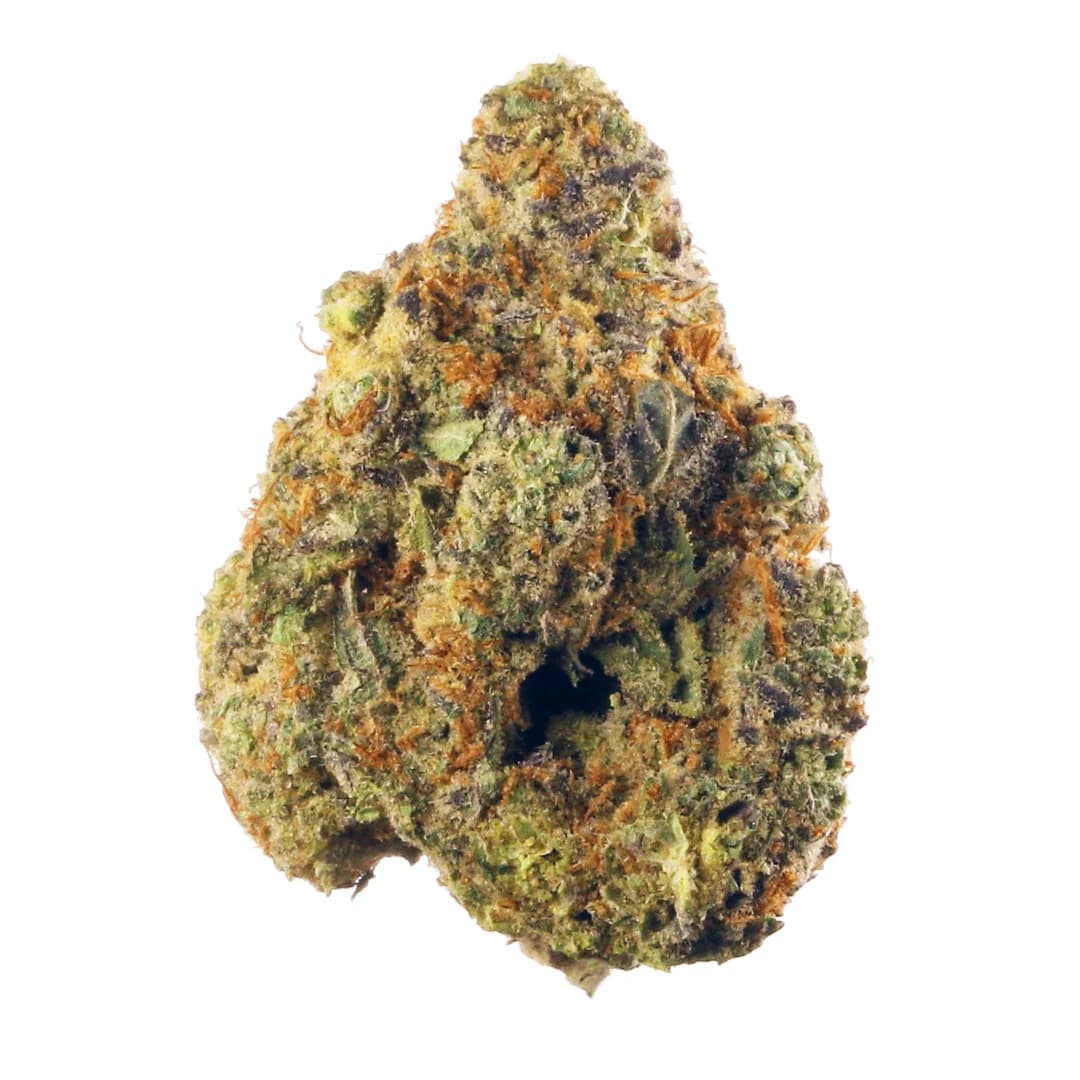
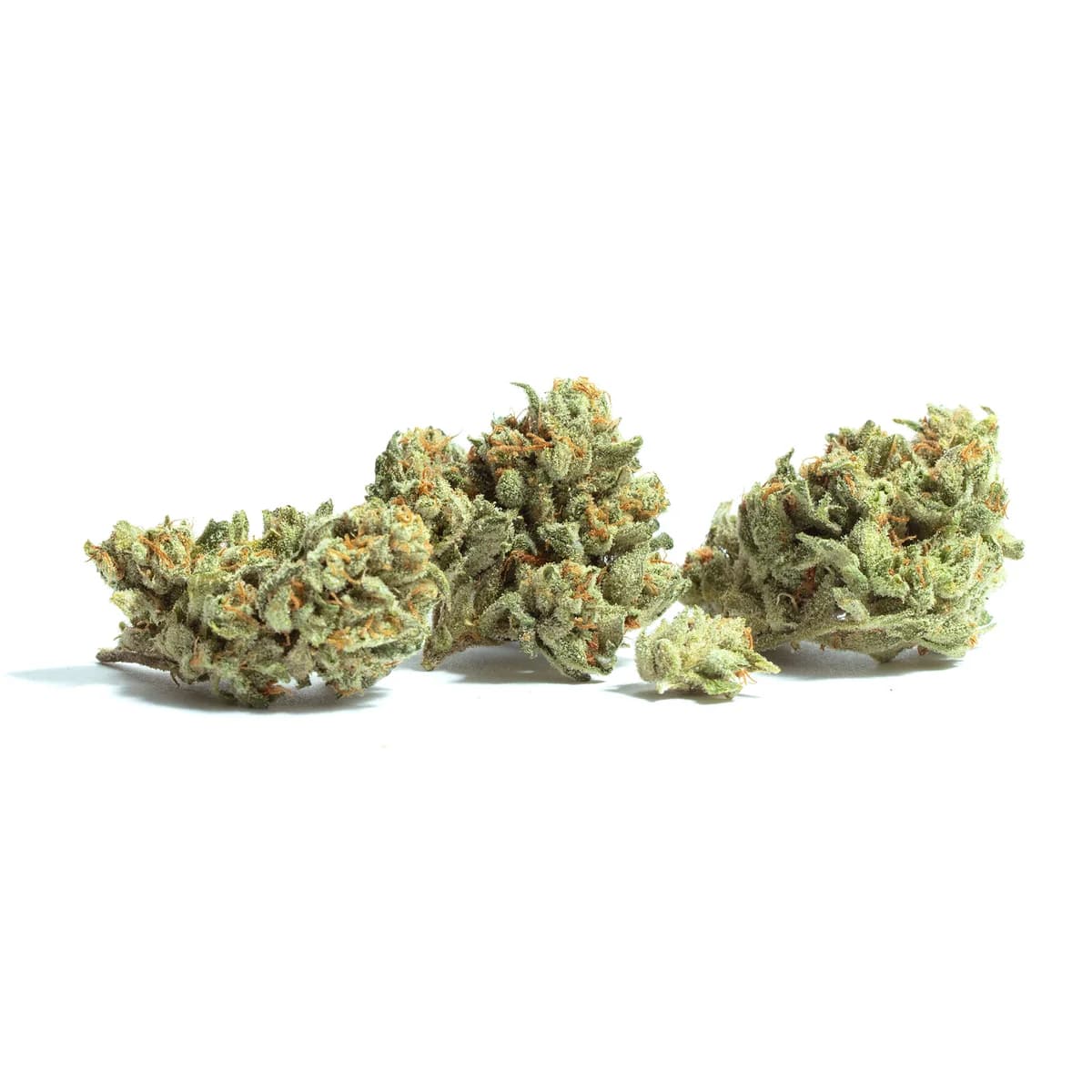
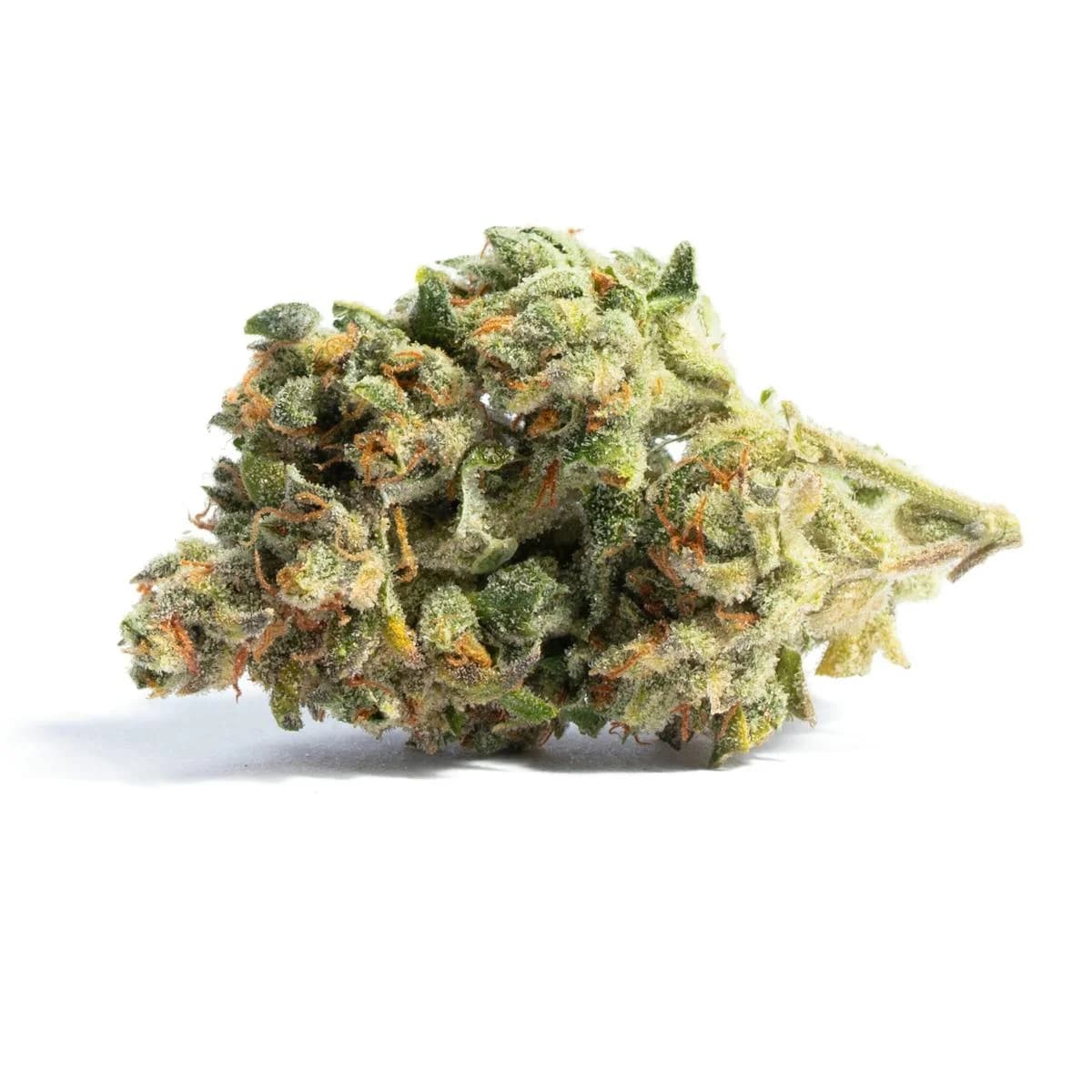
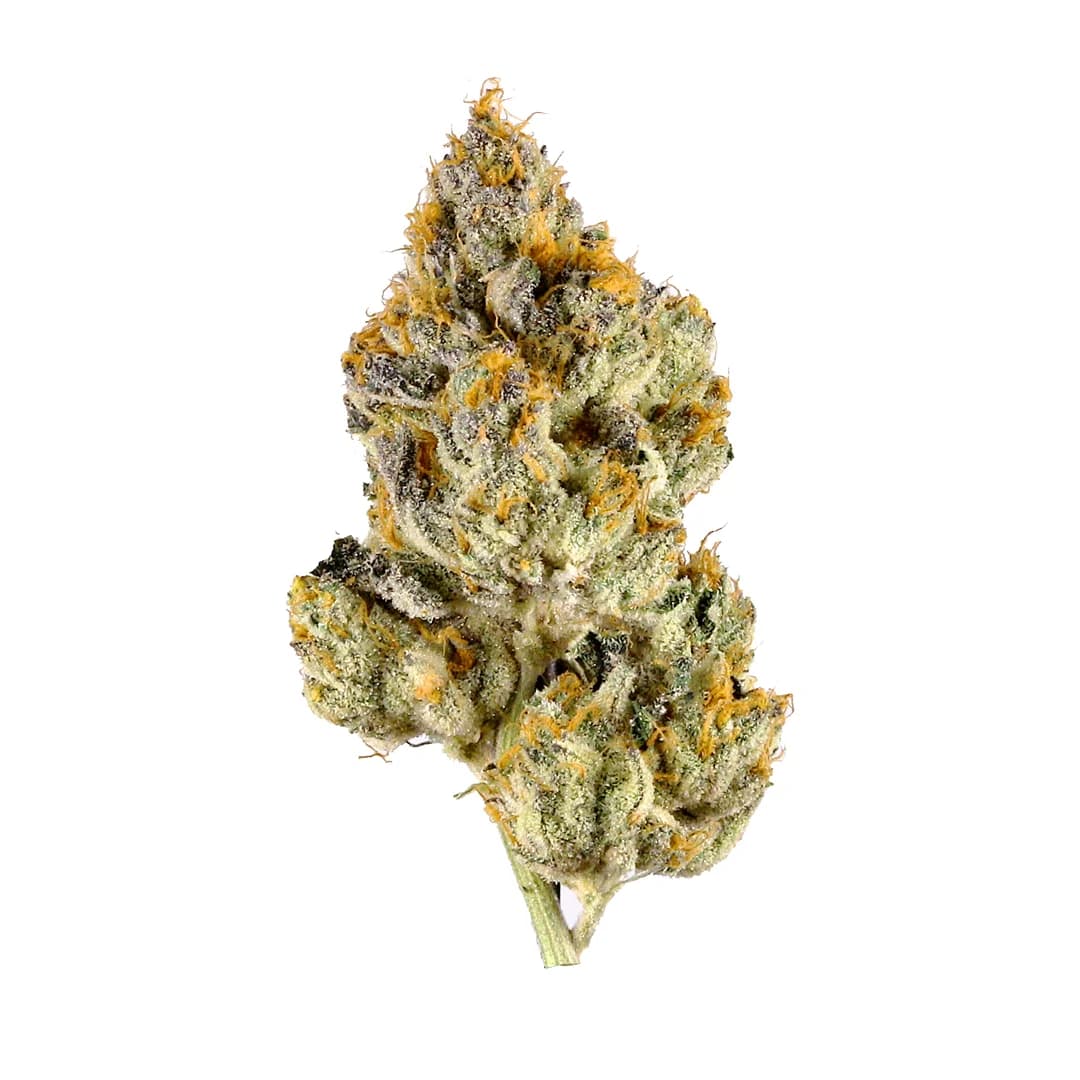
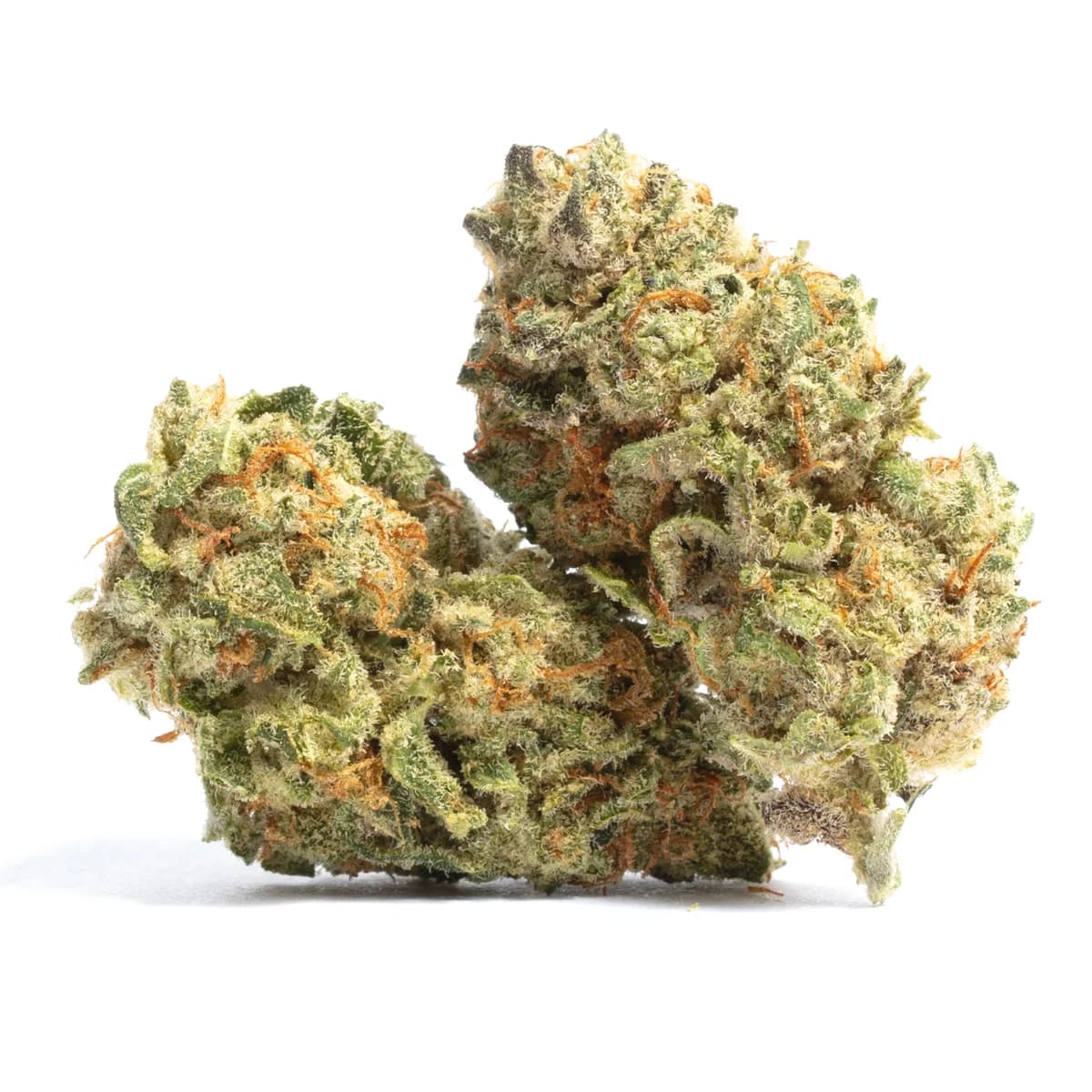
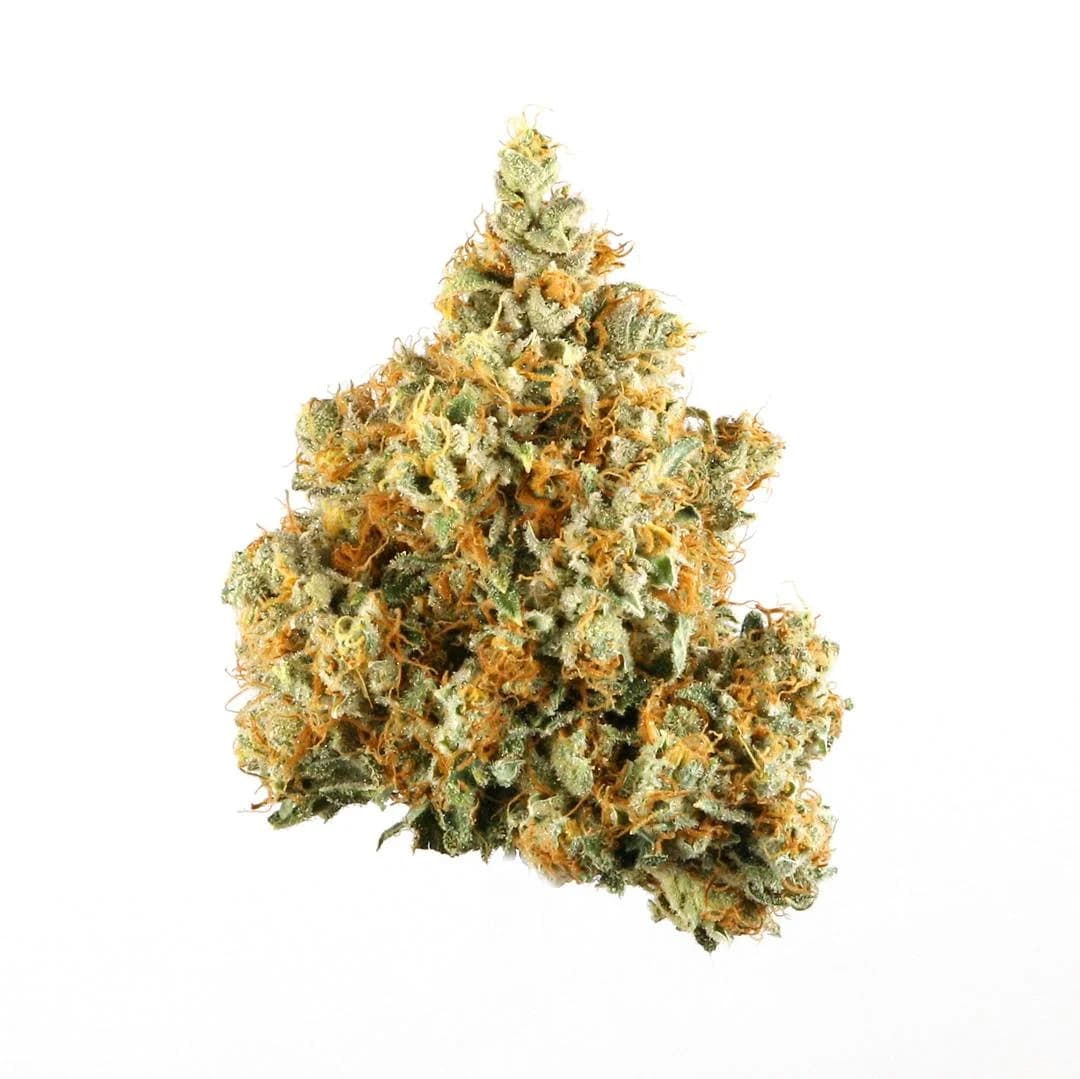
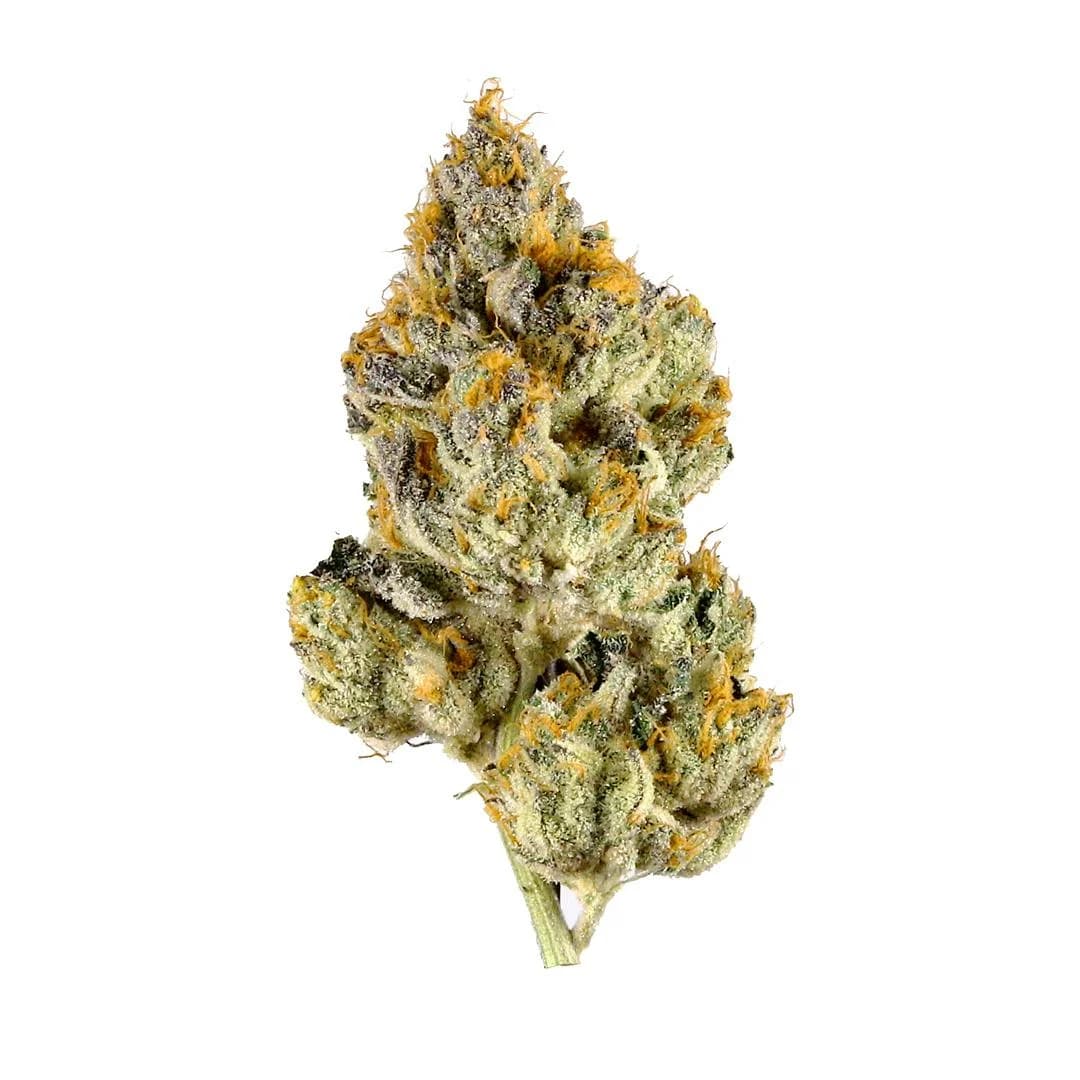
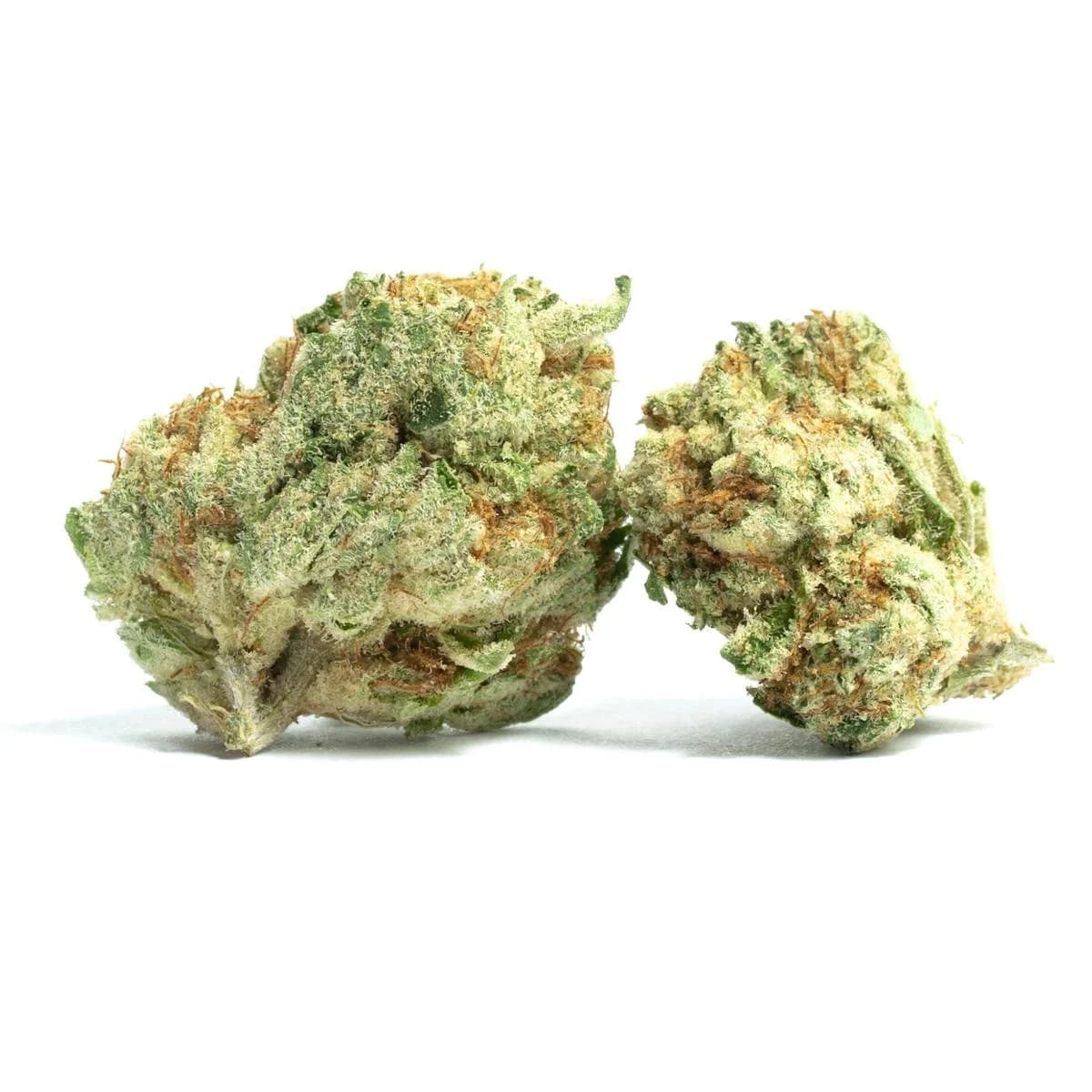
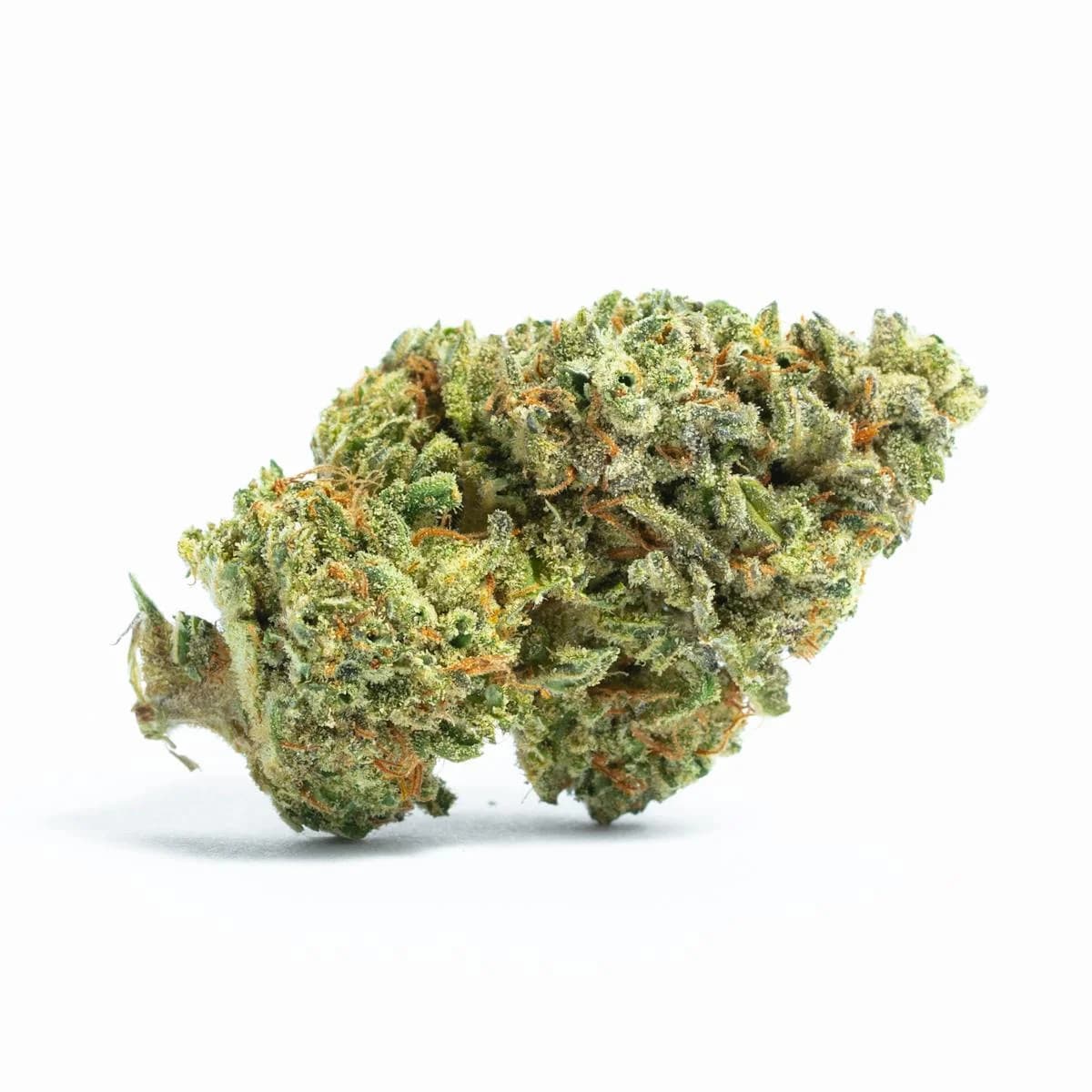
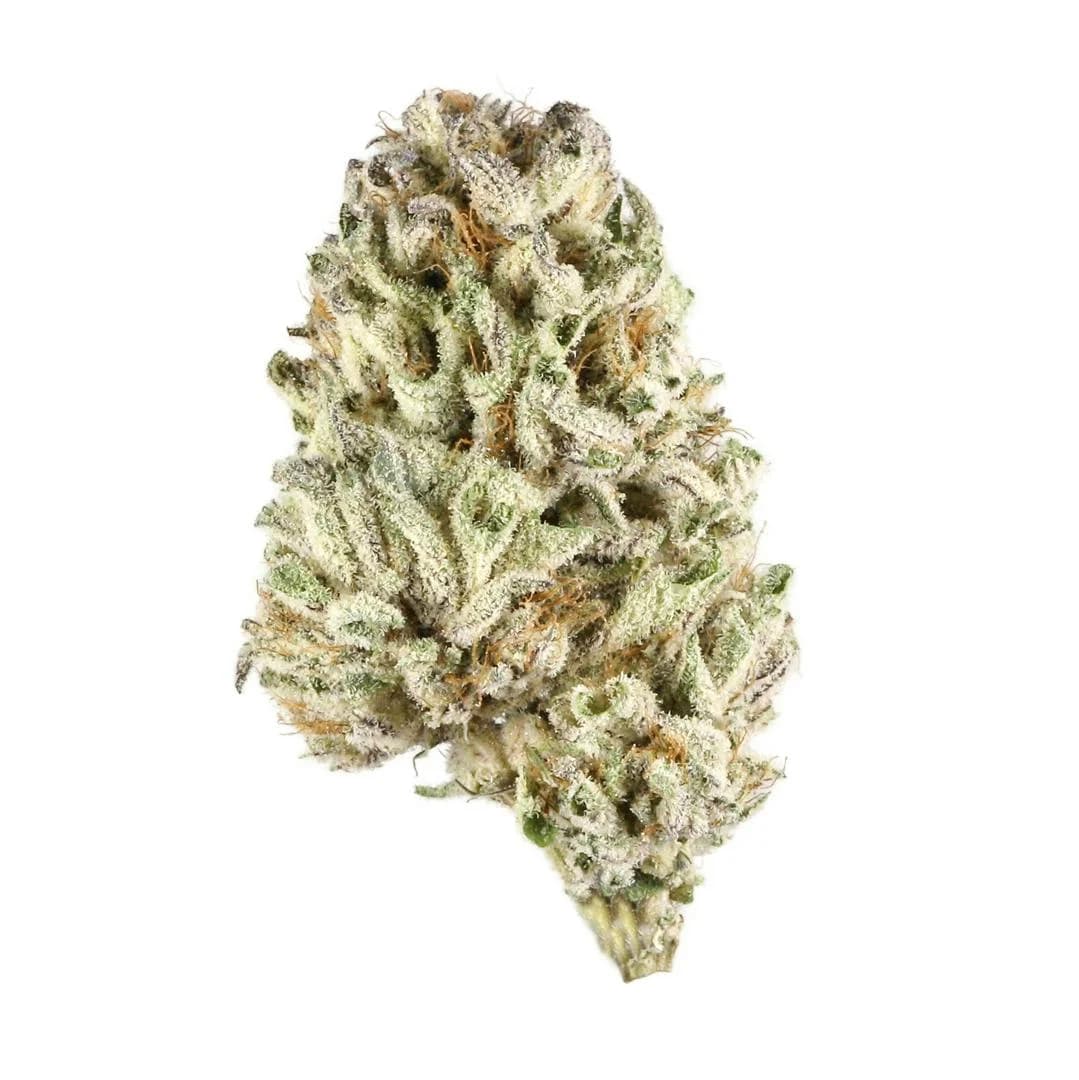
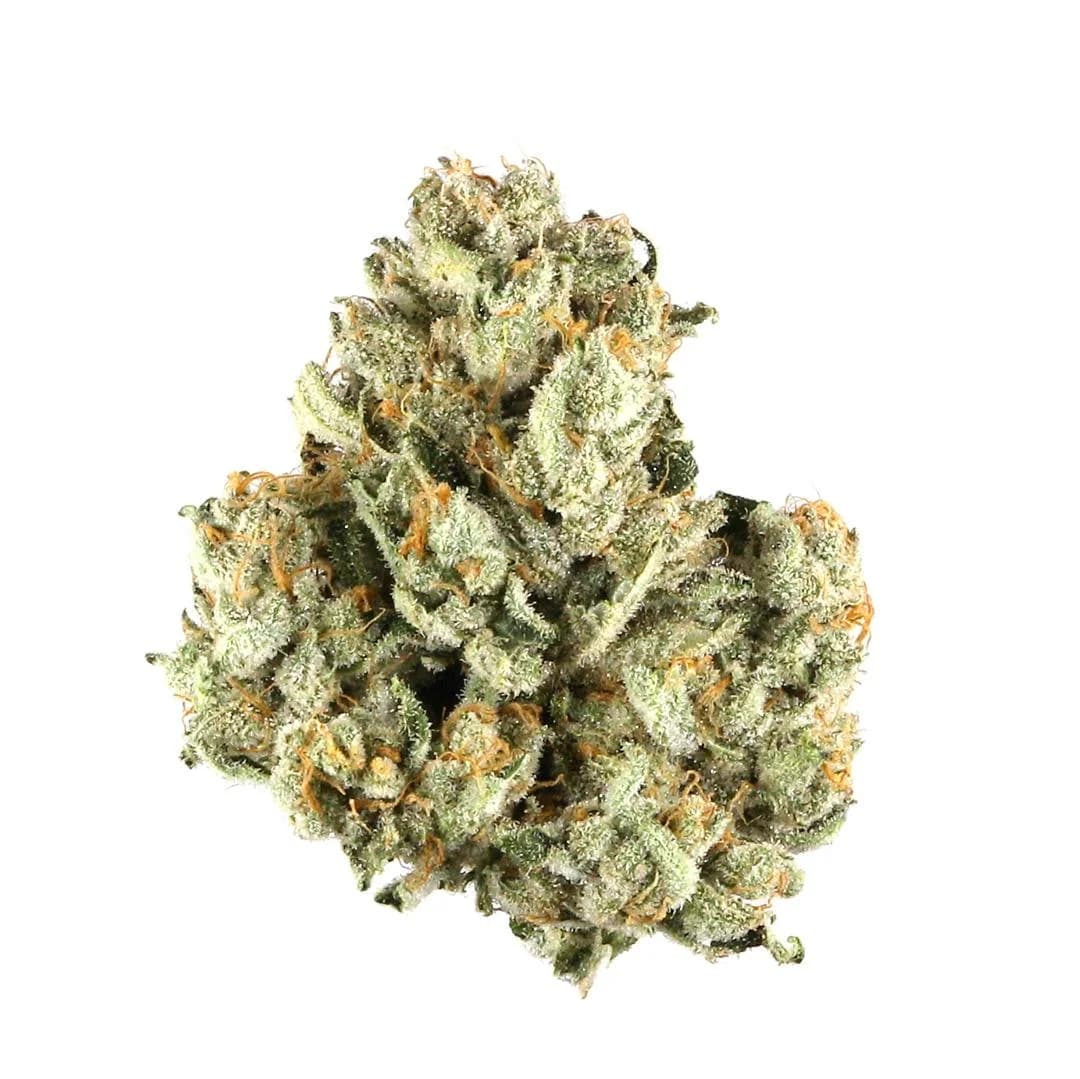
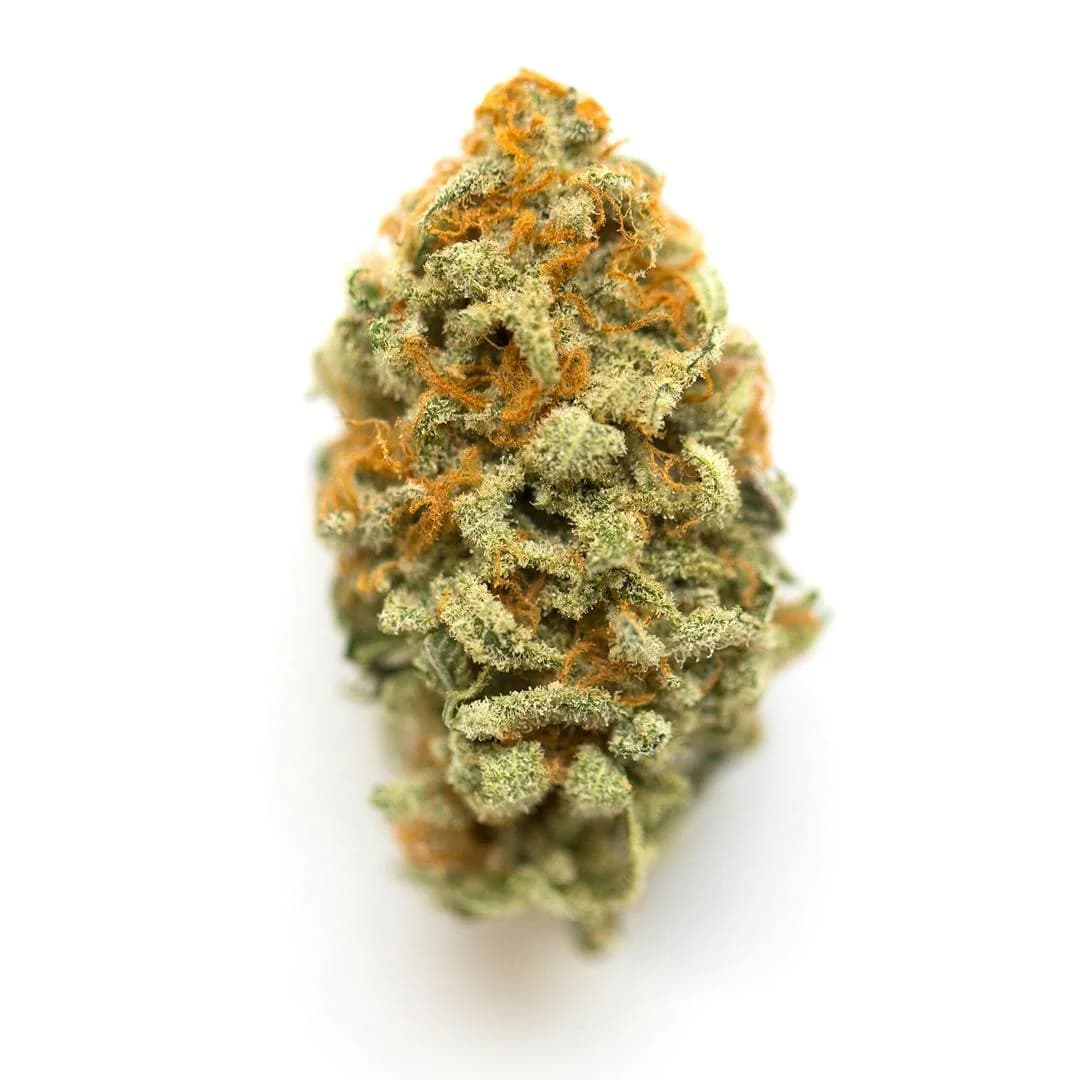
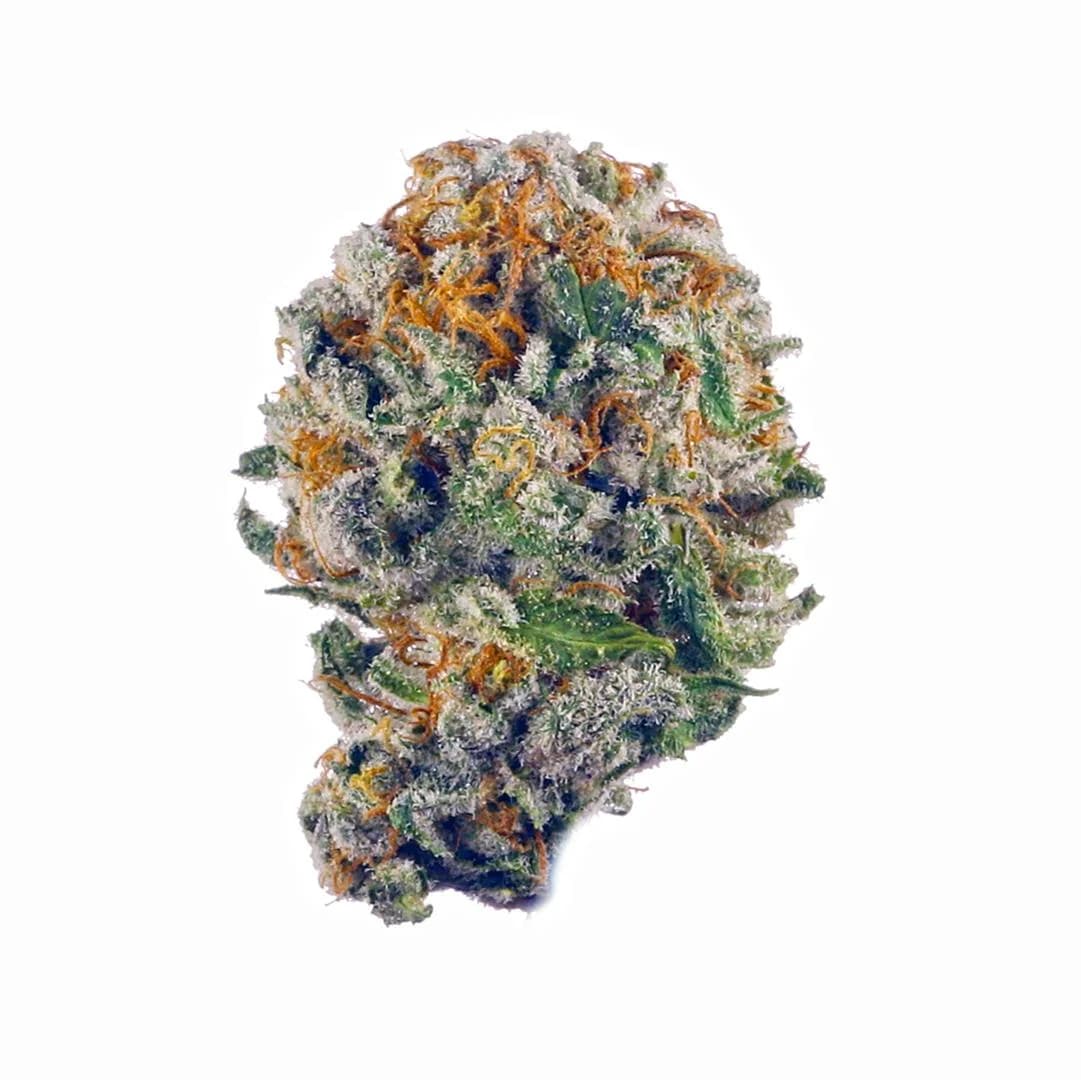
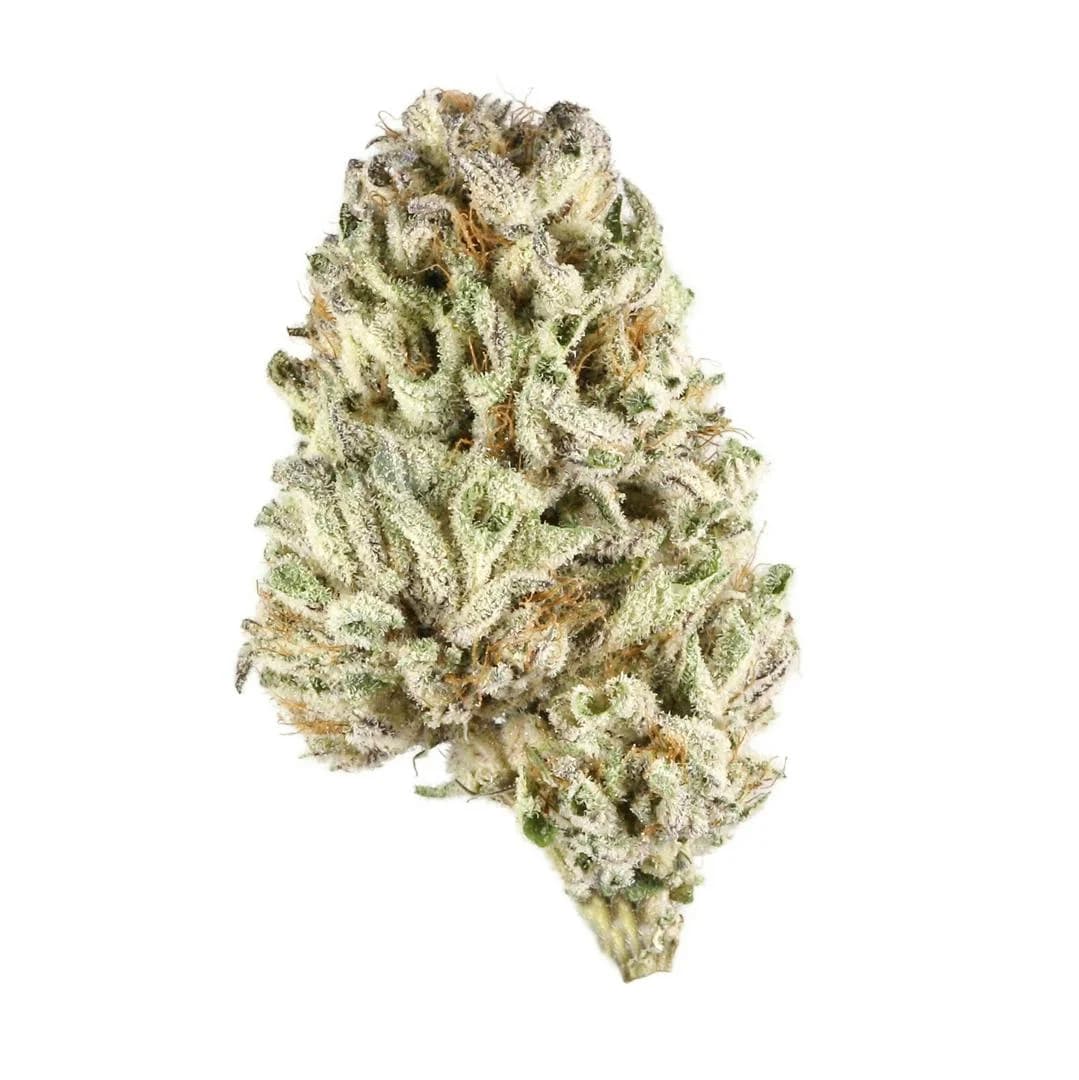
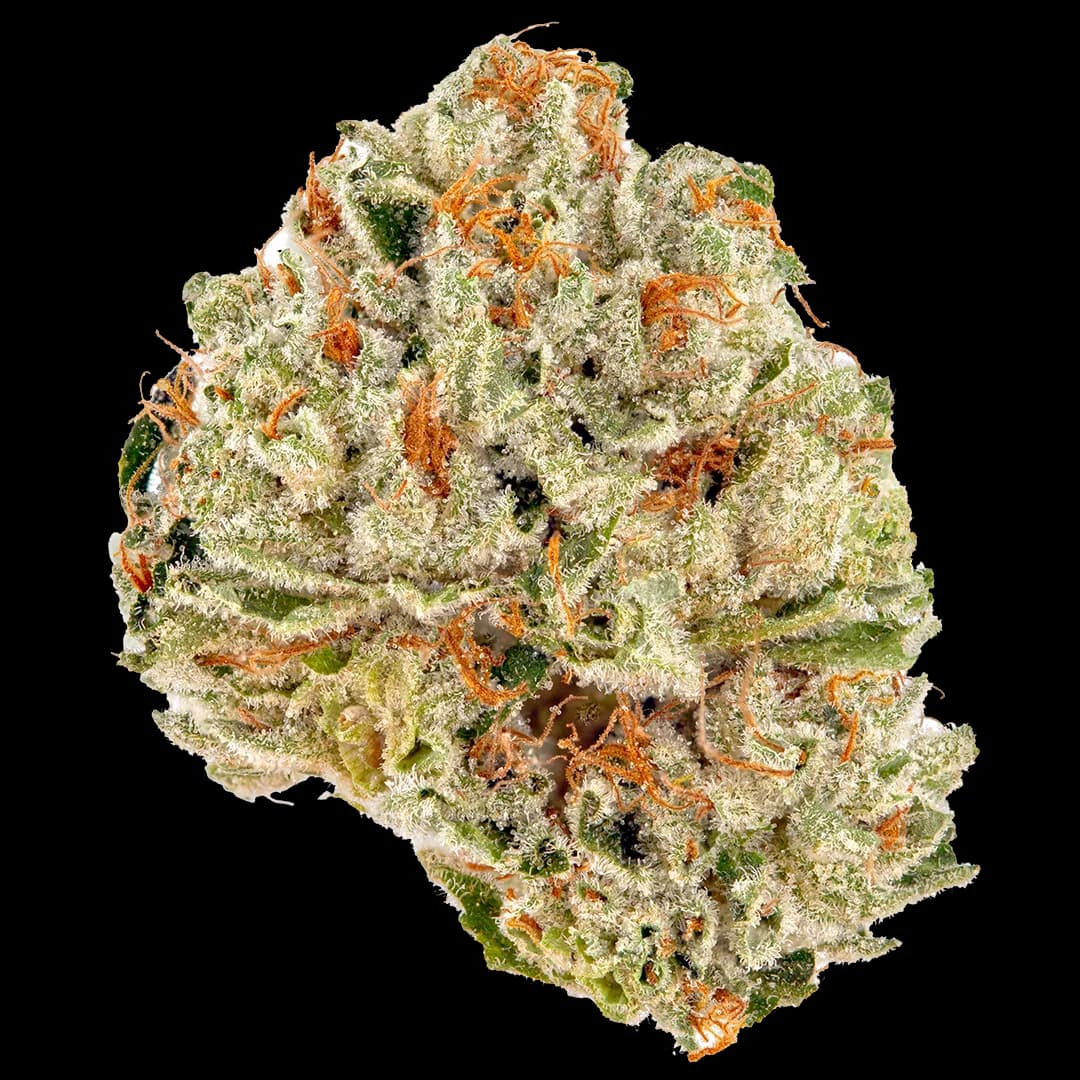
Sour Dubb is presented by Leafly as a hybrid catalog entry. The source account says: Sour Dubb has uncertain clone-only origins. Leafly proposes East Coast Sour Diesel with Sour Bubble and separately describes a B.O.G. Seeds recreation using a different Sour Diesel line. This is a source-reported identity, not a genetically authenticated pedigree. This context is retained as an attributed account, not as genetic authentication of every sample carrying the name. Reader-reported flavor descriptors include Blueberry, Citrus, Diesel. The catalog lists Caryophyllene, Limonene, Linalool as terpene labels. Those fields describe different evidence layers and do not establish a fixed chemical profile, medical effect or response for an individual sample.
Chem Sis is presented by Leafly as a sativa catalog entry. The source account says: The source identifies a Chemdawg phenotype. The selection history is attributed, not genetically authenticated. This context is retained as an attributed account, not as genetic authentication of every sample carrying the name. Reader-reported flavor descriptors include Chemical, Diesel, Pungent. The catalog lists Caryophyllene, Limonene, Myrcene as terpene labels. Those fields describe different evidence layers and do not establish a fixed chemical profile, medical effect or response for an individual sample.
London Pound Cake is presented by Leafly as a hybrid catalog entry. The source account says: London Pound Cake, also called Pound Cake, is associated with Cookies. Leafly identifies Sherbert as one parent but leaves the other indica parent unnamed. This is a source-reported identity, not a genetically authenticated pedigree. This context is retained as an attributed account, not as genetic authentication of every sample carrying the name. Reader-reported flavor descriptors include Butter, Lemon, Vanilla. The catalog lists Caryophyllene, Limonene, Myrcene as terpene labels. Those fields describe different evidence layers and do not establish a fixed chemical profile, medical effect or response for an individual sample.
Secret Weapon is presented by Leafly as a hybrid catalog entry. The source account says: The cited catalog page does not establish a complete, authenticated immediate-parent cross for this entry. This context is retained as an attributed account, not as genetic authentication of every sample carrying the name. Reader-reported flavor descriptors include Ammonia, Blueberry, Sage. The catalog lists Caryophyllene, Humulene, Limonene as terpene labels. Those fields describe different evidence layers and do not establish a fixed chemical profile, medical effect or response for an individual sample.
Kush Mints is presented by Leafly as a hybrid catalog entry. The source account says: The cited catalog page does not establish a complete, authenticated immediate-parent cross for this entry. This context is retained as an attributed account, not as genetic authentication of every sample carrying the name. Reader-reported flavor descriptors include Ammonia, Menthol, Mint. The catalog lists Caryophyllene, Limonene, Linalool as terpene labels. Those fields describe different evidence layers and do not establish a fixed chemical profile, medical effect or response for an individual sample.
Starfighter is presented by Leafly as a hybrid catalog entry. The source account says: The reported original cross is distinguished from later releases described as similar phenotypes. Breeder-level corroboration remains needed. This context is retained as an attributed account, not as genetic authentication of every sample carrying the name. Reader-reported flavor descriptors include Chemical, Lavender, Pine. The catalog lists Caryophyllene, Limonene, Myrcene as terpene labels. Those fields describe different evidence layers and do not establish a fixed chemical profile, medical effect or response for an individual sample.
Alien Cookies is presented by Leafly as a hybrid catalog entry. The source account says: The source uses Aliendawg for Alien Dawg. The cross is attributed to the catalog and awaits independent breeder documentation. This context is retained as an attributed account, not as genetic authentication of every sample carrying the name. Reader-reported flavor descriptors include Pepper, Tea, Vanilla. The catalog lists Caryophyllene, Limonene, Myrcene as terpene labels. Those fields describe different evidence layers and do not establish a fixed chemical profile, medical effect or response for an individual sample.
ECSD is presented by Leafly as a sativa catalog entry. The source account says: The reviewed source narrative does not establish the direct cross. ECSD is not silently merged with other Diesel names. This context is retained as an attributed account, not as genetic authentication of every sample carrying the name. Reader-reported flavor descriptors include Chemical, Diesel, Pungent. The catalog lists Caryophyllene, Limonene, Myrcene as terpene labels. Those fields describe different evidence layers and do not establish a fixed chemical profile, medical effect or response for an individual sample.
Thin Mint is presented by Leafly as a hybrid catalog entry. The source account says: Thin Mint is described as a distinct selection within the GSC family. It appears in the reported background of Gelato, making it a useful link between the Cookies family and later named cultivars. This context is retained as an attributed account, not as genetic authentication of every sample carrying the name. Reader-reported flavor descriptors include Menthol, Mint, Sweet. The catalog lists Caryophyllene, Limonene, Linalool as terpene labels. Those fields describe different evidence layers and do not establish a fixed chemical profile, medical effect or response for an individual sample.
LA Kush Cake is presented by Leafly as a hybrid catalog entry. The source account says: The cited catalog page does not establish a complete, authenticated immediate-parent cross for this entry. This context is retained as an attributed account, not as genetic authentication of every sample carrying the name. Reader-reported flavor descriptors include Mint, Pepper, Vanilla. The catalog lists Caryophyllene, Limonene, Myrcene as terpene labels. Those fields describe different evidence layers and do not establish a fixed chemical profile, medical effect or response for an individual sample.
Sherbert, also called Sunset Sherbet, is described by Leafly as connecting the GSC family with Pink Panties and as being developed by Mr. Sherbinski. The profile keeps that attributed history separate from the identity of numbered or similarly named selections. Citrus, sweet and tropical are reader-reported flavor descriptors, while caryophyllene, limonene and myrcene are catalog terpene labels. The family account and sensory fields help a reader navigate the record, but they do not prove that all products using Sherbert or Sunset Sherbet share identical genetics or chemistry.
Skywalker OG has conflicting pedigree statements within the Leafly profile. Its genetics panel lists OG Kush and Mazar x Blueberry, while the description names Mazar and Blueberry OG. The catalog preserves both accounts instead of choosing one without evidence. Earthy, pungent and spicy or herbal are reader-reported flavor descriptors, with caryophyllene, limonene and myrcene listed separately as catalog terpene labels. The conflicting names are an important part of the evidence record; neither version should be treated as a verified universal pedigree for every Skywalker OG sample.
Rainbow Belts is presented by Leafly as a hybrid catalog entry. The source account says: Leafly reports Moonbow and Zkittlez as parents; Moonbow remains an external catalog identity in this release. This context is retained as an attributed account, not as genetic authentication of every sample carrying the name. Reader-reported flavor descriptors include Apricot, Tree fruit, Tropical. The catalog lists Caryophyllene, Limonene, Linalool as terpene labels. Those fields describe different evidence layers and do not establish a fixed chemical profile, medical effect or response for an individual sample.
Burmese Kush is presented by Leafly as a hybrid catalog entry. The source account says: Only the OG Kush connection is explicit in the reviewed narrative. The complete cross remains unverified. This context is retained as an attributed account, not as genetic authentication of every sample carrying the name. Reader-reported flavor descriptors include Earthy, Pine, Woody. The catalog lists Caryophyllene, Limonene, Myrcene as terpene labels. Those fields describe different evidence layers and do not establish a fixed chemical profile, medical effect or response for an individual sample.
Gelonade is presented by Leafly as a hybrid catalog entry. The source account says: The cited catalog page does not establish a complete, authenticated immediate-parent cross for this entry. This context is retained as an attributed account, not as genetic authentication of every sample carrying the name. Reader-reported flavor descriptors include Ammonia, Lemon, Pepper. The catalog lists Caryophyllene, Limonene, Linalool as terpene labels. Those fields describe different evidence layers and do not establish a fixed chemical profile, medical effect or response for an individual sample.
Green Crack is listed by Leafly with names including Green Crush and Mango Crack. Its proposed background pairs Skunk #1 with an unidentified indica, leaving part of the pedigree unresolved. Citrus, mango and earthy are reader flavor descriptors on the source page. The dramatic name is a naming convention, not an ingredient statement, and the unknown parent should stay unknown rather than be replaced with a familiar strain to complete the tree.
Peanut Butter Breath is presented by Leafly as a hybrid catalog entry. The source account says: Peanut Butter Breath is attributed to ThugPug Genetics and a Dosidos–Mendo Breath cross. Similar peanut-themed names are not assumed to denote this same cultivar. This is a source-reported identity, not a genetically authenticated pedigree. This context is retained as an attributed account, not as genetic authentication of every sample carrying the name. Reader-reported flavor descriptors include Butter, Chestnut, Nutty. The catalog lists Caryophyllene, Limonene, Pinene as terpene labels. Those fields describe different evidence layers and do not establish a fixed chemical profile, medical effect or response for an individual sample.
Black Jack is presented by Leafly as a hybrid catalog entry. The source account says: The cited catalog page does not establish a complete, authenticated immediate-parent cross for this entry. This context is retained as an attributed account, not as genetic authentication of every sample carrying the name. Reader-reported flavor descriptors include Pepper, Pine, Tobacco. The catalog lists Caryophyllene, Ocimene, Terpinolene as terpene labels. Those fields describe different evidence layers and do not establish a fixed chemical profile, medical effect or response for an individual sample.
The Soap is presented by Leafly as a hybrid catalog entry. The source account says: The cited catalog page does not establish a complete, authenticated immediate-parent cross for this entry. This context is retained as an attributed account, not as genetic authentication of every sample carrying the name. Reader-reported flavor descriptors include Mint, Rose, Tea. The catalog lists Caryophyllene, Limonene, Linalool as terpene labels. Those fields describe different evidence layers and do not establish a fixed chemical profile, medical effect or response for an individual sample.
Zoap is presented by Leafly as a hybrid catalog entry. The source account says: The cited source reports Rainbow Sherbet and Pink Guava. Both remain external identities because similar names in the catalog do not prove equivalence. This context is retained as an attributed account, not as genetic authentication of every sample carrying the name. Reader-reported flavor descriptors include Apple, Apricot, Chemical. The catalog lists Caryophyllene, Humulene, Limonene as terpene labels. Those fields describe different evidence layers and do not establish a fixed chemical profile, medical effect or response for an individual sample.
Blue Moonshine is presented by Leafly as a indica catalog entry. The source account says: The reviewed narrative identifies DJ Short but not a complete direct cross. Blueberry wording is not converted into an authenticated parent edge. This context is retained as an attributed account, not as genetic authentication of every sample carrying the name. Reader-reported flavor descriptors include Berry, Blueberry, Plum. The catalog lists Caryophyllene, Humulene, Limonene as terpene labels. Those fields describe different evidence layers and do not establish a fixed chemical profile, medical effect or response for an individual sample.
Jealousy is presented by Leafly as a hybrid catalog entry. The source account says: Jealousy is attributed to Seed Junky Genetics. Its reported parents are Sherbert Bx1 and Gelato 41; the backcross and numbered selection are preserved as distinct parent identities. This is a source-reported identity, not a genetically authenticated pedigree. This context is retained as an attributed account, not as genetic authentication of every sample carrying the name. Reader-reported flavor descriptors include Apricot, Pepper, Plum. The catalog lists Caryophyllene, Limonene, Myrcene as terpene labels. Those fields describe different evidence layers and do not establish a fixed chemical profile, medical effect or response for an individual sample.
RS11 is presented by Leafly as a hybrid catalog entry. The source account says: RS11 expands to Rainbow Sherbert #11. Leafly credits Deo Farms with the Pink Guava–Sherbert cross and Wizard Trees with selecting RS11 from that work. This is a source-reported identity, not a genetically authenticated pedigree. This context is retained as an attributed account, not as genetic authentication of every sample carrying the name. Reader-reported flavor descriptors include Apricot, Citrus, Peach. The catalog lists Caryophyllene, Humulene, Limonene as terpene labels. Those fields describe different evidence layers and do not establish a fixed chemical profile, medical effect or response for an individual sample.
Grape Pie is presented by Leafly as a hybrid catalog entry. The source account says: The cited catalog page does not establish a complete, authenticated immediate-parent cross for this entry. This context is retained as an attributed account, not as genetic authentication of every sample carrying the name. Reader-reported flavor descriptors include Berry, Grape, Pepper. The catalog lists Caryophyllene, Limonene, Linalool as terpene labels. Those fields describe different evidence layers and do not establish a fixed chemical profile, medical effect or response for an individual sample.
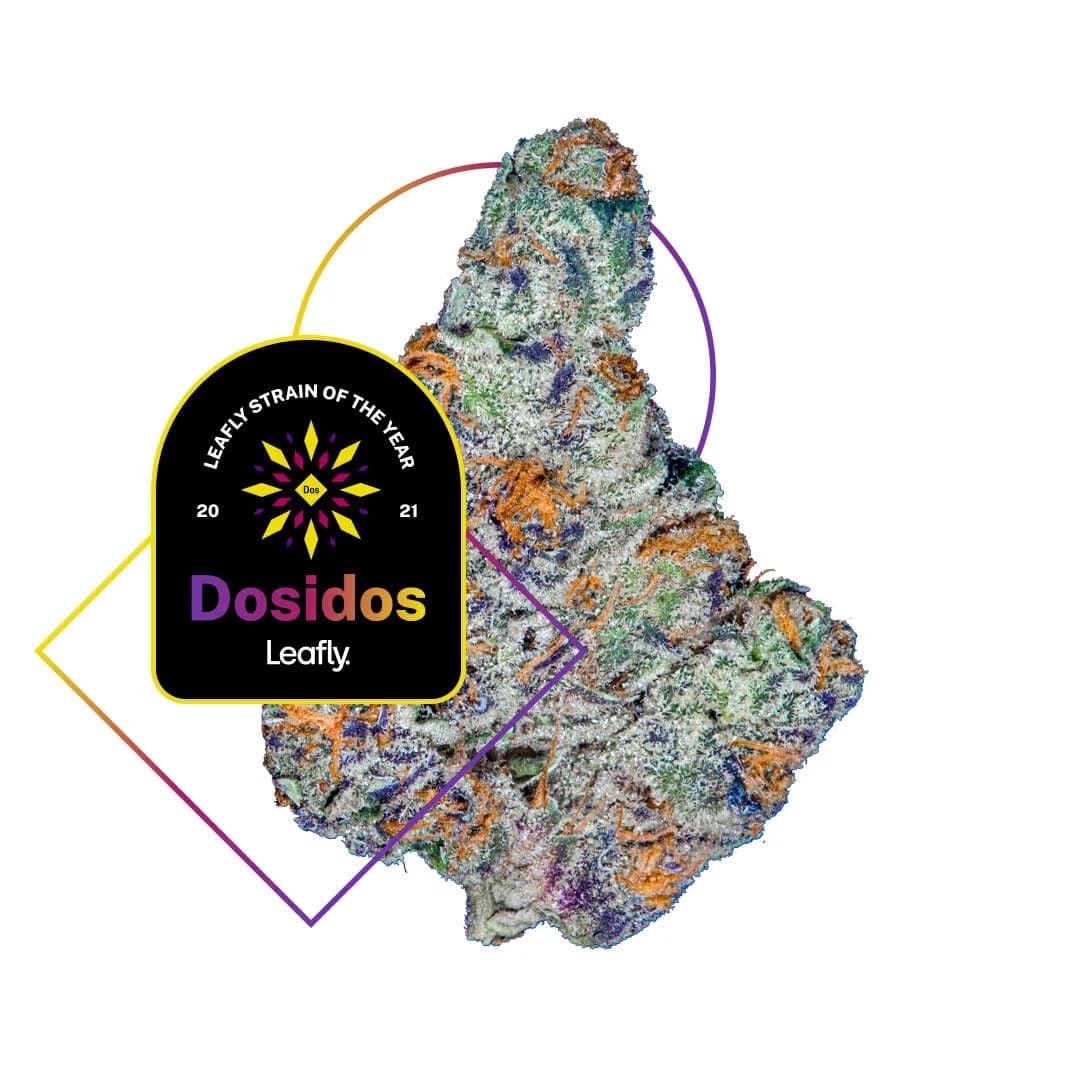
Dosidos is presented by Leafly as a hybrid catalog entry. The source account says: Dosidos is associated with a GSC phenotype and Face Off OG genetics. The GSC contribution is described at the phenotype level in this reference, so it is recorded as ancestry rather than equated with one verified GSC parent. This context is retained as an attributed account, not as genetic authentication of every sample carrying the name. Reader-reported flavor descriptors include Earthy, Floral, Pepper. The catalog lists Caryophyllene, Limonene, Linalool as terpene labels. Those fields describe different evidence layers and do not establish a fixed chemical profile, medical effect or response for an individual sample.
G13 is presented by Leafly as a indica catalog entry. The source account says: No authenticated parent cross is established. Government-laboratory and escaped-cutting stories are not treated as historical evidence. This context is retained as an attributed account, not as genetic authentication of every sample carrying the name. Reader-reported flavor descriptors include Earthy, Pine, Woody. The catalog lists Caryophyllene, Limonene, Myrcene as terpene labels. Those fields describe different evidence layers and do not establish a fixed chemical profile, medical effect or response for an individual sample.
Skunk Haze is presented by Leafly as a hybrid catalog entry. The source account says: Broad Skunk heritage remains unresolved rather than automatically identifying Skunk 1. The CBD alias does not justify inventing an unreported CBD value. This context is retained as an attributed account, not as genetic authentication of every sample carrying the name. Reader-reported flavor descriptors include Earthy, Skunk, Spicy/Herbal. The catalog lists Caryophyllene, Myrcene, Pinene as terpene labels. Those fields describe different evidence layers and do not establish a fixed chemical profile, medical effect or response for an individual sample.
Sherbanger is presented by Leafly as a hybrid catalog entry. The source account says: The cited catalog page does not establish a complete, authenticated immediate-parent cross for this entry. This context is retained as an attributed account, not as genetic authentication of every sample carrying the name. Reader-reported flavor descriptors include Apricot, Diesel, Floral. The catalog lists Caryophyllene, Limonene, Pinene as terpene labels. Those fields describe different evidence layers and do not establish a fixed chemical profile, medical effect or response for an individual sample.
Malawi is presented by Leafly as a sativa catalog entry. The source account says: Leafly associates the entry with the Salima region of Malawi. No immediate parent pair is asserted for the landrace identity. This context is retained as an attributed account, not as genetic authentication of every sample carrying the name. Reader-reported flavor descriptors include Earthy, Floral, Woody. The catalog lists Caryophyllene, Myrcene, Pinene as terpene labels. Those fields describe different evidence layers and do not establish a fixed chemical profile, medical effect or response for an individual sample.
Gastro Pop is presented by Leafly as a hybrid catalog entry. The source account says: The cited catalog page does not establish a complete, authenticated immediate-parent cross for this entry. This context is retained as an attributed account, not as genetic authentication of every sample carrying the name. Reader-reported flavor descriptors include Apple, Grape, Pepper. The catalog lists Caryophyllene, Limonene, Myrcene as terpene labels. Those fields describe different evidence layers and do not establish a fixed chemical profile, medical effect or response for an individual sample.
Atomic Apple is presented by Leafly as a hybrid catalog entry. The source account says: The cited catalog page does not establish a complete, authenticated immediate-parent cross for this entry. This context is retained as an attributed account, not as genetic authentication of every sample carrying the name. Reader-reported flavor descriptors include Apple, Apricot, Chemical. The catalog lists Caryophyllene, Limonene, Linalool as terpene labels. Those fields describe different evidence layers and do not establish a fixed chemical profile, medical effect or response for an individual sample.
Tropicana Cookies is presented by Leafly as a sativa catalog entry. The source account says: The cited catalog page does not establish a complete, authenticated immediate-parent cross for this entry. This context is retained as an attributed account, not as genetic authentication of every sample carrying the name. Reader-reported flavor descriptors include Citrus, Orange, Tropical. The catalog lists Caryophyllene, Limonene, Linalool as terpene labels. Those fields describe different evidence layers and do not establish a fixed chemical profile, medical effect or response for an individual sample.
Mango Kush is presented by Leafly as a hybrid catalog entry. The source account says: The cited catalog page does not establish a complete, authenticated immediate-parent cross for this entry. This context is retained as an attributed account, not as genetic authentication of every sample carrying the name. Reader-reported flavor descriptors include Mango, Sweet, Tropical. The catalog lists Caryophyllene, Humulene, Myrcene as terpene labels. Those fields describe different evidence layers and do not establish a fixed chemical profile, medical effect or response for an individual sample.
Triangle Kush is presented by Leafly as a indica catalog entry. The source account says: Triangle Kush is associated with Florida, with a name referring to Jacksonville, Miami and Tampa. This catalog records its regional history while leaving the immediate parent identities unresolved. This context is retained as an attributed account, not as genetic authentication of every sample carrying the name. Reader-reported flavor descriptors include Earthy, Skunk, Woody. The catalog lists Caryophyllene, Limonene, Myrcene as terpene labels. Those fields describe different evidence layers and do not establish a fixed chemical profile, medical effect or response for an individual sample.
Wedding Cake is listed by Leafly as Triangle Mints #23, with Pink Cookies used as another regional name. Its reported cross connects Triangle Kush and Animal Mints. Vanilla, pepper and butter appear among the reader flavor tags, giving this profile more detail than its dessert-themed name alone. The catalog's cannabinoid values remain source summaries; the naming history and reported parent cross do not establish a fixed composition for everything sold under this name.
Ice Cream Cake is reported as Wedding Cake crossed with Gelato #33. The numbered Gelato selection is kept specific rather than silently replaced with the broader Gelato record. Butter, pepper and vanilla are reader-reported flavor descriptors, while caryophyllene, limonene and linalool are catalog terpene labels. This distinction matters when following lineage because a named selection can carry a narrower identity than a family name. The source account does not establish a fixed chemical profile or guarantee a particular effect for every Ice Cream Cake sample.
GSC is the catalog entry also known as Girl Scout Cookies. Leafly attributes it to Jigga and describes an OG Kush subtype crossed with F1 Durban. That intermediate parent name matters: it should not automatically be replaced with Durban Poison. Thin Mint and Platinum GSC are discussed as related variations rather than interchangeable specimens. Mint, sweet and earthy reader tags help describe the catalog profile but do not authenticate its genetics.
The Original Z is presented by Leafly as a indica catalog entry. The source account says: The Original Z is widely associated with the earlier name Zkittlez. Its reported background includes Grape Ape, Grapefruit and an undisclosed contribution; this profile retains that uncertainty instead of presenting a complete parent pair. This context is retained as an attributed account, not as genetic authentication of every sample carrying the name. Reader-reported flavor descriptors include Berry, Grape, Grapefruit. The catalog lists Caryophyllene, Humulene, Linalool as terpene labels. Those fields describe different evidence layers and do not establish a fixed chemical profile, medical effect or response for an individual sample.
Mimosa is presented by Leafly as a hybrid catalog entry. The source account says: Mimosa is reported as Clementine crossed with Purple Punch and is associated with Symbiotic Genetics. Purple Mimosa is an alternate name recorded on the source page. This is a source-reported identity, not a genetically authenticated pedigree. This context is retained as an attributed account, not as genetic authentication of every sample carrying the name. Reader-reported flavor descriptors include Citrus, Grapefruit, Orange. The catalog lists Caryophyllene, Myrcene, Pinene as terpene labels. Those fields describe different evidence layers and do not establish a fixed chemical profile, medical effect or response for an individual sample.
Jack Herer is named after the author and cannabis activist. Leafly attributes its development to Sensi Seeds and describes a Haze hybrid combined with Northern Lights #5 and Shiva Skunk ancestry. The source acknowledges multiple phenotypes, which matters when interpreting the name as a single record. Its terpinolene-led catalog profile and pine, wood and earth flavor tags describe different evidence types, not a guarantee that every Jack Herer sample shares the same composition.
White Widow is associated in Leafly's account with Dutch breeding in the 1990s and ancestry from Brazil and southern India. These regional descriptions are broader than named, authenticated parent plants. The profile's woody, earthy and floral reader tags sit alongside a myrcene-led catalog terpene listing. They describe the source's record rather than establish a universal sample profile. Historical breeder attribution and the exact ancestral material still need primary documentation.
Pineapple Express is a hybrid that Leafly traces to Trainwreck and Hawaiian. Pineapple, tropical and citrus are its displayed reader flavor tags. The source's terpene information needs more care: its summary table lists myrcene, caryophyllene and pinene, while the descriptive paragraph names caryophyllene, limonene and ocimene. This entry preserves the difference rather than combining both into a newly asserted chemical profile. A sample-specific analysis would be needed to establish actual composition.
GMO Cookies is presented by Leafly as a hybrid catalog entry. The source account says: GMO Cookies also appears as Garlic Cookies. Leafly attributes this GSC and Chemdawg cross to Mamiko Seeds, with garlic and fuel associations in its description. This is a source-reported identity, not a genetically authenticated pedigree. This context is retained as an attributed account, not as genetic authentication of every sample carrying the name. Reader-reported flavor descriptors include Chemical, Pepper, Pungent. The catalog lists Caryophyllene, Limonene, Myrcene as terpene labels. Those fields describe different evidence layers and do not establish a fixed chemical profile, medical effect or response for an individual sample.
Northern Lights is listed by Leafly as an indica with reported Afghani and Thai ancestry. Its history section treats the Seattle origin story as a rumor and describes later distribution through the Netherlands. That uncertainty is part of the record, not a missing detail to fill by guesswork. Pine, earth and wood appear in its reader flavor tags. Numbered selections such as Northern Lights #5 require their own provenance rather than automatic equivalence with this broader entry.
Durban Poison takes its regional identity from Durban in South Africa according to Leafly. The catalog classifies it as sativa without supplying a named two-parent cross. Its displayed pine, earthy and sage descriptors are reader impressions, while terpinolene leads the separate terpene list. A geographic origin is useful historical context but does not by itself authenticate every later selection carrying the name or establish a fixed concentration of any cannabinoid.
MAC is presented by Leafly as a hybrid catalog entry. The source account says: MAC expands to Miracle Alien Cookies. Leafly lists Alien Cookies, Starfighter and Columbian in its background; the broad Columbian name is not equated with Colombian Gold. This is a source-reported identity, not a genetically authenticated pedigree. This context is retained as an attributed account, not as genetic authentication of every sample carrying the name. Reader-reported flavor descriptors include Citrus, Floral, Pepper. The catalog lists Caryophyllene, Limonene, Pinene as terpene labels. Those fields describe different evidence layers and do not establish a fixed chemical profile, medical effect or response for an individual sample.
Cherry Pie is reported by Leafly as a Granddaddy Purple and F1 Durb cross. The catalog keeps the F1 Durb name exactly as given rather than silently equating it with Durban Poison or another similarly named record. Berry, sweet and tree-fruit are reader-reported flavor descriptors, while caryophyllene, myrcene and pinene are listed as catalog terpene names. A reported cross, a sensory tag and a source chemistry summary each carry different limits; none establishes a fixed profile for every product sold as Cherry Pie.
Chemdawg is linked by Leafly to the original Chemdog name and a 1991 bag-seed account attributed to breeder Chemdog. Finding seeds in acquired material explains a discovery story, not the identity of both parent plants. The source distinguishes Chem 91, Chem 4 and Chem Sis as variations, which should not be collapsed into interchangeable specimens. Chemical, diesel and pungent are reader descriptors; the names alone do not identify measured ingredients or authenticated genetics.
MAC 1 is presented by Leafly as a hybrid catalog entry. The source account says: The source names Alien Cookies F2 and Miracle 15; Alien Cookies is linked as ancestry because the F2 selection is more specific than the catalog entry. This context is retained as an attributed account, not as genetic authentication of every sample carrying the name. Reader-reported flavor descriptors include Ammonia, Butter, Citrus. The catalog lists Caryophyllene, Limonene, Pinene as terpene labels. Those fields describe different evidence layers and do not establish a fixed chemical profile, medical effect or response for an individual sample.
Wedding Crasher is presented by Leafly as a hybrid catalog entry. The source account says: Wedding Crasher, also listed as Wedding Crashers, is associated with Symbiotic Genetics. Its reported parents are Wedding Cake and Purple Punch. This is a source-reported identity, not a genetically authenticated pedigree. This context is retained as an attributed account, not as genetic authentication of every sample carrying the name. Reader-reported flavor descriptors include Berry, Pepper, Vanilla. The catalog lists Caryophyllene, Limonene, Myrcene as terpene labels. Those fields describe different evidence layers and do not establish a fixed chemical profile, medical effect or response for an individual sample.
Slurricane is presented by Leafly as a indica catalog entry. The source account says: Slurricane is reported as a Dosidos and Purple Punch cross. This places it at a connection between the Cookies-related Dosidos family and the Purple Punch lineage. This is a source-reported identity, not a genetically authenticated pedigree. This context is retained as an attributed account, not as genetic authentication of every sample carrying the name. Reader-reported flavor descriptors include Berry, Floral, Pepper. The catalog lists Caryophyllene, Limonene, Myrcene as terpene labels. Those fields describe different evidence layers and do not establish a fixed chemical profile, medical effect or response for an individual sample.
Amnesia Haze is associated with the Amsterdam cannabis scene and a Leafly account involving South Asian and Jamaican landrace background. The source does not document a complete sequence of crosses, so the regional names remain attributed context rather than a settled pedigree. Citrus, lemon and lime are reader-reported flavor descriptors, while caryophyllene, limonene and myrcene appear as catalog terpene labels. These categories describe different parts of the record and should not be combined into a guarantee about potency, identity or the experience of an individual sample.
Strawberry Cough is a sativa-classified catalog entry whose source describes its origins as uncertain while proposing Haze and Strawberry Fields as a possible cross. The proposed relationship therefore remains an attributed hypothesis rather than settled ancestry. Strawberry, sweet and berry are displayed reader flavor tags. Neither the fruit name nor the word Cough is a test of chemical identity, a measure of safety or proof that another similarly named sample is the same plant.
Cereal Milk is presented by Leafly as a hybrid catalog entry. The source account says: Cereal Milk is associated with Cookies and a Y Life–Snowman cross. Leafly describes Y Life as Cookies with Cherry Pie and Snowman as a Cookies selection. This is a source-reported identity, not a genetically authenticated pedigree. This context is retained as an attributed account, not as genetic authentication of every sample carrying the name. Reader-reported flavor descriptors include Butter, Sweet, Vanilla. The catalog lists Caryophyllene, Humulene, Limonene as terpene labels. Those fields describe different evidence layers and do not establish a fixed chemical profile, medical effect or response for an individual sample.
Bruce Banner is attributed in the catalog to Dark Horse Genetics and a reported cross of OG Kush with Strawberry Diesel. The source also discusses numbered selections such as Bruce Banner #3, which are not automatically treated as identical samples. Diesel, floral and tea are reader-reported flavor descriptors, while caryophyllene, limonene and myrcene are listed as catalog terpene labels. The reported parentage and sensory fields describe the source entry; they do not authenticate every selection or establish a universal chemistry or response.
Biscotti is presented by Leafly as a hybrid catalog entry. The source account says: Biscotti has two reported pedigrees: Gelato 25 with Sour Florida OG, or Motorbreath with Gelato 41. The four links describe competing accounts, not a single four-way cross. This is a source-reported identity, not a genetically authenticated pedigree. This context is retained as an attributed account, not as genetic authentication of every sample carrying the name. Reader-reported flavor descriptors include Butter, Honey, Vanilla. The catalog lists Caryophyllene, Limonene, Myrcene as terpene labels. Those fields describe different evidence layers and do not establish a fixed chemical profile, medical effect or response for an individual sample.
Trainwreck is associated by Leafly with Northern California and Mexican, Thai and Afghan ancestry. The source offers more than one story for its name rather than a single documented origin. Its summary classifies it as hybrid, while the narrative uses sativa language; these labels should not settle pedigree. Pine, earthy and woody are displayed reader tags, separate from a terpinolene-led catalog profile. The ancestry remains broader than an authenticated pair of immediate parents.
Mendo Breath is presented by Leafly as a indica catalog entry. The source account says: Source-reported OGKB and Mendo Montage cross. The F2 alias does not establish the generation of an individual product. This context is retained as an attributed account, not as genetic authentication of every sample carrying the name. Reader-reported flavor descriptors include Earthy, Pepper, Vanilla. The catalog lists Caryophyllene, Limonene, Myrcene as terpene labels. Those fields describe different evidence layers and do not establish a fixed chemical profile, medical effect or response for an individual sample.
Cookies and Cream is presented by Leafly as a hybrid catalog entry. The source account says: The cited catalog page does not establish a complete, authenticated immediate-parent cross for this entry. This context is retained as an attributed account, not as genetic authentication of every sample carrying the name. Reader-reported flavor descriptors include Chestnut, Nutty, Vanilla. The catalog lists Caryophyllene, Limonene, Myrcene as terpene labels. Those fields describe different evidence layers and do not establish a fixed chemical profile, medical effect or response for an individual sample.
Blueberry, also called Berry Blue, is associated with DJ Short's work beginning in the late 1970s. Leafly describes Thai-related ancestry and notes that material passed between breeders and seed banks over time. This history is a reason to preserve source and selection details rather than assume all Blueberry records describe one identical plant. Blueberry, berry and sweet are reader flavor descriptors; the fruit name alone is not a chemical measurement or proof of parentage.
Zookies is presented by Leafly as a hybrid catalog entry. The source account says: The cited catalog page does not establish a complete, authenticated immediate-parent cross for this entry. This context is retained as an attributed account, not as genetic authentication of every sample carrying the name. Reader-reported flavor descriptors include Butter, Nutty, Pepper. The catalog lists Caryophyllene, Limonene, Linalool as terpene labels. Those fields describe different evidence layers and do not establish a fixed chemical profile, medical effect or response for an individual sample.
Super Lemon Haze is associated in the catalog with Green House Seeds and a reported cross between Lemon Skunk and Super Silver Haze. That account places the entry within the wider Haze family while leaving the source's crossing history attributed rather than genetically authenticated. Citrus, lemon and lime are reader-reported flavor descriptors; caryophyllene, myrcene and terpinolene are the terpene names listed in the catalog. These labels document what the source reports and do not establish a fixed chemical profile or guarantee a particular experience for an individual sample.
Animal Cookies is presented by Leafly as a hybrid catalog entry. The source account says: Animal Cookies, also called Animal Crackers, is reported as GSC crossed with Fire OG. These two parent links connect it to both the Cookies and OG families. This is a source-reported identity, not a genetically authenticated pedigree. This context is retained as an attributed account, not as genetic authentication of every sample carrying the name. Reader-reported flavor descriptors include Earthy, Nutty, Sweet. The catalog lists Caryophyllene, Limonene, Myrcene as terpene labels. Those fields describe different evidence layers and do not establish a fixed chemical profile, medical effect or response for an individual sample.
Strawberry Banana is presented by Leafly as a hybrid catalog entry. The source account says: Strawberry Banana, or Strawnana, is attributed to DNA Genetics working with Serious Seeds. Its reported parents are Crockett’s Banana Kush and the Strawberry selection of Bubble Gum. This is a source-reported identity, not a genetically authenticated pedigree. This context is retained as an attributed account, not as genetic authentication of every sample carrying the name. Reader-reported flavor descriptors include Strawberry, Tree fruit, Tropical. The catalog lists Caryophyllene, Limonene, Myrcene as terpene labels. Those fields describe different evidence layers and do not establish a fixed chemical profile, medical effect or response for an individual sample.
Super Silver Haze is attributed to Green House Seeds and a background involving Skunk, Northern Lights and Haze. Leafly supplies those ancestry names without defining a complete order of crosses, so the catalog preserves them as reported background rather than inventing immediate parents. Citrus, earthy and skunk are reader-reported flavor descriptors, while caryophyllene, limonene and myrcene are listed as source terpene labels. A family name and a terpene list orient the reader but do not authenticate every later selection carrying the name.
White Fire OG is presented by Leafly as a hybrid catalog entry. The source account says: The cited catalog page does not establish a complete, authenticated immediate-parent cross for this entry. This context is retained as an attributed account, not as genetic authentication of every sample carrying the name. Reader-reported flavor descriptors include Earthy, Pungent, Woody. The catalog lists Caryophyllene, Limonene, Myrcene as terpene labels. Those fields describe different evidence layers and do not establish a fixed chemical profile, medical effect or response for an individual sample.
Tahoe OG is described in the catalog as a phenotype of OG Kush rather than as a separately documented two-parent cross, with Tahoe OG Kush recorded as another name. Earthy, pine and woody are reader-reported flavor descriptors, while caryophyllene, limonene and myrcene are listed as source terpene labels. This profile preserves the phenotype distinction because a name can describe a selected expression within a family rather than a new pedigree. The record does not establish that every Tahoe OG-labelled sample has the same chemistry or response.
Bubble Gum is presented by Leafly as a hybrid catalog entry. The source account says: Indiana Bubble Gum is a reported ancestral line. The linked source does not establish the other parent or a fully authenticated cross. This context is retained as an attributed account, not as genetic authentication of every sample carrying the name. Reader-reported flavor descriptors include Berry, Floral, Sweet. The catalog lists Caryophyllene, Limonene, Myrcene as terpene labels. Those fields describe different evidence layers and do not establish a fixed chemical profile, medical effect or response for an individual sample.
Blue Cheese connects the Blueberry and UK Cheese families in Leafly's catalog account. UK Cheese is kept as a named selection rather than merged with every strain that uses the word Cheese, and the source does not establish a genetically authenticated cross. The profile carries reader-reported blue cheese, cheese and pungent notes, alongside catalog labels for caryophyllene, limonene and myrcene. Tags describe reported impressions and the terpene list describes source-recorded labels; neither fixes the identity or chemistry of an individual sample.
Gary Payton is presented by Leafly as a hybrid catalog entry. The source account says: Gary Payton comes from a Cookies and Powerzzzup Genetics collaboration. Leafly names The Y and Snowman as its parents, and the cultivar takes its name from the basketball player. This is a source-reported identity, not a genetically authenticated pedigree. This context is retained as an attributed account, not as genetic authentication of every sample carrying the name. Reader-reported flavor descriptors include Apricot, Lavender, Pepper. The catalog lists Caryophyllene, Limonene, Linalool as terpene labels. Those fields describe different evidence layers and do not establish a fixed chemical profile, medical effect or response for an individual sample.
Tangie is presented by Leafly as a sativa catalog entry. The source account says: Tangie is reported as a California Orange and Skunk 1 cross. Despite the similar names and citrus associations, Tangie and Tangerine Dream are separate catalog entries. This is a source-reported identity, not a genetically authenticated pedigree. This context is retained as an attributed account, not as genetic authentication of every sample carrying the name. Reader-reported flavor descriptors include Apricot, Citrus, Orange. The catalog lists Myrcene, Pinene, Terpinolene as terpene labels. Those fields describe different evidence layers and do not establish a fixed chemical profile, medical effect or response for an individual sample.
Gelato #41 is presented by Leafly as a hybrid catalog entry. The source account says: Source-reported cross; the numbered identity is retained separately from the broad Gelato profile without claiming genetic authentication. This context is retained as an attributed account, not as genetic authentication of every sample carrying the name. Reader-reported flavor descriptors include Floral, Lavender, Pepper. The catalog lists Caryophyllene, Limonene, Myrcene as terpene labels. Those fields describe different evidence layers and do not establish a fixed chemical profile, medical effect or response for an individual sample.
Motorbreath is presented by Leafly as a hybrid catalog entry. The source account says: Chemdog is the source name for the existing Chemdawg profile. SFV OG Kush is retained as the specifically named parent. This context is retained as an attributed account, not as genetic authentication of every sample carrying the name. Reader-reported flavor descriptors include Chemical, Diesel, Pepper. The catalog lists Caryophyllene, Limonene, Myrcene as terpene labels. Those fields describe different evidence layers and do not establish a fixed chemical profile, medical effect or response for an individual sample.
Papaya is presented by Leafly as a indica catalog entry. The source account says: The cited catalog page does not establish a complete, authenticated immediate-parent cross for this entry. This context is retained as an attributed account, not as genetic authentication of every sample carrying the name. Reader-reported flavor descriptors include Apricot, Tree fruit, Tropical. The catalog lists Caryophyllene, Limonene, Myrcene as terpene labels. Those fields describe different evidence layers and do not establish a fixed chemical profile, medical effect or response for an individual sample.
Headband is cataloged as a hybrid associated with OG Kush and Sour Diesel, with HB recorded as another name in the source profile. The two parent names describe an attributed catalog relationship and do not prove that every plant carrying the Headband name has the same ancestry. Diesel, earthy and pungent are reader-reported flavor descriptors, while caryophyllene, limonene and myrcene are listed separately as catalog terpene labels. The combination helps explain this record but is not a prediction of effects, potency or composition for a particular harvest.
Fire OG is presented by Leafly as a hybrid catalog entry. The source account says: Fire OG is reported as OG Kush crossed with SFV OG Kush. The latter is distinct from SFV OG, so the two names are not merged in its parent links. This is a source-reported identity, not a genetically authenticated pedigree. This context is retained as an attributed account, not as genetic authentication of every sample carrying the name. Reader-reported flavor descriptors include Earthy, Lemon, Pine. The catalog lists Caryophyllene, Limonene, Myrcene as terpene labels. Those fields describe different evidence layers and do not establish a fixed chemical profile, medical effect or response for an individual sample.
White Rhino is presented by Leafly as a indica catalog entry. The source account says: White Rhino is described as a White Widow cross with North American Indica. The regional name does not identify a single verified parent accession. This is a source-reported identity, not a genetically authenticated pedigree. This context is retained as an attributed account, not as genetic authentication of every sample carrying the name. Reader-reported flavor descriptors include Earthy, Pungent, Woody. The catalog lists Myrcene, Pinene, Terpinolene as terpene labels. Those fields describe different evidence layers and do not establish a fixed chemical profile, medical effect or response for an individual sample.
Pink Runtz is presented by Leafly as a hybrid catalog entry. The source account says: The source associates Pink Runtz with the Runtz family. A phenotype or selection link is kept distinct from a new parent cross. This context is retained as an attributed account, not as genetic authentication of every sample carrying the name. Reader-reported flavor descriptors include Floral, Rose, Sweet. The catalog lists Caryophyllene, Limonene, Linalool as terpene labels. Those fields describe different evidence layers and do not establish a fixed chemical profile, medical effect or response for an individual sample.
Orange Cookies is presented by Leafly as a hybrid catalog entry. The source account says: Orange Cookies is reported as Orange Juice crossed with GSC. It is a separate catalog identity from other orange-named Cookies-family cultivars. This is a source-reported identity, not a genetically authenticated pedigree. This context is retained as an attributed account, not as genetic authentication of every sample carrying the name. Reader-reported flavor descriptors include Citrus, Orange, Sweet. The catalog lists Caryophyllene, Myrcene, Terpinolene as terpene labels. Those fields describe different evidence layers and do not establish a fixed chemical profile, medical effect or response for an individual sample.
Ghost Train Haze is presented by Leafly as a sativa catalog entry. The source account says: The cited catalog page does not establish a complete, authenticated immediate-parent cross for this entry. This context is retained as an attributed account, not as genetic authentication of every sample carrying the name. Reader-reported flavor descriptors include Citrus, Lime, Sage. The catalog lists Limonene, Myrcene, Terpinolene as terpene labels. Those fields describe different evidence layers and do not establish a fixed chemical profile, medical effect or response for an individual sample.
Master Kush is attributed to the Dutch White Label Seed Company. Leafly describes two regional landrace parents from the Hindu Kush area but does not identify the individual accessions or a complete crossing sequence, so the catalog keeps that uncertainty visible. Earthy, floral and pungent are reader-reported flavor descriptors, while caryophyllene, limonene and myrcene are listed as source terpene labels. The regional account provides context for the name, but it does not authenticate every later selection or establish a universal chemical profile for products sold as Master Kush.
Cinderella 99 is presented by Leafly as a hybrid catalog entry. The source account says: Leafly attributes the Jack Herer seed-origin account to Mr. Soul. The story does not establish a complete direct cross. This context is retained as an attributed account, not as genetic authentication of every sample carrying the name. Reader-reported flavor descriptors include Citrus, Floral, Grapefruit. The catalog lists Caryophyllene, Limonene, Myrcene as terpene labels. Those fields describe different evidence layers and do not establish a fixed chemical profile, medical effect or response for an individual sample.
Kosher Kush is presented by Leafly as a indica catalog entry. The source account says: Kosher Kush began as a Los Angeles clone-only line and is associated with DNA Genetics. Leafly relates it to OG Kush without documenting a complete two-parent cross. This is a source-reported identity, not a genetically authenticated pedigree. This context is retained as an attributed account, not as genetic authentication of every sample carrying the name. Reader-reported flavor descriptors include Earthy, Pungent, Woody. The catalog lists Caryophyllene, Limonene, Myrcene as terpene labels. Those fields describe different evidence layers and do not establish a fixed chemical profile, medical effect or response for an individual sample.
Lemon Kush is presented by Leafly as a hybrid catalog entry. The source account says: Lemon Kush has competing pedigrees: Master Kush with Lemon Joy, or the Alien Genetics version of Lemon G with Afghan Kush. These are alternatives, not a four-parent cross. This is a source-reported identity, not a genetically authenticated pedigree. This context is retained as an attributed account, not as genetic authentication of every sample carrying the name. Reader-reported flavor descriptors include Citrus, Lemon, Lime. The catalog lists Caryophyllene, Myrcene, Pinene as terpene labels. Those fields describe different evidence layers and do not establish a fixed chemical profile, medical effect or response for an individual sample.
LA Confidential is presented by Leafly as a indica catalog entry. The source account says: LA Confidential also appears under Confidential and Confidential OG. Leafly lists Afghani in its genetics section without establishing a complete two-parent pedigree. This is a source-reported identity, not a genetically authenticated pedigree. This context is retained as an attributed account, not as genetic authentication of every sample carrying the name. Reader-reported flavor descriptors include Earthy, Pine, Skunk. The catalog lists Caryophyllene, Myrcene, Pinene as terpene labels. Those fields describe different evidence layers and do not establish a fixed chemical profile, medical effect or response for an individual sample.
Lemon Skunk is presented by Leafly as a hybrid catalog entry. The source account says: Lemon Skunk is attributed to DNA Genetics and two selected Skunk phenotypes. The individual selections are not named, so this record does not invent separate parent identities. This is a source-reported identity, not a genetically authenticated pedigree. This context is retained as an attributed account, not as genetic authentication of every sample carrying the name. Reader-reported flavor descriptors include Citrus, Lemon, Skunk. The catalog lists Caryophyllene, Limonene, Myrcene as terpene labels. Those fields describe different evidence layers and do not establish a fixed chemical profile, medical effect or response for an individual sample.
Gelatti is presented by Leafly as a hybrid catalog entry. The source account says: The cited catalog page does not establish a complete, authenticated immediate-parent cross for this entry. This context is retained as an attributed account, not as genetic authentication of every sample carrying the name. Reader-reported flavor descriptors include Apple, Floral, Pepper. The catalog lists Caryophyllene, Limonene, Linalool as terpene labels. Those fields describe different evidence layers and do not establish a fixed chemical profile, medical effect or response for an individual sample.
Banana OG is presented by Leafly as a hybrid catalog entry. The source account says: The cited catalog page does not establish a complete, authenticated immediate-parent cross for this entry. This context is retained as an attributed account, not as genetic authentication of every sample carrying the name. Reader-reported flavor descriptors include Sweet, Tree fruit, Tropical. The catalog lists Caryophyllene, Limonene, Myrcene as terpene labels. Those fields describe different evidence layers and do not establish a fixed chemical profile, medical effect or response for an individual sample.
Hindu Kush is presented by Leafly as a indica catalog entry. The source account says: Hindu Kush takes its name from the mountain region spanning parts of Afghanistan and Pakistan. This entry documents that regional background and the source's catalog traits without assigning an unsupported parent cross. This context is retained as an attributed account, not as genetic authentication of every sample carrying the name. Reader-reported flavor descriptors include Earthy, Spicy/Herbal, Woody. The catalog lists Caryophyllene, Limonene, Pinene as terpene labels. Those fields describe different evidence layers and do not establish a fixed chemical profile, medical effect or response for an individual sample.
Lemon OG is presented by Leafly as a hybrid catalog entry. The source account says: Lemon OG is described as a cross of a Las Vegas Lemon Skunk selection and OG #18. The Lemon Skunk link identifies the family; the particular Las Vegas selection is not a separate catalog record. This is a source-reported identity, not a genetically authenticated pedigree. This context is retained as an attributed account, not as genetic authentication of every sample carrying the name. Reader-reported flavor descriptors include Citrus, Lemon, Skunk. The catalog lists Caryophyllene, Limonene, Myrcene as terpene labels. Those fields describe different evidence layers and do not establish a fixed chemical profile, medical effect or response for an individual sample.
Acapulco Gold is presented by Leafly as a sativa catalog entry. The source account says: Acapulco Gold is associated with the area around Acapulco in Mexico. The regional origin is documented separately from a modern, named two-parent pedigree. This is a source-reported identity, not a genetically authenticated pedigree. This context is retained as an attributed account, not as genetic authentication of every sample carrying the name. Reader-reported flavor descriptors include Chestnut, Coffee, Honey. The catalog lists Caryophyllene, Limonene, Myrcene as terpene labels. Those fields describe different evidence layers and do not establish a fixed chemical profile, medical effect or response for an individual sample.
Skunk 1 is presented by Leafly as a hybrid catalog entry. The source account says: Skunk #1 is associated with Sacred Seed Co. and selection work involving Afghani, Acapulco Gold and Colombian Gold. Its family record represents that multi-generation background rather than a simple two-parent cross. This context is retained as an attributed account, not as genetic authentication of every sample carrying the name. Reader-reported flavor descriptors include Earthy, Pungent, Skunk. The catalog lists Limonene, Myrcene, Pinene as terpene labels. Those fields describe different evidence layers and do not establish a fixed chemical profile, medical effect or response for an individual sample.
Chocolope is presented by Leafly as a sativa catalog entry. The source account says: Chocolope, also called D-Line, is reported to combine Chocolate Thai and Cannalope Haze. Its catalog identity connects chocolate-associated Thai genetics with the Haze family. This is a source-reported identity, not a genetically authenticated pedigree. This context is retained as an attributed account, not as genetic authentication of every sample carrying the name. Reader-reported flavor descriptors include Chestnut, Coffee, Nutty. The catalog lists Myrcene, Ocimene, Terpinolene as terpene labels. Those fields describe different evidence layers and do not establish a fixed chemical profile, medical effect or response for an individual sample.
Clementine is presented by Leafly as a sativa catalog entry. The source account says: Both parents are explicit in the linked source. The catalog relationship has not been independently genetically verified. This context is retained as an attributed account, not as genetic authentication of every sample carrying the name. Reader-reported flavor descriptors include Citrus, Lemon, Orange. The catalog lists Myrcene, Pinene, Terpinolene as terpene labels. Those fields describe different evidence layers and do not establish a fixed chemical profile, medical effect or response for an individual sample.
Animal Mints is presented by Leafly as a hybrid catalog entry. The source account says: Animal Mints joins Animal Cookies and SinMint Cookies in Leafly's lineage account. Its mint-related flavor descriptors are reader reports, while the parent links describe the catalog's proposed genetic relationship. This context is retained as an attributed account, not as genetic authentication of every sample carrying the name. Reader-reported flavor descriptors include Apple, Menthol, Mint. The catalog lists Caryophyllene, Limonene, Myrcene as terpene labels. Those fields describe different evidence layers and do not establish a fixed chemical profile, medical effect or response for an individual sample.
Afghan Kush is presented by Leafly as a indica catalog entry. The source account says: Regional origin is retained without equating Afghan Kush, Afghani and Hindu Kush as identical catalog accessions. This context is retained as an attributed account, not as genetic authentication of every sample carrying the name. Reader-reported flavor descriptors include Earthy, Tar, Woody. The catalog lists Caryophyllene, Myrcene, Pinene as terpene labels. Those fields describe different evidence layers and do not establish a fixed chemical profile, medical effect or response for an individual sample.
Tangerine Dream is presented by Leafly as a hybrid catalog entry. The source account says: Tangerine Dream is associated with Barney’s Farm. Its background lists G13, Afghani and Neville’s A5 Haze; the source does not specify each intermediate breeding step. This is a source-reported identity, not a genetically authenticated pedigree. This context is retained as an attributed account, not as genetic authentication of every sample carrying the name. Reader-reported flavor descriptors include Citrus, Orange, Tropical. The catalog lists Caryophyllene, Limonene, Myrcene as terpene labels. Those fields describe different evidence layers and do not establish a fixed chemical profile, medical effect or response for an individual sample.
Super Skunk is presented by Leafly as a indica catalog entry. The source account says: Super Skunk is reported as a cross between Skunk #1 and Afghani. Those links connect it to two widely referenced families; the skunk and earthy flavor tags below describe reader observations rather than laboratory measurements. This context is retained as an attributed account, not as genetic authentication of every sample carrying the name. Reader-reported flavor descriptors include Earthy, Pungent, Skunk. The catalog lists Caryophyllene, Humulene, Limonene as terpene labels. Those fields describe different evidence layers and do not establish a fixed chemical profile, medical effect or response for an individual sample.
OGKB is presented by Leafly as a hybrid catalog entry. The source account says: The GSC connection is explicitly tentative in the source. No direct OG Kush parent is inferred from the name. This context is retained as an attributed account, not as genetic authentication of every sample carrying the name. Reader-reported flavor descriptors include Earthy, Nutty, Vanilla. The catalog lists Caryophyllene, Myrcene, Terpinolene as terpene labels. Those fields describe different evidence layers and do not establish a fixed chemical profile, medical effect or response for an individual sample.
NYC Diesel is presented by Leafly as a hybrid catalog entry. The source account says: Regional ancestry does not identify an authenticated Mexican accession. Diesel aliases should not be used to merge separate profiles. This context is retained as an attributed account, not as genetic authentication of every sample carrying the name. Reader-reported flavor descriptors include Chemical, Diesel, Grapefruit. The catalog lists Caryophyllene, Myrcene, Pinene as terpene labels. Those fields describe different evidence layers and do not establish a fixed chemical profile, medical effect or response for an individual sample.
Critical Mass is presented by Leafly as a indica catalog entry. The source account says: The cited catalog page does not establish a complete, authenticated immediate-parent cross for this entry. This context is retained as an attributed account, not as genetic authentication of every sample carrying the name. Reader-reported flavor descriptors include Earthy, Skunk, Woody. The catalog lists Caryophyllene, Limonene, Myrcene as terpene labels. Those fields describe different evidence layers and do not establish a fixed chemical profile, medical effect or response for an individual sample.
The White is presented by Leafly as a hybrid catalog entry. The source account says: The source presents the origin as uncertain. Triangle is not automatically resolved to Triangle Kush, and visual similarity is not parentage evidence. This context is retained as an attributed account, not as genetic authentication of every sample carrying the name. Reader-reported flavor descriptors include Earthy, Pine, Woody. The catalog lists Caryophyllene, Limonene, Myrcene as terpene labels. Those fields describe different evidence layers and do not establish a fixed chemical profile, medical effect or response for an individual sample.
Sensi Star is presented by Leafly as a indica catalog entry. The source account says: No direct parent cross is established by the reviewed source narrative. Unknown ancestry remains unknown. This context is retained as an attributed account, not as genetic authentication of every sample carrying the name. Reader-reported flavor descriptors include Earthy, Floral, Tea. The catalog lists Caryophyllene, Limonene, Myrcene as terpene labels. Those fields describe different evidence layers and do not establish a fixed chemical profile, medical effect or response for an individual sample.
OG #18 is presented by Leafly as a hybrid catalog entry. The source account says: The source explicitly identifies an OG Kush phenotype. No second parent is invented. This context is retained as an attributed account, not as genetic authentication of every sample carrying the name. Reader-reported flavor descriptors include Diesel, Earthy, Pungent. The catalog lists Limonene, Linalool, Myrcene as terpene labels. Those fields describe different evidence layers and do not establish a fixed chemical profile, medical effect or response for an individual sample.
Lemon Tree is presented by Leafly as a hybrid catalog entry. The source account says: The cited catalog page does not establish a complete, authenticated immediate-parent cross for this entry. This context is retained as an attributed account, not as genetic authentication of every sample carrying the name. Reader-reported flavor descriptors include Citrus, Diesel, Lemon. The catalog lists Caryophyllene, Myrcene, Pinene as terpene labels. Those fields describe different evidence layers and do not establish a fixed chemical profile, medical effect or response for an individual sample.
Hawaiian is presented by Leafly as a sativa catalog entry. The source account says: Hawaiian is a sativa catalog entry with tropical and citrus flavor reports. The reference used here does not identify a named parent cross, so its ancestry remains open rather than inferred from the name. This context is retained as an attributed account, not as genetic authentication of every sample carrying the name. Reader-reported flavor descriptors include Citrus, Sweet, Tropical. The catalog lists Caryophyllene, Myrcene, Terpinolene as terpene labels. Those fields describe different evidence layers and do not establish a fixed chemical profile, medical effect or response for an individual sample.
Black Domina is presented by Leafly as a indica catalog entry. The source account says: Four reported contributors are modeled as ancestry; intermediate crosses and generations are not inferred. This context is retained as an attributed account, not as genetic authentication of every sample carrying the name. Reader-reported flavor descriptors include Pepper, Spicy/Herbal, Woody. The catalog lists Caryophyllene, Myrcene, Pinene as terpene labels. Those fields describe different evidence layers and do not establish a fixed chemical profile, medical effect or response for an individual sample.
Pink Panties is presented by Leafly as a indica catalog entry. The source account says: Pink Panties is reported as Burmese Kush crossed with a Florida Kush backcross. The backcross designation is preserved because it is more specific than the broad Florida Kush name. This is a source-reported identity, not a genetically authenticated pedigree. This context is retained as an attributed account, not as genetic authentication of every sample carrying the name. Reader-reported flavor descriptors include Floral, Lavender, Rose. The catalog lists Caryophyllene, Limonene, Myrcene as terpene labels. Those fields describe different evidence layers and do not establish a fixed chemical profile, medical effect or response for an individual sample.
Face Off OG is presented by Leafly as a indica catalog entry. The source account says: Face Off OG is associated with Archive Seeds and a California OG Kush selection from the late 1990s. This is represented as selection history rather than an invented two-parent cross. This is a source-reported identity, not a genetically authenticated pedigree. This context is retained as an attributed account, not as genetic authentication of every sample carrying the name. Reader-reported flavor descriptors include Ammonia, Earthy, Pine. The catalog lists Caryophyllene, Limonene, Myrcene as terpene labels. Those fields describe different evidence layers and do not establish a fixed chemical profile, medical effect or response for an individual sample.
UK Cheese is presented by Leafly as a hybrid catalog entry. The source account says: The source identifies a Skunk 1 phenotype and the Exodus association. The entry is distinct from later Cheese crosses. This context is retained as an attributed account, not as genetic authentication of every sample carrying the name. Reader-reported flavor descriptors include Cheese, Pungent, Skunk. The catalog lists Myrcene, Ocimene, Terpinolene as terpene labels. Those fields describe different evidence layers and do not establish a fixed chemical profile, medical effect or response for an individual sample.
California Orange is presented by Leafly as a hybrid catalog entry. The source account says: The linked source describes the origin as mysterious. No parent edges are inferred from the orange name or later commercial versions. This context is retained as an attributed account, not as genetic authentication of every sample carrying the name. Reader-reported flavor descriptors include Citrus, Orange, Sweet. The catalog lists Caryophyllene, Myrcene, Pinene as terpene labels. Those fields describe different evidence layers and do not establish a fixed chemical profile, medical effect or response for an individual sample.
Lavender is presented by Leafly as a indica catalog entry. The source account says: Three reported ancestral contributors are preserved without inventing the order of intermediate crosses. This context is retained as an attributed account, not as genetic authentication of every sample carrying the name. Reader-reported flavor descriptors include Floral, Lavender, Violet. The catalog lists Caryophyllene, Myrcene, Pinene as terpene labels. Those fields describe different evidence layers and do not establish a fixed chemical profile, medical effect or response for an individual sample.
Animal Face is presented by Leafly as a hybrid catalog entry. The source account says: The cited catalog page does not establish a complete, authenticated immediate-parent cross for this entry. This context is retained as an attributed account, not as genetic authentication of every sample carrying the name. Reader-reported flavor descriptors include Diesel, Menthol, Mint. The catalog lists Caryophyllene, Limonene, Myrcene as terpene labels. Those fields describe different evidence layers and do not establish a fixed chemical profile, medical effect or response for an individual sample.
Thai is presented by Leafly as a sativa catalog entry. The source account says: Thai denotes a landrace cannabis population associated with Thailand rather than one documented modern cross. Thai Sticks is a historical name connected with its presentation. This is a source-reported identity, not a genetically authenticated pedigree. This context is retained as an attributed account, not as genetic authentication of every sample carrying the name. Reader-reported flavor descriptors include Earthy, Tea, Tobacco. The catalog lists Caryophyllene, Limonene, Myrcene as terpene labels. Those fields describe different evidence layers and do not establish a fixed chemical profile, medical effect or response for an individual sample.
Cannalope Haze is presented by Leafly as a sativa catalog entry. The source account says: The source names Original Haze and an unspecified Mexican landrace. No accession or named Mexican cultivar is inferred. This context is retained as an attributed account, not as genetic authentication of every sample carrying the name. Reader-reported flavor descriptors include Apricot, Tree fruit, Tropical. The catalog lists Caryophyllene, Humulene, Myrcene as terpene labels. Those fields describe different evidence layers and do not establish a fixed chemical profile, medical effect or response for an individual sample.
Jack the Ripper is presented by Leafly as a sativa catalog entry. The source account says: Jack the Ripper, or JTR, is reported as Jack’s Cleaner crossed with the Space Dude male selection of Space Queen. The catalog connects it with Subcool’s The Dank. This is a source-reported identity, not a genetically authenticated pedigree. This context is retained as an attributed account, not as genetic authentication of every sample carrying the name. Reader-reported flavor descriptors include Citrus, Lemon, Pine. The catalog lists Myrcene, Pinene, Terpinolene as terpene labels. Those fields describe different evidence layers and do not establish a fixed chemical profile, medical effect or response for an individual sample.
Colombian Gold is presented by Leafly as a sativa catalog entry. The source account says: Colombian Gold is associated with Colombia’s Santa Marta mountains. Leafly describes this regional landrace as a contributor to the later Skunk 1 family. This is a source-reported identity, not a genetically authenticated pedigree. This context is retained as an attributed account, not as genetic authentication of every sample carrying the name. Reader-reported flavor descriptors include Lemon, Lime, Skunk. The catalog lists Caryophyllene, Limonene, Myrcene as terpene labels. Those fields describe different evidence layers and do not establish a fixed chemical profile, medical effect or response for an individual sample.
Rainbow Chip is presented by Leafly as a hybrid catalog entry. The source account says: The cited catalog page does not establish a complete, authenticated immediate-parent cross for this entry. This context is retained as an attributed account, not as genetic authentication of every sample carrying the name. Reader-reported flavor descriptors include Citrus, Lime, Mint. The catalog lists Caryophyllene, Limonene, Pinene as terpene labels. Those fields describe different evidence layers and do not establish a fixed chemical profile, medical effect or response for an individual sample.
Panama Red is presented by Leafly as a sativa catalog entry. The source account says: The cited catalog page does not establish a complete, authenticated immediate-parent cross for this entry. This context is retained as an attributed account, not as genetic authentication of every sample carrying the name. Reader-reported flavor descriptors include Earthy, Pepper, Tea. The catalog lists Limonene, Myrcene, Pinene as terpene labels. Those fields describe different evidence layers and do not establish a fixed chemical profile, medical effect or response for an individual sample.
Green Goblin is presented by Leafly as a sativa catalog entry. The source account says: The source presents varying identity accounts. Northern Lights and Skunk #1 are retained only as disputed ancestry and not as settled direct parents. This context is retained as an attributed account, not as genetic authentication of every sample carrying the name. Reader-reported flavor descriptors include Diesel, Menthol, Pine. The catalog lists Limonene, Myrcene, Pinene as terpene labels. Those fields describe different evidence layers and do not establish a fixed chemical profile, medical effect or response for an individual sample.
Alien Kush is presented by Leafly as a indica catalog entry. The source account says: LVPK is retained as Las Vegas Purple Kush outside the catalog. Reported parentage has not been independently authenticated. This context is retained as an attributed account, not as genetic authentication of every sample carrying the name. Reader-reported flavor descriptors include Floral, Tea, Woody. The catalog lists Caryophyllene, Limonene, Myrcene as terpene labels. Those fields describe different evidence layers and do not establish a fixed chemical profile, medical effect or response for an individual sample.
Strawberry Fields is presented by Leafly as a indica catalog entry. The source account says: Reciprocal claims conflict with the existing Strawberry Cough pedigree. No new directed parent edge is added here; independent breeder evidence is needed to resolve the chronology. This context is retained as an attributed account, not as genetic authentication of every sample carrying the name. Reader-reported flavor descriptors include Berry, Strawberry, Sweet. The catalog lists Myrcene, Pinene, Terpinolene as terpene labels. Those fields describe different evidence layers and do not establish a fixed chemical profile, medical effect or response for an individual sample.
SinMint Cookies is presented by Leafly as a hybrid catalog entry. The source account says: SinMint Cookies is associated with Sin City Seeds. Leafly describes it as a GSC and Blue Power cross with an aroma that includes mint-associated notes. This is a source-reported identity, not a genetically authenticated pedigree. This context is retained as an attributed account, not as genetic authentication of every sample carrying the name. Reader-reported flavor descriptors include Menthol, Mint, Nutty. The catalog lists Caryophyllene, Humulene, Limonene as terpene labels. Those fields describe different evidence layers and do not establish a fixed chemical profile, medical effect or response for an individual sample.
Northern Lights #5 is presented by Leafly as a indica catalog entry. The source account says: Afghani is listed in the source genetics panel. The remaining parentage is not established; the Northern Lights family name alone is not a second parent. This context is retained as an attributed account, not as genetic authentication of every sample carrying the name. Reader-reported flavor descriptors include Earthy, Honey, Pine. The catalog lists Myrcene, Pinene, Terpinolene as terpene labels. Those fields describe different evidence layers and do not establish a fixed chemical profile, medical effect or response for an individual sample.
Lemon Thai is presented by Leafly as a sativa catalog entry. The source account says: Lemon Thai is attributed to Dutch Flowers and a cross involving Thai and Hawaiian material. The source does not establish the exact named Hawaiian parent, so the family view preserves that uncertainty. This context is retained as an attributed account, not as genetic authentication of every sample carrying the name. Reader-reported flavor descriptors include Citrus, Lemon, Lime. The catalog lists Myrcene, Pinene, Terpinolene as terpene labels. Those fields describe different evidence layers and do not establish a fixed chemical profile, medical effect or response for an individual sample.