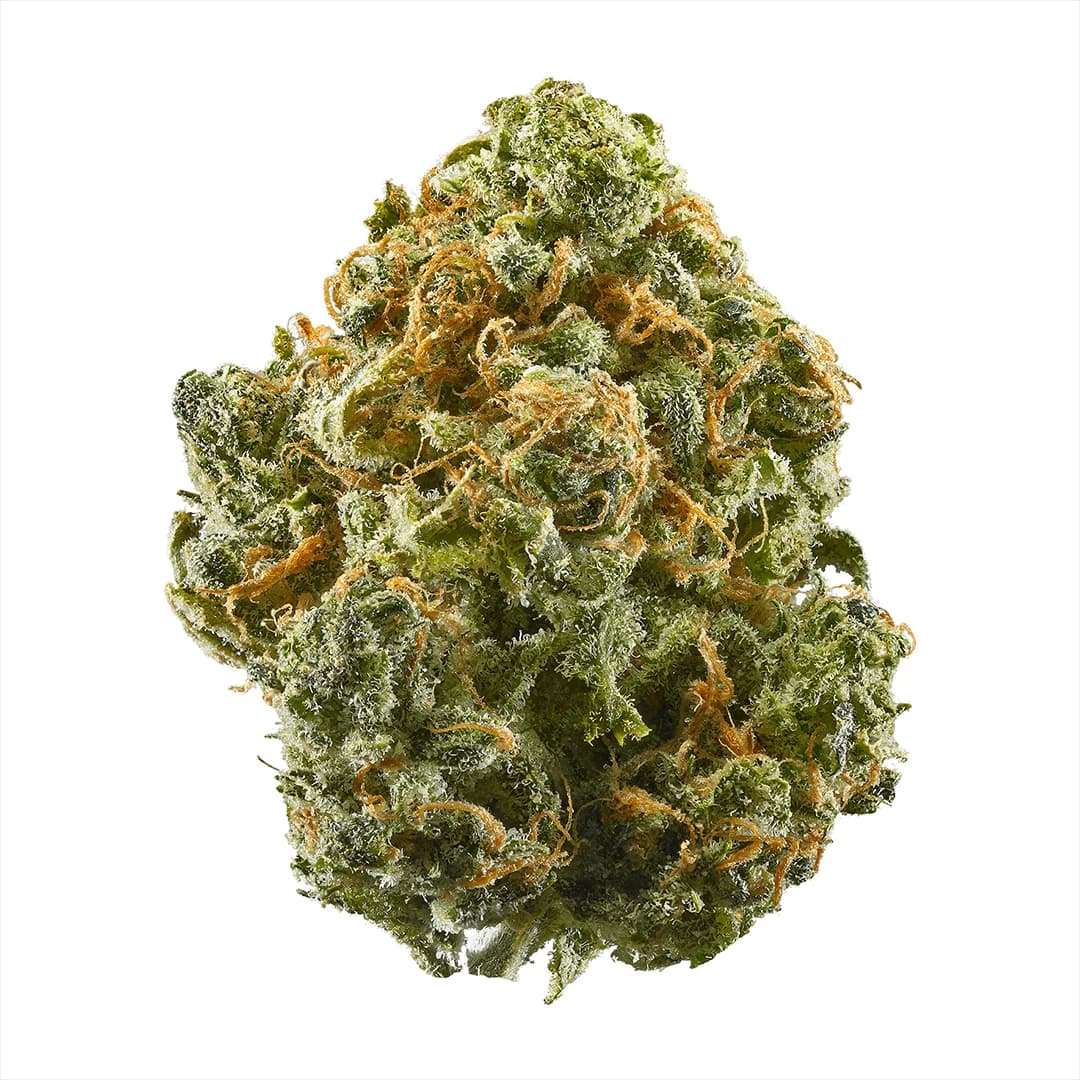
Big Bud
Big Bud is presented by Leafly as a indica catalog entry. The source account says: Big Bud's reported background combines Afghani, Northern Lights and Skunk #1. Leafly traces its history from the United States to the Netherlands; the three names are recorded as ancestry without inventing a crossing order. This context is retained as an attributed account, not as genetic authentication of every sample carrying the name. Reader-reported flavor descriptors include Earthy, Spicy/Herbal, Woody. The catalog lists Myrcene, Ocimene, Pinene as terpene labels. Those fields describe different evidence layers and do not establish a fixed chemical profile, medical effect or response for an individual sample.
Ancestry documented · Explore family ↓Compare this strain ↗Effects & flavor notes.
Explore the words people use to describe Big Bud.
Reported effects
5 reportedSubjective feelings described by readers.
Flavors & aromas
3 notesReader-reported flavor descriptors.
These are subjective reports, not guaranteed effects or medical conclusions. The report total covers the whole profile; individual tag frequencies are unavailable.
How to read these reportsWhat this record can tell you
This summary uses only fields present in the record. Missing values are left unknown instead of being inferred.
- Evidence
- source linked5 reported effects5 unwanted-effect tags3 terpenes
- Top reports
- RelaxedSleepyHappy
- Aroma clues
- MyrcenePineneWoodyEarthySpicy/Herbal
Common questions
What is documented for Big Bud?
This profile is source linked, 5 reported effects, 5 unwanted-effect tags, 3 terpenes. Read every value and tag within the scope of its attached source.
Do the reported effects predict an experience?
No. Effects and unwanted effects are reader-reported descriptors, not medical conclusions or a guarantee of an individual experience.
Where should I read next?
Read the guides on sources, chemistry and reported experiences, then compare this profile with another source-linked record.
The shape of this record
This visual summarizes documented fields and source-linked reference values. Effects are reported descriptors, not a prediction of individual response.
Parents, origins & family
Ancestry documented
Big Bud's reported background combines Afghani, Northern Lights and Skunk #1. Leafly traces its history from the United States to the Netherlands; the three names are recorded as ancestry without inventing a crossing order.
Reported ancestry
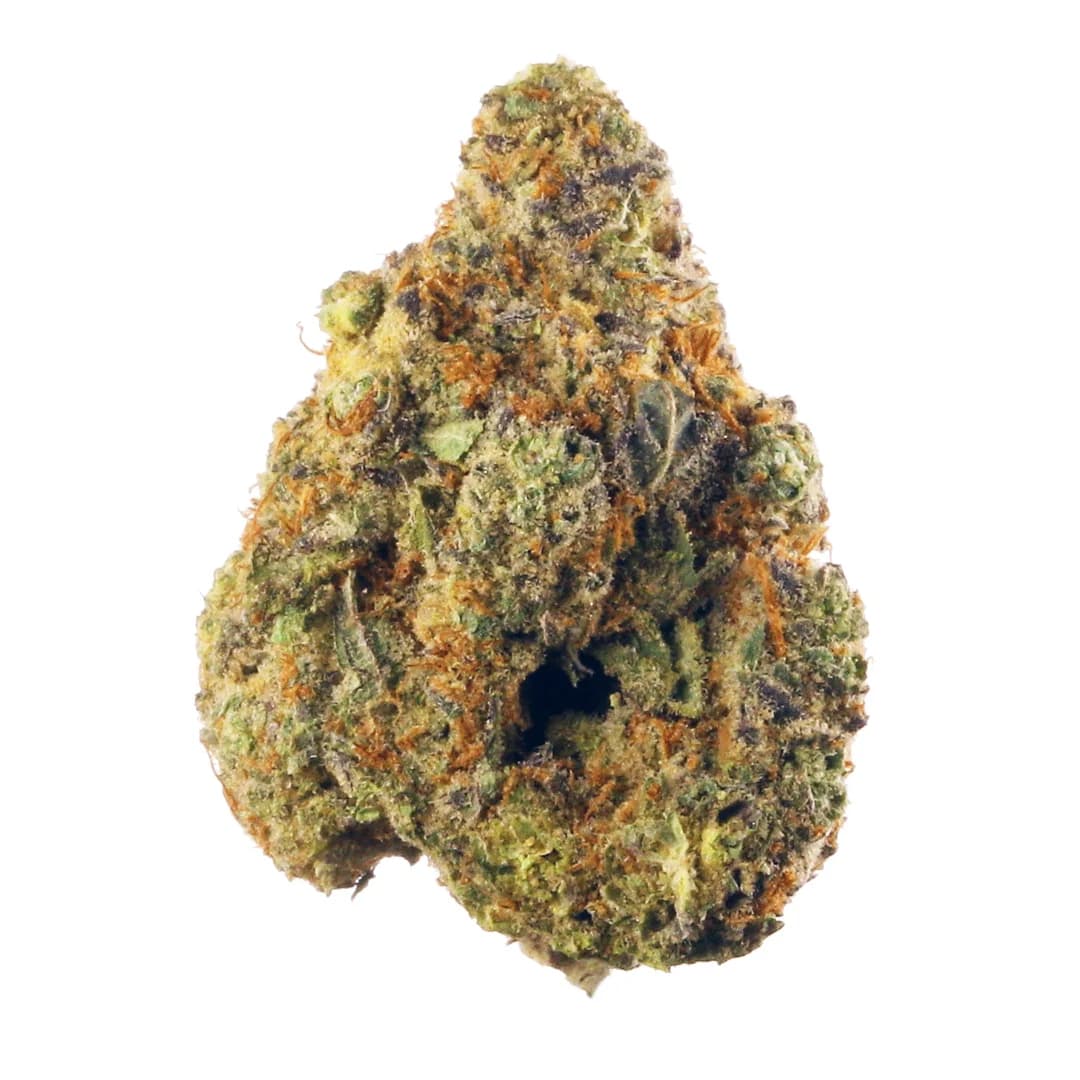 AfghaniOpen strain profile
Big Bud's reported background combines Afghani, Northern Lights and Skunk #1. Leafly traces its history from the United States to the Netherlands; the three names are recorded as ancestry without inventing a crossing order.
Leafly — Big Bud identity and lineage ↗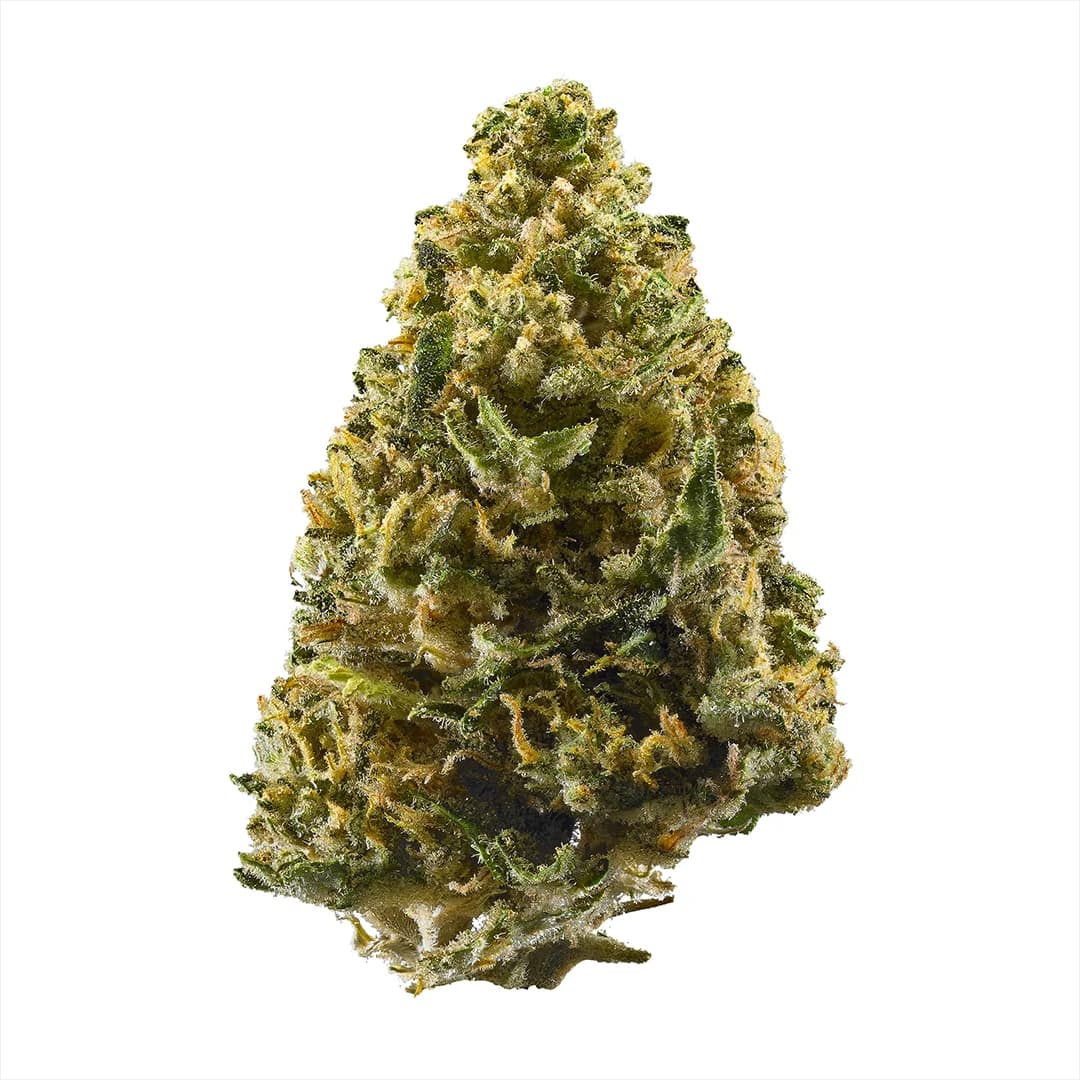 Northern LightsOpen strain profile
Big Bud's reported background combines Afghani, Northern Lights and Skunk #1. Leafly traces its history from the United States to the Netherlands; the three names are recorded as ancestry without inventing a crossing order.
Leafly — Big Bud identity and lineage ↗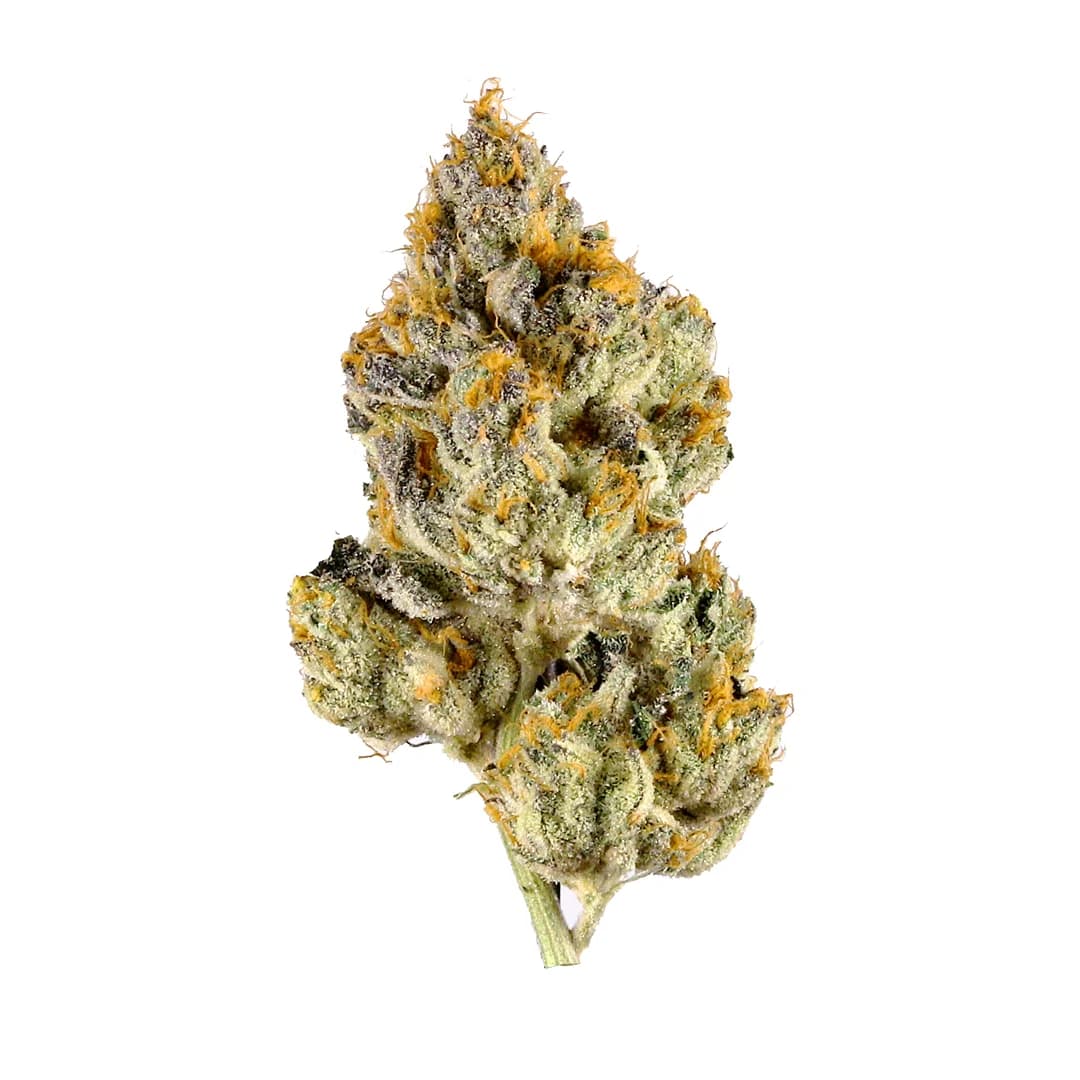 Skunk 1Open strain profile
Big Bud's reported background combines Afghani, Northern Lights and Skunk #1. Leafly traces its history from the United States to the Netherlands; the three names are recorded as ancestry without inventing a crossing order.
Leafly — Big Bud identity and lineage ↗Children & later selections 4
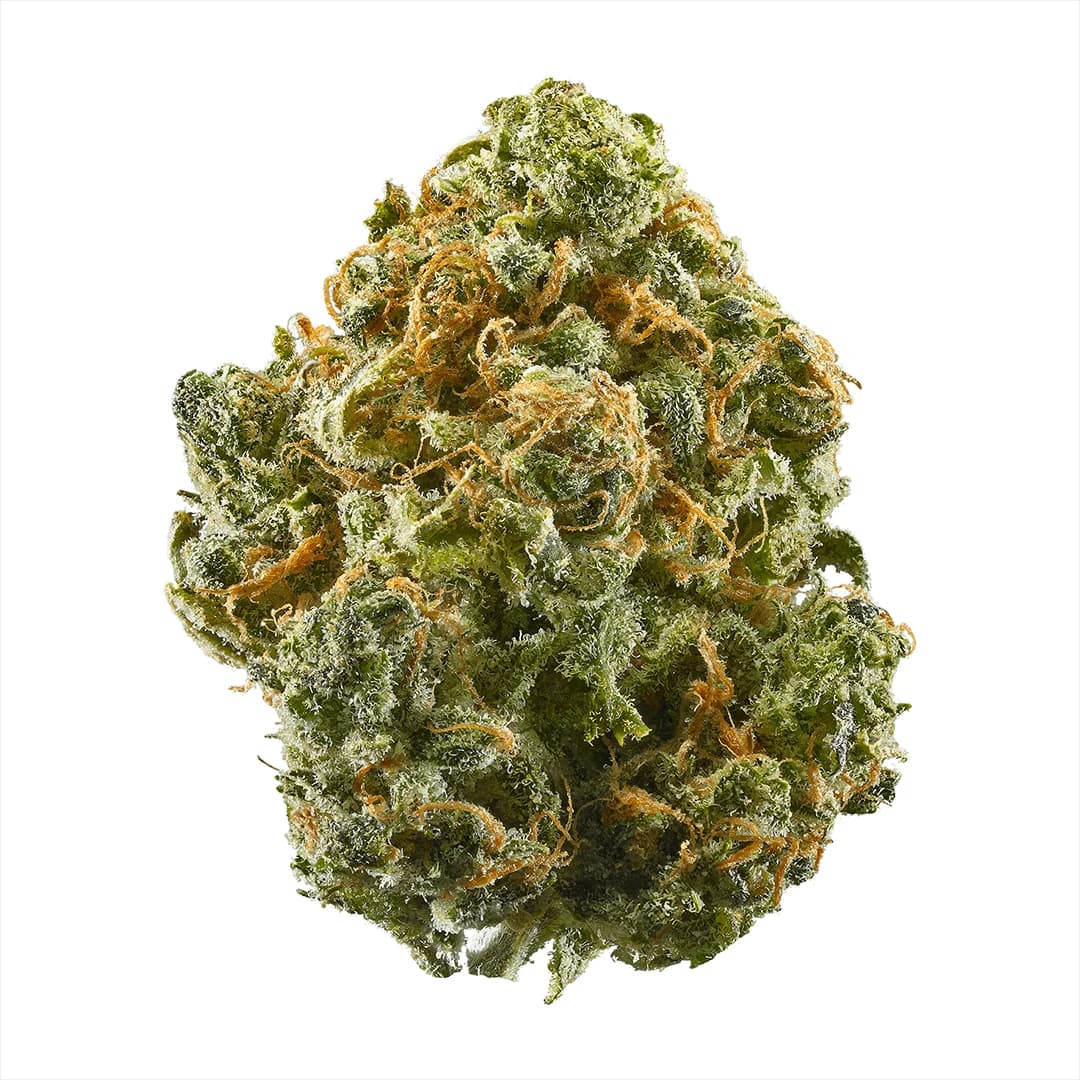 Critical PlusOpen strain profile
Source diagram records family ancestry; intermediate generations and immediate-parent status are not established.
Hytiva — critical-plus ↗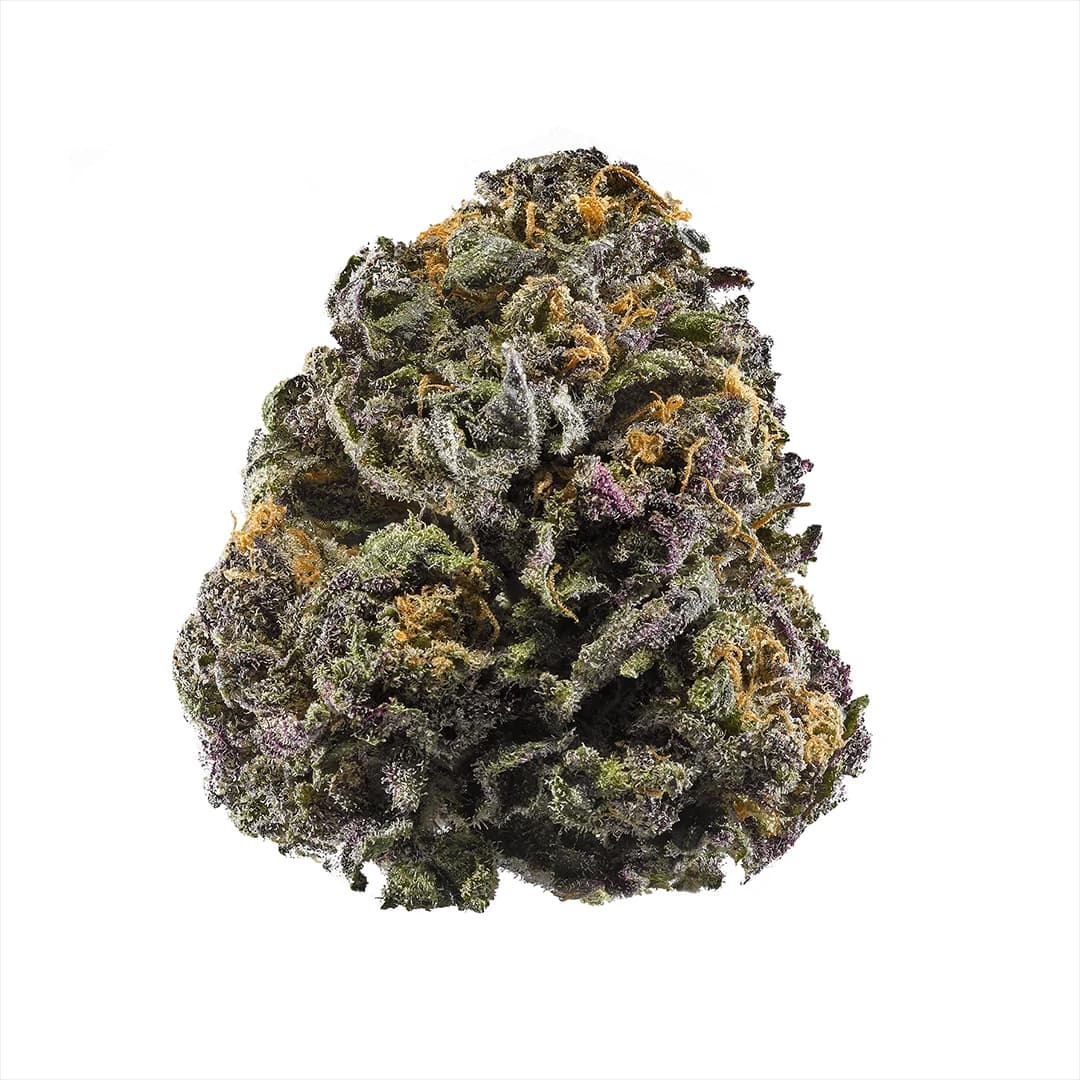 Granddaddy PurpleOpen strain profile
Alternative account B: Big Bud × Purple Urkle.
Leafly — granddaddy purple ↗Hardcore OGOpen strain profileSource diagram records family ancestry; intermediate generations and immediate-parent status are not established.
Hytiva — hardcore-og ↗Incredible BulkOpen strain profileSource diagram records family ancestry; intermediate generations and immediate-parent status are not established.
Hytiva — incredible-bulk ↗How to read these relationships
Parent links describe a reported cross. Ancestry components may be several generations back. A phenotype selection comes from a named line rather than a new two-parent cross. Disputed links retain the uncertainty of their source.
Names in this catalog open a strain profile. Other names open the reference describing the relationship. The family view shows the links currently documented here, not every known descendant.
Cannabinoid profile
Leafly catalog summary values, not laboratory results for a specific sample. A displayed 0% is a rounded source value, not proof of absence. Unlisted cannabinoids remain unknown.
Leafly source ↗ · Checked 2026-09-16Concentrations vary by sample. A cultivar name alone does not establish potency.
Terpenes & aroma
Catalog-listed terpenes. Dominance is shown only where the source states it; percentages are unavailable unless separately recorded.
Similar strains
Similarity uses catalog reference chemistry, reported attributes and lineage. Missing data is excluded; this is not an effects prediction.
Green Poison is included as a source-linked indica catalog profile. This entry preserves the published name and broad classification while keeping sample-specific potency, chemistry and reader-reported descriptors tied to the cited source. Catalog fields are reference information and do not guarantee the composition or effects of an individual sample.
Parents unknown ↗Blue God is included as a source-linked indica catalog profile. This entry preserves the published name and broad classification while keeping sample-specific potency, chemistry and reader-reported descriptors tied to the cited source. Catalog fields are reference information and do not guarantee the composition or effects of an individual sample.
Reported parentage ↗Gobbstopper is included as a source-linked indica catalog profile. This entry preserves the published name and broad classification while keeping sample-specific potency, chemistry and reader-reported descriptors tied to the cited source. Catalog fields are reference information and do not guarantee the composition or effects of an individual sample.
Parents unknown ↗- Green Poison →Limited comparable data · Confidence: low · overlapping effects, similar THC reference · 2 fields
- Blue God →Limited comparable data · Confidence: low · overlapping effects, similar THC reference · 2 fields
- Gobbstopper →Limited comparable data · Confidence: low · overlapping effects, similar THC reference · 2 fields
Compare with related strains
Choose another strain to compare →Go deeper with a guide
Short guides explain how to read the source, chemistry and reported experiences behind this profile.
References & provenance
- Leafly — Big Bud identity and lineage
Big Bud's reported background combines Afghani, Northern Lights and Skunk #1. Leafly traces its history from the United States to the Netherlands; the three names are recorded as ancestry without inventing a crossing order.
Accessed 2026-09-16 - Leafly — big bud catalog parameters
Leafly catalog summary values, not laboratory results for a specific sample. A displayed 0% is a rounded source value, not proof of absence. Unlisted cannabinoids remain unknown. Terpene names and documented order come from the catalog; concentrations are not supplied. Effects, flavors and negative effects are reader-reported tags. The report count covers the profile as a whole, not individual tags.
Accessed 2026-09-16 - Leafly — Big Bud: identity recheck
Identity check: Big Bud's reported background combines Afghani, Northern Lights and Skunk #1. Leafly traces its history from the United States to the Netherlands; the three names are recorded as ancestry without inventing a crossing order. Outstanding: primary historical or breeder documentation and sample-specific laboratory data. No new lineage edges, numeric chemistry, potency claims or medical conclusions were added.
Accessed 2026-10-06 - AllBud — big-bud
This reference contains family information that needs further interpretation before immediate parents can be identified.
Accessed 2026-11-25 - Hytiva — big-bud
This reference gives a different family account from another source. The disagreement remains under review.
Accessed 2026-11-25
Updated 2026-10-22 · Our editorial standards