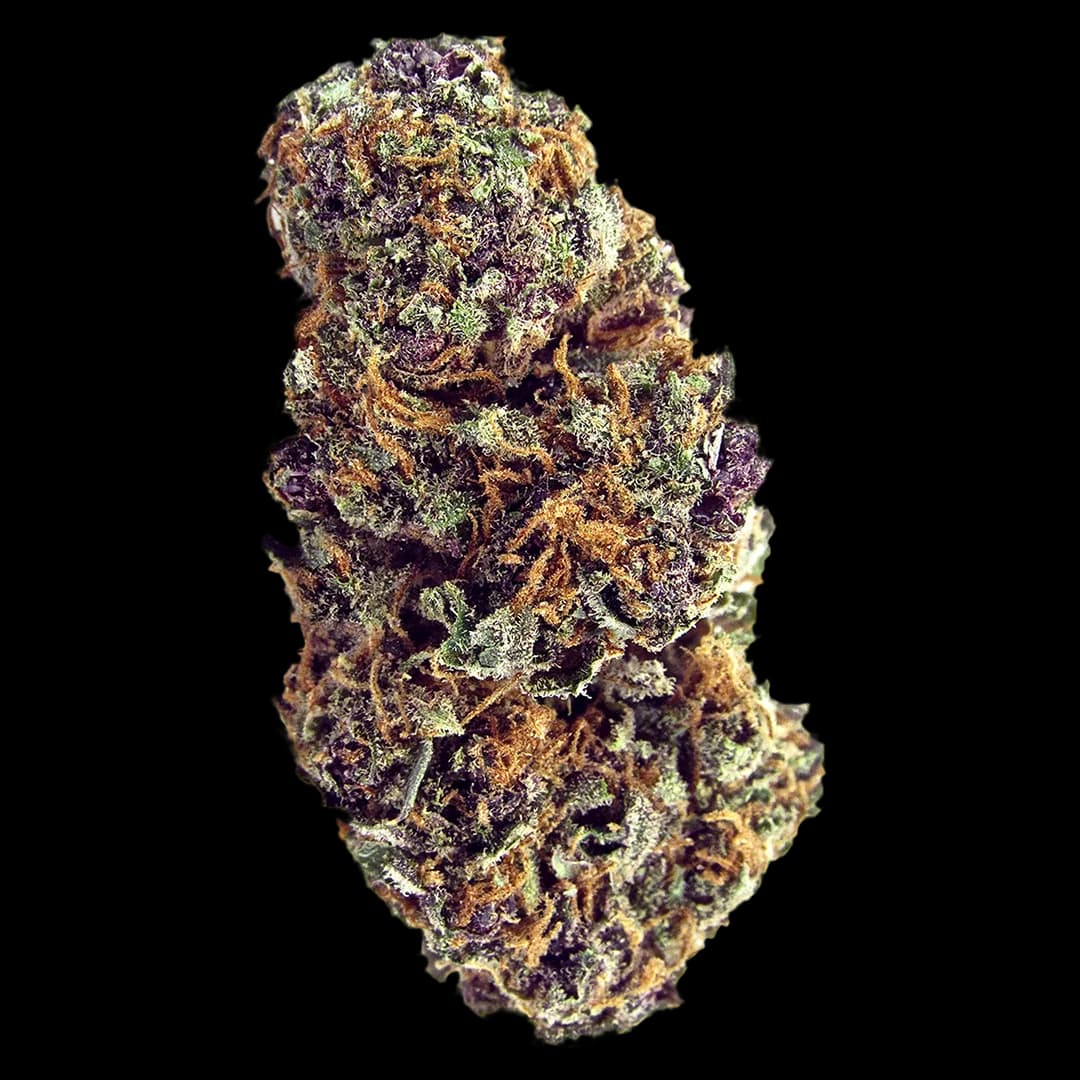
Forbidden Fruit
Also recorded as: Purple Obeah
Forbidden Fruit is presented by Leafly as a indica catalog entry. The source account says: Forbidden Fruit connects Cherry Pie with Tangie. The source describes purple coloration and a fruit-associated aroma, characteristics that can vary between individual samples. This is a source-reported identity, not a genetically authenticated pedigree. This context is retained as an attributed account, not as genetic authentication of every sample carrying the name. Reader-reported flavor descriptors include Grapefruit, Tree fruit, Tropical. The catalog lists Caryophyllene, Limonene, Myrcene as terpene labels. Those fields describe different evidence layers and do not establish a fixed chemical profile, medical effect or response for an individual sample.
Reported parentage · Explore family ↓Compare this strain ↗Effects & flavor notes.
Explore the words people use to describe Forbidden Fruit.
Reported effects
6 reportedSubjective feelings described by readers.
Flavors & aromas
3 notesReader-reported flavor descriptors.
These are subjective reports, not guaranteed effects or medical conclusions. The report total covers the whole profile; individual tag frequencies are unavailable.
How to read these reportsWhat this record can tell you
This summary uses only fields present in the record. Missing values are left unknown instead of being inferred.
- Evidence
- source linked6 reported effects5 unwanted-effect tags3 terpenes
- Top reports
- RelaxedHappyEuphoric
- Aroma clues
- CaryophylleneMyrceneGrapefruitTropicalTree fruit
Common questions
What is documented for Forbidden Fruit?
This profile is source linked, 6 reported effects, 5 unwanted-effect tags, 3 terpenes. Read every value and tag within the scope of its attached source.
Do the reported effects predict an experience?
No. Effects and unwanted effects are reader-reported descriptors, not medical conclusions or a guarantee of an individual experience.
Where should I read next?
Read the guides on sources, chemistry and reported experiences, then compare this profile with another source-linked record.
The shape of this record
This visual summarizes documented fields and source-linked reference values. Effects are reported descriptors, not a prediction of individual response.
Parents, origins & family
Reported parentage
Forbidden Fruit connects Cherry Pie with Tangie. The source describes purple coloration and a fruit-associated aroma, characteristics that can vary between individual samples. This is a source-reported identity, not a genetically authenticated pedigree.
Reported parents
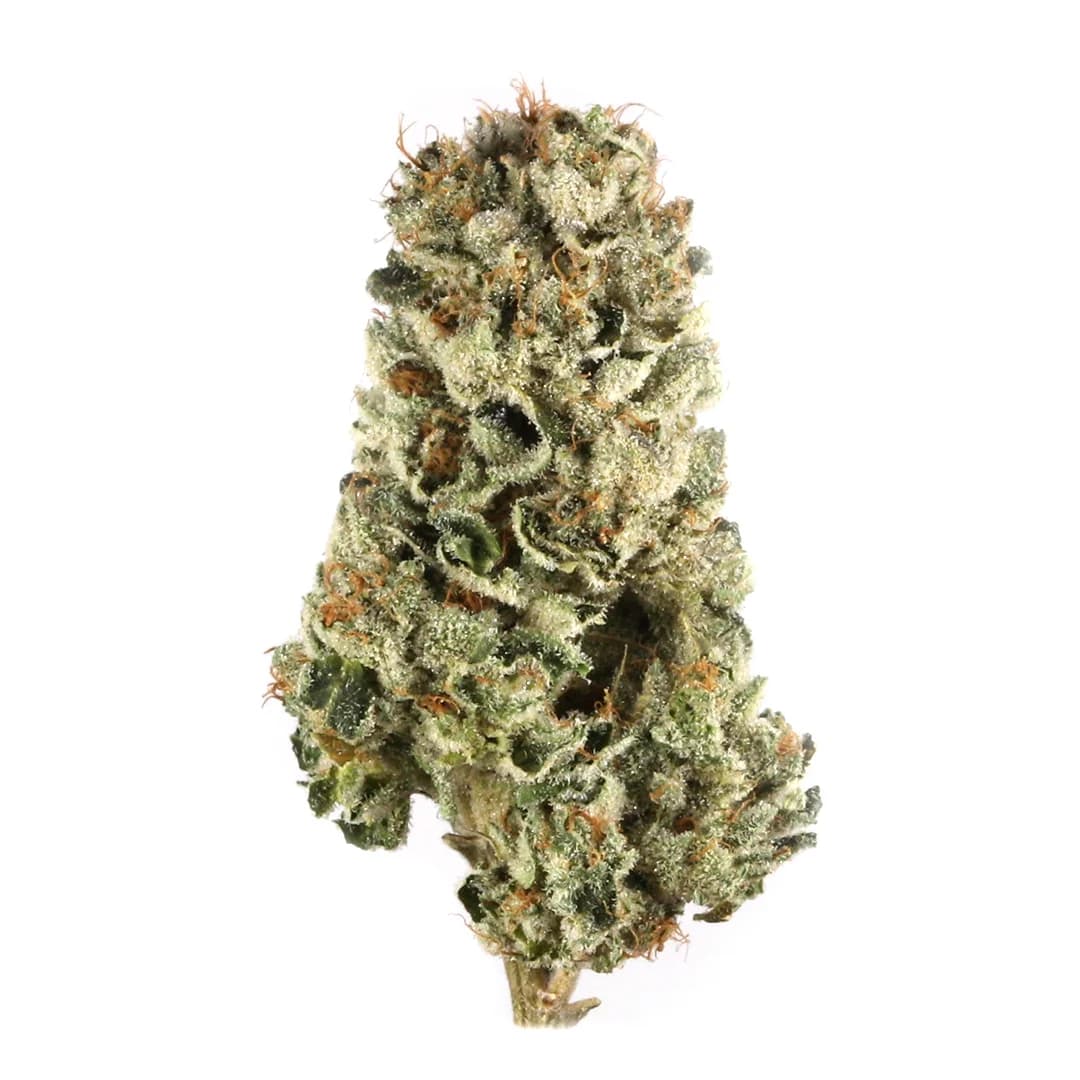 Cherry PieOpen strain profile
Reported parent in the linked Leafly profile; not genetically authenticated.
Leafly — Forbidden Fruit identity and lineage ↗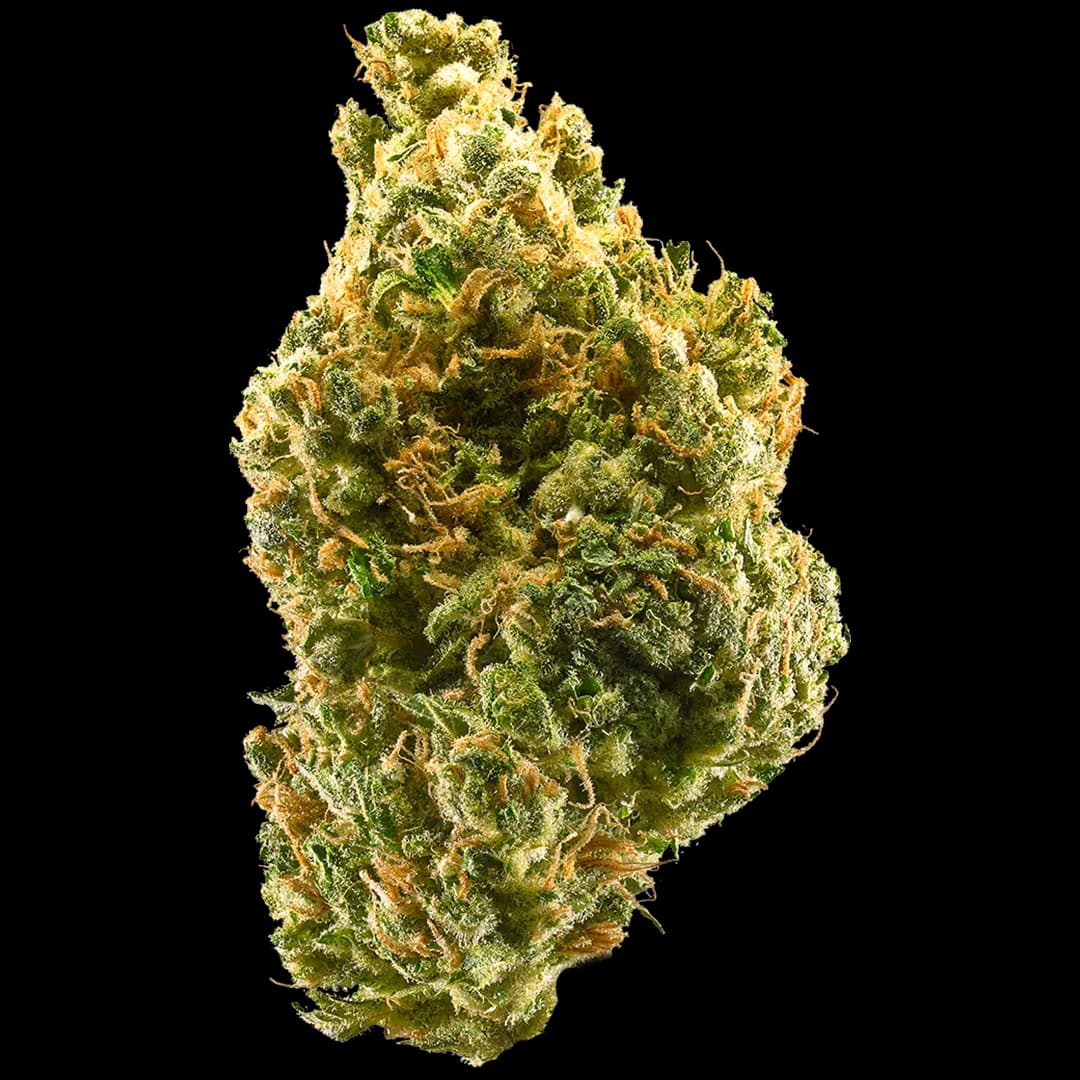 TangieOpen strain profile
Reported parent in the linked Leafly profile; not genetically authenticated.
Leafly — Forbidden Fruit identity and lineage ↗Children & later selections 0
No children linked in this catalog yet.
How to read these relationships
Parent links describe a reported cross. Ancestry components may be several generations back. A phenotype selection comes from a named line rather than a new two-parent cross. Disputed links retain the uncertainty of their source.
Names in this catalog open a strain profile. Other names open the reference describing the relationship. The family view shows the links currently documented here, not every known descendant.
Cannabinoid profile
Leafly catalog summary values, not laboratory results for a specific sample. A displayed 0% is a rounded source value, not proof of absence. Unlisted cannabinoids remain unknown.
Leafly source ↗ · Checked 2026-09-16Concentrations vary by sample. A cultivar name alone does not establish potency.
Terpenes & aroma
Catalog-listed terpenes. Dominance is shown only where the source states it; percentages are unavailable unless separately recorded.
Similar strains
Similarity uses catalog reference chemistry, reported attributes and lineage. Missing data is excluded; this is not an effects prediction.
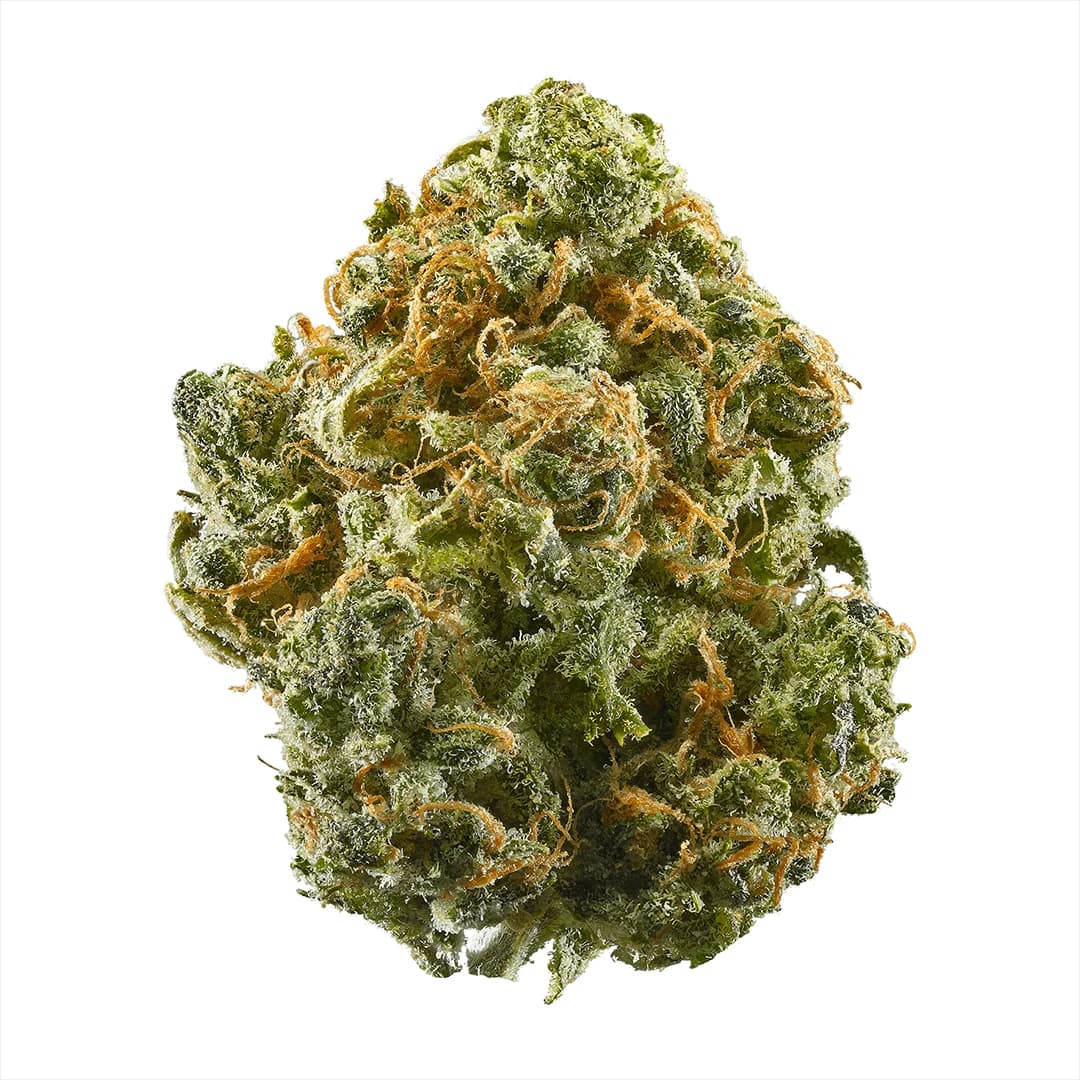
Purple Chemdawg is included as a source-linked indica catalog profile. This entry preserves the published name and broad classification while keeping sample-specific potency, chemistry and reader-reported descriptors tied to the cited source. Catalog fields are reference information and do not guarantee the composition or effects of an individual sample.
Ancestry documented ↗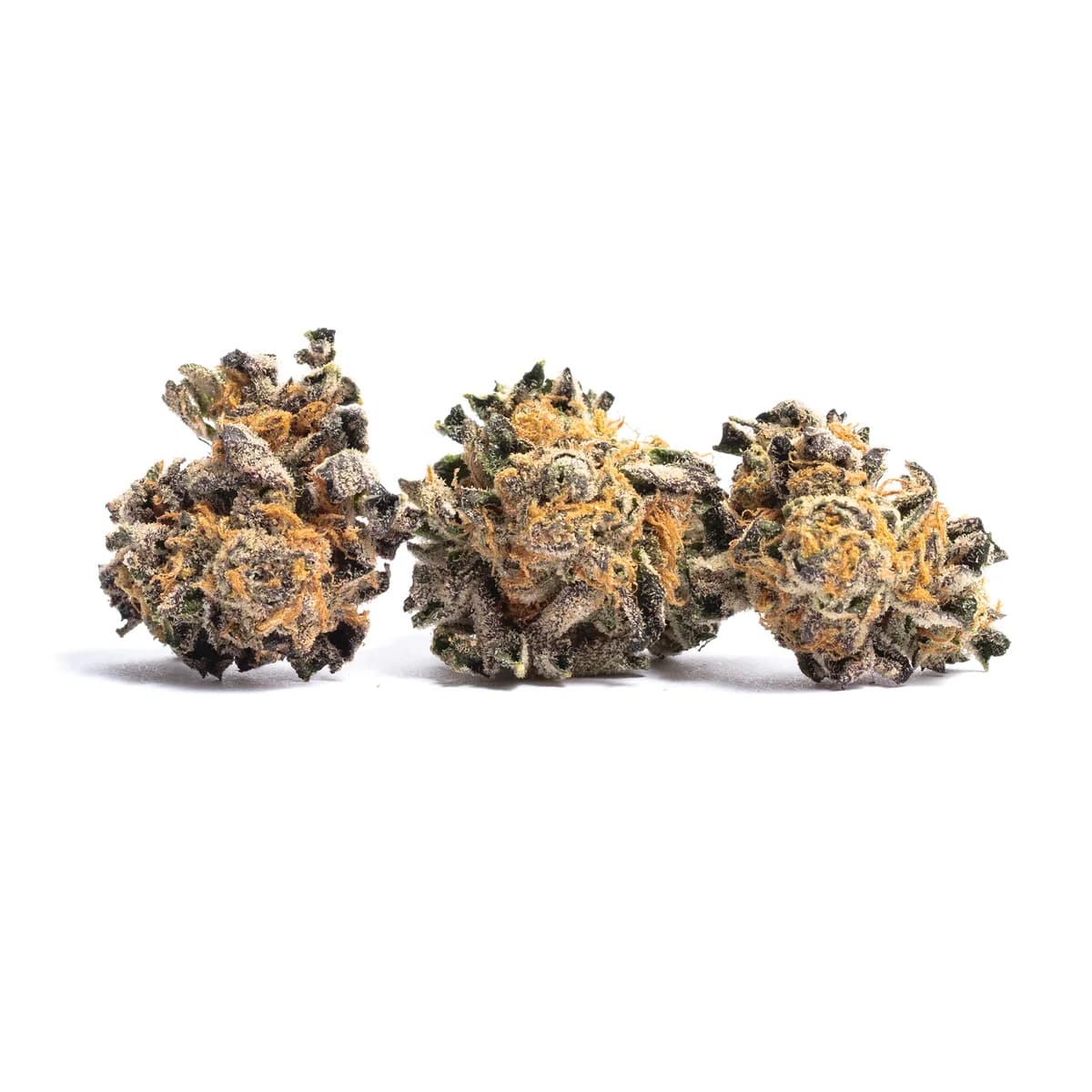
Master Kush is attributed to the Dutch White Label Seed Company. Leafly describes two regional landrace parents from the Hindu Kush area but does not identify the individual accessions or a complete crossing sequence, so the catalog keeps that uncertainty visible. Earthy, floral and pungent are reader-reported flavor descriptors, while caryophyllene, limonene and myrcene are listed as source terpene labels. The regional account provides context for the name, but it does not authenticate every later selection or establish a universal chemical profile for products sold as Master Kush.
Ancestry documented ↗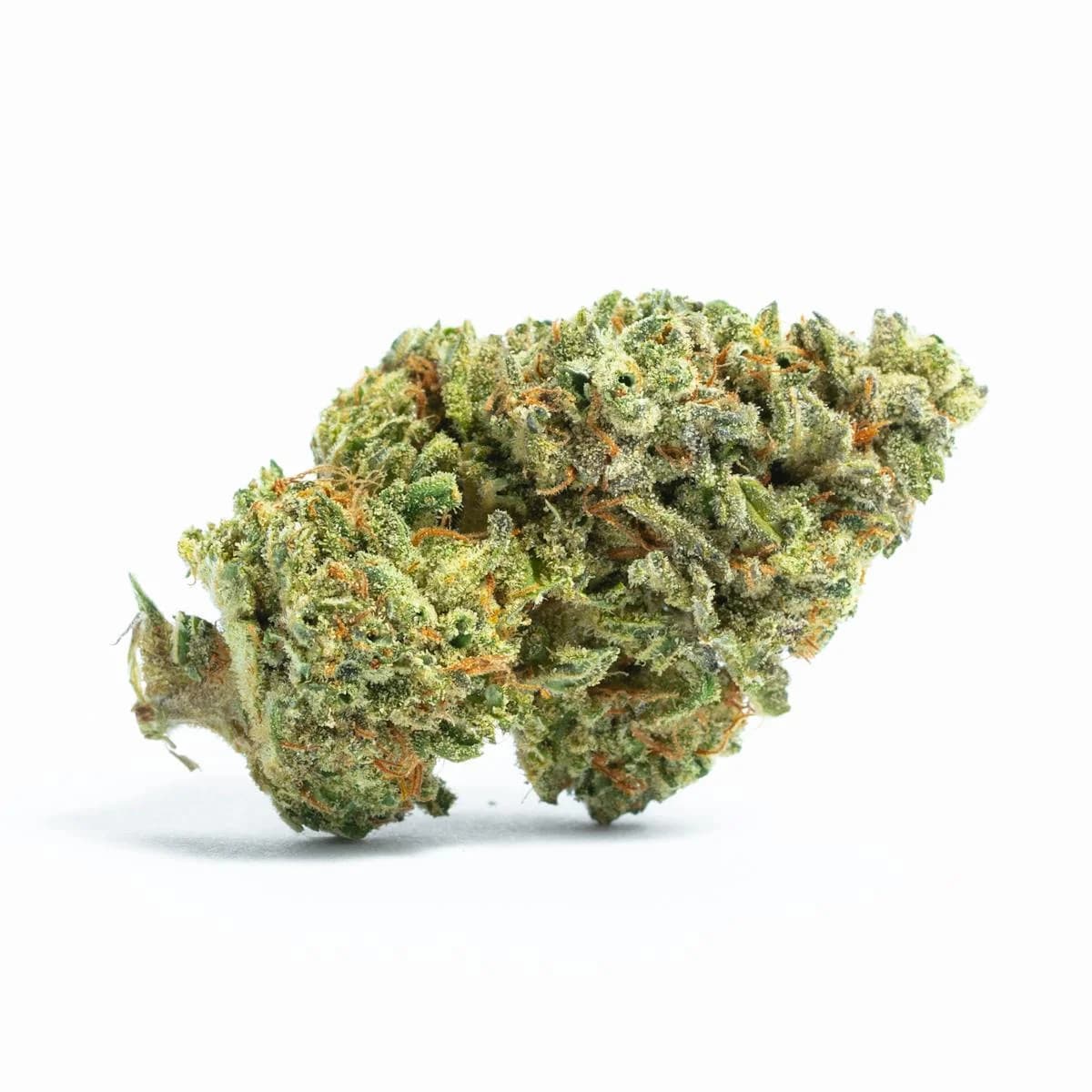
Sensi Star is presented by Leafly as a indica catalog entry. The source account says: No direct parent cross is established by the reviewed source narrative. Unknown ancestry remains unknown. This context is retained as an attributed account, not as genetic authentication of every sample carrying the name. Reader-reported flavor descriptors include Earthy, Floral, Tea. The catalog lists Caryophyllene, Limonene, Myrcene as terpene labels. Those fields describe different evidence layers and do not establish a fixed chemical profile, medical effect or response for an individual sample.
Parents unknown ↗- Purple Chemdawg →Limited comparable data · Confidence: low · overlapping effects, similar THC reference · 2 fields
- Master Kush →Similarity: 88% · Confidence: high · shared terpene, overlapping effects, similar THC reference · 4 fields
- Sensi Star →Similarity: 88% · Confidence: high · shared terpene, overlapping effects, similar THC reference · 4 fields
Compare with related strains
Choose another strain to compare →Go deeper with a guide
Short guides explain how to read the source, chemistry and reported experiences behind this profile.
References & provenance
- Leafly — Forbidden Fruit identity and lineage
Forbidden Fruit connects Cherry Pie with Tangie. The source describes purple coloration and a fruit-associated aroma, characteristics that can vary between individual samples. This is a source-reported identity, not a genetically authenticated pedigree.
Accessed 2026-09-16 - Leafly — forbidden fruit catalog parameters
Leafly catalog summary values, not laboratory results for a specific sample. A displayed 0% is a rounded source value, not proof of absence. Unlisted cannabinoids remain unknown. Terpene names and documented order come from the catalog; concentrations are not supplied. Effects, flavors and negative effects are reader-reported tags. The report count covers the profile as a whole, not individual tags.
Accessed 2026-09-16 - Leafly — Forbidden Fruit: identity recheck
Identity check: Forbidden Fruit connects Cherry Pie with Tangie. The source describes purple coloration and a fruit-associated aroma, characteristics that can vary between individual samples. This is a source-reported identity, not a genetically authenticated pedigree. Outstanding: primary historical or breeder documentation and sample-specific laboratory data. No new lineage edges, numeric chemistry, potency claims or medical conclusions were added.
Accessed 2026-10-06 - AllBud — forbidden-fruit
This reference contains family information that needs further interpretation before immediate parents can be identified.
Accessed 2026-11-25 - Hytiva — forbidden-fruit
This reference supports the family relationships attributed in this profile.
Accessed 2026-11-25
Updated 2026-10-22 · Our editorial standards