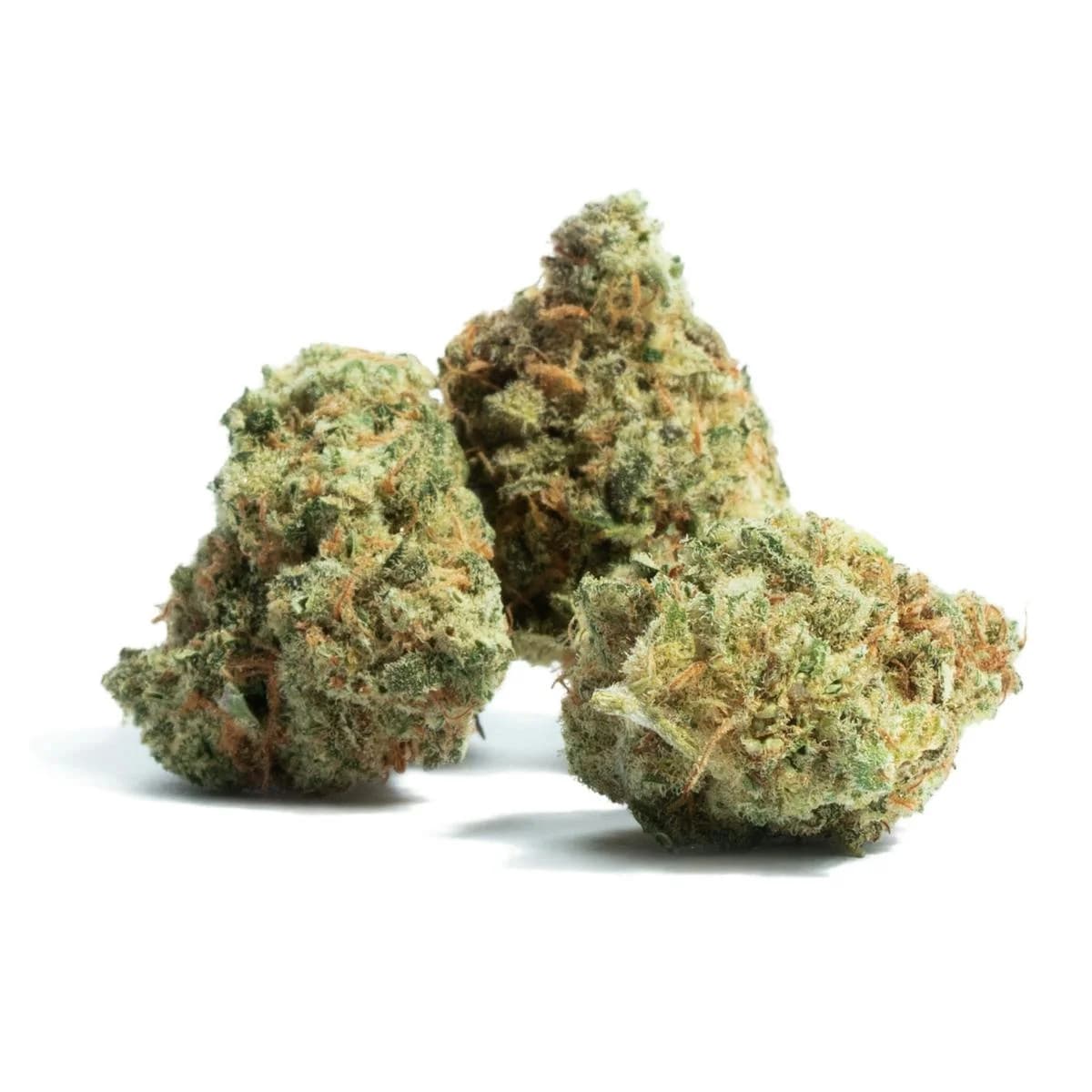
Ghost OG
Also recorded as: OG Ghost
Ghost OG is presented by Leafly as a hybrid catalog entry. The source account says: The linked source explicitly describes an OG Kush cut. A selection link is used rather than a reported cross. This context is retained as an attributed account, not as genetic authentication of every sample carrying the name. Reader-reported flavor descriptors include Citrus, Earthy, Pine. The catalog lists Caryophyllene, Limonene, Myrcene as terpene labels. Those fields describe different evidence layers and do not establish a fixed chemical profile, medical effect or response for an individual sample.
Phenotype selection · Explore family ↓Compare this strain ↗Effects & flavor notes.
Explore the words people use to describe Ghost OG.
Reported effects
6 reportedSubjective feelings described by readers.
These are subjective reports, not guaranteed effects or medical conclusions. The report total covers the whole profile; individual tag frequencies are unavailable.
How to read these reportsWhat this record can tell you
This summary uses only fields present in the record. Missing values are left unknown instead of being inferred.
- Evidence
- source linked6 reported effects5 unwanted-effect tags3 terpenes
- Top reports
- RelaxedHappyEuphoric
- Aroma clues
- MyrceneLimoneneCitrusPineEarthy
Common questions
What is documented for Ghost OG?
This profile is source linked, 6 reported effects, 5 unwanted-effect tags, 3 terpenes. Read every value and tag within the scope of its attached source.
Do the reported effects predict an experience?
No. Effects and unwanted effects are reader-reported descriptors, not medical conclusions or a guarantee of an individual experience.
Where should I read next?
Read the guides on sources, chemistry and reported experiences, then compare this profile with another source-linked record.
The shape of this record
This visual summarizes documented fields and source-linked reference values. Effects are reported descriptors, not a prediction of individual response.
Parents, origins & family
Phenotype selection
The linked source explicitly describes an OG Kush cut. A selection link is used rather than a reported cross.
Selected from
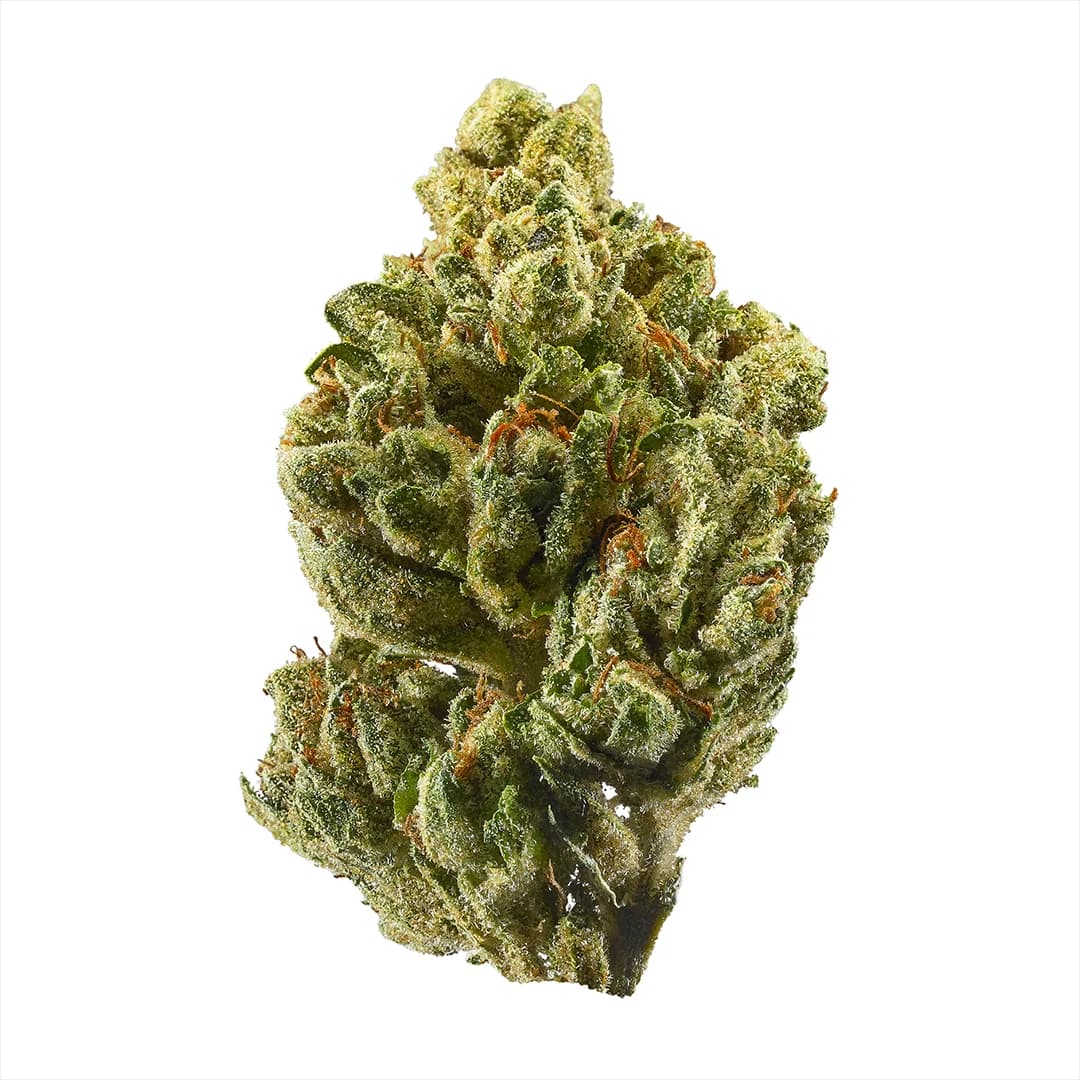 OG KushOpen strain profile
The linked source explicitly describes an OG Kush cut. A selection link is used rather than a reported cross.
Leafly — Ghost OG identity and lineage ↗Children & later selections 5
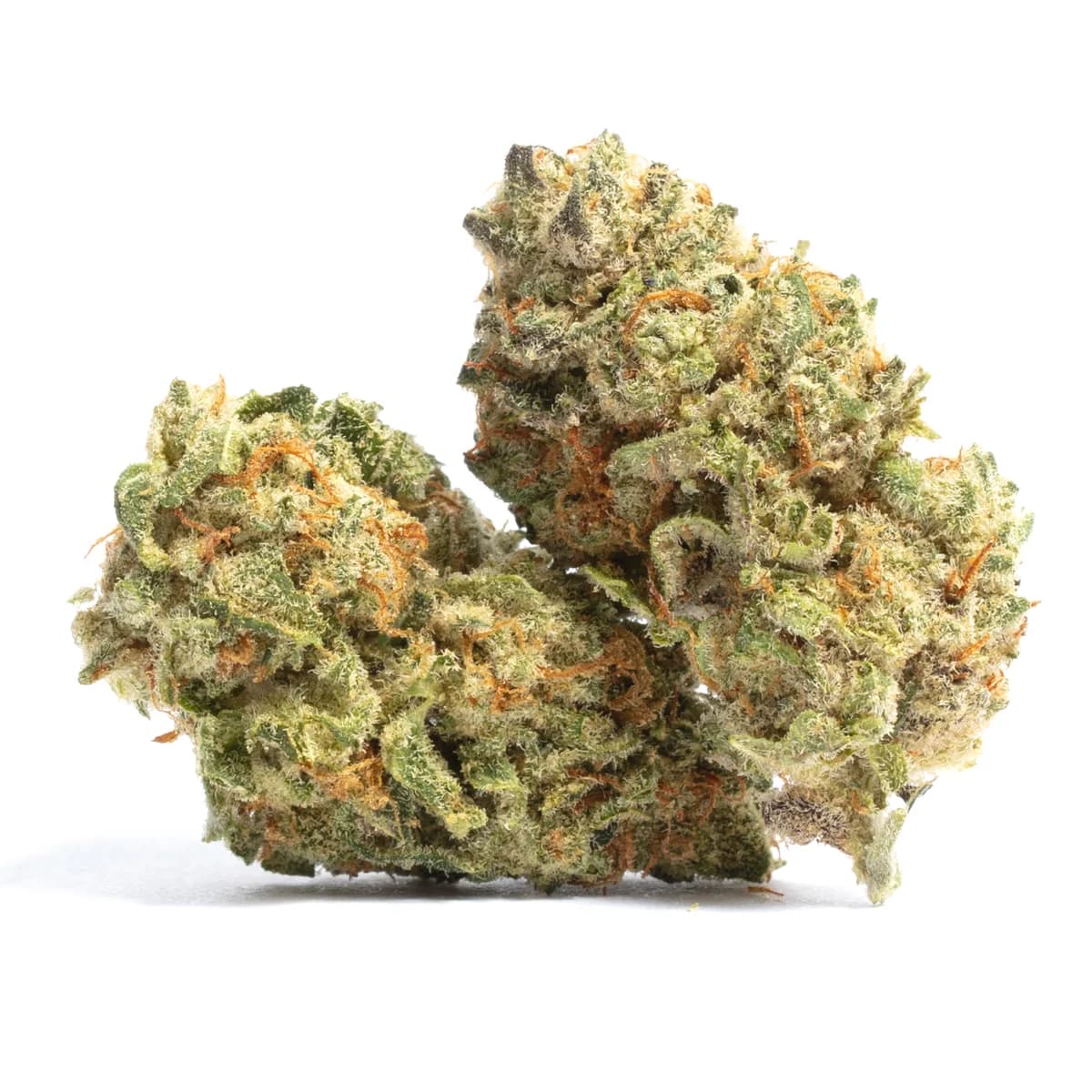 Banana KushOpen strain profile
Reported parent in the linked Leafly profile; not genetically authenticated.
Leafly — Banana Kush identity and lineage ↗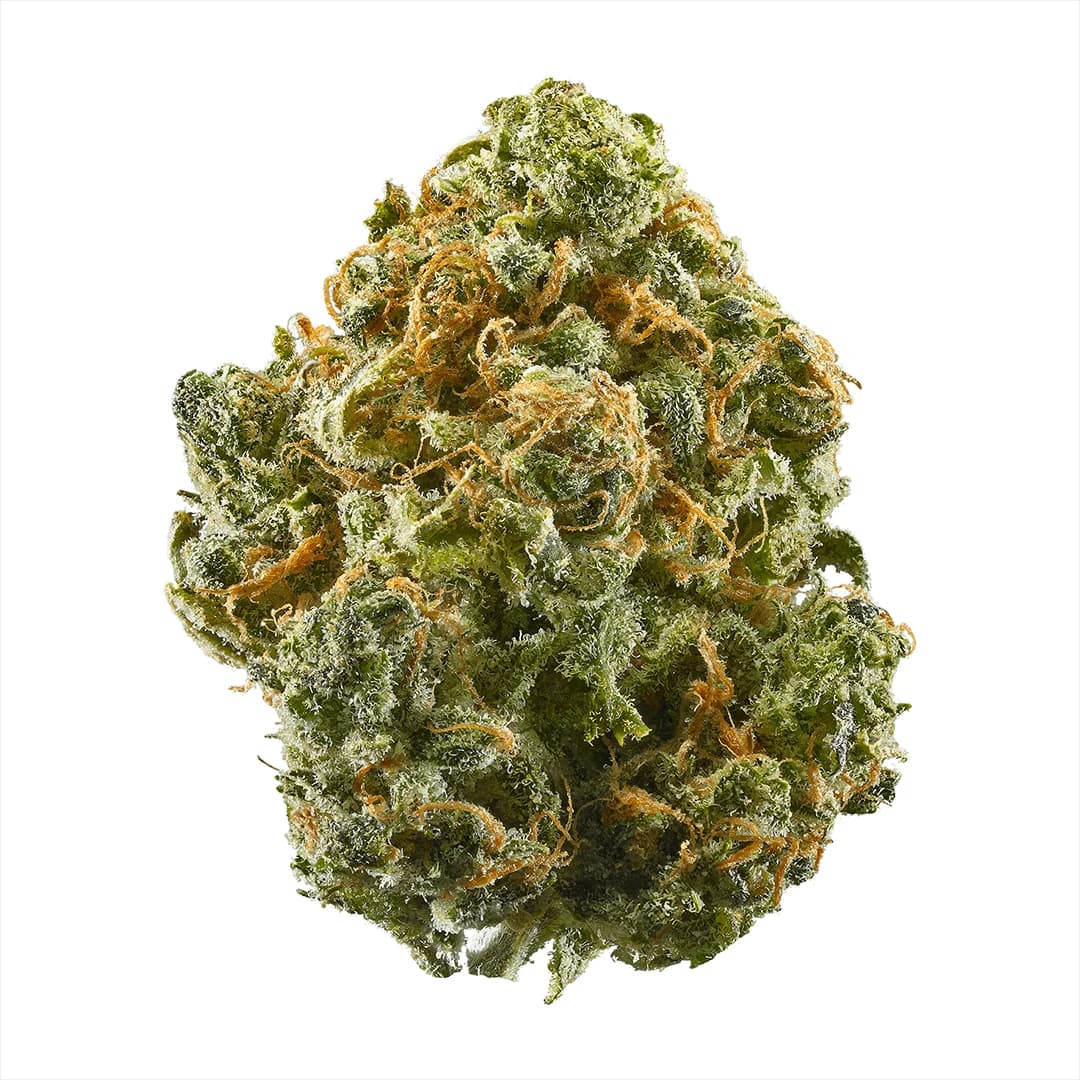 Bubba OGOpen strain profile
Source-reported relationship from the named reference; not genetic authentication of every sample.
Hytiva — bubba-og ↗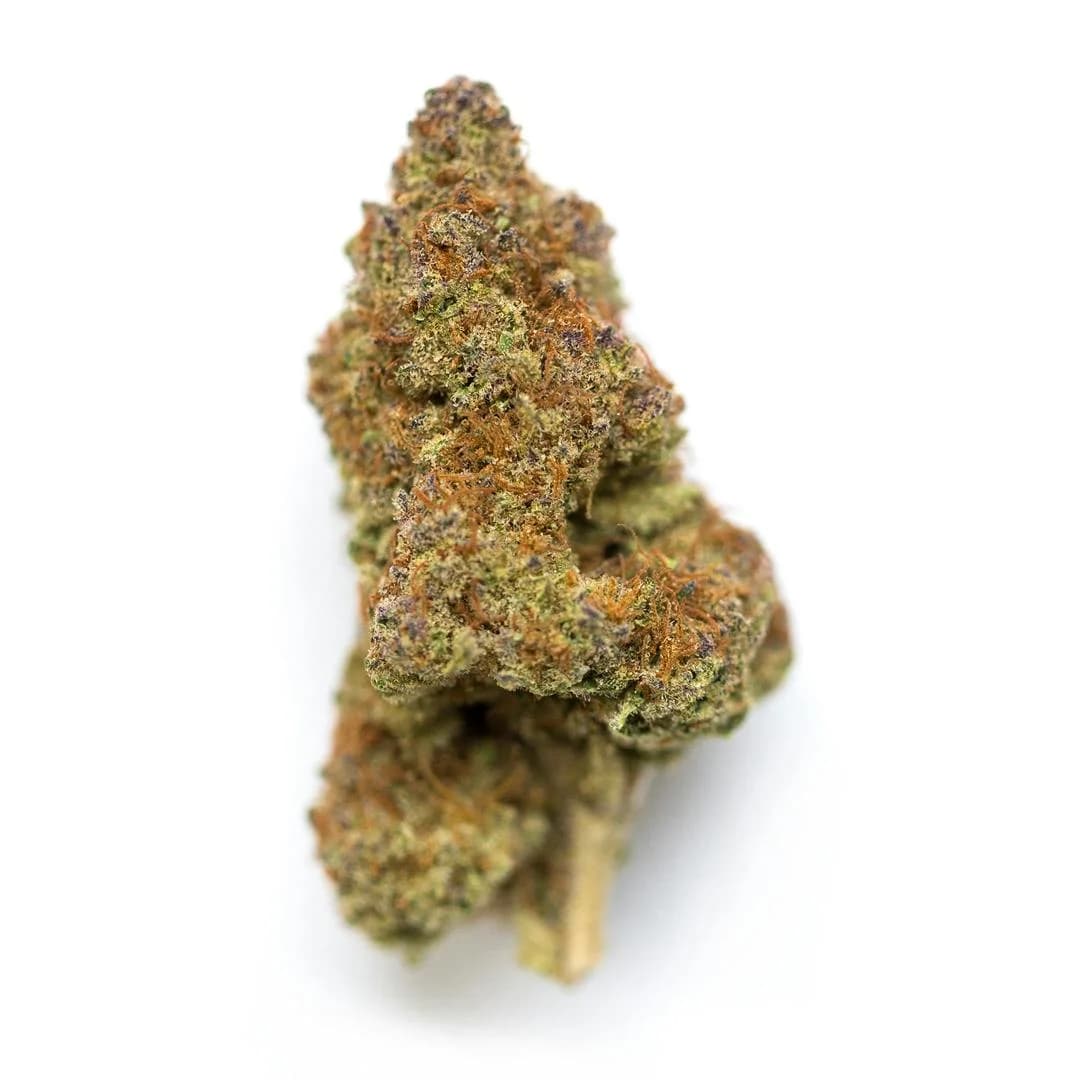 Ghost Train HazeOpen strain profile
Source-reported relationship; retained as attributed catalog lineage rather than genetic authentication.
Leafly — Ghost Train Haze identity and lineage ↗Rare Dankness #1Open strain profileSource diagram records family ancestry; intermediate generations and immediate-parent status are not established.
Hytiva — rare-dankness-1 ↗Slimer OGOpen strain profileSource diagram records family ancestry; intermediate generations and immediate-parent status are not established.
Hytiva — slimer-og ↗How to read these relationships
Parent links describe a reported cross. Ancestry components may be several generations back. A phenotype selection comes from a named line rather than a new two-parent cross. Disputed links retain the uncertainty of their source.
Names in this catalog open a strain profile. Other names open the reference describing the relationship. The family view shows the links currently documented here, not every known descendant.
Cannabinoid profile
Leafly catalog summary values, not laboratory results for a specific sample. A displayed 0% is a rounded source value, not proof of absence. Unlisted cannabinoids remain unknown.
Leafly source ↗ · Checked 2026-09-24Concentrations vary by sample. A cultivar name alone does not establish potency.
Terpenes & aroma
Catalog-listed terpenes. Dominance is shown only where the source states it; percentages are unavailable unless separately recorded.
Similar strains
Similarity uses catalog reference chemistry, reported attributes and lineage. Missing data is excluded; this is not an effects prediction.
Face Off OG is presented by Leafly as a indica catalog entry. The source account says: Face Off OG is associated with Archive Seeds and a California OG Kush selection from the late 1990s. This is represented as selection history rather than an invented two-parent cross. This is a source-reported identity, not a genetically authenticated pedigree. This context is retained as an attributed account, not as genetic authentication of every sample carrying the name. Reader-reported flavor descriptors include Ammonia, Earthy, Pine. The catalog lists Caryophyllene, Limonene, Myrcene as terpene labels. Those fields describe different evidence layers and do not establish a fixed chemical profile, medical effect or response for an individual sample.
Phenotype selection ↗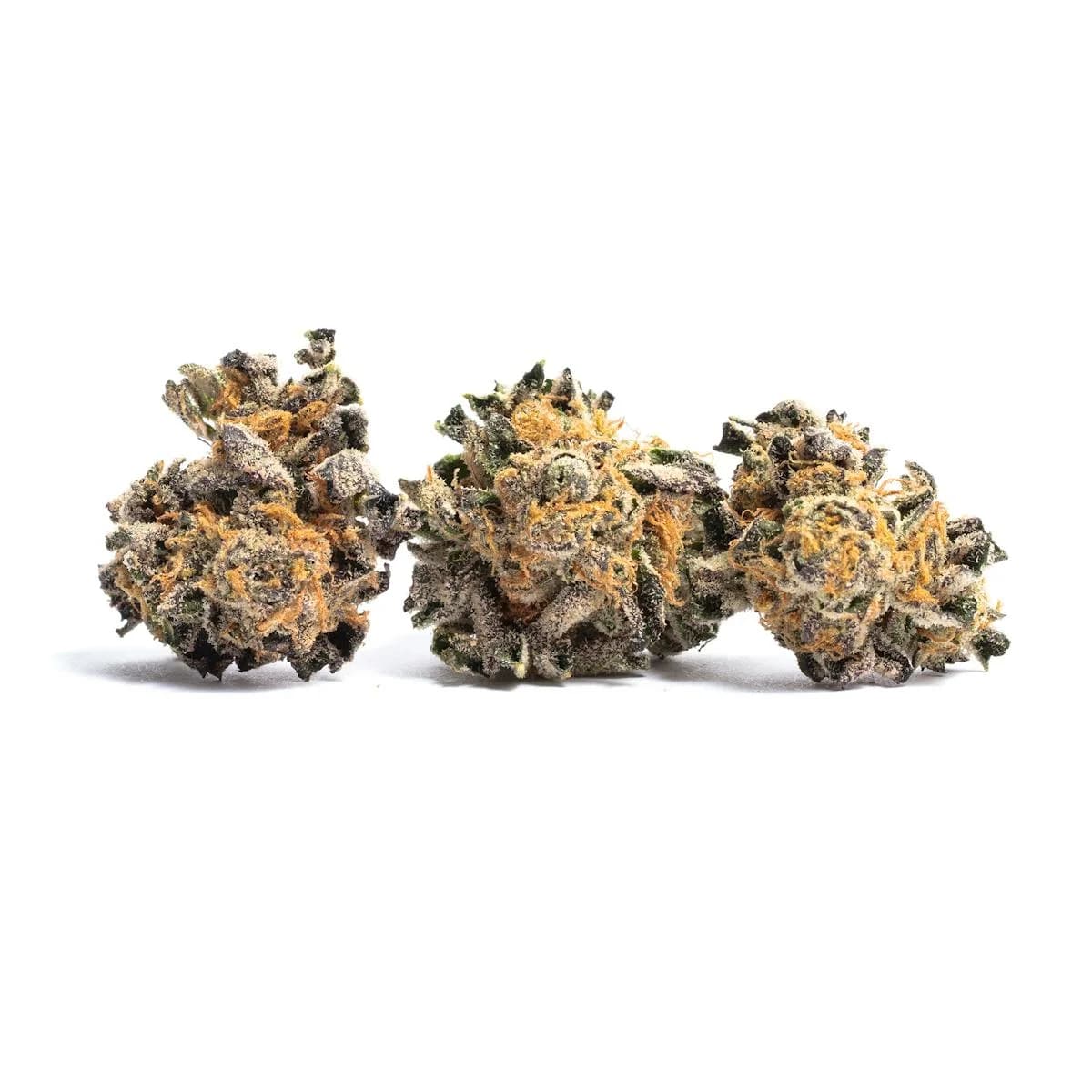
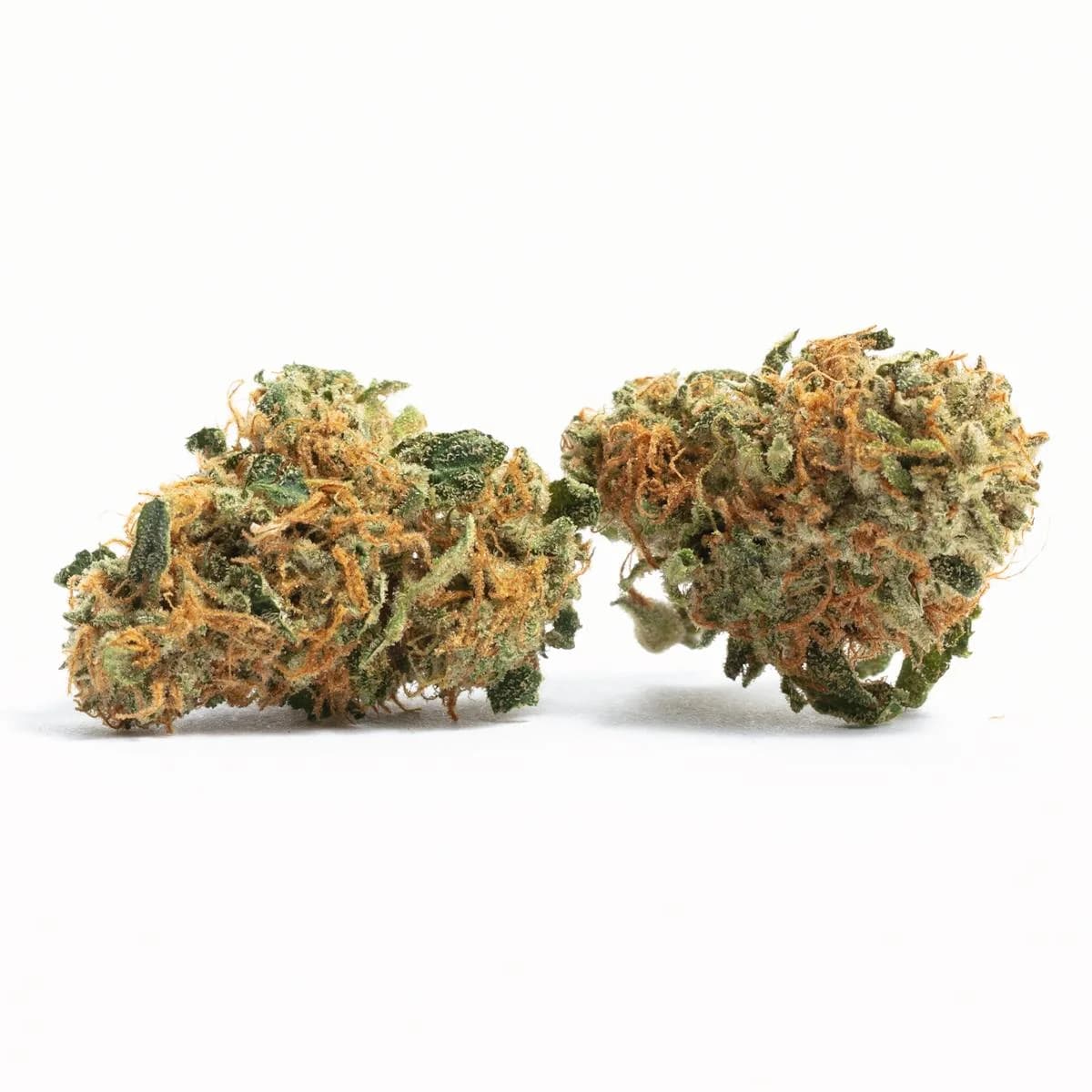
Animal Cookies is presented by Leafly as a hybrid catalog entry. The source account says: Animal Cookies, also called Animal Crackers, is reported as GSC crossed with Fire OG. These two parent links connect it to both the Cookies and OG families. This is a source-reported identity, not a genetically authenticated pedigree. This context is retained as an attributed account, not as genetic authentication of every sample carrying the name. Reader-reported flavor descriptors include Earthy, Nutty, Sweet. The catalog lists Caryophyllene, Limonene, Myrcene as terpene labels. Those fields describe different evidence layers and do not establish a fixed chemical profile, medical effect or response for an individual sample.
Reported parentage ↗
Mendo Breath is presented by Leafly as a indica catalog entry. The source account says: Source-reported OGKB and Mendo Montage cross. The F2 alias does not establish the generation of an individual product. This context is retained as an attributed account, not as genetic authentication of every sample carrying the name. Reader-reported flavor descriptors include Earthy, Pepper, Vanilla. The catalog lists Caryophyllene, Limonene, Myrcene as terpene labels. Those fields describe different evidence layers and do not establish a fixed chemical profile, medical effect or response for an individual sample.
Reported parentage ↗- Face Off OG →Similarity: 93% · Confidence: high · shared terpene, overlapping effects, shared flavor, similar THC reference · 4 fields
- Animal Cookies →Similarity: 91% · Confidence: high · shared terpene, overlapping effects, shared flavor, similar THC reference · 4 fields
- Mendo Breath →Similarity: 91% · Confidence: high · shared terpene, overlapping effects, shared flavor, similar THC reference · 4 fields
Compare with related strains
Choose another strain to compare →Go deeper with a guide
Short guides explain how to read the source, chemistry and reported experiences behind this profile.
References & provenance
- Leafly — Ghost OG identity and lineage
The linked source explicitly describes an OG Kush cut. A selection link is used rather than a reported cross.
Accessed 2026-09-24 - Leafly — ghost og catalog parameters
Leafly catalog summary values, not laboratory results for a specific sample. A displayed 0% is a rounded source value, not proof of absence. Unlisted cannabinoids remain unknown. Terpene names and documented order come from the catalog; concentrations are not supplied. Effects, flavors and negative effects are reader-reported tags. The report count covers the profile as a whole, not individual tags.
Accessed 2026-09-24 - Leafly — Ghost OG: identity recheck
Identity check: The linked source explicitly describes an OG Kush cut. A selection link is used rather than a reported cross. Outstanding: primary historical or breeder documentation and sample-specific laboratory data. No new lineage edges, numeric chemistry, potency claims or medical conclusions were added.
Accessed 2026-10-06 - Hytiva — ghost-og
This reference gives a different family account from another source. The disagreement remains under review.
Accessed 2026-11-25
Updated 2026-10-22 · Our editorial standards