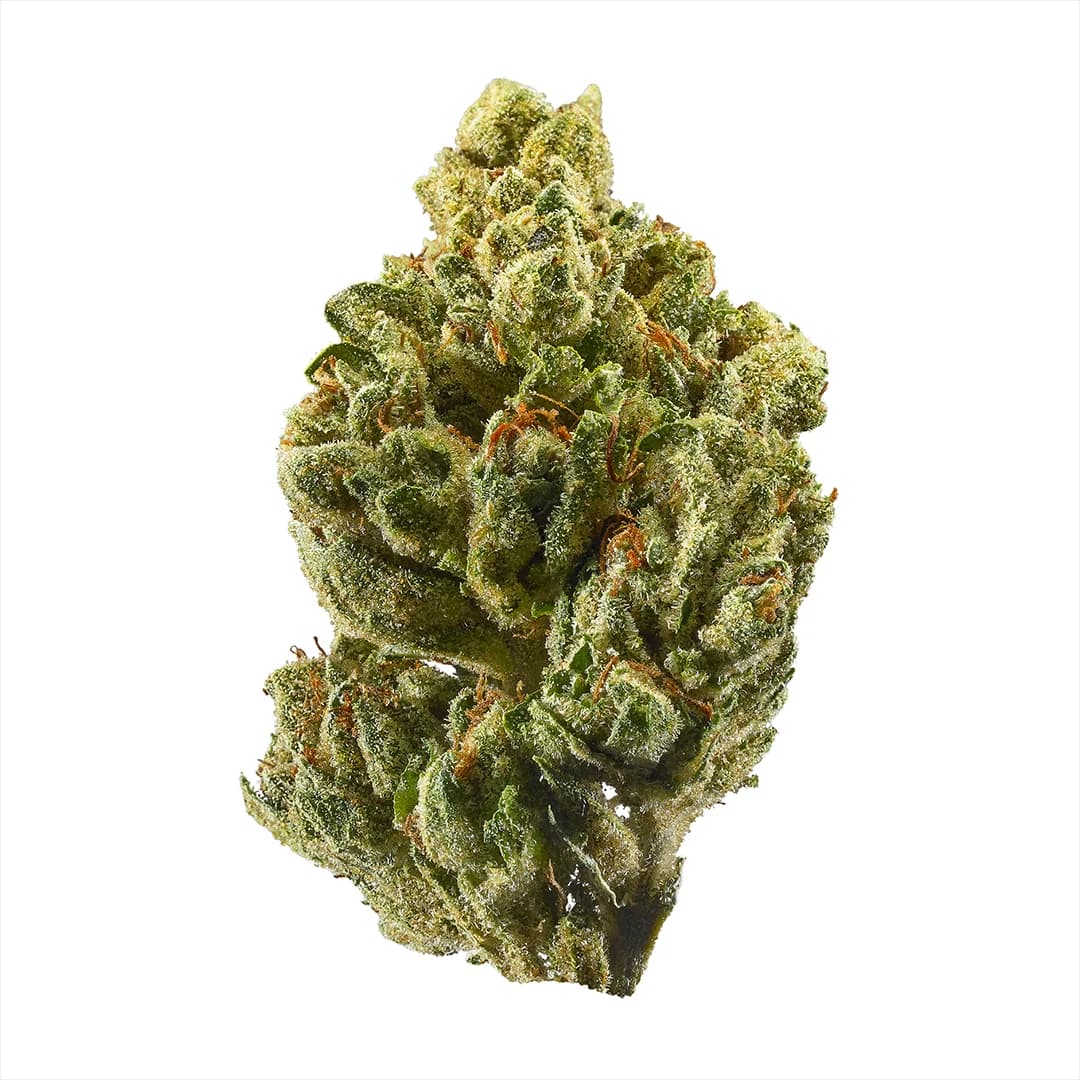
OG Kush
OG Kush is a hybrid name central to several later catalog families, including GSC and Headband. Leafly describes a Florida-to-California history but qualifies the proposed early cross rather than documenting a settled pedigree. Its listed aroma descriptors include wood, pine and earth, while its chemistry section names myrcene, limonene and caryophyllene. The uncertain origin story is retained as an attributed account; a shared OG name does not establish identical ancestry or chemistry.
Disputed parentage · Explore family ↓Compare this strain ↗Effects & flavor notes.
Explore the words people use to describe OG Kush.
Reported effects
6 reportedSubjective feelings described by readers.
These are subjective reports, not guaranteed effects or medical conclusions. The report total covers the whole profile; individual tag frequencies are unavailable.
How to read these reportsWhat this record can tell you
This summary uses only fields present in the record. Missing values are left unknown instead of being inferred.
- Evidence
- source linked6 reported effects5 unwanted-effect tags3 terpenes
- Top reports
- HappyRelaxedEuphoric
- Aroma clues
- MyrceneLimoneneWoodyPineEarthy
Common questions
What is documented for OG Kush?
This profile is source linked, 6 reported effects, 5 unwanted-effect tags, 3 terpenes. Read every value and tag within the scope of its attached source.
Do the reported effects predict an experience?
No. Effects and unwanted effects are reader-reported descriptors, not medical conclusions or a guarantee of an individual experience.
Where should I read next?
Read the guides on sources, chemistry and reported experiences, then compare this profile with another source-linked record.
The shape of this record
This visual summarizes documented fields and source-linked reference values. Effects are reported descriptors, not a prediction of individual response.
Parents, origins & family
Disputed parentage
Leafly recounts a proposed mix involving Chemdawg, Lemon Thai, Hindu Kush and an unnamed Northern California plant. The direct parent identities and crossing order are uncertain.
Reported ancestry
 ChemdawgOpen strain profileLeafly — og kush ↗
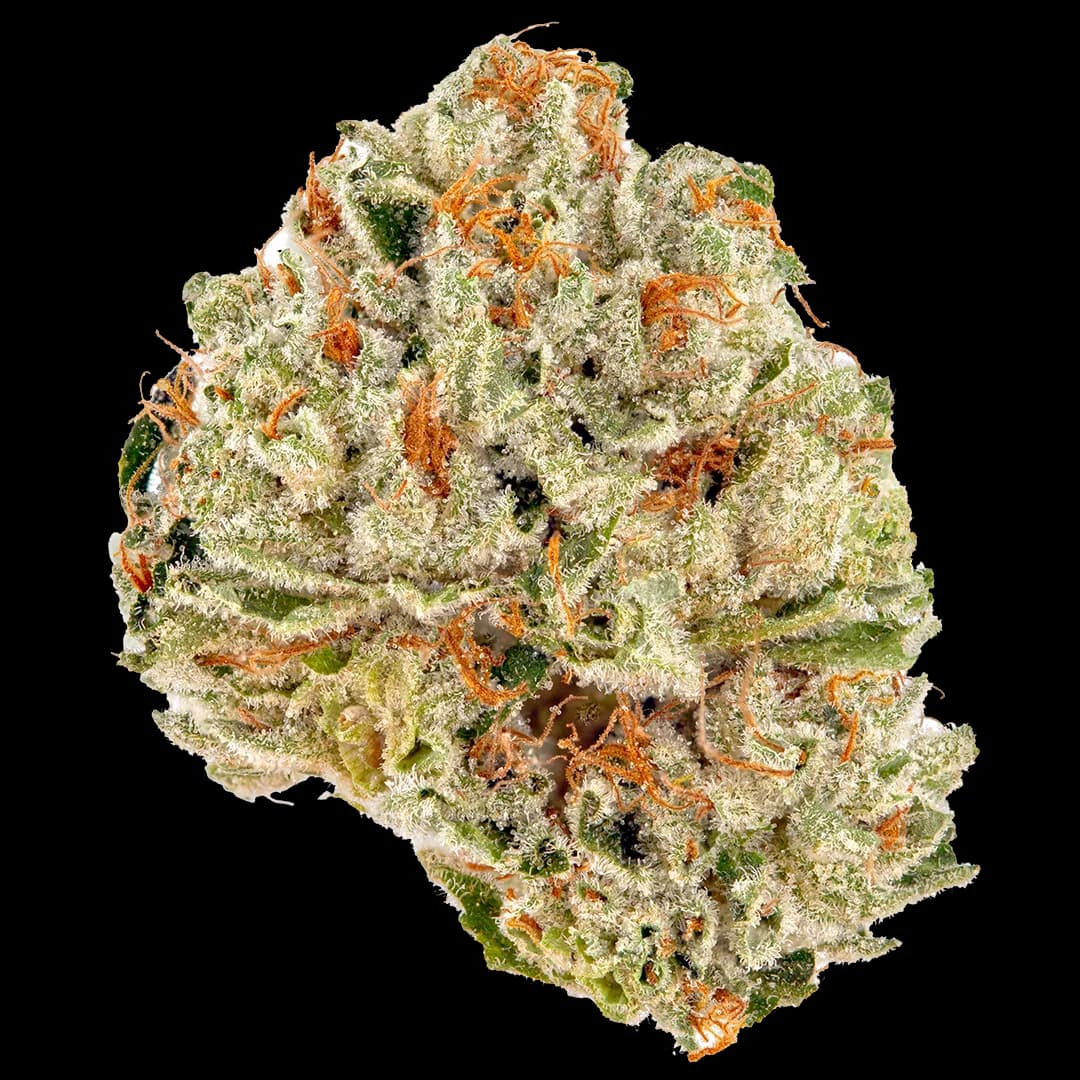 Lemon ThaiOpen strain profileLeafly — og kush ↗
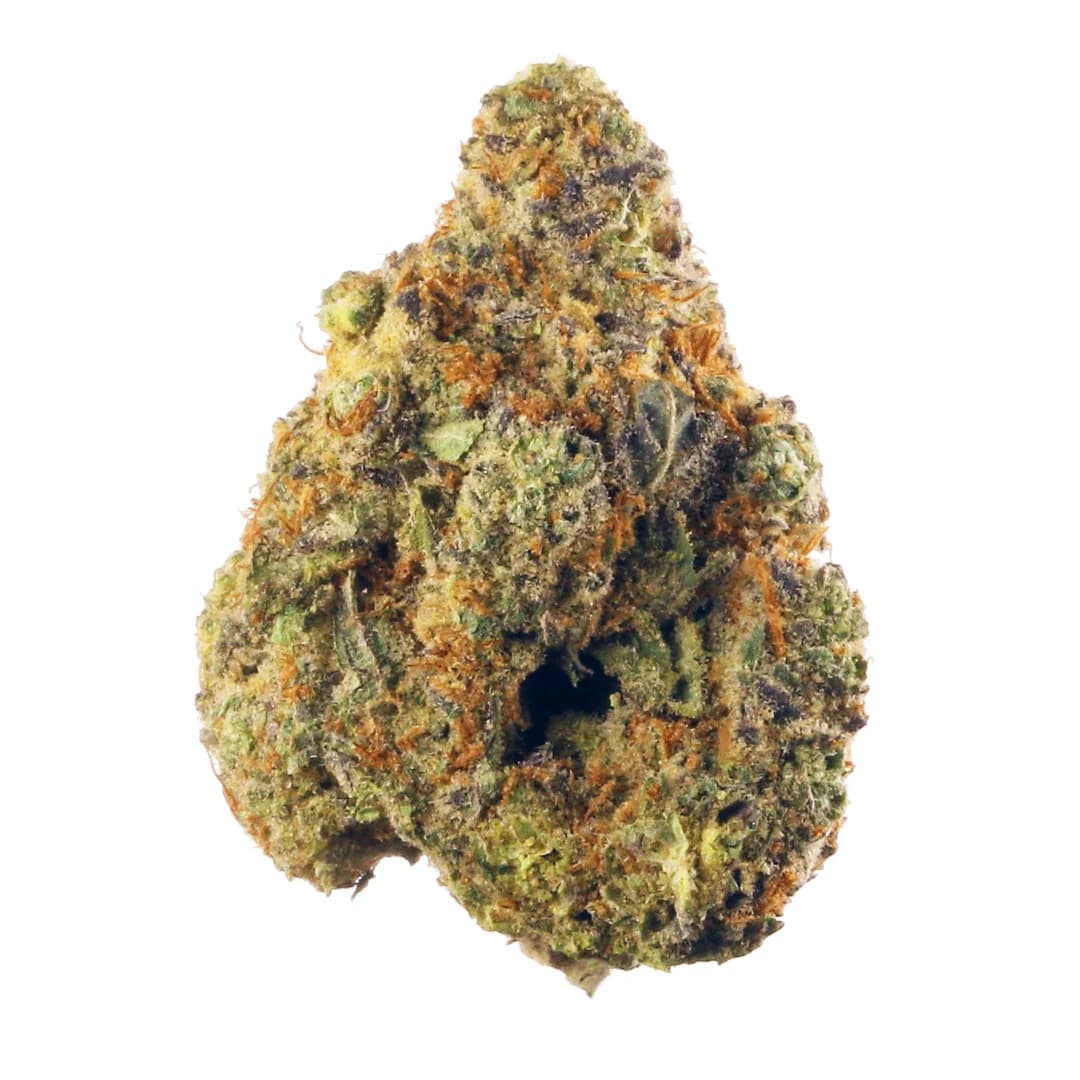 Hindu KushOpen strain profileLeafly — og kush ↗
Children & later selections 60
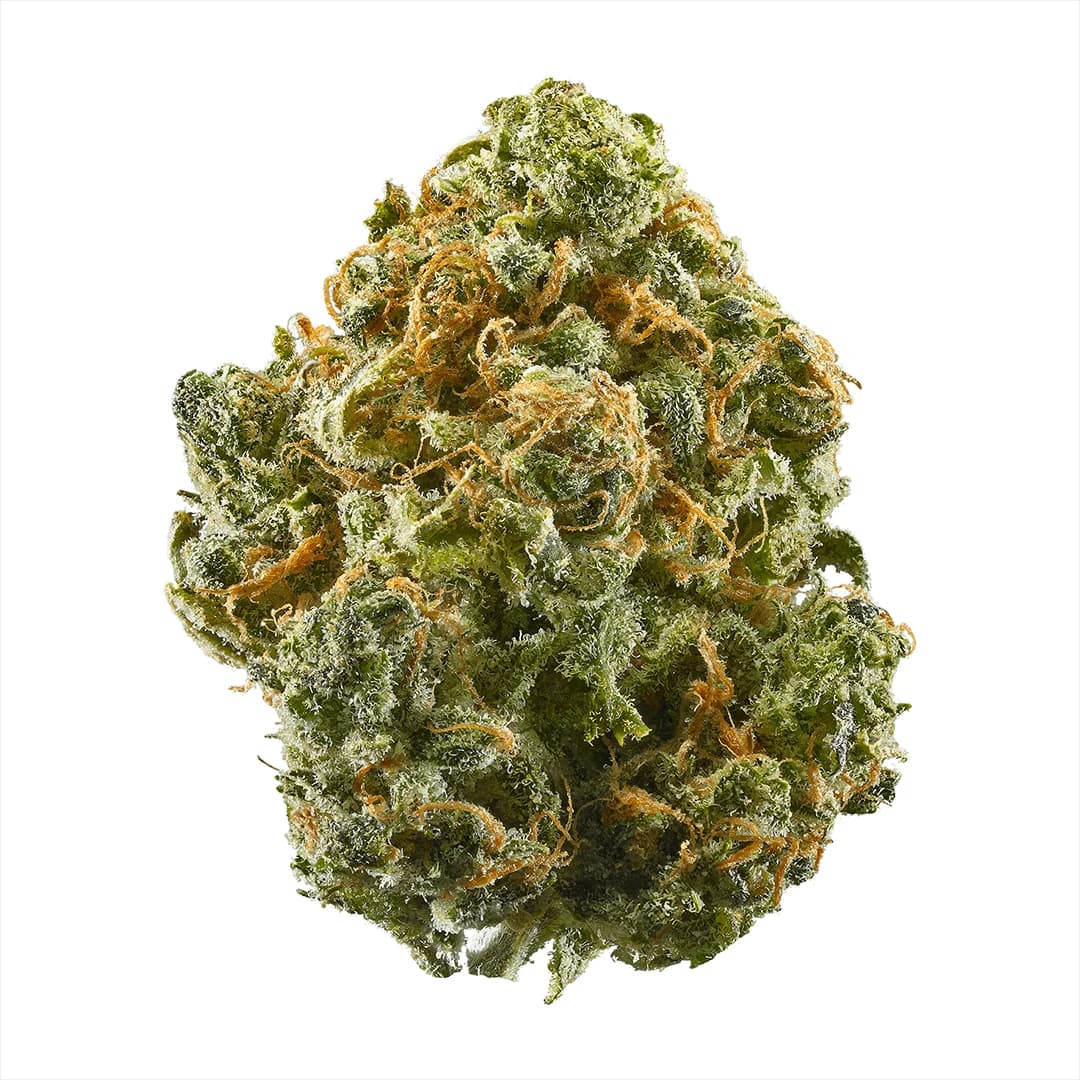 $100 OGOpen strain profile
Source diagram records family ancestry; intermediate generations and immediate-parent status are not established.
Hytiva — 100-og ↗Abusive OGOpen strain profileSource diagram records family ancestry; intermediate generations and immediate-parent status are not established.
Hytiva — abusive-og ↗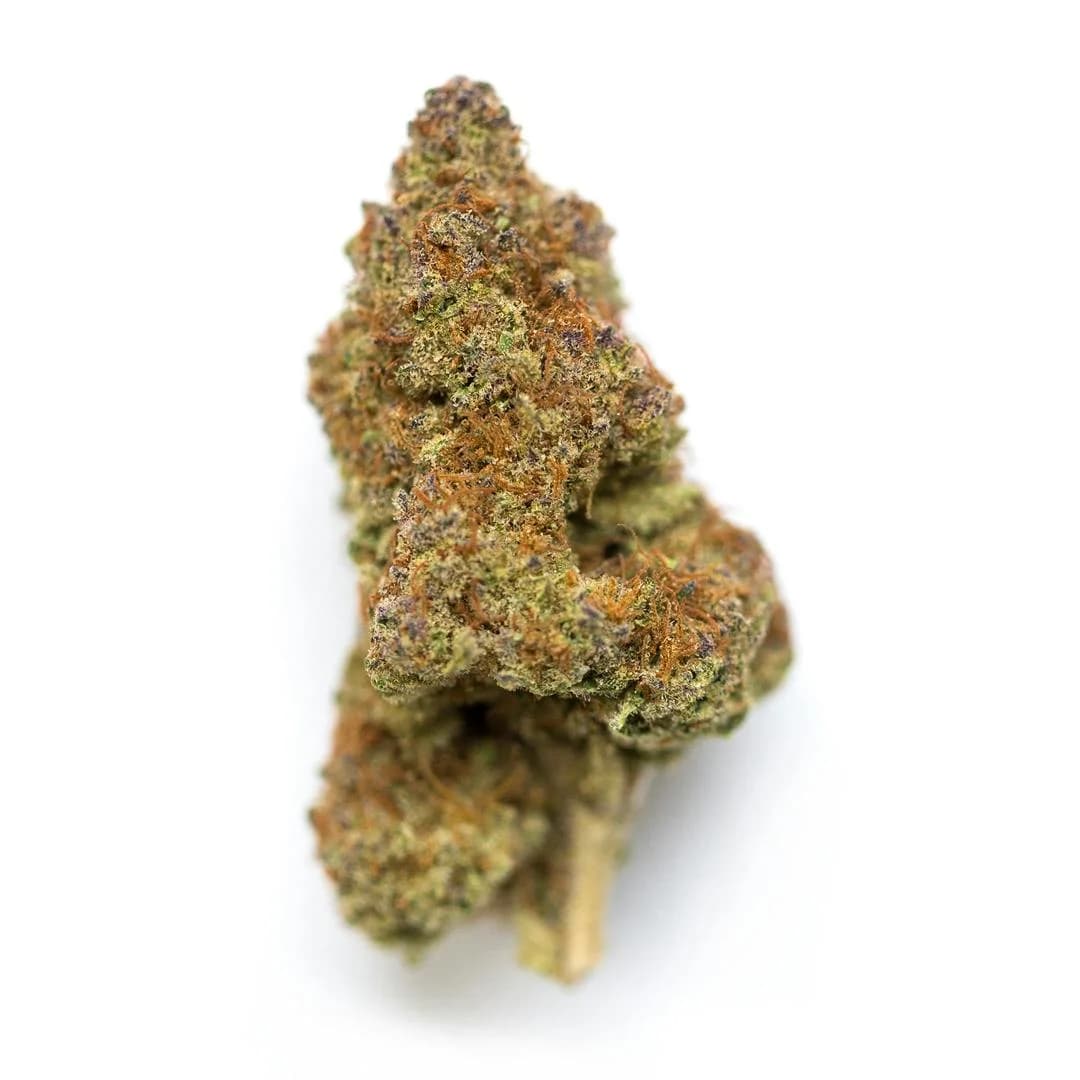 Banana OGOpen strain profile
Source-reported relationship; retained as attributed catalog lineage rather than genetic authentication.
Leafly — Banana OG identity and lineage ↗Blue OGOpen strain profileSource diagram records family ancestry; intermediate generations and immediate-parent status are not established.
Hytiva — blue-og ↗Blueberry KushOpen strain profileSource diagram records family ancestry; intermediate generations and immediate-parent status are not established.
Hytiva — blueberry-kush ↗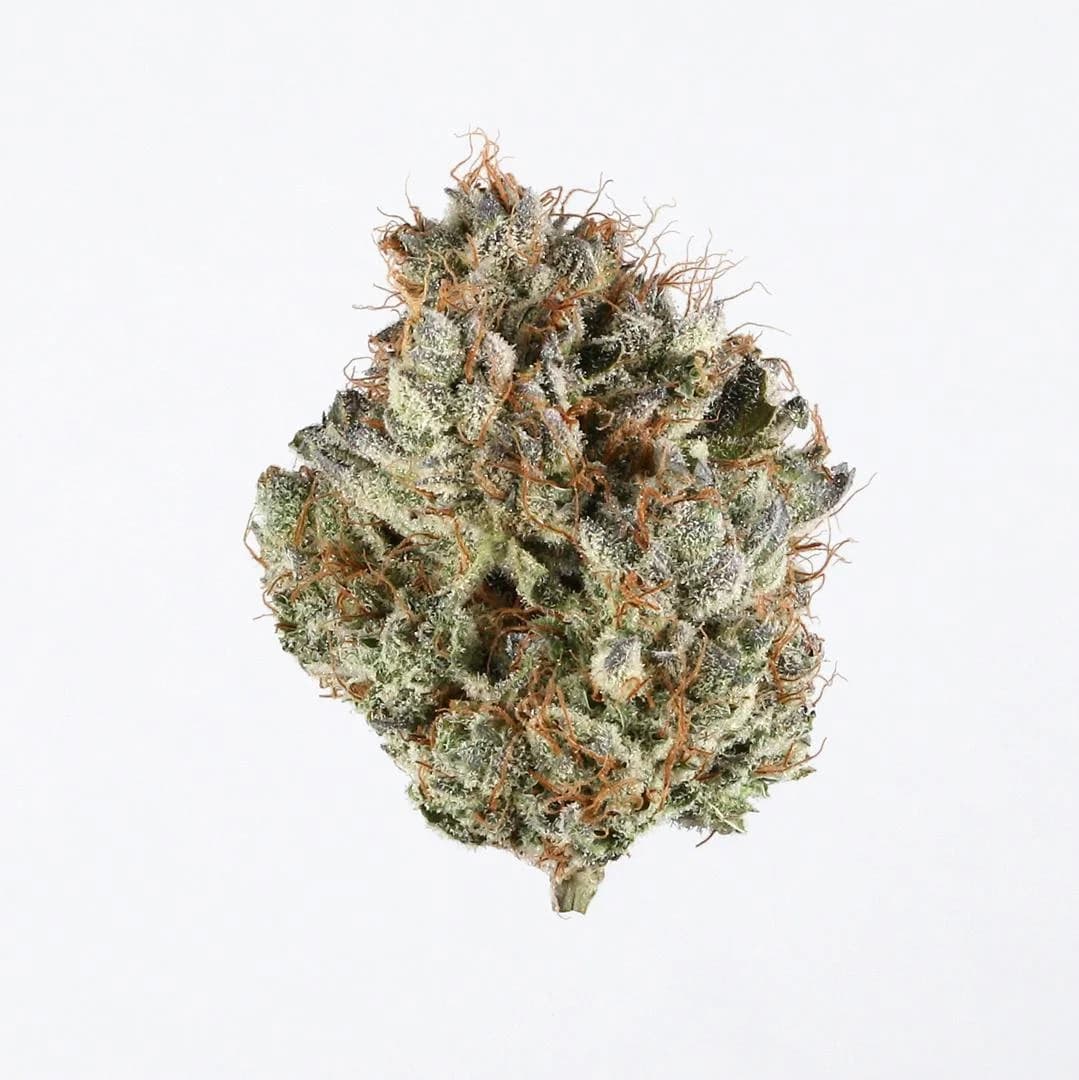 Blueberry OGOpen strain profile
The Blueberry phenotype and OG Kush connection is source-reported. Narrative CBD claims and the displayed 0% reference value are inconsistent and require sample-specific corroboration.
Leafly — Blueberry OG identity and lineage ↗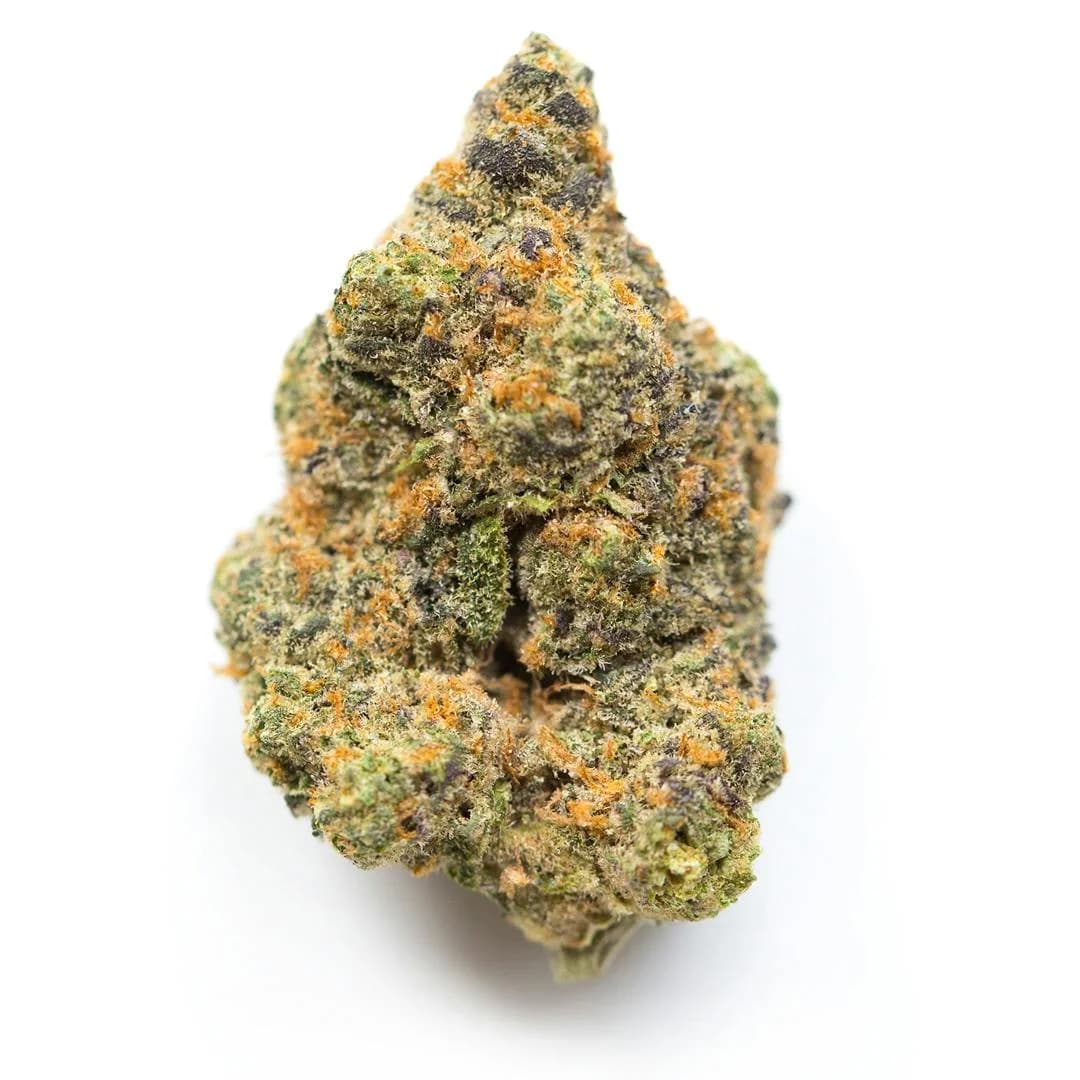 Bruce BannerOpen strain profile
Reported parent in the linked Leafly profile; not genetically authenticated.
Leafly — Bruce Banner identity and lineage ↗Bruce Banner #3Open strain profileSource-reported relationship from the named reference; not genetic authentication of every sample.
AllBud — bruce-banner-3 ↗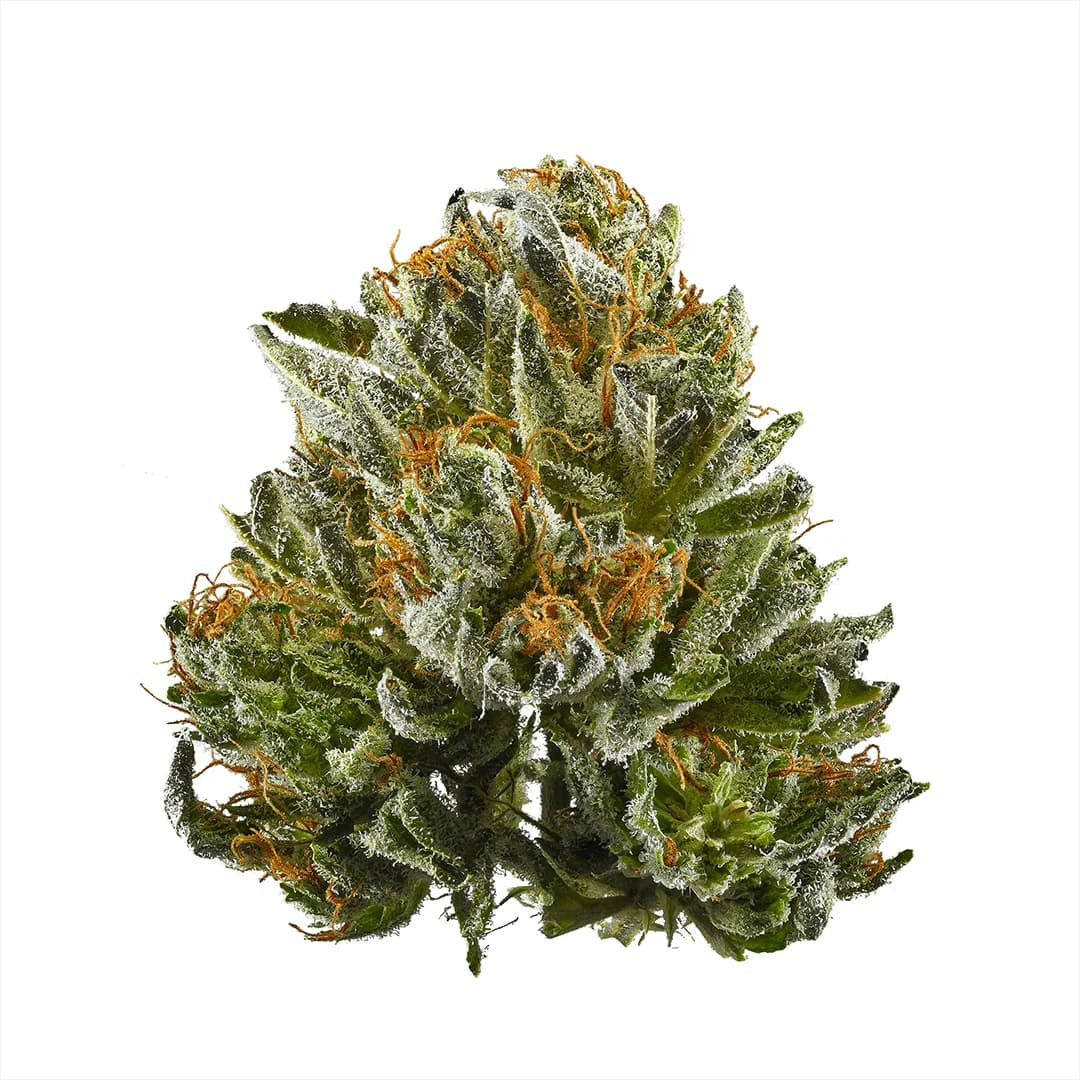 Bubba KushOpen strain profileLeafly — bubba kush ↗
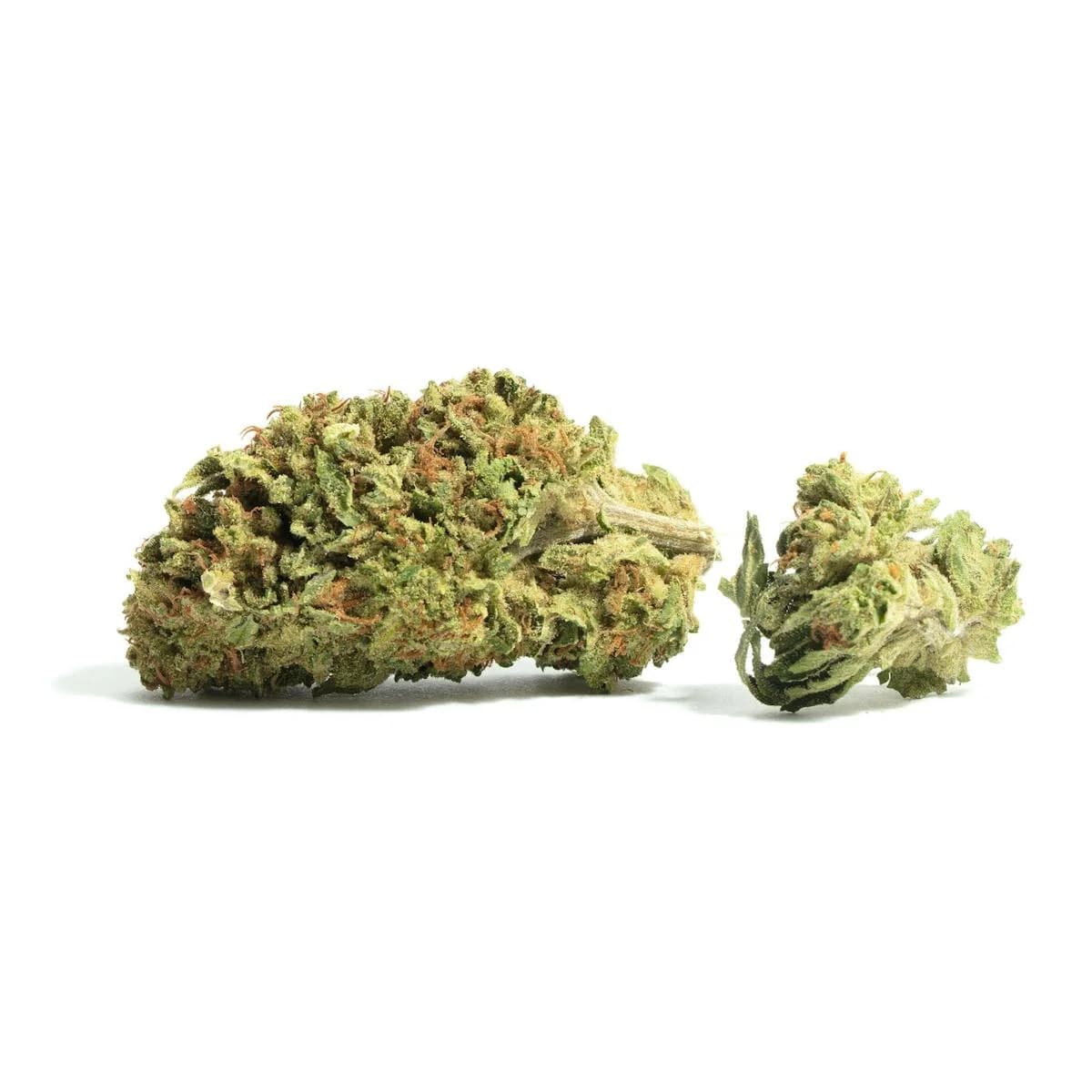 Burmese KushOpen strain profile
Only the OG Kush connection is explicit in the reviewed narrative. The complete cross remains unverified.
Leafly — Burmese Kush identity and lineage ↗Church OGOpen strain profileSource-reported relationship from the named reference; not genetic authentication of every sample.
AllBud — church-og ↗Durban KushOpen strain profileSource-reported relationship from the named reference; not genetic authentication of every sample.
AllBud — durban-kush ↗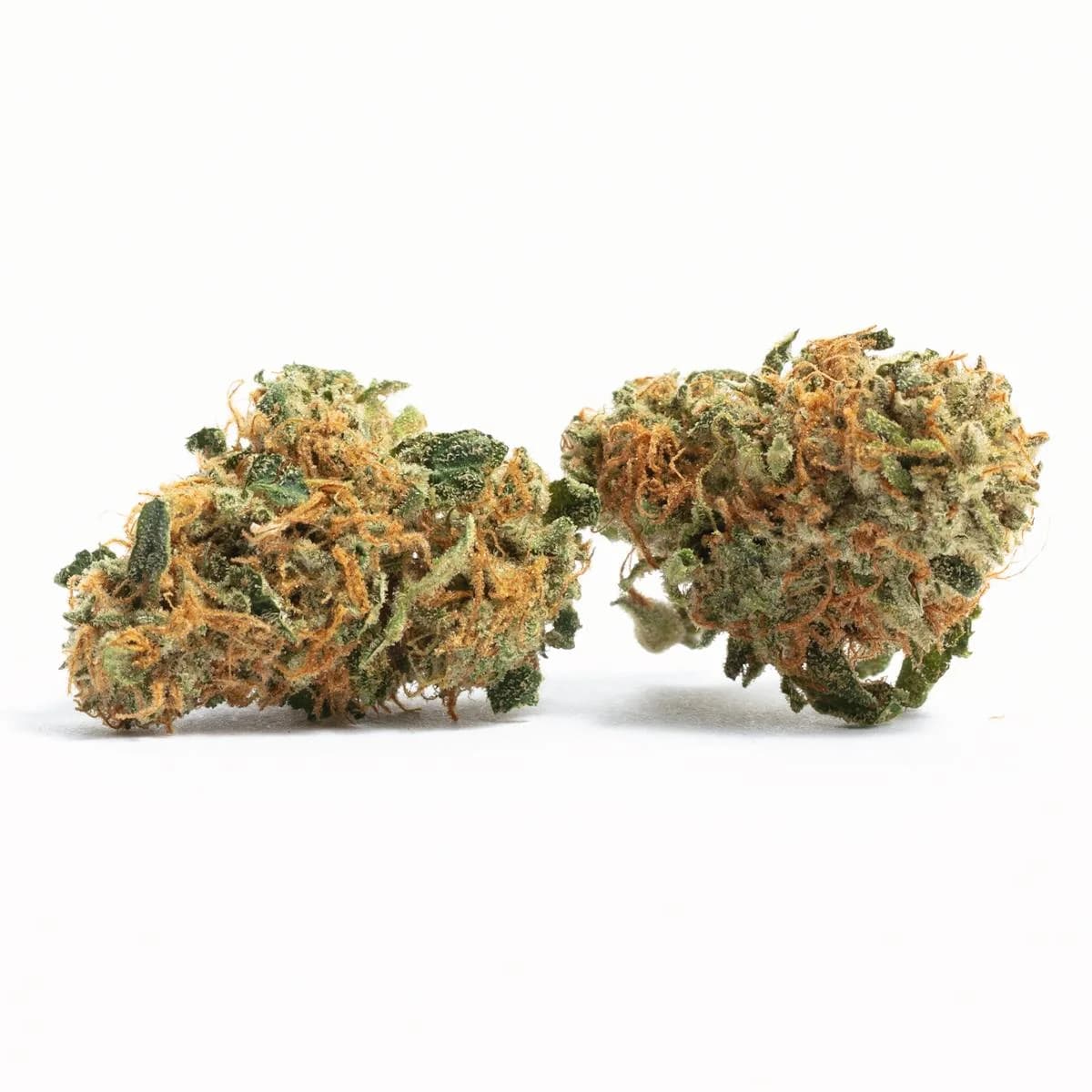 Face Off OGOpen strain profile
Named selection from this family; not a separate two-parent cross.
Leafly — Face Off OG identity and lineage ↗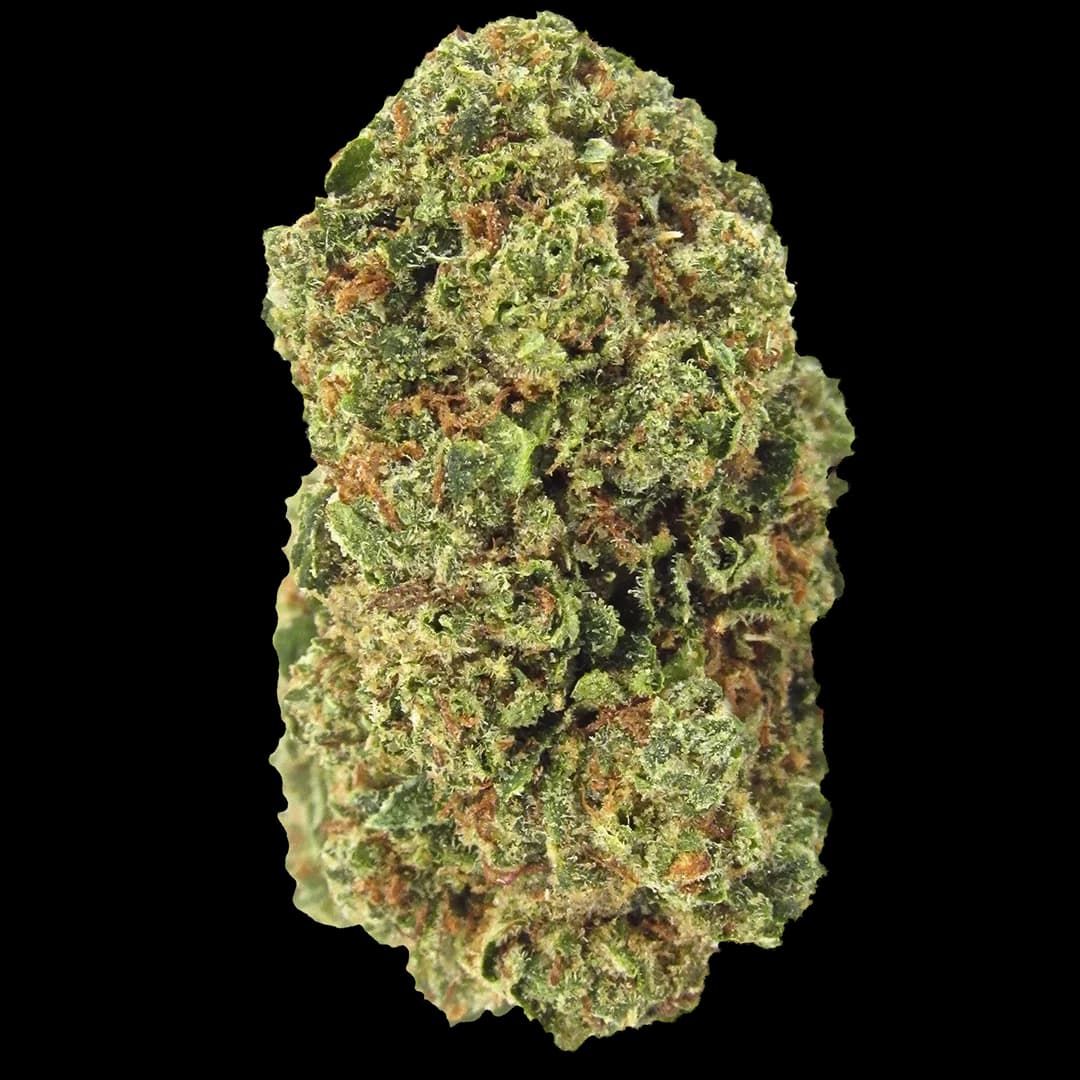 Fire OGOpen strain profile
Reported parent in the linked Leafly profile; not genetically authenticated.
Leafly — Fire OG identity and lineage ↗Fortune CookiesOpen strain profileSource-reported relationship from the named reference; not genetic authentication of every sample.
AllBud — fortune-cookies ↗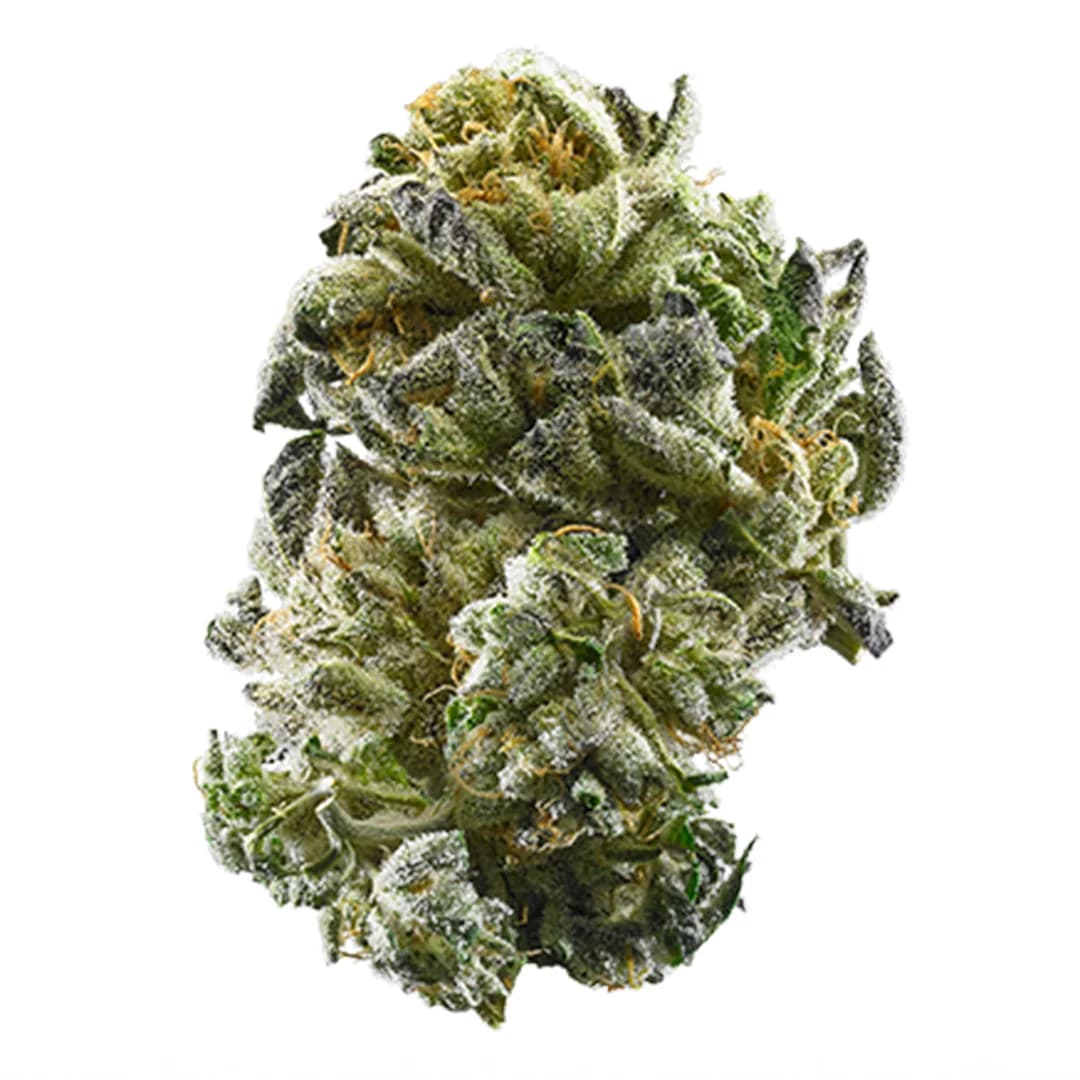 GSCOpen strain profileLeafly — gsc ↗
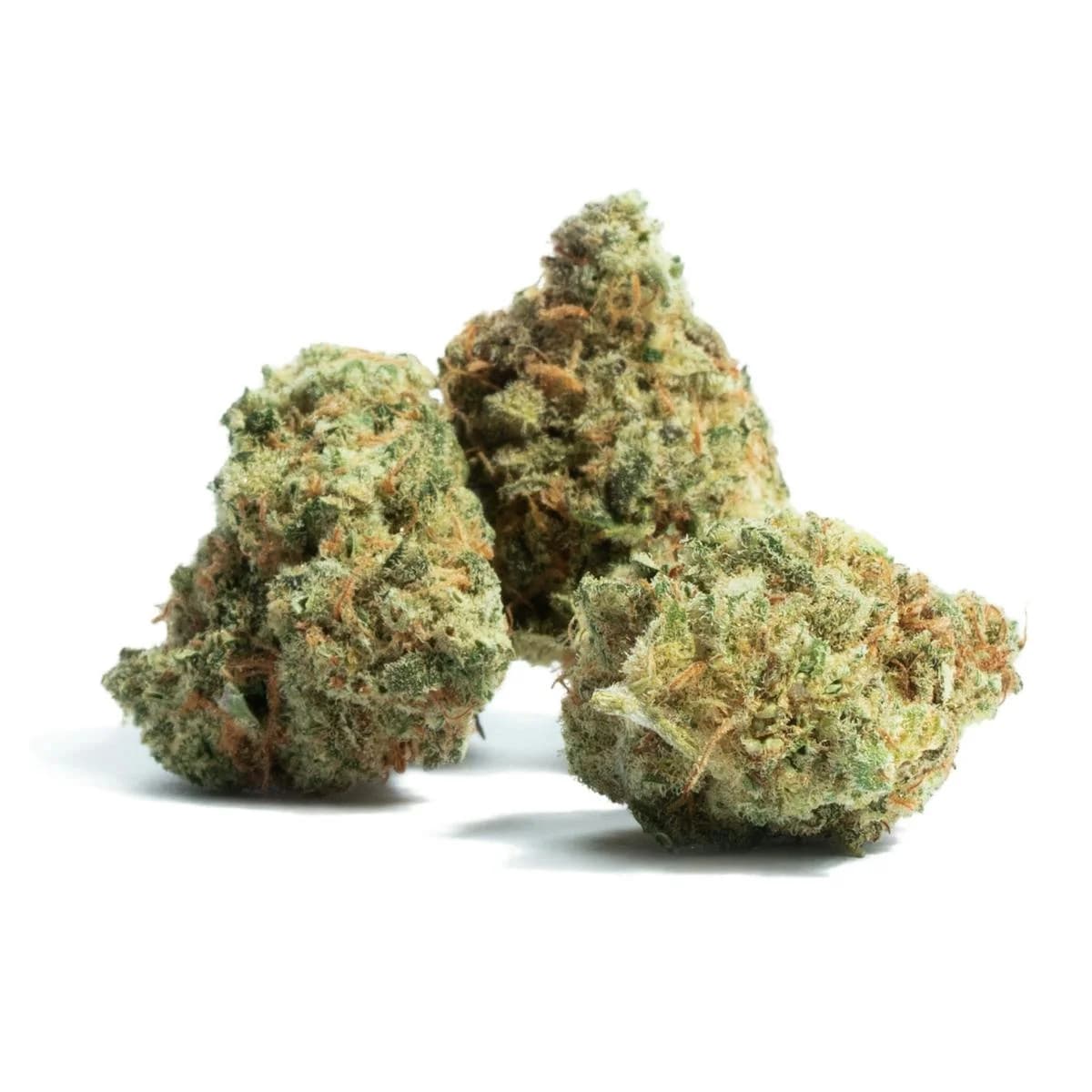 Ghost OGOpen strain profile
The linked source explicitly describes an OG Kush cut. A selection link is used rather than a reported cross.
Leafly — Ghost OG identity and lineage ↗God's GiftOpen strain profileSource diagram records family ancestry; intermediate generations and immediate-parent status are not established.
Hytiva — god-s-gift ↗Grandpa’s BreathOpen strain profileSource-reported relationship from the named reference; not genetic authentication of every sample.
Hytiva — grandpas-breath ↗Gucci OGOpen strain profileSource diagram records family ancestry; intermediate generations and immediate-parent status are not established.
Hytiva — gucci-og ↗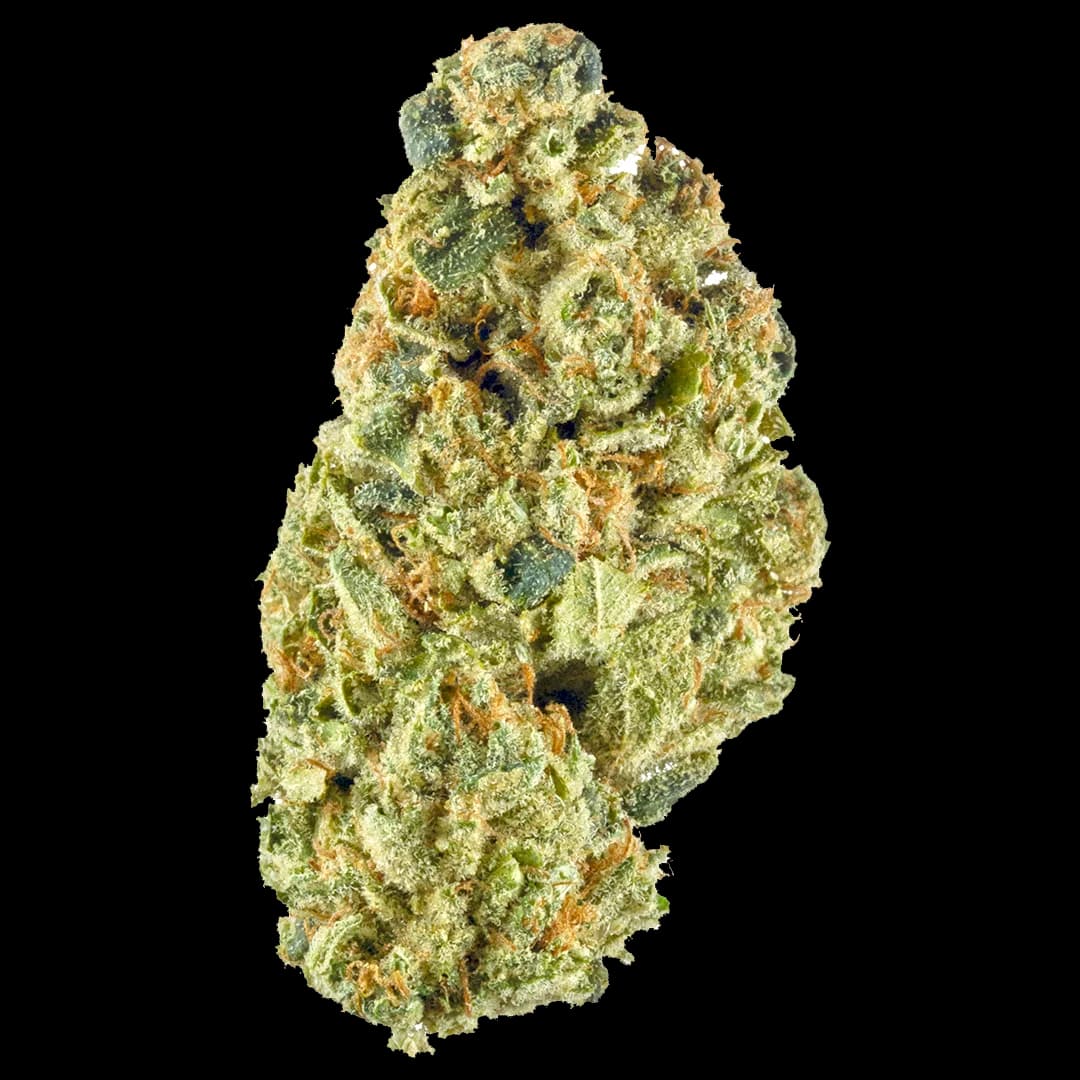 HeadbandOpen strain profile
Reported parent in the linked Leafly profile; not genetically authenticated.
Leafly — Headband identity and lineage ↗Hell's OGOpen strain profileSource-reported relationship from the named reference; not genetic authentication of every sample.
Hytiva — hell-s-og ↗Hellfire OGOpen strain profileSource diagram records family ancestry; intermediate generations and immediate-parent status are not established.
Hytiva — hellfire-og ↗Jupiter OGOpen strain profileSource diagram records family ancestry; intermediate generations and immediate-parent status are not established.
Hytiva — jupiter-og ↗Kandy KushOpen strain profileSource diagram records family ancestry; intermediate generations and immediate-parent status are not established.
Hytiva — kandy-kush ↗Key Lime PieOpen strain profileSource diagram records family ancestry; intermediate generations and immediate-parent status are not established.
Hytiva — key-lime-pie ↗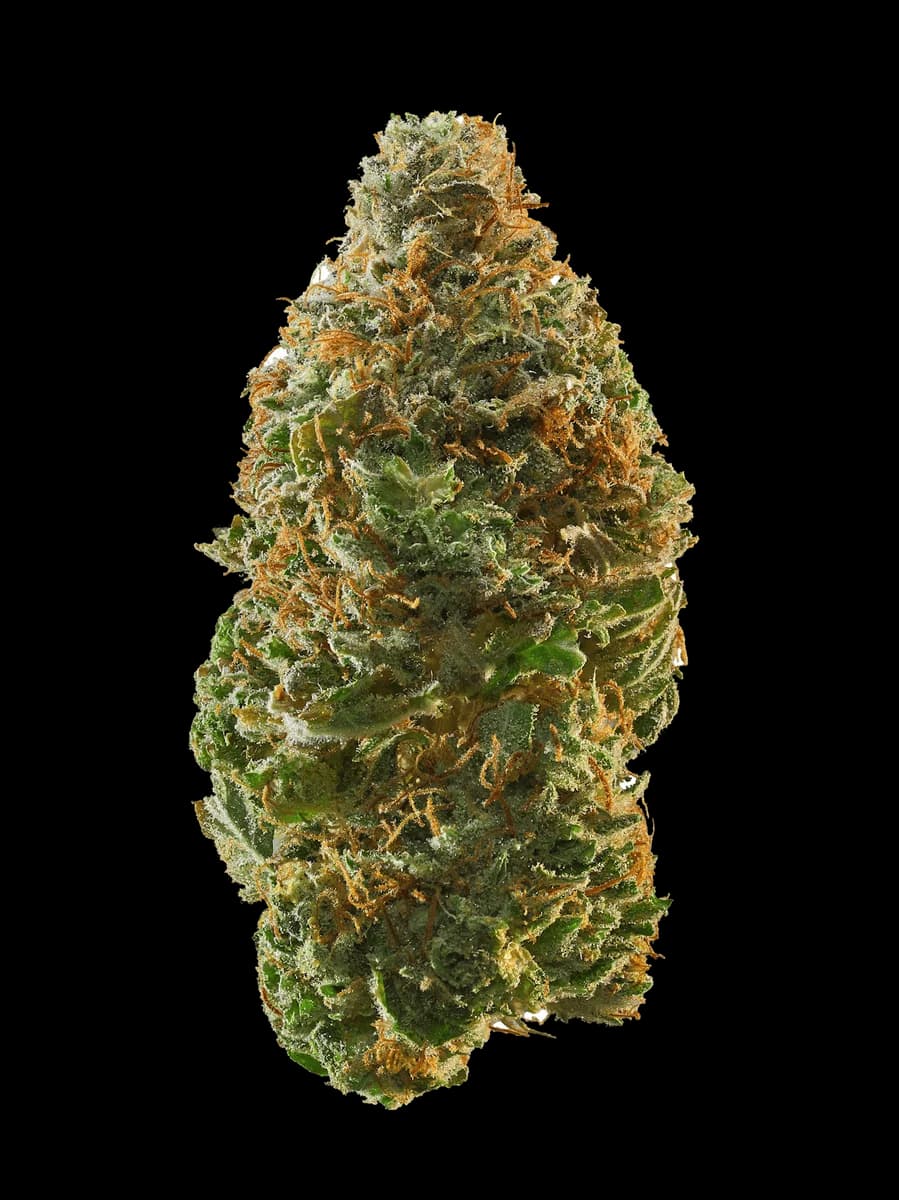 Kosher KushOpen strain profile
Reported background; the complete sequence of crosses is not documented.
Leafly — Kosher Kush identity and lineage ↗KushberryOpen strain profileSource diagram records family ancestry; intermediate generations and immediate-parent status are not established.
Hytiva — kushberry ↗LA OGOpen strain profileSource diagram records family ancestry; intermediate generations and immediate-parent status are not established.
Hytiva — la-og ↗ Larry OGOpen strain profile
Reported parent in the linked Leafly profile; not genetically authenticated.
Leafly — Larry OG identity and lineage ↗Legend OGOpen strain profileSource diagram records family ancestry; intermediate generations and immediate-parent status are not established.
Hytiva — legend-og ↗Lemonhead OGOpen strain profileSource-reported relationship from the named reference; not genetic authentication of every sample.
Hytiva — lemonhead-og ↗MK UltraOpen strain profileSource-reported relationship from the named reference; not genetic authentication of every sample.
Hytiva — mk-ultra ↗Monster OGOpen strain profileSource diagram records family ancestry; intermediate generations and immediate-parent status are not established.
Hytiva — monster-og ↗ OG #18Open strain profile
The source explicitly identifies an OG Kush phenotype. No second parent is invented.
Leafly — OG #18 identity and lineage ↗OG ChemOpen strain profileSource diagram records family ancestry; intermediate generations and immediate-parent status are not established.
Hytiva — og-chem ↗Obama KushOpen strain profileSource diagram records family ancestry; intermediate generations and immediate-parent status are not established.
Hytiva — obama-kush ↗Ocean BeachOpen strain profileSource diagram records family ancestry; intermediate generations and immediate-parent status are not established.
Hytiva — ocean-beach ↗Orange KushOpen strain profileSource diagram records family ancestry; intermediate generations and immediate-parent status are not established.
Hytiva — orange-kush ↗Phantom OGOpen strain profileSource diagram records family ancestry; intermediate generations and immediate-parent status are not established.
Hytiva — phantom-og ↗Pineapple OGOpen strain profileSource diagram records family ancestry; intermediate generations and immediate-parent status are not established.
Hytiva — pineapple-og ↗ Platinum CookiesOpen strain profile
Source-reported relationship; retained as attributed catalog lineage rather than genetic authentication.
Leafly — Platinum Cookies identity and lineage ↗Platinum KushOpen strain profileSource diagram records family ancestry; intermediate generations and immediate-parent status are not established.
Hytiva — platinum-kush ↗Platinum OGOpen strain profileSource diagram records family ancestry; intermediate generations and immediate-parent status are not established.
Hytiva — platinum-og ↗Presidential OGOpen strain profileSource-reported relationship from the named reference; not genetic authentication of every sample.
Hytiva — presidential-og ↗Pure KushOpen strain profileSource-reported relationship from the named reference; not genetic authentication of every sample.
Hytiva — pure-kush ↗Purple OG KushOpen strain profileSource diagram records family ancestry; intermediate generations and immediate-parent status are not established.
Hytiva — purple-og-kush ↗Race Fuel OGOpen strain profileSource diagram records family ancestry; intermediate generations and immediate-parent status are not established.
Hytiva — race-fuel-og ↗Raskal OGOpen strain profileSource diagram records family ancestry; intermediate generations and immediate-parent status are not established.
Hytiva — raskal-og ↗ SFV OGOpen strain profile
Reported background; the complete sequence of crosses is not documented.
Leafly — SFV OG identity and lineage ↗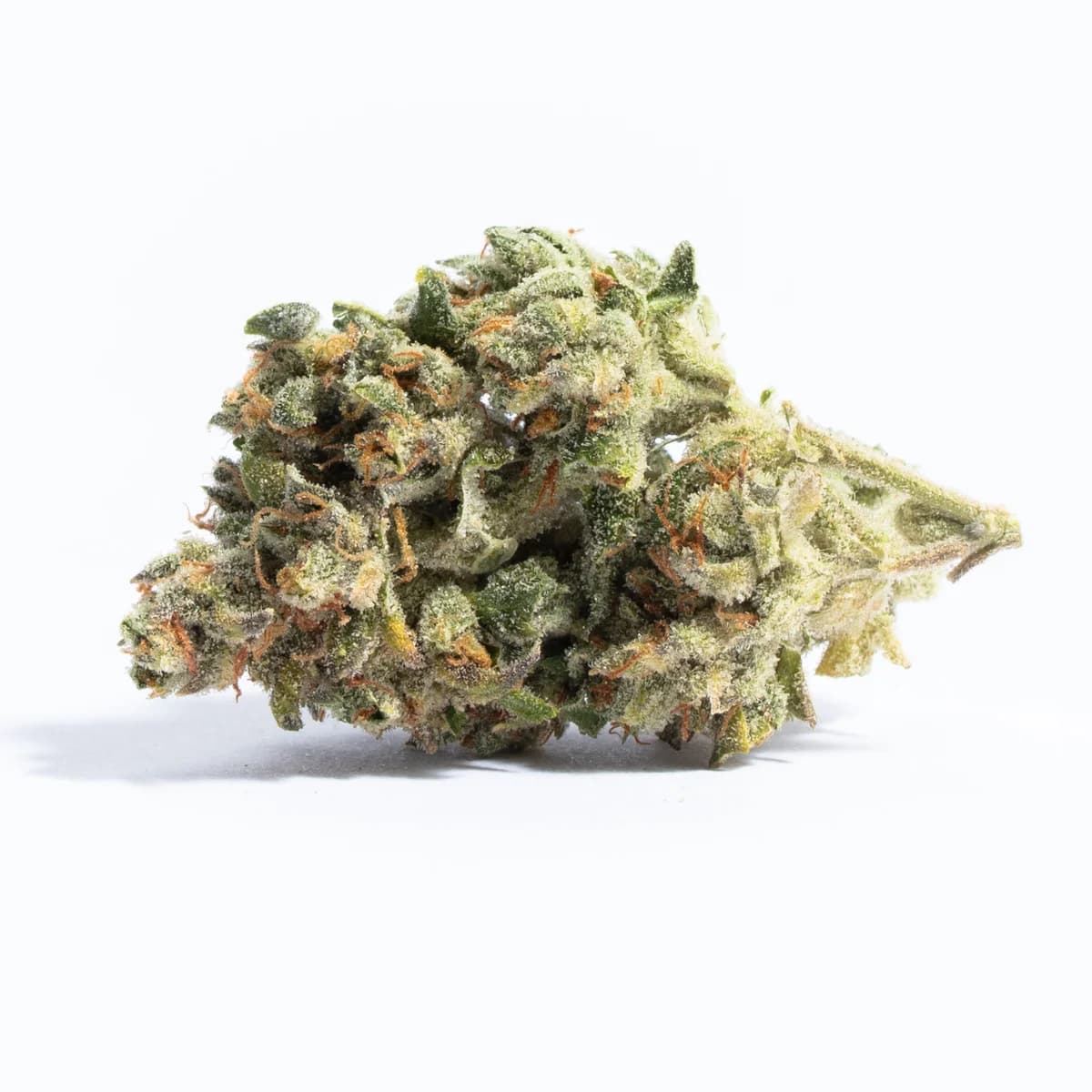 Skywalker OGOpen strain profile
Uncertain source-reported relationship; see the profile lineage note for competing accounts.
Leafly — Skywalker OG identity and lineage ↗Sour KushOpen strain profileSource diagram records family ancestry; intermediate generations and immediate-parent status are not established.
Hytiva — sour-kush ↗Strawberry KushOpen strain profileSource-reported relationship from the named reference; not genetic authentication of every sample.
Hytiva — strawberry-kush ↗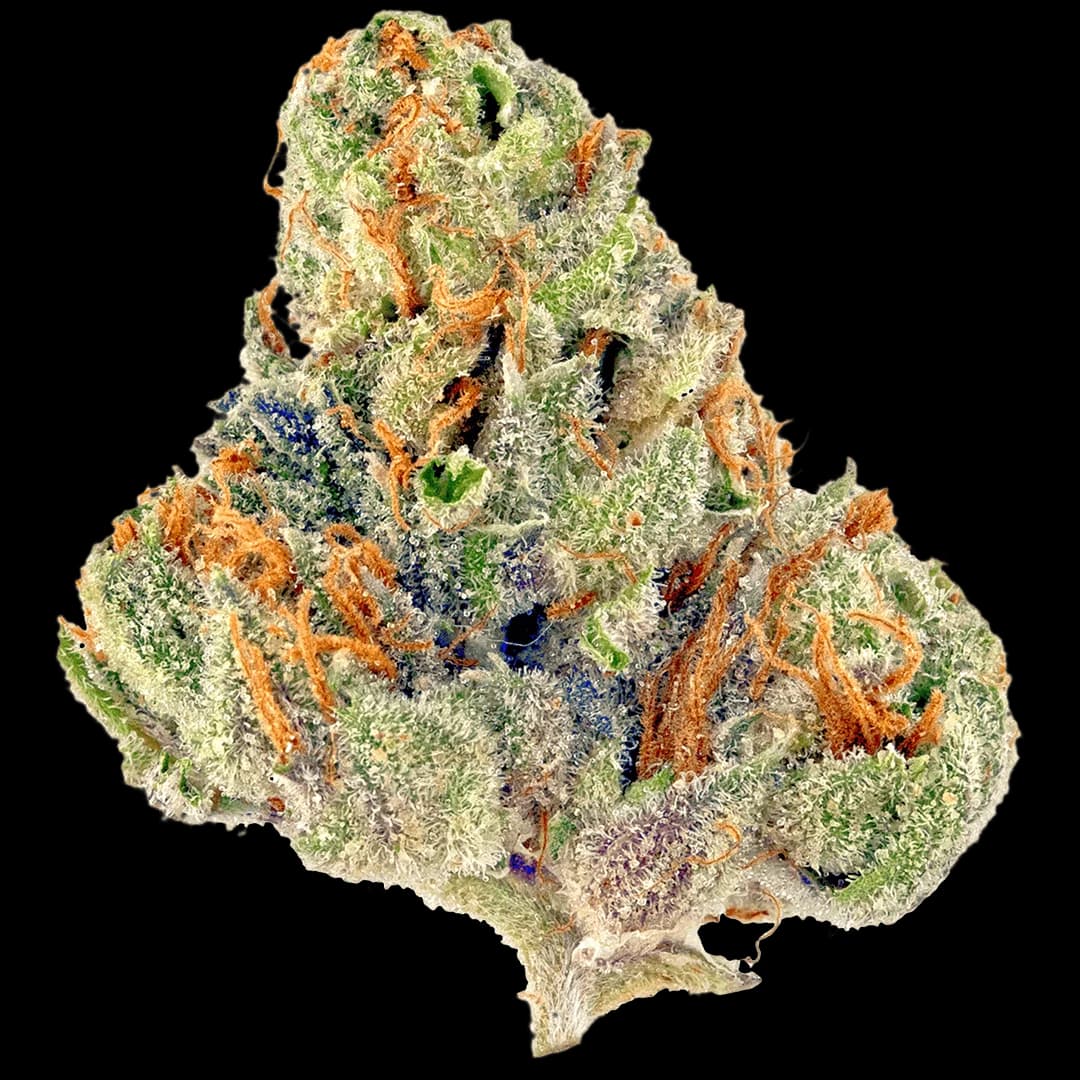 Tahoe OGOpen strain profile
Named selection from this family; not a separate two-parent cross.
Leafly — Tahoe OG identity and lineage ↗Thin Mint GSCOpen strain profileSource diagram records family ancestry; intermediate generations and immediate-parent status are not established.
Hytiva — thin-mint-gsc ↗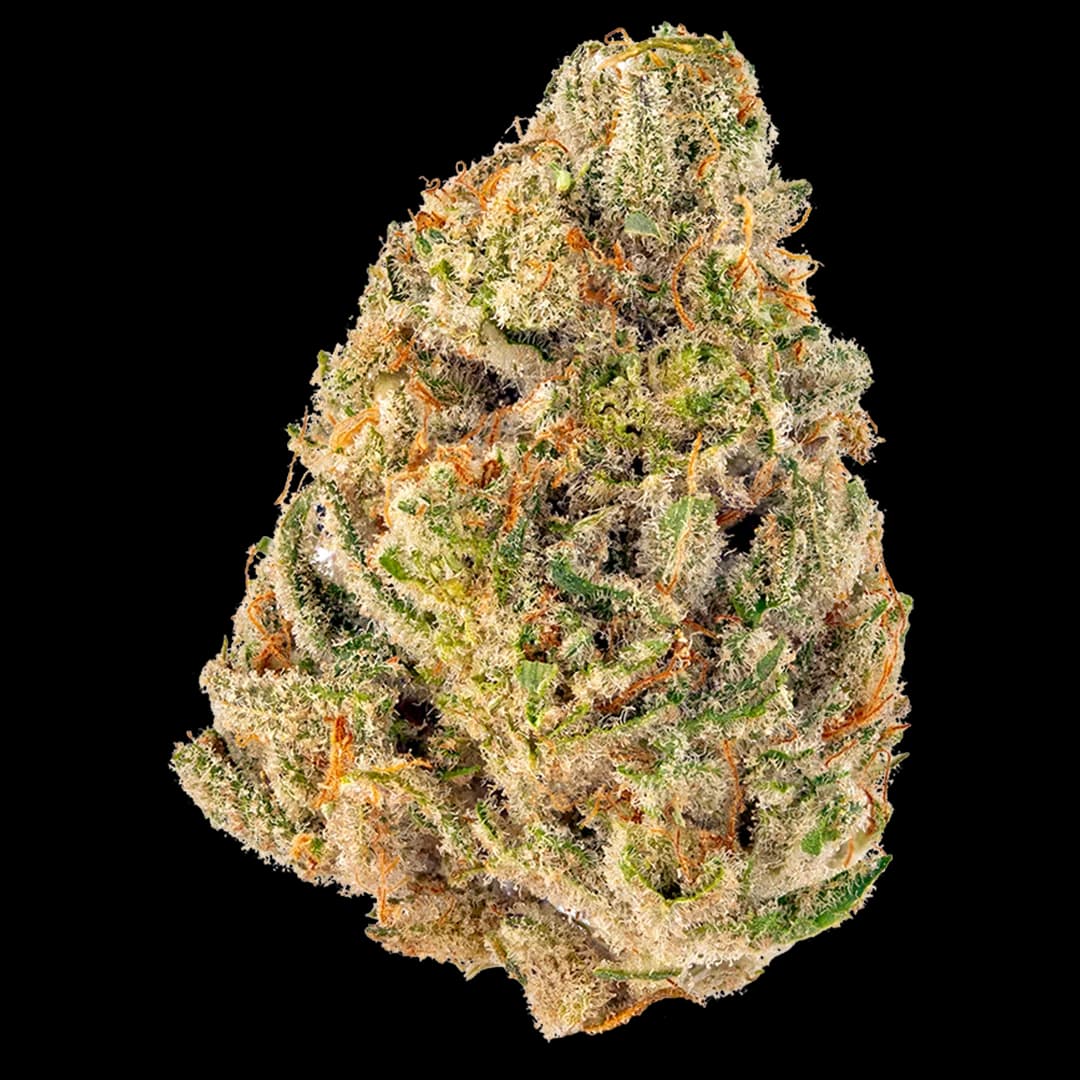 Triangle KushOpen strain profile
Source diagram records family ancestry; intermediate generations and immediate-parent status are not established.
Hytiva — triangle-kush ↗True OGOpen strain profileSource-reported relationship from the named reference; not genetic authentication of every sample.
Hytiva — true-og ↗XXX OGOpen strain profileSource diagram records family ancestry; intermediate generations and immediate-parent status are not established.
Hytiva — xxx-og ↗Yoda OGOpen strain profileSource diagram records family ancestry; intermediate generations and immediate-parent status are not established.
Hytiva — yoda-og ↗Zombie OGOpen strain profileSource diagram records family ancestry; intermediate generations and immediate-parent status are not established.
Hytiva — zombie-og ↗How to read these relationships
Parent links describe a reported cross. Ancestry components may be several generations back. A phenotype selection comes from a named line rather than a new two-parent cross. Disputed links retain the uncertainty of their source.
Names in this catalog open a strain profile. Other names open the reference describing the relationship. The family view shows the links currently documented here, not every known descendant.
Cannabinoid profile
Leafly catalog summary values, not laboratory results for a specific sample. A displayed 0% is a rounded source value, not proof of absence. Unlisted cannabinoids remain unknown.
Leafly source ↗ · Checked 2026-09-16Concentrations vary by sample. A cultivar name alone does not establish potency.
Terpenes & aroma
Catalog-listed terpenes. Dominance is shown only where the source states it; percentages are unavailable unless separately recorded.
Similar strains
Similarity uses catalog reference chemistry, reported attributes and lineage. Missing data is excluded; this is not an effects prediction.
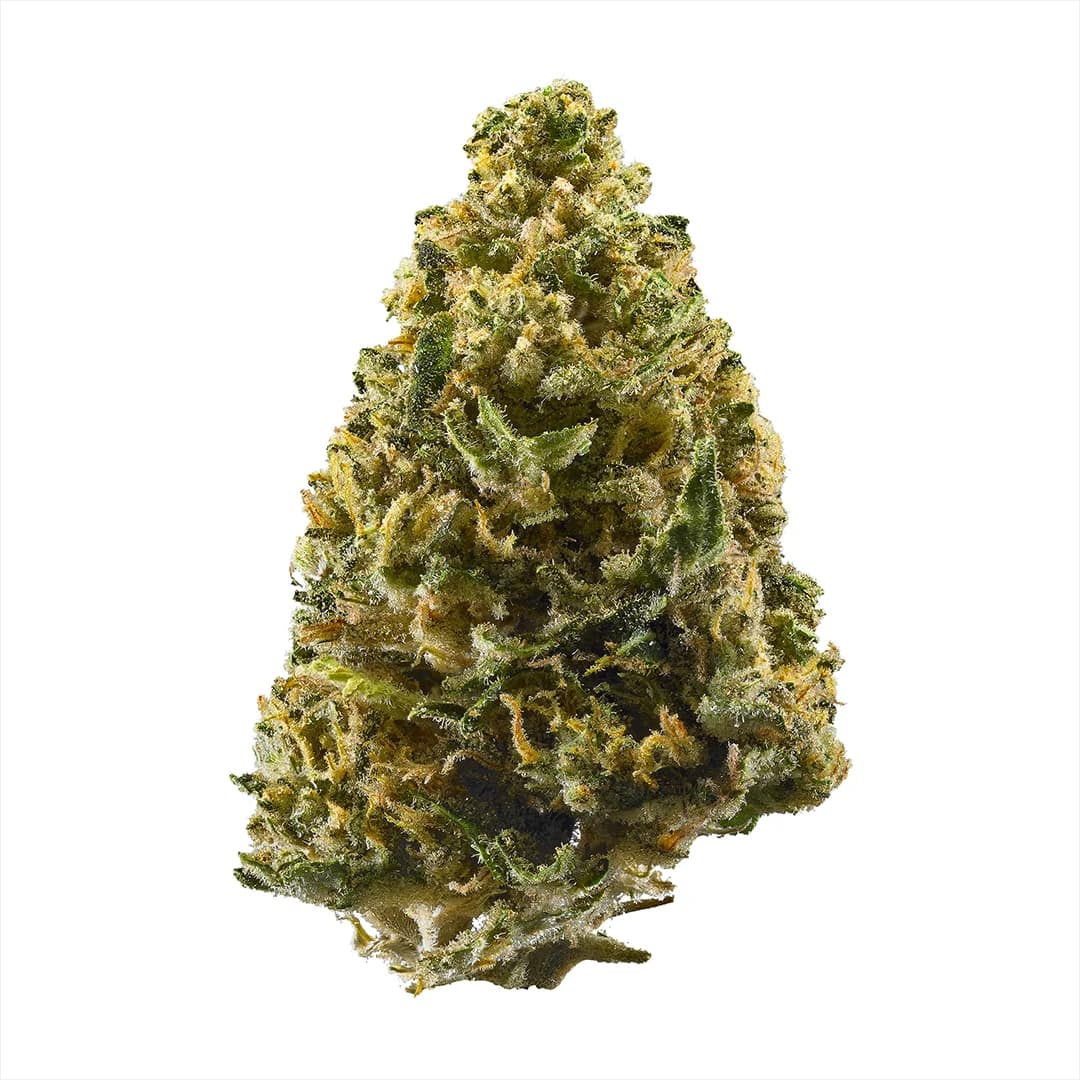
Northern Lights is listed by Leafly as an indica with reported Afghani and Thai ancestry. Its history section treats the Seattle origin story as a rumor and describes later distribution through the Netherlands. That uncertainty is part of the record, not a missing detail to fill by guesswork. Pine, earth and wood appear in its reader flavor tags. Numbered selections such as Northern Lights #5 require their own provenance rather than automatic equivalence with this broader entry.
Reported parentage ↗Tahoe OG is described in the catalog as a phenotype of OG Kush rather than as a separately documented two-parent cross, with Tahoe OG Kush recorded as another name. Earthy, pine and woody are reader-reported flavor descriptors, while caryophyllene, limonene and myrcene are listed as source terpene labels. This profile preserves the phenotype distinction because a name can describe a selected expression within a family rather than a new pedigree. The record does not establish that every Tahoe OG-labelled sample has the same chemistry or response.
Phenotype selection ↗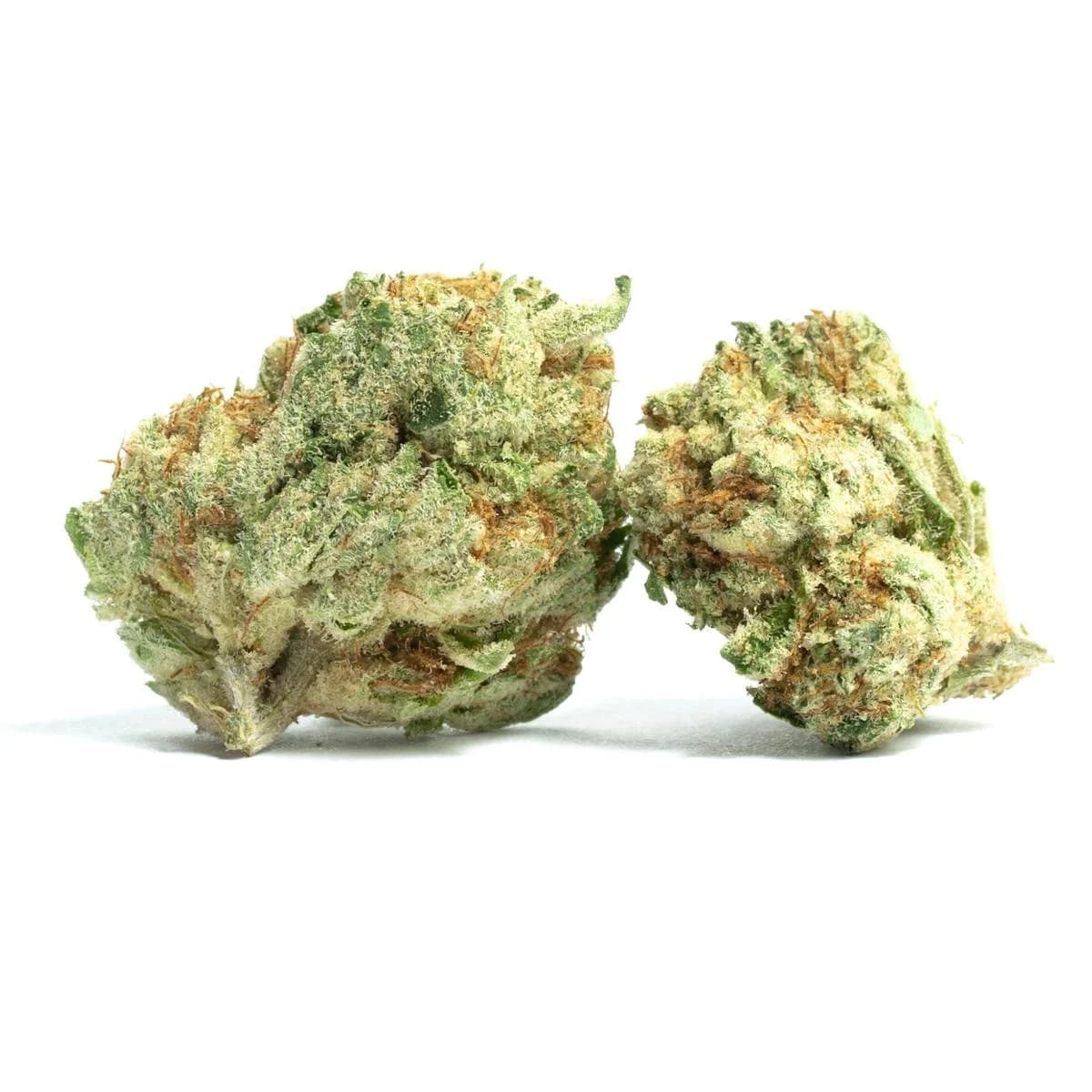
The White is presented by Leafly as a hybrid catalog entry. The source account says: The source presents the origin as uncertain. Triangle is not automatically resolved to Triangle Kush, and visual similarity is not parentage evidence. This context is retained as an attributed account, not as genetic authentication of every sample carrying the name. Reader-reported flavor descriptors include Earthy, Pine, Woody. The catalog lists Caryophyllene, Limonene, Myrcene as terpene labels. Those fields describe different evidence layers and do not establish a fixed chemical profile, medical effect or response for an individual sample.
Parents unknown ↗- Northern Lights →Similarity: 98% · Confidence: high · shared terpene, overlapping effects, shared flavor, similar THC reference · 4 fields
- Tahoe OG →Similarity: 95% · Confidence: high · shared terpene, overlapping effects, shared flavor, similar THC reference · 4 fields
- The White →Similarity: 95% · Confidence: high · shared terpene, overlapping effects, shared flavor, similar THC reference · 4 fields
Compare with related strains
Choose another strain to compare →Go deeper with a guide
Short guides explain how to read the source, chemistry and reported experiences behind this profile.
References & provenance
- Leafly — og kush
Catalog identity and lineage reference. Leafly recounts a proposed mix involving Chemdawg, Lemon Thai, Hindu Kush and an unnamed Northern California plant. The direct parent identities and crossing order are uncertain.
Accessed 2026-09-14 - Leafly — og kush catalog parameters
Leafly catalog summary values, not laboratory results for a specific sample. A displayed 0% is a rounded source value, not proof of absence. Unlisted cannabinoids remain unknown. Terpene names and documented order come from the catalog; concentrations are not supplied. Effects, flavors and negative effects are reader-reported tags. The report count covers the profile as a whole, not individual tags.
Accessed 2026-09-16 - Leafly — OG Kush: identity recheck
Identity check: Leafly qualifies the proposed Northern California/Chemdawg/Lemon Thai/Hindu Kush background and describes a 1996 move to Los Angeles. Still needed: primary historical corroboration and a resolved crossing sequence. Do not convert this narrative into a verified two-parent cross. The THC value is a catalog reference, not a newly checked laboratory result.
Accessed 2026-09-23 - Hytiva — og-kush
This reference gives a different family account from another source. The disagreement remains under review.
Accessed 2026-11-25
Updated 2026-10-22 · Our editorial standards